Purpose
When target groups stay too vague and teams talk about the same people differently, personas create a shared, solid picture of usage. Condensed profiles make needs, contexts, and differences tangible enough for decisions.
UX Research Analysis method
Synthesizes evidenced behavior patterns into useful user profiles.
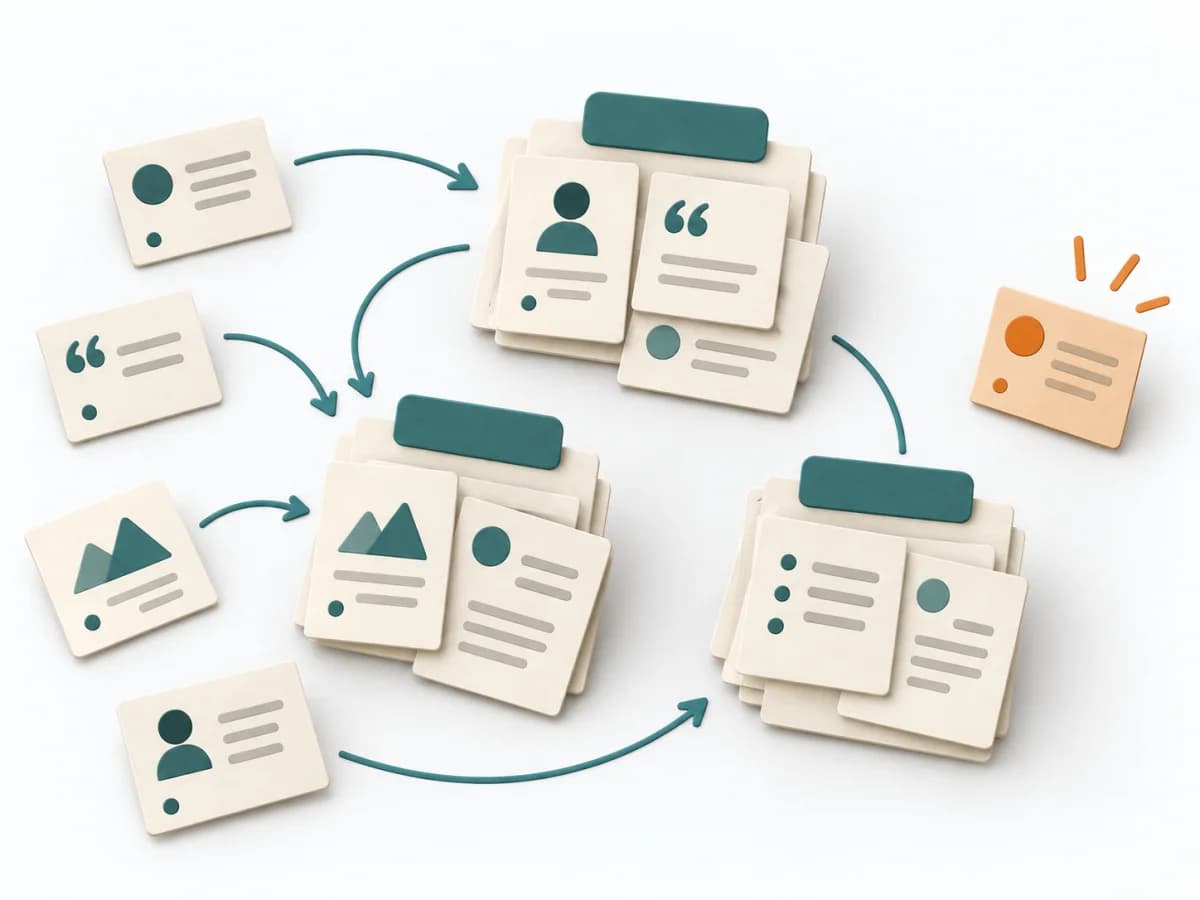
Personas summarize recurring goals, behaviors, and contexts from user research. They help teams align decisions with different needs. A persona is a research representation, not a real individual or a substitute for ongoing user research.
Which recurring needs and behaviors must decisions account for, and who is not represented by the current evidence?
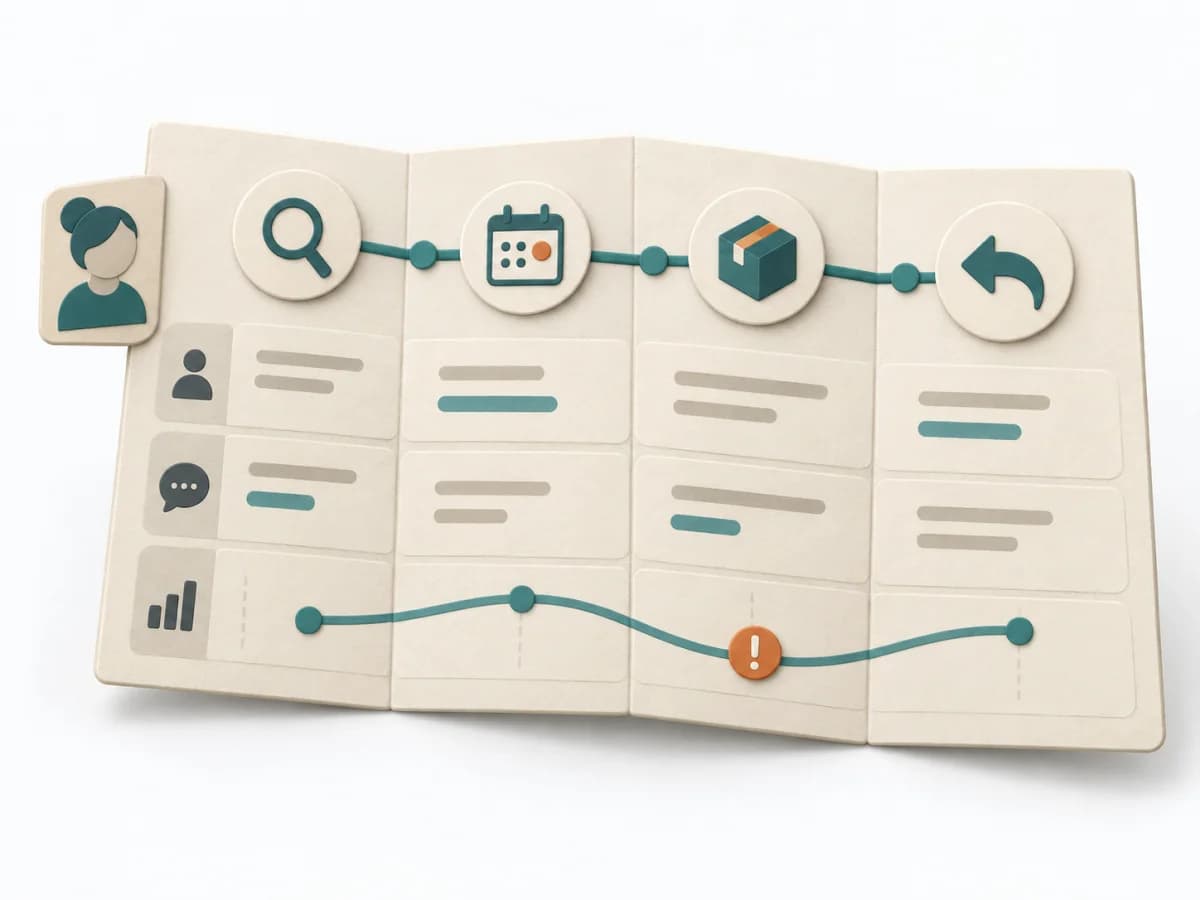
The phase bar moves from research evidence to profiles, application, and review.
Frame
Clarify which product decision and user group the profiles should support.
Patterns
Compare goals, situations, strategies, needs, and barriers across sources.
Profile
Describe goals, context, needs, and constraints for each relevant behavior pattern.
Apply
Connect profiles to concrete product decisions and open research questions.
Update profiles when new research reveals relevant patterns or counter-evidence. Link each persona to decisions and check that it still reflects a real user group.
Create personas when research reveals recurring behavior patterns that matter to product or service decisions. If evidence is missing or thin, use provisional segments and state uncertainty.

A behavior pattern with context, needs, and constraints.

Decision link, counter-evidence, and open research gaps.
Fictional teaching example
A compact profile with provenance, behavior pattern, needs, and limits.
Which decision and use situation should the profile support? Which group remains outside?
Fictional example: reserving neighborhood tools. The profile provisionally applies only to planning stock and pickup together.
Name sources, date, research method, sample context, and limits. Separate observation from interpretation.
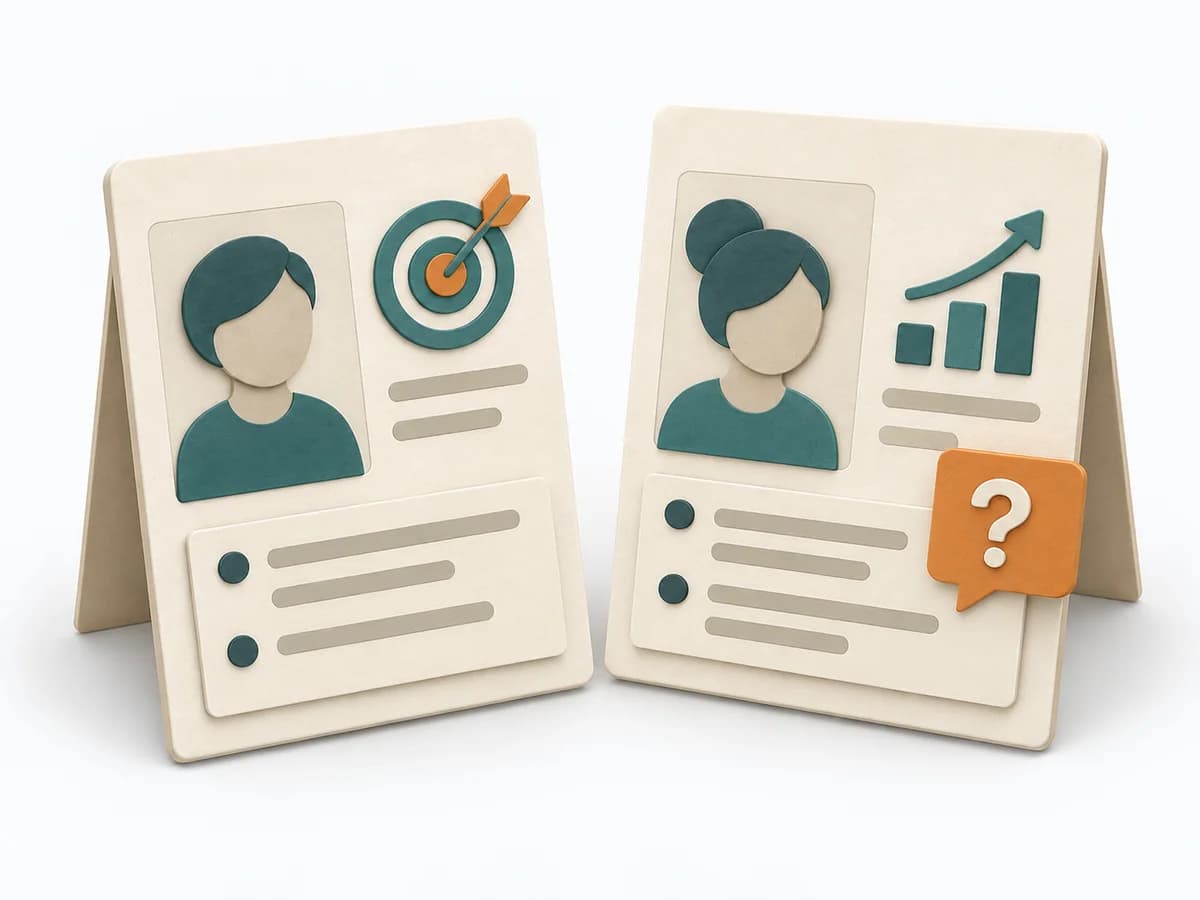
Fictional note F1: one person checks opening hours before traveling. Fictional counter-example F2: another person borrows spontaneously without reserving. Both are invented; no real study was conducted.
Gather evidence for recurring goals, situations, and strategies. Do not infer stereotypes from isolated attributes.
Fictional pattern: planned borrowing. F1 describes checking opening hours; F2 shows a spontaneous loan. Two cases do not establish a stable segment.
State the need, barrier, and its evidence or open status.
Fictional synthesis: reliable stock and pickup time may support planned borrowing; counter-example F2 keeps spontaneous borrowing visible as a different situation. Open: possible barriers from opening hours.
Which decision might the pattern change? Name the assumption that needs testing.
Fictional link: show stock and pickup windows together and check whether this supports planned borrowing without obscuring spontaneous access.
Record counter-evidence, unrepresented groups, profile owner, and update triggers.
Fictional synthesis from two invented notes, not a real study and not representative. Research owner checks patterns with real research and documents additional contexts.
A persona is an evidence-linked synthesis, not a real individual.
Name the decision that would benefit from a grounded view of different needs and behaviors.
When target groups stay too vague and teams talk about the same people differently, personas create a shared, solid picture of usage. Condensed profiles make needs, contexts, and differences tangible enough for decisions.
Research is condensed into recurring patterns and translated into clear user pictures based on evidence rather than ideas. These profiles give decisions a stable reference point as long as they keep being checked against real behavior.
Personas help because they condense scattered insight about target groups into consistent, memorable pictures of usage. The method becomes useful when the profiles are based on real patterns and clearly work out differences in motivation, context, and decision criteria. Good use guards against stereotypes, keeps the link to evidence visible, and uses personas as a thinking tool for decisions so the figures are more than pretty profile sheets.
Work from research clusters and formulate every persona so behavior, goals, and relevant tensions are clearly recognizable. The situation is worth checking when demographic detail overshadows the view of usage patterns; then it needs pulling back to the actual decision support. Close with a concise reference per persona and anchor it in design, prioritization, or messaging work.
The method guide walks execution through 4 phases, timing, 4 pitfalls, and clear stop criteria.
Open method guideYour perspective
Your feedback helps shape the next improvements to methodatlas.
Plan source review, synthesis, profile creation, and actual use as a multi-step research initiative.
To be confirmed
To be confirmed
One persona synthesis initiative Time: Multi-step initiative; effort depends on sources and question, with no assumed fixed duration.
Complete this worksheet on paper or in your own document during the work.
Which decision and use situation should the profile support? Which group remains outside?
...
Name sources, date, research method, sample context, and limits. Separate observation from interpretation.
...
Gather evidence for recurring goals, situations, and strategies. Do not infer stereotypes from isolated attributes.
...
State the need, barrier, and its evidence or open status.
...
Which decision might the pattern change? Name the assumption that needs testing.
...
Record counter-evidence, unrepresented groups, profile owner, and update triggers.
...
Blank template: answer prompts and mark each claim with a source or assumption status.
Expected artifact: Bounded persona question and evidence inventory.
Bounded persona question and evidence inventory.
Entry:
...
Expected artifact: Traceable patterns with sources and divergent cases.
Traceable patterns with sources and divergent cases.
Entry:
...
Expected artifact: Compact profile with source links, needs, barriers, and open questions.
Compact profile with source links, needs, barriers, and open questions.
Entry:
...
Expected artifact: Application notes with decision, unrepresented needs, and update requirement.
Application notes with decision, unrepresented needs, and update requirement.
Entry:
...
...
Method guide: https://methodatlas.meierhoff-systems.de/en/methods/personas/run-sheet
Fitting alternatives with decision guidance, followed by other related methods.
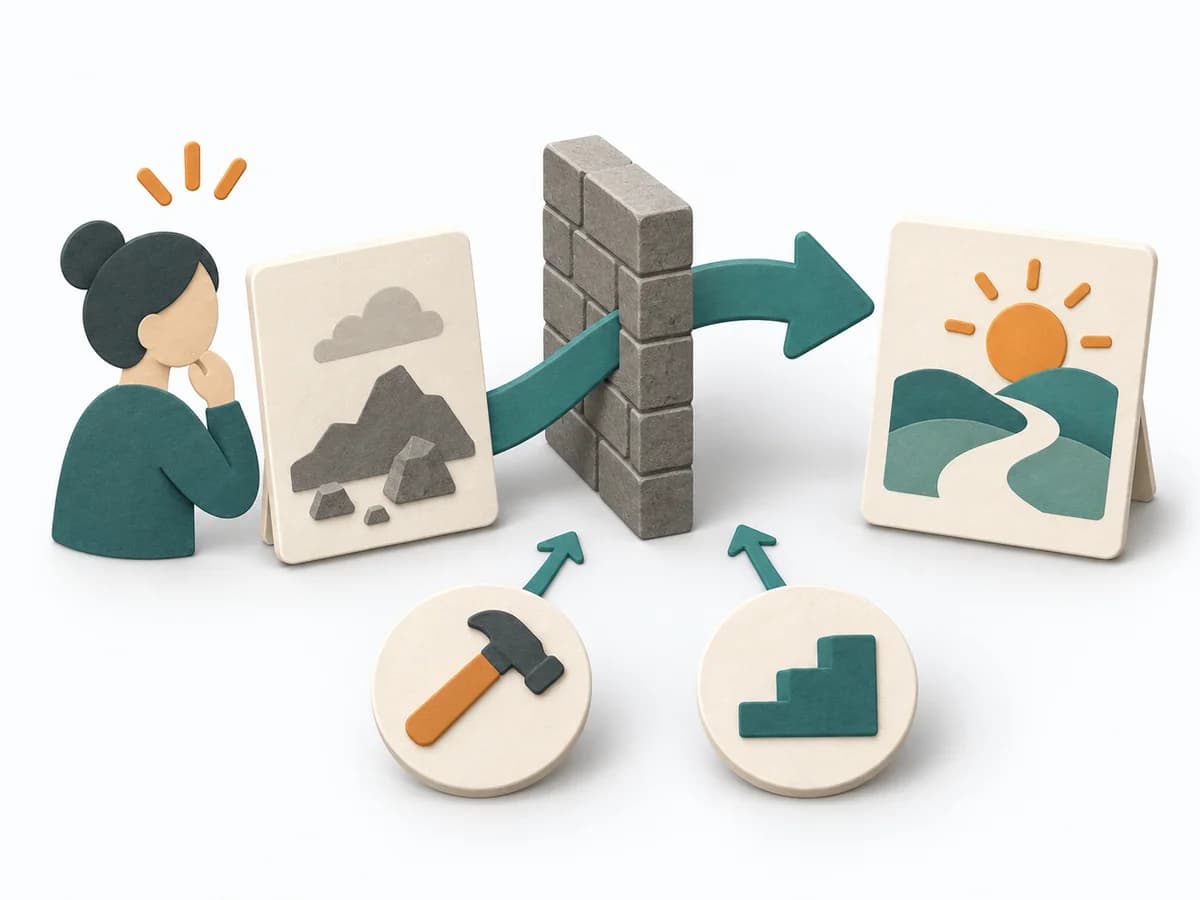
Instead of Personas, when you want to use Jobs to Be Done to understand needs through jobs to be done rather than target-group types.

Sorts user perspectives into say, think, do, and feel, separating observed facts from assumptions.
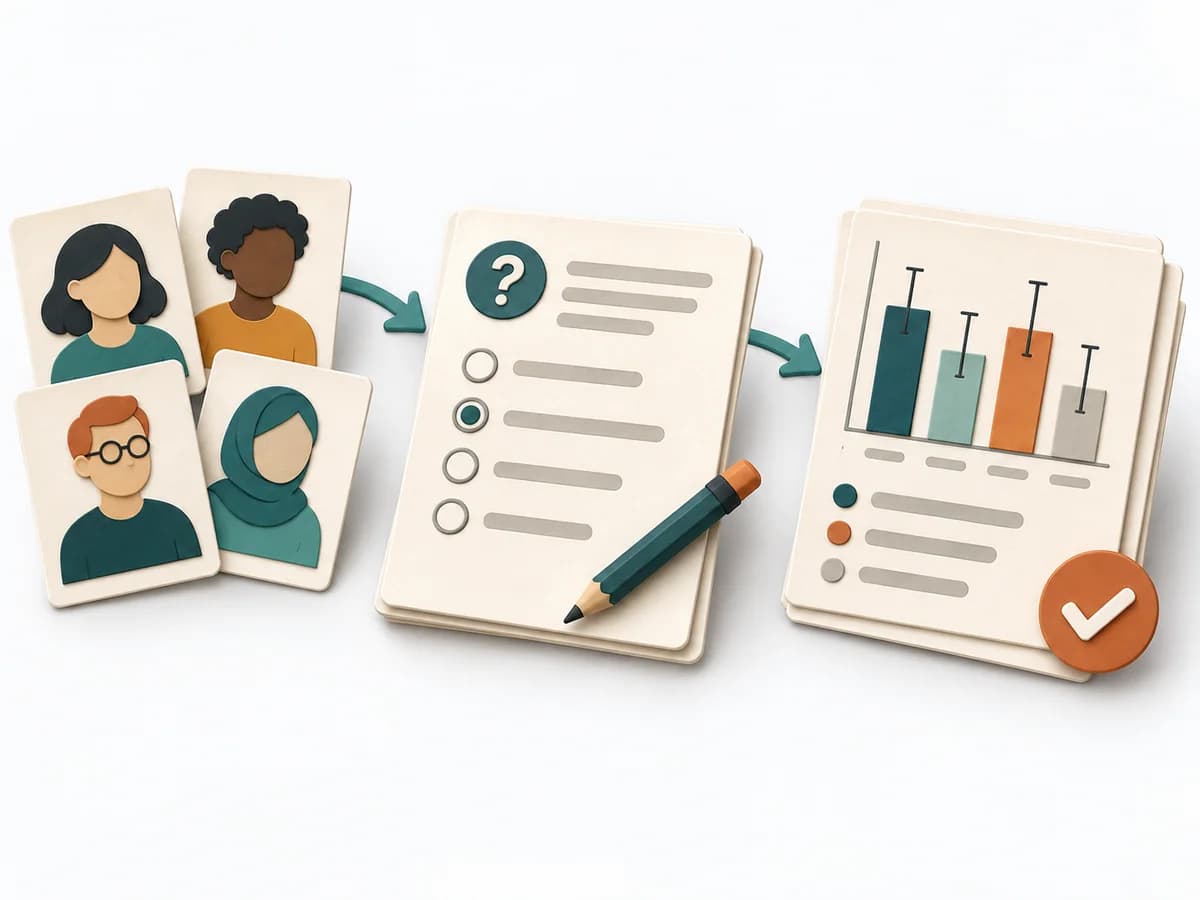
Collects answers in a scalable format and condenses them into results, charts, and segment insights.
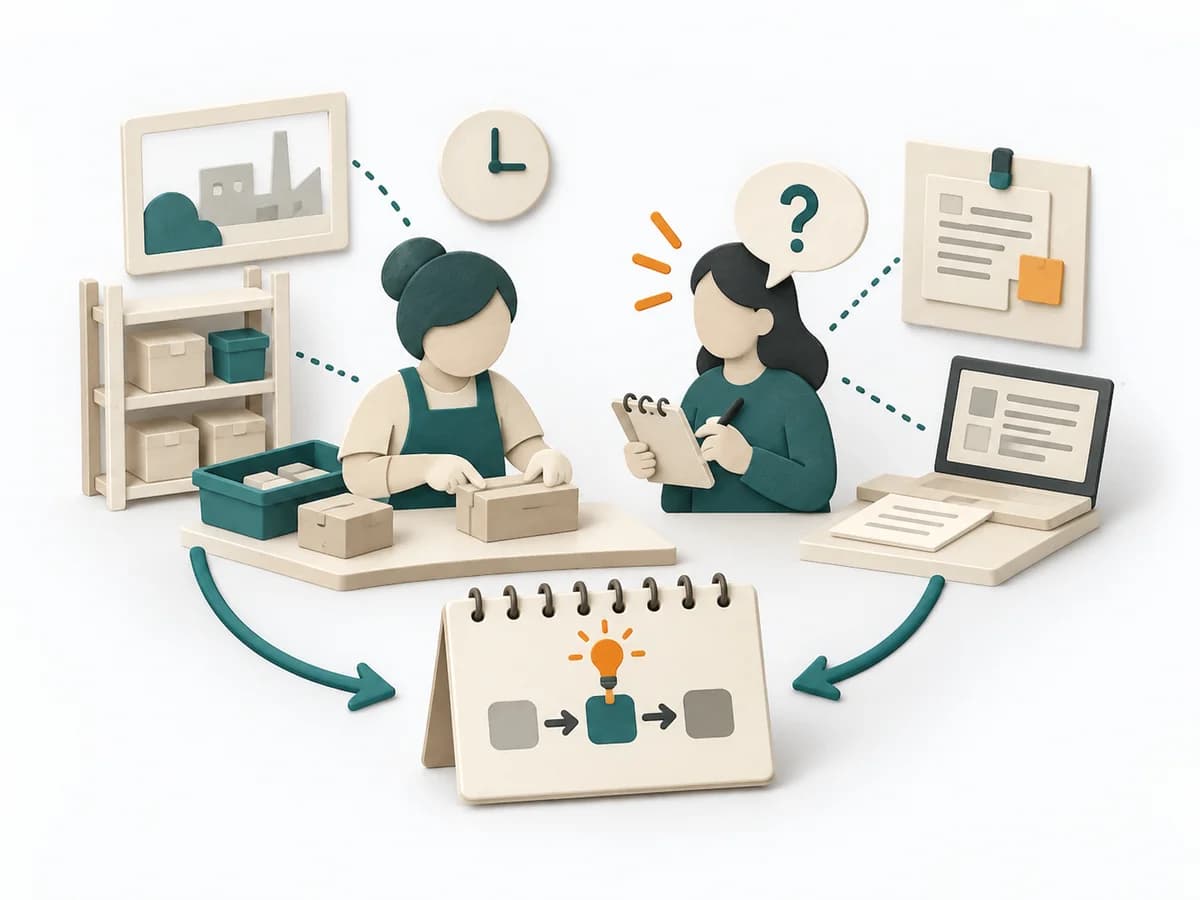
Observes real work in context and pairs it with follow-up questions to capture workflow insights precisely.

Captures experiences over time in diary entries and reveals longitudinal patterns that a single session would miss.
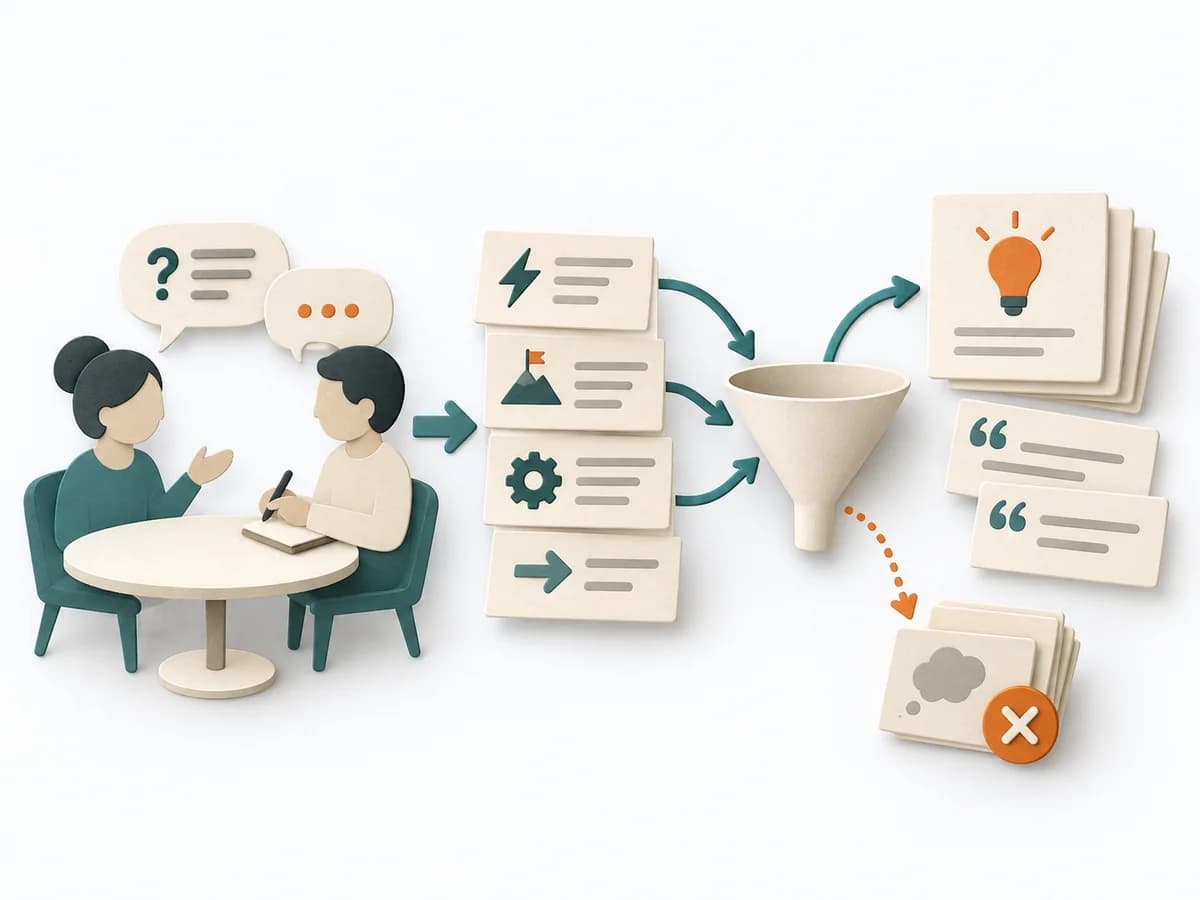
Clarifies customer problems, solution ideas, and evidence by framing an opportunity hypothesis, recruiting participants, and turning insights into opportunities.