Purpose
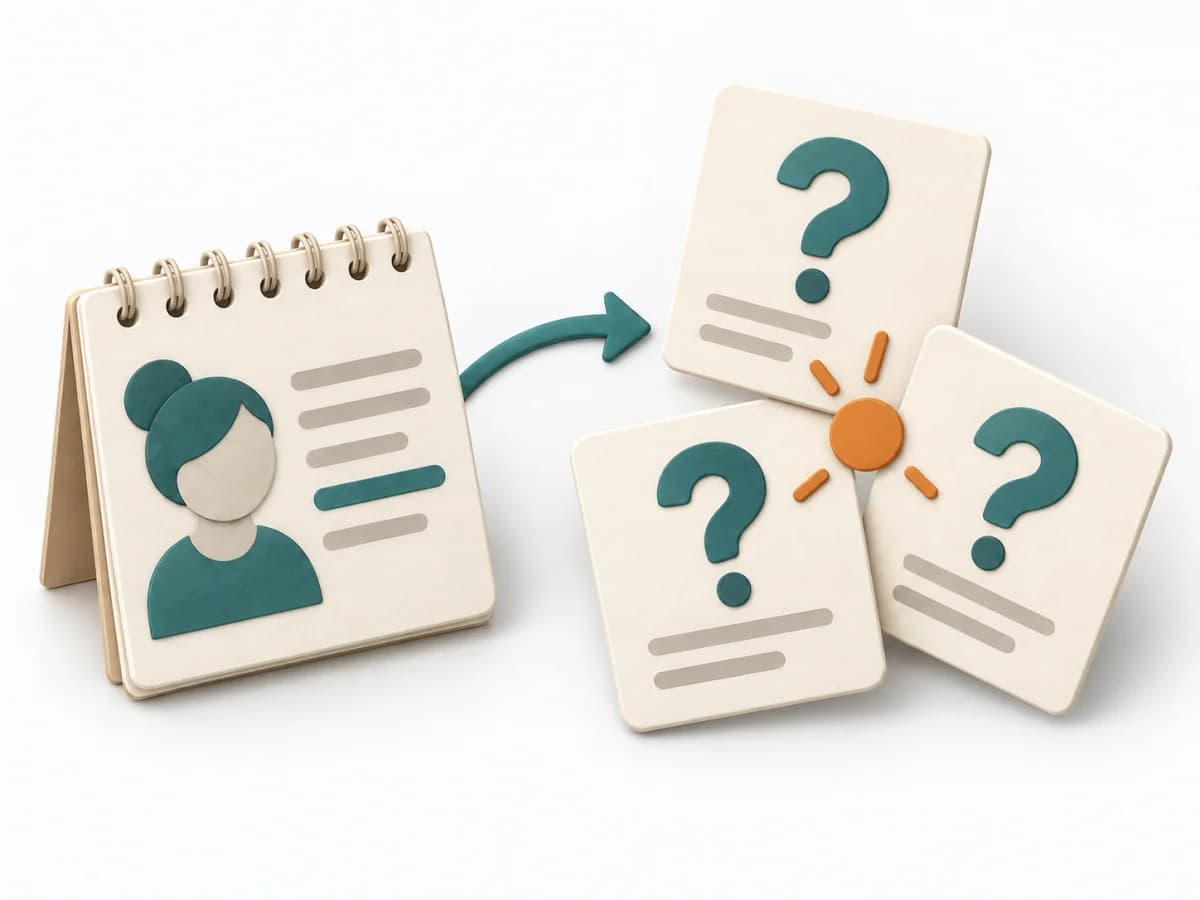
When a lot is assumed about a target group but little is seen jointly, empathy mapping makes knowledge and gaps directly comparable. The picture also shows which assumptions hold up and where evidence is missing.
UX Research Analysis method
Empathy mapping makes shared knowledge about a user group visible.
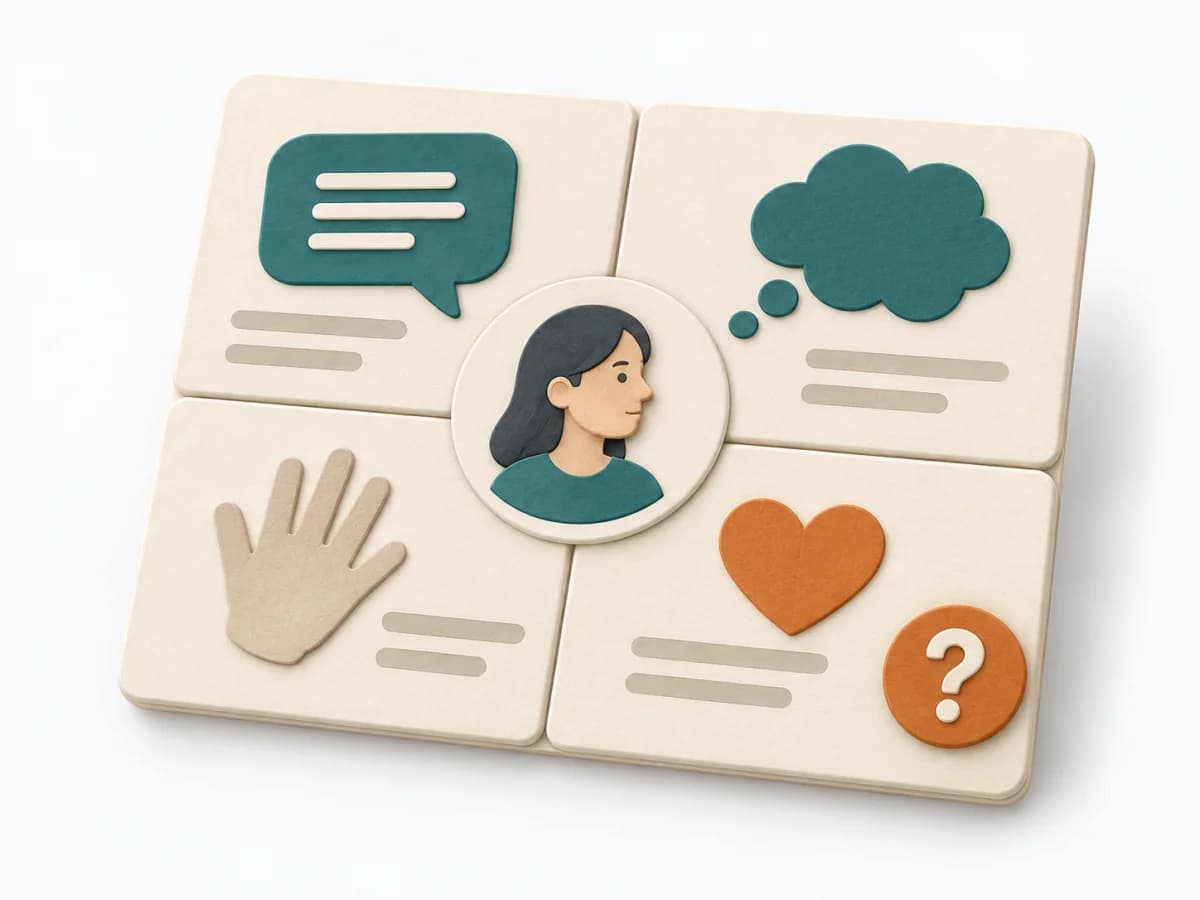
Empathy mapping places statements, observations, and cautious assumptions in Says, Thinks, Does, and Feels. It separates evidence from interpretation and surfaces open questions.
What does this user type say, think, do, and feel, what is evidenced, and which assumption needs testing?
What does this user type say, think, do, and feel, what is evidenced, and which assumption needs testing?
Frame
Define one user type or situation and its purpose.
Collect evidence
Gather quotes and observable behaviour from research sources.
Map perspectives
Place evidence in Says, Thinks, Does, and Feels, marking interpretation.
Derive gaps
Identify tensions and turn gaps into research questions or actions.
Update when evidence or context changes.
When a team needs to synthesize qualitative research for one user type and surface research gaps.
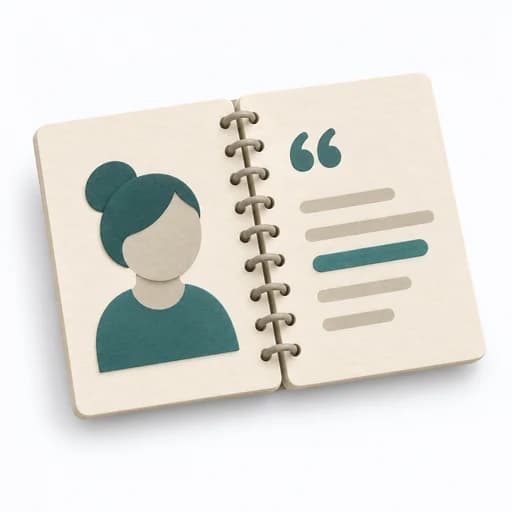
Traceable, revisable working state.

Gaps and next steps.
Fictional teaching example, not research.
Four perspectives for one concrete user type.
Direct words or quotes.
"I do not know whether it worked."
Inferred thoughts must be evidenced or labelled.
Assumption: "What happens next?"
Observable behaviour.
Checks the status again.
Feeling with source and context.
A source is needed or leave it open.
Choose one user type or situation. Prepare sourced quotes, observations, and source markers.
When a lot is assumed about a target group but little is seen jointly, empathy mapping makes knowledge and gaps directly comparable. The picture also shows which assumptions hold up and where evidence is missing.
The team collects known statements, observations, and hypotheses into the fields say, think, do, and feel. Then it identifies patterns, contradictions, and knowledge gaps and translates them into research questions or product decisions.
Empathy Mapping turns qualitative observations into a shared working picture. The team starts with one concrete user group or situation instead of speaking generally about all users. It then collects statements, visible behavior, inferred thoughts, and emotional signals separately. The distinction is important: a quote is evidence, while an inferred thought is an assumption. At the end, patterns, tensions, and research gaps are marked to generate better questions, personas, journey maps, or product decisions.
Work with concrete quotes and observations, not intuition alone. Mark assumptions visibly so they can be checked later. Keep in mind that not all fields need to be fully filled; empty fields often indicate useful research gaps.
The method guide walks execution through 4 phases, timing, 4 pitfalls, and clear stop criteria.
Open method guideYour perspective
Your feedback helps shape the next improvements to methodatlas.
Prepare the user perspective, evidence, and open interpretations for one focused empathy map.
To be confirmed
To be confirmed
Create one empathy map Time: 30–60 minutes
Complete this worksheet on paper or in your own document during the work.
Direct words or quotes.
...
Inferred thoughts must be evidenced or labelled.
...
Observable behaviour.
...
Feeling with source and context.
...
Expected artifact: User type, situation, and purpose
Evidence, context, and source
Entry:
...
Expected artifact: Quotes, observations, and source markers
Evidence, context, and source
Entry:
...
Expected artifact: Says · Thinks · Does · Feels · source
Evidence, context, and source
Entry:
...
Expected artifact: Pattern · tension · research gap · next action
Evidence, context, and source
Entry:
...
...
Method guide: https://methodatlas.meierhoff-systems.de/en/methods/empathy-mapping/run-sheet
Fitting alternatives with decision guidance, followed by other related methods.
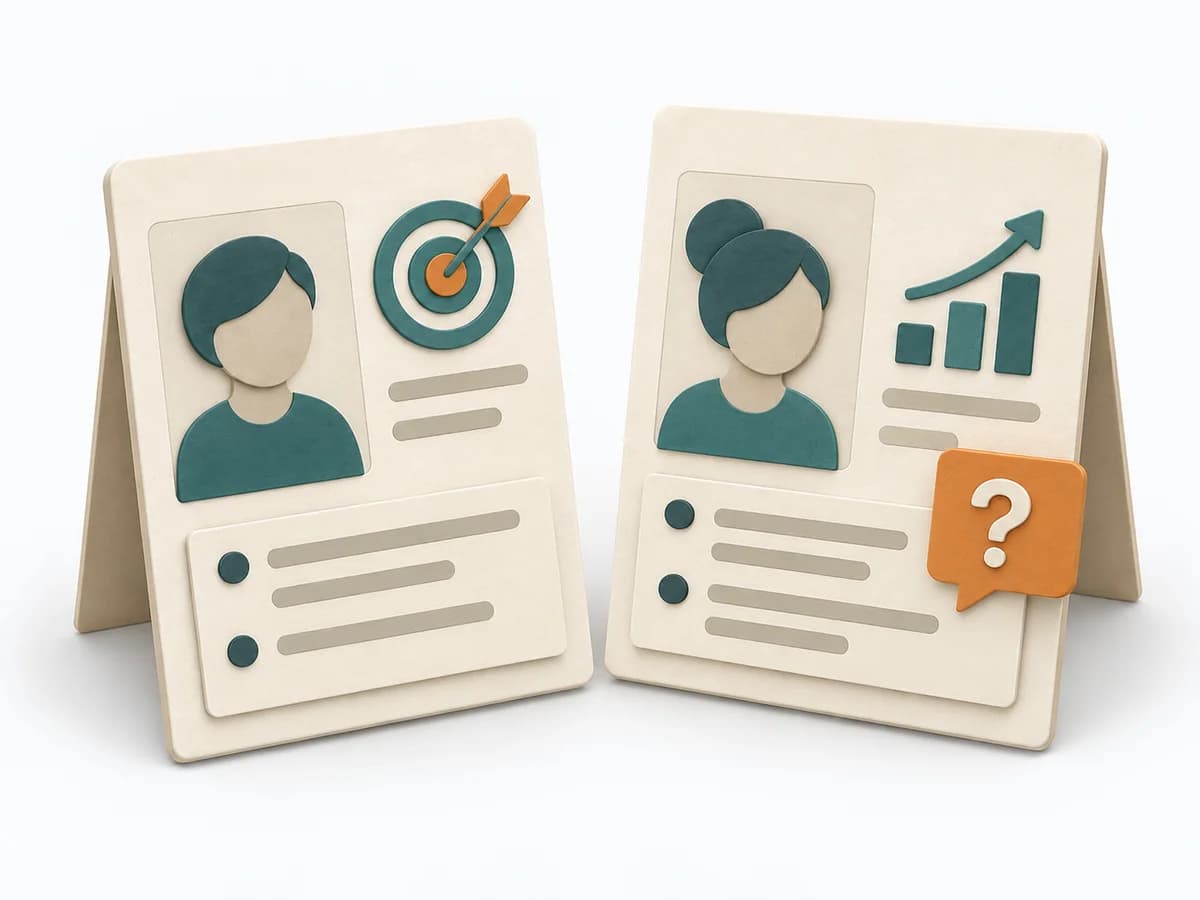
Instead of Empathy Mapping, when you want to use Personas to build stable target-group profiles for communication, design, and prioritization.
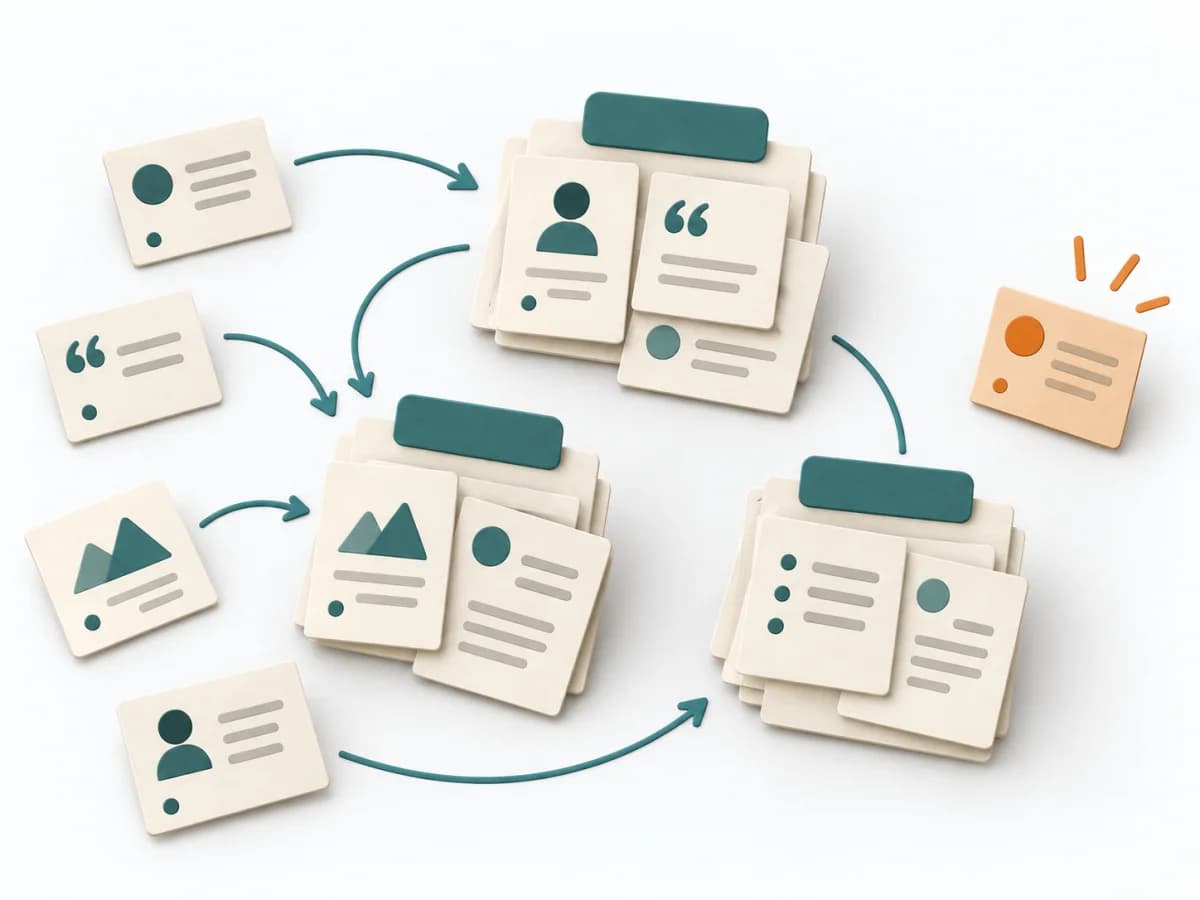
Clusters notes into themes, statements, and opportunities, translating raw material into clear implications.
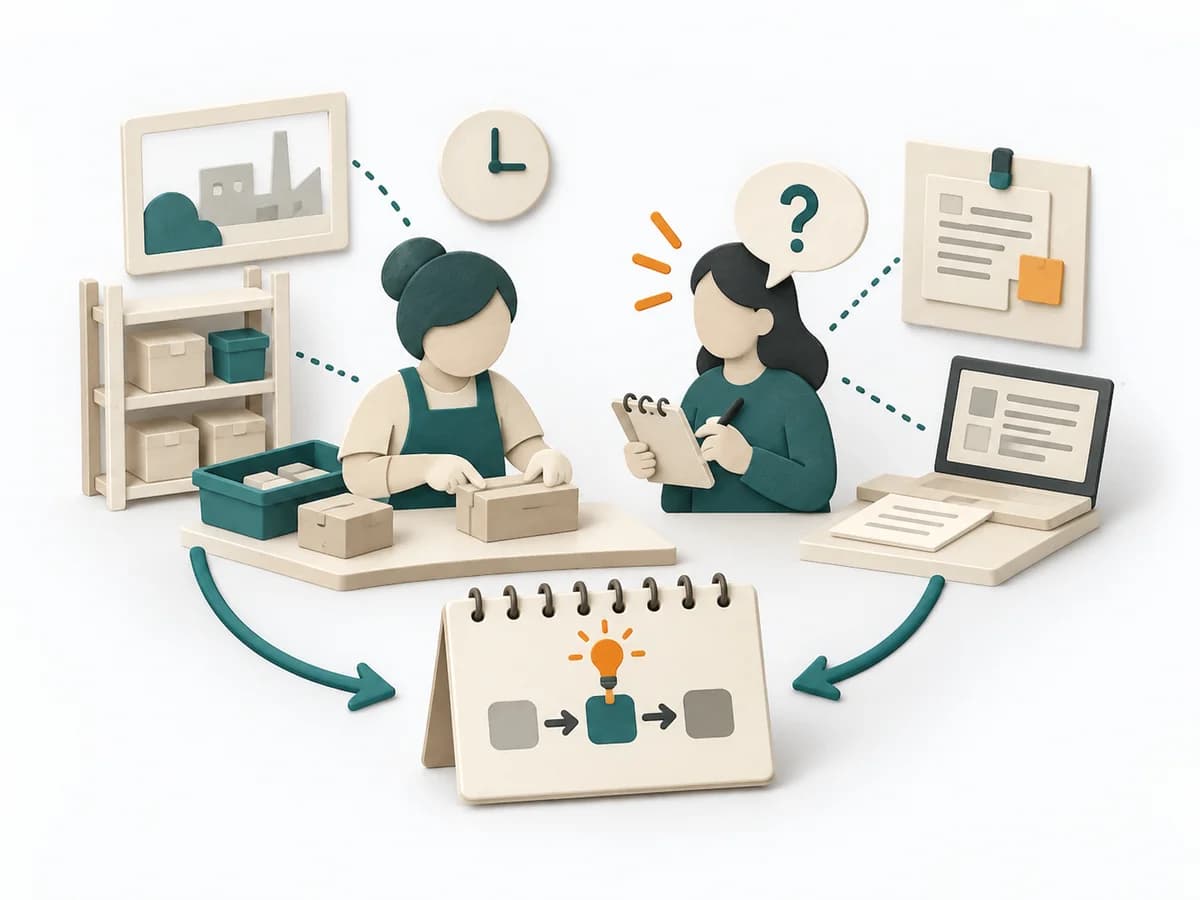
Observes real work in context and pairs it with follow-up questions to capture workflow insights precisely.

Captures experiences over time in diary entries and reveals longitudinal patterns that a single session would miss.
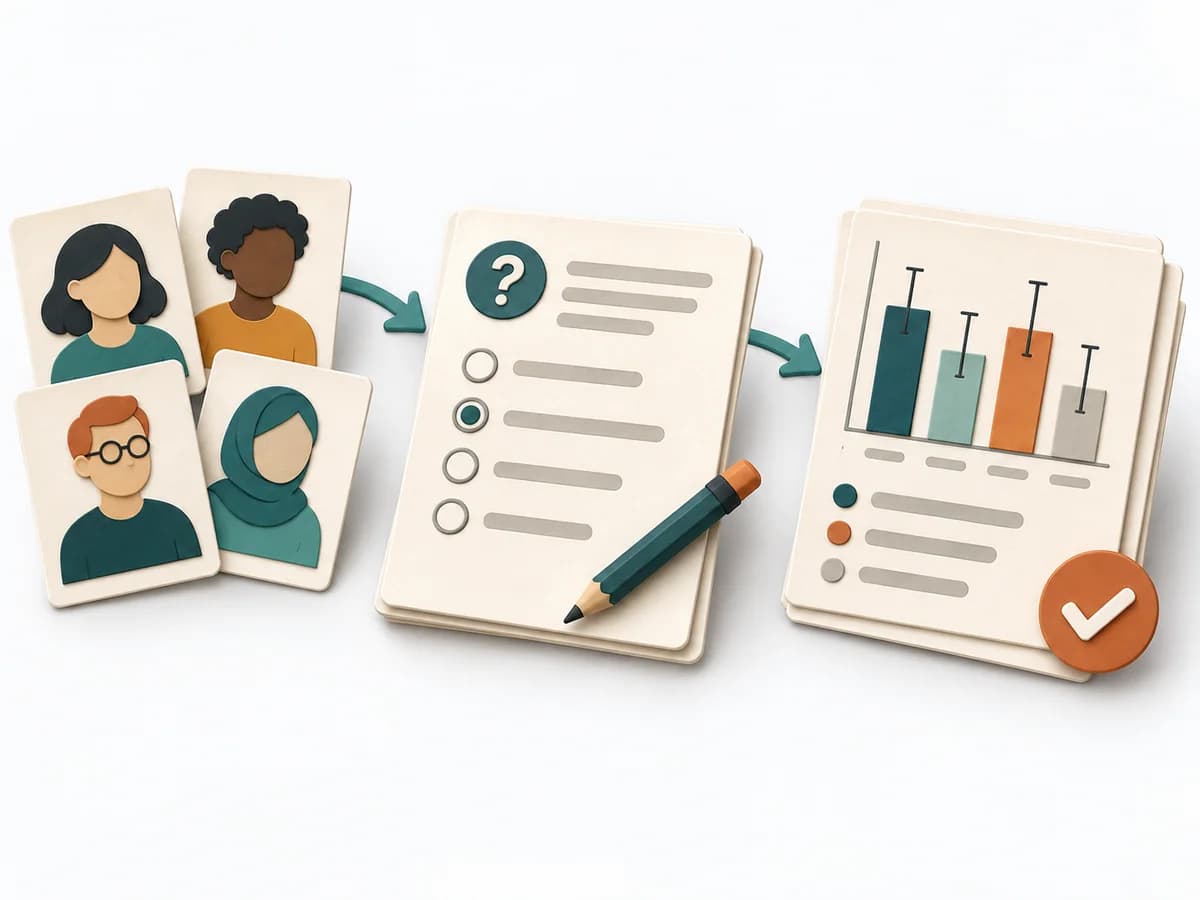
Collects answers in a scalable format and condenses them into results, charts, and segment insights.

Invented roles shift perspective during ideation and surface options that the normal team viewpoint would miss.