Purpose
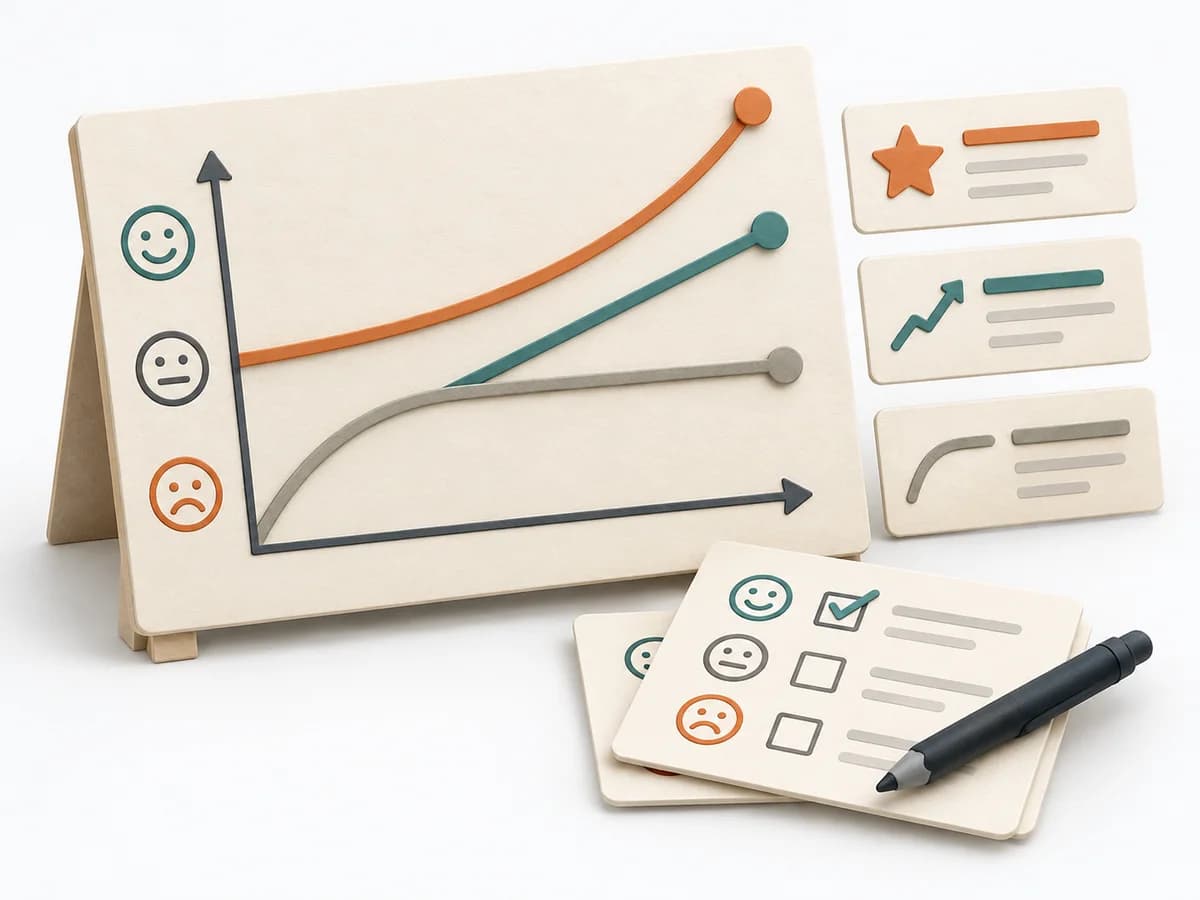
When a topic needs to be validated broadly and many people can answer the same question, surveys gather structured feedback in a scalable form. Answers become comparable and segmentable instead of remaining merely anecdotal.
UX Research Research method
Collects standardized self-reports for a defined research question.
A survey collects standardized self-reports for a defined research question. Question quality, sampling and analysis limit conclusions; a large response count alone does not establish representativeness.
What can this population reliably report that informs the stated decision?
What can this population reliably report that informs the stated decision?
Goal
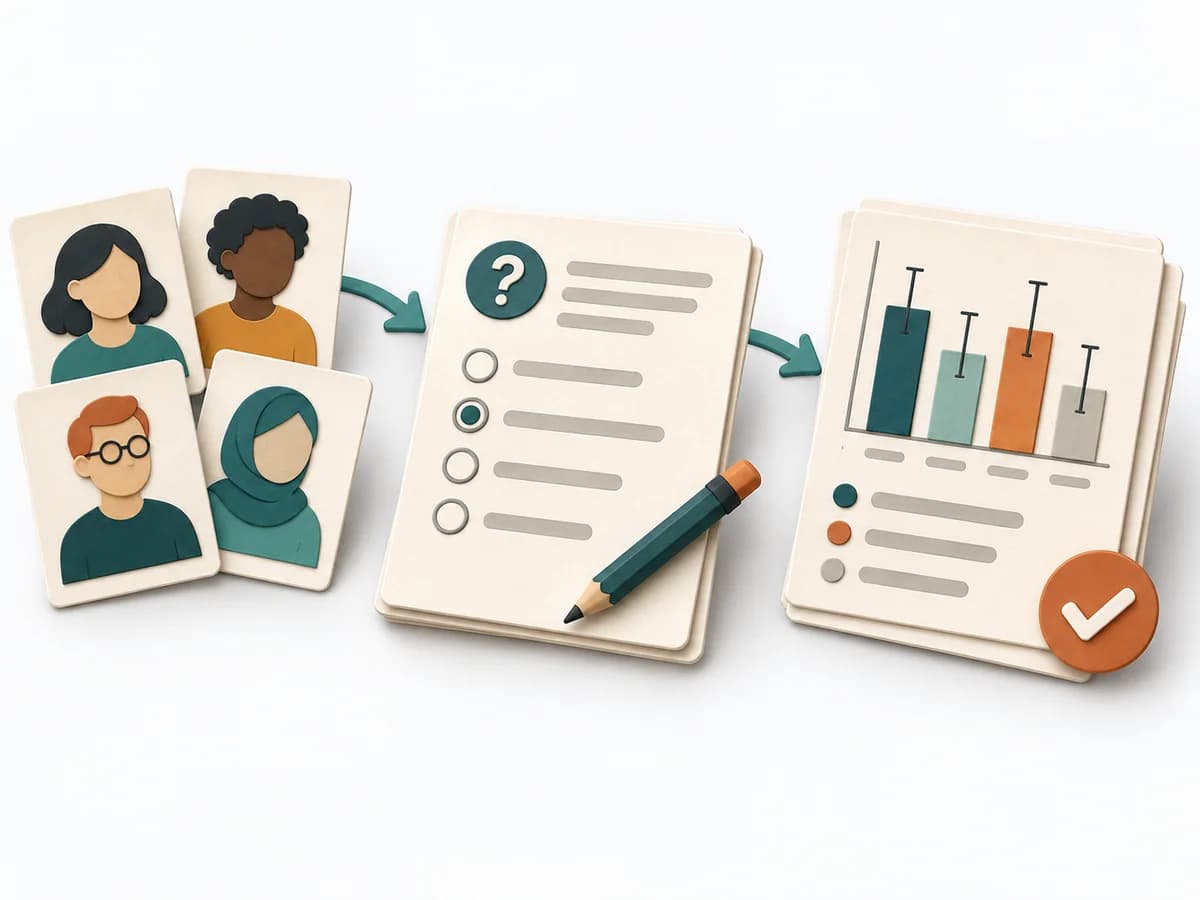
Connect a knowledge gap, target population and decision; check that self-report can answer it.
Questions
Ask one thing at a time, use plain language, balanced options and a relevant recall period.
Sample
Define population, sampling route, field period, data collected and privacy controls.
Fieldwork
Check comprehension and operation; report denominator, missing data and uncertainty suited to the design.
Update the work record when new evidence, changed constraints or the planned review changes an assumption.
Use for relevant self-reported attitudes, experiences or behaviors when a suitable population and sampling approach exist. Prefer observation or records when they answer the question better.

The reasoned survey objective connects a knowledge gap, target population, and decision and states whether self-report can answer it.

Each question addresses one construct in plain language, with balanced response options and a suitable recall period. A not-sure option is available where useful. Cognitive checks examine comprehension, and the design follows NN/g recommendations.
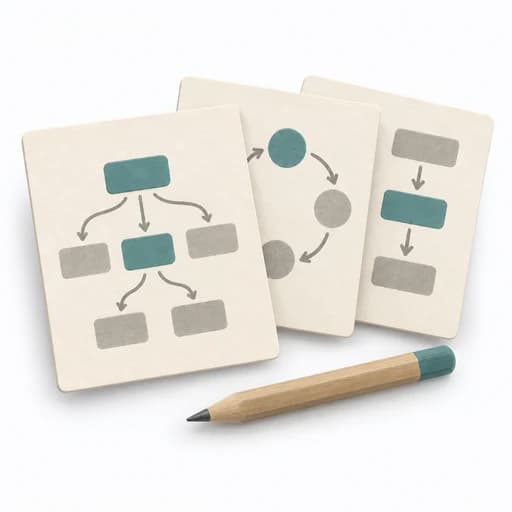
The transparent field plan defines the target population, sampling route, field period, required data, and privacy controls.
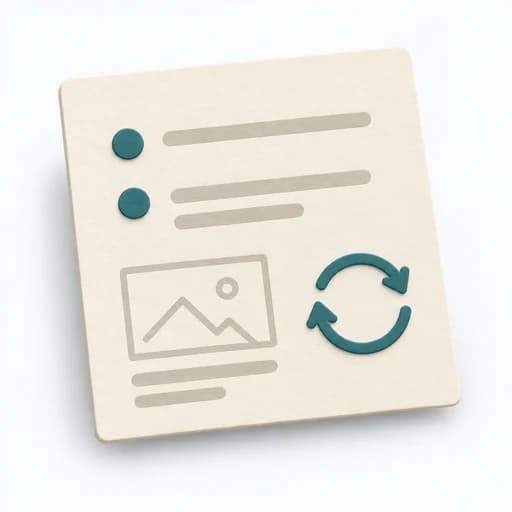
The analysis report records comprehension tests, technical checks, field quality, and dropouts. It states denominators, sampling, missing data, and uncertainty and interprets results within the limits of the study design.
Fictional example
Method-specific prompts and a fictional worked example; template prompts remain empty.
Compare with observation and records.
**Goal:** Learn which support route people used after their latest failed login and what they still needed.
Cognitively test the wording.
**Question:** “Which route did you use for your last login problem?” with balanced options and “don’t know/none”.
Sample size follows purpose, segments and required precision.
**Sampling limit:** Recruiting through support omits people who never contacted support. Results describe respondents reached through that channel.
Use descriptive statistics only as supported by sampling.
**Pilot:** Check whether people understand “login problem” and the recall period as intended.
NN/g provides question-writing practices. Design and sampling constrain conclusions; response count alone does not prove representativeness.
Writing Good Survey Questions: 10 Best Practices | Nielsen Norman Group
Define question, decision, target population, sampling frame, mode and privacy requirements before drafting.
When a topic needs to be validated broadly and many people can answer the same question, surveys gather structured feedback in a scalable form. Answers become comparable and segmentable instead of remaining merely anecdotal.
A clear question logic framework keeps the survey consistent so answers stay comparable across groups. The patterns in the distribution produce clues about differences, preferences, and possible segment breaks, which combine well with interview knowledge.
Surveys work because they can capture perceptions, frequencies, or preferences comparably across larger groups. The method is only strong when questions are precise, answer options are cleanly built, and the sample and analysis fit the actual insight question. Biases, ambiguities, and the connection to qualitative findings matter so that meaningful interpretation emerges from response numbers.
Decide in advance which decision the survey should support, and cut anything that's only running along out of curiosity. The situation gets especially sensitive with unclear wording or overloaded answer scales; the instrument quickly loses meaning there. Close with a concise reading of the results and note openly which questions need qualitative follow-up.
The method guide walks execution through 4 phases, timing, 4 pitfalls, and clear stop criteria.
Open method guideYour perspective
Your feedback helps shape the next improvements to methodatlas.
Plan a session or initiative to match the actual scope of work.
To be confirmed
To be confirmed
Prepare the full method Time: An initiative spanning design, pilot, fieldwork and analysis; duration depends on access and research purpose.
Complete this worksheet on paper or in your own document during the work.
Compare with observation and records.
...
Cognitively test the wording.
...
Sample size follows purpose, segments and required precision.
...
Use descriptive statistics only as supported by sampling.
...
Blank worksheet contains prompts only, with no example data.
Writing Good Survey Questions: 10 Best Practices | Nielsen Norman Group
Expected artifact: Reasoned survey objective
Reasoned survey objective
Entry:
...
Expected artifact: Understandable, non-leading items
Understandable, non-leading items
Entry:
...
Expected artifact: Transparent field plan
Transparent field plan
Entry:
...
Expected artifact: Data and bounded findings
Data and bounded findings
Entry:
...
...
Method guide: https://methodatlas.meierhoff-systems.de/en/methods/surveys/run-sheet
Fitting alternatives with decision guidance, followed by other related methods.

Instead of Surveys, when you want to use User Interviews to understand motivations and contexts directly from conversations with target individuals.
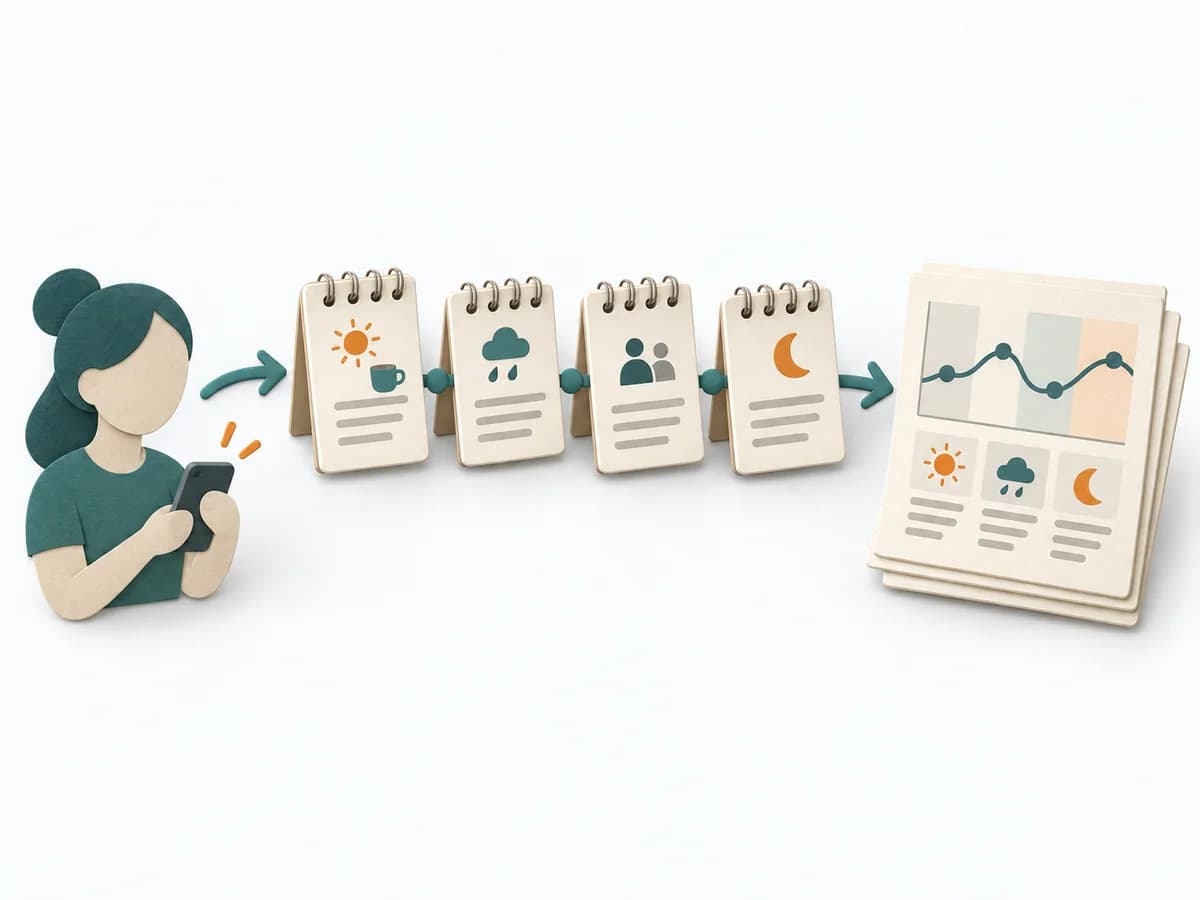
Captures experiences over time in diary entries and reveals longitudinal patterns that a single session would miss.

Condenses research into solid profiles, needs, and scenarios so teams classify user groups consistently.

Places tasks, sessions, and problems side by side to spot friction points and prioritize fixes.
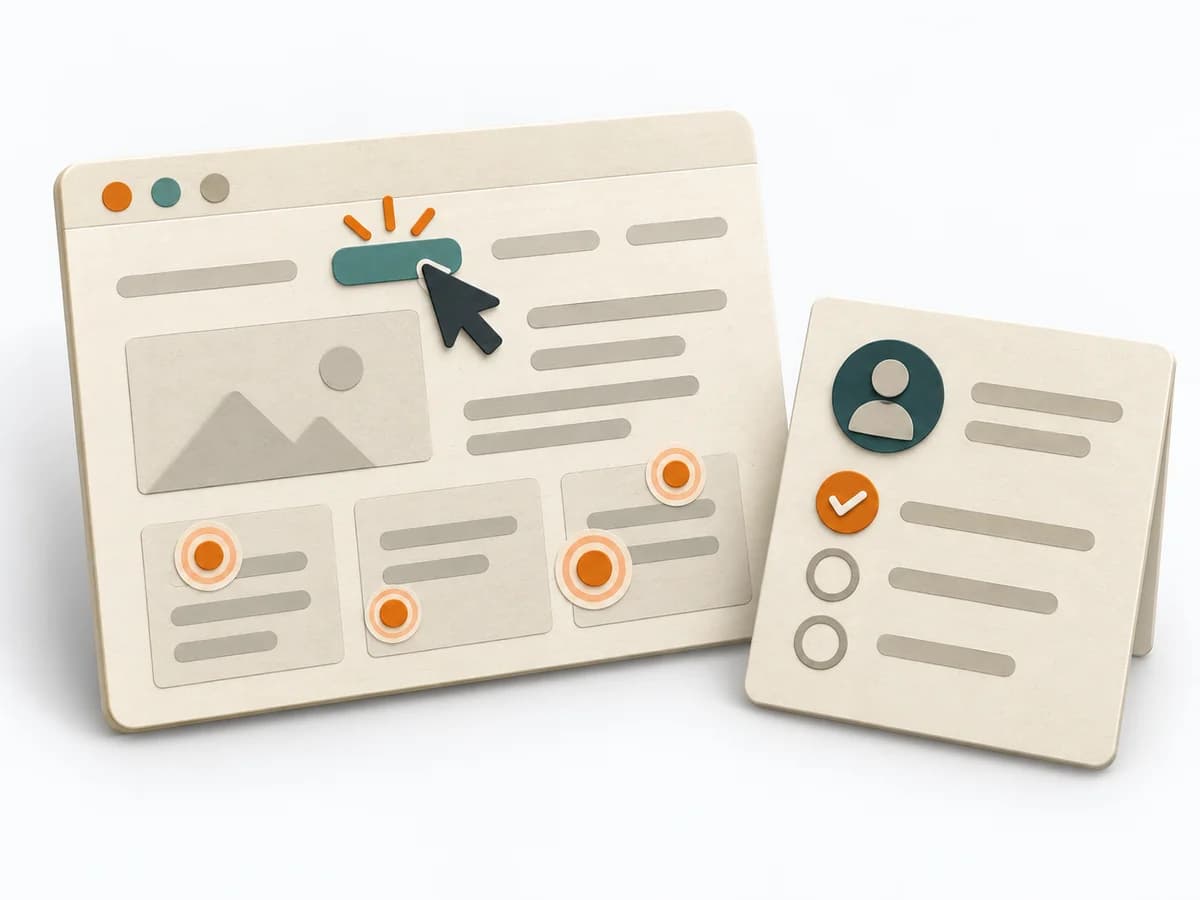
Analyzes the first clicks on a screen or wireframe and quickly shows whether orientation and expectation match.
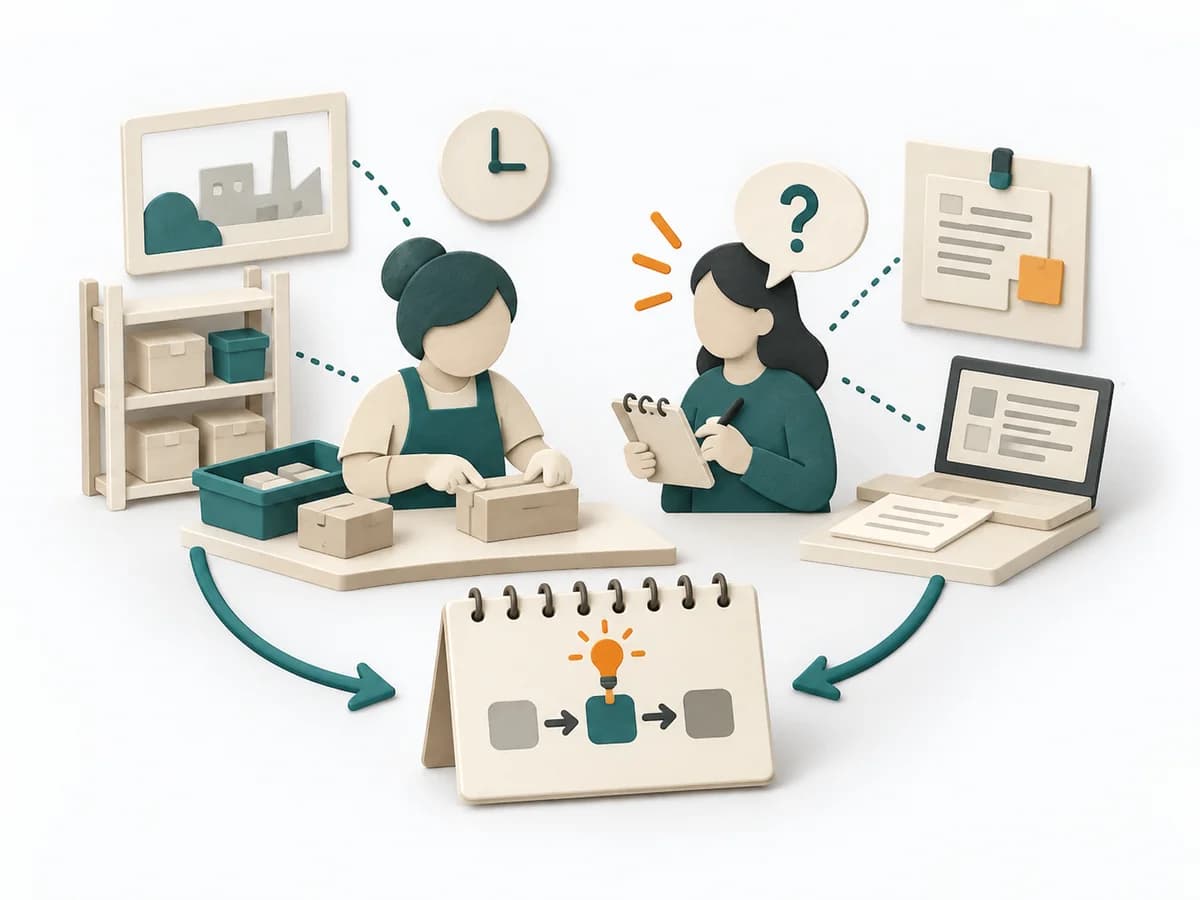
Observes real work in context and pairs it with follow-up questions to capture workflow insights precisely.