

Purpose
When a user journey falls apart across many touchpoints, customer journey mapping makes the experience visible as a coherent arc. Phases, emotions, and breaks become legible enough to prioritize critical moments deliberately.
UX Research Mapping tool
Makes an experience understandable across its touchpoints.
Journey Mapping maps the journey of a specific group in a clear scenario. It connects actions, touchpoints, and evidenced experiences to the questions and improvements that follow.
How does this group experience the chosen scenario across its phases, and where would learning or improvement help?
Journey phases follow the chosen scenario. The working approach below explains how to create and use the map.
Frame
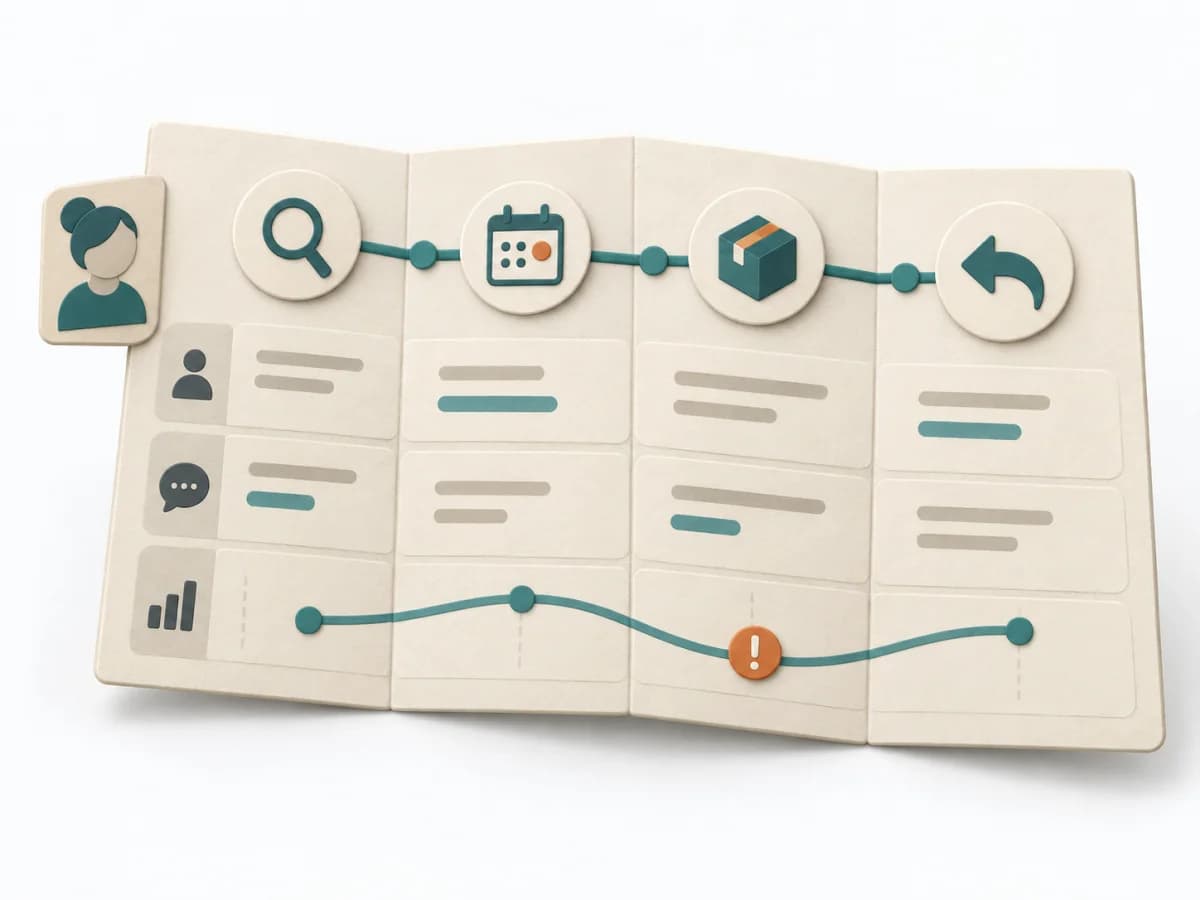
Define group, goal and perspective.
Sequence
Trace the journey from the person’s perspective.
Map
Connect actions, touchpoints and experience.
Interpret
Understand relevant transitions and gaps together.
Act
Translate the map into useful next steps.
Update the map when new research or a changed journey becomes available. Check whether its phases still explain the experience.
You want to understand a current or envisioned experience from the user perspective, examine transitions between channels and derive justified improvements.
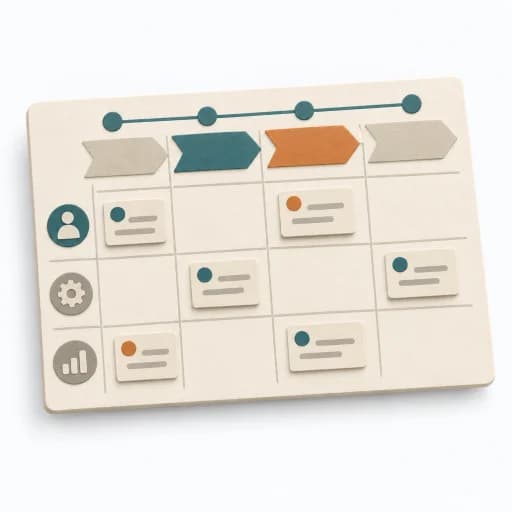
Connected phases, actions, touchpoints and experiences.
Sources, assumptions and questions at the relevant point of the journey.
Justified research or improvement work with ownership.
Fictional teaching example
Fictional current journey of a household planning a repair. All entries are invented; missing experience remains visible.
| Experience lane | Search and reserve | Plan collection | Collect tools | Return |
|---|---|---|---|---|
| ActionsWhat does the person do in this phase? | Choose a tool and request dates. | Arrange travel and collection time. | Identify the reservation and collect the tool. | Return the tool at the agreed time. |
| TouchpointsWhere and through which channel does the action happen? | Catalog and reservation form. | Confirmation and a phone inquiry. | Collection point and service staff. | Return point. |
| Thoughts and feelingsWhat is reported or observed, and what is assumed or open? | Open: how easy is choosing a tool? | Fictional note F1: uncertainty about whether the tool is firmly reserved. | Fictional note F1: the in-person explanation is described as helpful. | Open: no account of the return experience is available. |
| Evidence and follow-up questionWhich source supports the claim and what investigation follows? | Assumed sequence; investigate real selection cases. | Fictional note F1; examine confirmation clarity. | Fictional note F1; compare different collection cases. | No source; investigate return cases. |
These four journey phases belong to this example. Scope and names follow your scenario; an emotion curve is optional and needs evidence.
Choose a group, a concrete goal and the beginning and end of the journey. Clearly identify current experience and future intent.
When a user journey falls apart across many touchpoints, customer journey mapping makes the experience visible as a coherent arc. Phases, emotions, and breaks become legible enough to prioritize critical moments deliberately.
The journey is viewed across its stages so actions, feelings, and transitions don't stay isolated. This produces a coherent picture of the experience in which friction points and opportunities become visible and priorities mature more clearly.
Customer journey mapping works because it connects individual touchpoints into a chronological arc of experience, making emotional and operational breaks visible. The map becomes especially valuable when it is based on observation, research, or solid data and cleanly separates phases, needs, questions, and hurdles. Transitions between channels, responsibilities, and expectations remain useful so critical moments can be improved deliberately.
Set a clear journey scope and bring documented observations so the map isn't built from wishful thinking. The lever usually lies at transitions where users lose context or have to explain themselves again. Close with a few prioritized moments that should be noticeably improved for product, service, or communication.
The method guide walks execution through 5 phases, timing, 5 pitfalls, and clear stop criteria.
Open method guideYour perspective
Your feedback helps shape the next improvements to methodatlas.
Plan the scenario, sources and working approach for a useful journey map.
To be confirmed
To be confirmed
Develop a journey map Time: 2–4 hours; research is additional
Complete this worksheet on paper or in your own document during the work.
| Experience lane | Name phase 1 | Name phase 2 | Name phase 3 | Name phase 4 |
|---|---|---|---|---|
| Actions | ||||
| Touchpoints | ||||
| Thoughts and feelings | ||||
| Evidence and follow-up question |
Before filling the map, record group, goal, start, end and current or future perspective. Name, add or remove columns for the scenario. Label sources and assumptions.
Structure based on Nielsen Norman Group
Expected artifact: Scenario frame
Group · goal · boundaries · perspective
Entry:
...
Expected artifact: Journey phases
Sequence · transitions · actions
Entry:
...
Expected artifact: Evidenced working map
Action · touchpoint · experience · source
Entry:
...
Expected artifact: Justified opportunities
Moment · evidence · potential impact · open question
Entry:
...
Expected artifact: Tasks and an updateable map
Next step · owner · review
Entry:
...
...
Method guide: https://methodatlas.meierhoff-systems.de/en/methods/journey-map/run-sheet
Fitting alternatives with decision guidance, followed by other related methods.
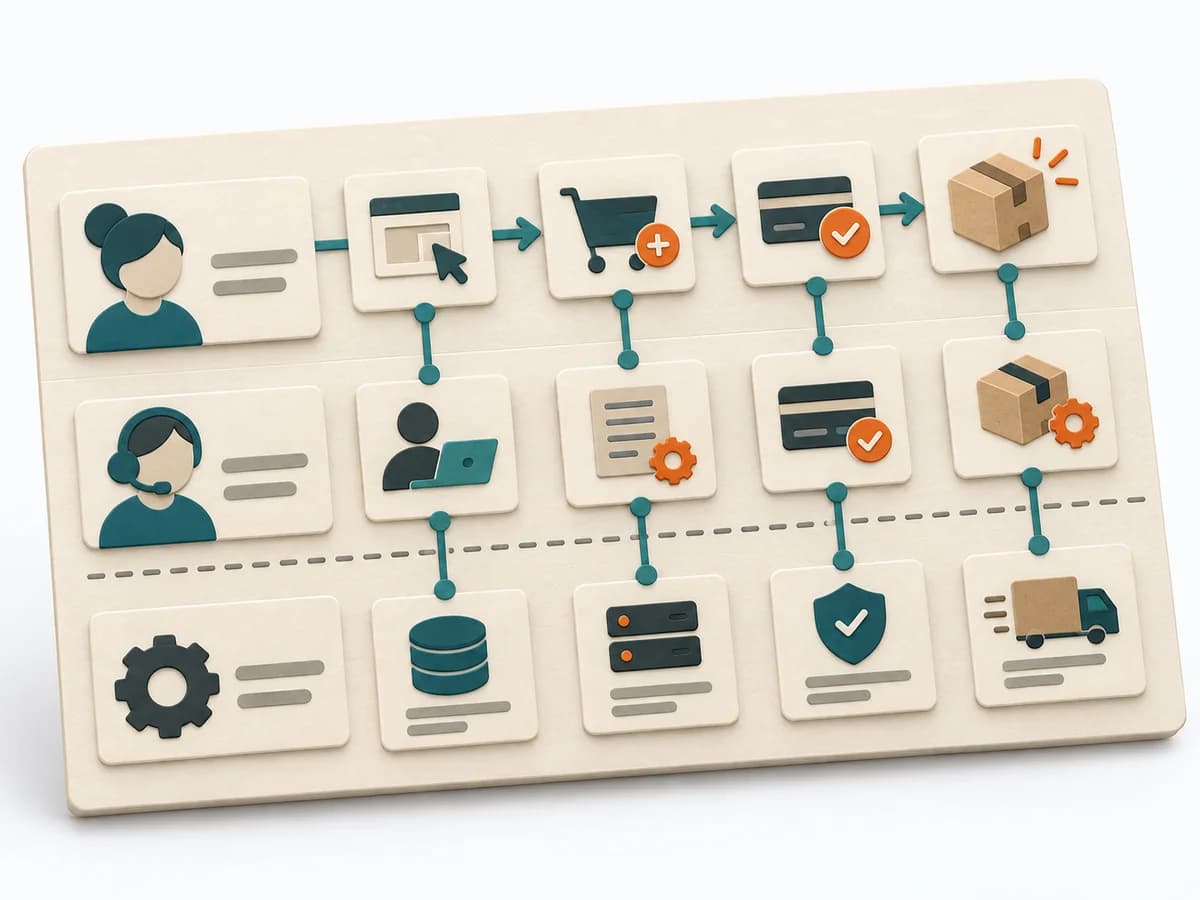
Instead of Customer Journey Mapping, when you want to use Service Blueprinting to model frontstage and backstage of a service experience together.
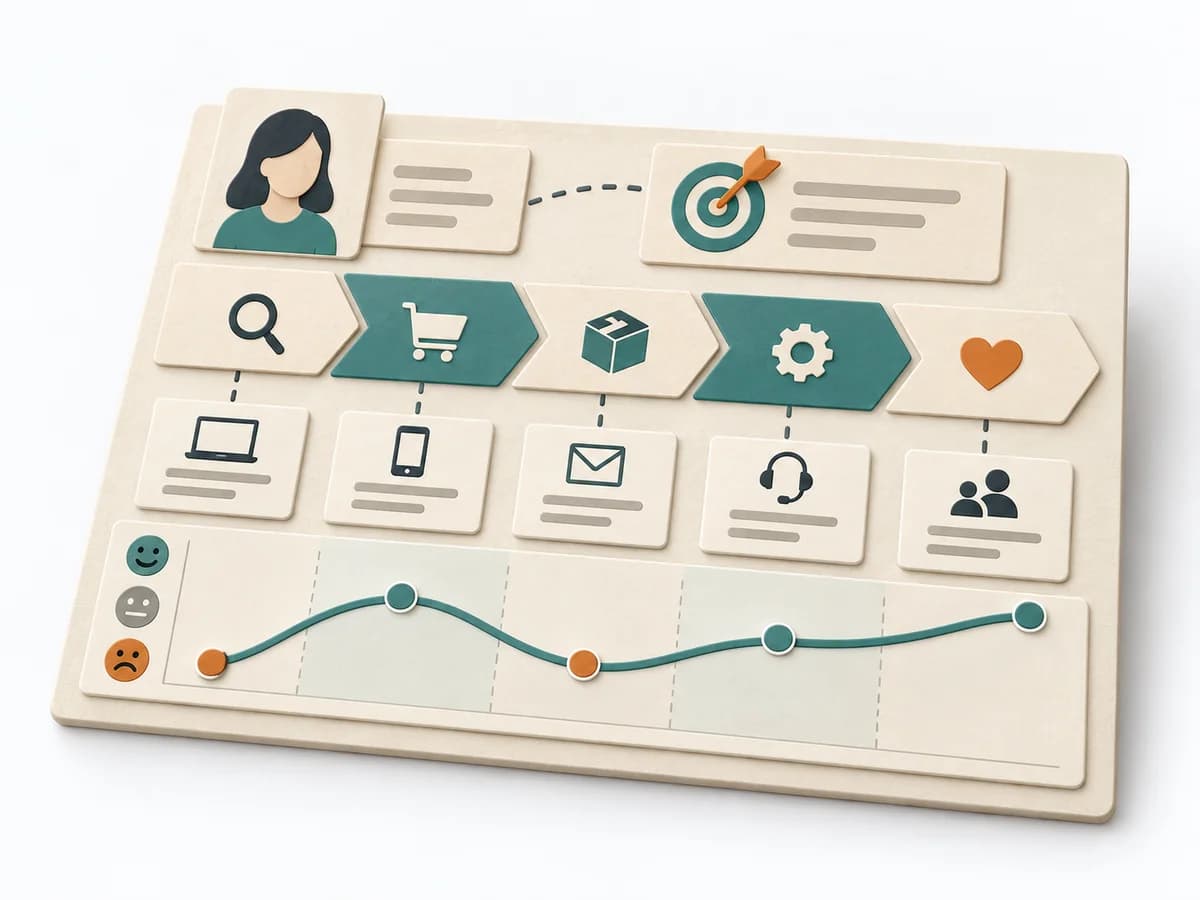
Arranges phases, touchpoints, pain points, and opportunities along a journey to name experience gaps.
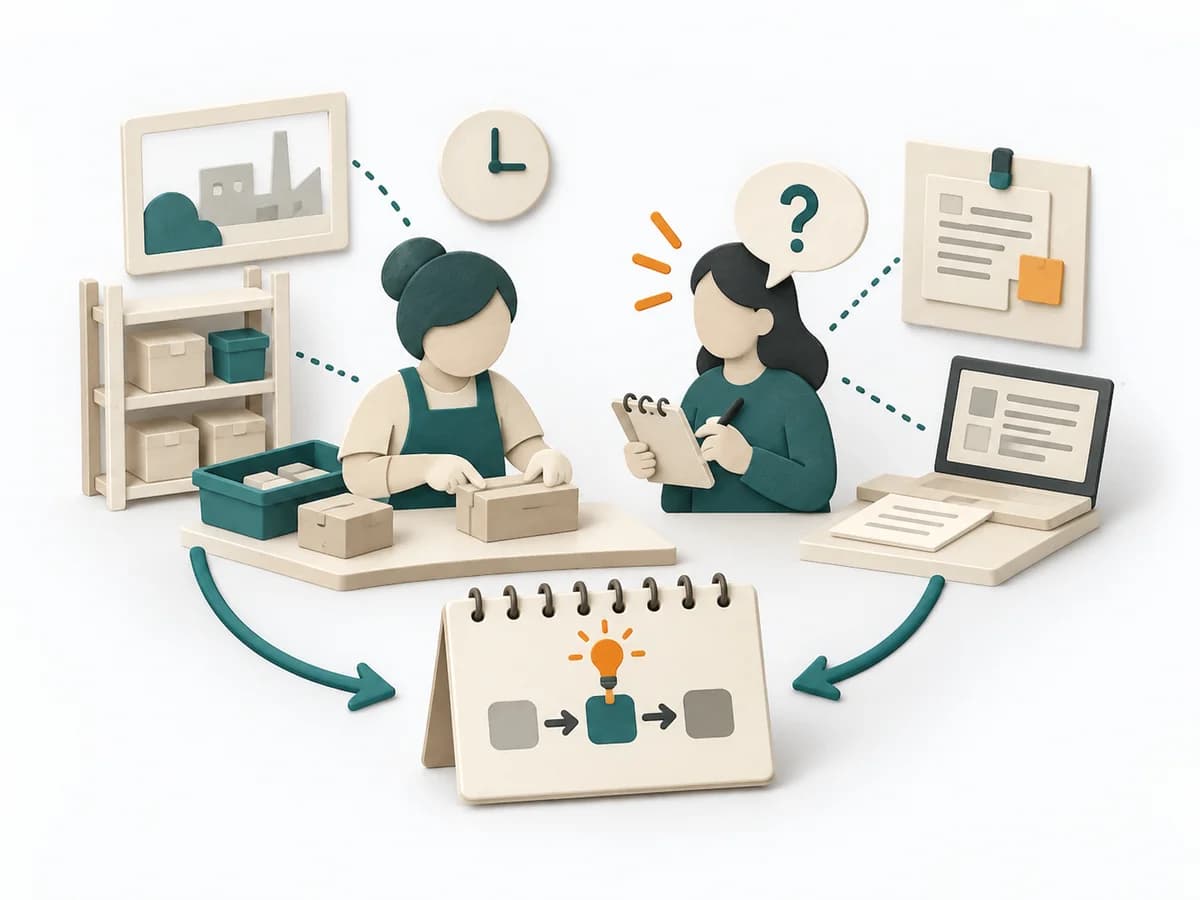
Observes real work in context and pairs it with follow-up questions to capture workflow insights precisely.
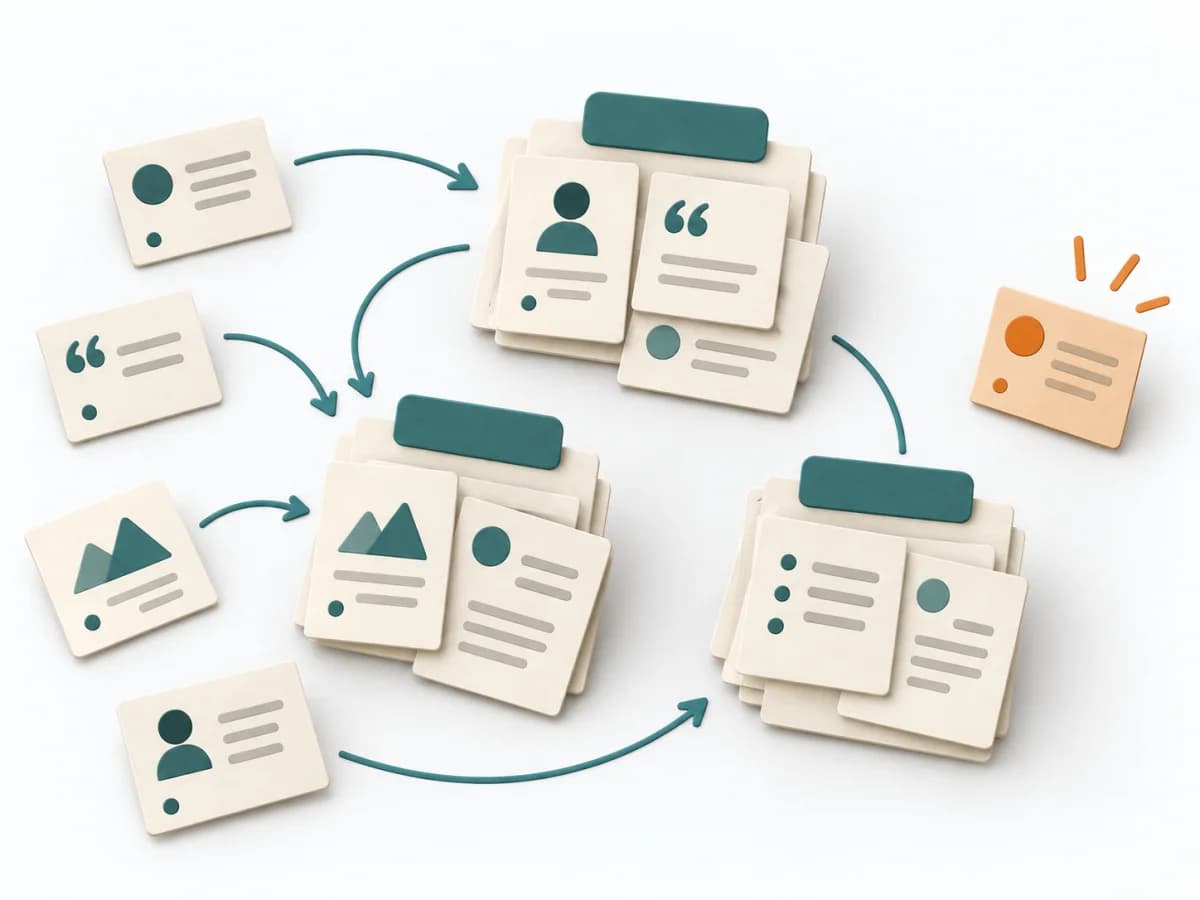
Clusters notes into themes, statements, and opportunities, translating raw material into clear implications.

Captures experiences over time in diary entries and reveals longitudinal patterns that a single session would miss.
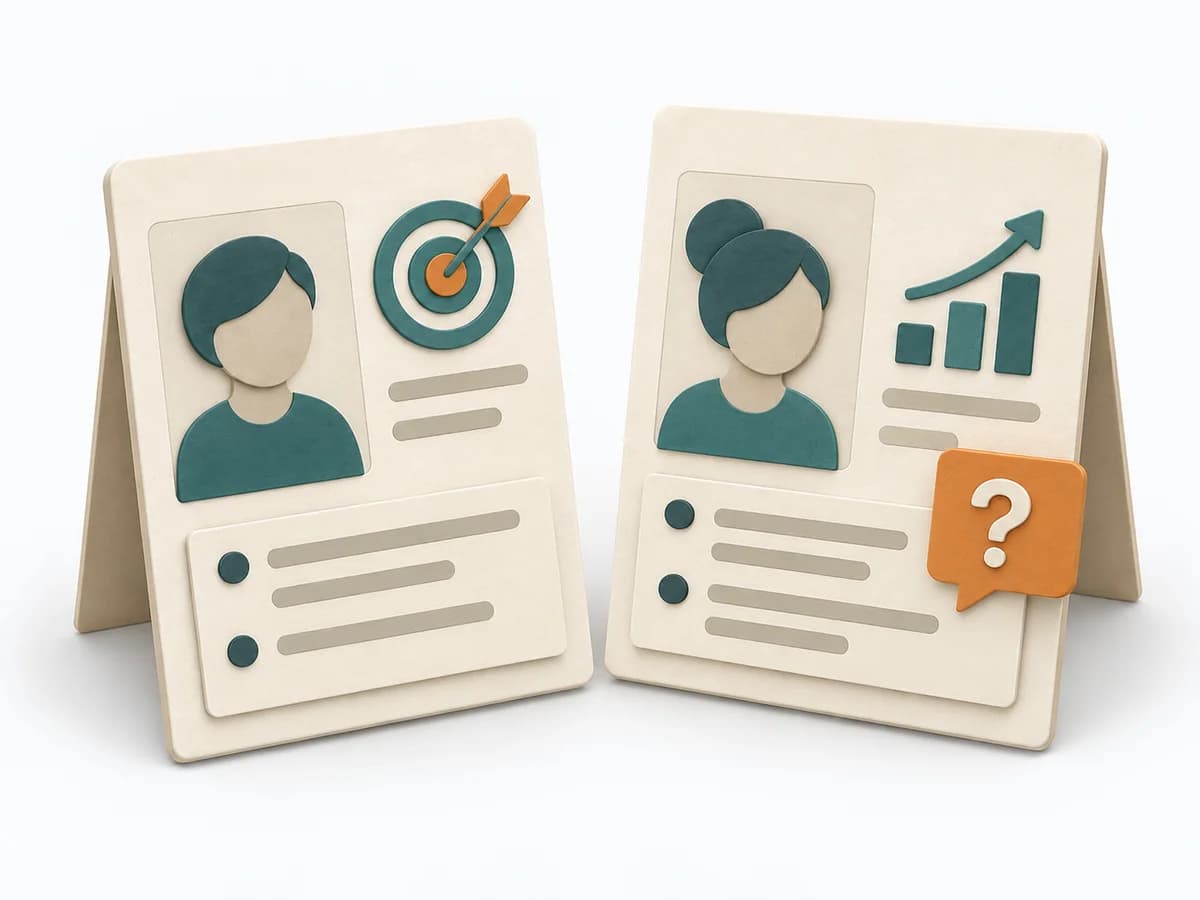
Condenses research into solid profiles, needs, and scenarios so teams classify user groups consistently.