Purpose
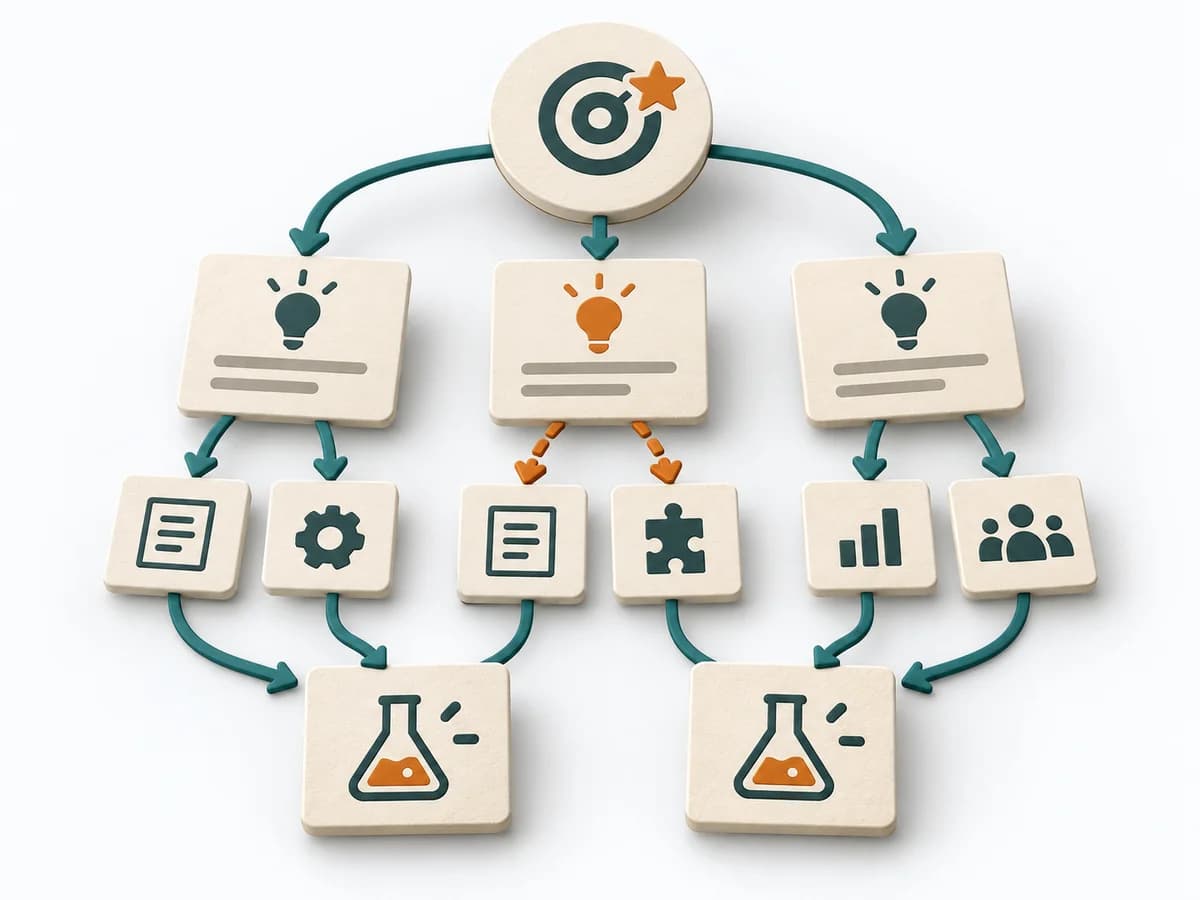
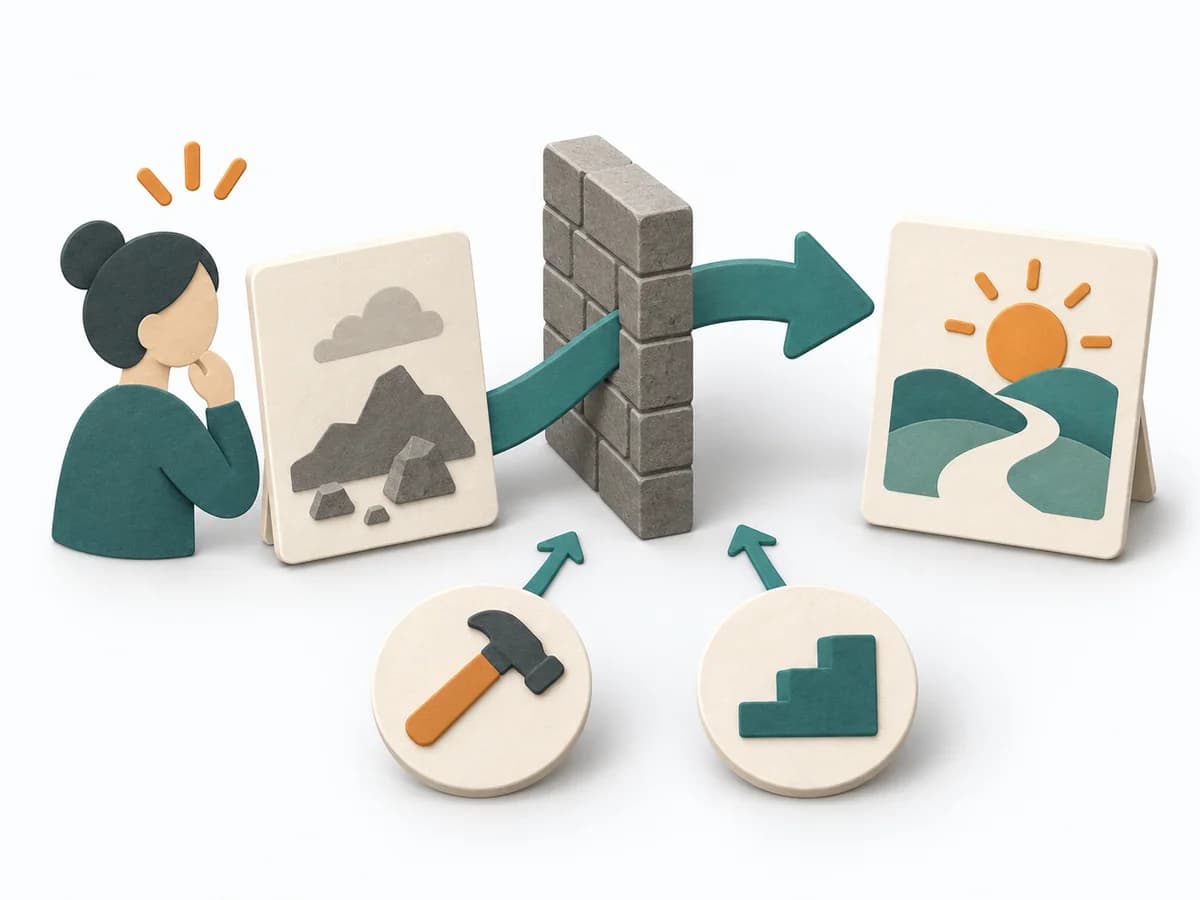
When opportunities are still hidden behind signals of need, it structures conversations around needs and obstacles. It looks for patterns that lead to new product opportunities.
Product Discovery Research method
Shows which needs emerge from a specific lived situation.
An Opportunity Interview collects specific past experiences to discover unmet needs, obstacles and desires in context. The story provides leads for further discovery.
Which needs emerge from a specific lived situation?
Opening
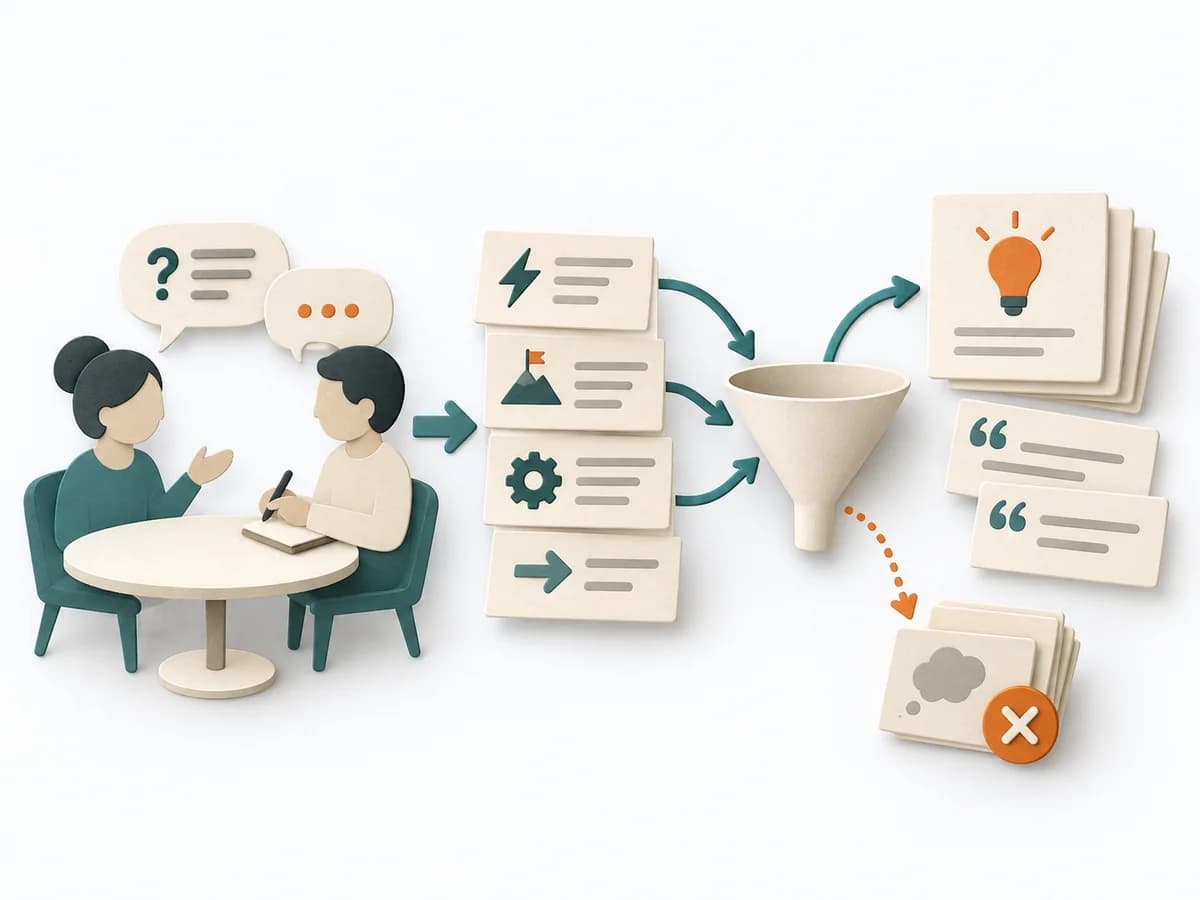
Clarify purpose, voluntary participation and recording; select a recent relevant event.
Story
Let the person recount trigger, steps, decisions and outcome chronologically.
Probing
At specific turning points, ask about goal, obstacle, response and significance.
Snapshot
Summarise facts, quotes, interpretations and open questions separately.
Create an interview snapshot after each conversation and investigate unresolved contrasts.
For continuous discovery when a team needs a better understanding of its users’ everyday context.
Interview snapshot with event sequence, evidenced needs and open questions.
The research plan links opportunities in customers’ own words to concrete experiences and identifies further cases to address knowledge gaps.
Fictional example
An Opportunity Interview collects specific past experiences to discover unmet needs, obstacles and desires in context. The story provides leads for further discovery.
Which participant, relevant event and consent? Avoid unnecessary identifying data.
Fictional participant P03 searched for an evening course on Tuesday. Voluntary conversation; notes only agreed. Opening: invite the story of that last search.
Record trigger, actual steps, decisions and outcome.
After a shift-pattern change, P03 opened three course pages, copied times onto paper and called about an unclear end date. No enrolment followed yet.
Record need, scene and participant statement separately from interpretation.
Opportunity: compare every session with changing shifts. Evidence: times were copied and supplemented by phone. Team interpretation: individual pages hinder comparison; still untested.
Which open questions, contrasting cases and further interviews would help?
Next contrast: someone with regular working hours. It remains unclear whether missing dates or shift changes were decisive. No frequency claim from P03.
All example details are fictional and illustrate the application.
Recruit someone with a recent relevant experience.
When opportunities are still hidden behind signals of need, it structures conversations around needs and obstacles. It looks for patterns that lead to new product opportunities.
It steers the conversation away from solution proposals toward situations, pain points, and desired progress. Good follow-up questions look for concrete triggers, obstacles, and workarounds, so opportunity framing does not emerge from mere feature wishes.
Opportunity Interviews work because they open conversational space for unexpected opportunities without immediately confirming a ready-made solution. Good execution sticks to concrete experiences, recurring obstacles, and needs left unanswered so far, rather than spontaneous feature ideas. This makes it possible to recognize opportunities that already generate energy, frustration, or workarounds in the target group's everyday life and therefore carry relevant potential.
Lead in with a real workflow or a recent concrete situation, so interview partners do not drift into general wishes. The approach becomes truly useful once a friction point comes up repeatedly and also triggers significant consequences. Close with cleanly separated observations, initial opportunity clusters, and questions for the next round of interviews.
The method guide walks execution through 4 phases, timing, 4 pitfalls, and clear stop criteria.
Open method guideYour perspective
Your feedback helps shape the next improvements to methodatlas.
Recruit someone with a recent relevant experience.
To be confirmed
To be confirmed
Complete cycle Time: 20–30 minutes conversation, 15 minutes synthesis; repeat according to learning needs.
Complete this worksheet on paper or in your own document during the work.
Which participant, relevant event and consent? Avoid unnecessary identifying data.
...
Record trigger, actual steps, decisions and outcome.
...
Record need, scene and participant statement separately from interpretation.
...
Which open questions, contrasting cases and further interviews would help?
...
Answer the prompts with your own information. Explicitly mark unknowns and assumptions.
Teresa Torres: Story-Based Customer Interviews
Expected artifact: Story anchor
Has a specific event been selected?
Entry:
...
Expected artifact: Event sequence
Can actions and context be reconstructed?
Entry:
...
Expected artifact: Need evidence
Is each need tied to a scene?
Entry:
...
Expected artifact: Interview snapshot
Is each opportunity traceable?
Entry:
...
...
Method guide: https://methodatlas.meierhoff-systems.de/en/methods/opportunity-interview/run-sheet
Fitting alternatives with decision guidance, followed by other related methods.
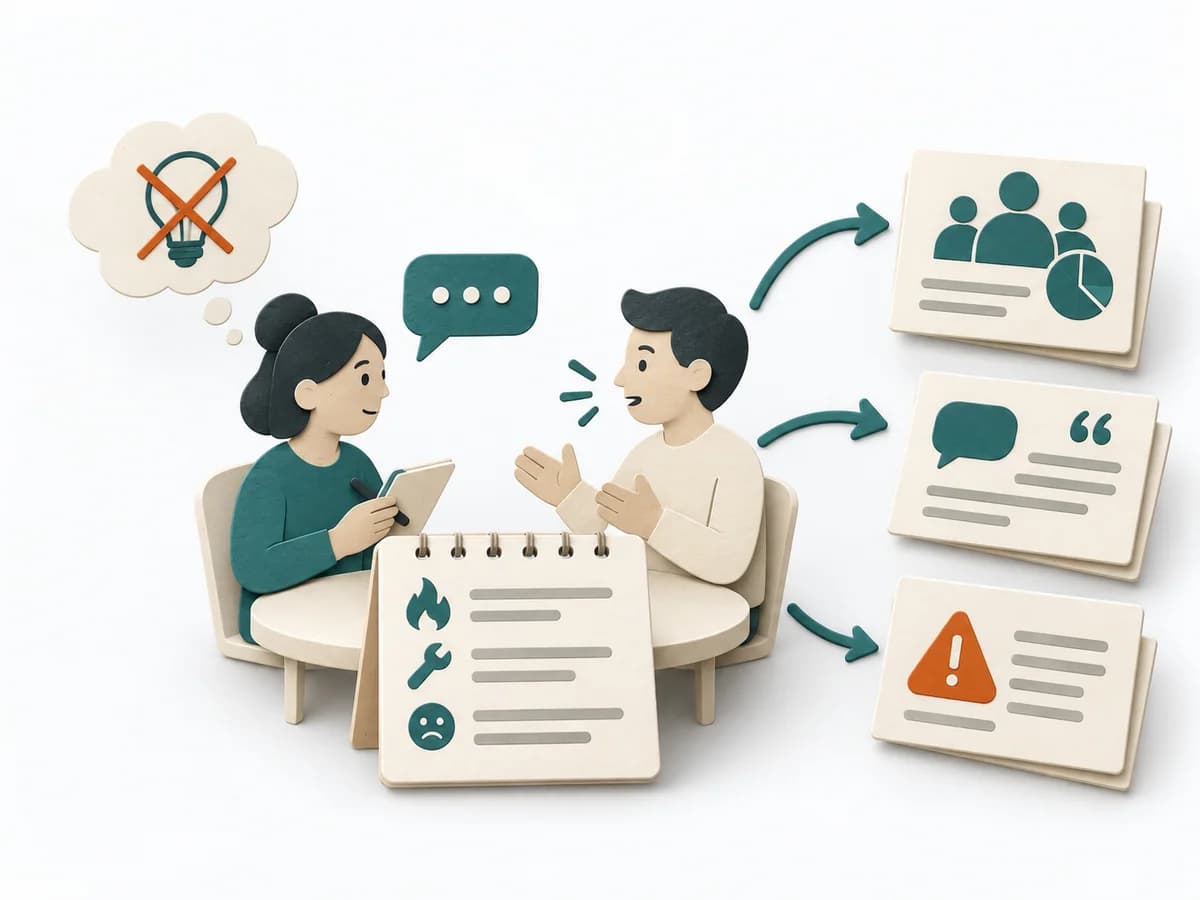
Instead of Opportunity Interview, choose Problem Interview when you want to sharpen a problem together with those affected before addressing solutions.
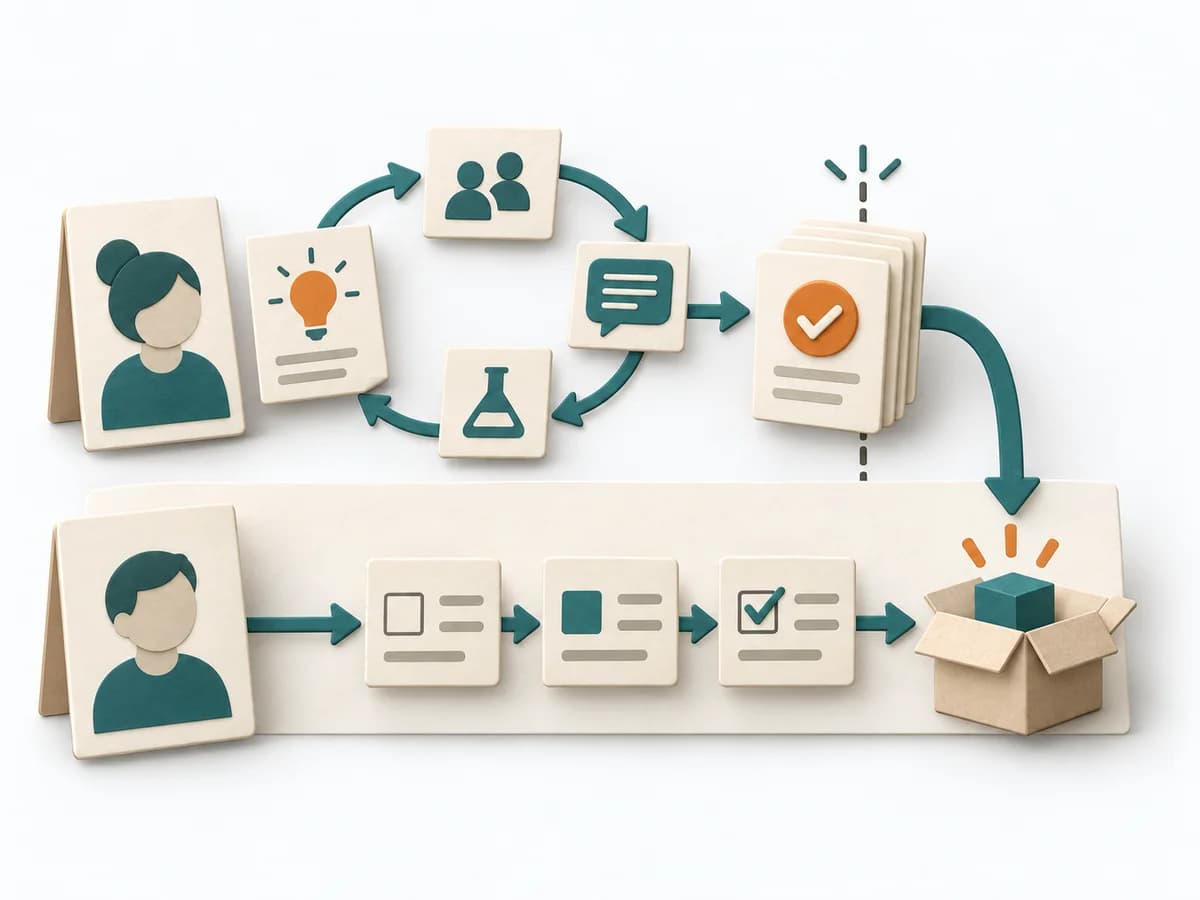
Separates discovery and delivery so that validated stories only move into implementation after learning loops.
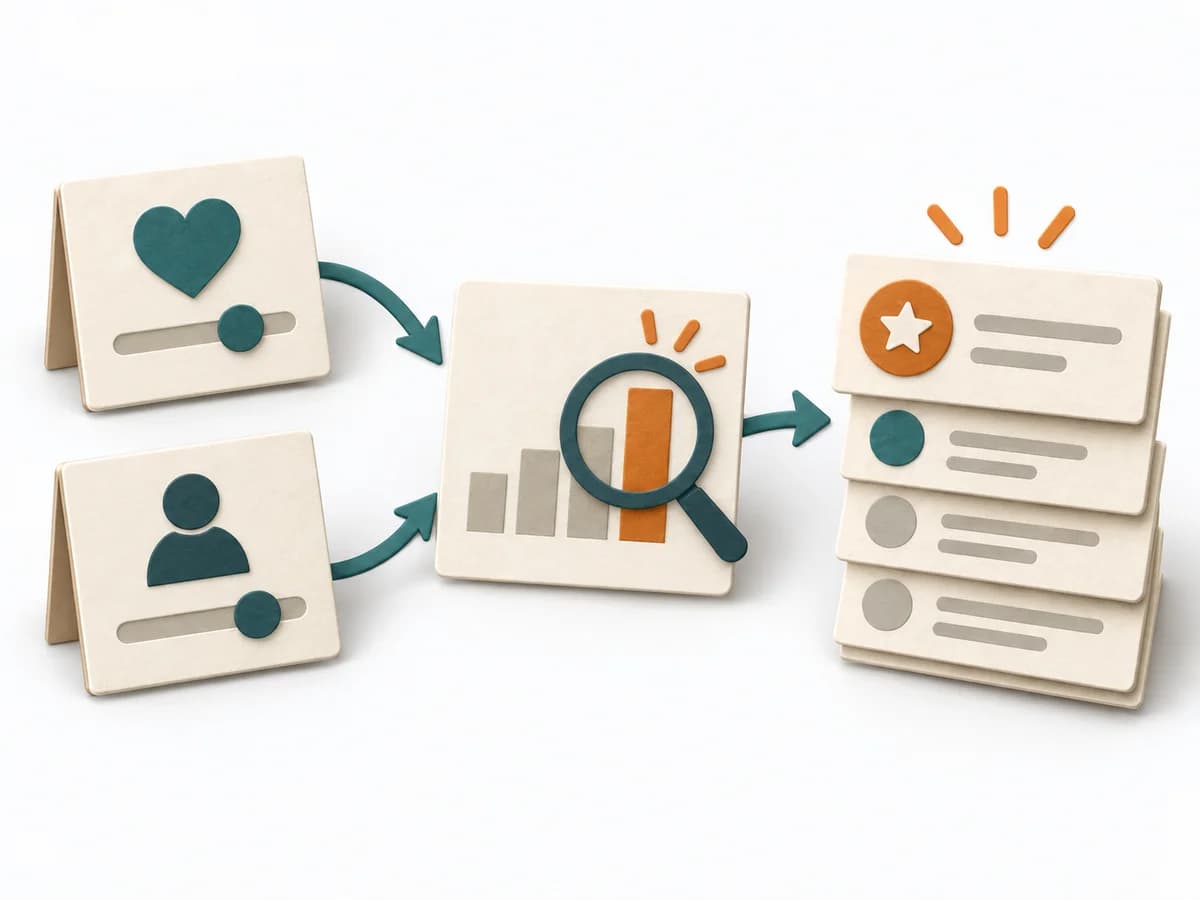
Moves customer problem, solution idea, and evidence toward a concrete result through "collect outcomes from discovery", "define an importance scale", and "calculate and sort the score".
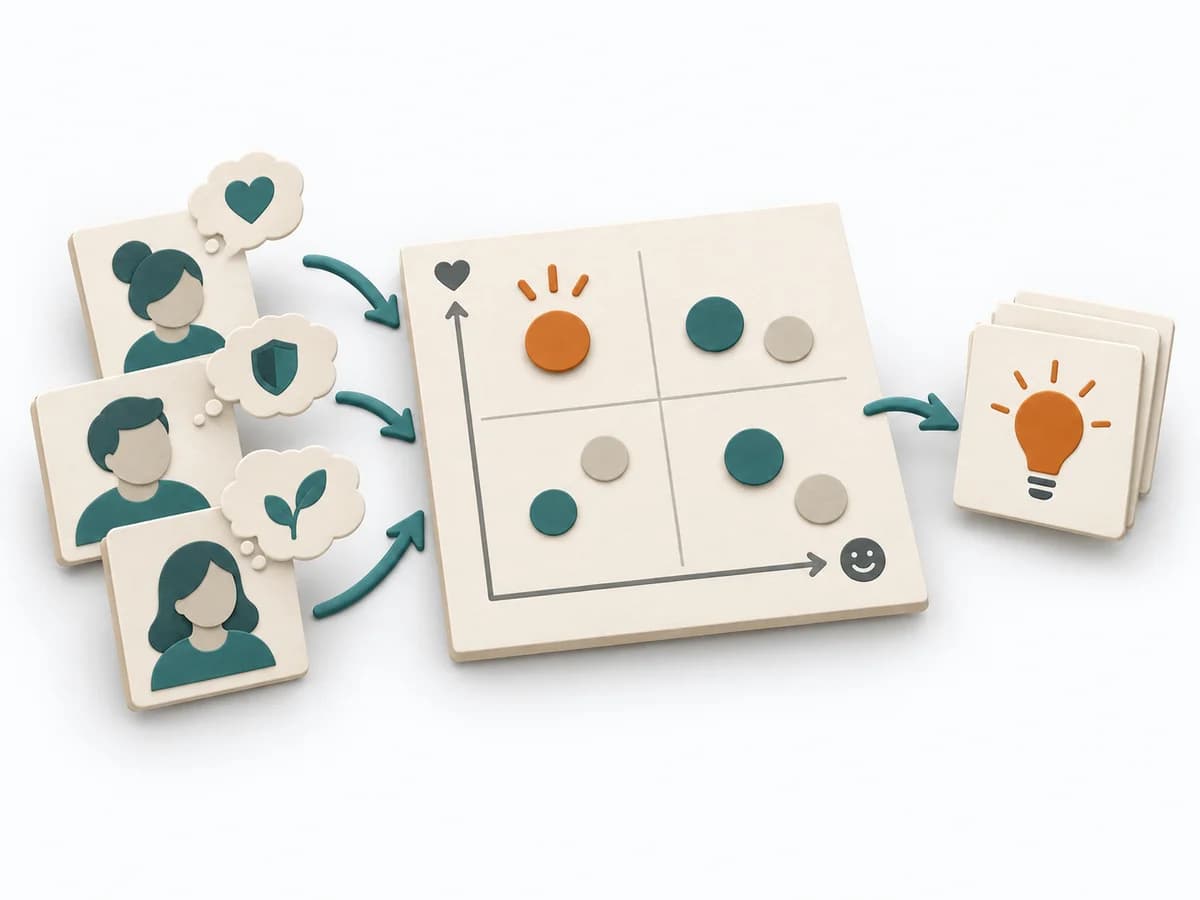
Quantifies customer desired outcomes for a job and identifies underserved needs as innovation opportunities.
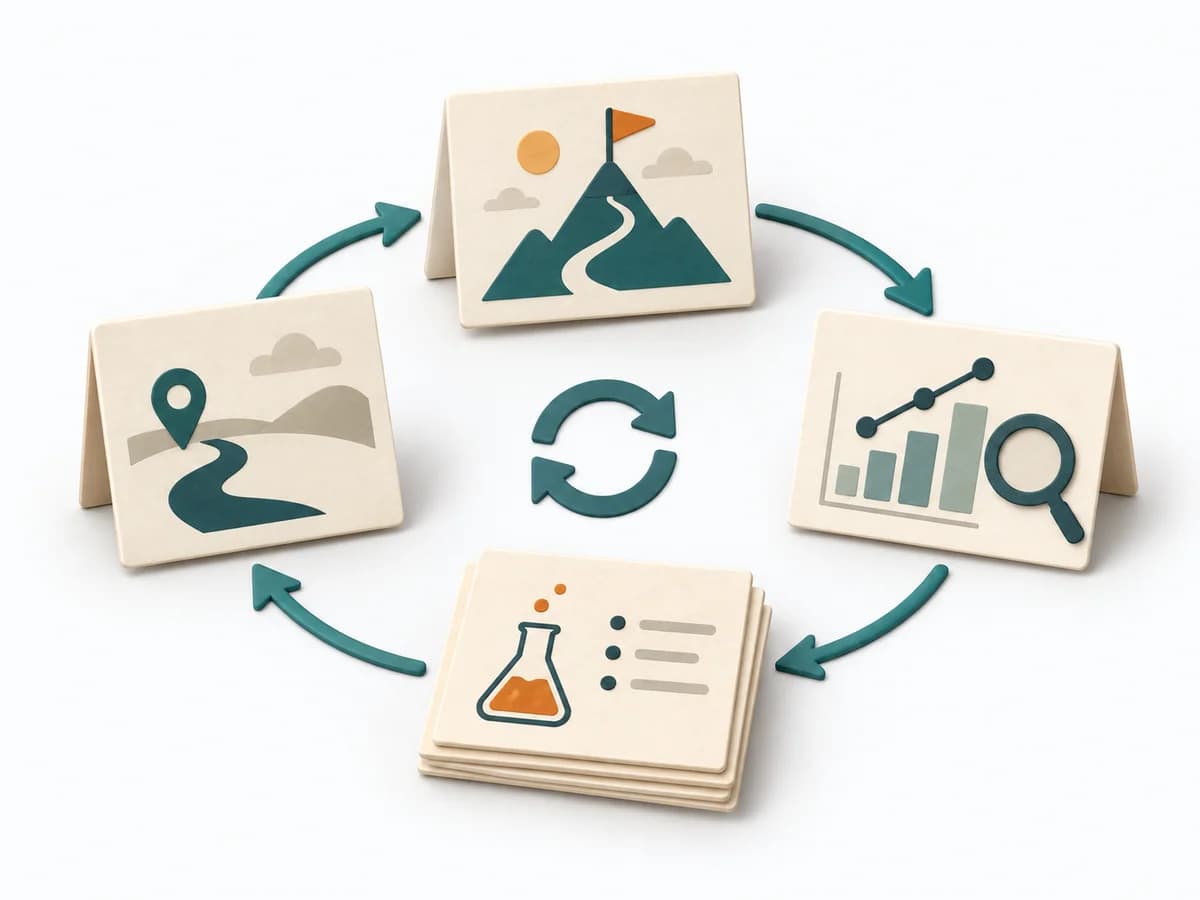
Uses a recurring learning loop to connect direction, current condition, target condition, and the next smallest experiment.

Sorts assumptions by uncertainty and leverage so the riskiest hypotheses get tested first.