Purpose
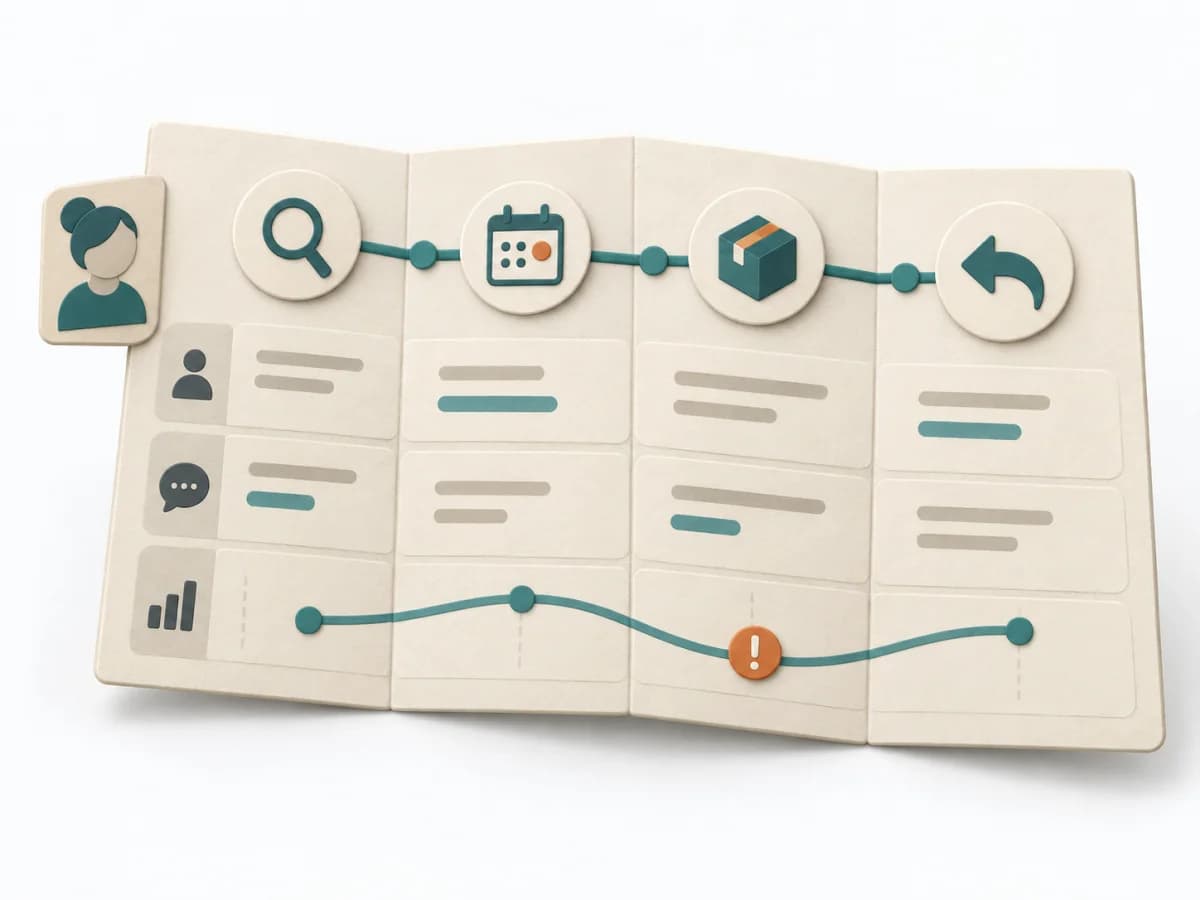
When experiences build up over days or weeks and a single session cannot capture them, Diary Study records the course of everyday life. Recurring triggers, moods, and habits become visible this way, beyond the sharpness of memory.
UX Research Research method
A diary study records experiences over time in diary entries and reveals longitudinal patterns that point-in-time research misses.
A diary study captures moments close to participants’ lived experience, preserving context and time. Later analysis reveals patterns across duration, change, and repetition in everyday use.
Which recurring experiences, triggers, and changes appear over time beyond a single session?
Preparation, real data collection, and analysis form a multi-stage initiative.

Design
Define research focus, duration, event- or interval-based logging, and privacy
Template
Pilot a diary format with short prompts, timestamps, and optional media evidence
Recruit
Onboard participants, practise one entry, and explain the support path
Diary
Collect entries over time, monitor completion, and send neutral reminders
Analyse
Analyse entries across time, triggers, and cases, then deepen findings in exit interviews
Test open questions through the agreed next step and append new evidence as a version.
Wenn Erfahrungen über Tage oder Wochen entstehen und ein Einzeltermin sie nicht einfängt, hält Diary Study den Verlauf im Alltag fest. Wiederkehrende Auslöser, Stimmungen und Gewohnheiten werden dadurch jenseits der Erinnerungsschärfe sichtbar.
Longitudinal patterns with evidence, open points, owner, and review.
Fictional example
Fictional values are assigned to explicit method fields.
| Entry | Time | Trigger | Action | Experience | Evidence |
|---|---|---|---|---|---|
| MondayRecord a timely diary entry with trigger, action, experience, and evidence. | 08:42 | Part unavailable in the job | Searched chat, then called warehouse | Frustrated; customer waiting | Screenshot of empty inventory |
| ThursdayRecord a timely diary entry with trigger, action, experience, and evidence. | 15:10 | Alternative suggested | Checked compatibility through a photo | Uncertain but faster than Monday | Label photo and six-minute timer |
| TuesdayRecord a timely diary entry with trigger, action, experience, and evidence. | 11:25 | Same part recurs | Reused own photo | Confident; no call needed | Photo ID and completion time |
All details are fictional.
Define research question, duration, and triggering event; plan privacy, support, and a short pilot.
When experiences build up over days or weeks and a single session cannot capture them, Diary Study records the course of everyday life. Recurring triggers, moods, and habits become visible this way, beyond the sharpness of memory.
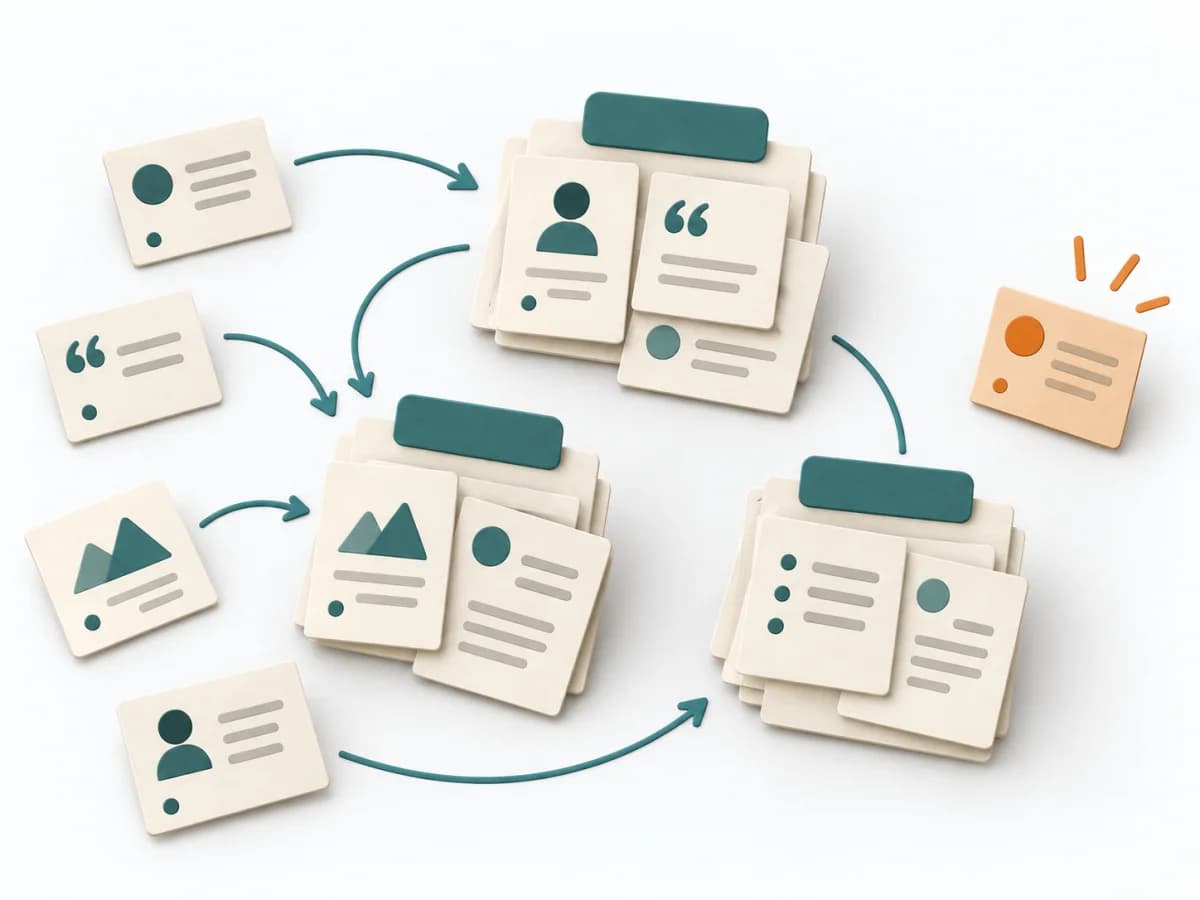
Participants document moments close to their experience, so context and timing are not smoothed over afterward. The later analysis discovers patterns across duration, change, and repetition, showing how usage in real life shifts or stays stable.
Diary Studies move research from a single interview slot into the participants daily life. Events, feelings, screenshots, or notes are recorded close to the moment before memory smooths them out. The analysis then looks for recurring triggers, contexts, breaks, and habits. That makes it visible how usage develops over time, not only how people describe it afterward.
Prepare clear tasks, example entries, reminders, and a channel for questions. Onboard participants carefully and test the diary format first. Plan follow-up interviews to understand unclear entries and validate patterns.
The method guide walks execution through 5 phases, timing, 5 pitfalls, and clear stop criteria.
Open method guideYour perspective
Your feedback helps shape the next improvements to methodatlas.
Plan subject, participation, complete flow, and review.
To be confirmed
To be confirmed
Whole initiative Time: One to four weeks plus exit interviews.
Complete this worksheet on paper or in your own document during the work.
| Entry | Time | Trigger | Action | Experience | Evidence |
|---|---|---|---|---|---|
| Monday | |||||
| Thursday | |||||
| Tuesday |
The blank worksheet contains prompts only.
Reference source · original teaching example
Expected artifact: Study plan
Define research focus, duration, event- or interval-based logging, and privacy
Entry:
...
Expected artifact: Piloted template
Pilot a diary format with short prompts, timestamps, and optional media evidence
Entry:
...
Expected artifact: Onboarded sample
Onboard participants, practise one entry, and explain the support path
Entry:
...
Expected artifact: Diary entries
Collect entries over time, monitor completion, and send neutral reminders
Entry:
...
Expected artifact: Longitudinal patterns
Analyse entries across time, triggers, and cases, then deepen findings in exit interviews
Entry:
...
...
Method guide: https://methodatlas.meierhoff-systems.de/en/methods/diary-study/run-sheet
Fitting alternatives with decision guidance, followed by other related methods.

Instead of Diary Study, choose User Interviews when you want to understand motivations and contexts directly from conversations with target users.
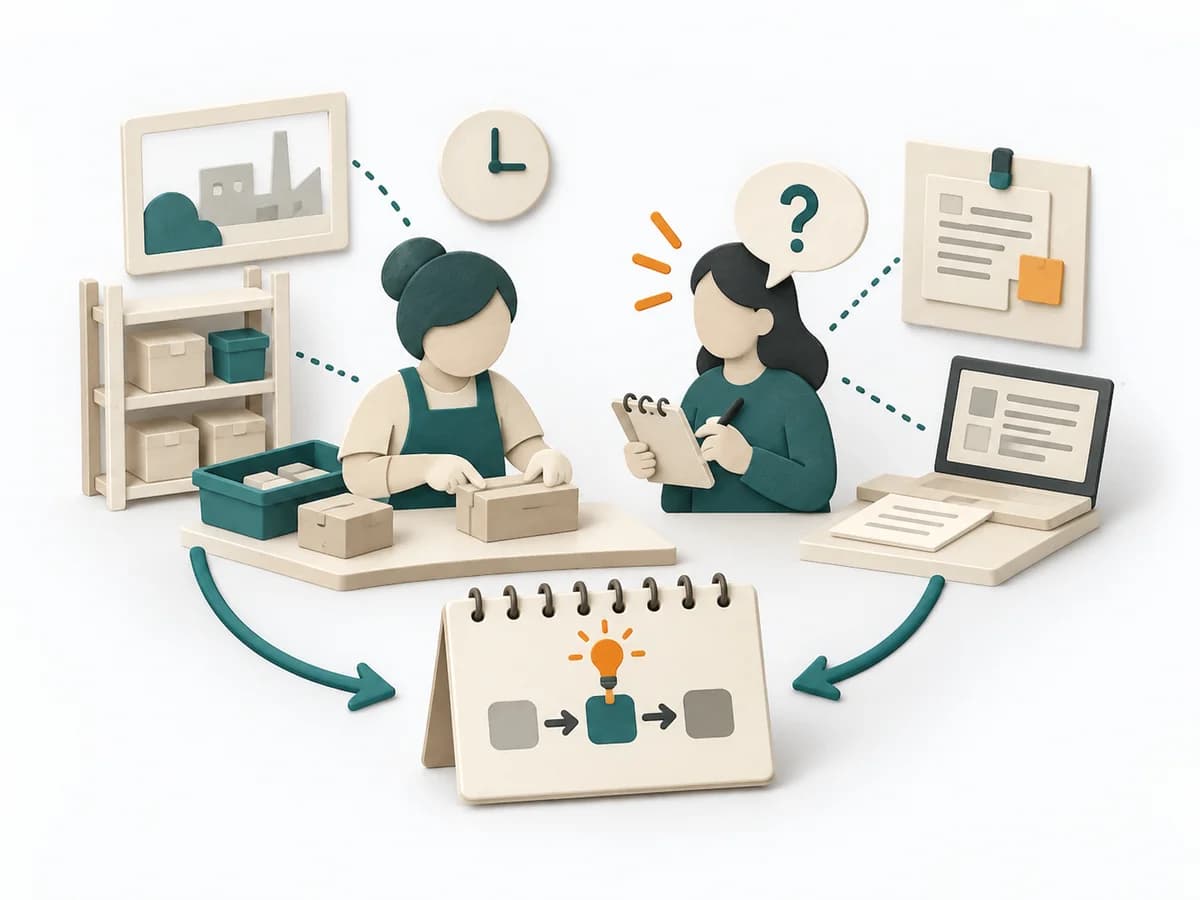
Observes real work in context and pairs it with follow-up questions to capture workflow insights precisely.

Sorts user perspectives into say, think, do, and feel, separating observed facts from assumptions.

Condenses research into solid profiles, needs, and scenarios so teams classify user groups consistently.

Collects answers in a scalable format and condenses them into results, charts, and segment insights.
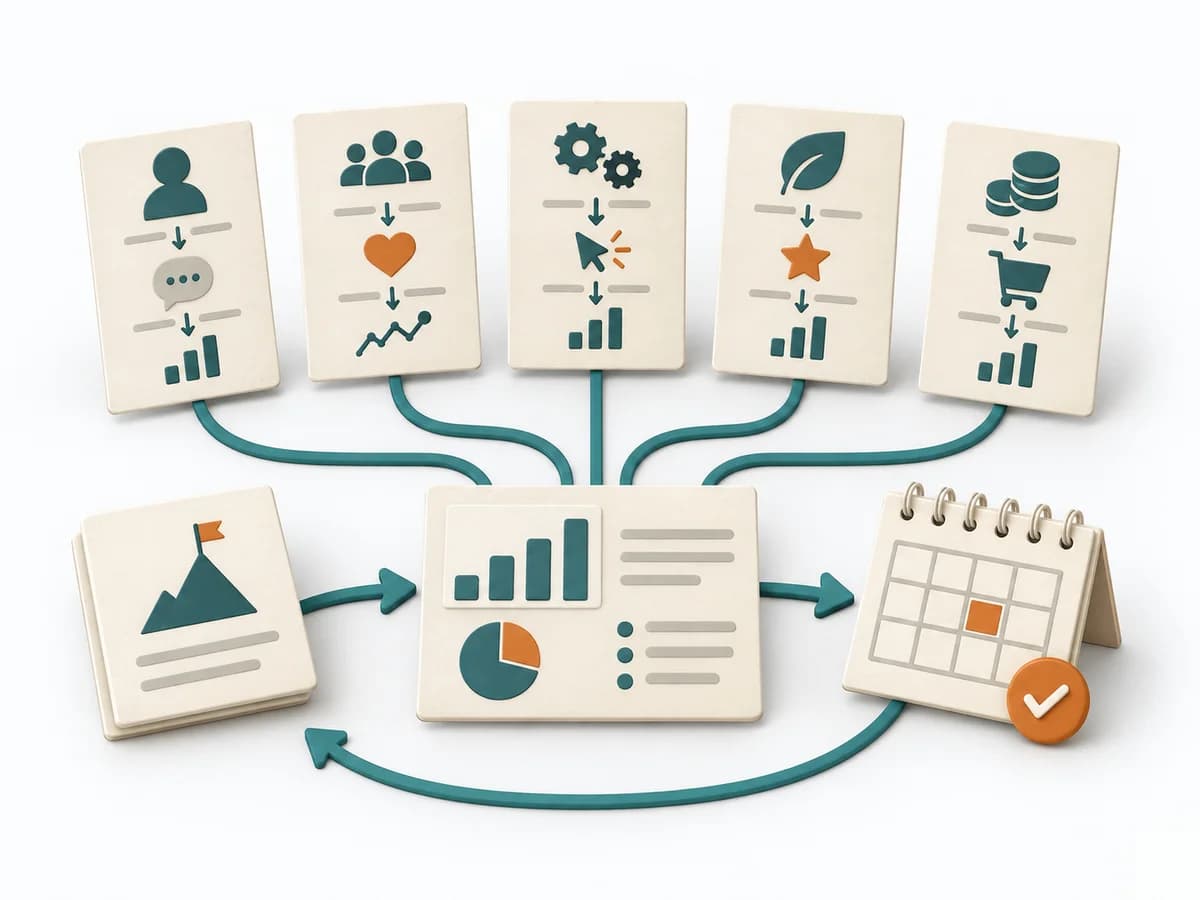
Moves observations, needs, and patterns toward a concrete result through "define a goal for each HEART dimension", "identify signals for each goal", and "agree on a review cadence".