Purpose
When a team wants to read momentum, brakes, and risks together, it offers an easily understandable picture of the situation. It makes drive, obstacles, and headwind visible in the same picture.
Agile Facilitation method
Shows what helps the journey to the goal, slows it today, and lies ahead as a danger.
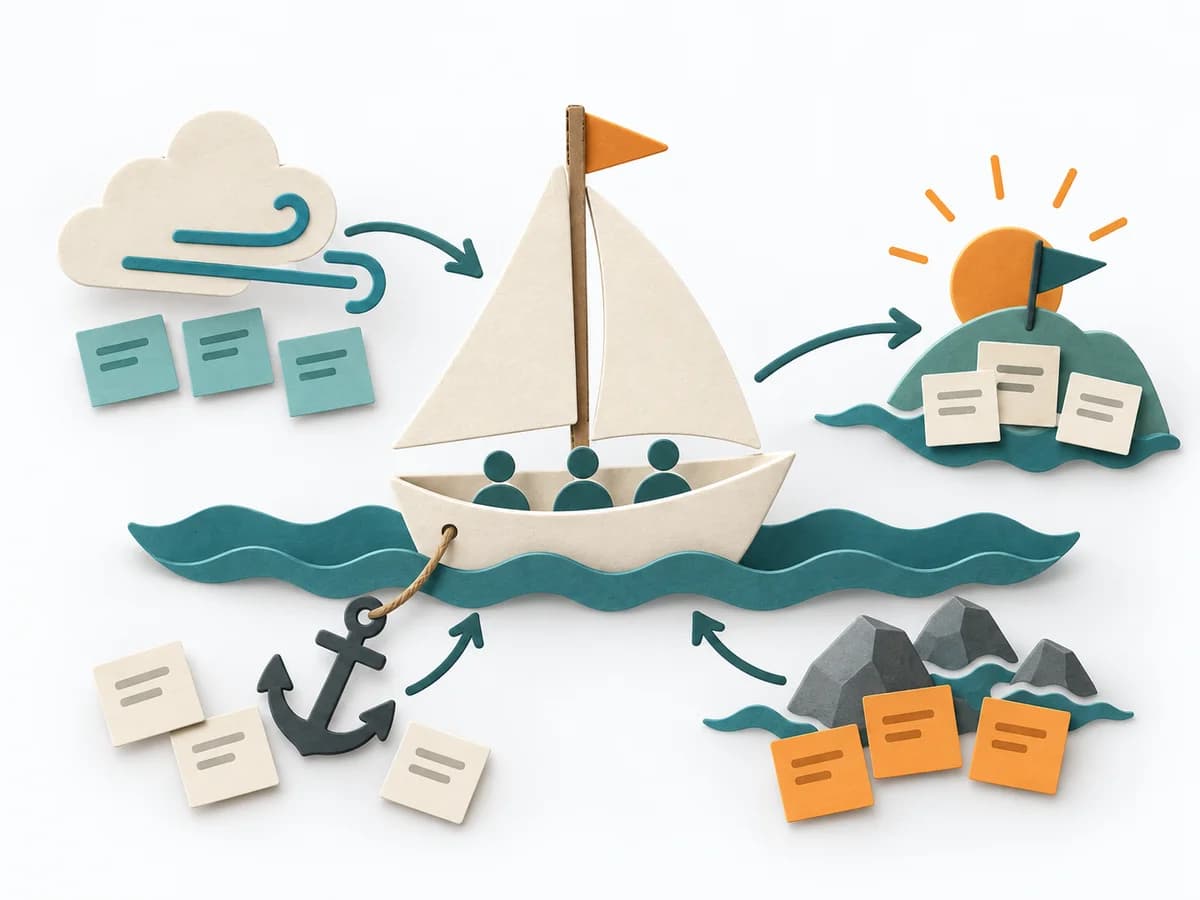
The team examines collaboration as a sailing journey: the island is the goal, wind represents helping forces, anchors are current constraints and rocks represent future risks. A bounded course correction follows.
What helps our journey to the goal, what slows us today and what danger lies ahead?
Island and legend
Name the destination and reviewed period; jointly define wind, anchors and rocks.
Wind, anchors and rocks
Silently collect helping experiences, current impediments and future risks on separate cards.
Clarify impact and influence
Understand cards together, group themes and discuss impact on the destination.
Agree a course correction
Plan a small change to release an anchor or address a risk; protect useful wind.
At the next review, check whether the selected anchor weakened, useful wind persisted and the risk is better controlled.
For team retrospectives with a shared goal, helpful practices, impediments and a view toward the next work period.
Sailboat with destination, helping and hindering factors, risks and an agreed course correction with review date.
The course-correction record states the owner, duration, and later impact review.
Fictional example
The team examines collaboration as a sailing journey: the island is the goal, wind represents helping forces, anchors are current constraints and rocks represent future risks. A bounded course correction follows.
Which shared state do we want to reach?
Fictional: every course registration should be reliably confirmed before the start.
Which observed practice brings us closer to that goal?
Daily support-development pairing clarifies errors quickly.
What already slows us, with what concrete consequence?
Manual approvals wait in a shared mailbox for up to two days.
Which future development could threaten the goal?
Assumption: volume doubles at the next course launch and overloads approvals.
Which trial will we run with what owner, period and impact signal?
For two weeks use approval windows at 10:00 and 15:00, owner Lea; then compare waiting times and retain pairing.
All example details are fictional and illustrate the application.
Select the period and shared goal; explain the visual legend and respectful discussion rules before collecting notes.
When a team wants to read momentum, brakes, and risks together, it offers an easily understandable picture of the situation. It makes drive, obstacles, and headwind visible in the same picture.
It arranges burdens, drivers, and dangers around a shared metaphor and uses it as a conversation frame. Sail, anchor, rocks, and target picture help interpret progress and risk together before actions are chosen.
The Sailboat Retrospective helps because it brings progress, braking forces, and risks together into a shared picture, making patterns easier to recognize. Used well, the ship stays more than a nice symbol; it becomes a conversation about real pulling forces, ballast, and looming cliffs in daily work. The format shows its strength when the team sees connections between drive and obstacles and derives focused changes from them.
Frame the picture with a concrete destination harbor that means the same thing to everyone. The decisive moment comes when one anchor visibly neutralizes the effect of several wind factors. End the session with a deliberately small selection of resolved brakes, named risks, and a follow-up agreement for the trickiest cliff.
The method guide walks execution through 4 phases, timing, 4 pitfalls, and clear stop criteria.
Open method guideYour perspective
Your feedback helps shape the next improvements to methodatlas.
Select the period and shared goal; explain the visual legend and respectful discussion rules before collecting notes.
To be confirmed
To be confirmed
Complete retrospective Time: 45–75 minutes; impact review after the experiment
Complete this worksheet on paper or in your own document during the work.
Which shared state do we want to reach?
...
Which observed practice brings us closer to that goal?
...
What already slows us, with what concrete consequence?
...
Which future development could threaten the goal?
...
Which trial will we run with what owner, period and impact signal?
...
Answer the prompts with your own information. Explicitly mark unknowns and assumptions.
Mark Summers: Sailboat Retrospective
Expected artifact: Shared journey
Does the island describe a shared outcome?
Entry:
...
Expected artifact: Factors and risks
Are observations distinct from future risk hypotheses?
Entry:
...
Expected artifact: Selected course lever
Are impact and agency named for the focus?
Entry:
...
Expected artifact: Course correction with review
Will we later review impact rather than only completion?
Entry:
...
...
Method guide: https://methodatlas.meierhoff-systems.de/en/methods/sailboat-retrospective/run-sheet
Fitting alternatives with decision guidance, followed by other related methods.
Instead of Sailboat Retrospective, when you want to organize team work, backlog, or retrospectives in a lightweight work format.
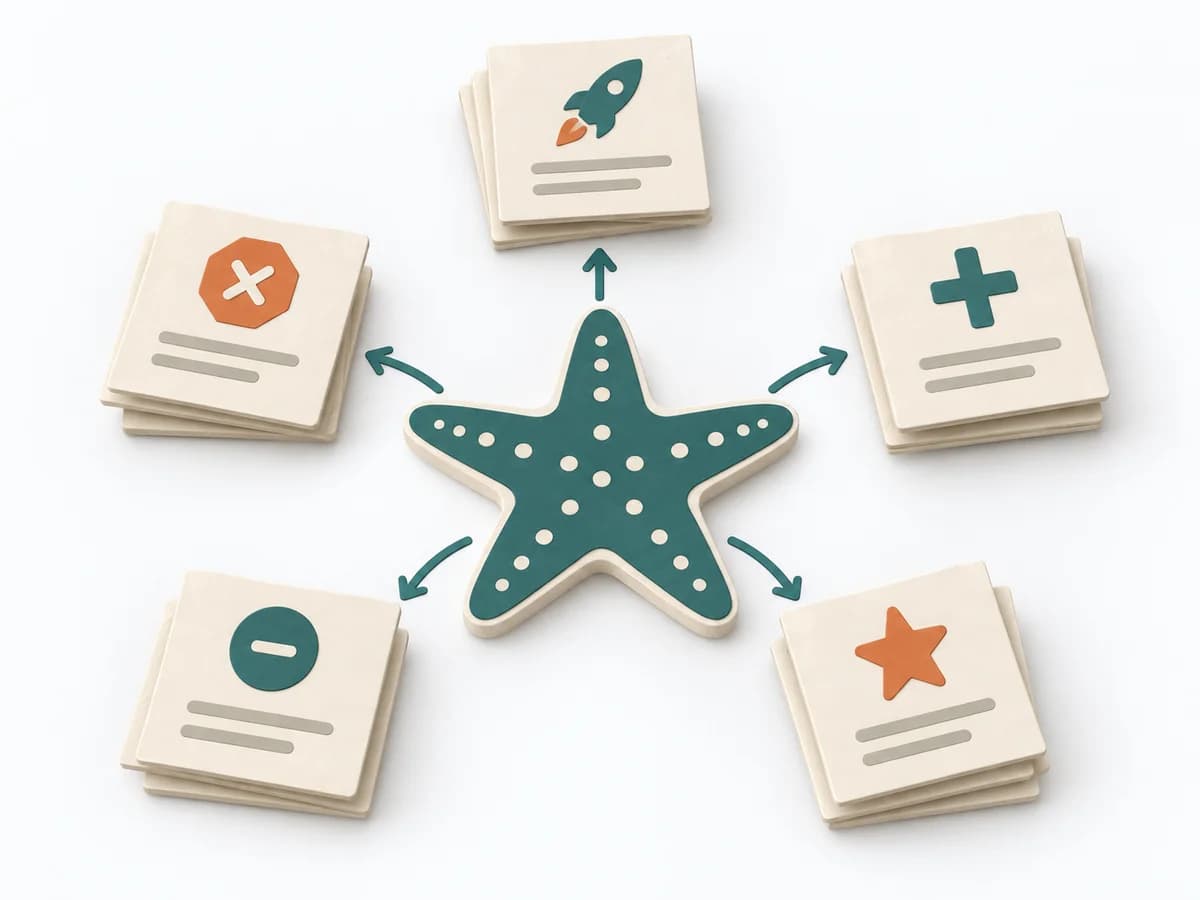
Sorts practices into Start, Stop, More, Less, and Keep, so routine changes get chosen more deliberately.
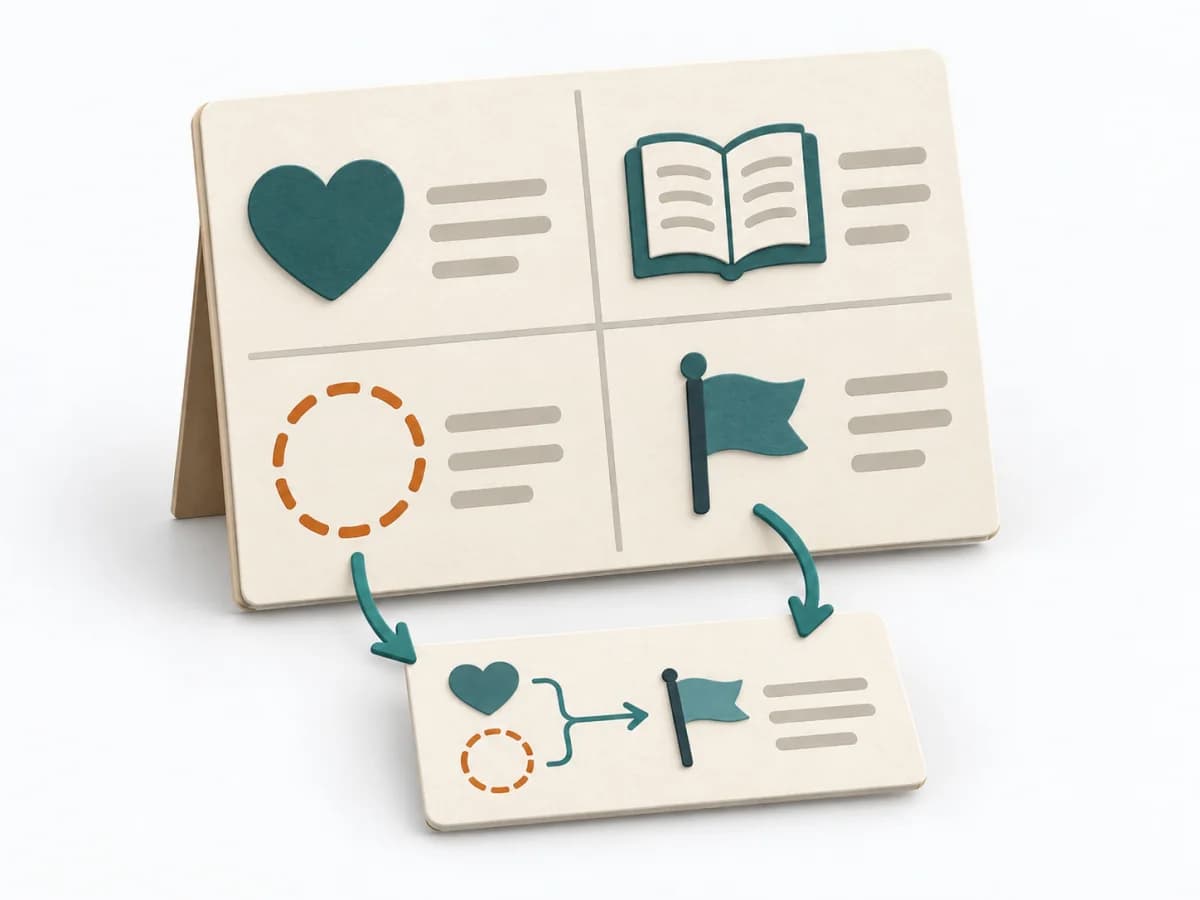
Sorts review, learning points, and friction into Liked, Learned, Lacked, and Longed For for concrete improvements.
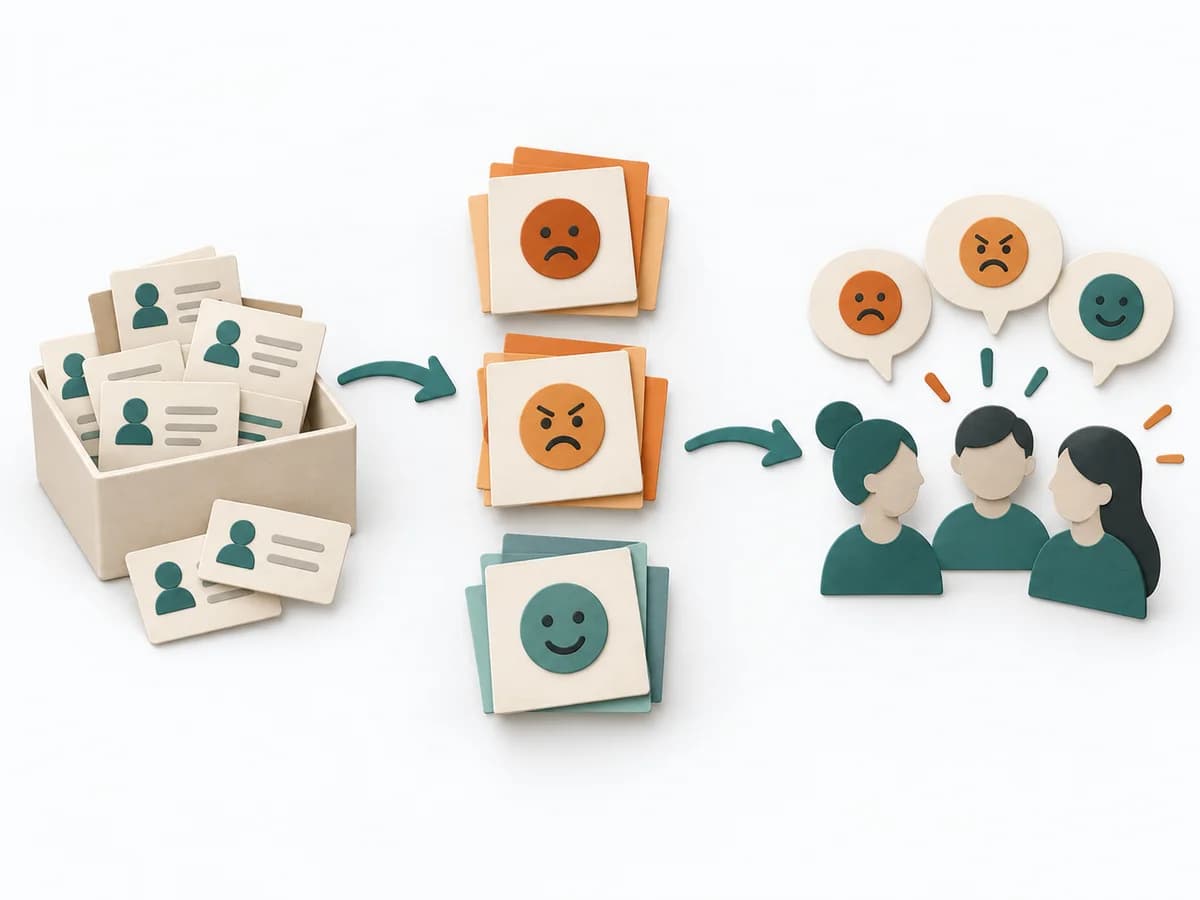
Collects emotional signals from the team, clusters them into themes, and makes real conversation topics visible.

Makes patterns from a sprint visible and derives concrete improvements for the next work cycle.
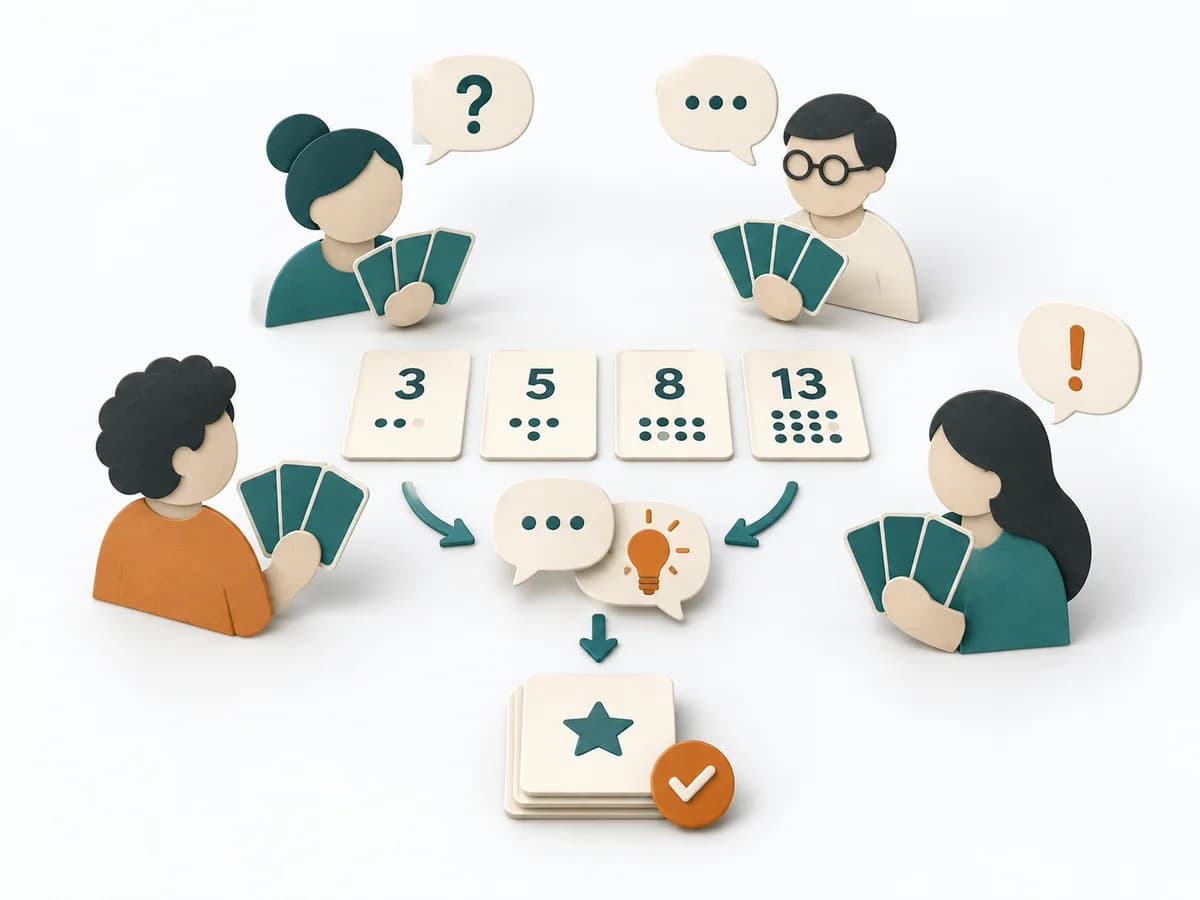
Compares stories relatively, surfaces knowledge gaps, and produces a shared estimate with traceable assumptions.