Purpose
When a sprint is over and friction shouldn't simply be carried forward, it opens the view onto collaboration and patterns. It creates space to see causes and changes together.
Agile Facilitation method
Turns learning from the Sprint into improved quality and effectiveness for the next Sprint.
The Scrum Team inspects people, interactions, processes, tools, and the Definition of Done, then agrees on a few testable improvements.
What affected the quality and effectiveness of the last Sprint, and which change will we inspect next Sprint?
The Scrum Team agrees improvements and examines their effects in the next Sprint.
Frame
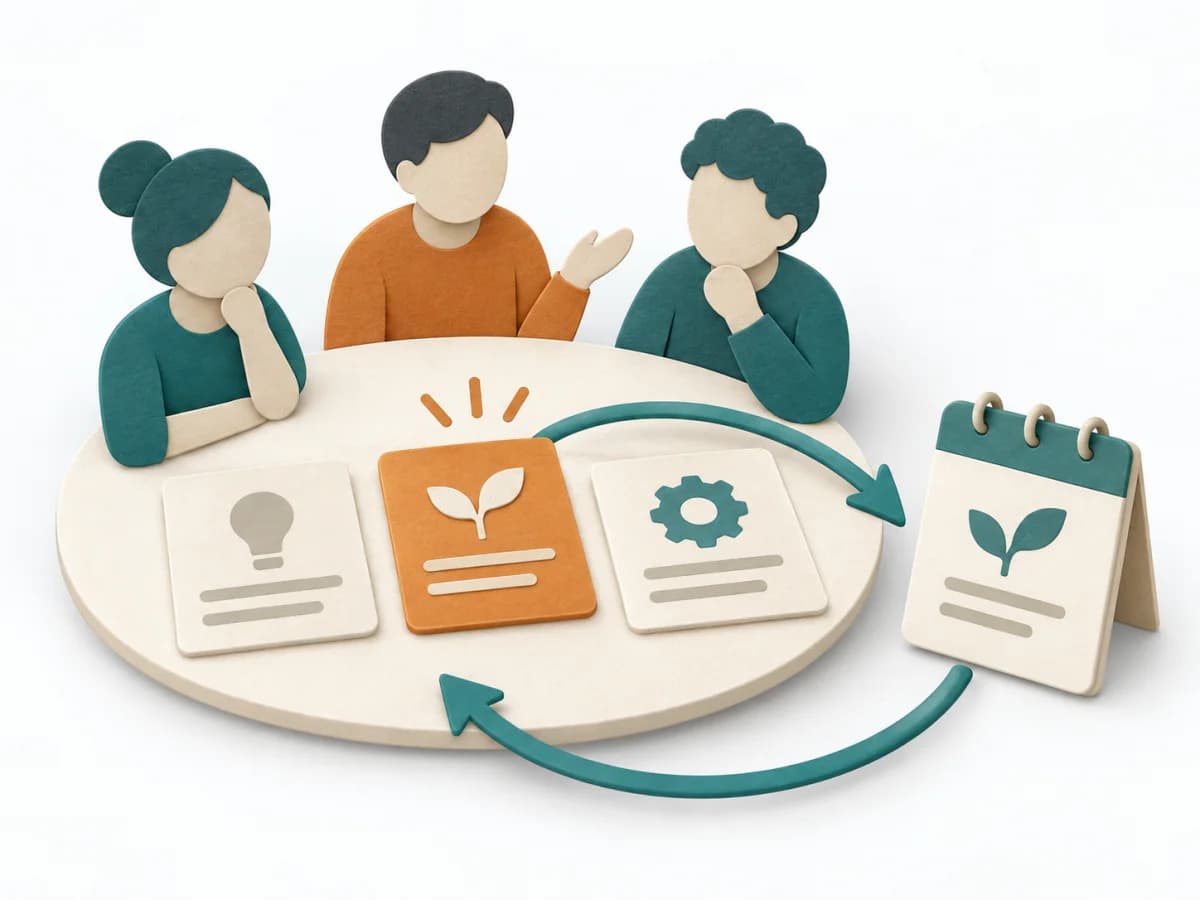
Recall the Sprint Goal, period, and conditions for a safe conversation.
Inspect
Collect concrete observations about people, interactions, processes, tools, and the Definition of Done.
Learn
Cluster patterns, ask about conditions, and value multiple perspectives without blame.
Improve
Choose a few actions for the next Sprint with an owner, Definition of Done, and evidence of effect.
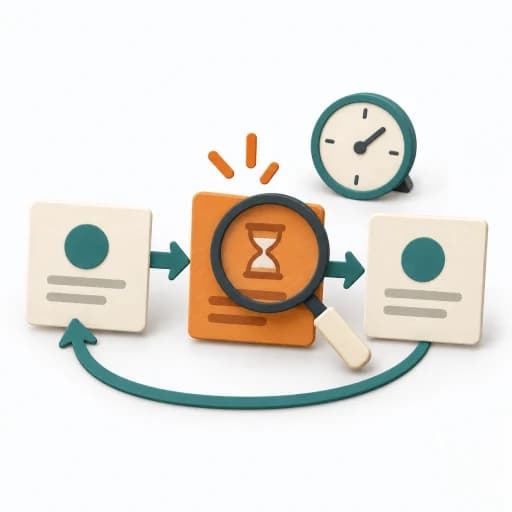
Follow-up
Close by agreeing who observes which signals and by when. Evaluate actual effects after implementation.
Update when new observations, signals, or effects appear.
Use it at the end of every Sprint in Scrum. It is timeboxed to at most three hours for a one-month Sprint; shorter Sprints are usually shorter.
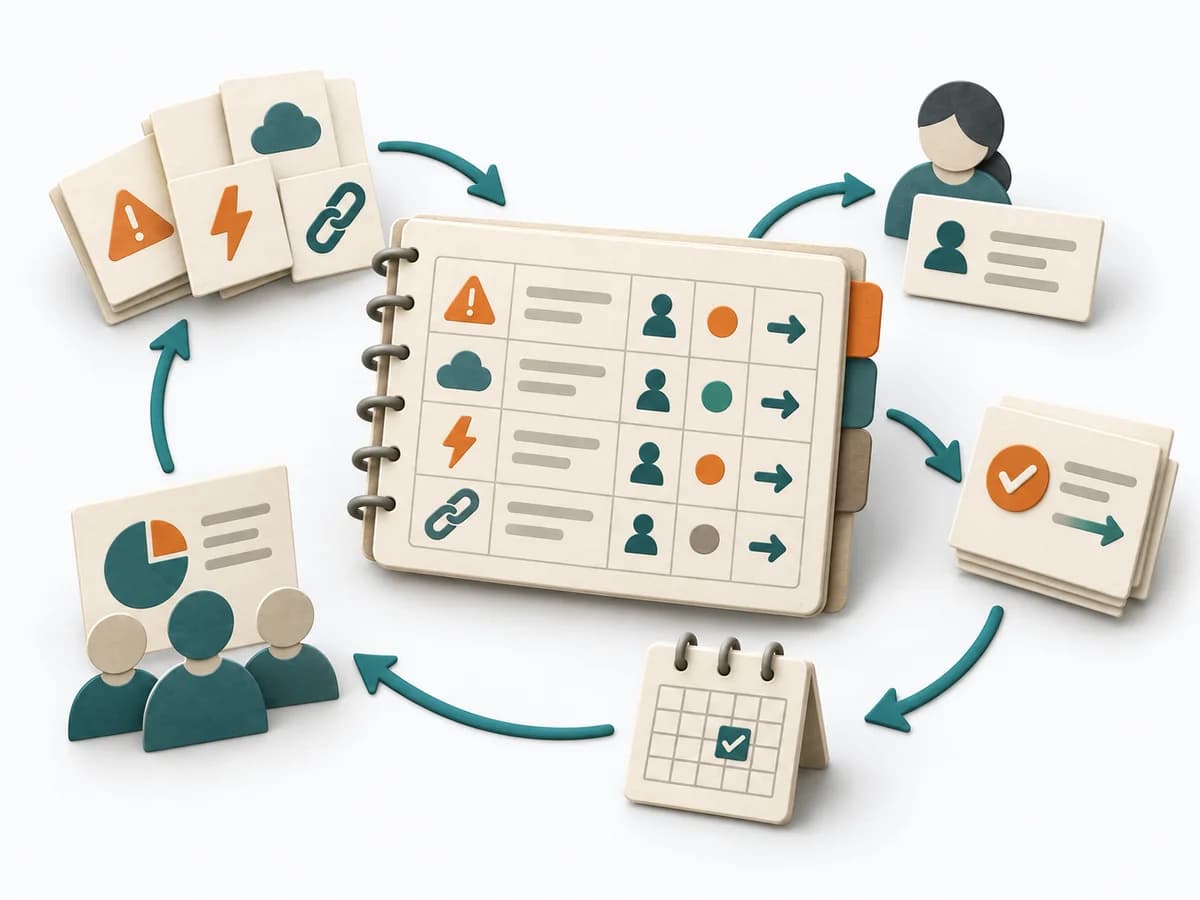
Concrete outcomes with an owner, effect signal and agreed review date.
Fictional example
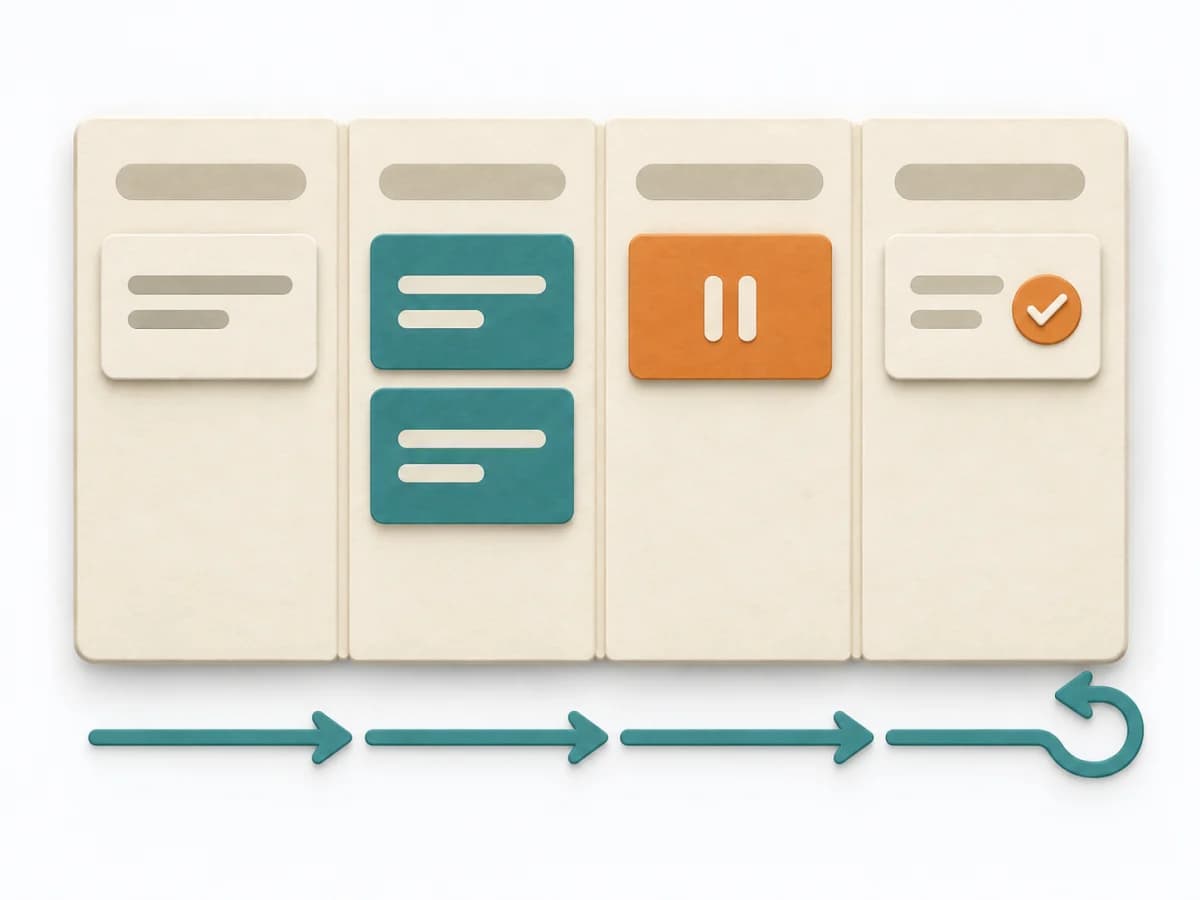
Structured board with a blank workspace and fictional example view.
Fictional: offline cases unclear
Definition of Done does not visibly cover returns without network.
Fictional: handoffs lack acceptance note
Support and Development repeat questions.
Fictional: add offline checklist
Lea adds and tests one case by Sprint 12.
Start with a clear period, goal, and safe frame.
When a sprint is over and friction shouldn't simply be carried forward, it opens the view onto collaboration and patterns. It creates space to see causes and changes together.
It gathers experiences from the cycle, condenses them into recurring themes, and translates them into practical changes. This makes improvement part of the next work rhythm instead of just a look back.
A Sprint Retrospective holds up because it translates collective experience into concrete learning work and thereby changes the next cycle. Good facilitation keeps the conversation close to observable patterns from the sprint and prevents premature blame or wish lists. Impact only comes once the team distinguishes symptom from cause and genuinely tries out one small behavior change.
Gather a few striking observations from the sprint beforehand so the session doesn't start in a fog of mood. The turning point becomes tangible when individual frustration turns into a recognizable shared pattern. Close with exactly one change, a clear picture of responsibility, and an agreement on what signals its effect in the next sprint.
The method guide walks execution through 5 phases, timing, 5 pitfalls, and clear stop criteria.
Open method guideYour perspective
Your feedback helps shape the next improvements to methodatlas.
Plan purpose, period, and the next work block.
To be confirmed
To be confirmed
Whole flow Time: In one session
Complete this worksheet on paper or in your own document during the work.
...
...
...
Learning over blame ...
Expected artifact: Sprint Goal, period
Sprint Goal, period
Entry:
...
Expected artifact: Observations
Observations
Entry:
...
Expected artifact: Patterns and learnings
Patterns and learnings
Entry:
...
Expected artifact: Improvement plan
Improvement plan
Entry:
...
Expected artifact: Agreed follow-up plan
Action · owner · review date · signal · record location
Entry:
...
...
Method guide: https://methodatlas.meierhoff-systems.de/en/methods/sprint-retrospective/run-sheet
Fitting alternatives with decision guidance, followed by other related methods.
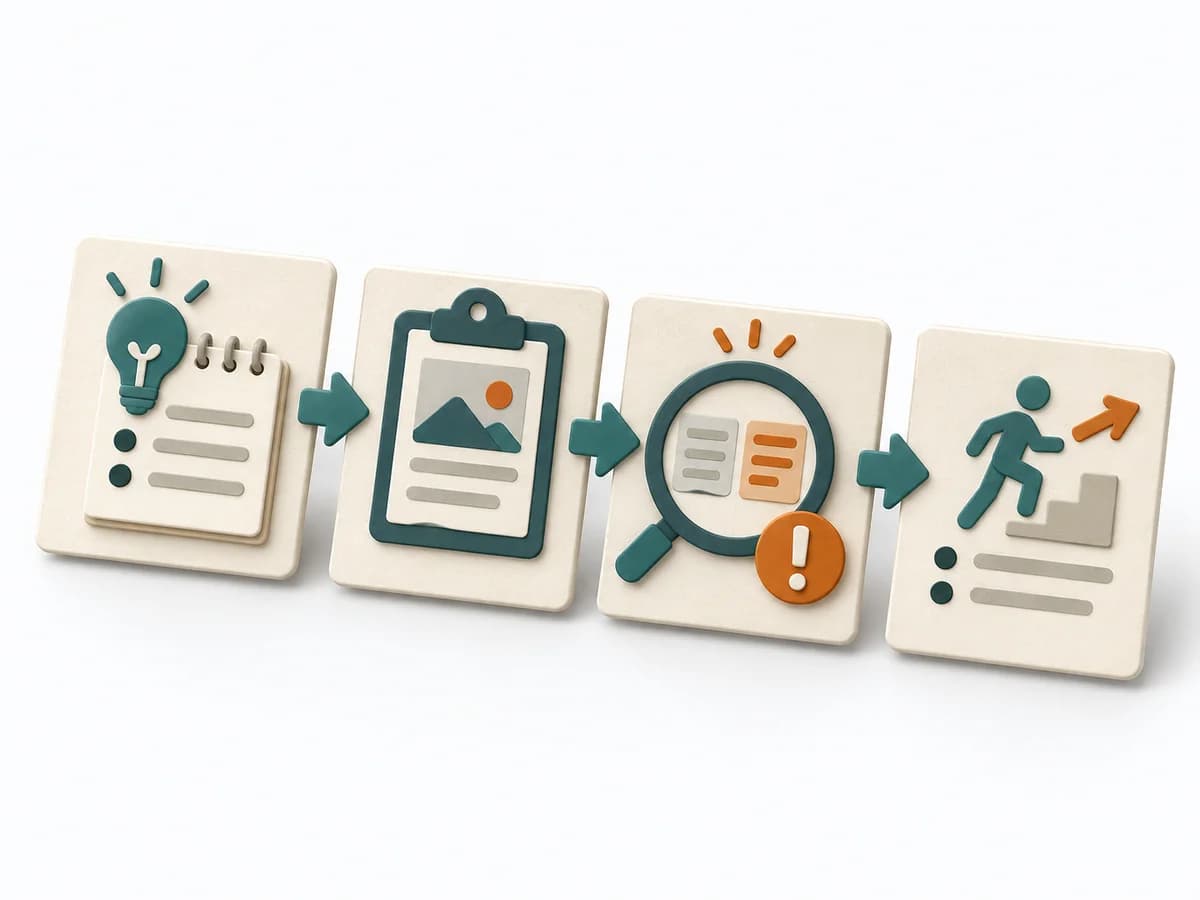
Instead of Sprint Retrospective, when you want to briefly evaluate a completed event and don't need a longer retrospective.
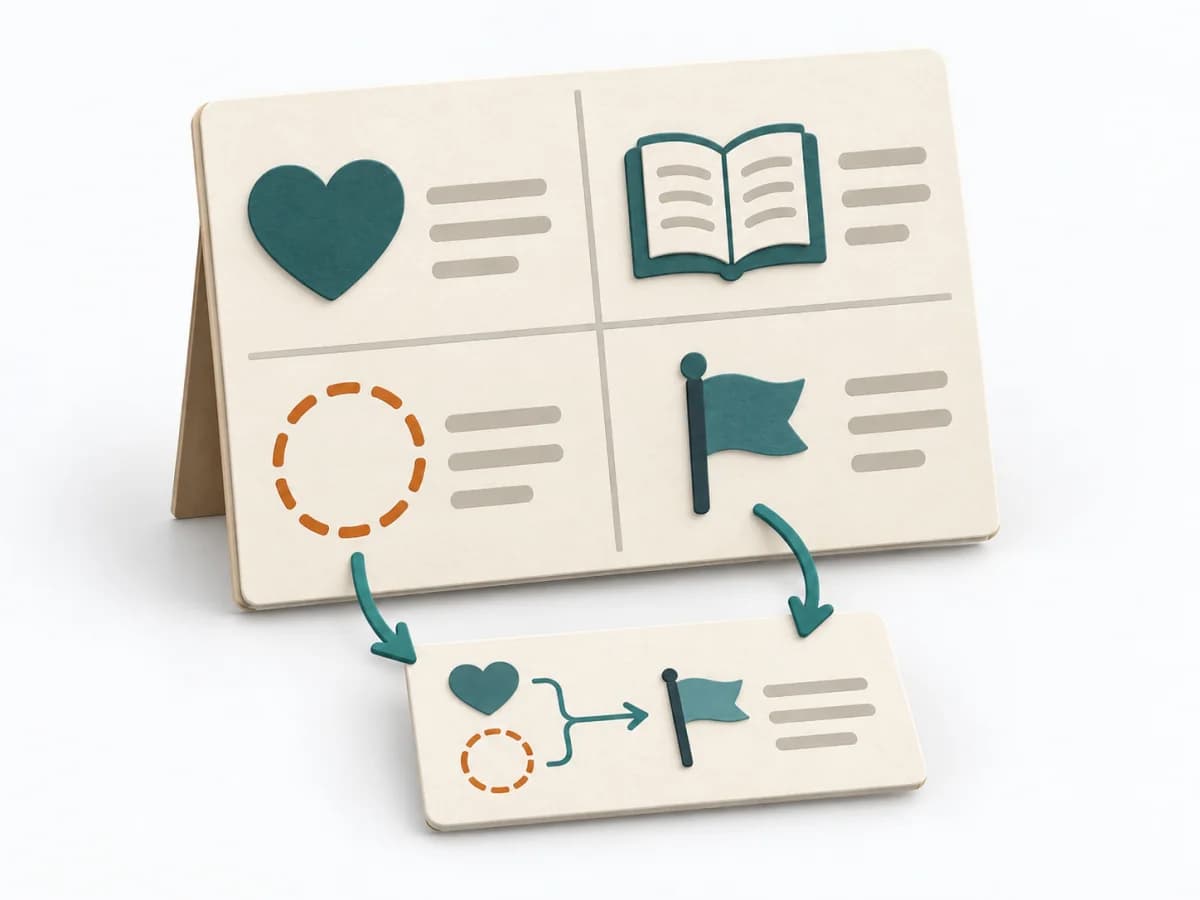
Sorts review, learning points, and friction into Liked, Learned, Lacked, and Longed For for concrete improvements.
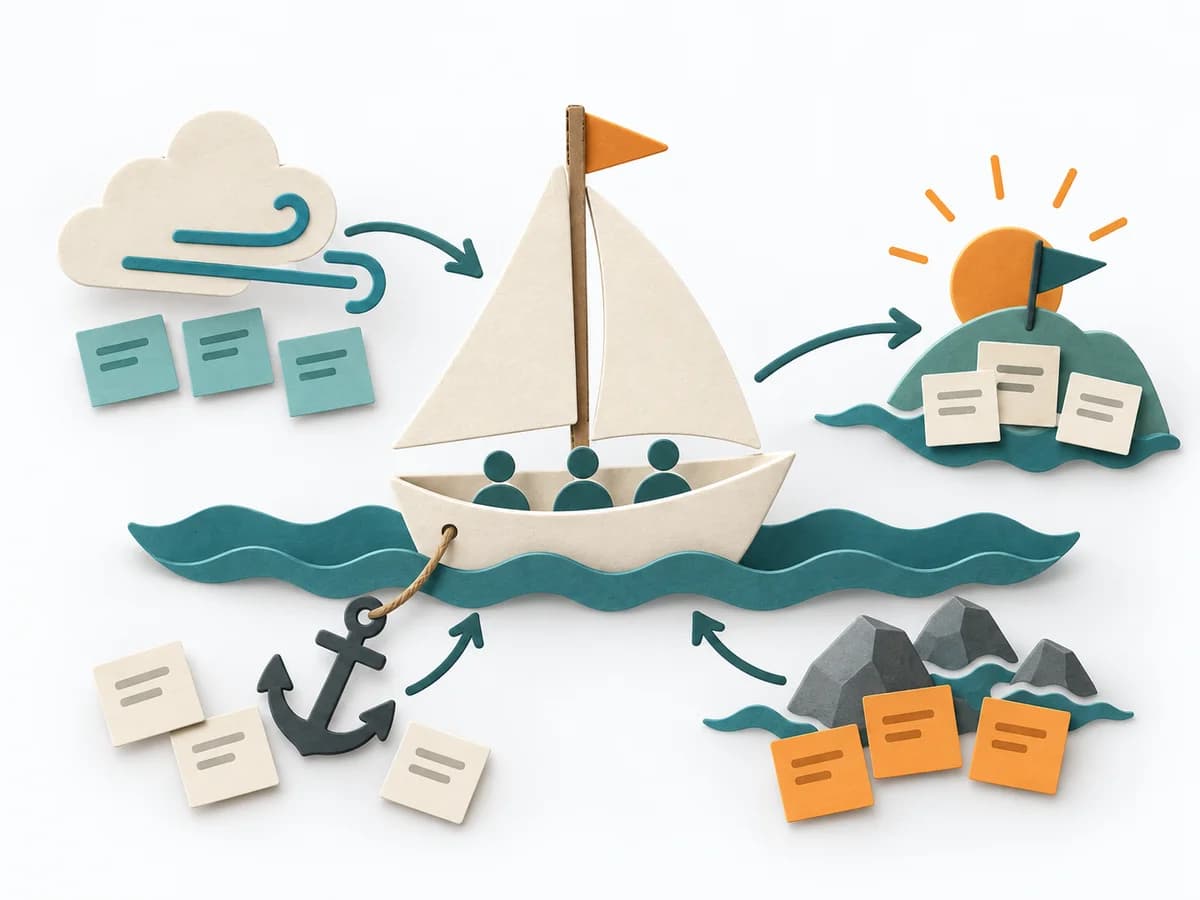
Makes a team's winds, anchors, risks, and target picture visible and turns the review into prioritized improvements.
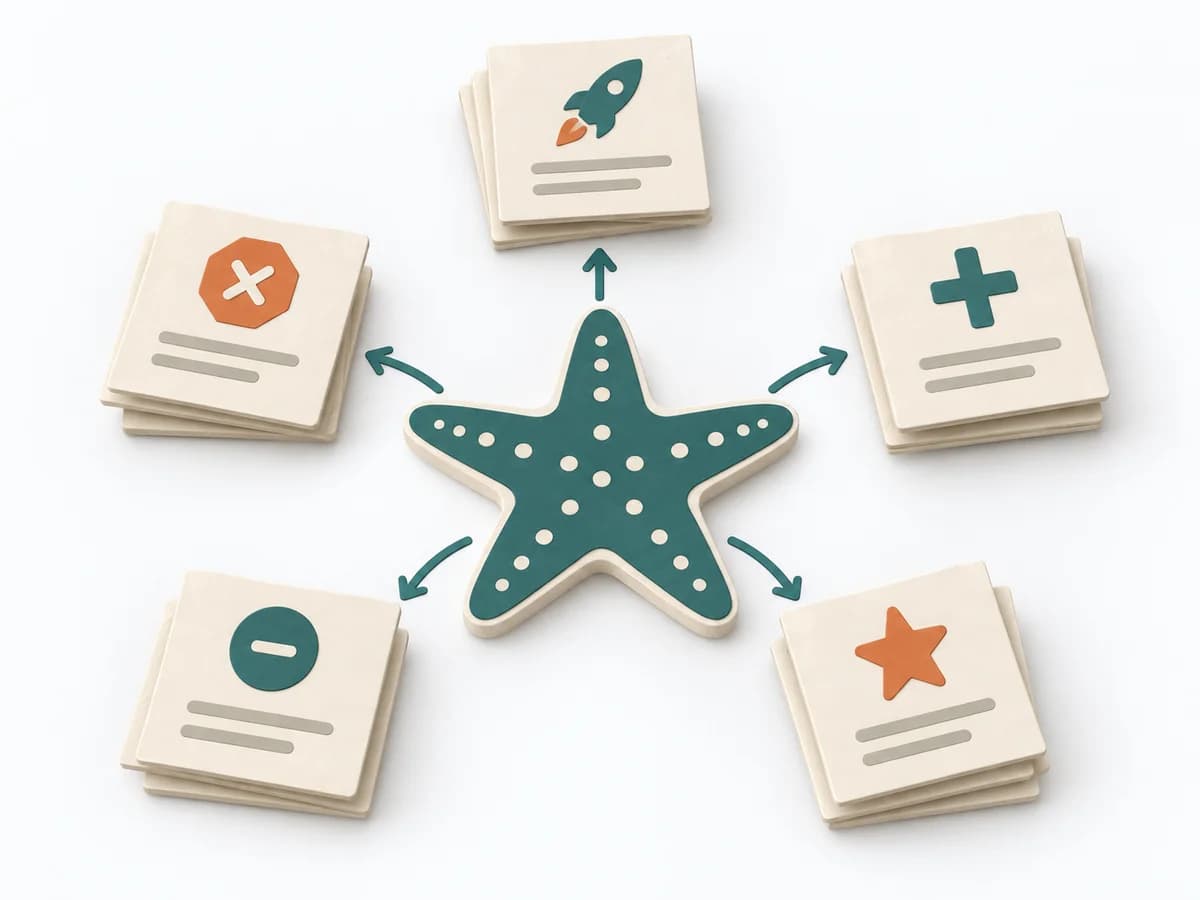
Sorts practices into Start, Stop, More, Less, and Keep, so routine changes get chosen more deliberately.
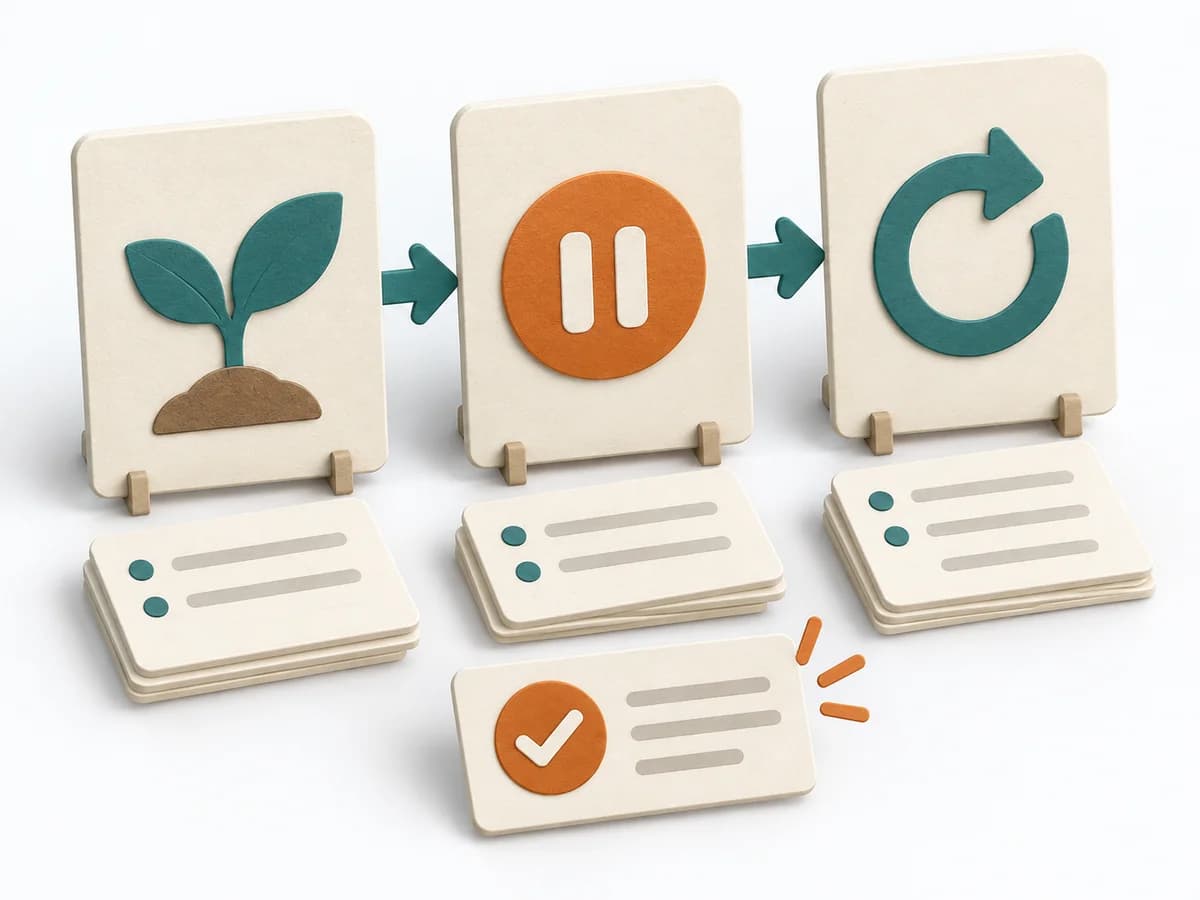
Sorts team feedback into start, stop, and continue so the retrospective produces clear next steps.
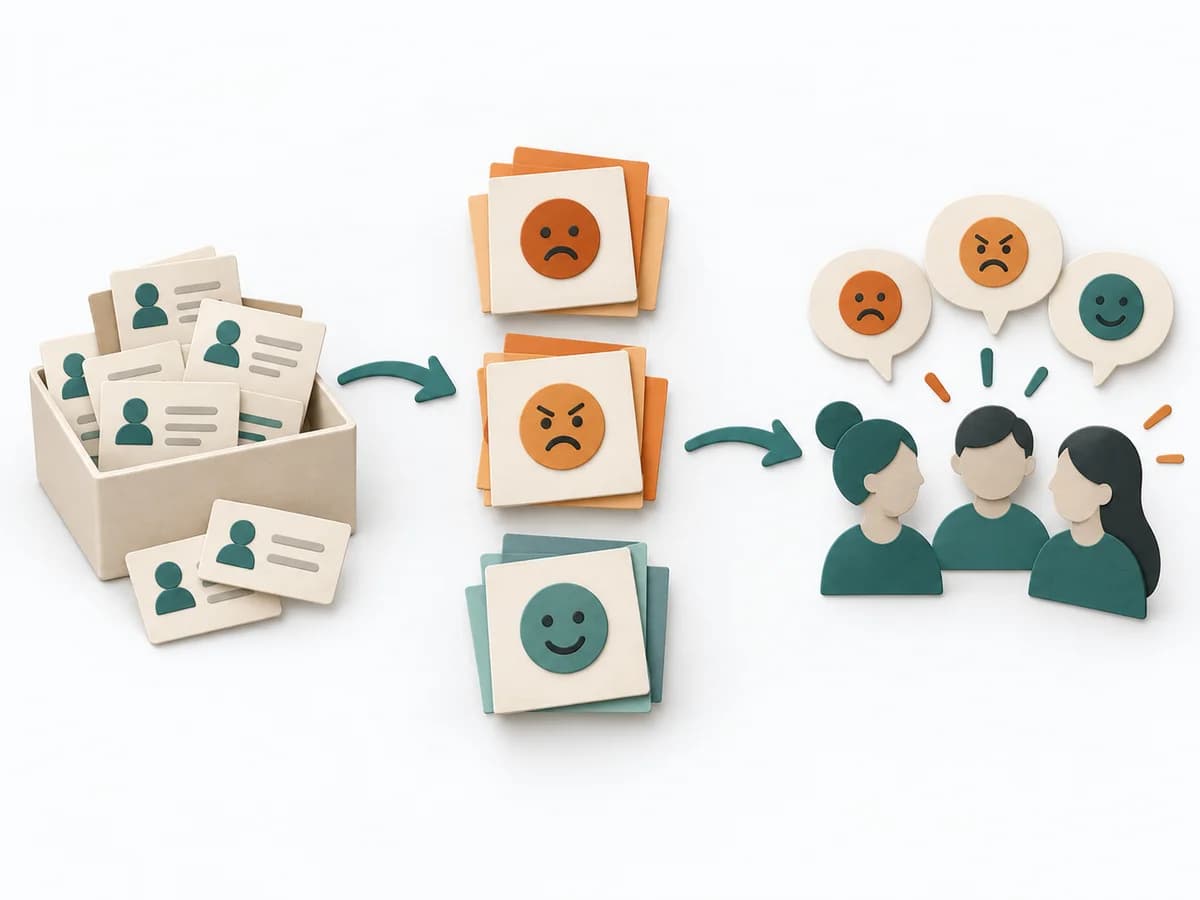
Collects emotional signals from the team, clusters them into themes, and makes real conversation topics visible.
