Purpose
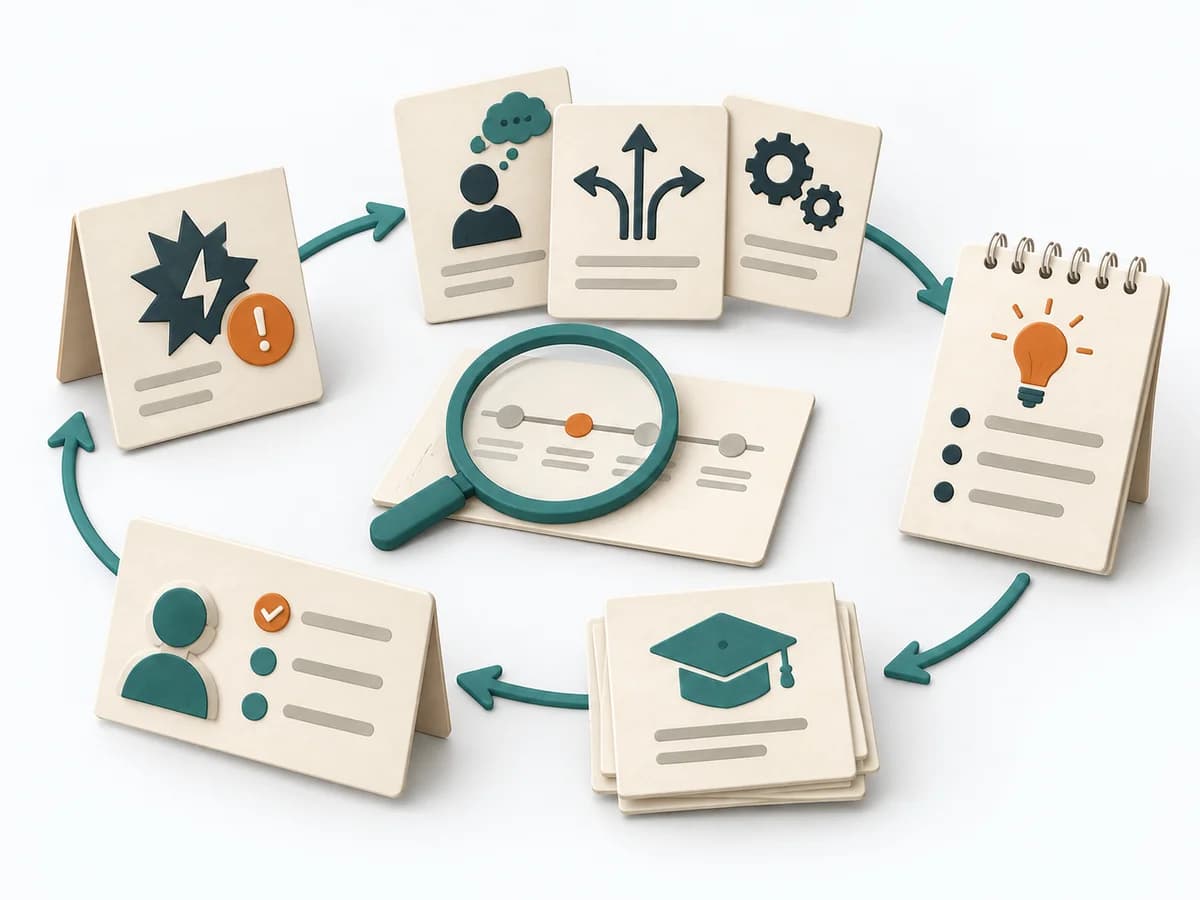
When a sprint should not only be assessed but also learned from, it captures experience in clear learning categories. It records what worked, what's missing, and what should run differently next time.
Agile Facilitation method
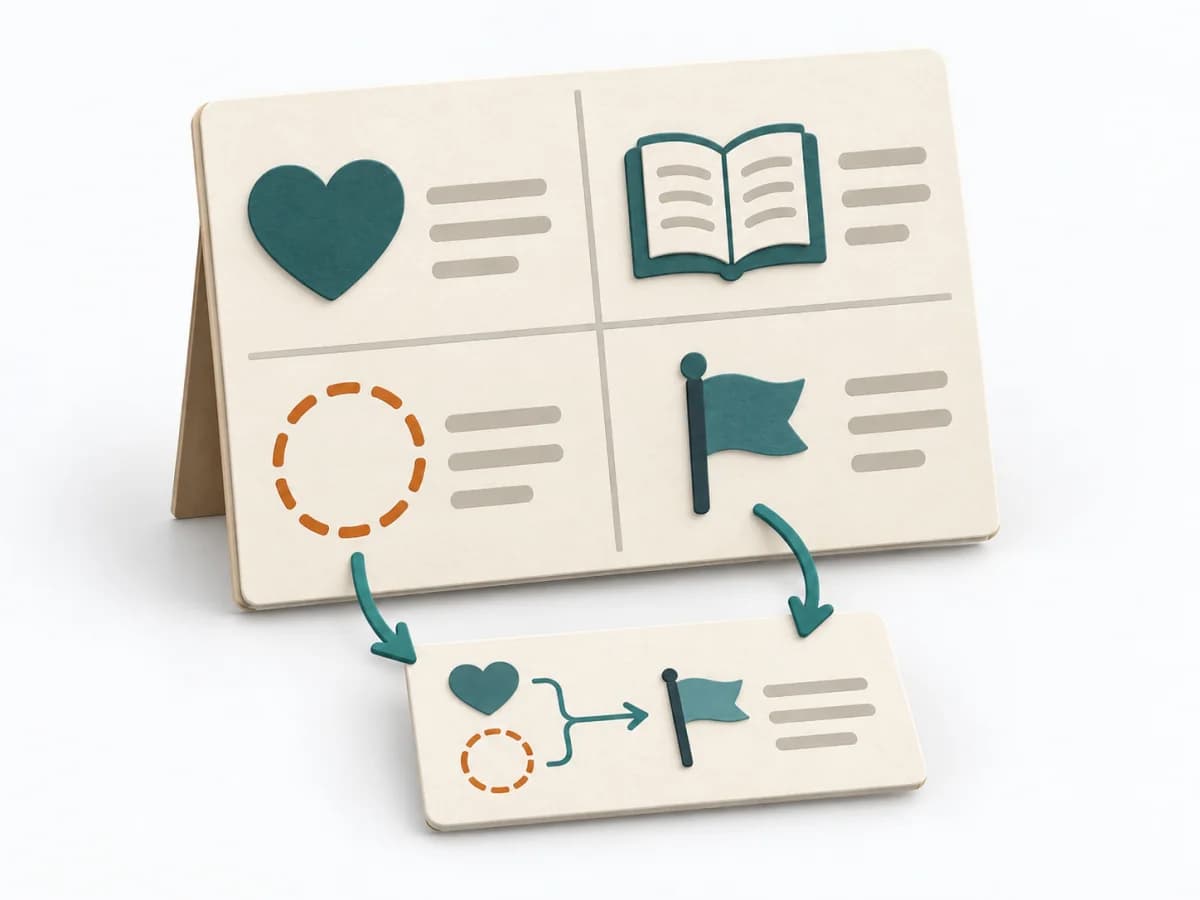
The 4Ls retrospective sorts experience into Liked, Learned, Lacked, and Longed For and makes next steps visible.
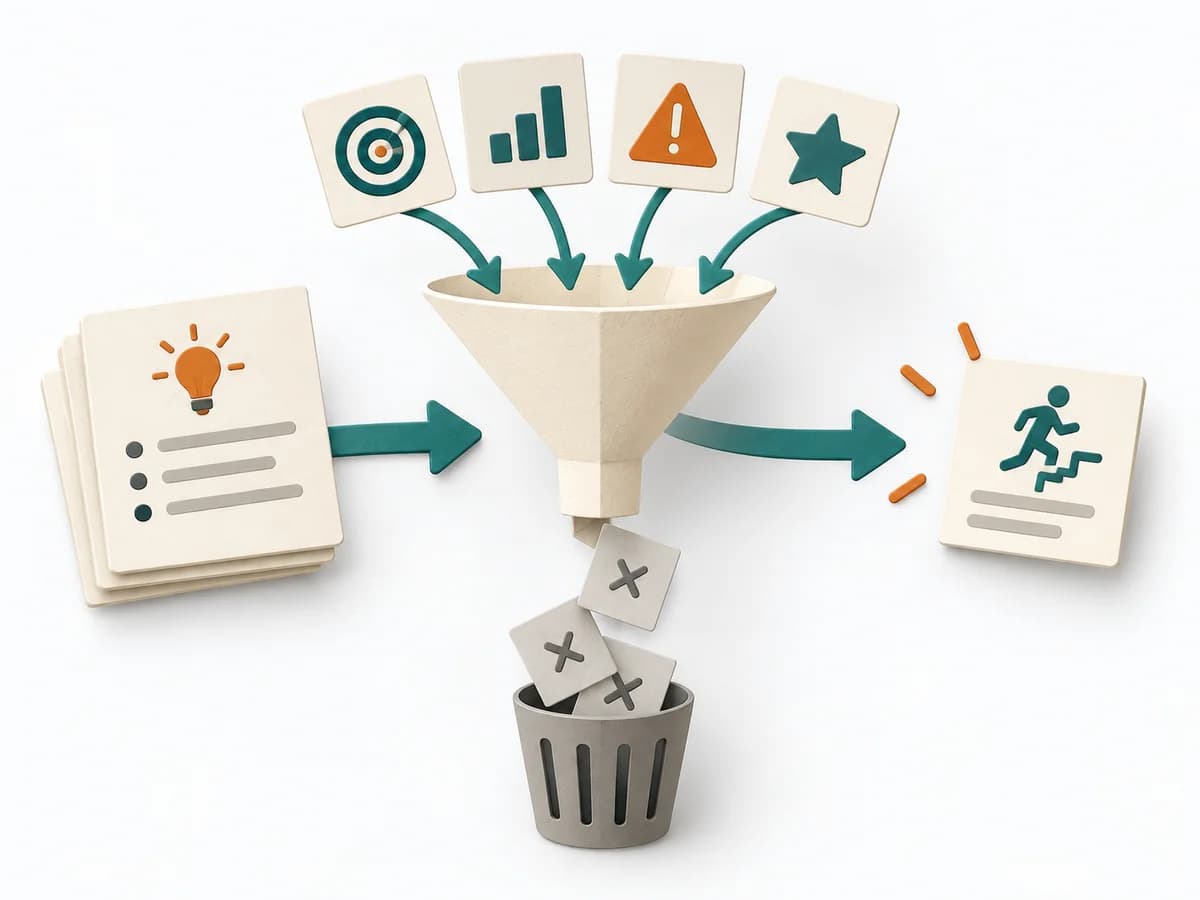
The 4Ls Retrospective makes valued experiences, learning, missing elements, and wishes visible. The shared reflection leads to agreed actions whose impact is reviewed later.
What did we like, learn, lack, and long for, and which small improvement will we inspect afterward?
Four perspectives structure reflection. Selected findings lead to testable improvements.
Frame
Set milestones, period, and conversation agreements without forced disclosure.
Reflect
Collect independently: Liked, Learned, Lacked, and Longed For.
Cluster
Read contributions, cluster themes, and ask about effects without exposing individuals.
Choose
Choose a few actions with owner, date, and a later check of their effect.
Follow-up
Close by agreeing who observes which signals and by when. Evaluate actual effects after implementation.
Update when new observations, signals, or effects appear.
Use it after a Sprint or project cycle when balanced reflection and a few improvements are useful. Keep contributions voluntary and safe.
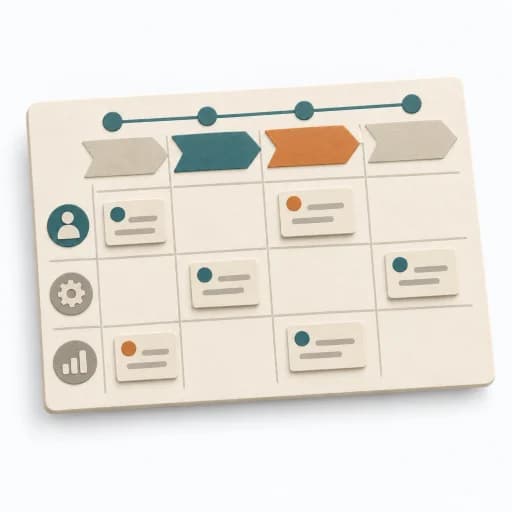
Concrete outcomes with an owner, effect signal and agreed review date.
Fictional example
Structured board with a blank workspace and fictional example view.
Fictional: immediate reservation confirmation
The desk confirms reservations directly.
Fictional: device check prevents questions
The team learns from a repeatable flow.
Fictional: return without network hard to see
A missing offline cue makes work harder.
Fictional: clear offline guide
The team wishes for a compact guide.
Fictional: test guide with two returns
Kim checks the effect next cycle.
Start with a clear period, goal, and safe frame.
When a sprint should not only be assessed but also learned from, it captures experience in clear learning categories. It records what worked, what's missing, and what should run differently next time.
It bundles feedback into four viewpoints and condenses them into concrete areas for development. Liked, Learned, Lacked, and Longed For separate assessment, insight, deficiency, and wish, so learning doesn't tip into mere praise or complaint.
The 4Ls Retrospective looks at experience in a differentiated way and makes ambivalences visible that get lost in simple pro and con lists. Good facilitation makes sure Liked, Learned, Lacked, and Longed For each get filled with concrete examples. This creates a balanced picture of strength, loss, insight, and wish, from which solid improvements are easier to derive.
Open with a short review of the period under review, so the four perspectives share the same reference point. The tipping point shows when a Learned item points directly to a Lacked or Longed For. Close with two to three changes that noticeably act on these connections.
The method guide walks execution through 5 phases, timing, 5 pitfalls, and clear stop criteria.
Open method guideYour perspective
Your feedback helps shape the next improvements to methodatlas.
Plan purpose, period, and the next work block.
To be confirmed
To be confirmed
Whole flow Time: In one session
Complete this worksheet on paper or in your own document during the work.
...
...
...
...
...
Safe and voluntary ...
The 4 Ls Retrospective Technique | Atlassian
Expected artifact: Period and agreements
Period and agreements
Entry:
...
Expected artifact: 4Ls contributions
4Ls contributions
Entry:
...
Expected artifact: Themes and learnings
Themes and learnings
Entry:
...
Expected artifact: Action plan
Action plan
Entry:
...
Expected artifact: Agreed follow-up plan
Action · owner · review date · signal · record location
Entry:
...
...
Method guide: https://methodatlas.meierhoff-systems.de/en/methods/4ls-retrospective/run-sheet
Fitting alternatives with decision guidance, followed by other related methods.
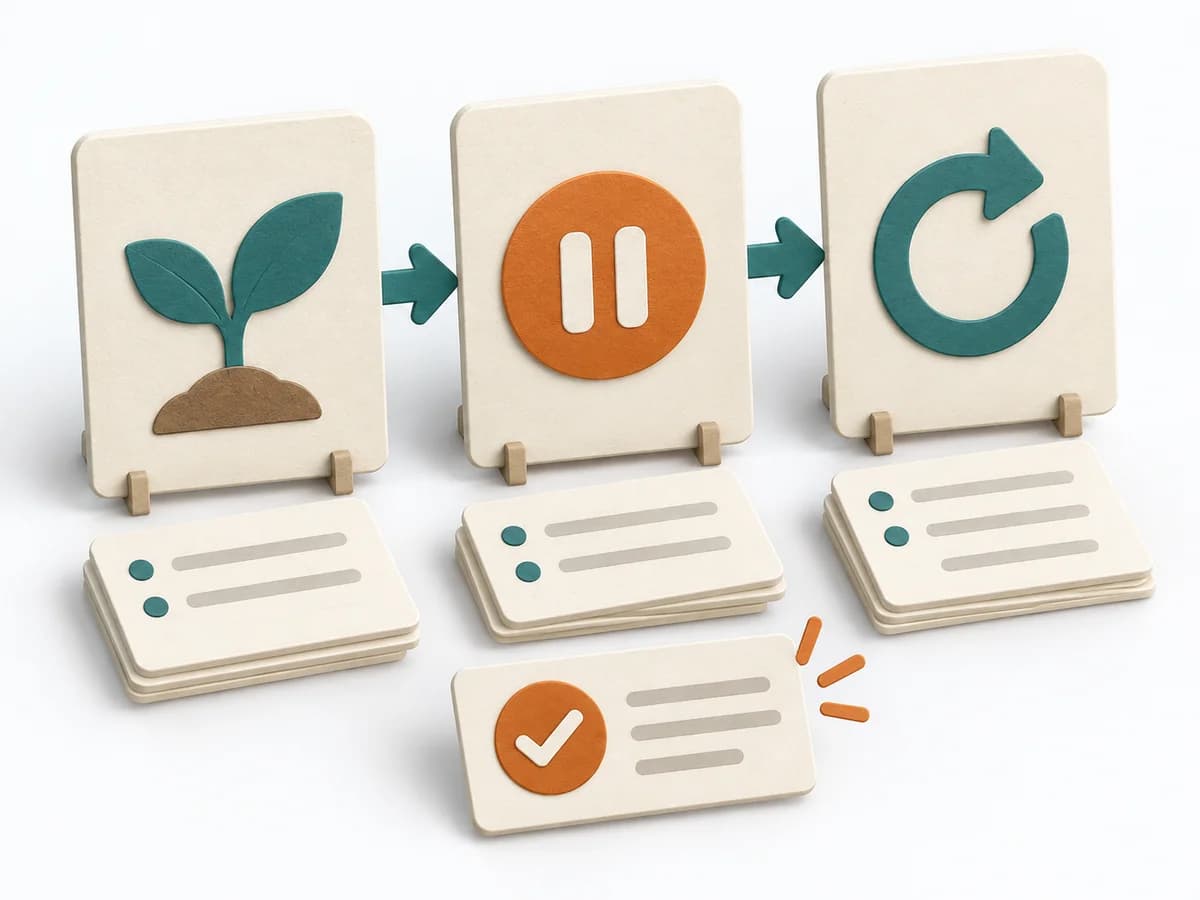
Instead of 4Ls Retrospective, when you want to organize team work, backlog, or retrospectives in a lightweight work format.
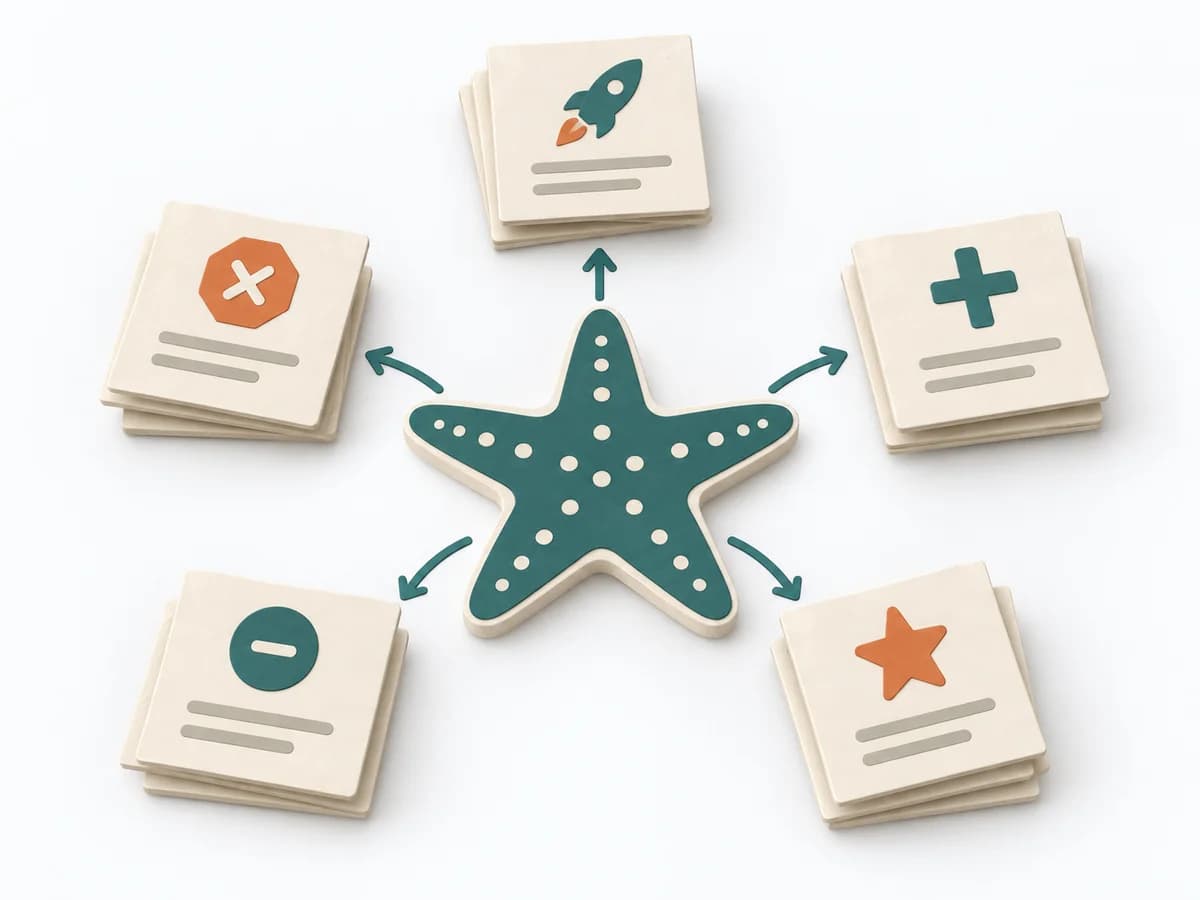
Sorts practices into Start, Stop, More, Less, and Keep, so routine changes get chosen more deliberately.
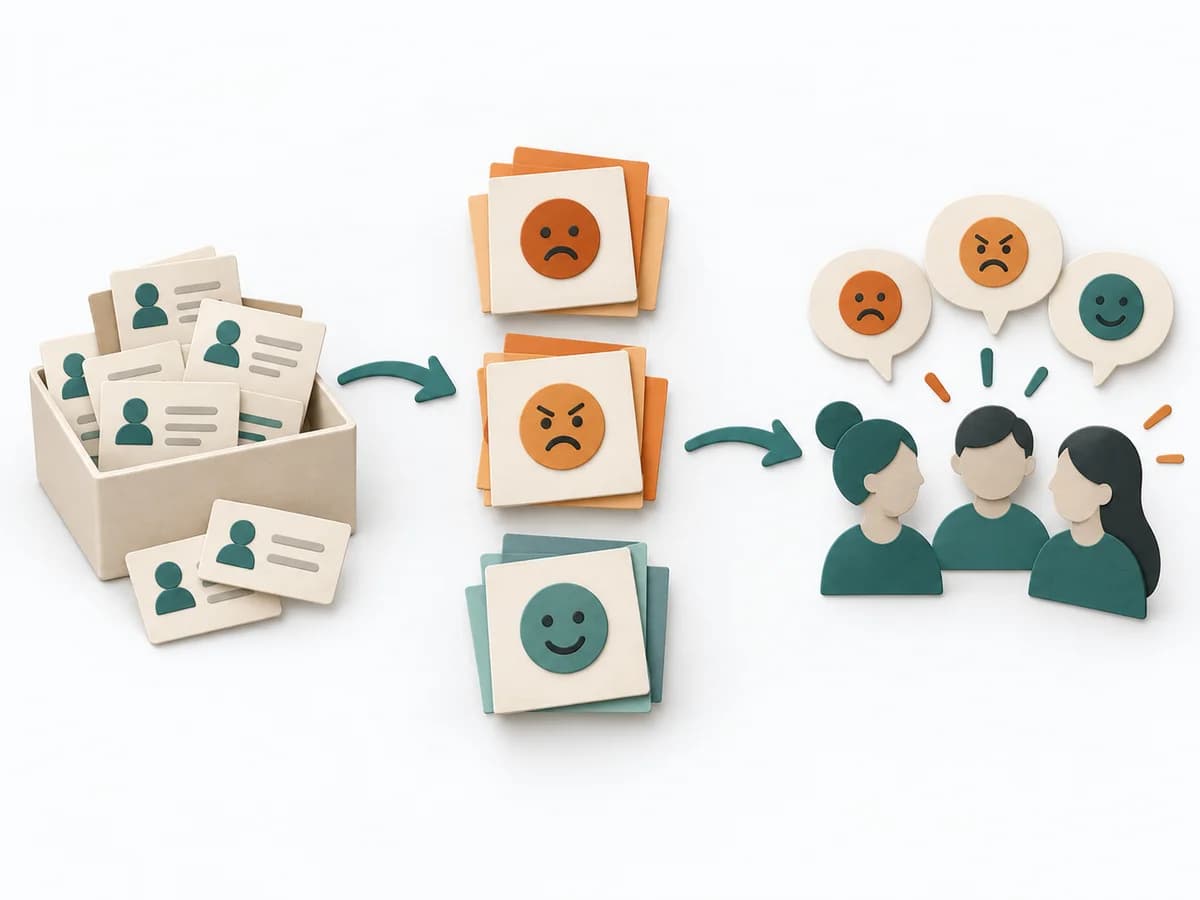
Collects emotional signals from the team, clusters them into themes, and makes real conversation topics visible.
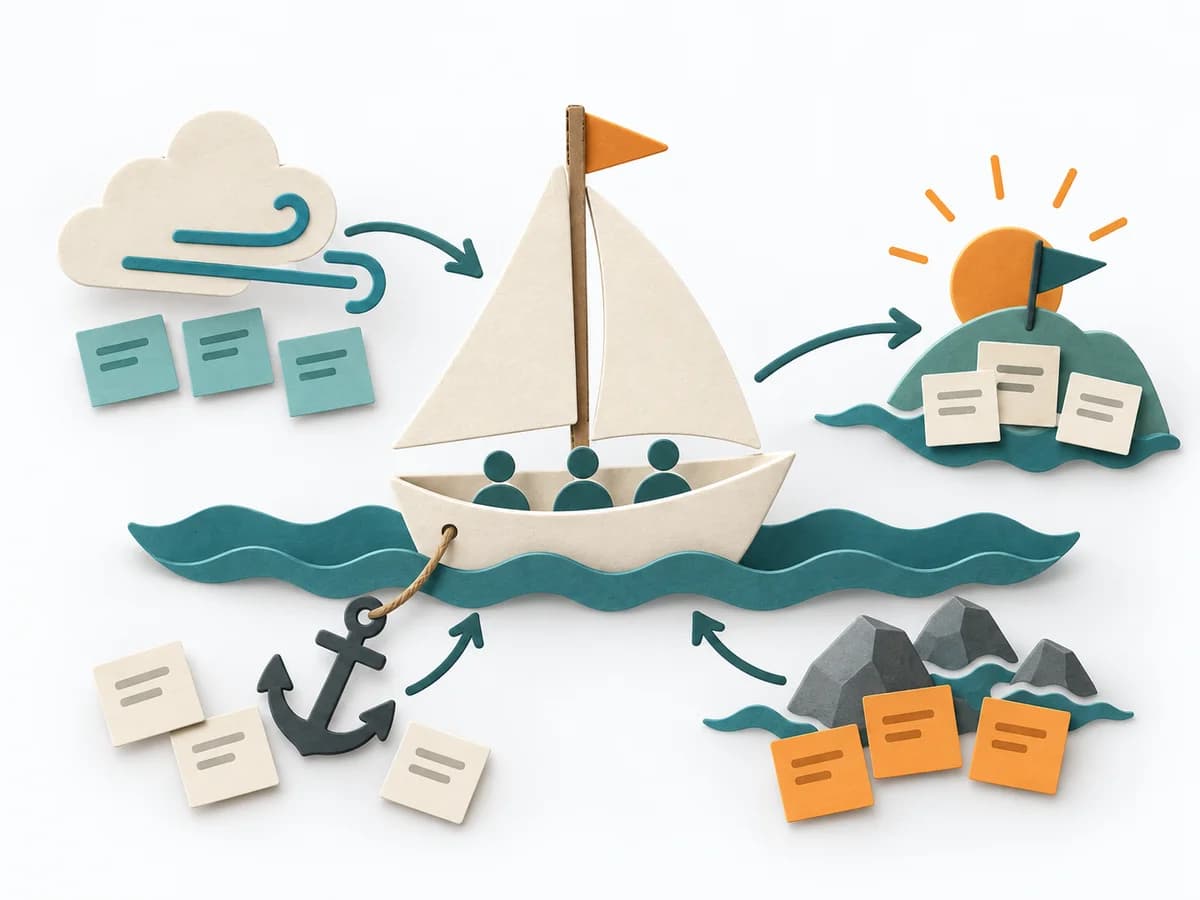
Makes a team's winds, anchors, risks, and target picture visible and turns the review into prioritized improvements.
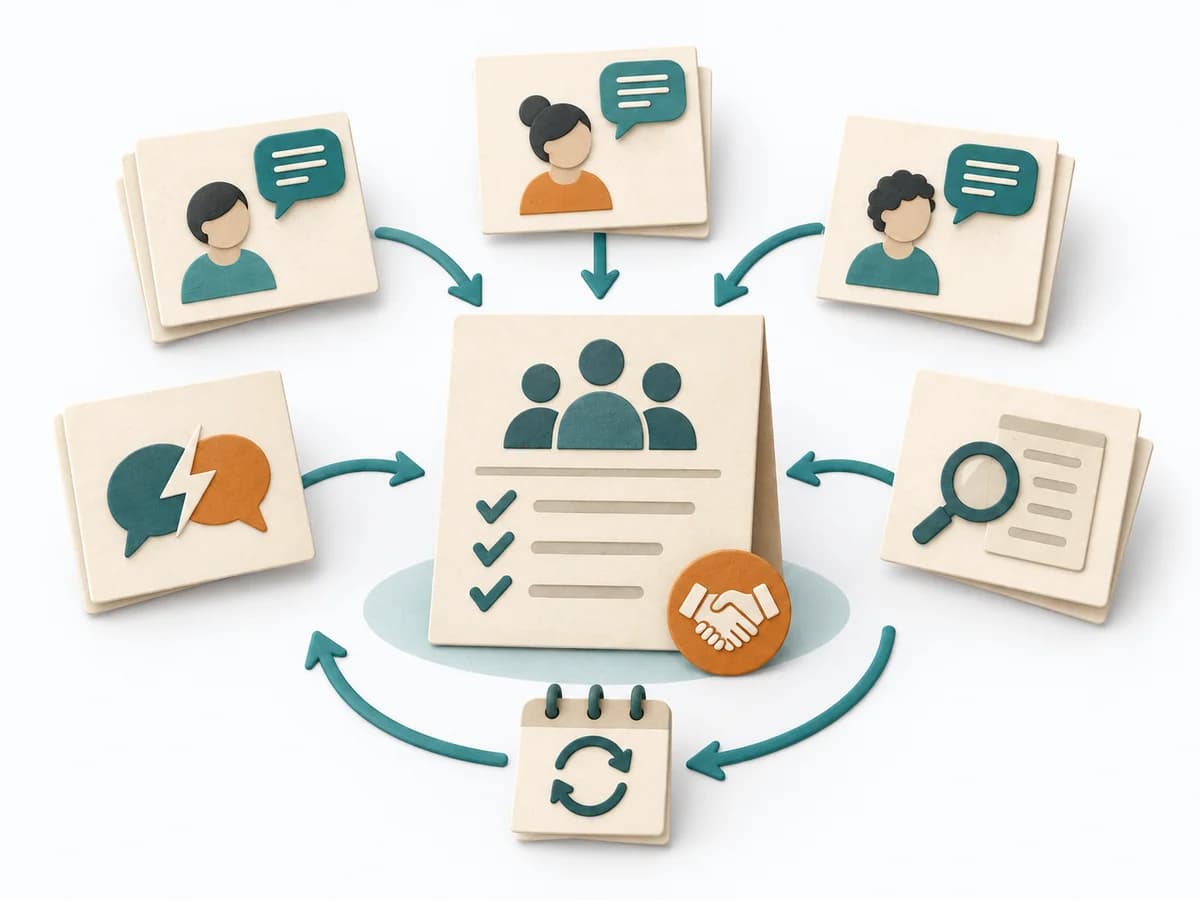
Jointly formulates valid working rules and clarifies how the team handles expectations, conflicts, and reviews.
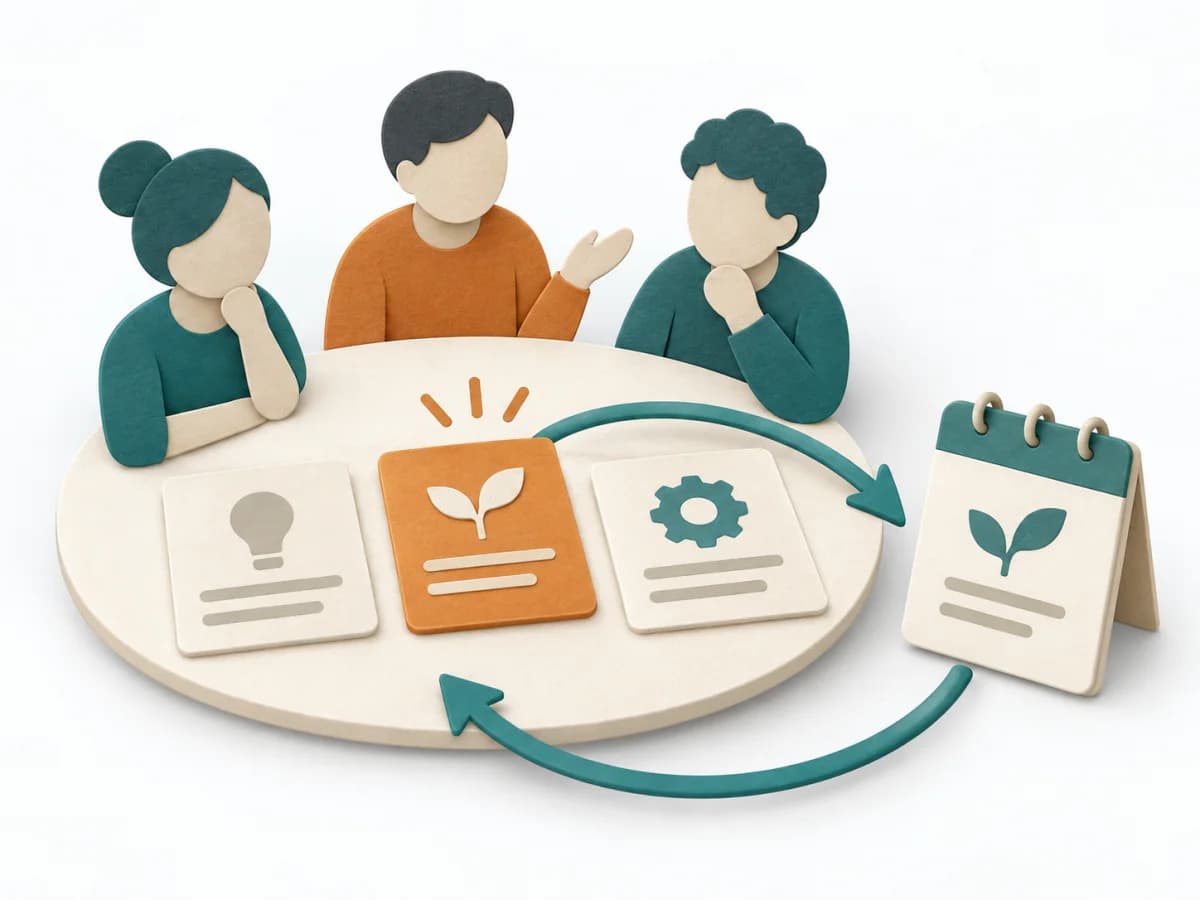
Makes patterns from a sprint visible and derives concrete improvements for the next work cycle.