Purpose
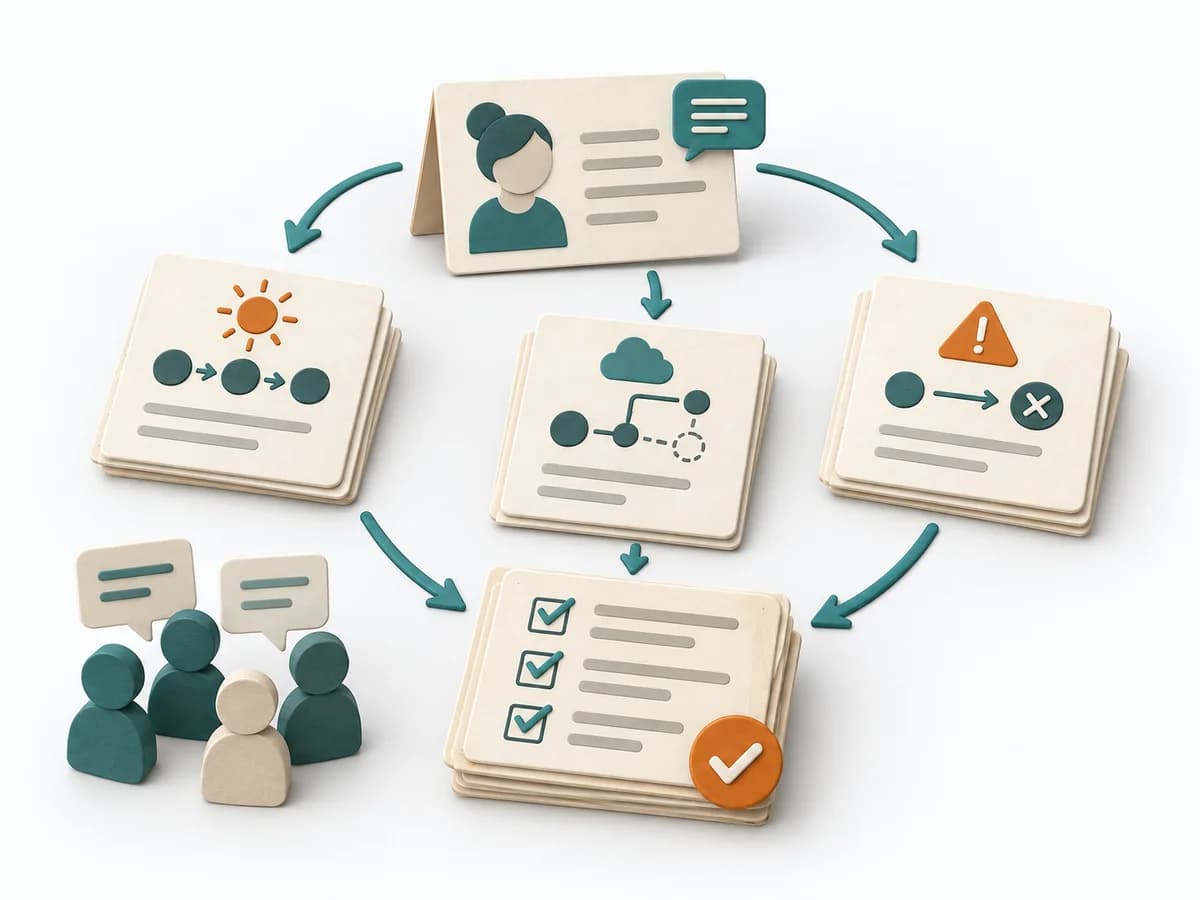
When estimates within the team diverge too much, it puts differing expectations on a common test bench. It separates rough complexity from unspoken assumptions.
Agile Decision method
Compares stories relatively, exposes knowledge gaps, and produces a shared estimate with traceable assumptions.
Sie lässt alle eine Schätzung auf Basis derselben Information bilden und vergleicht anschließend die Spannweite. So werden Wissenslücken und verdeckte Risiken sichtbar, bevor eine Zahl zum Dogma wird.
Which relative size can the delivery team support after independent selection, simultaneous reveal, and clarification of the highest and lowest assumptions?
The practice is repeated across comparable work items.

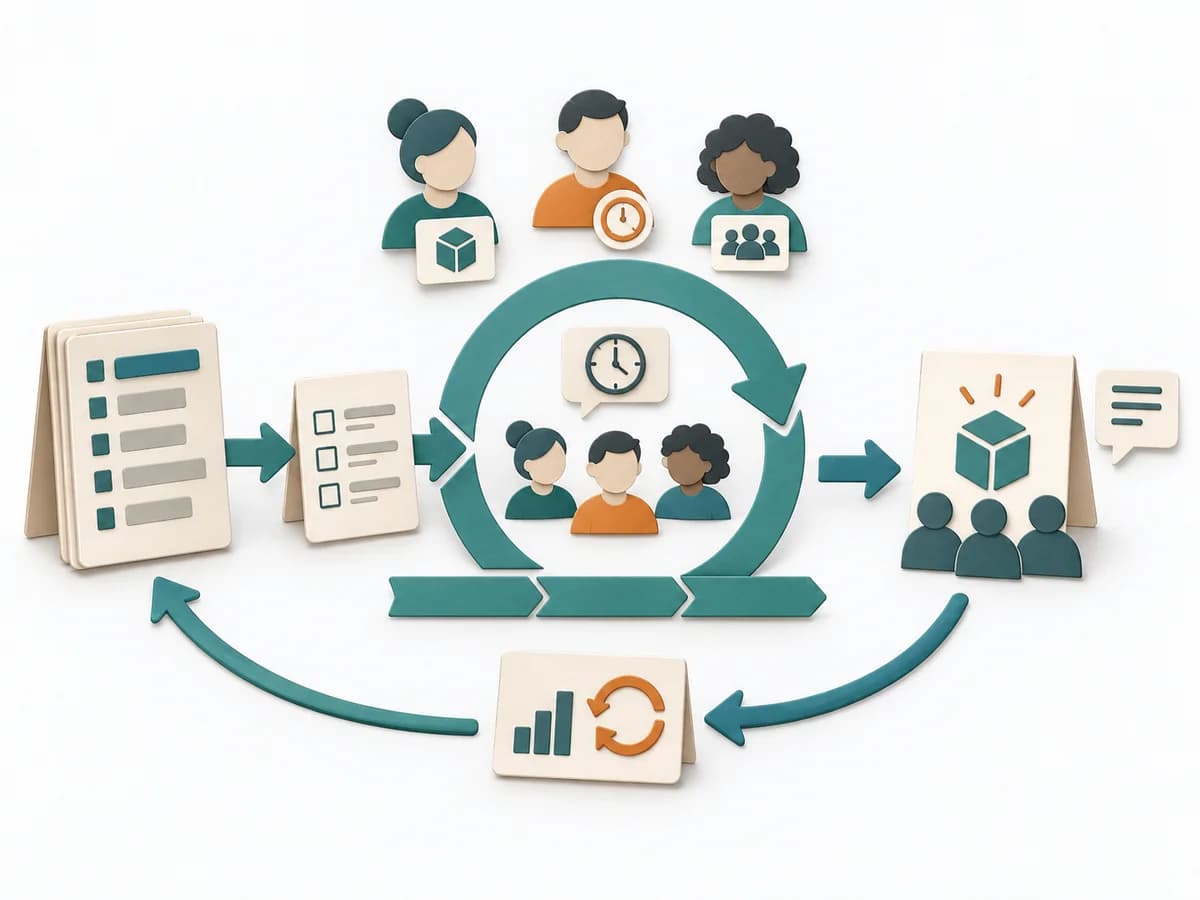
Ready
Product owner explains goal and acceptance criteria; team clarifies scope and Definition of Done.
Anchors
Compare suitable smaller and larger reference items without calling a number for the current item.
Choose
All delivery participants independently choose a hidden card for total effort, complexity, and risk.
Clarify
Highest and lowest estimators explain assumptions first; team updates scope and risks.
Revote
Choose privately and reveal together again; store estimate and assumptions when understanding is sufficient.
Add new evidence at review and version decisions with the prior state.
Wenn Schätzungen im Team zu stark auseinandergehen, bringt sie unterschiedliche Erwartungen auf einen gemeinsamen Prüfstand. Sie trennt grobe Komplexität von ungesagten Annahmen.
Supportable relative estimate with exposed assumptions, risks, clarifications, and marked split/spike needs.
Fictional example
Fictional values show the actual method fields.
| Backlog item | Acceptance/DoD | References | Round 1 | Difference | Clarification | Round 2 | Outcome |
|---|---|---|---|---|---|---|---|
| Save cardAdd evidence and rationale. | Provider token; logged-in users; browser tests; security review | 3 save address; 8 new payment method | 3, 5, 5, 8, 13 | 13 sees management/compliance; 3 knows token API | Card management out; security review stays | 5, 5, 5, 5, 8 | Team supports 5; assumption recorded |
| Provider migrationAdd evidence and rationale. | Migration, fallback, certification still unclear | 8 new payment method; 20 checkout migration | 13, 20, 20, 40, ∞ | Unknown certification and multiple outcomes | Split item; certification spike | No second round | Not estimable; split + spike |
All values are fictional.
Select an item with goal and acceptance criteria; show estimation unit, Definition of Done, and 2–3 stable reference items.
When estimates within the team diverge too much, it puts differing expectations on a common test bench. It separates rough complexity from unspoken assumptions.
It has everyone form an estimate based on the same information and then compares the spread. This surfaces knowledge gaps and hidden risks before a number turns into dogma.
Planning Poker combines independent judgment with shared clarification. Secret selection reduces anchoring effects because strong voices do not shape the group immediately. Large differences are not treated as errors, but as signals for different assumptions, unclear acceptance criteria, or hidden risks. After a short discussion the team estimates again until a workable relative size emerges.
Prepare clear items, acceptance criteria, and a defined scale. Timebox the discussion so estimating does not turn into design work. When outliers appear, ask about assumptions rather than justification, and split items that remain too large or unclear.
The method guide walks execution through 5 phases, timing, 5 pitfalls, and clear stop criteria.
Open method guideYour perspective
Your feedback helps shape the next improvements to methodatlas.
Set subject, evidence, roles, flow, and review.
To be confirmed
To be confirmed
Practice run Time: 5–15 minutes per prepared backlog item; usually 1–3 rounds.
Complete this worksheet on paper or in your own document during the work.
| Backlog item | Acceptance/DoD | References | Round 1 | Difference | Clarification | Round 2 | Outcome |
|---|---|---|---|---|---|---|---|
| Save card | |||||||
| Provider migration |
The blank worksheet contains prompts only.
Reference · original teaching example
Expected artifact: Estimable item
Product owner explains goal and acceptance criteria; team clarifies scope and Definition of Done.
Entry:
...
Expected artifact: Relative frame
Compare suitable smaller and larger reference items without calling a number for the current item.
Entry:
...
Expected artifact: Private cards
All delivery participants independently choose a hidden card for total effort, complexity, and risk.
Entry:
...
Expected artifact: Resolved difference
Highest and lowest estimators explain assumptions first; team updates scope and risks.
Entry:
...
Expected artifact: Team estimate
Choose privately and reveal together again; store estimate and assumptions when understanding is sufficient.
Entry:
...
...
Method guide: https://methodatlas.meierhoff-systems.de/en/methods/planning-poker/run-sheet
Fitting alternatives with decision guidance, followed by other related methods.
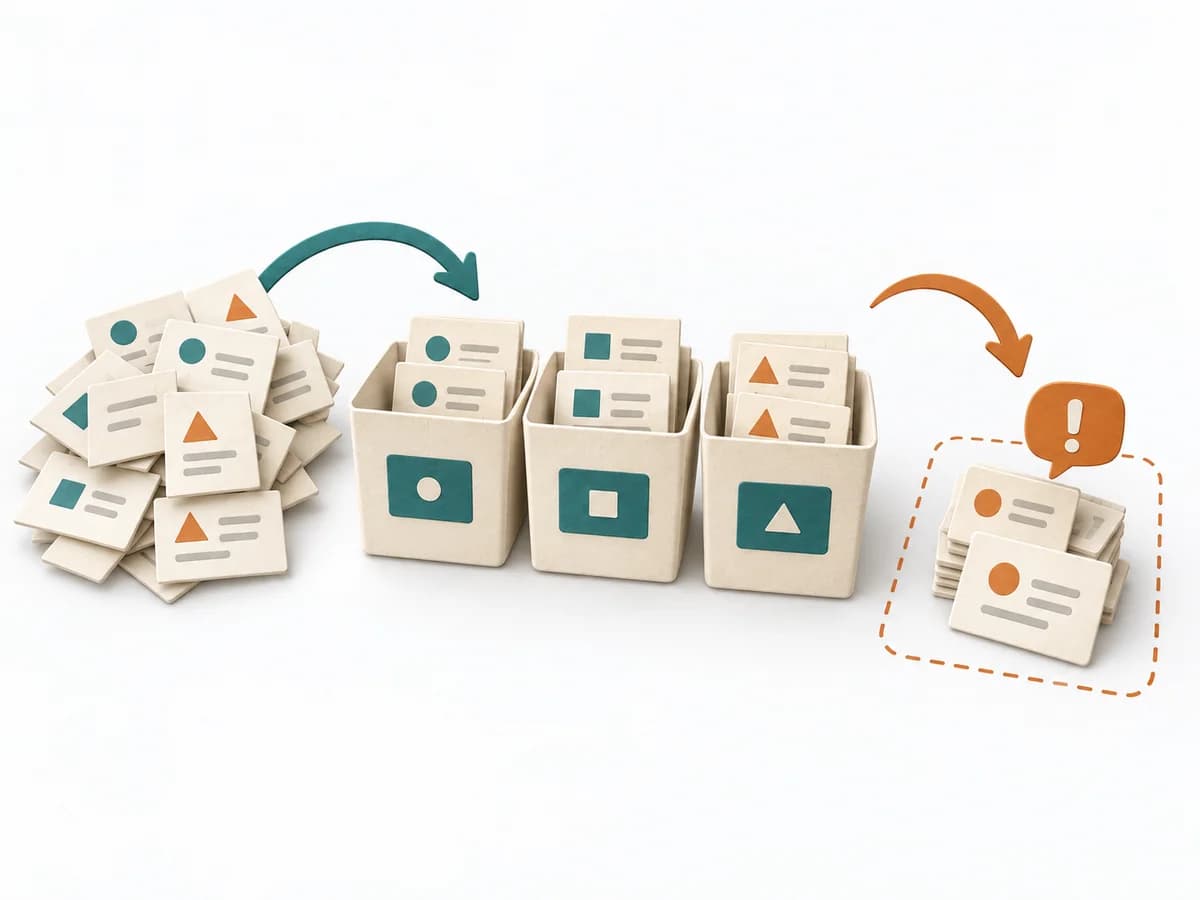
Instead of Planning Poker, choose Bucket System when you want to sort many items into rough size classes without estimating each one individually.
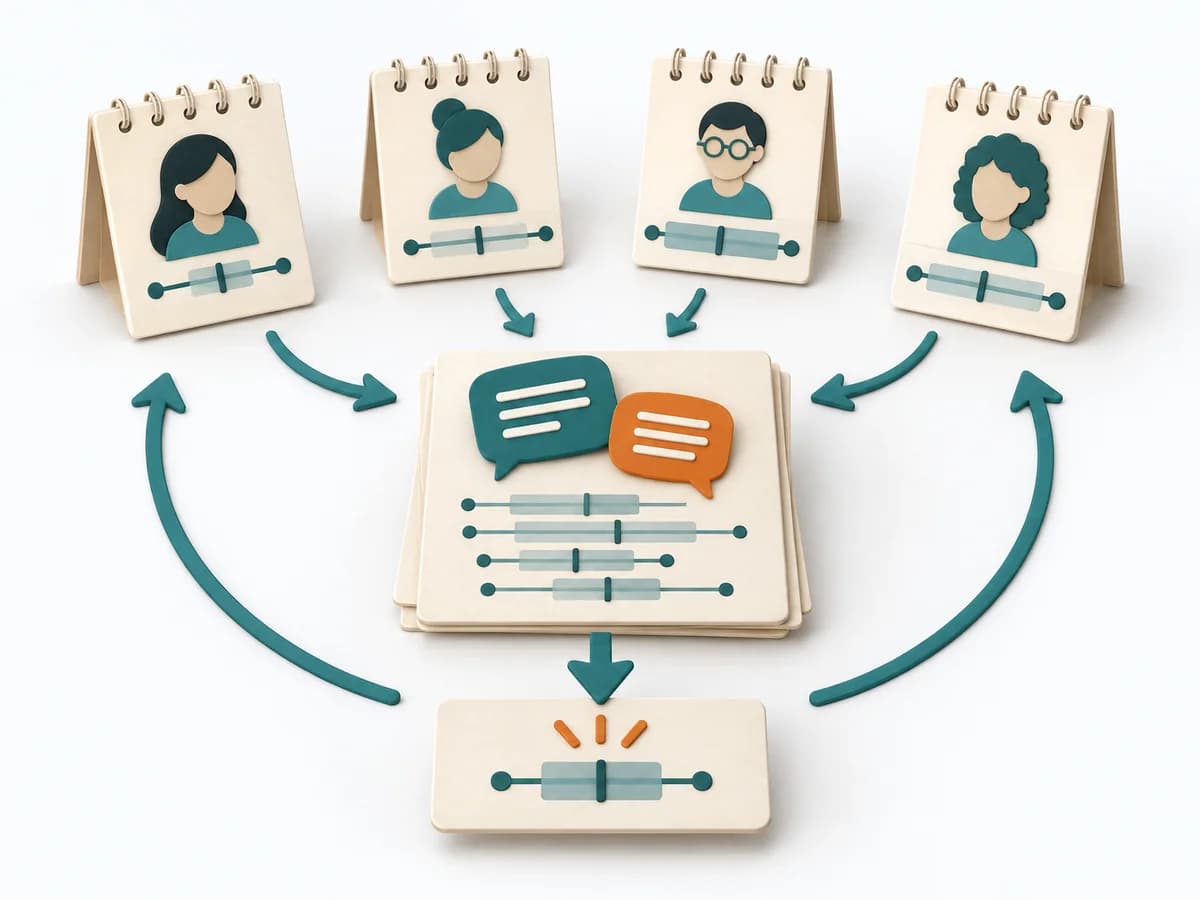
Instead of Planning Poker, choose Wideband Delphi when you want to make estimates more robust with several rounds of experts.
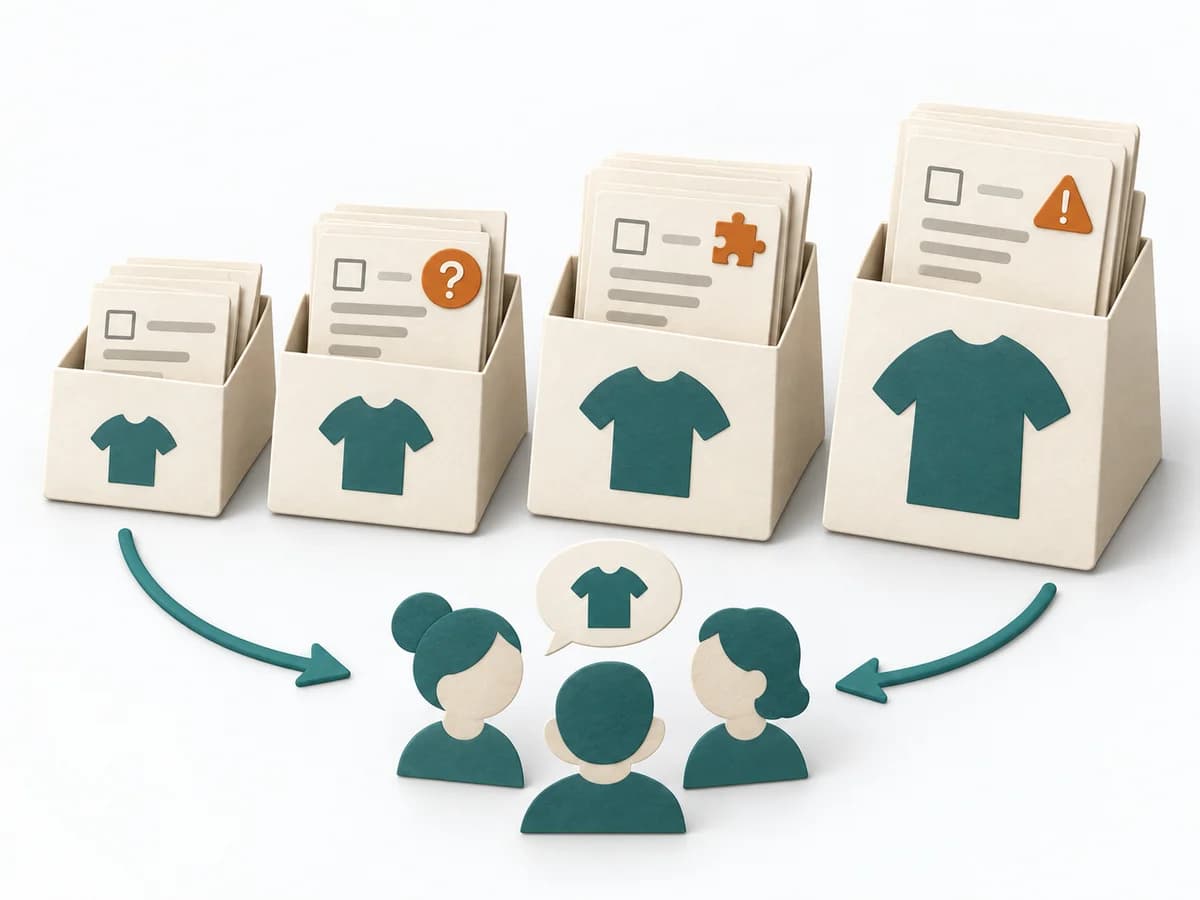
Sorts backlog items roughly by reference sizes and flags early on which items will later need splitting or clarification.
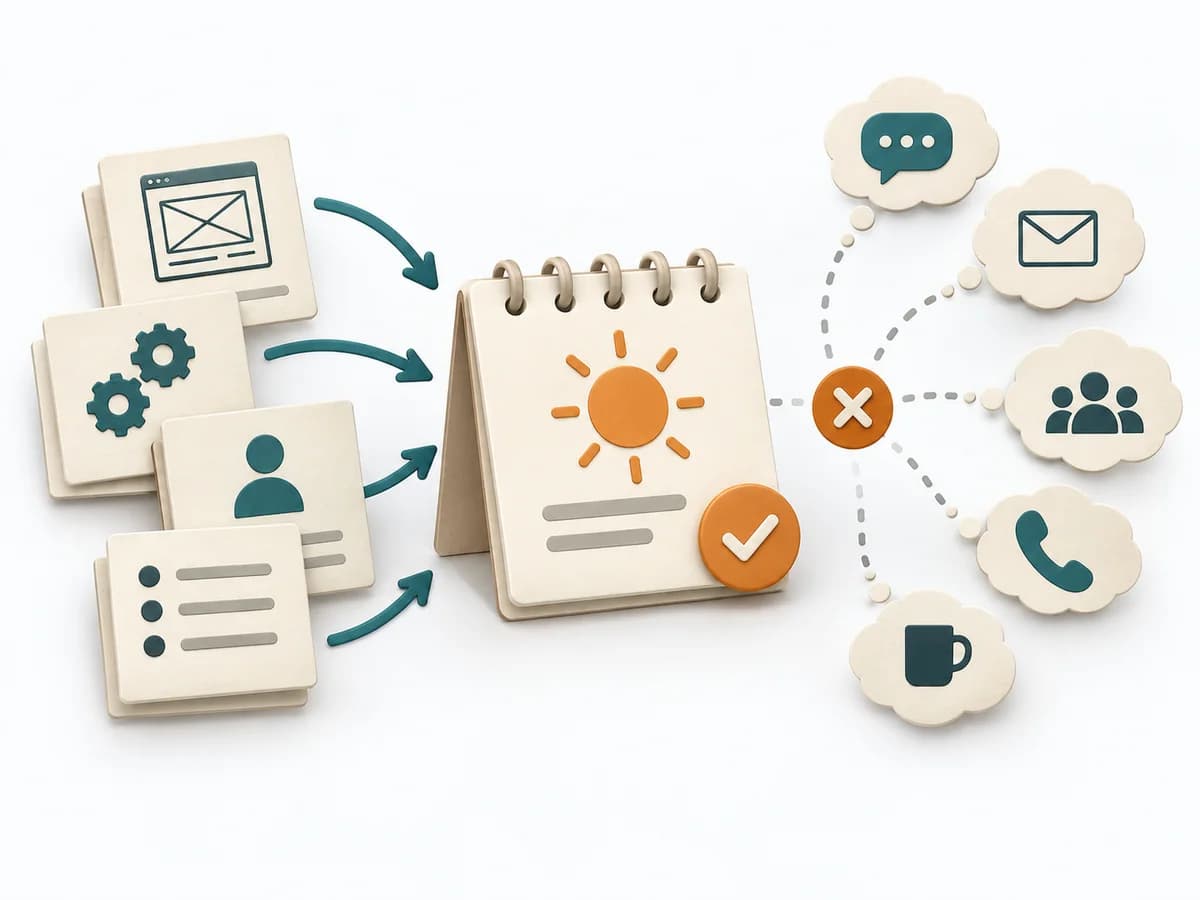
Moves backlog, sprint work, and team flow toward a concrete result through "explain the ideal day unit", "calibrate with a reference item", and "do not confuse it with calendar days".
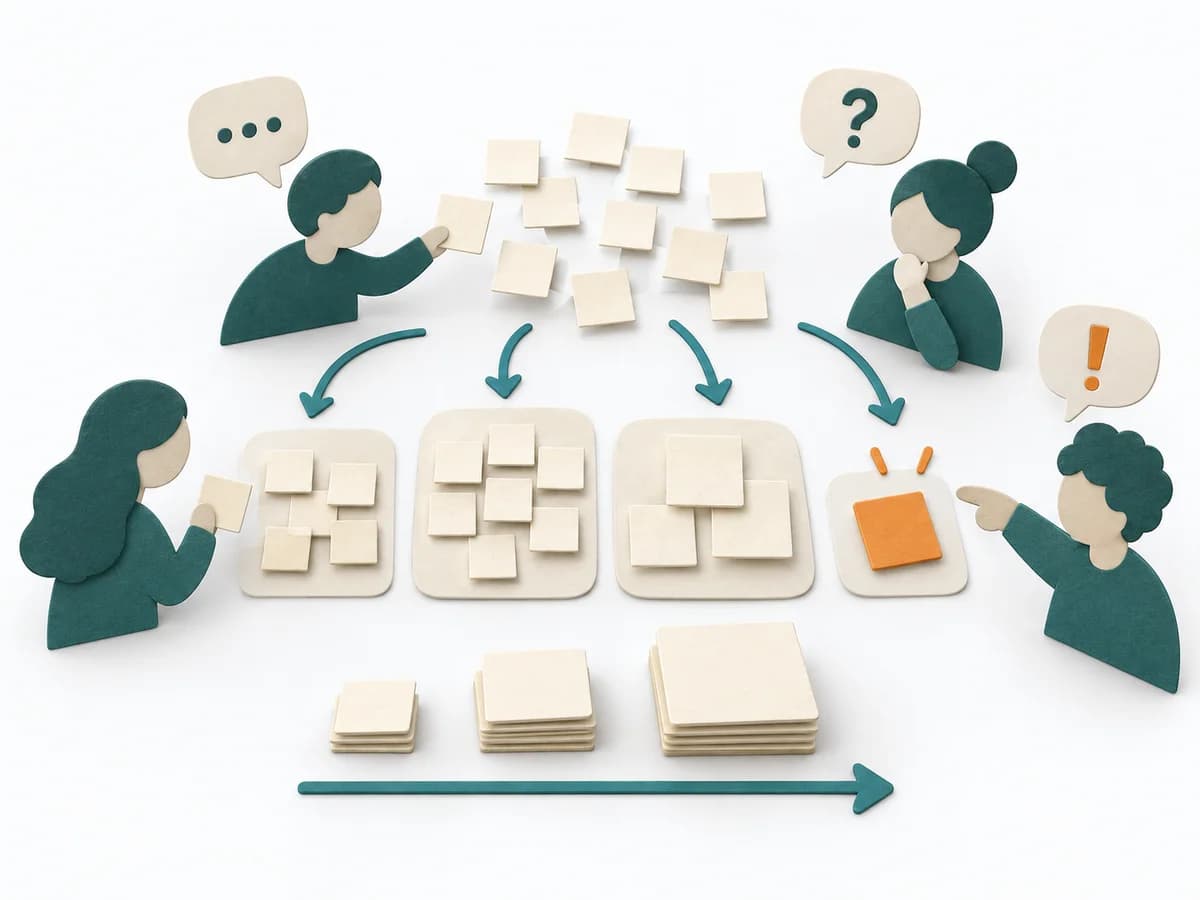
Has the team group items silently, discusses deviations, and produces consistent relative size pictures.

Moves backlog, sprint work, and team flow toward a concrete result through "choose reference stories", "define the scale", and "interpret velocity only within the team".