
Purpose
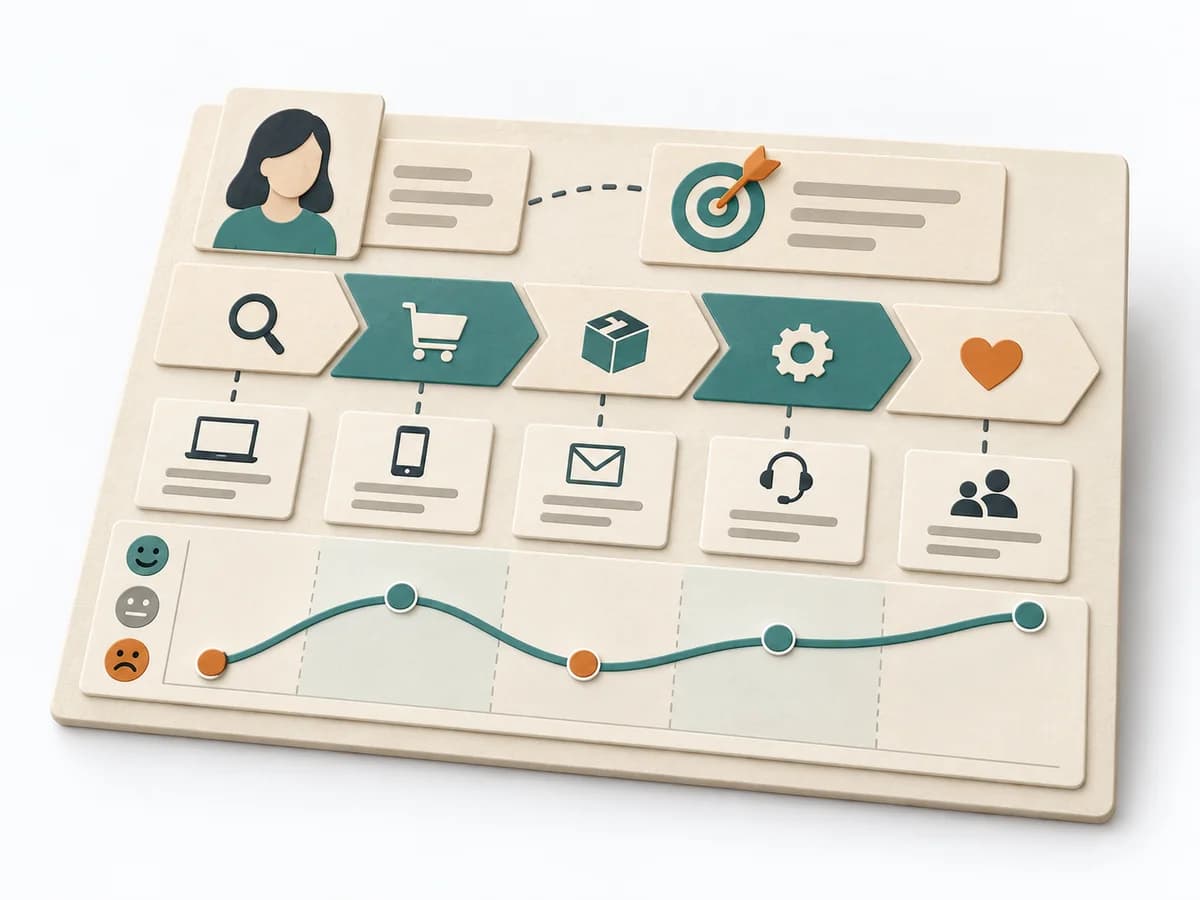
When a service experience is spread across several touchpoints, it brings frontstage and backstage together. It shows where user contact and internal responsibility must fit.
UX Design Mapping tool
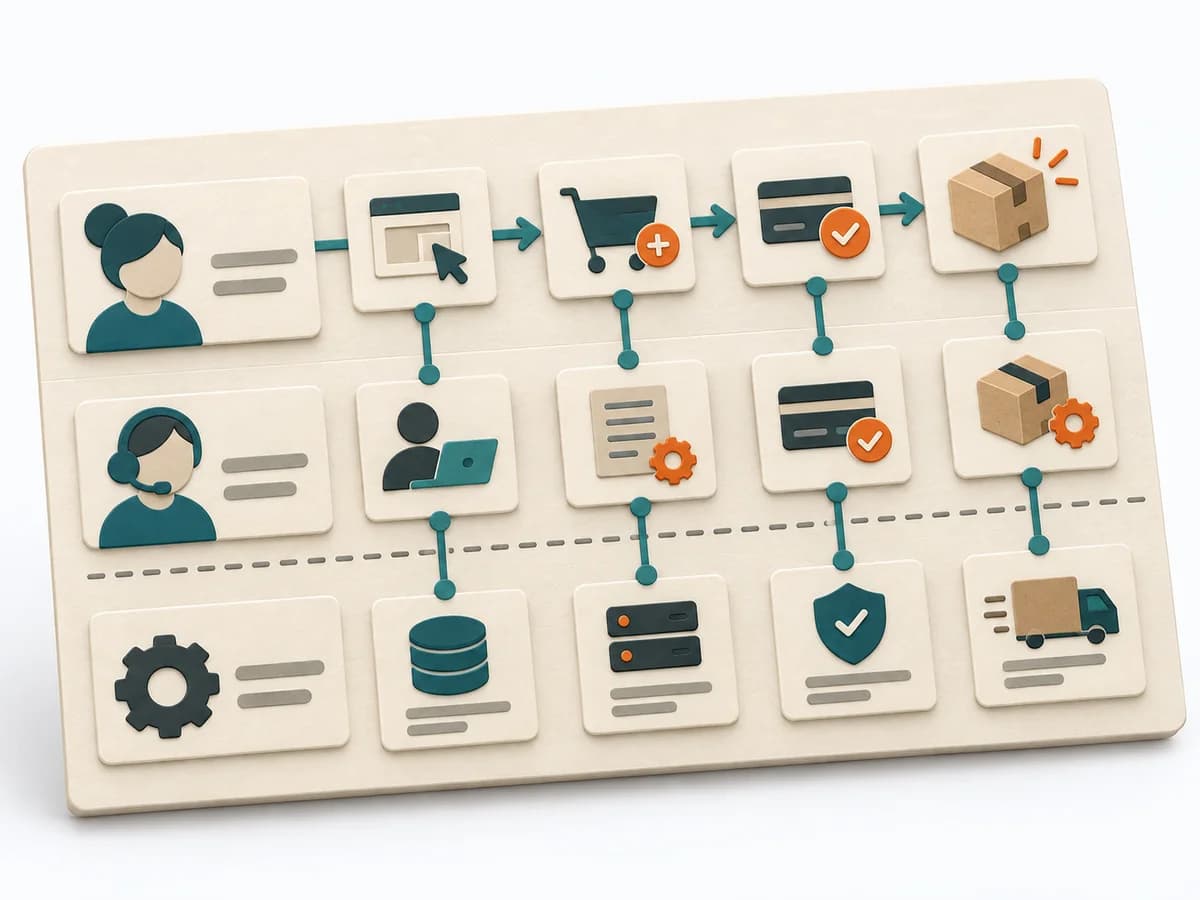
Maps customer actions, visible service interactions, and supporting operations to reveal service gaps and handoffs.
Maps customer actions, visible service interactions and supporting operations to reveal service gaps and handoffs.
Where do customer actions depend on backstage work, systems, or handoffs?
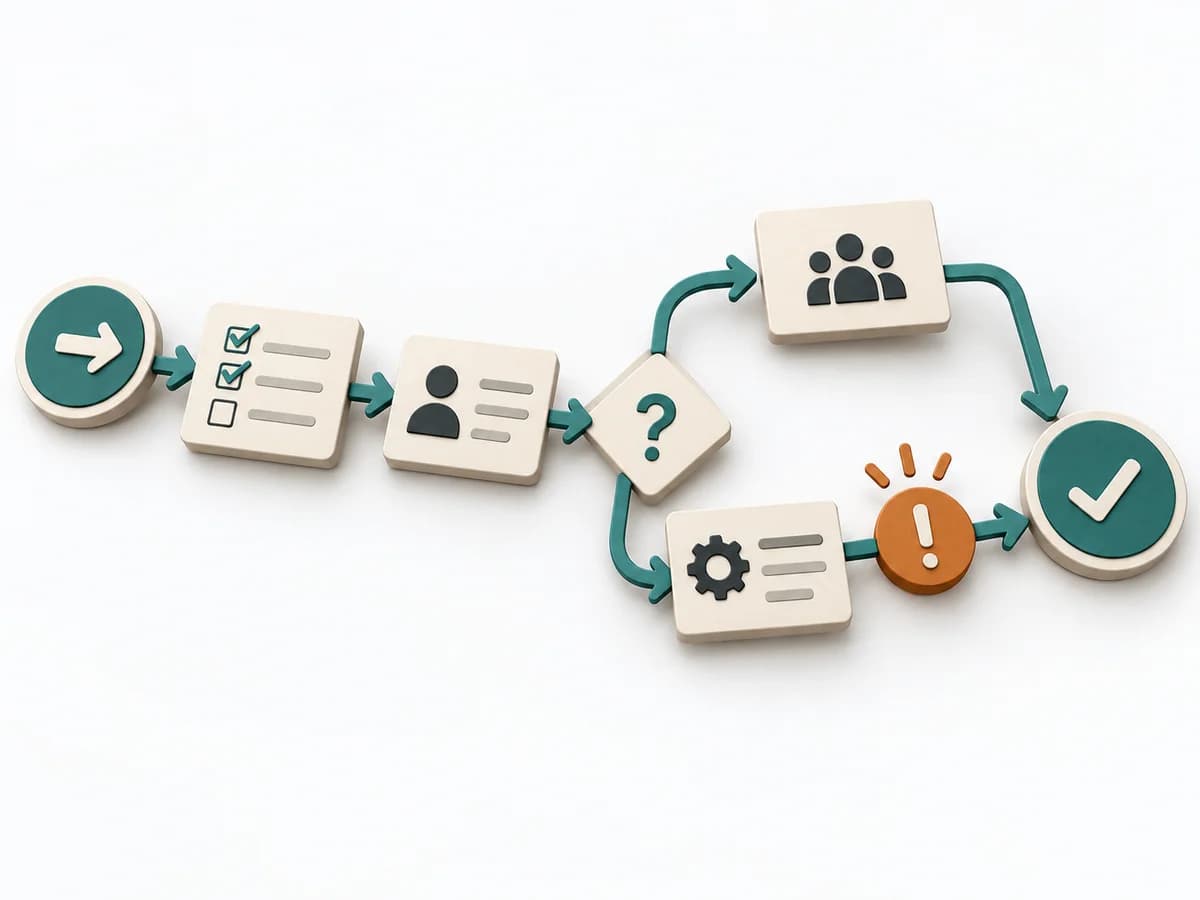
The steps are a practical sequence; adapt them to the method’s purpose and available evidence.
Scope
Choose one end-to-end case with start, end, target group and a specific quality question.
Evidence
Collect customer actions and internal work from direct sources. Label each step’s source and time period.
Blueprint
Align customer action, visible interaction, invisible work and support processes on the same timeline.
Actions
Mark waits, failures and ownership; select a few breakdowns and agree a measure or change.
Revisit the model when evidence, context or outcomes change. Record what changed and why.
Use it when: Service Redesign, Operations Alignment. The group can provide the evidence and authority the method requires.
The service blueprint shows customer experience, frontstage, backstage, and support processes on an evidence-backed basis.
The prioritised service improvements record scope, date, participants, source version, ownership, and reasons for changed assumptions.
Fictional worked example
Fictional, current parcel return: customer starts return in the portal → label is created → parcel is handed in. Frontstage: confirmation page and status email. Backstage: return inspection and refund. Support process: payment provider supplies status. Observed gap: status remains unchanged for two days after receipt; cause and duration come from internal logs, not assumption.
| Scenario | Customer action | Frontstage | Backstage | Support process |
|---|---|---|---|---|
| Stage 1Record an observation or example for this row. | Patient selects follow-up | Portal shows slots | Reception updates calendar | Practice system syncs slots |
Fictional, current parcel return: customer starts return in the portal → label is created → parcel is handed in. Frontstage: confirmation page and status email. Backstage: return inspection and refund. Support process: payment provider supplies status. Observed gap: status remains unchanged for two days after receipt; cause and duration come from internal logs, not assumption.
Choose one end-to-end case with start, end, target group and a specific quality question.
When a service experience is spread across several touchpoints, it brings frontstage and backstage together. It shows where user contact and internal responsibility must fit.
It places user flow, visible touchpoints, and internal processes into one shared view and marks breaks or handoffs. Separating frontstage from backstage shows where a service works well in the customer experience yet still creates friction internally.
Service Blueprinting helps because it connects visible user experience and invisible operational performance in one shared representation. Good use pays attention to handoffs, wait times, dependencies, and breaking points between frontstage and backstage. This reveals why a good surface can still produce a weak service experience, or where internal processes devalue an otherwise clear flow.
Go in with a concrete service case and keep real touchpoints and the internal steps involved close at hand. It becomes the key scene when an invisible backstage action turns out to be the real cause of a user problem. Close by bundling a few prioritized breaking points and the areas of responsibility that must work on them together.
The method guide walks execution through 4 phases, timing, 4 pitfalls, and clear stop criteria.
Open method guideYour perspective
Your feedback helps shape the next improvements to methodatlas.
Prepare the decision, source evidence and next review.
To be confirmed
To be confirmed
Run the method Time: See catalog planning range; no universal duration.
Complete this worksheet on paper or in your own document during the work.
| Scenario | Customer action | Frontstage | Backstage | Support process |
|---|---|---|---|---|
| Stage 1 |
Use evidence and aligned stages; separate observed service from proposed future state.
The 5 Steps to Service Blueprinting · Nielsen Norman Group
Expected artifact: Blueprint scope
Blueprint scope
Entry:
...
Expected artifact: Evidence-backed service material
Evidence-backed service material
Entry:
...
Expected artifact: As-is or to-be service blueprint
As-is or to-be service blueprint
Entry:
...
Expected artifact: Prioritized service improvements
Prioritized service improvements
Entry:
...
...
Method guide: https://methodatlas.meierhoff-systems.de/en/methods/service-blueprint/run-sheet
Fitting alternatives with decision guidance, followed by other related methods.

Instead of Service Blueprinting, when you want to use Customer Journey Mapping to make the experience path visible from the users' perspective across touchpoints.
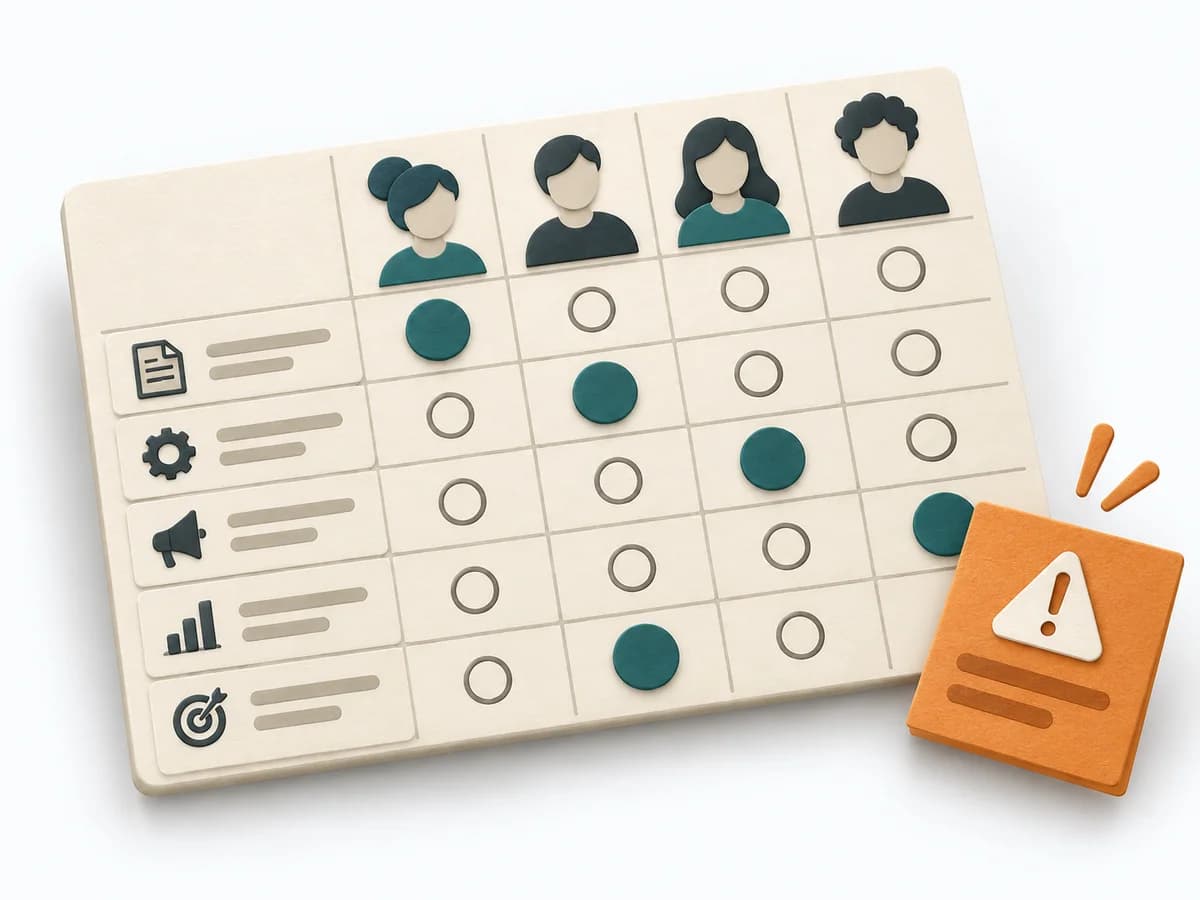
Clarifies responsibility for tasks and deliverables, exposes gaps or overload, and improves alignment.
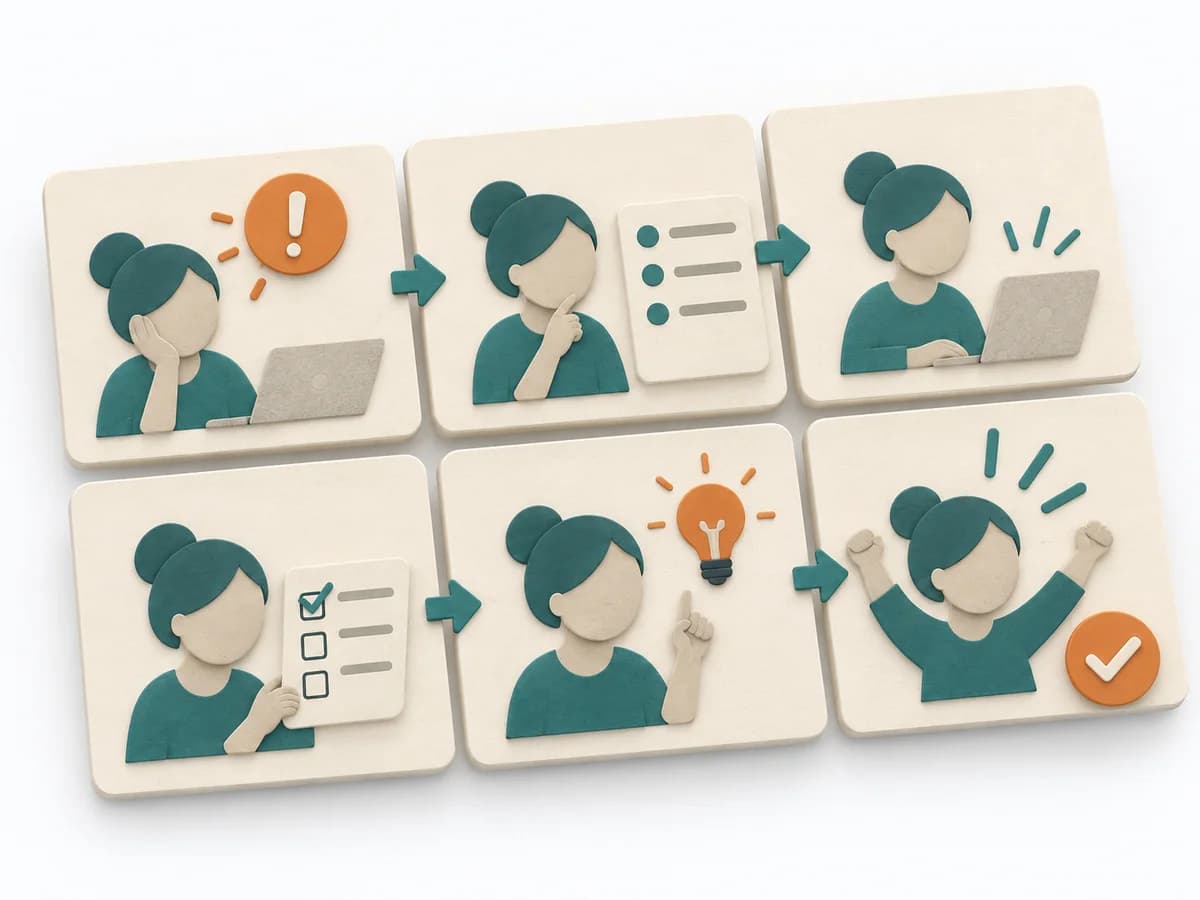
Links scenes, context, and annotations into a testable flow that makes concept ideas discussable early.
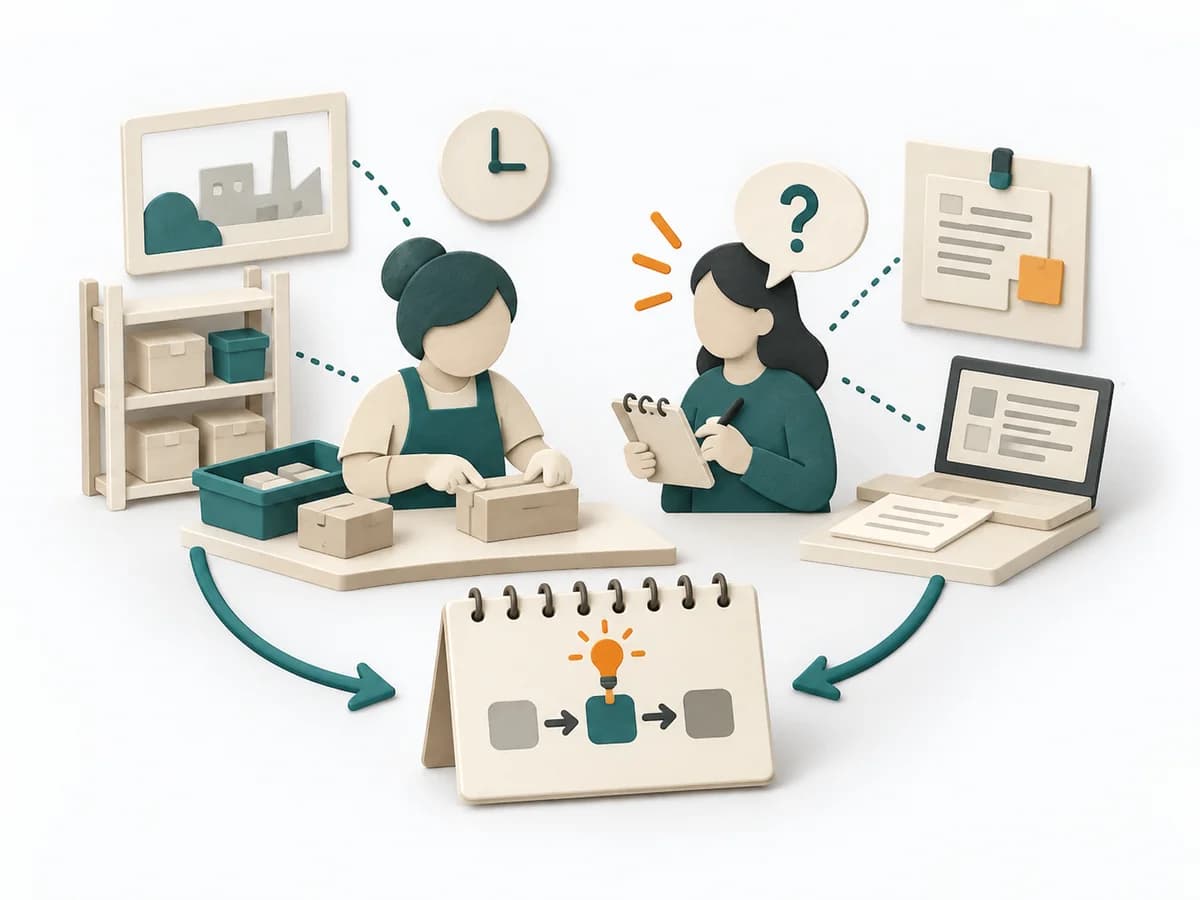
Observes real work in context and pairs it with follow-up questions to capture workflow insights precisely.
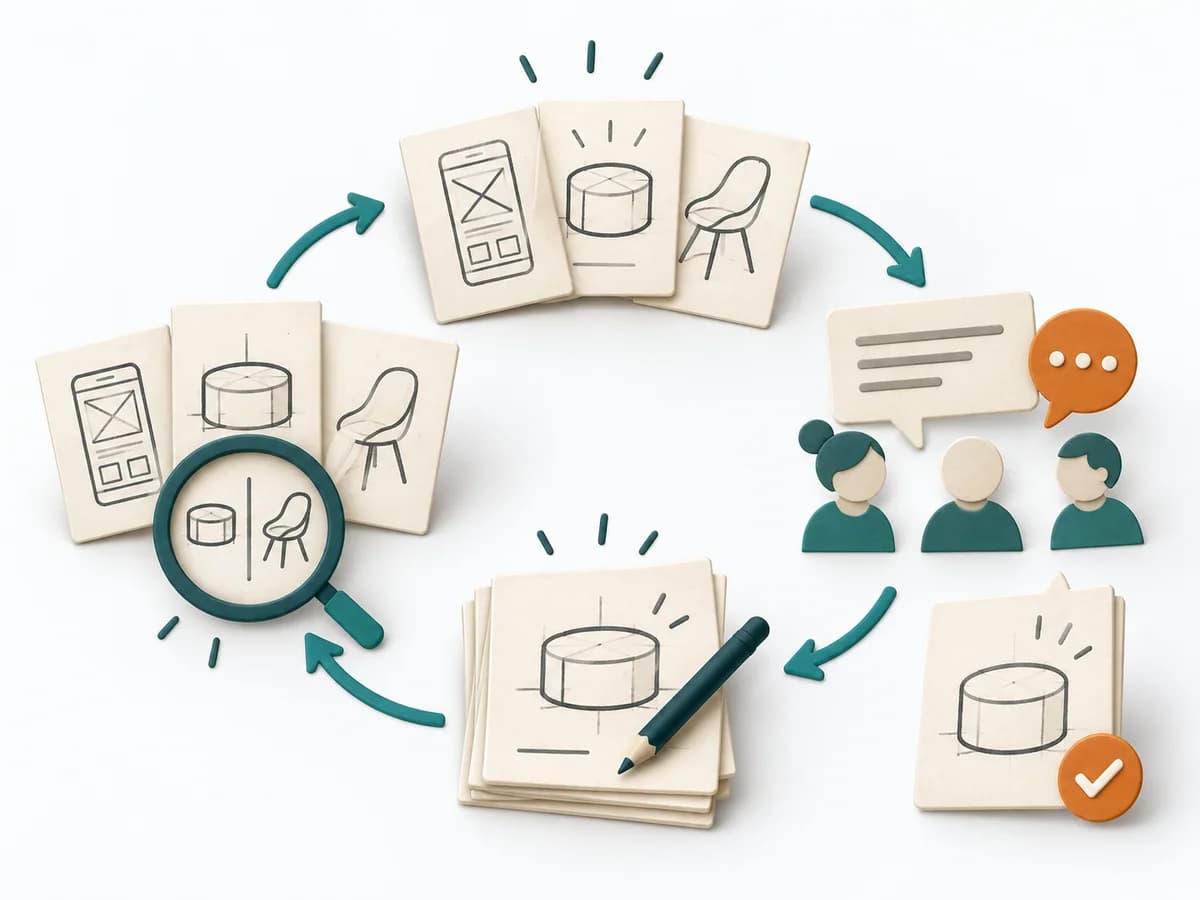
Brings sketches, critique, and iteration together so solid design decisions grow out of early drafts.

Aligns business problem, users, outcomes, solution ideas, hypotheses, and experiments on one lightweight canvas.