Purpose
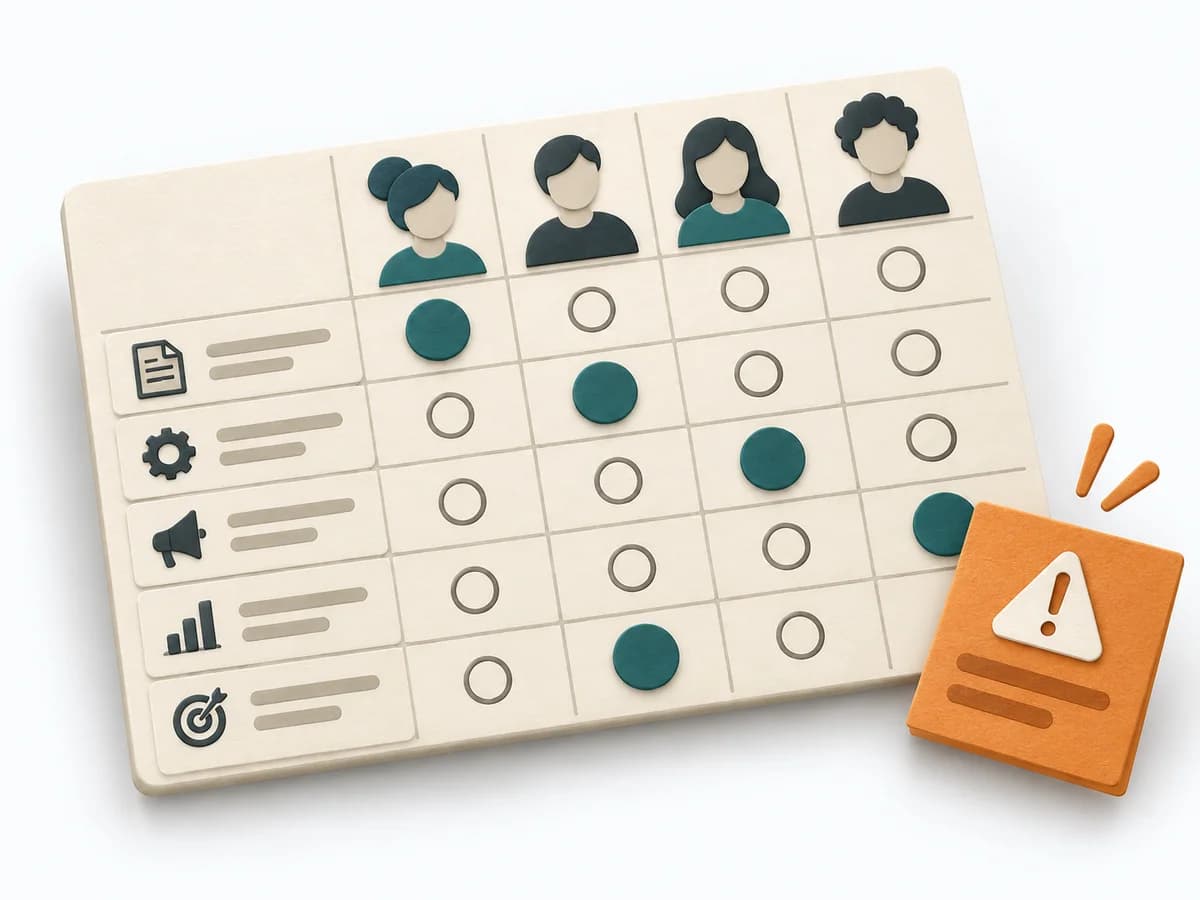
When an initiative depends on many people, interests, and power dynamics, Stakeholder Mapping systematically orders the environment. It shows who influences, who is affected, and where relationship management or safeguarding matters first.
Facilitation Mapping tool
Recognises relevant actor groups and provides a rationale for planning participation.
Stakeholder Mapping identifies actor groups for a concrete decision or change. Influence and interest are treated as situational working assumptions that shape participation, review, and information paths.
Which actor groups are affected or influential here, what assumptions apply, and how will they participate?
Which actor groups are affected or influential here, what assumptions apply, and how will they participate?

Frame change
Define the change, decision, and timeframe being mapped.
Identify groups
List affected groups, influence routes, and relevant knowledge holders.
Map assumptions
Place groups by situational interest and influence and record the basis.
Plan engagement
Derive participation, ownership, information, and review from the map.
Update when evidence or context changes.
When a concrete decision or change affects several actor groups or depends on their influence or knowledge.

Traceable, revisable working state.

Gaps and next steps.
Fictional teaching example
Actor groups with situational assumptions about influence, interest, and engagement.
| Work row | Actor group | Interest in this situation | Influence on decision or implementation | Engagement and review |
|---|---|---|---|---|
| Actor groupWhich group is affected, influential, or knowledge-relevant? | Households with reservations | high, assumption | medium, assumption | Interview and review |
| Check assumptionWhich classification needs a conversation or review? | Volunteer tool desk | High: assumption due to added inspection work | High: assumption due to responsibility for handover | Review the workflow together; confirm assessment in conversation |
Keep classifications traceable and revisable.
Define change, decision, and timeframe. List affected groups, influence routes, and knowledge sources.
When an initiative depends on many people, interests, and power dynamics, Stakeholder Mapping systematically orders the environment. It shows who influences, who is affected, and where relationship management or safeguarding matters first.
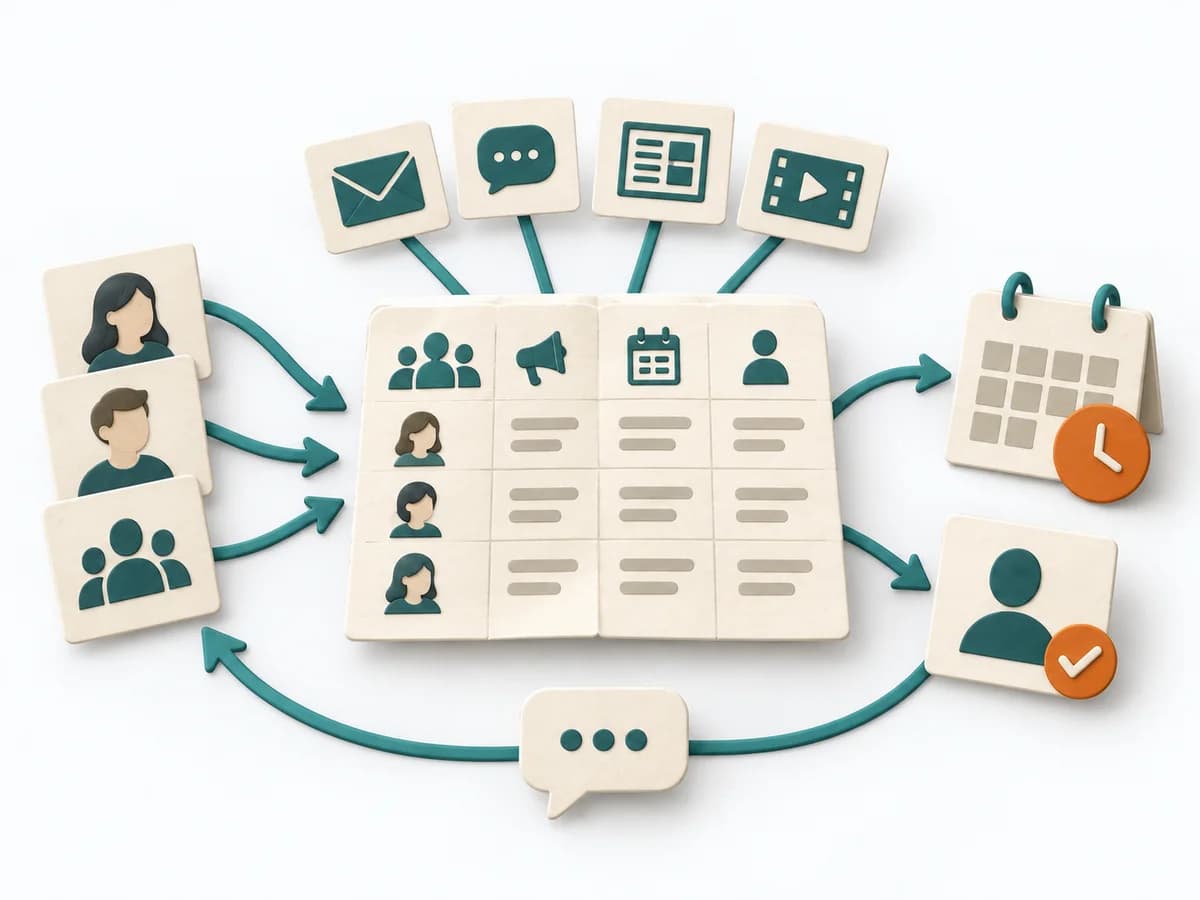
The group collects the relevant people and organizations, places influence, exposure, and stance side by side, and examines the connections between them. This creates a shared picture of the situation for conversations, risks, and targeted involvement.
Stakeholder Mapping works because it brings actors, interests, influence, and exposure into a shared picture. The method becomes solid when relationships, tensions, and possible alliances become visible instead of just names landing on a surface. Clarity is needed for hidden channels of influence, differing motives, and dynamics over time so collaboration and communication can be planned more deliberately.
Start with the concrete initiative and only collect stakeholders who really influence it or are strongly affected by it. The important point comes when formal roles say little about actual influence; then a more detailed discussion of networks and interests is needed. In the end, note a few prioritized relationships and a decision on how each of them is actively managed.
The method guide walks execution through 4 phases, timing, 4 pitfalls, and clear stop criteria.
Open method guideYour perspective
Your feedback helps shape the next improvements to methodatlas.
Prepare one concrete change, relevant actor groups, and reviewable engagement assumptions.
To be confirmed
To be confirmed
Create the map and engagement plan Time: 60–90 minutes
Complete this worksheet on paper or in your own document during the work.
| Work row | Actor group | Interest in this situation | Influence on decision or implementation | Engagement and review |
|---|---|---|---|---|
| Actor group | ||||
| Check assumption |
Blank worksheet: enter your own material.
Expected artifact: Change · decision · timeframe
Evidence, context, and source
Entry:
...
Expected artifact: Actor group · impact · role · source
Evidence, context, and source
Entry:
...
Expected artifact: Group · interest · influence · assumption or source
Evidence, context, and source
Entry:
...
Expected artifact: Group · engagement · owner · review
Evidence, context, and source
Entry:
...
...
Method guide: https://methodatlas.meierhoff-systems.de/en/methods/stakeholder-mapping/run-sheet
Fitting alternatives with decision guidance, followed by other related methods.

Instead of Stakeholder Mapping, when you want to cleanly sort stakeholders by influence and interest.

Makes goals, concerns, and open gaps visible so clarification steps can be planned deliberately.

Moves group input, selection, and decision toward a concrete result through "prepare the stakeholder list", "define power, legitimacy, and urgency", and "derive strategy by class".
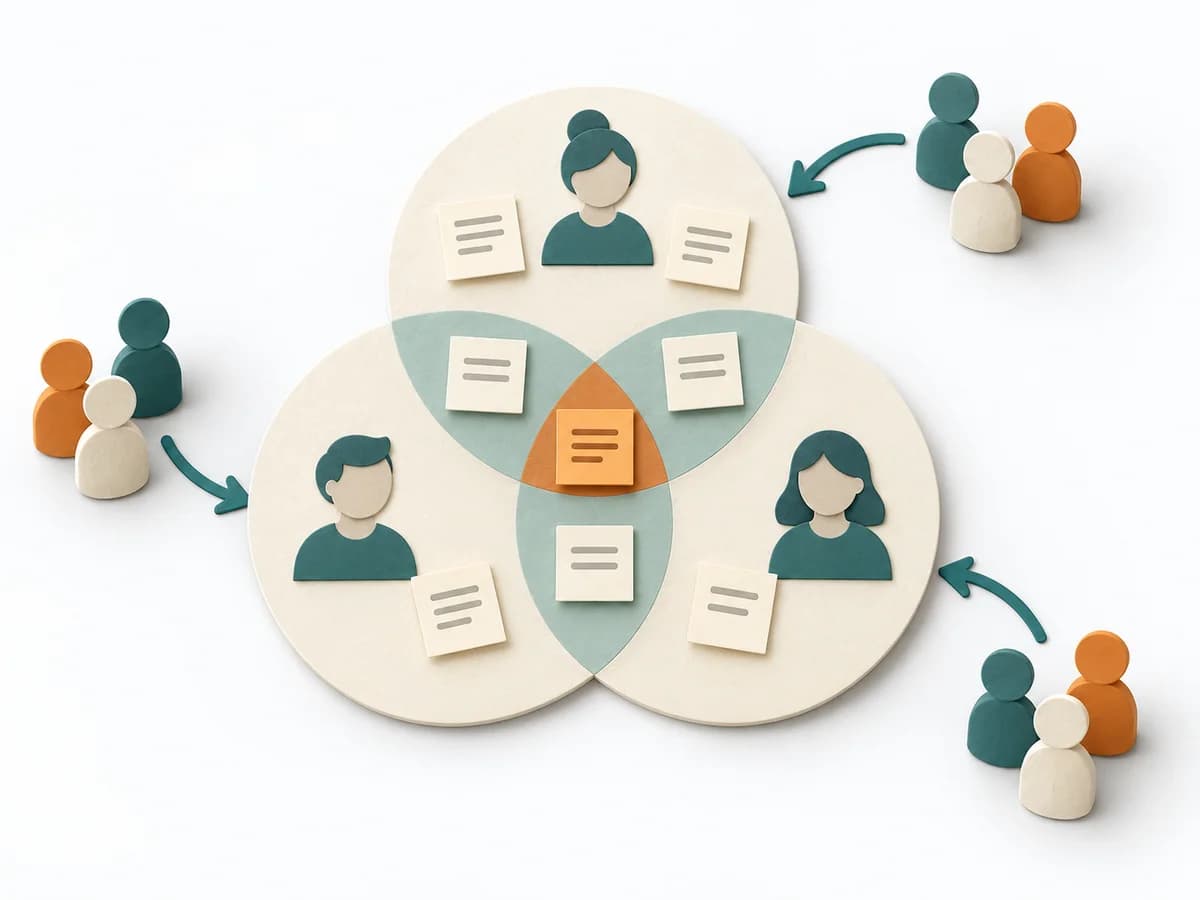
Compares three perspectives in a shared picture and makes overlaps as visible as differences.

Surfaces stakeholder expectations, clusters conflicts, and turns them into concrete agreements.
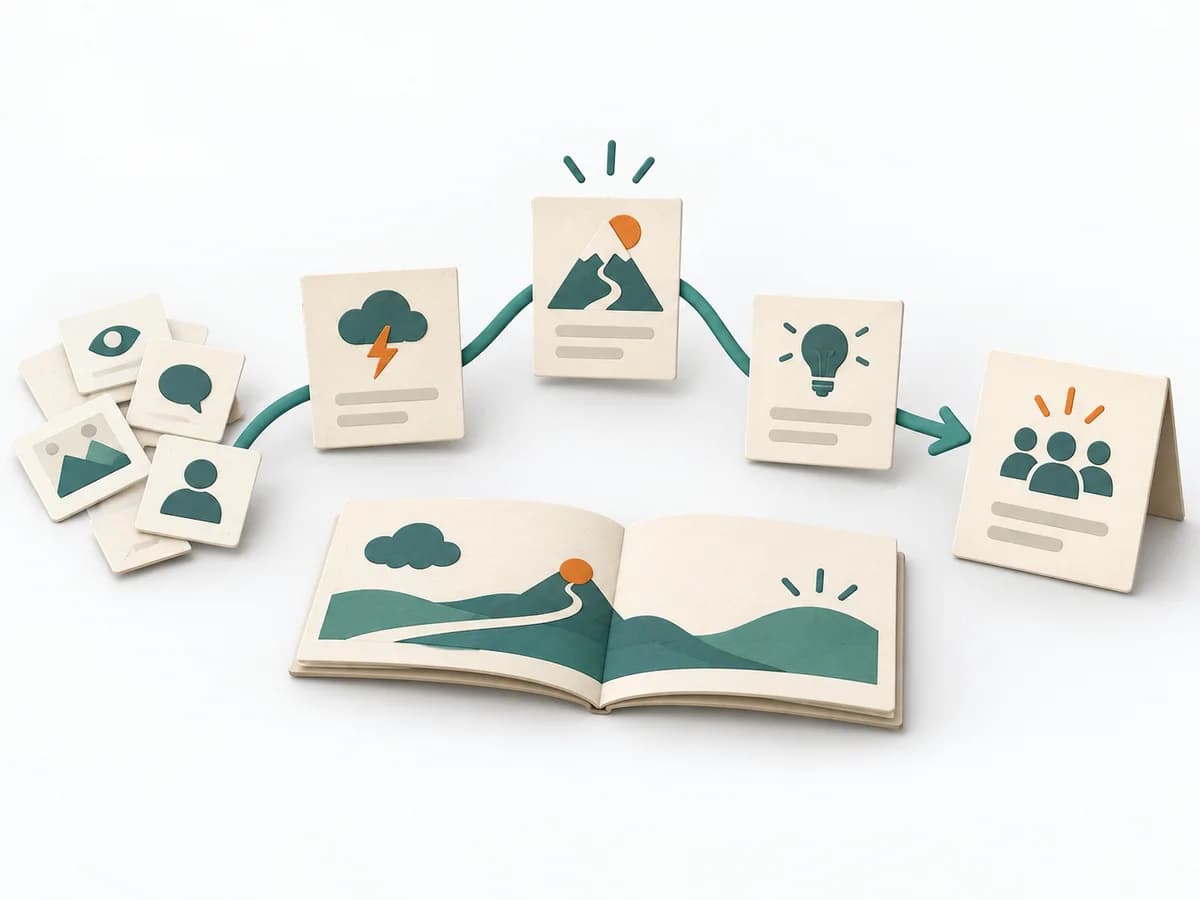
Sharpens goal, core message, and arc of tension so a narrative leads clearly to action or decision.