Purpose
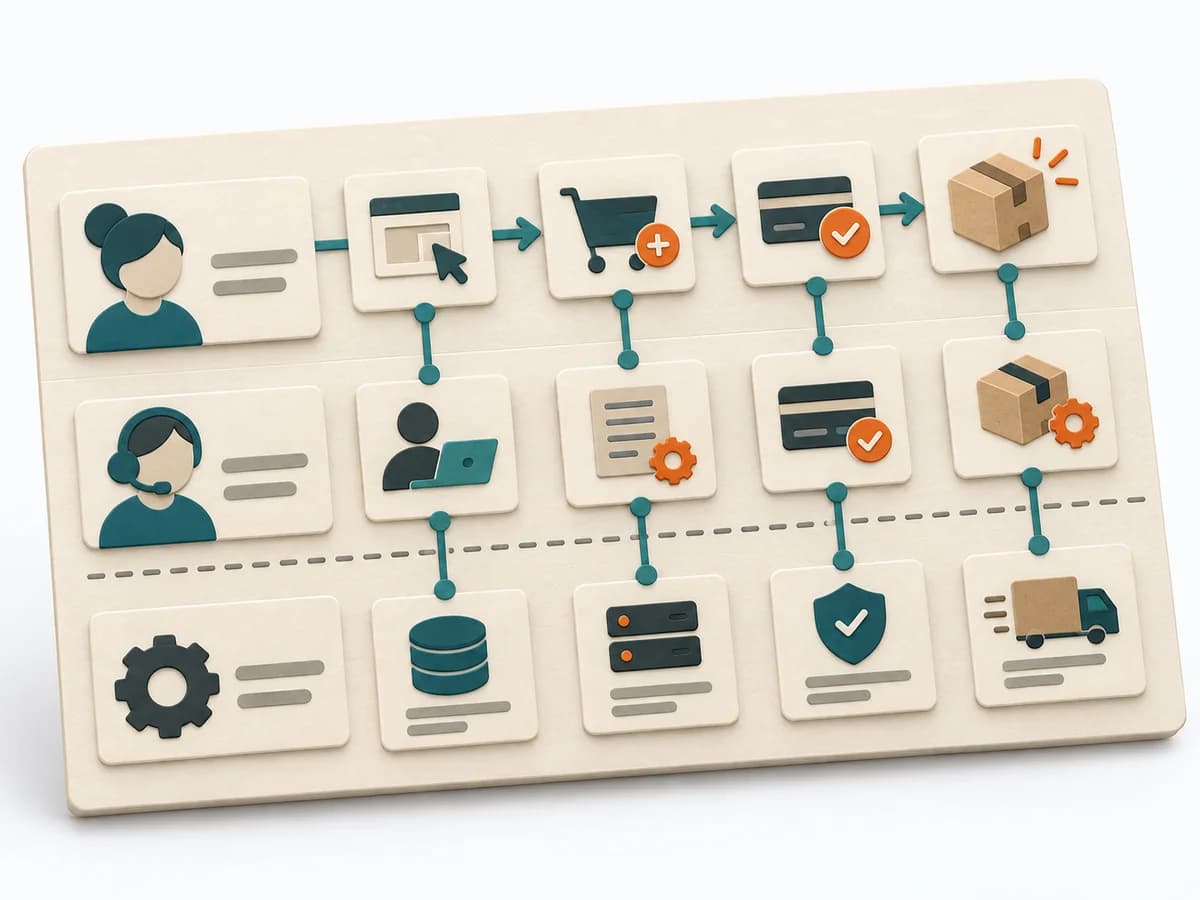
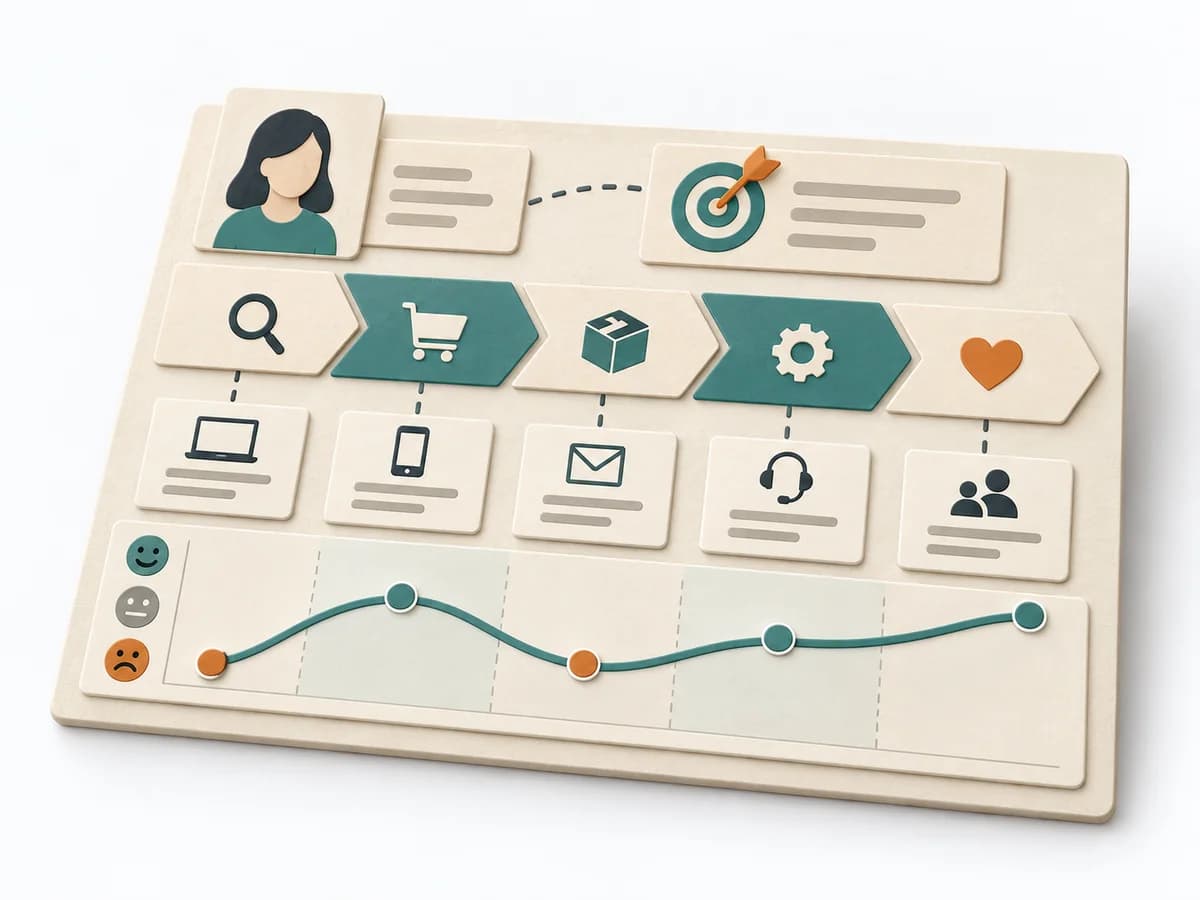
When a journey needs to be understood across several phases, it arranges experience, touchpoints, and opportunities into one picture. It makes gaps and friction along the user path clear.
UX Design Canvas
Maps a customer goal, stages, touchpoints, evidence and opportunities in one experience view.
Maps a customer goal, stages, touchpoints, evidence and opportunities in one experience view.
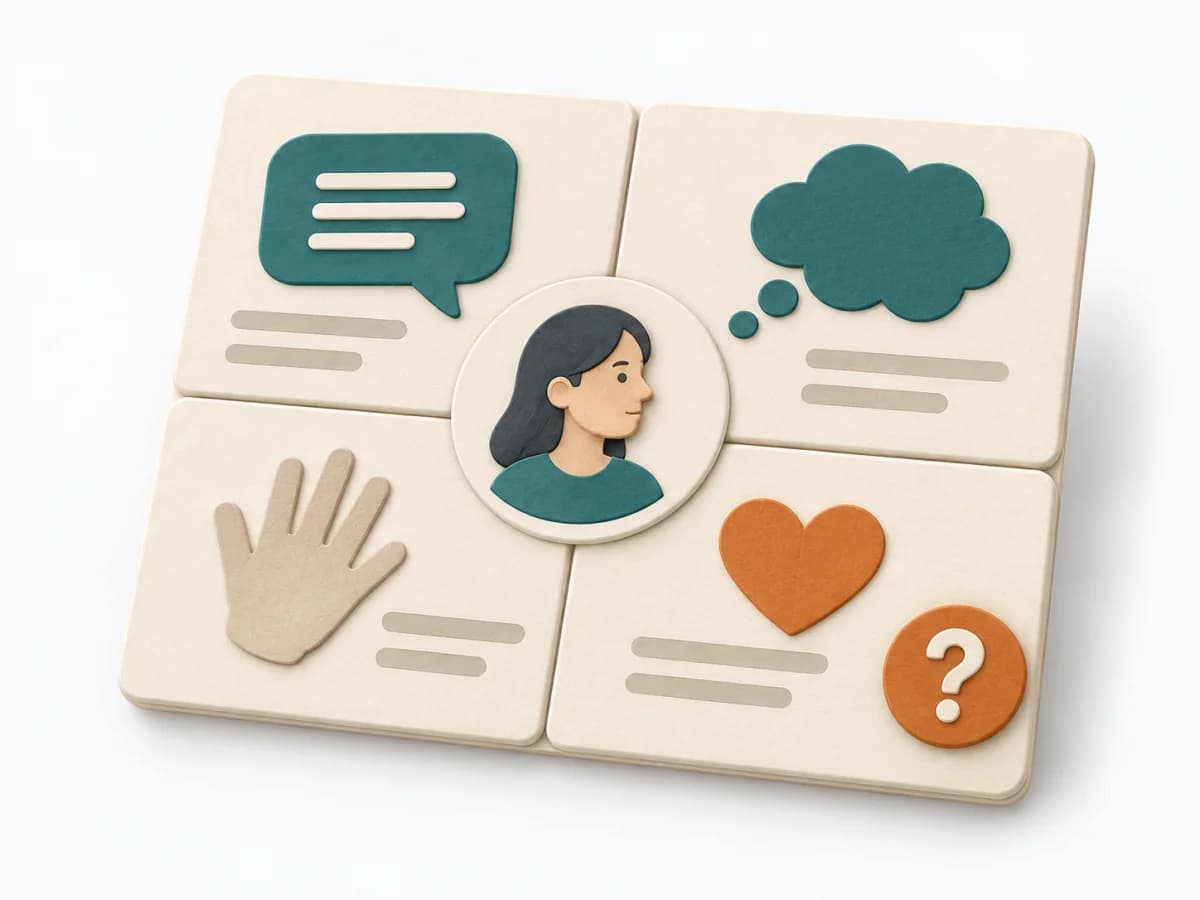
What does the customer do, think, and feel across this journey?
The steps are a practical sequence; adapt them to the method’s purpose and available evidence.
Segment
Choose one customer segment and a concrete context with beginning, end and goal.
Stages
Set stages from customer logic and record actual actions in sequence; cite the source for each observation.
Touchpoints
Connect touchpoints and obstacles to actions; quote feelings or label them as hypotheses.
Opportunities
Derive opportunities from a specific barrier and choose validation or improvement with owner and success signal.
Revisit the model when evidence, context or outcomes change. Record what changed and why.
Use it when: Service Design, Experience Improvement. The group can provide the evidence and authority the method requires.
Evidenced user actions, touchpoints, barriers and opportunities to validate.
The artifact records scope, date, participants, source version, and owner, including changed assumptions and the reason for each revision.
Fictional example
Fictional journey “book a follow-up”: trigger: treatment is nearing completion (practice note). Stage: recognize need. Touchpoint: SMS link. Action: open link. Evidence: analytics shows drop-off at sign-in. Feeling: “unsure whether I can book yet” is a hypothesis to test, not an observed fact. Opportunity: explain eligibility and next step at the link.
Whose goal, in which situation?
Existing patient books follow-up
What does the person do in sequence?
Recognize need; open link
Which channels create contact?
SMS link and booking page
What observation or hypothesis is available?
Analytics: drop-off at sign-in
Which barrier merits investigation?
Explain eligibility at entry
When and How to Create Customer Journey Maps · Nielsen Norman Group
Choose one customer segment and a concrete context with beginning, end and goal.
When a journey needs to be understood across several phases, it arranges experience, touchpoints, and opportunities into one picture. It makes gaps and friction along the user path clear.
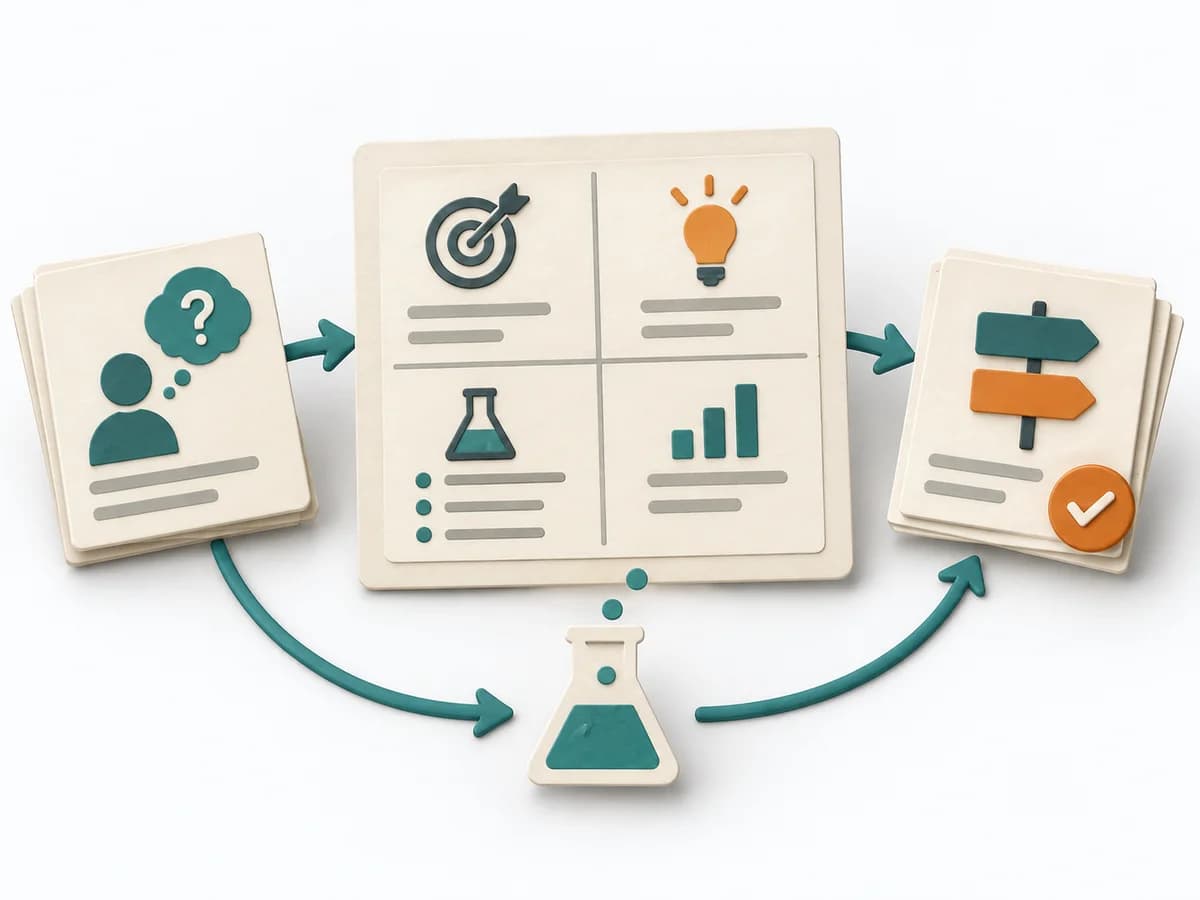
It connects phases, actions, and touchpoints with pain points and opportunities in a compact view. The flow is read not as a plain timeline but as an experience flow with transitions, breaks, and possible windows for improvement.
The Customer Journey Canvas makes experience visible across multiple phases. It connects user actions, touchpoints, emotions, pain points, and opportunities in one shared space. This makes breaks between contact points visible and avoids treating isolated UI or service issues only.
Prepare research notes, personas, or concrete customer segments. Guide the group through phases and actions first, then emotional signals and pain points. Keep opportunities separated from problems so analysis does not shift too early into solution ideas.
The method guide walks execution through 4 phases, timing, 4 pitfalls, and clear stop criteria.
Open method guideYour perspective
Your feedback helps shape the next improvements to methodatlas.
Prepare the decision, source evidence and next review.
To be confirmed
To be confirmed
Run the method Time: See catalog planning range; no universal duration.
Complete this worksheet on paper or in your own document during the work.
Whose goal, in which situation?
...
What does the person do in sequence?
...
Which channels create contact?
...
What observation or hypothesis is available?
...
Which barrier merits investigation?
...
When and How to Create Customer Journey Maps · Nielsen Norman Group
Expected artifact: Journey question and scope
Journey question and scope
Entry:
...
Expected artifact: Evidence-backed stage and action row
Evidence-backed stage and action row
Entry:
...
Expected artifact: Touchpoint and pain-point view
Touchpoint and pain-point view
Entry:
...
Expected artifact: Prioritized opportunities and check
Prioritized opportunities and check
Entry:
...
...
Method guide: https://methodatlas.meierhoff-systems.de/en/methods/customer-journey-canvas/run-sheet
Fitting alternatives with decision guidance, followed by other related methods.
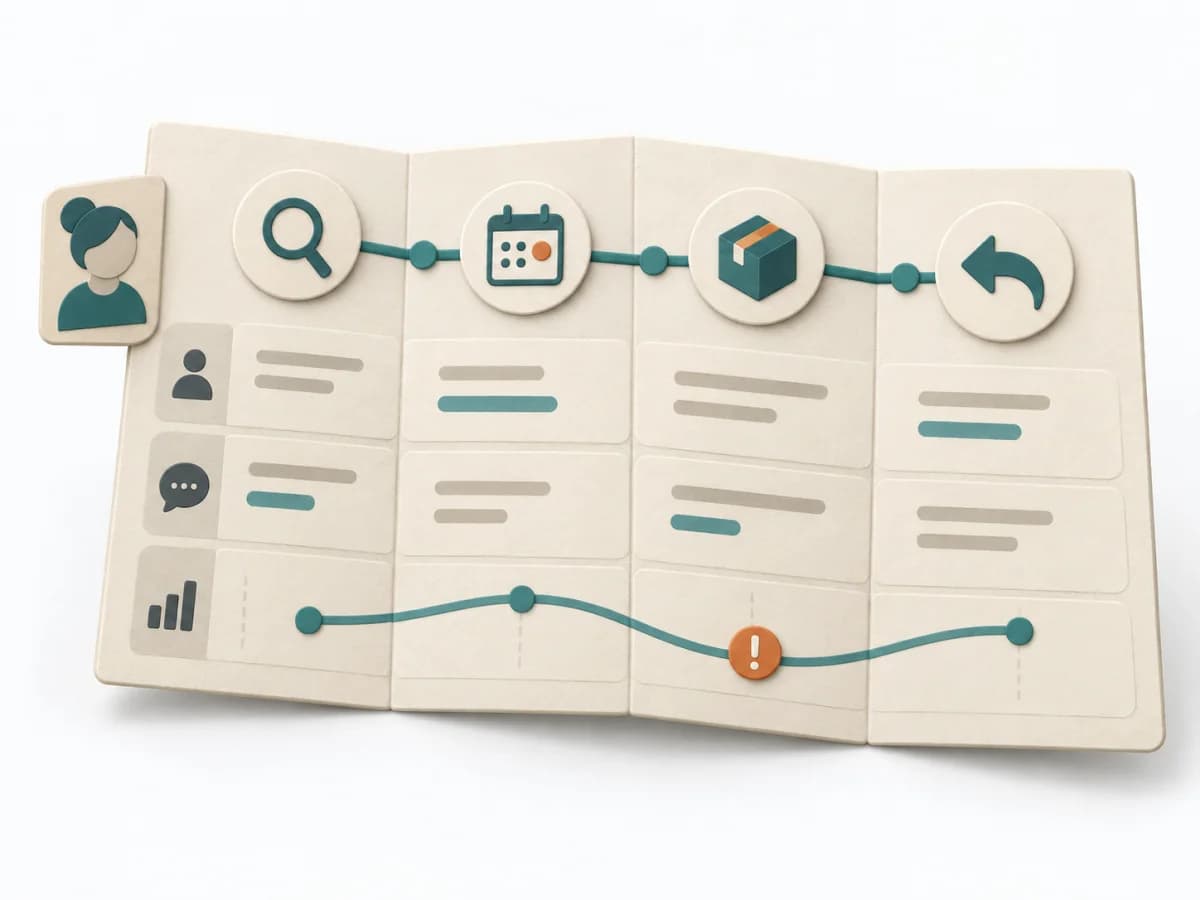
Instead of Customer Journey Canvas, when you want to use Customer Journey Mapping to make the experience path visible from the users' perspective across touchpoints.
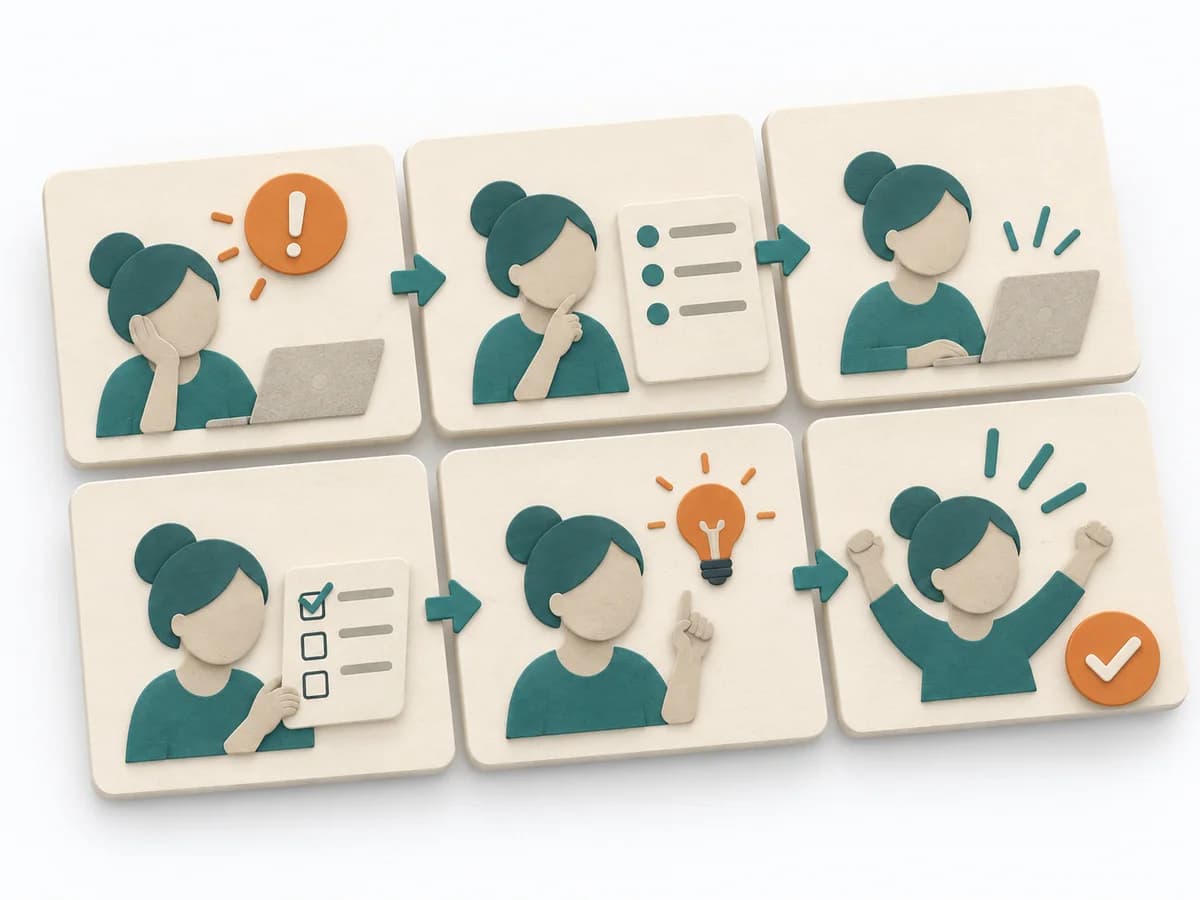
Links scenes, context, and annotations into a testable flow that makes concept ideas discussable early.
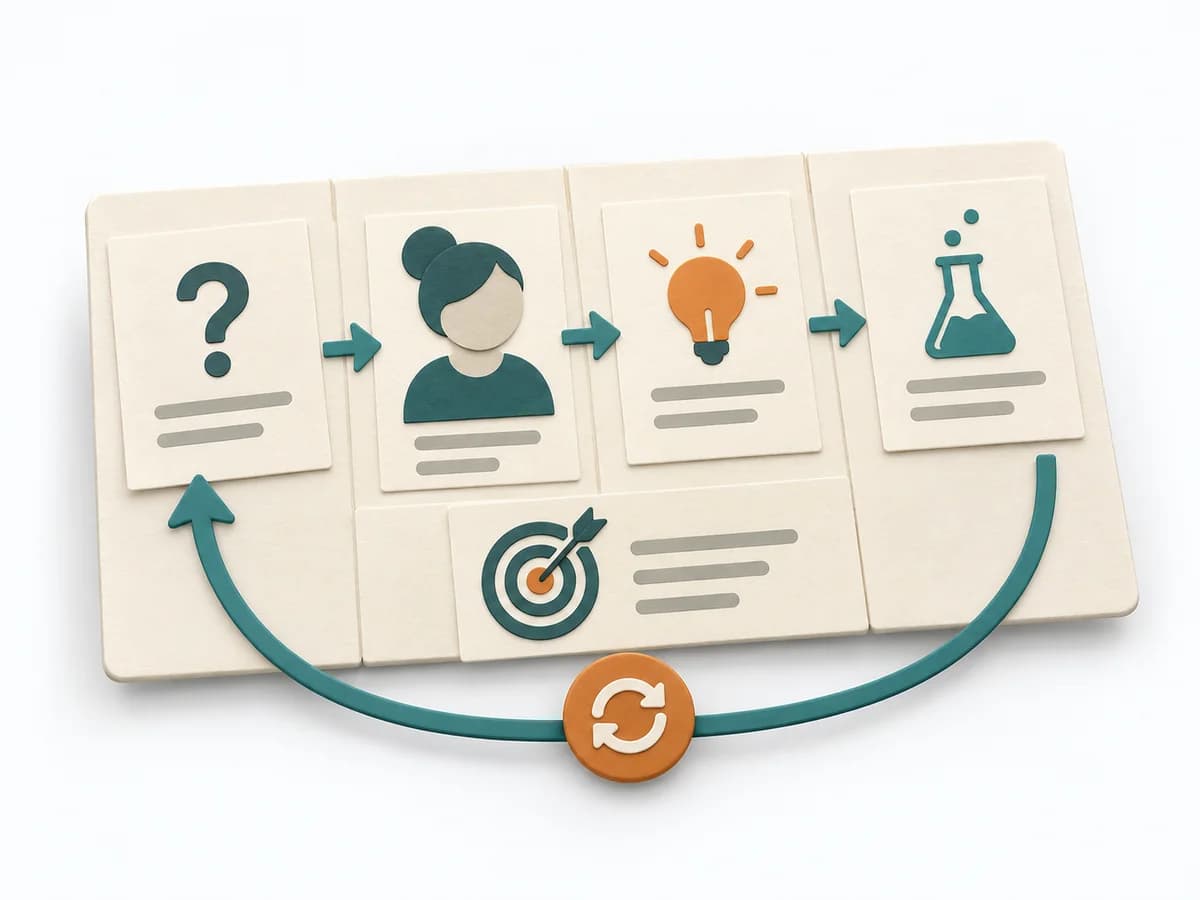
Aligns business problem, users, outcomes, solution ideas, hypotheses, and experiments on one lightweight canvas.
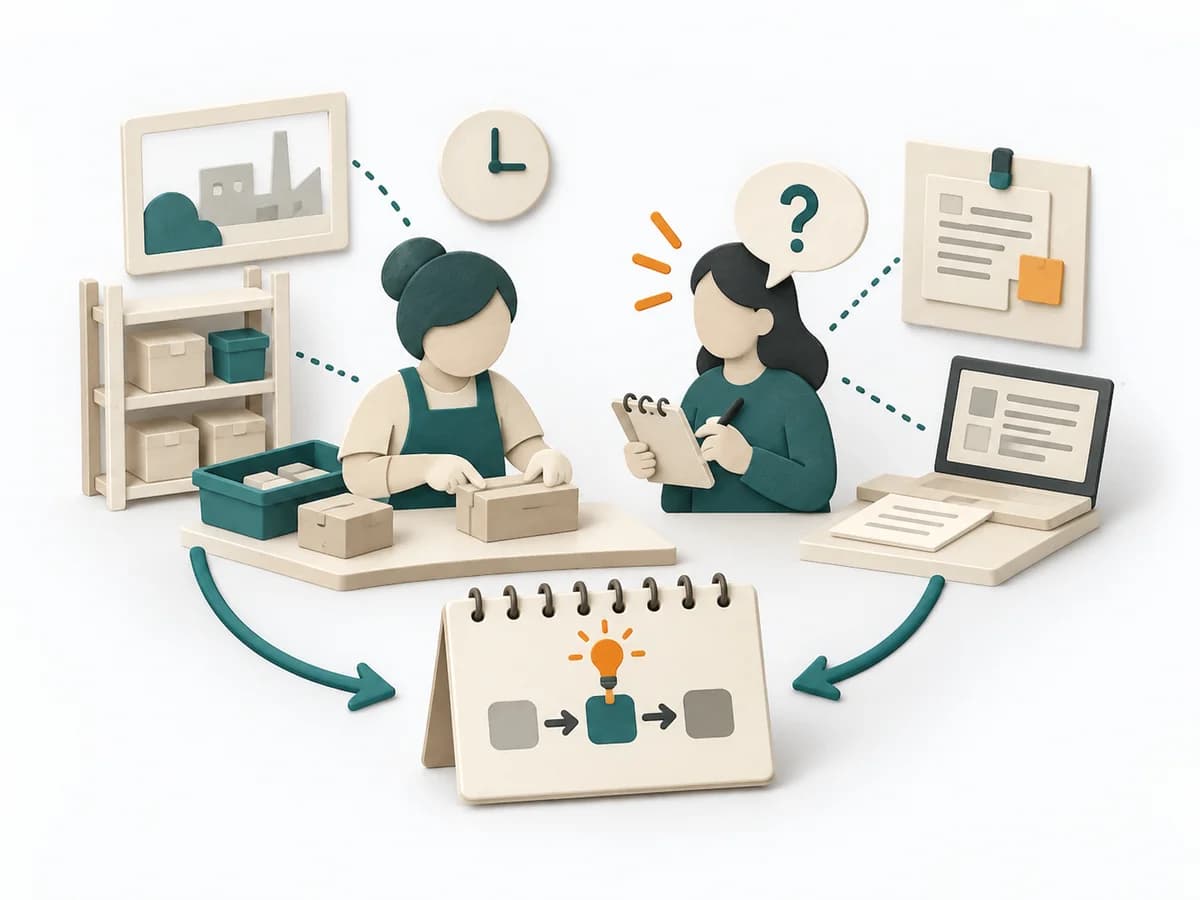
Observes real work in context and pairs it with follow-up questions to capture workflow insights precisely.
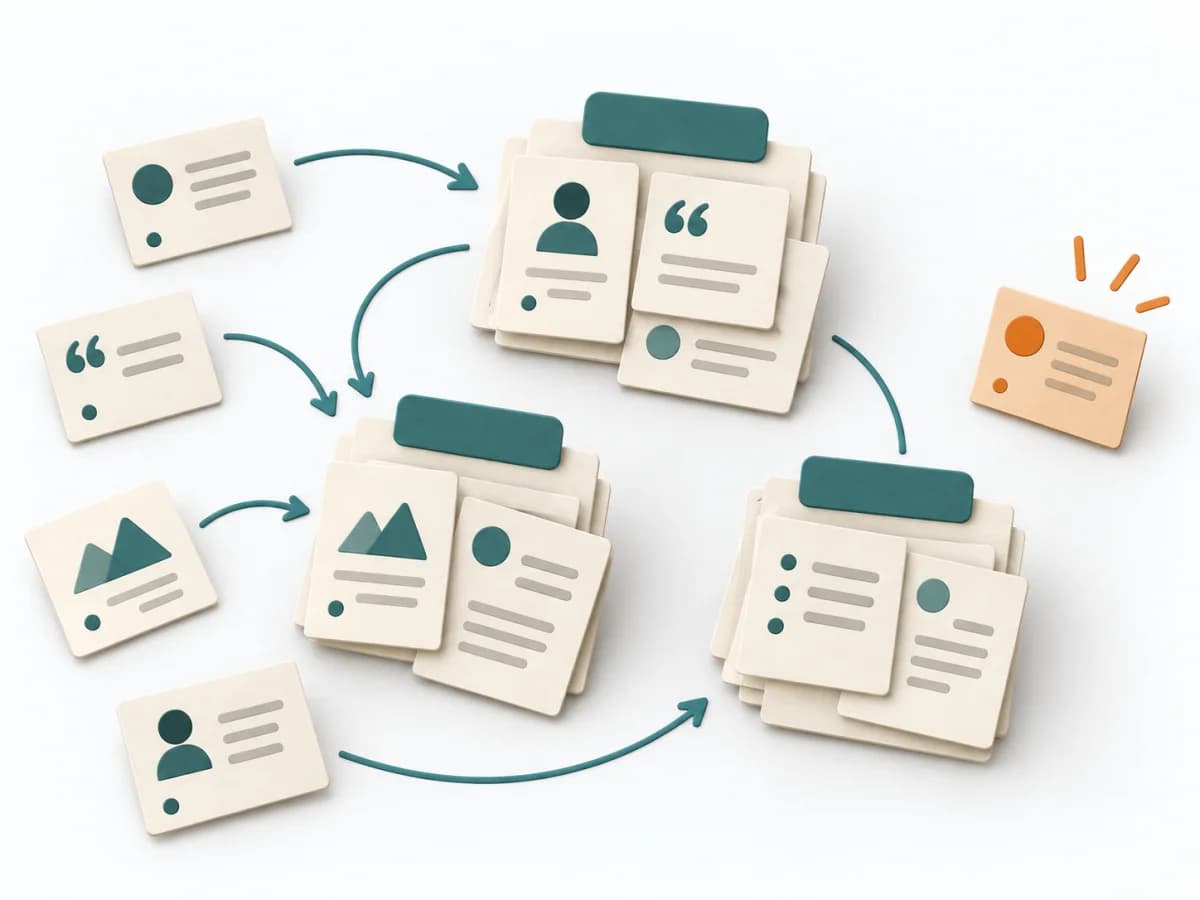
Clusters notes into themes, statements, and opportunities, translating raw material into clear implications.
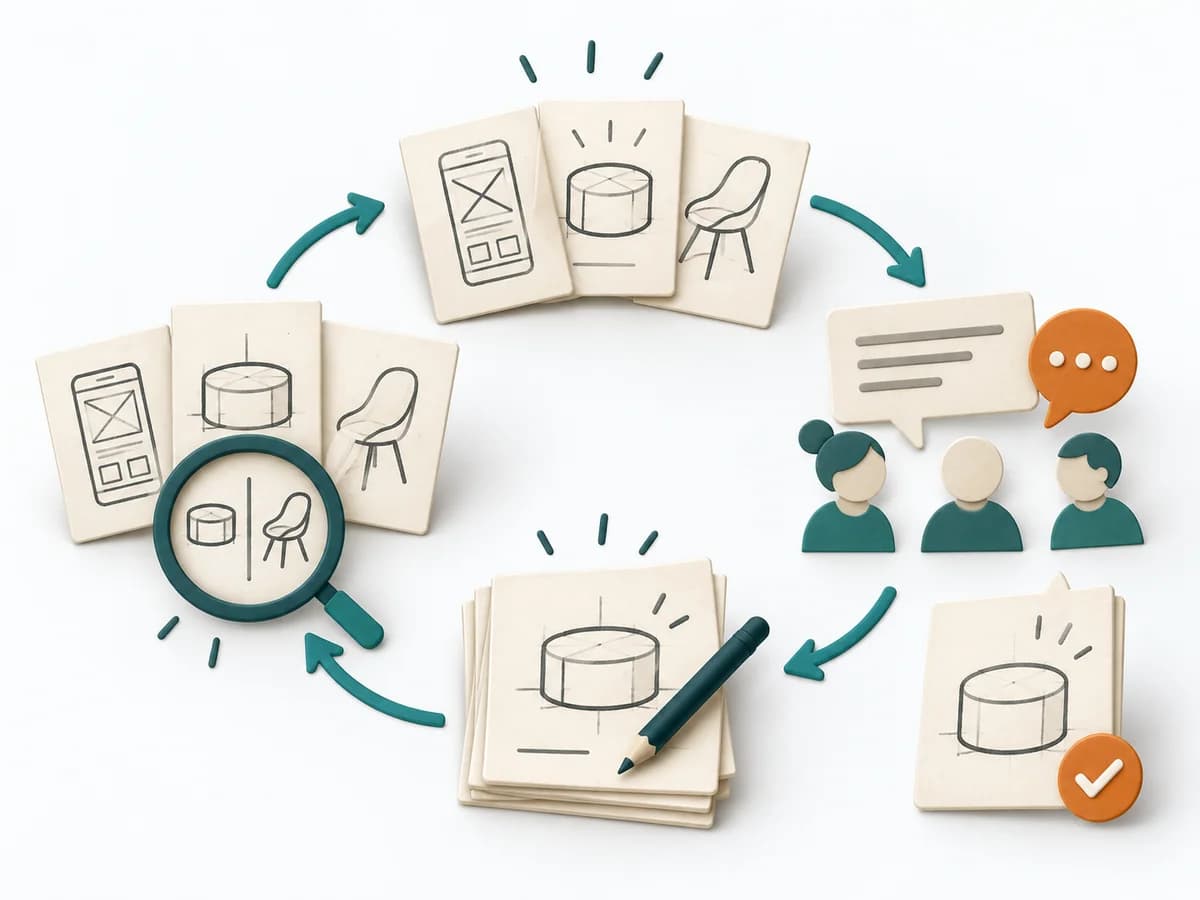
Brings sketches, critique, and iteration together so solid design decisions grow out of early drafts.