
Purpose
When a product is built but people get stuck on tasks, usability testing shows the friction at concrete points. Observed use instead of self-report makes visible where orientation, understanding, or interaction breaks down.
UX Research Research method
Observes how people complete concrete tasks with a product.
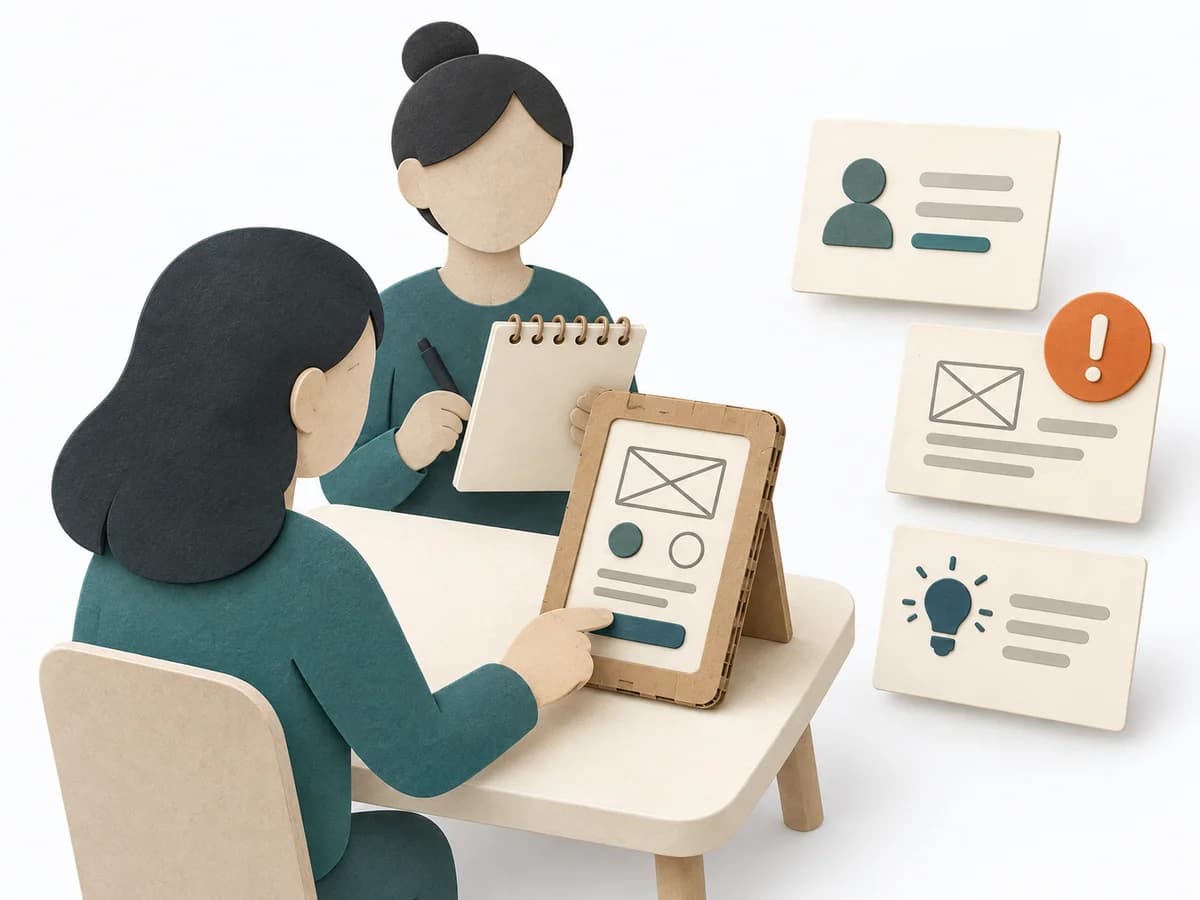
Usability testing examines how people complete a specific flow in a realistic use situation. Observed actions and obstacles identify opportunities for improvement. Findings apply to the use situation examined.
Can relevant users complete their important tasks with the current design on their own?
The phase bar groups preparation, sessions, and analysis.
Frame
Choose a concrete task and the relevant interface.
Prepare
Prepare scenarios, recruitment, session flow, and an observation grid.
Observe
Let the participant work through tasks and intervene only when needed.
Synthesize
Compare evidence across tasks and sessions, then derive testable changes.
Run a bounded test round, cluster issues, change the design, and check important changes with new or appropriately selected participants.
Choose this method when an existing or prototyped flow contains testable tasks and you need to see where people hesitate, fail, or take detours.
Task-level actions and obstacles.
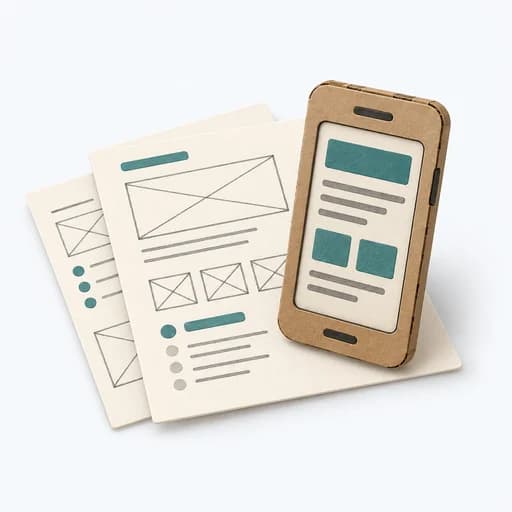
A justified next design and focused follow-up tasks.
Fictional teaching example
Keep task, behavior, evidence, and follow-up decision distinct.
| Observation row | Task | Observation | Evidence or context | Follow-up or change |
|---|---|---|---|---|
| Task observationRecord one observation from a concrete task. | Fictional task: Find a cordless drill for Saturday. | T1 compares the tool first, then separately searches for pickup time. | Fictional prototype version 0.4; availability and location appear on separate views. | Show location and pickup time together at reservation. |
| Review a findingSeparate observation, impact, and possible change. | Fictional task: Reserve a tool for a repair appointment. | T2 stops because no confirmed pickup window is visible. | One fictional individual case, not yet a pattern. | Check comprehension with more relevant participants. |
Keep evidence and interpretation distinguishable.
Write a learning question, bound the flow, and describe a real use goal.
When a product is built but people get stuck on tasks, usability testing shows the friction at concrete points. Observed use instead of self-report makes visible where orientation, understanding, or interaction breaks down.
Tasks are observed in a realistic interface while wrong turns, hesitation, and detours are recorded. The patterns of use produce a clear picture of which hurdles are structural and which changes have the biggest effect on success and speed.
Usability testing works because observed behavior in real tasks is far more reliable than self-reported ease or clarity. The method becomes strong when tasks are realistic, success criteria are unambiguous, and observations are cleanly separated from interpretation. Hesitation, wrong paths, self-corrections, and verbal cues carry the weight, so concrete friction points can be translated into prioritizable improvements.
Prepare a realistic interface, credible tasks, and a clear observation structure so the session stays calm and focused. The decisive moment lies in quiet irritation, when people don't fail but visibly struggle; important friction often hides there. The work closes well with a brief pattern analysis, separating obvious quick wins from deeper design problems.
The method guide walks execution through 4 phases, timing, 4 pitfalls, and clear stop criteria.
Open method guideYour perspective
Your feedback helps shape the next improvements to methodatlas.
Plan tasks, individual sessions, and shared analysis.
To be confirmed
To be confirmed
One focused test round Time: Multi-session research initiative; scope recruitment, sessions, and analysis to the learning question and knowledge gaps.
Complete this worksheet on paper or in your own document during the work.
| Observation row | Task | Observation | Evidence or context | Follow-up or change |
|---|---|---|---|---|
| Task observation | ||||
| Review a finding |
Blank worksheet: add your own tasks and observations.
Expected artifact: Bounded test objective and task-level success criteria.
Bounded test objective and task-level success criteria.
Entry:
...
Expected artifact: Piloted test script and observation grid.
Piloted test script and observation grid.
Entry:
...
Expected artifact: Contextual observation notes with session code and test version.
Contextual observation notes with session code and test version.
Entry:
...
Expected artifact: Issue list with evidence, severity rationale, and retest decisions.
Issue list with evidence, severity rationale, and retest decisions.
Entry:
...
...
Method guide: https://methodatlas.meierhoff-systems.de/en/methods/usability-testing/run-sheet
Fitting alternatives with decision guidance, followed by other related methods.
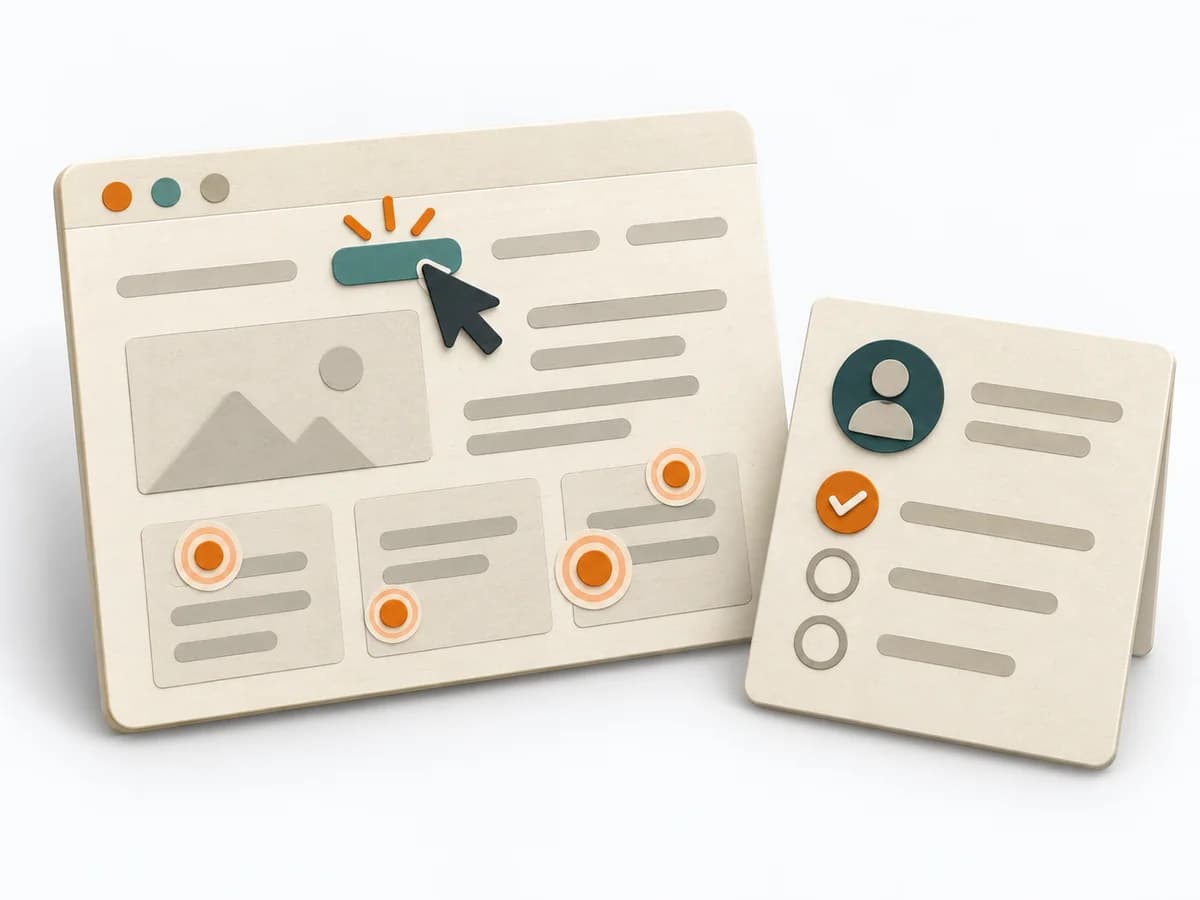
Instead of Usability Testing, when you want to use First-click Testing to isolate the first navigation decision from the rest of the flow.
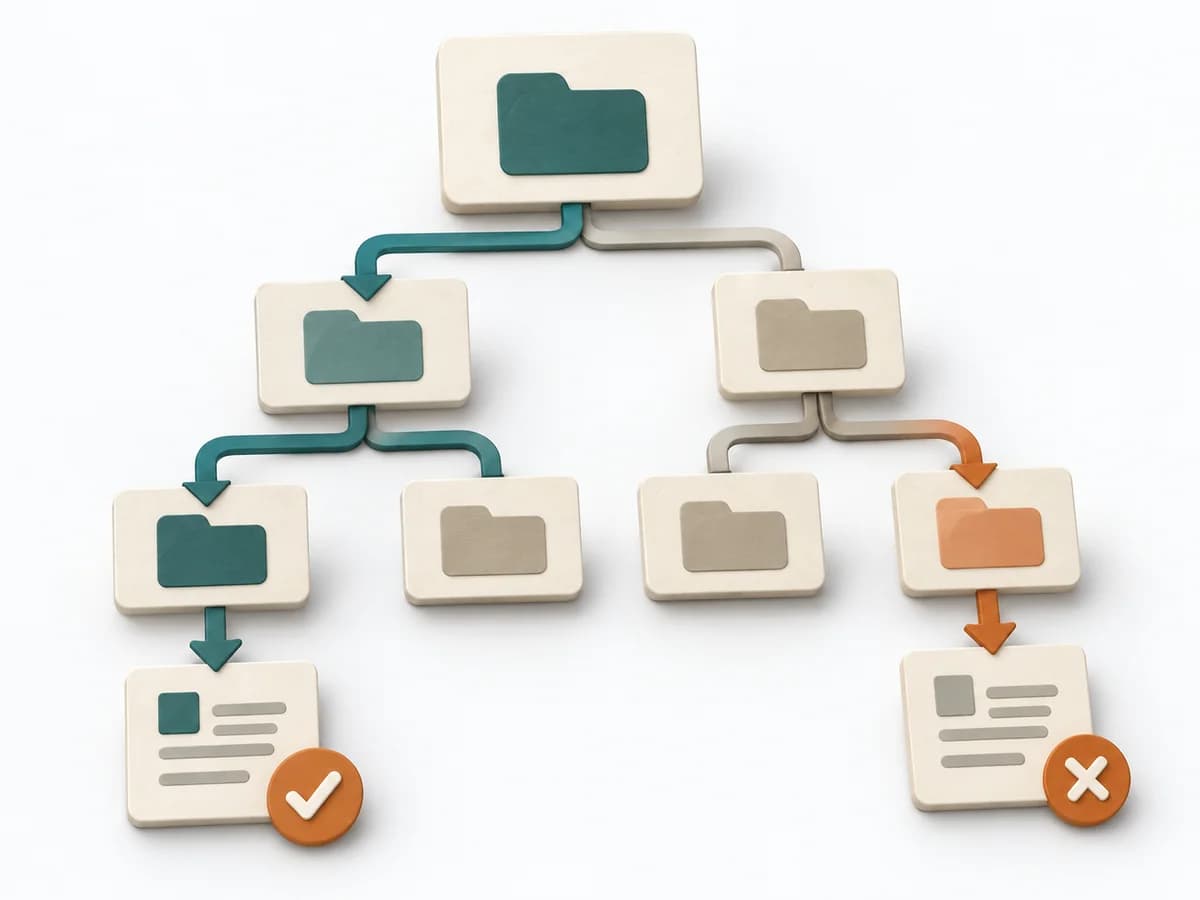
Tests search paths in a navigation and shows where findability drops and labels or structure need sharpening.
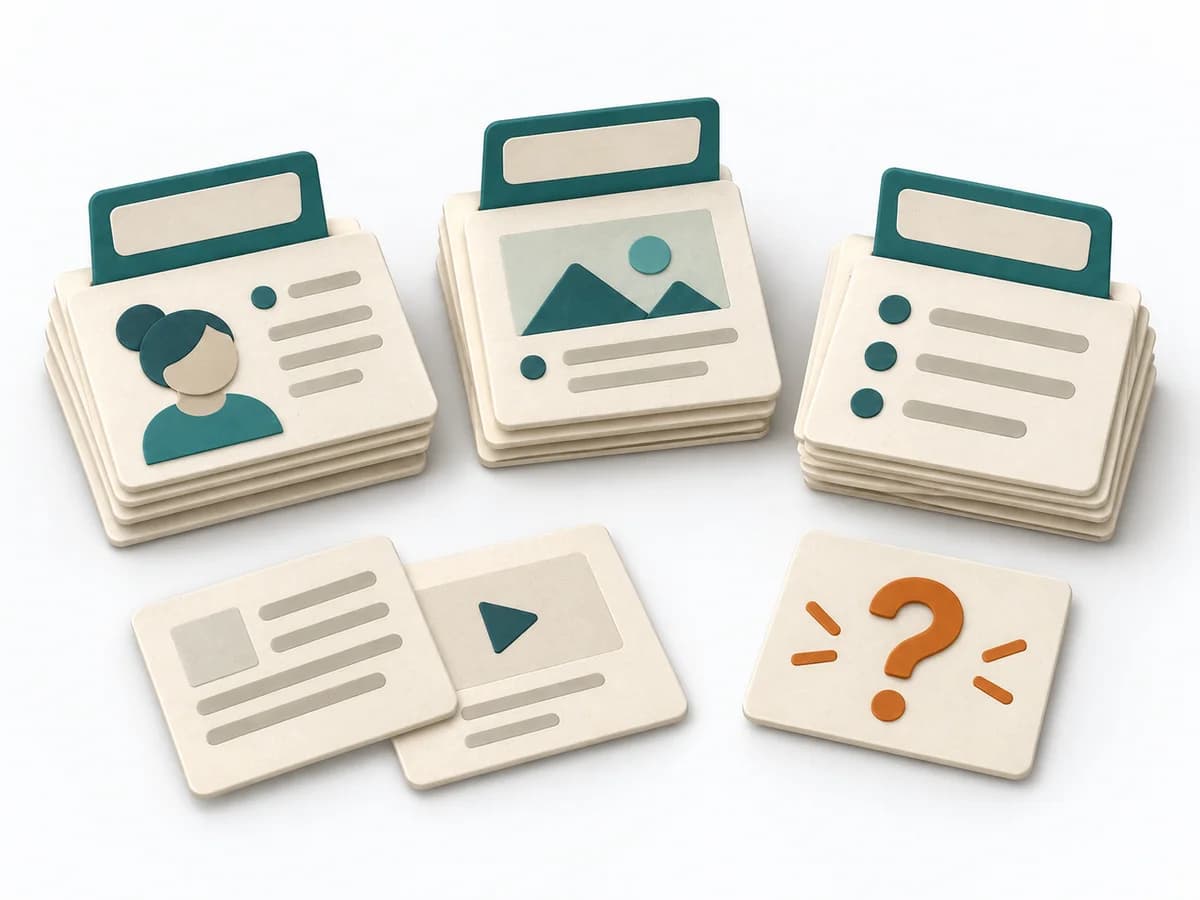
Shows how people group and name content so content groups, labels, and IA hypotheses become grounded.
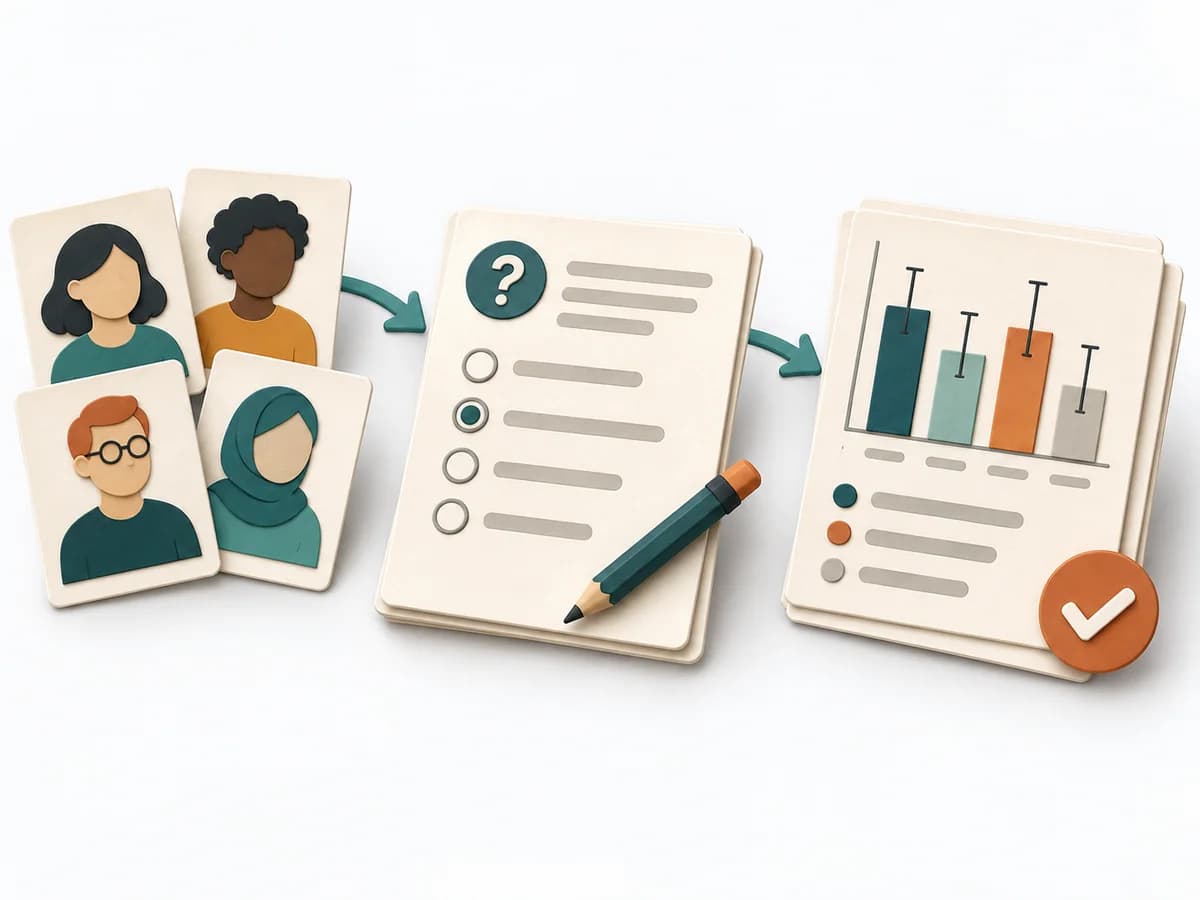
Collects answers in a scalable format and condenses them into results, charts, and segment insights.
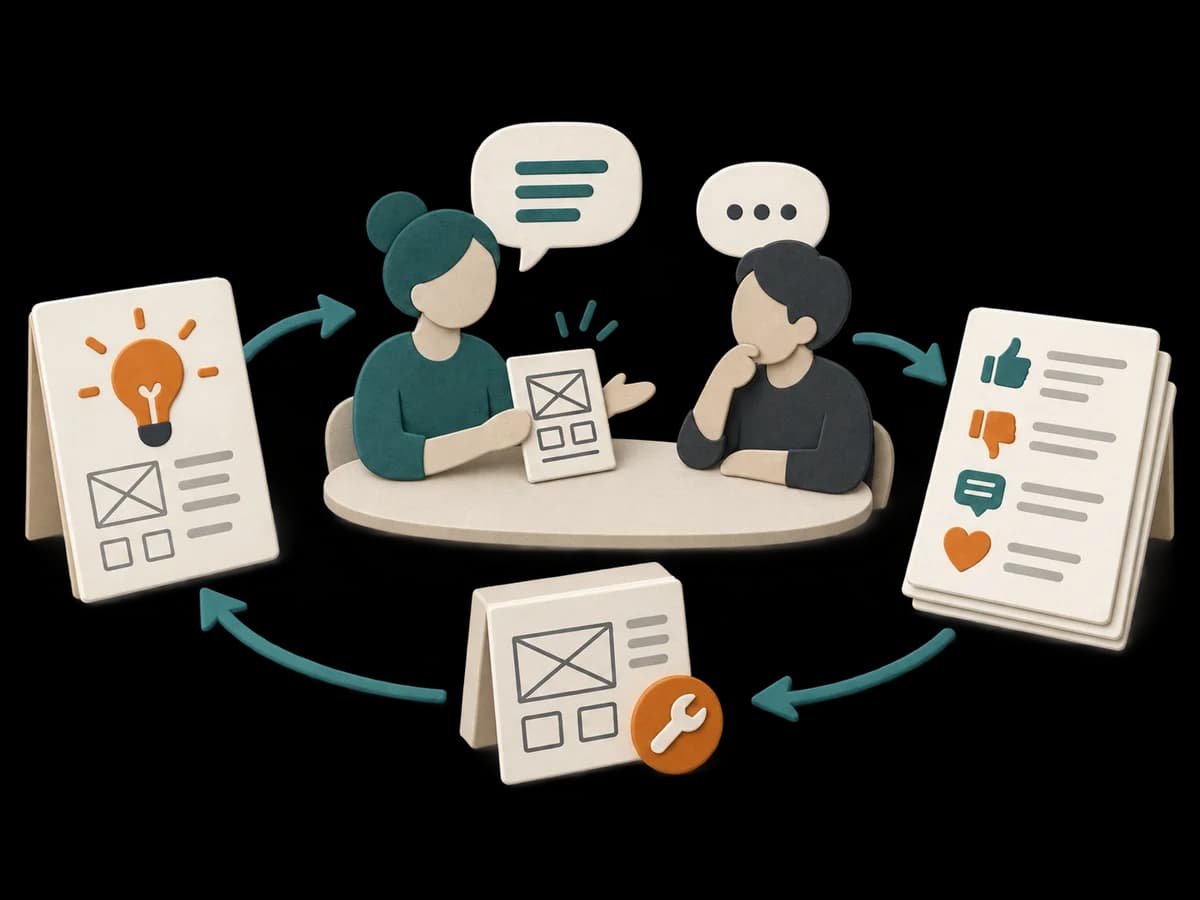
Clarifies customer problems, solution ideas, and evidence by preparing a solution concept, recruiting target customers, and deriving risks and next tests.
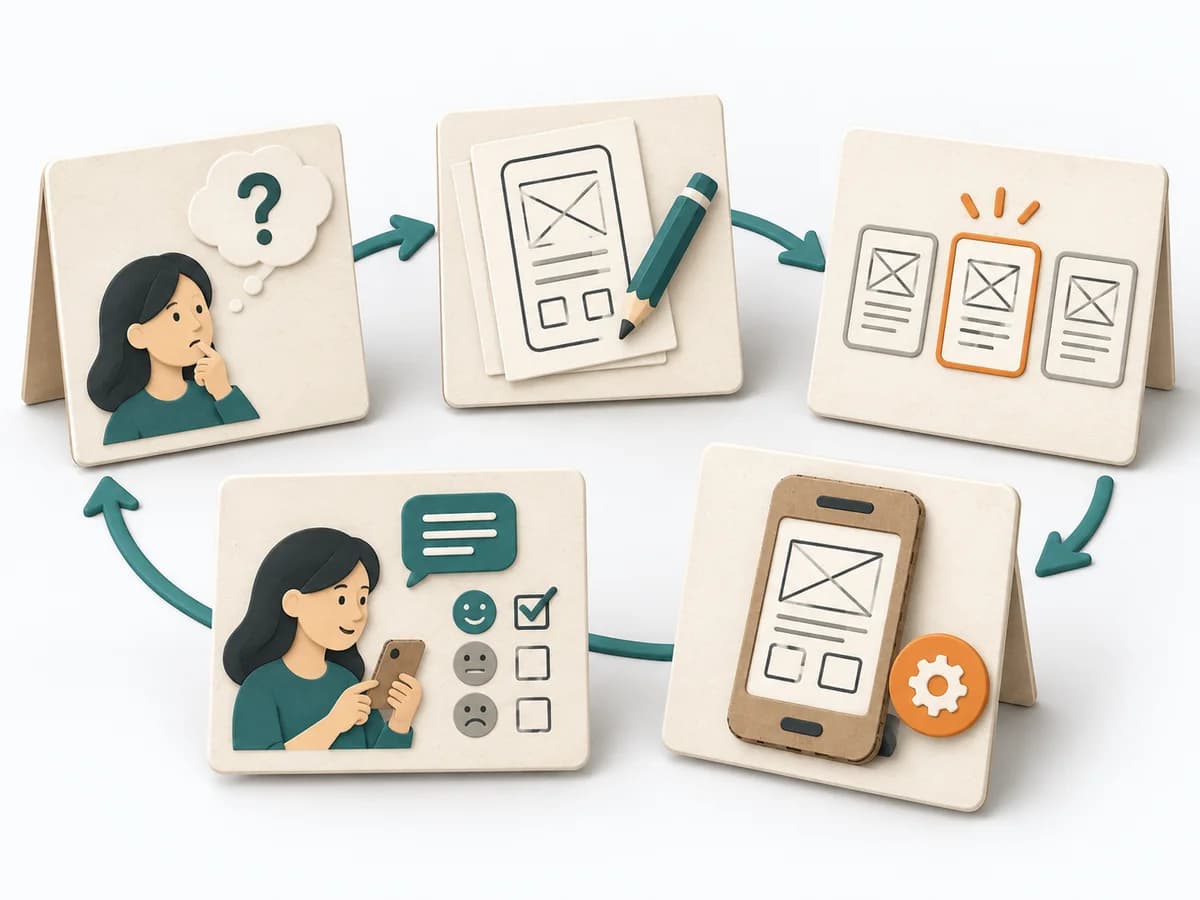
Brings problem space, prototype, and test findings together in a few days, enabling a well-founded decision.