Purpose
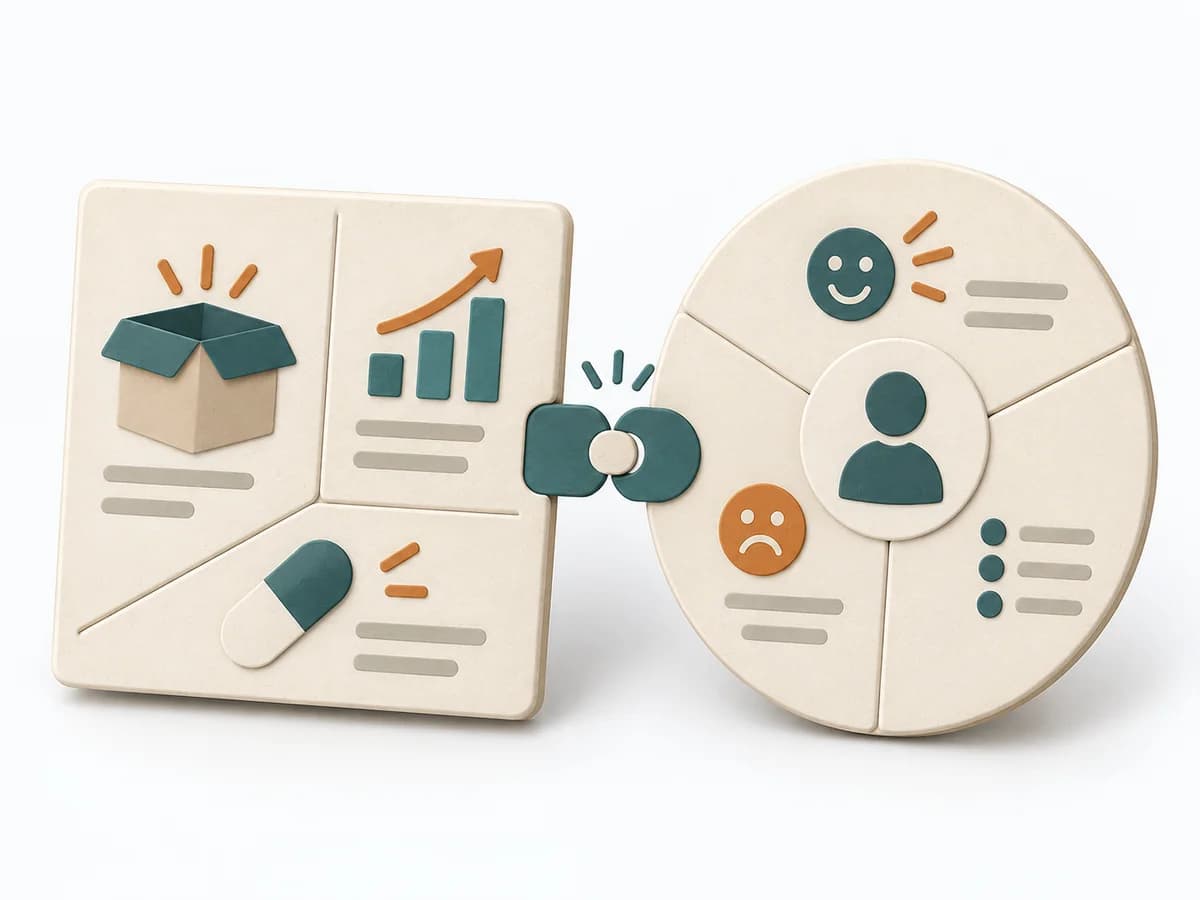
The Business Model Canvas condenses a business model to its key building blocks and assumptions. It makes variants quickly comparable and reveals gaps before validation or implementation begins.
Business Strategy Canvas
The Business Model Canvas makes a business model understandable and open to challenge on one page.
The Business Model Canvas connects customer value, delivery, and economic logic. It makes the assumptions for the next investigation explicit.
How does this business model create, deliver and capture value, and which assumption could challenge it first?
The nine fields describe relationships. The working approach below is one suggestion for exploring them together.
Scope
Bound one model and the open decision.
Value
Who receives what value, through which relationship?
Delivery
Connect activities, resources and partners to the promised value.
Coherence
Connect revenue and costs with the other fields.
Learning
Derive the next learning step from the model.
Revise connected fields together. A completed canvas is a model version; new evidence may change several building blocks.
You want to explain an existing or proposed business model together, compare alternatives and investigate uncertain assumptions.

A coherent model version with visible value logic.
Prioritized uncertainties linked to canvas fields.
A concrete investigation with an owner and decision criterion.
Fictional example · untested assumptions
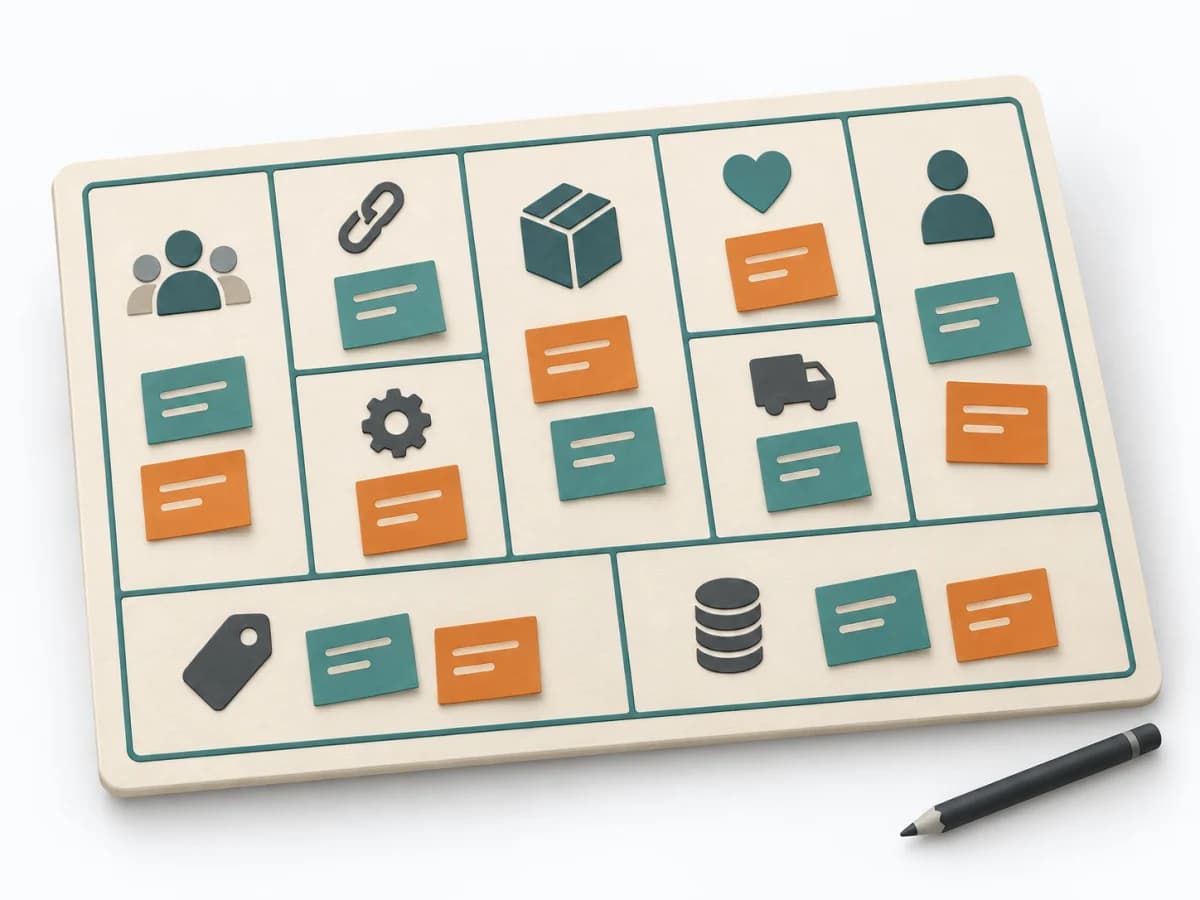
Fictional example: neighborhood tool rental. All entries are model assumptions used for explanation.
Who enables delivery?
Local repair services and tool suppliers
What must reliably happen?
Organize collection, returns and maintenance
Which resources are required?
Tool stock, storage space and a booking overview
What value does the segment receive?
Reliably borrow suitable tools by the day
How is the relationship created and maintained?
Personal instructions and accessible support
How do customers find and receive the offer?
Local website, reservations and collection point
For whom is value created?
Neighborhood households with occasional tool needs
What costs does the model incur?
Purchasing, maintenance, premises and support
Who pays for what, and how?
Daily rental fees; membership as another hypothesis
Business Model Canvas by Strategyzer · original educational rendering
Name one business model, a primary customer segment and the decision the canvas should support.
The Business Model Canvas condenses a business model to its key building blocks and assumptions. It makes variants quickly comparable and reveals gaps before validation or implementation begins.
First the scope and relevant customer segments are defined. Then the team fills in the nine fields, checks coherence, and marks open assumptions or hypotheses. This creates a working picture that aligns discussion and validation to the same frame.
The Business Model Canvas works because it makes customer value, revenue logic, cost structure, and operational requirements visible against each other on one shared surface. Its value increases when the fields are not filled in isolation but tensions between segments, channels, differentiation, and economics are discussed openly. Good use checks assumptions, trade-offs, and missing evidence so real strategic decisions follow from the overview.
Before starting, set a clear market or customer scope so the surface doesn't have to carry several models at once. The decisive phase comes when attractive value propositions meet weak revenue logic or costly delivery; that is exactly where the important conversations happen. Close with marked core assumptions and a short decision on which of them to validate or change next.
The method guide walks execution through 5 phases, timing, 5 pitfalls, and clear stop criteria.
Open method guideYour perspective
Your feedback helps shape the next improvements to methodatlas.
Prepare a model discussion or one selected step. Take your plan and blank canvas worksheet into the work.
To be confirmed
To be confirmed
Work through one business model Time: 60 to 120 minutes for a first draft; further appointments as needed
Complete this worksheet on paper or in your own document during the work.
Who enables delivery?
...
What must reliably happen?
...
Which resources are required?
...
What value does the segment receive?
...
How is the relationship created and maintained?
...
How do customers find and receive the offer?
...
For whom is value created?
...
What costs does the model incur?
...
Who pays for what, and how?
...
Business Model Canvas by Strategyzer · original educational rendering
Expected artifact: Model frame
Purpose · scope · segment · version
Entry:
...
Expected artifact: Customer side of the canvas
Segment · value · channel · relationship
Entry:
...
Expected artifact: Operational side of the model
Activity · resource · partner contribution
Entry:
...
Expected artifact: Coherent canvas
Paying customer · payment logic · cost drivers · unknown quantities
Entry:
...
Expected artifact: Prioritized test plan
Assumption · test · decision criterion · owner · date
Entry:
...
...
Method guide: https://methodatlas.meierhoff-systems.de/en/methods/business-model-canvas/run-sheet
Fitting alternatives with decision guidance, followed by other related methods.
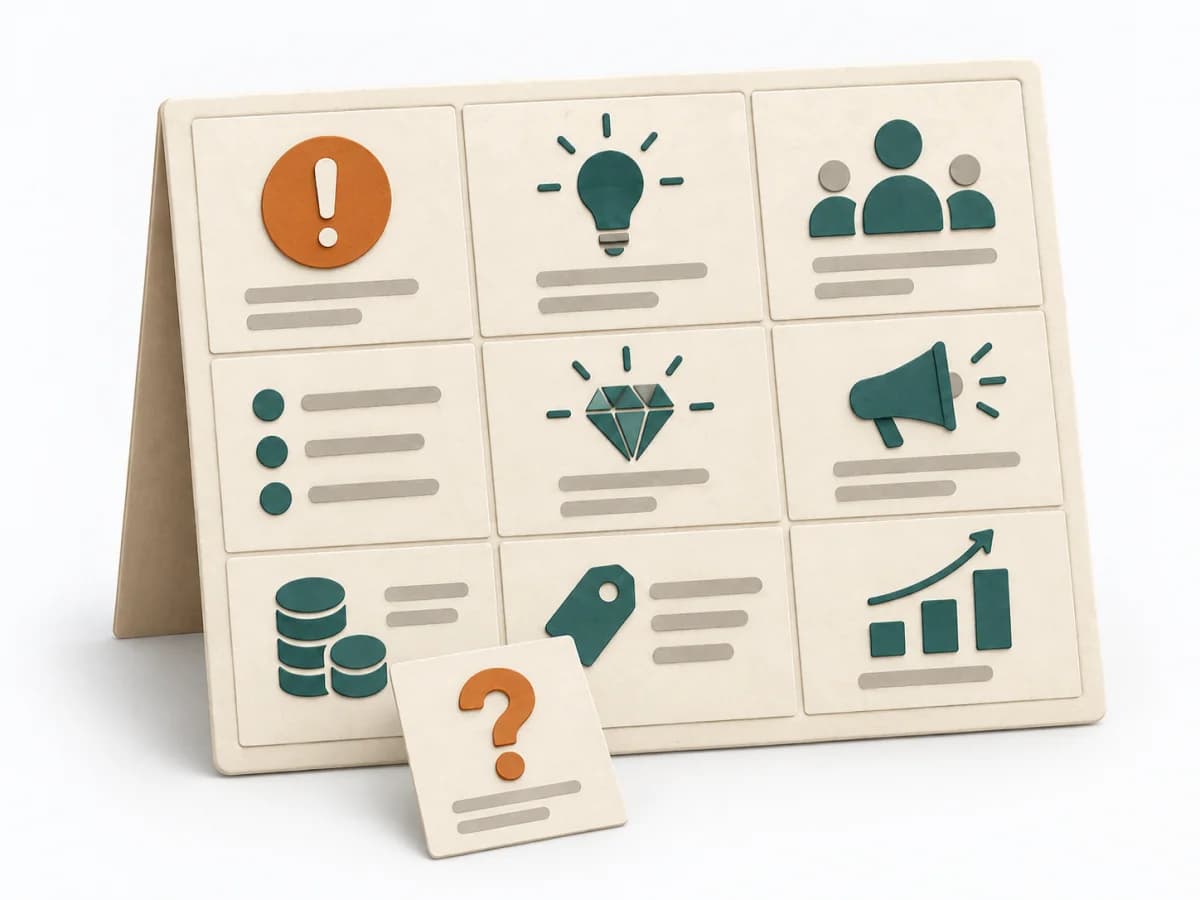
Instead of Business Model Canvas, when you want to use Lean Canvas to sharpen an early product bet with problem, solution, and risks in a lean way.
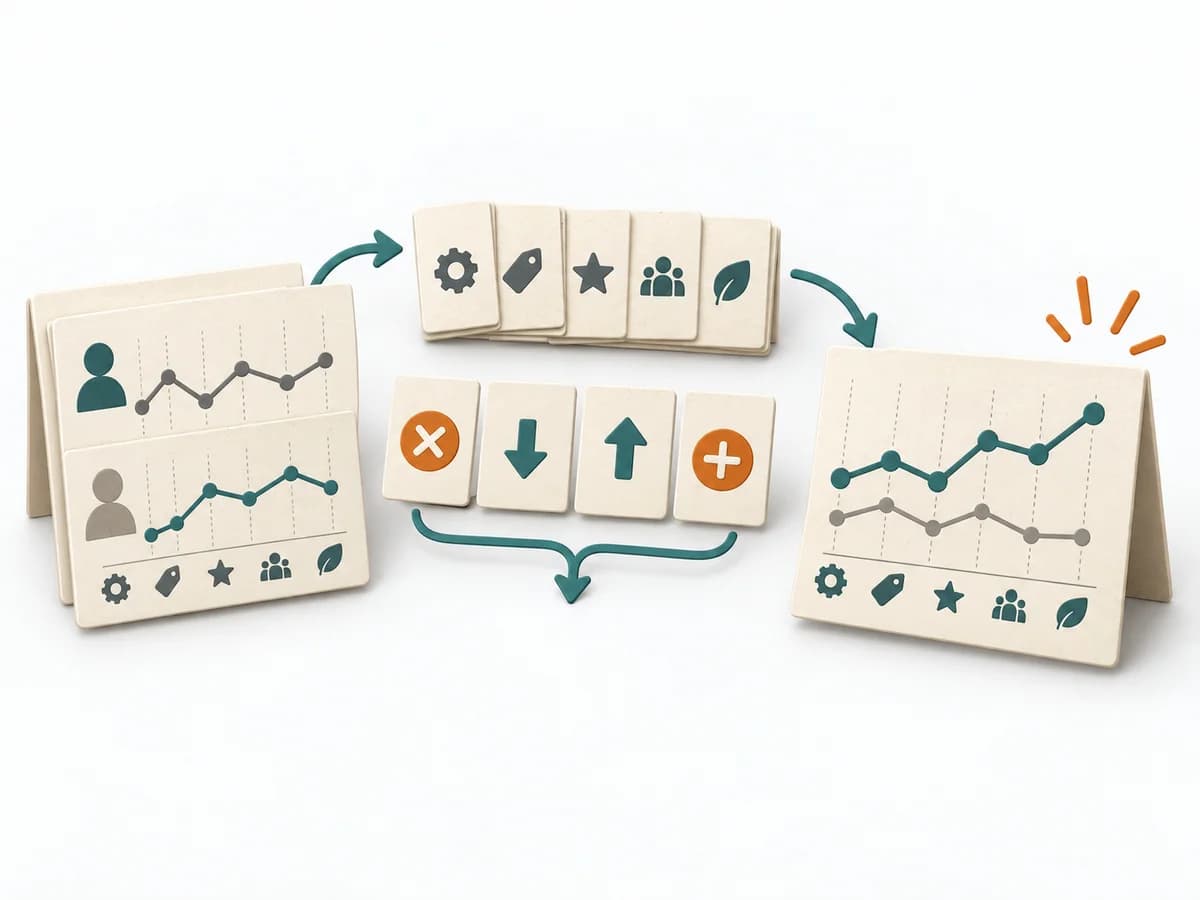
Clarifies starting point, opportunities, and strategic options by defining the competitive factors, drawing the current value curve, and testing a new value curve.
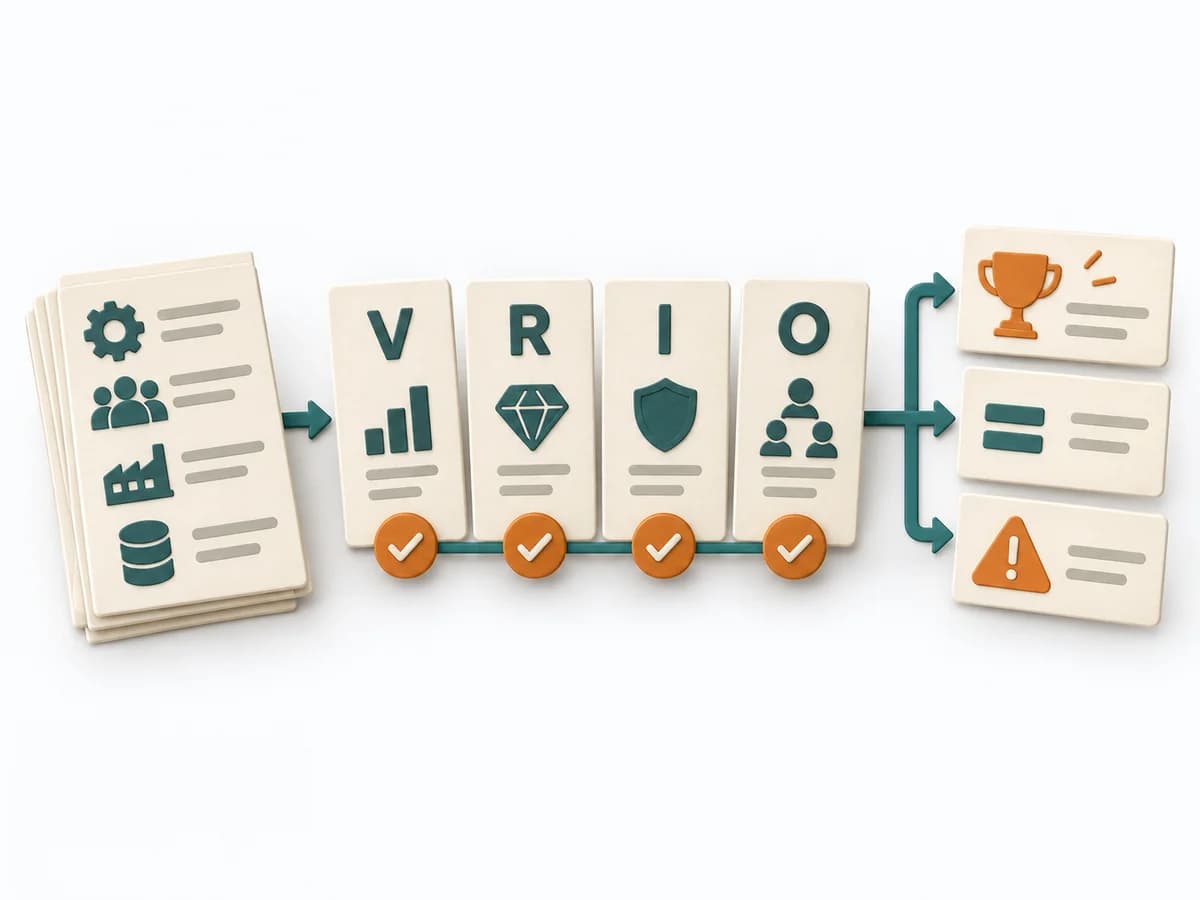
Moves the current situation, opportunities, and strategic options toward a concrete result through "collect resources and capabilities", "answer question V for each resource", and "derive strategic actions".
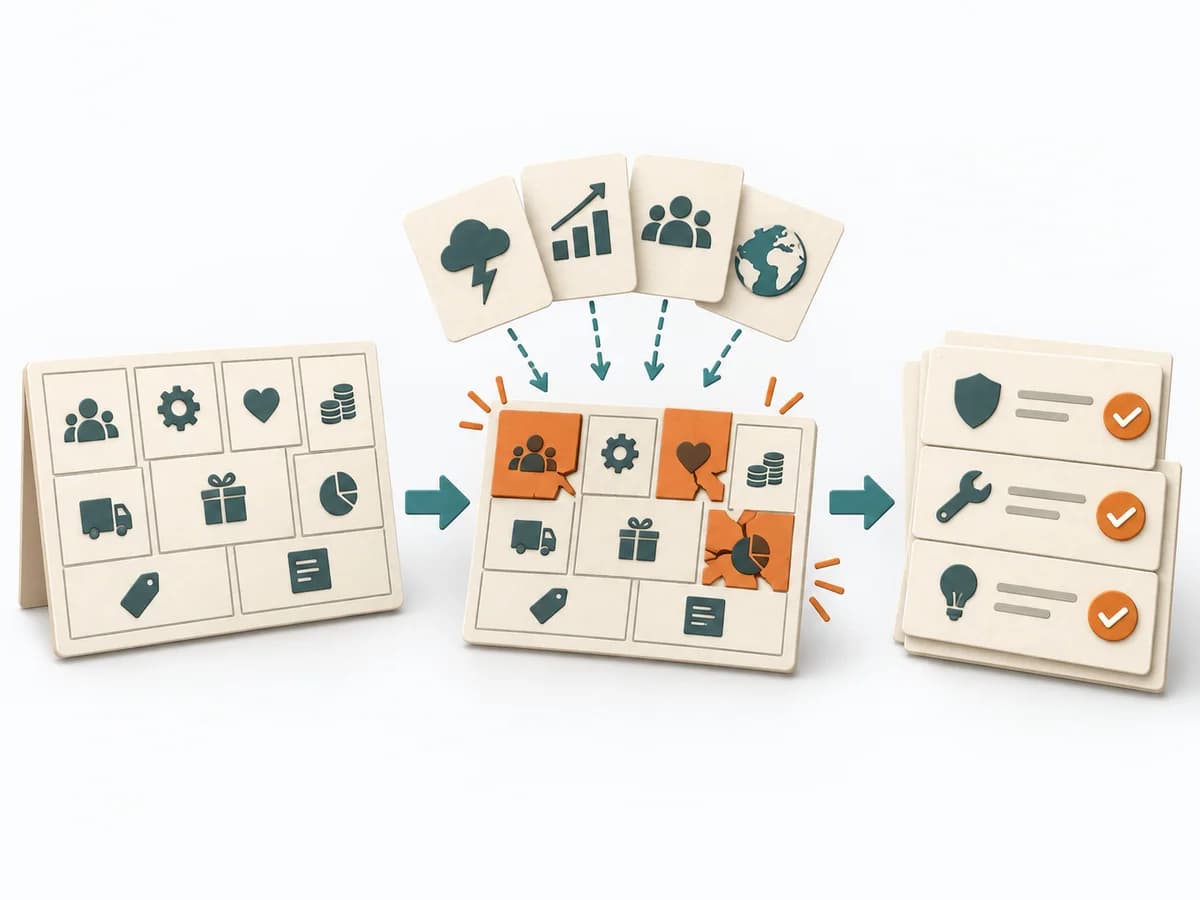
Moves the current situation, opportunities, and strategic options toward a concrete result through "place the Business Model Canvas at the center", "define two to three scenarios", and "derive actions per scenario".
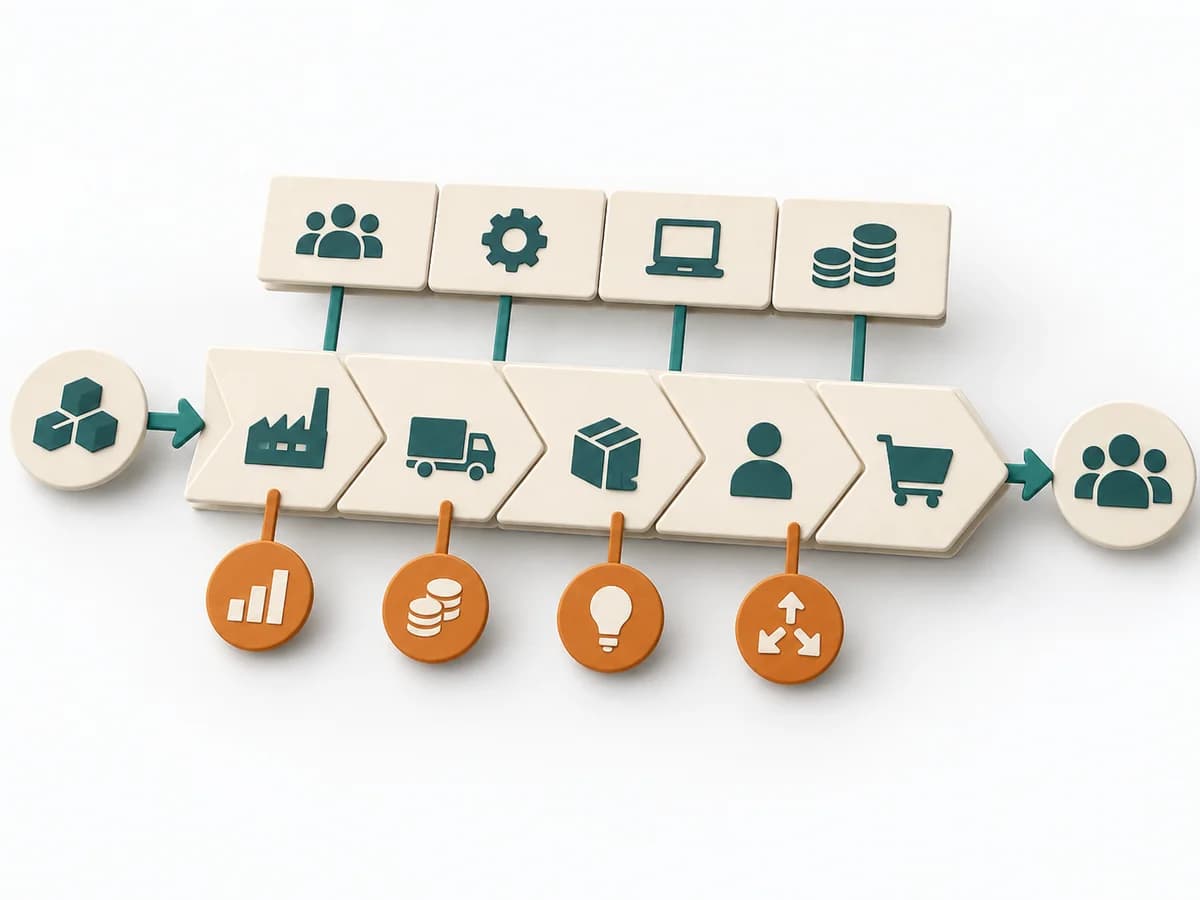
Moves the current situation, opportunities, and strategic options toward a concrete result through "explain the nine-activity template", "describe primary activities", and "derive levers and weaknesses".
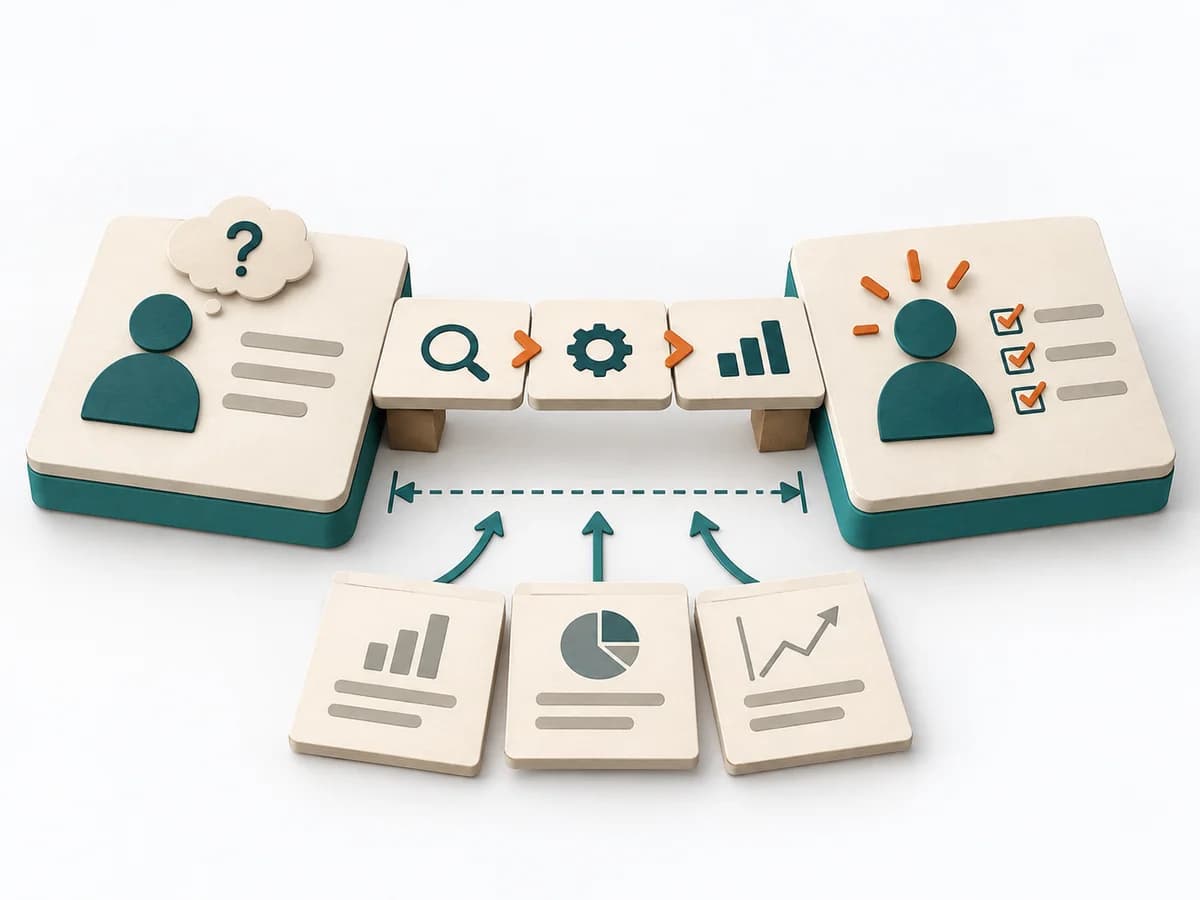
Compares target and actual state, exposes gaps, and derives prioritized measures with clear risks.
