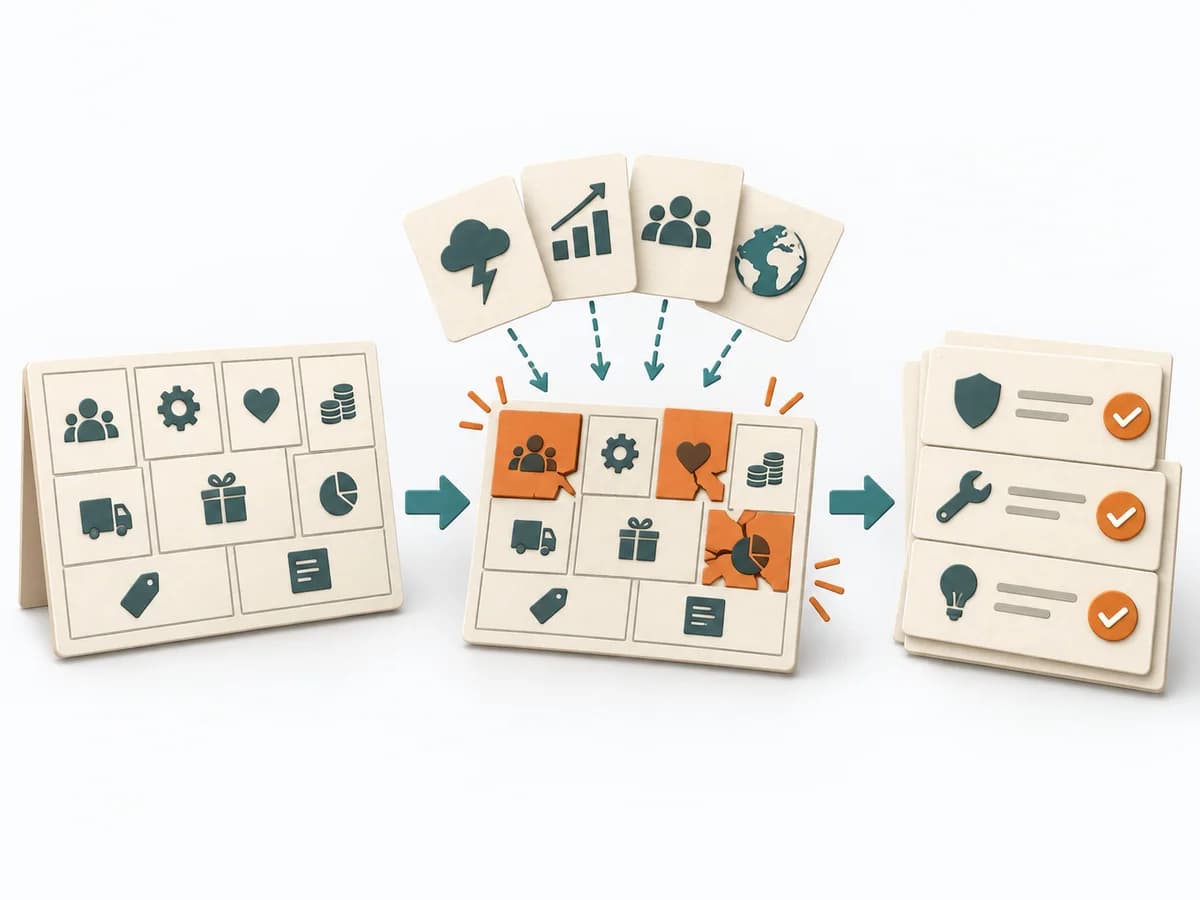
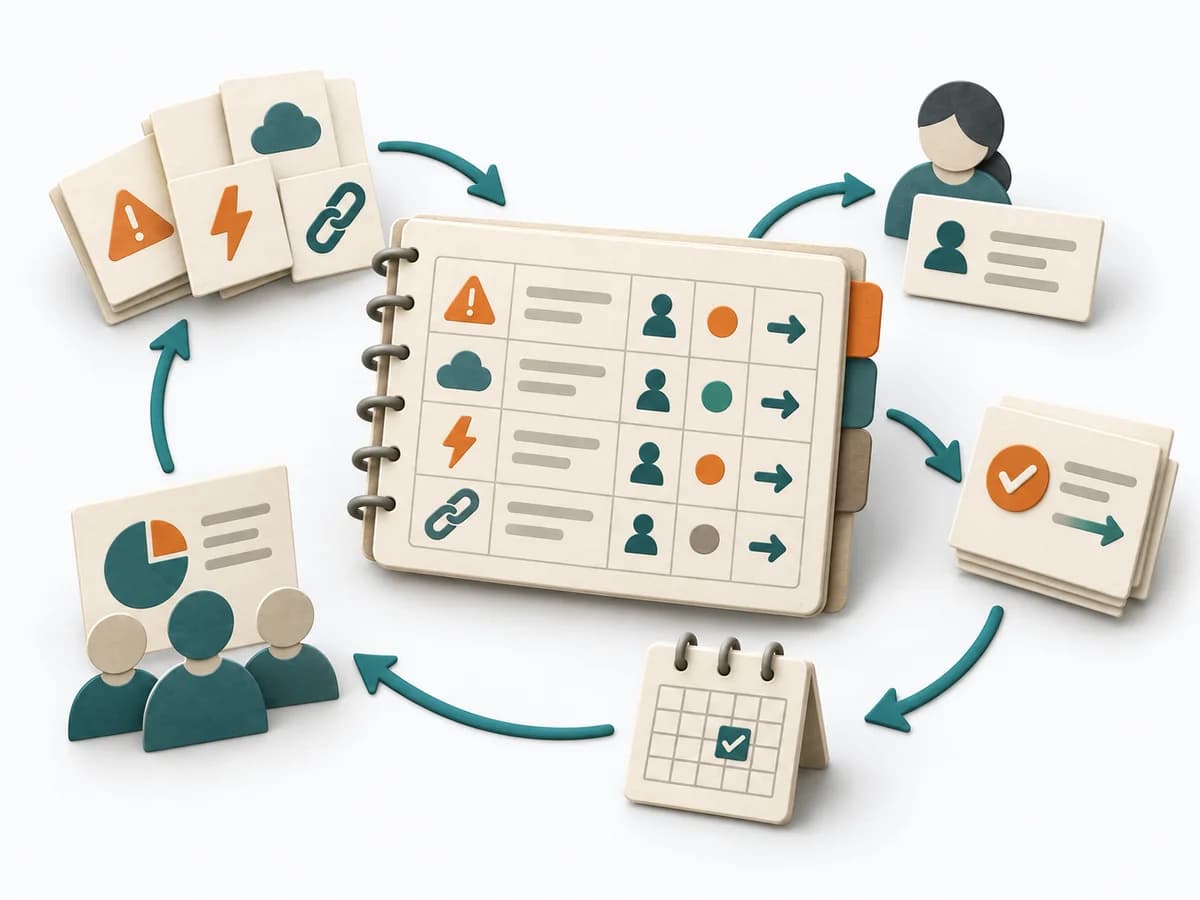
Helps clarify the current situation, opportunities, and strategic options in concrete terms. It compares strengths, risks, market logic, and courses of action. The result is captured as a stress-test report and action plan per scenario.
Business Model Stress Test
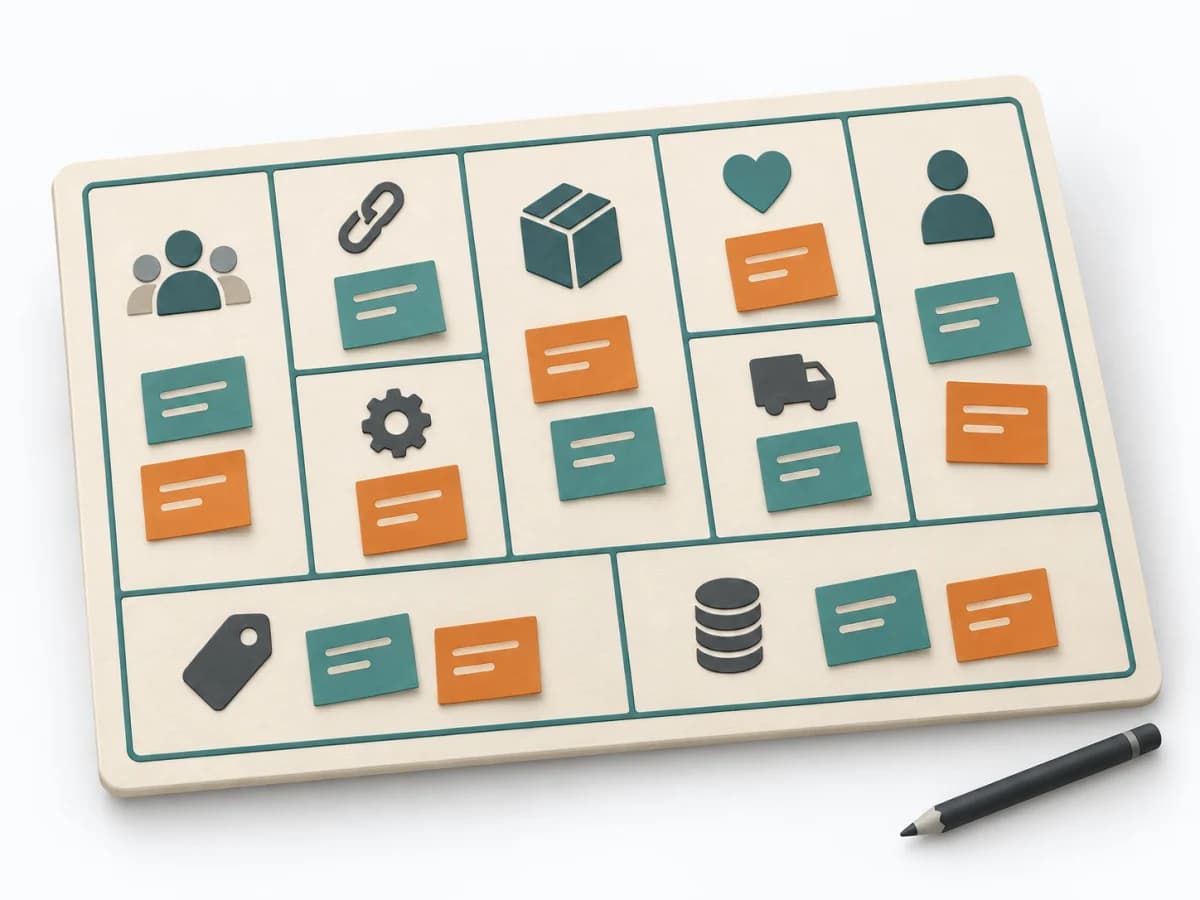
Moves the current situation, opportunities, and strategic options toward a concrete result through "place the Business Model Canvas at the center", "define two to three scenarios", and "derive actions per scenario".
Which parts of the business model hold up across different scenarios, and which actions should follow from the weak spots?
The team follows the steps "place the Business Model Canvas at the center", "define two to three scenarios", "test the building blocks per scenario", "mark weaknesses and strengths", and "derive actions per scenario". Each step is made visible. At the end, a stress-test report and action plan per scenario are available so decisions, tests, or actions can continue directly.
Visual orientation
Method sketch for a quick mental model.
Flow
- 1Place the Business Model Canvas at the center
- 2Define two to three scenarios
- 3Test the building blocks per scenario
- 4Mark weaknesses and strengths
- 5Derive actions per scenario
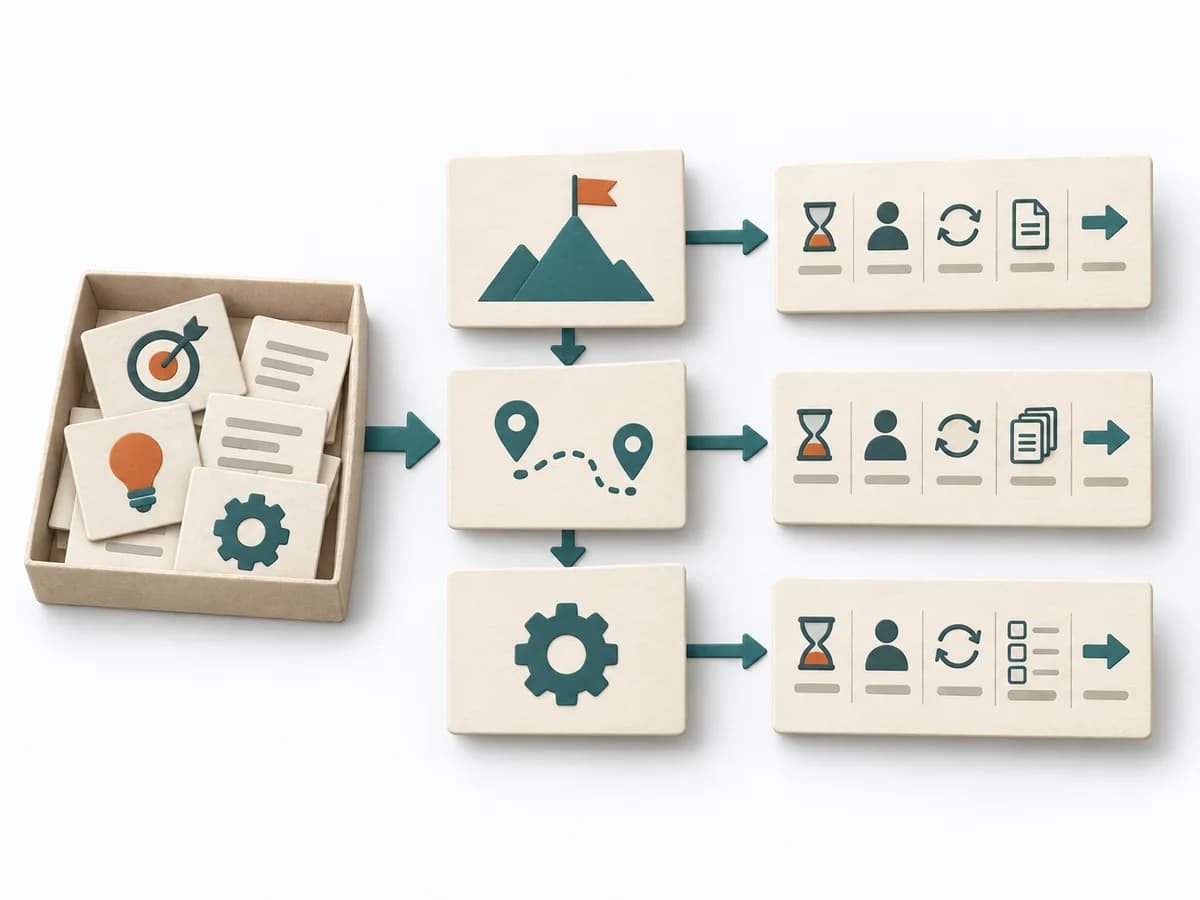
The runsheet guides execution with 5 phases, timeboxes, 5 pitfalls, and clear stop criteria.
Open runsheetIdeal for
- Strategy refresh
- Investment committees
- Platform strategy
Not good for
- Very early ideation without a business model
Deep dive
The Business Model Stress Test, introduced by Strategyzer in the work around Alex Osterwalder, combines the Business Model Canvas with Scenario Planning. For each scenario, the business model is systematically checked to see which building blocks hold and which ones break. The results lead to hedging actions, pivots, or targeted experiments.
Choose scenarios that are genuinely different, not just incremental variations. Assess each building block separately, not only the whole model.
Business Model Stress Test Working TemplateCompact working template for Business Model Stress Test with context, input, output artifacts, and next step.markdown
business-model-stress-test-working-template.md
Compact working template for Business Model Stress Test with context, input, output artifacts, and next step.
Business Model Stress Test Working Template
Goal
Tests a Business Model against multiple future scenarios.
Context
When and for what do we use this method?
Input
Which data, observations, decisions, or materials are available?
Execution
Short notes along the runsheet.
Output artifacts
- Stress test report:
- Action plan by scenario:
Assumptions and open questions
- ...
Decision / next step
Owner, date, and success signal.
When to choose differently
Short decision aid for existing alternatives.
Statt Business Model Stress Test, wenn du mit Scenario Planning mehrere plausible Zukunftsbilder und ihre Folgen vergleichen willst.
Similar methods
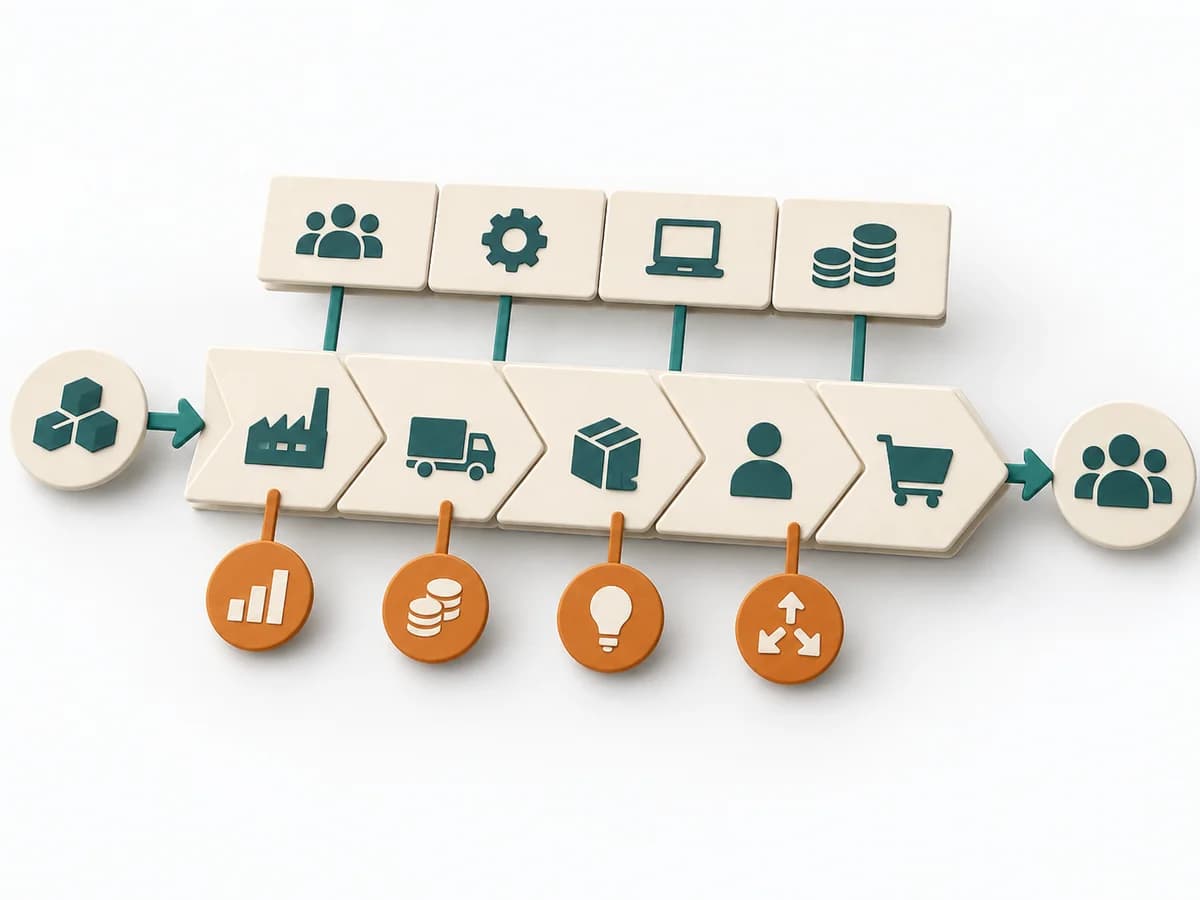
All methodsMoves the current situation, opportunities, and strategic options toward a concrete result through "explain the nine-activity template", "describe primary activities", and "derive levers and weaknesses".
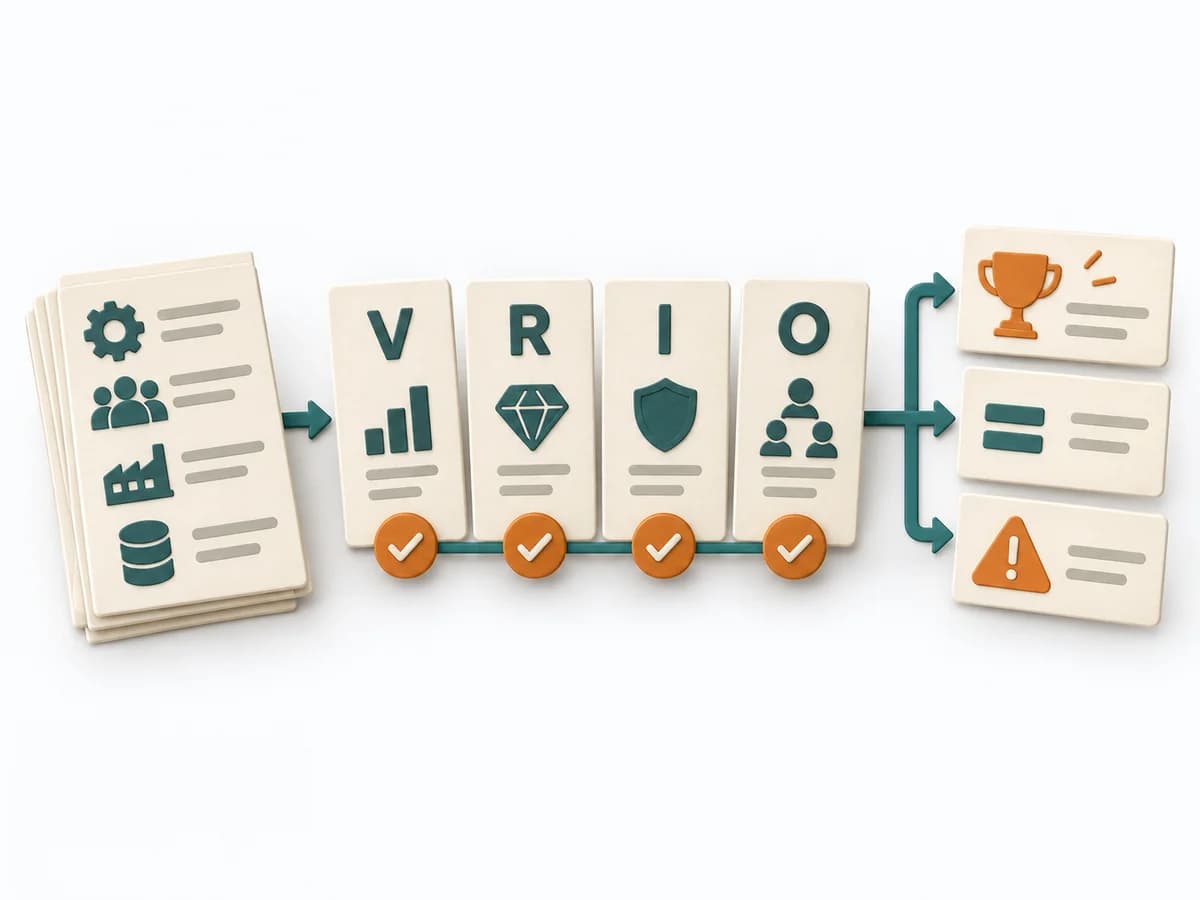
Moves the current situation, opportunities, and strategic options toward a concrete result through "collect resources and capabilities", "answer question V for each resource", and "derive strategic actions".
Turns the current situation, opportunities, and strategic options into a tangible result through defining scope, collecting strengths and weaknesses, and defining actions.
Turns baseline, opportunities, and strategic options into a tangible result by defining the focal question, collecting drivers, and testing strategic options.
Statt Business Model Stress Test, wenn du mit Scenario Planning mehrere plausible Zukunftsbilder und ihre Folgen vergleichen willst.
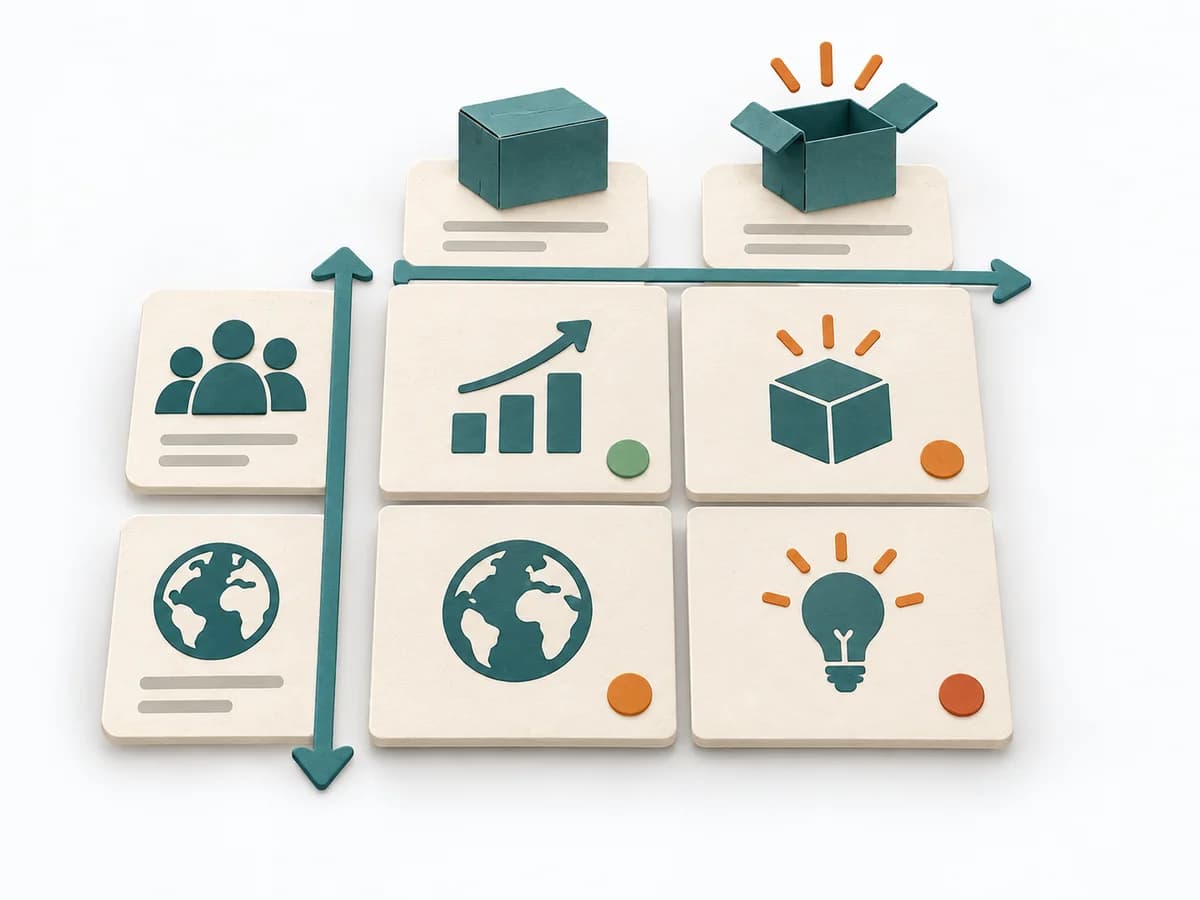
Clarifies starting point, opportunities, and strategic options by defining products and markets, collecting growth options, and choosing focus options.
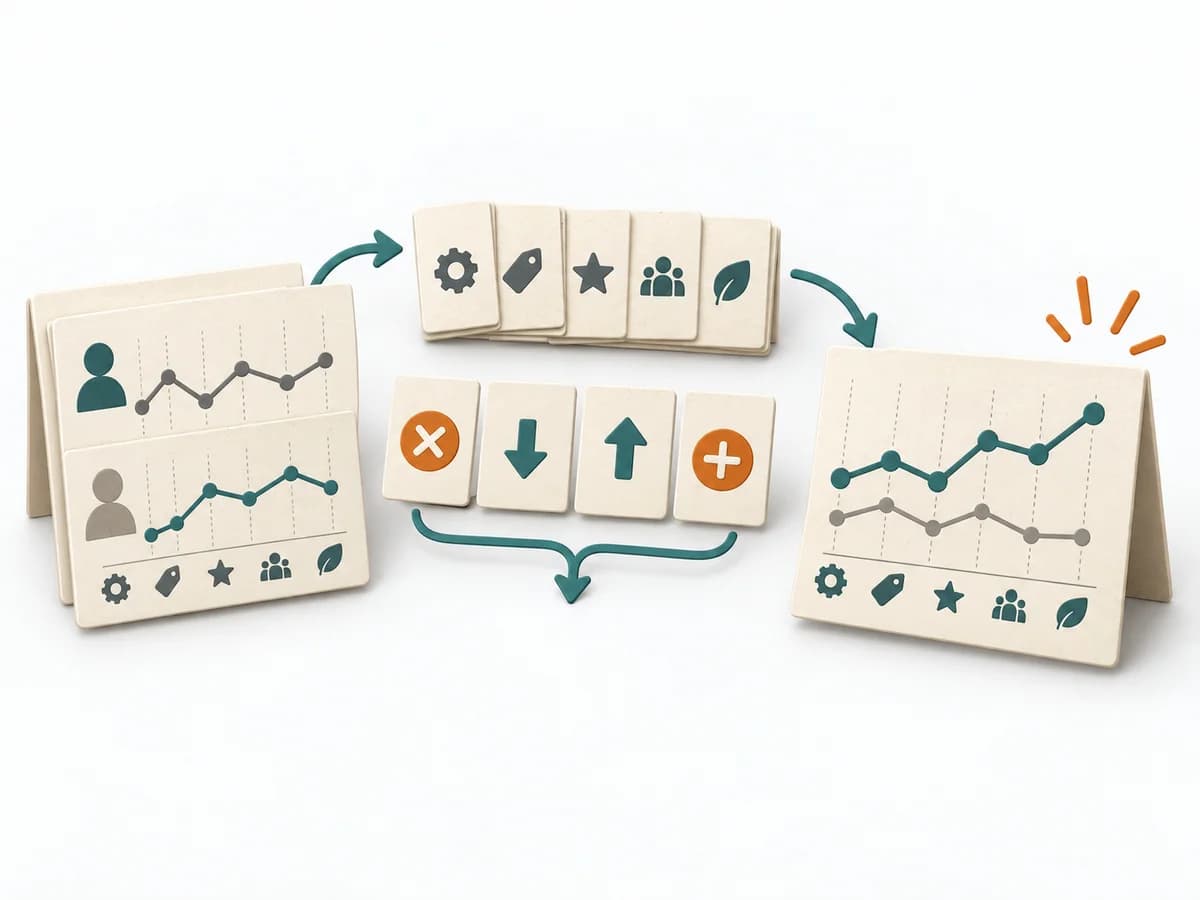
Clarifies starting point, opportunities, and strategic options by defining the competitive factors, drawing the current value curve, and testing a new value curve.