Value Chain Analysis: Worksheet
Question
To be confirmed
Desired outcome
To be confirmed
Scope
Full workshop
Time: 90–120 minutes
Complete this worksheet on paper or in your own document during the work.
Preparation for this scope
Method setup
- Materials: Defined offer and segment, Activity and cost data, Customer value and process knowledge, shared workspace, source links, and decision log.
- Roles: Business owner · Operations · Finance · Customer/Product · function owners
- Advance information: Collect Defined offer and segment, Activity and cost data, Customer value and process knowledge in advance and mark open assumptions.
- Overall time needed: 90–120 minutes
- Setup: Prepare primary and support activities with cost/value drivers and linkages visibly and calibrate assessment terms before starting.
Prepare for the work steps
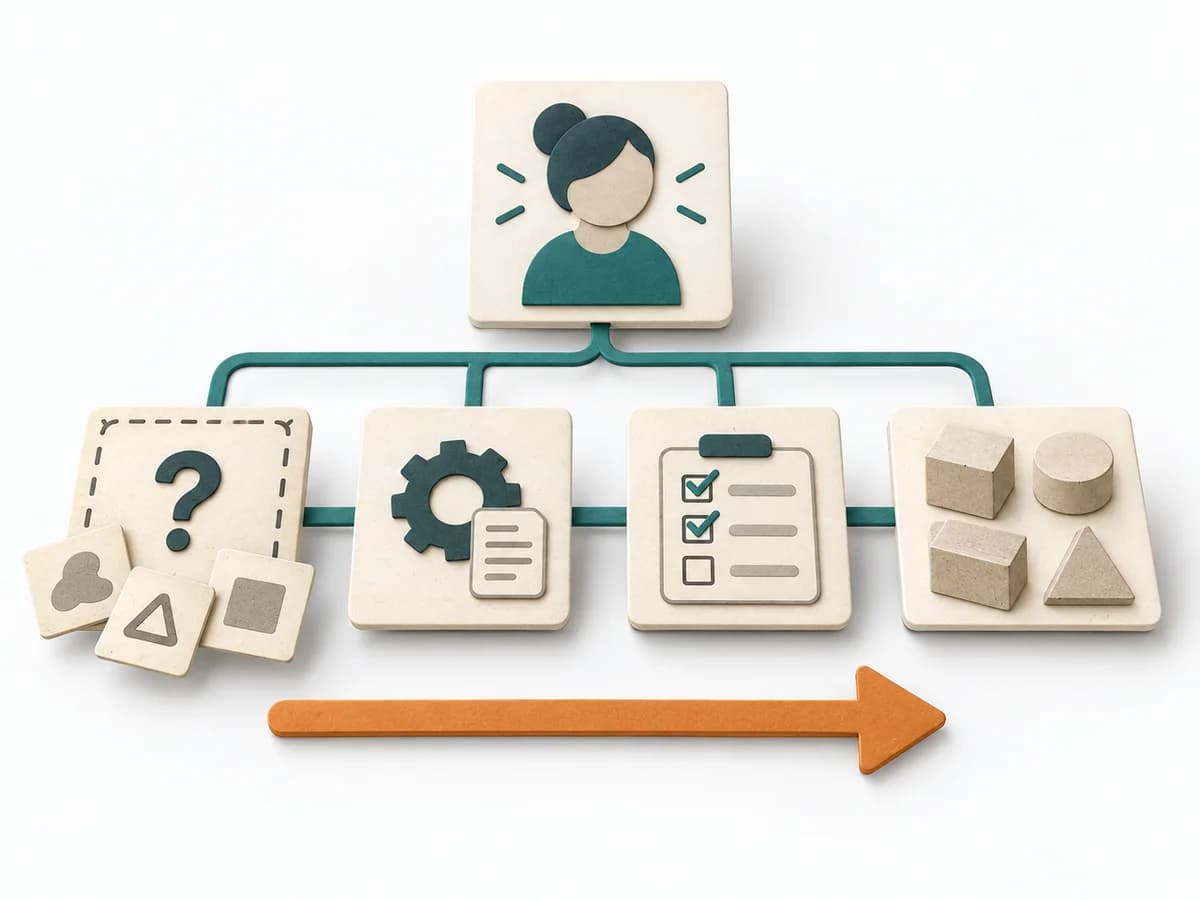
Set boundary: Set boundary
- Defined offer and segment
- Activity and cost data
- Customer value and process knowledge
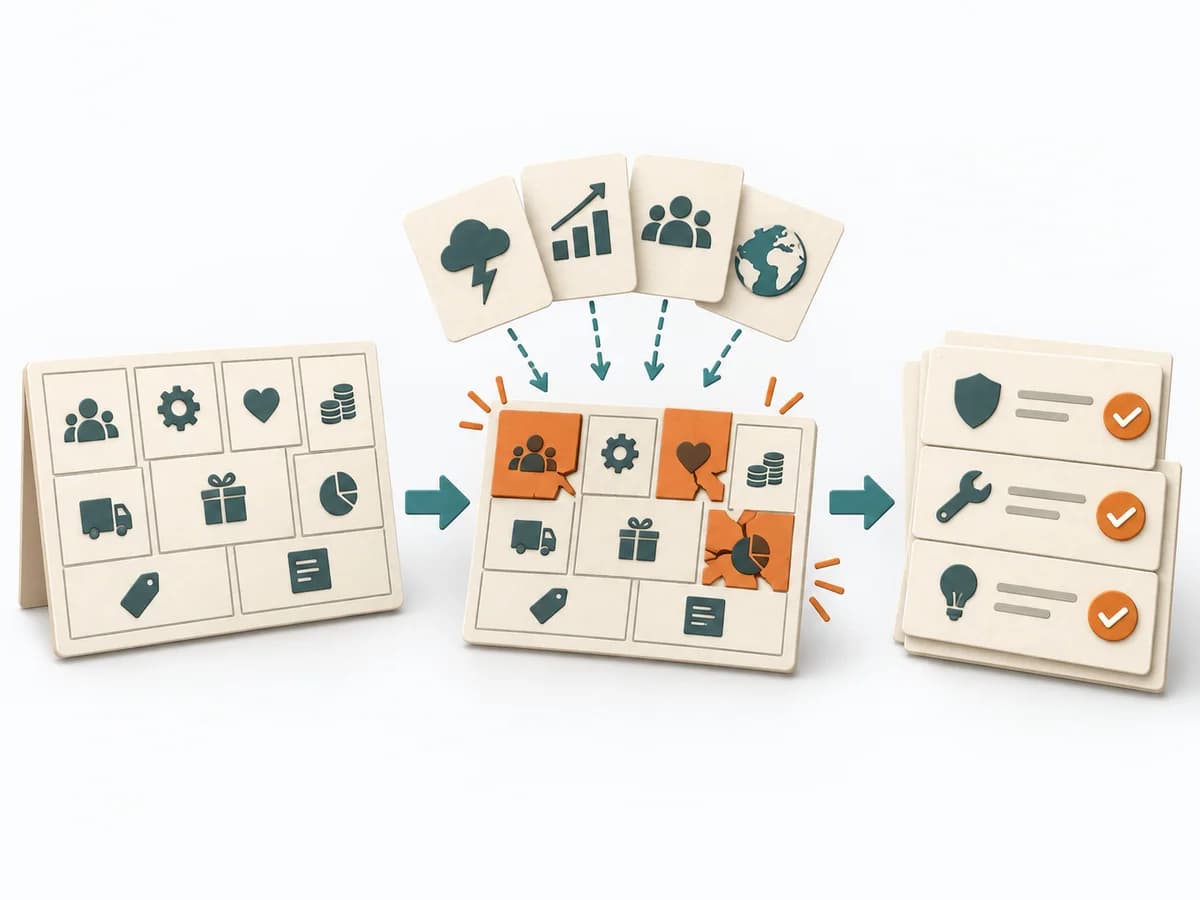
Map activities: Map activities
- analysis boundary
- Activity and cost data
- Customer value and process knowledge
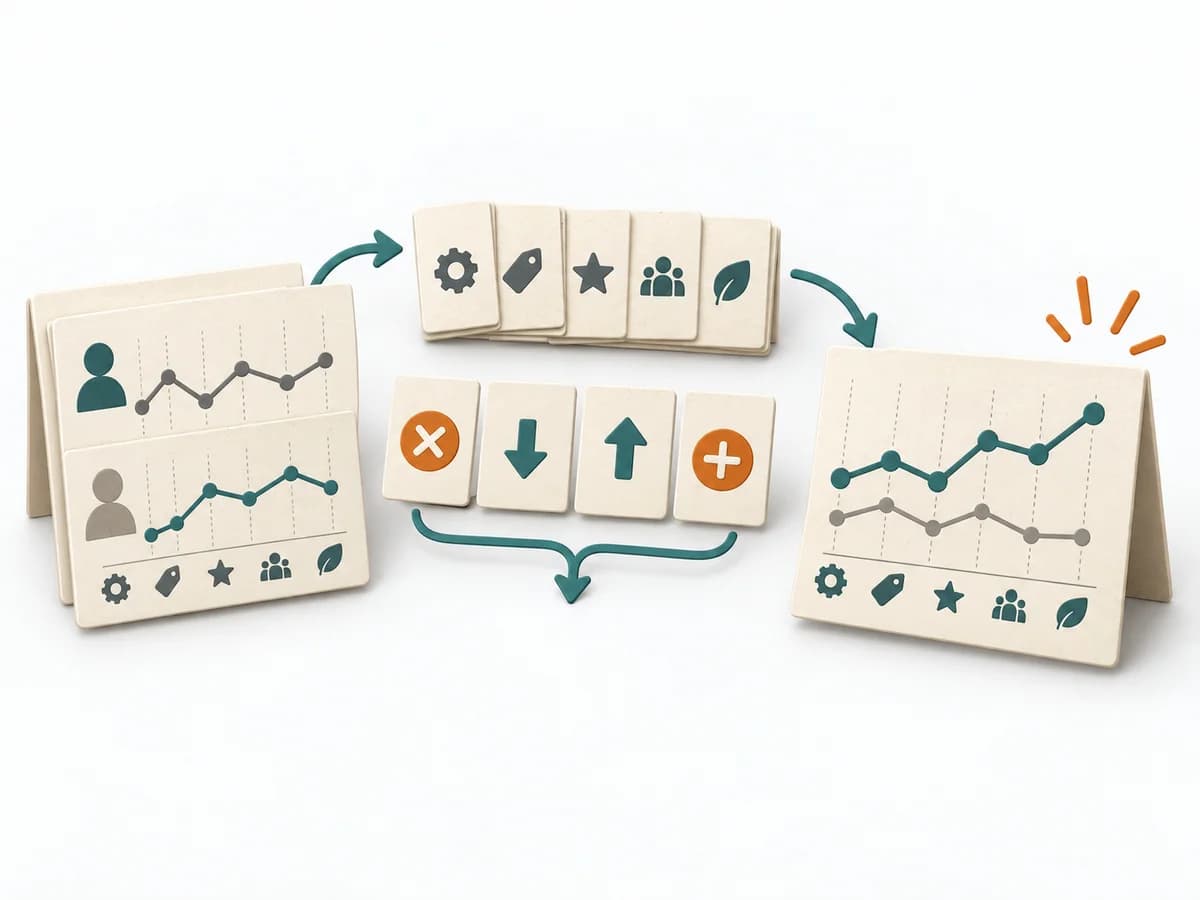
Analyse drivers: Analyse drivers
- activity chain
- Activity and cost data
- Customer value and process knowledge
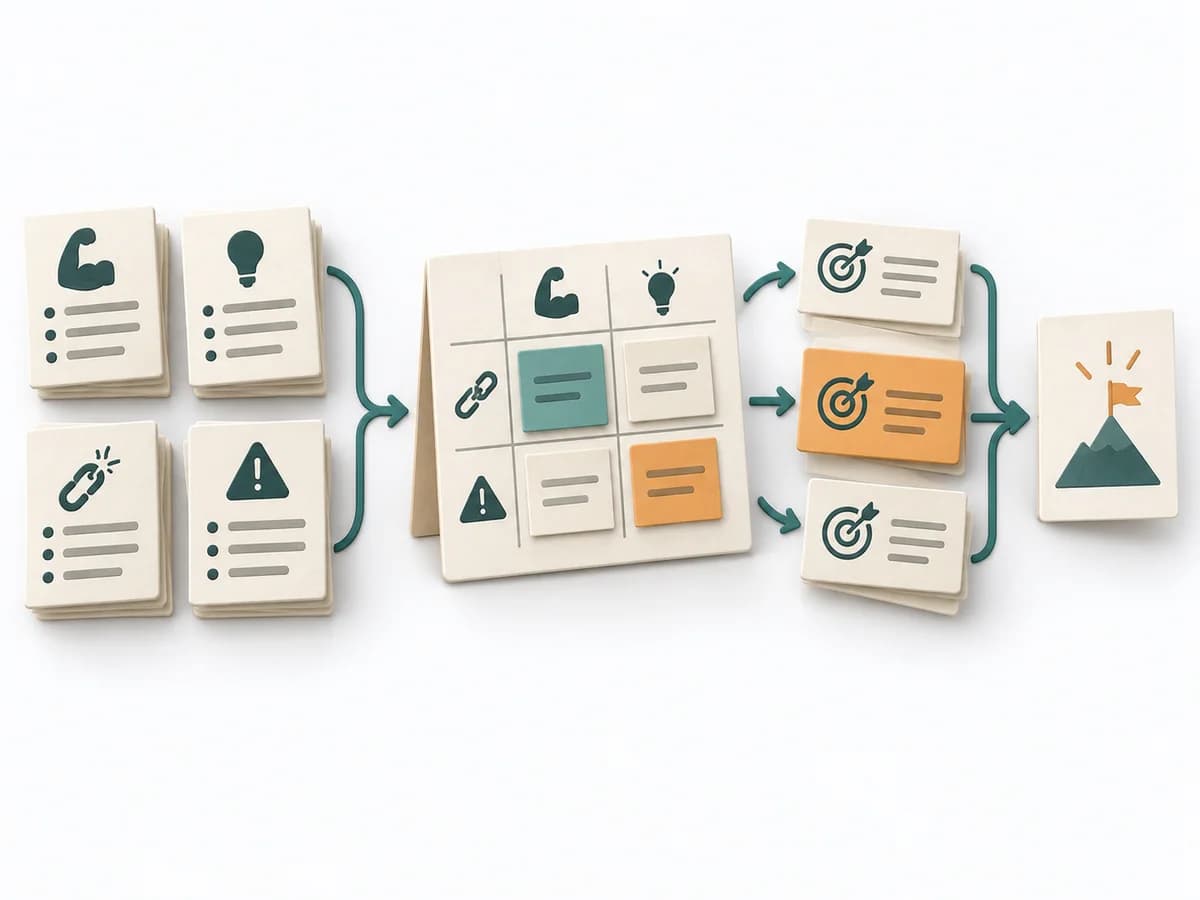
Choose options: Choose options
- driver analysis
- Activity and cost data
- Customer value and process knowledge
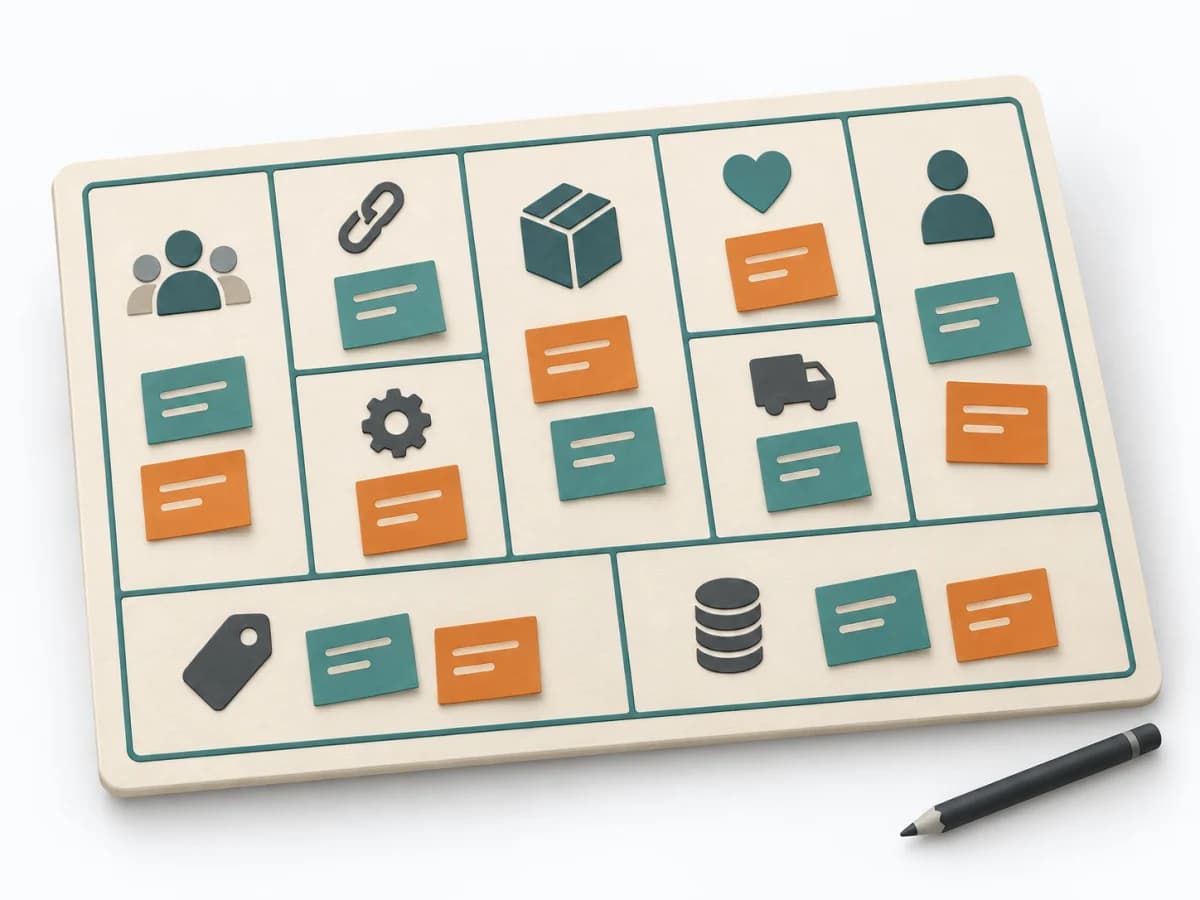
value chain map
Business and customer
Offer · segment · boundary
...
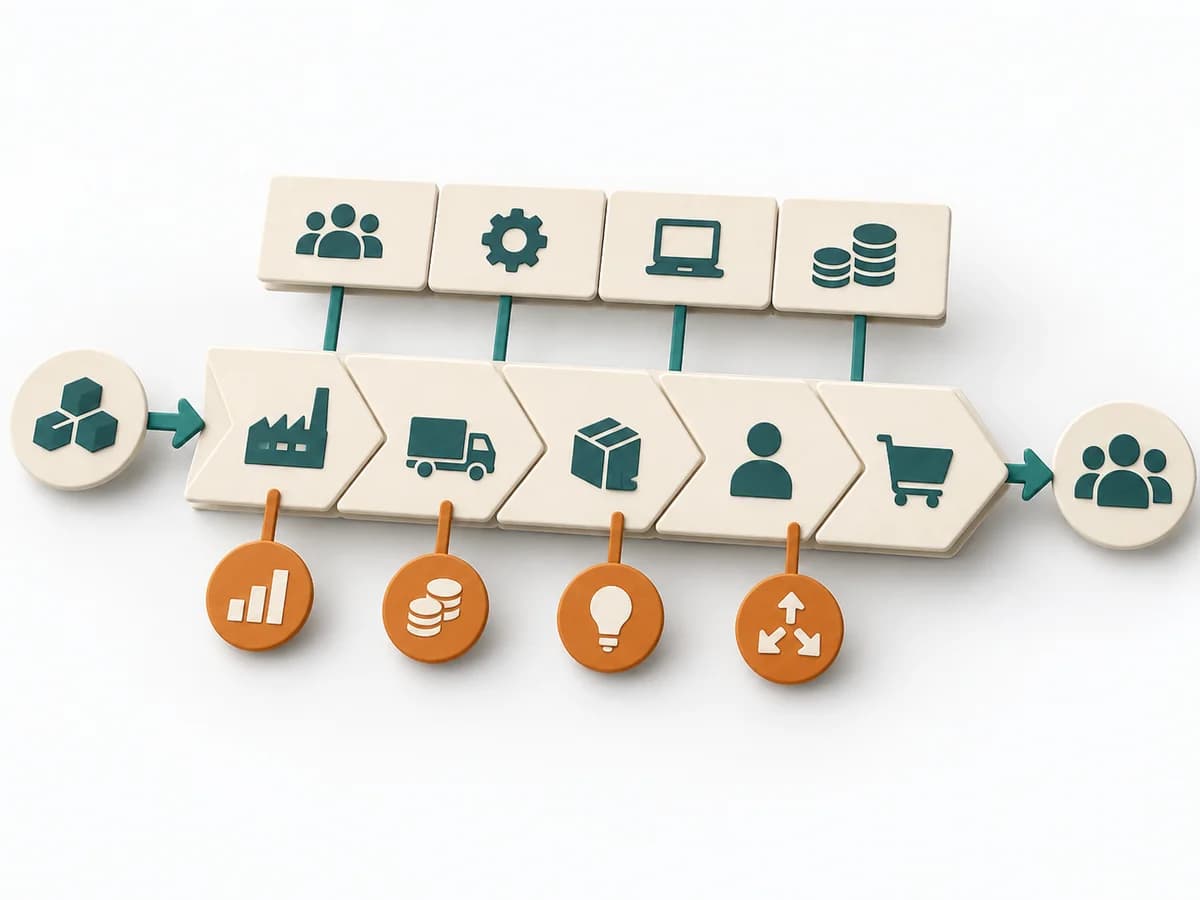
Primary activities
Inbound · Operations · Outbound · Sales · Service
...
Support activities
Infrastructure · HR · Technology · Procurement
...
Drivers and linkage
Data · effect · linked activity
...
Strategic option
Change · trade-off · metric
...
Enter only real input, sources, and decisions.
Harvard Business School: The Value Chain
Set boundary: Set boundary
Expected artifact: analysis boundary
analysis boundary · source · uncertainty · next decision
Entry:
...
Map activities: Map activities
Expected artifact: activity chain
activity chain · source · uncertainty · next decision
Entry:
...
Analyse drivers: Analyse drivers
Expected artifact: driver analysis
driver analysis · source · uncertainty · next decision
Entry:
...
Choose options: Choose options
Expected artifact: intervention portfolio
intervention portfolio · source · uncertainty · next decision
Entry:
...
Open questions and next steps
...
Method guide: https://methodatlas.meierhoff-systems.de/en/methods/value-chain-analysis/run-sheet