Purpose
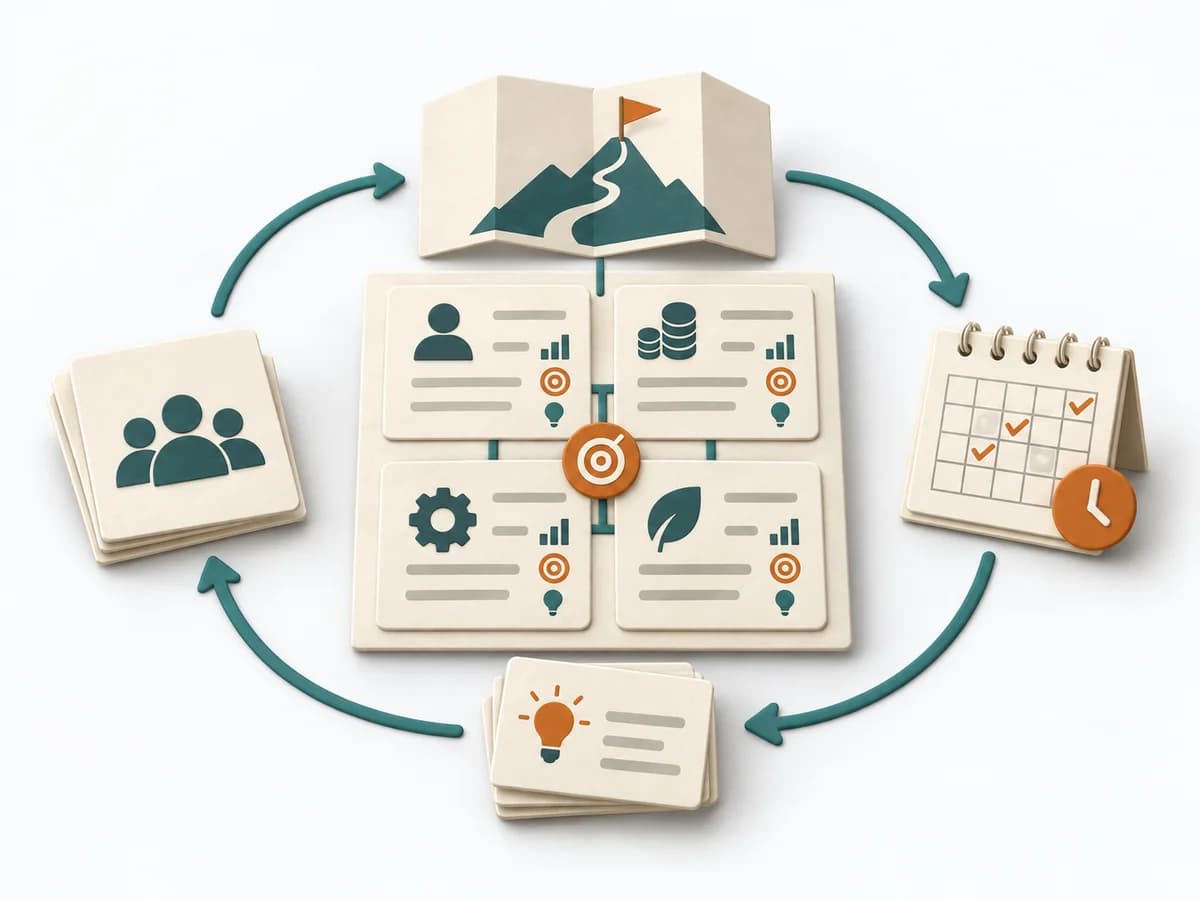
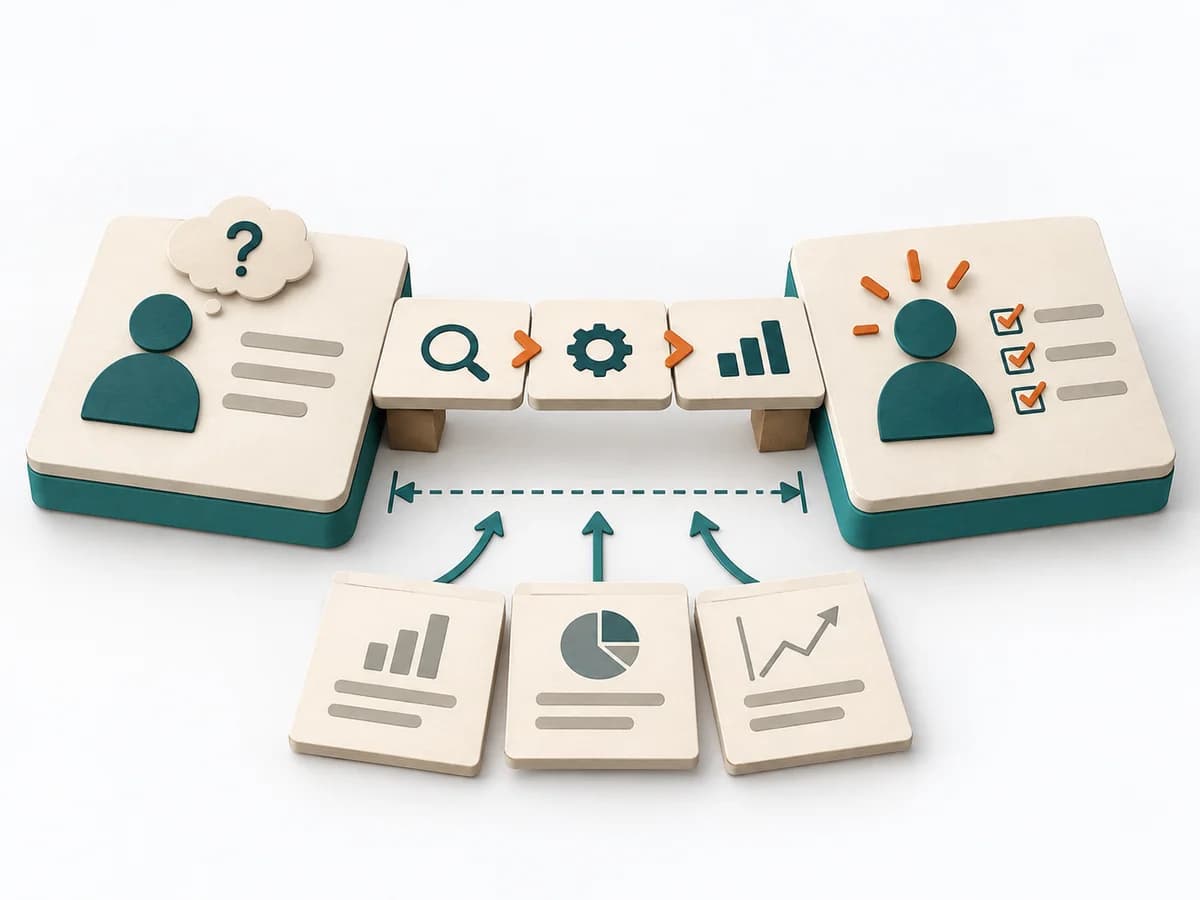
GAP Analysis compares the current state with a target picture and makes the distance manageable. It becomes useful when, ahead of new initiatives, it must become clear which capabilities, processes, or resources are missing.
Business Strategy Planning tool
Compares an evidence-based current state with an operationalized target and exposes gaps and testable actions.
Gap Analysis compares an evidence-based current state with an operationalized target state to derive gaps and testable actions. Quality depends on comparable definitions and sound baseline data.
Which evidence-based gap blocks the target, and what action could close it measurably?
Which evidence-based gap blocks the target, and what action could close it measurably?
Target
Define target, time, boundary and decision owner; source the current state.
Gap
Quantify only with comparable data; separate observed gap from possible cause.
Actions
Define targeted actions with expected effect, effort, owner and dependencies.
Review
Set owner, measure, source and review date for each action.
Update the work record when new evidence, changed constraints or the planned review changes an assumption.
For a bounded performance, capability or process question with a defined target horizon. Do not invent a gap when current and target measures differ.

Defined target, time, boundary, decision owner, and sourced current state.

Quantified or described gap based on comparable data, separated from the possible cause.

The action plan describes targeted changes with their expected effect, effort, owner, and prerequisites.
Owner, measure, source, and review date for each action.
Fictional example
Do not calculate a numeric gap when measures or time bases differ.
What outcome, unit and time horizon define the target?
Agreed support coverage during defined opening hours.
Which current measure and source apply to the same scope?
Roster data not yet available; do not fill a number.
What comparable difference is supported by evidence?
Unknown until current coverage is measured.
Who will close or investigate the gap and when?
Operations measures demand by time of day before recommending a shift change.
Do not calculate a numeric gap when measures or time bases differ.
Choose target, time basis, system boundary and the person who can decide a change.
GAP Analysis compares the current state with a target picture and makes the distance manageable. It becomes useful when, ahead of new initiatives, it must become clear which capabilities, processes, or resources are missing.
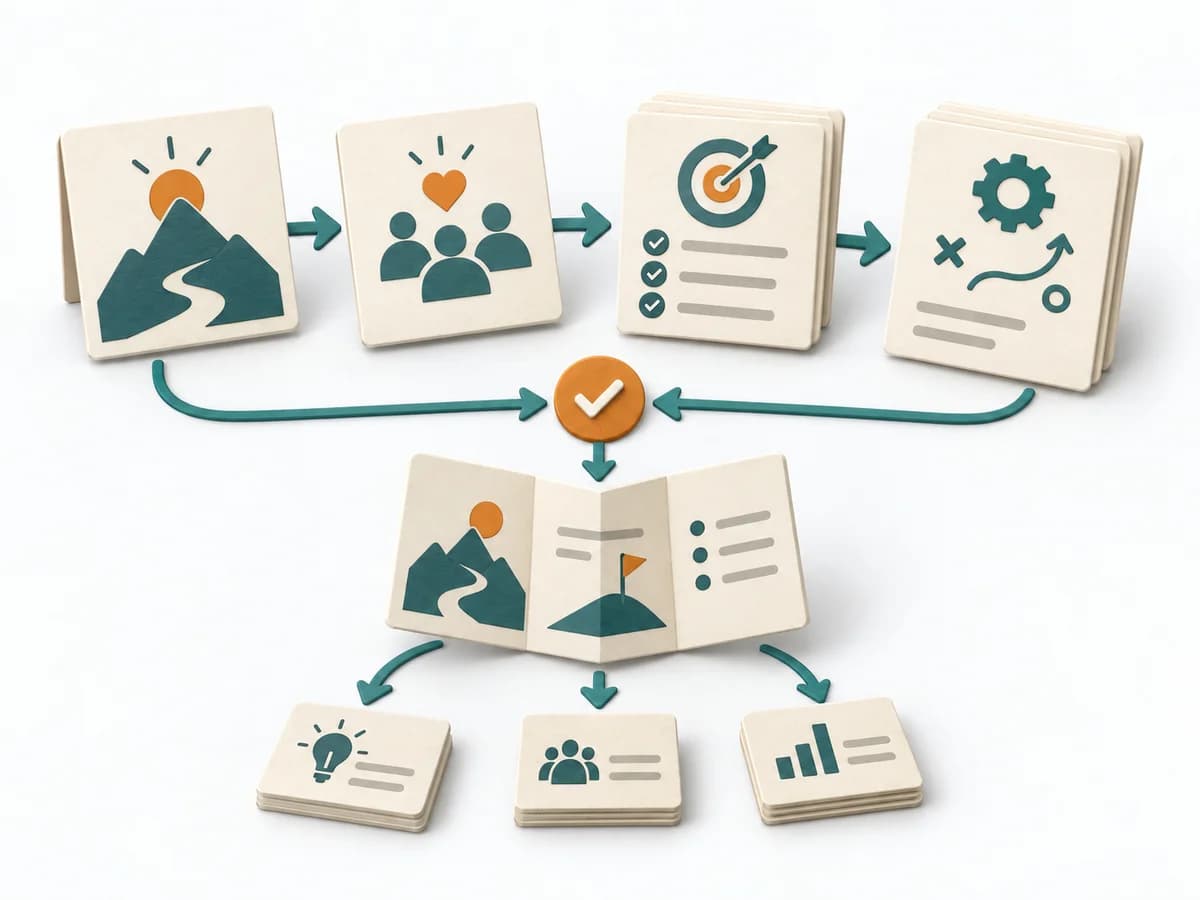
First, the current state and target state are described precisely. Then the team identifies the essential gaps in capabilities, processes, resources, or outcomes and ranks them by priority. This turns diffuse distances into concrete fields of work.
GAP Analysis works because it concretely names the distance between the desired target state and today's reality. Its benefit increases when the target state is described precisely enough and the gaps are distinguished by significance, cause, and fixability. Good application connects finding, responsibility, and needed capability, turning an abstract picture of deficits into a realistic path for improvement.
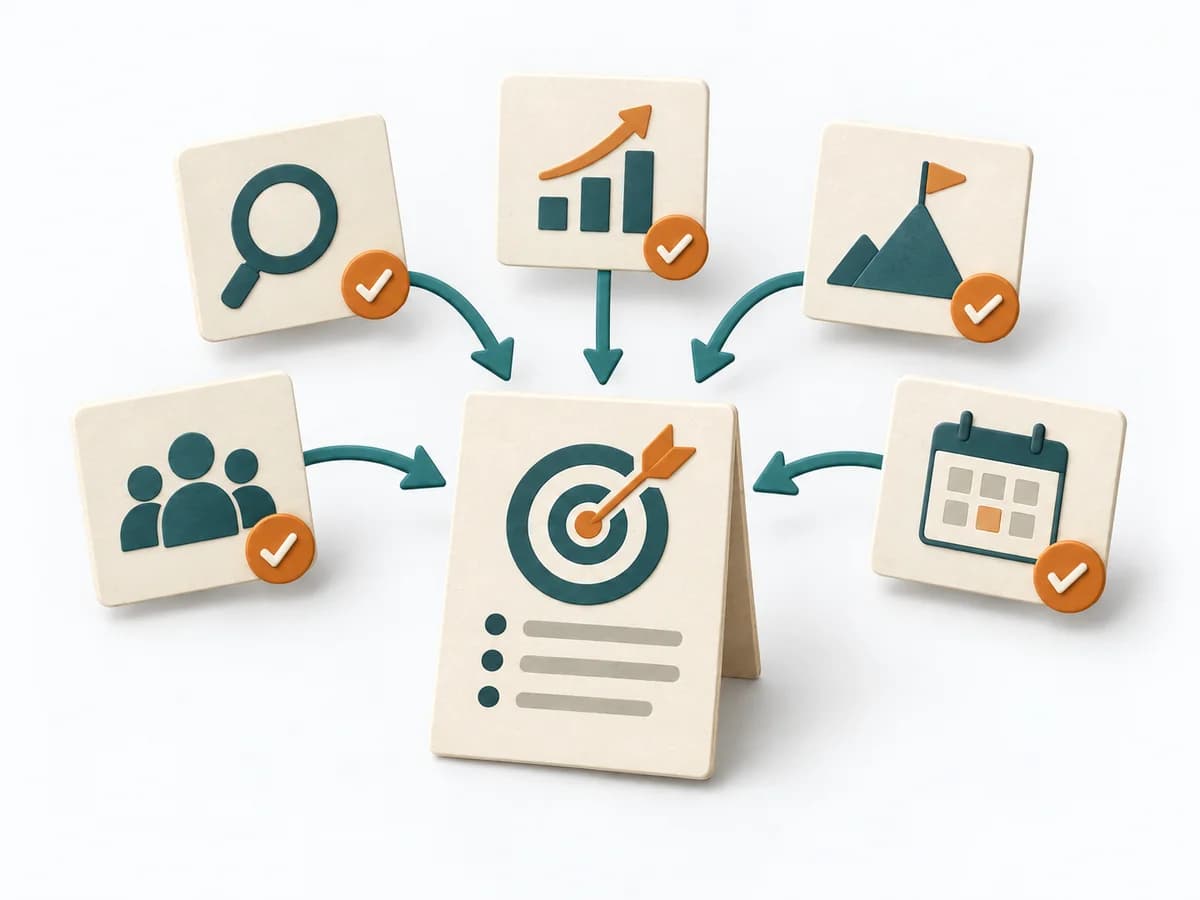
Decide in advance which target state serves as the reference and which evidence for the current situation is accepted. A sensitive point arises when causes and symptoms get mixed up; then the group should be brought back to the actual gap. Close with a few prioritized gaps, their owners, and a first check or implementation impulse.
The method guide walks execution through 4 phases, timing, 4 pitfalls, and clear stop criteria.
Open method guideYour perspective
Your feedback helps shape the next improvements to methodatlas.
Plan a session or initiative to match the actual scope of work.
To be confirmed
To be confirmed
Prepare the full method Time: 60–180 minutes for a prepared comparison; data collection and implementation are separate.
Complete this worksheet on paper or in your own document during the work.
What outcome, unit and time horizon define the target?
...
Which current measure and source apply to the same scope?
...
What comparable difference is supported by evidence?
...
Who will close or investigate the gap and when?
...
Blank worksheet: prompts only; do not copy example data.
Expected artifact: Comparable target and baseline
Comparable target and baseline
Entry:
...
Expected artifact: Gap with evidence status
Gap with evidence status
Entry:
...
Expected artifact: Prioritized actions and questions
Prioritized actions and questions
Entry:
...
Expected artifact: Actionable review plan
Actionable review plan
Entry:
...
...
Method guide: https://methodatlas.meierhoff-systems.de/en/methods/gap-analysis/run-sheet
Fitting alternatives with decision guidance, followed by other related methods.

Instead of GAP Analysis, when you need a quick situational overview of strengths, weaknesses, opportunities, and threats instead of target-actual gaps.
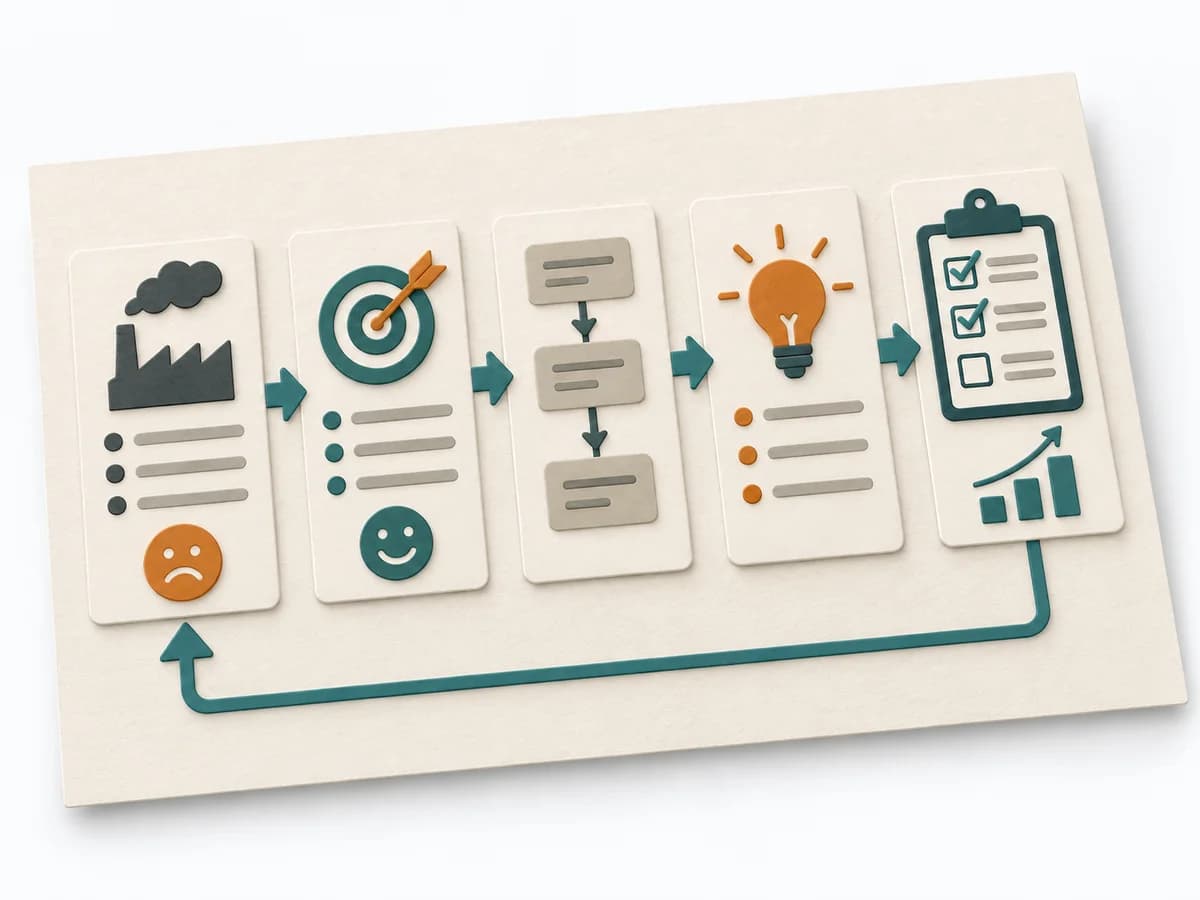
Instead of GAP Analysis, when you want to use A3 Problem Solving to condense a problem onto one page covering situation, cause, countermeasures, and learning.

Clarifies starting point, opportunities, and strategic options by defining the scope and market, gathering factors by category, and formulating strategic questions.
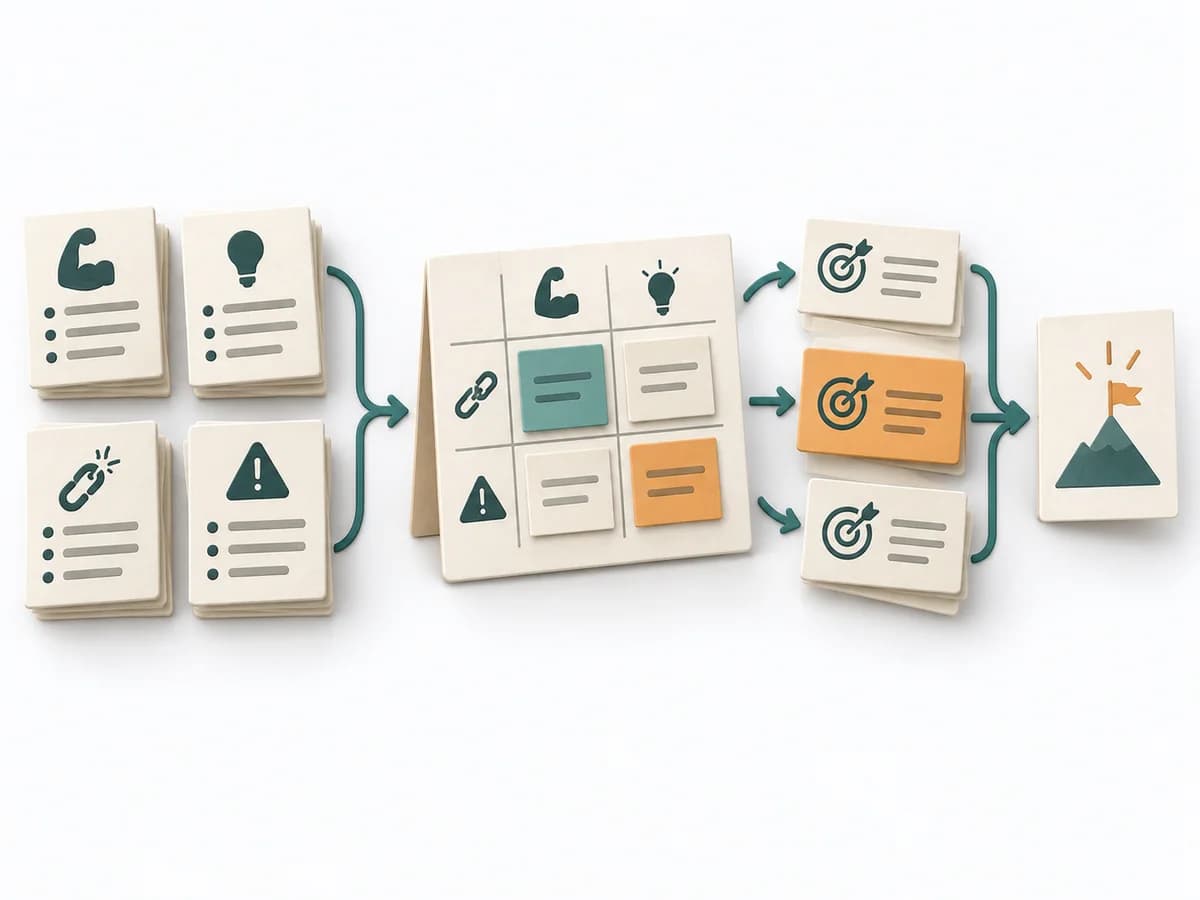
Derives concrete strategies from SWOT factors, connecting strengths, opportunities, weaknesses, and threats.
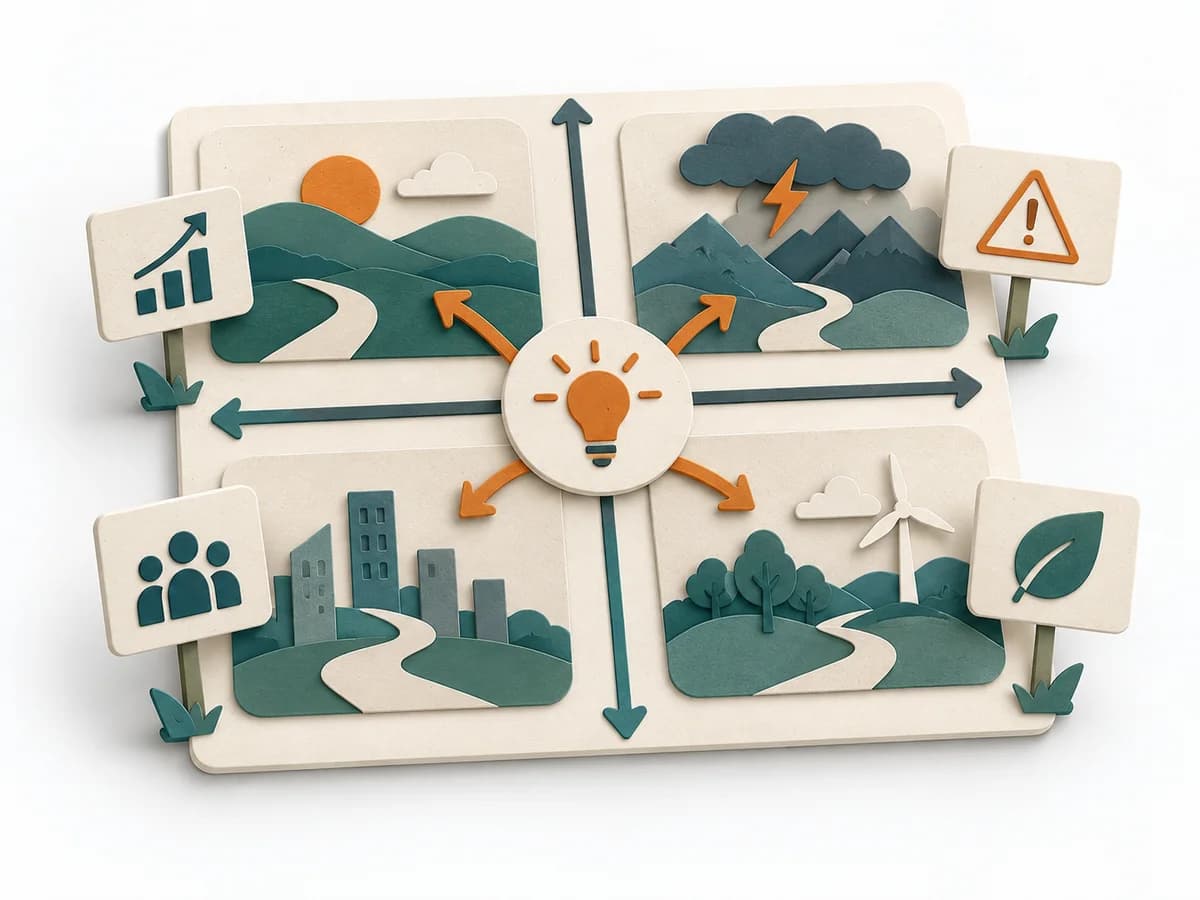
Develops scenarios around critical uncertainties and tests which options stay robust even under change.
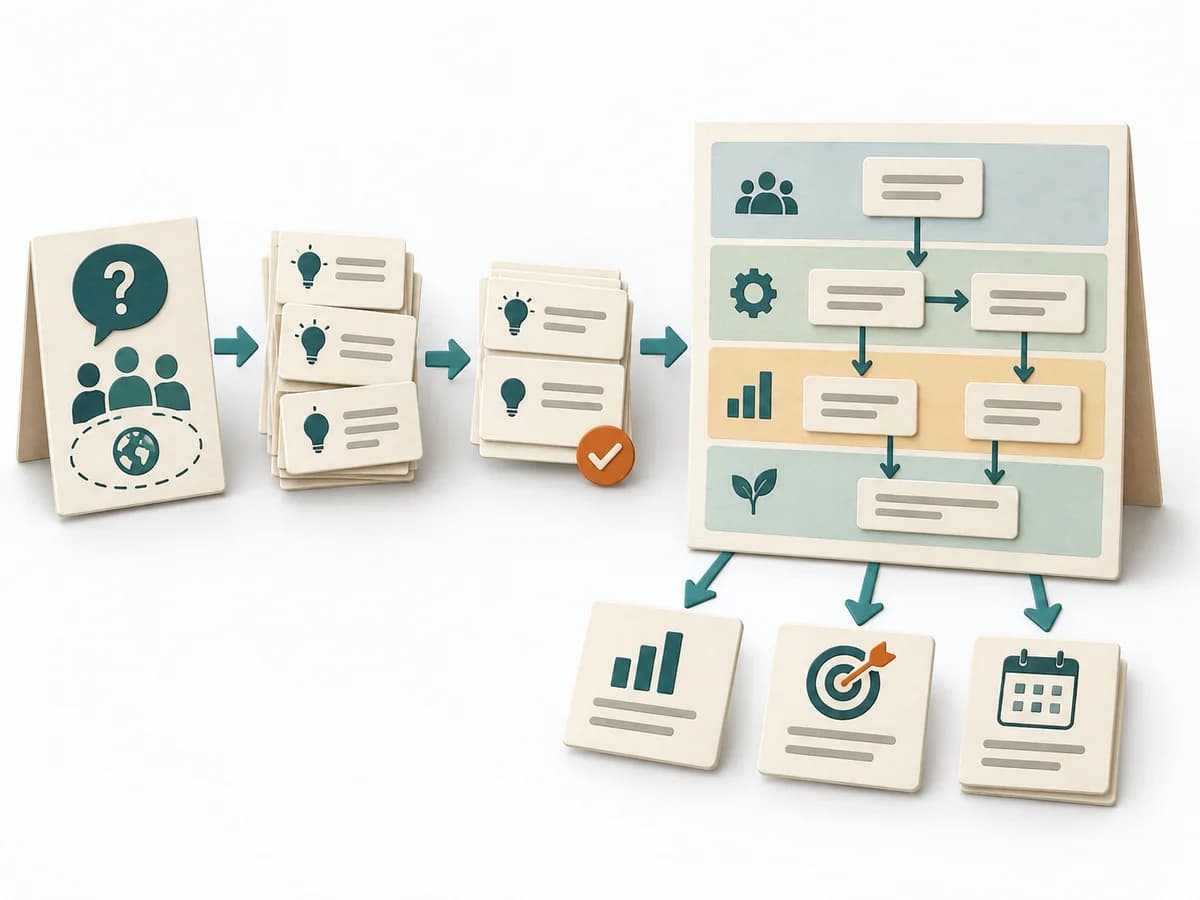
Visualizes strategic objectives and cause-and-effect relationships so a leadership team sees the same strategy story.