Purpose
When story, test, and implementation could drift apart, it brings business perspective, engineering, and quality together early. It prevents a story from being read differently only late in the process.
Agile Facilitation method
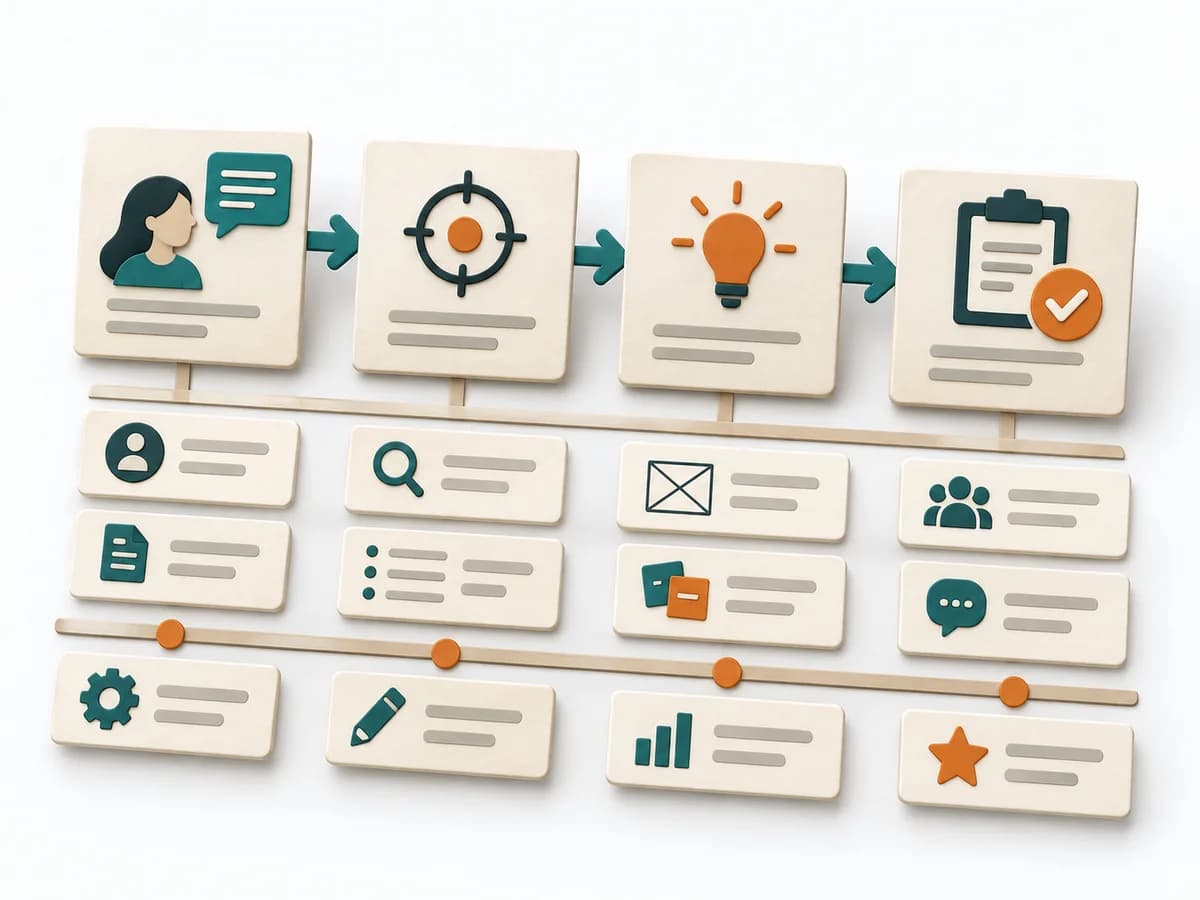
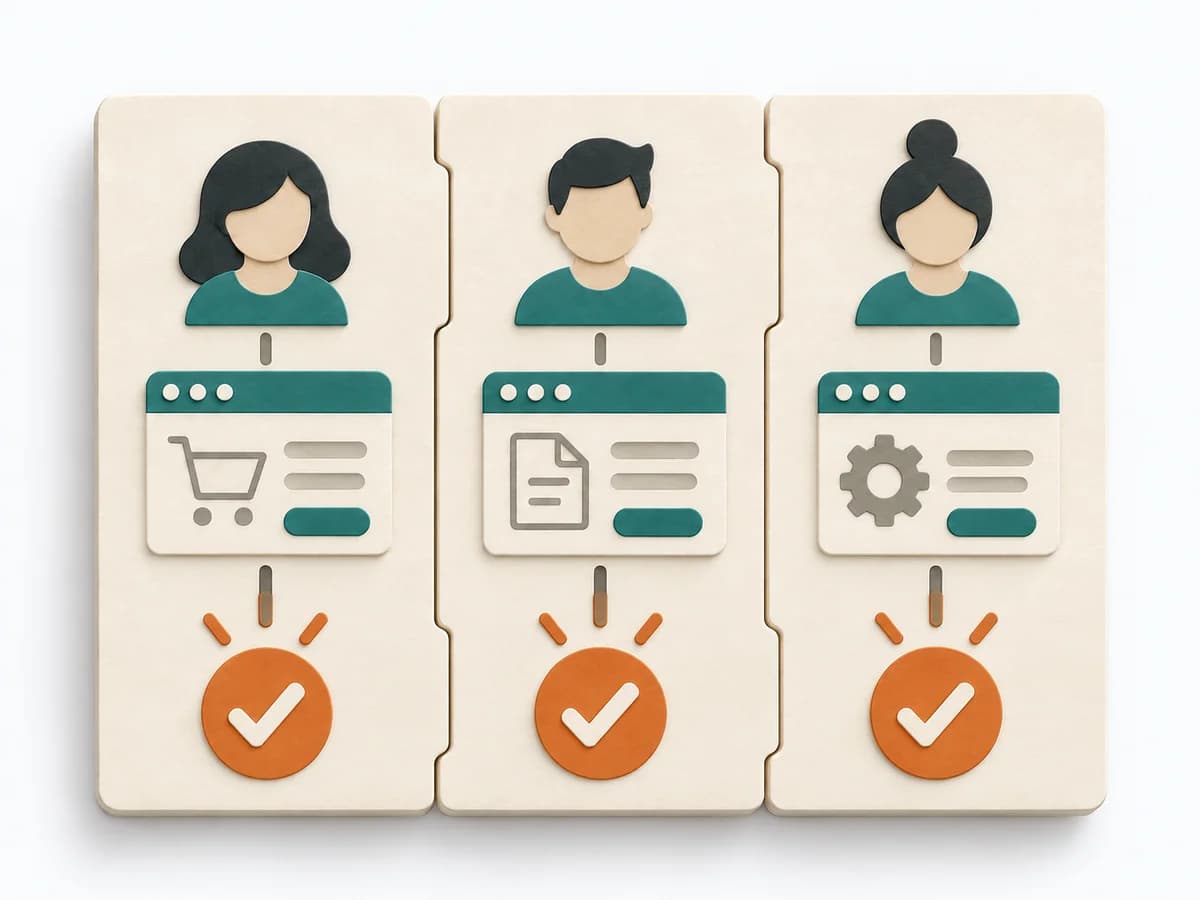
Three perspectives jointly examine one story: business intent, implementation and testability. Examples make assumptions visible before implementation.
Three perspectives jointly examine one story: business intent, implementation and testability. Examples make assumptions visible before implementation.
Which examples express business intent, technical feasibility and testable behavior?
Which examples express business intent, technical feasibility and testable behavior?

Story
Bring a relevant backlog story with known outcome, context and open questions.
Business
Explain intent and rules; ask for concrete examples and exceptions.
Engineering
Engineering identifies dependencies, risks and open architecture questions without turning the session into solution design.
Tests
Write observable examples; record open questions, owners and follow-up points.
Update the work record when new evidence, changed constraints or the planned review changes an assumption.
For refinement of a concrete story, especially when rules, edge cases or quality risks need clarification. Not a substitute for product strategy.
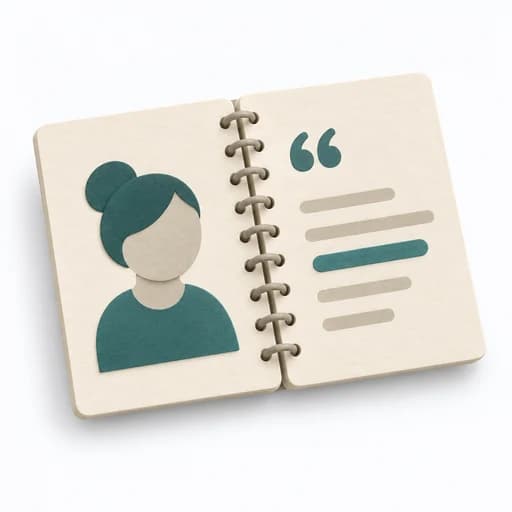
The shared story focus contains a relevant backlog story with a known outcome, context, and open questions.

The examples of desired behaviour make intent, rules, concrete examples, and exceptions visible.
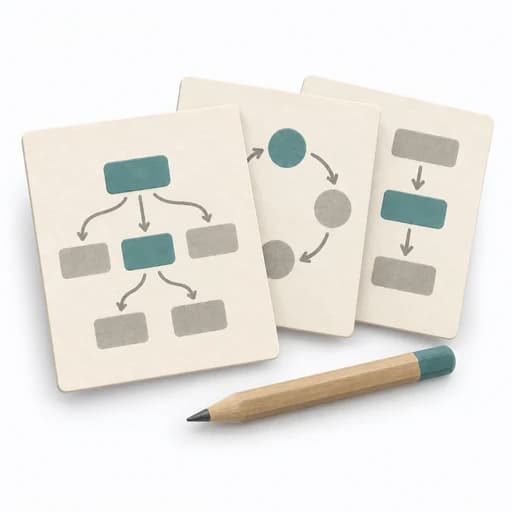
The technical conditions and open questions identify dependencies, risks, and open architecture questions without turning the session into solution design.

The shared examples and next steps contain observable examples, open questions, owners, and follow-up points.
Fictional example
Method-specific prompts and a fictional worked example; template prompts remain empty.
Choose one story that needs examples or rule clarification.
**Story:** “As a customer, I want to save a delivery address so that my next order takes less time.”
Walk through examples of expected behavior.
**Business example:** A valid address can be selected; an incomplete address cannot be saved.
Name relevant technical and operational constraints.
**Technical question:** Check the existing address model and user permissions before implementation.
State trigger and expected result for each example.
**Test examples:** Valid address → selection is available; missing postal code → clear error.
Agile Alliance describes a Three Amigos conversation across perspectives around a story; examples focus it before delivery.
Bring one story, its user context and known open questions.
When story, test, and implementation could drift apart, it brings business perspective, engineering, and quality together early. It prevents a story from being read differently only late in the process.
It connects perspectives on the same requirement and forces the group to sharpen examples, risks, and test criteria together. Business, engineering, and testing share their reading early so edge cases surface before implementation.
Three Amigos works because different viewpoints on the same requirement uncover early misunderstandings before they migrate into code or acceptance. Good use thrives on real tension between business perspective, product view, and technical feasibility. Once contradictions in terms, examples, or quality expectations surface, a loose alignment turns into a sharp clarification of the desired behavior.
Choose a requirement where business logic and implementation visibly interlock, and start directly with the concrete case. Especially revealing is the moment when two participants interpret the same word differently. Close with jointly understood examples, open risks, and a clear signal of what still needs clarifying before implementation.
The method guide walks execution through 4 phases, timing, 4 pitfalls, and clear stop criteria.
Open method guideYour perspective
Your feedback helps shape the next improvements to methodatlas.
Plan a session or initiative to match the actual scope of work.
To be confirmed
To be confirmed
Prepare the full method Time: 15–30 minutes per prepared story; separate research for unresolved questions.
Complete this worksheet on paper or in your own document during the work.
Choose one story that needs examples or rule clarification.
...
Walk through examples of expected behavior.
...
Name relevant technical and operational constraints.
...
State trigger and expected result for each example.
...
Blank worksheet contains prompts only, with no example data.
Expected artifact: Shared story focus
Shared story focus
Entry:
...
Expected artifact: Examples of desired behavior
Examples of desired behavior
Entry:
...
Expected artifact: Technical conditions and open questions
Technical conditions and open questions
Entry:
...
Expected artifact: Shared examples and next steps
Shared examples and next steps
Entry:
...
...
Method guide: https://methodatlas.meierhoff-systems.de/en/methods/three-amigos/run-sheet
Fitting alternatives with decision guidance, followed by other related methods.
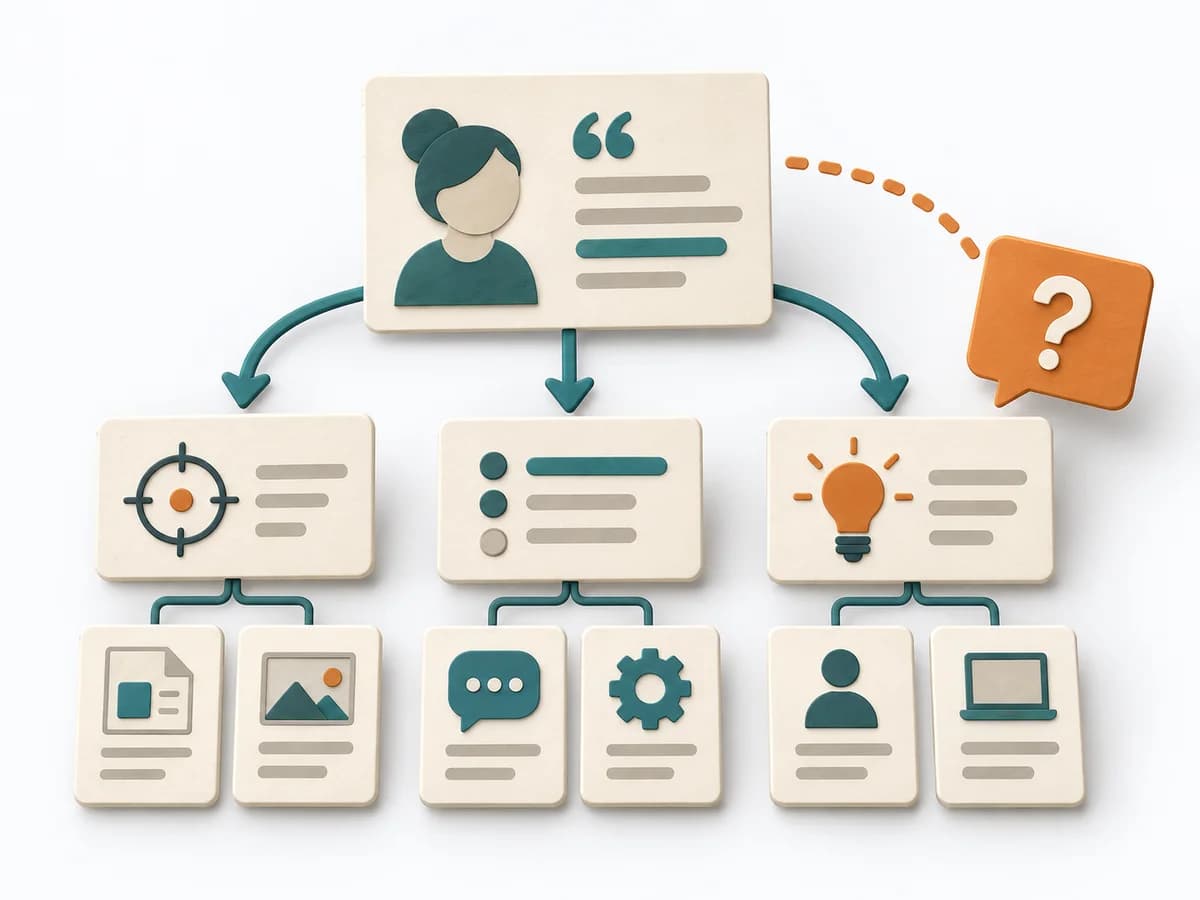
Instead of Three Amigos, when you want to use concrete examples as a bridge between domain language and acceptance criteria.
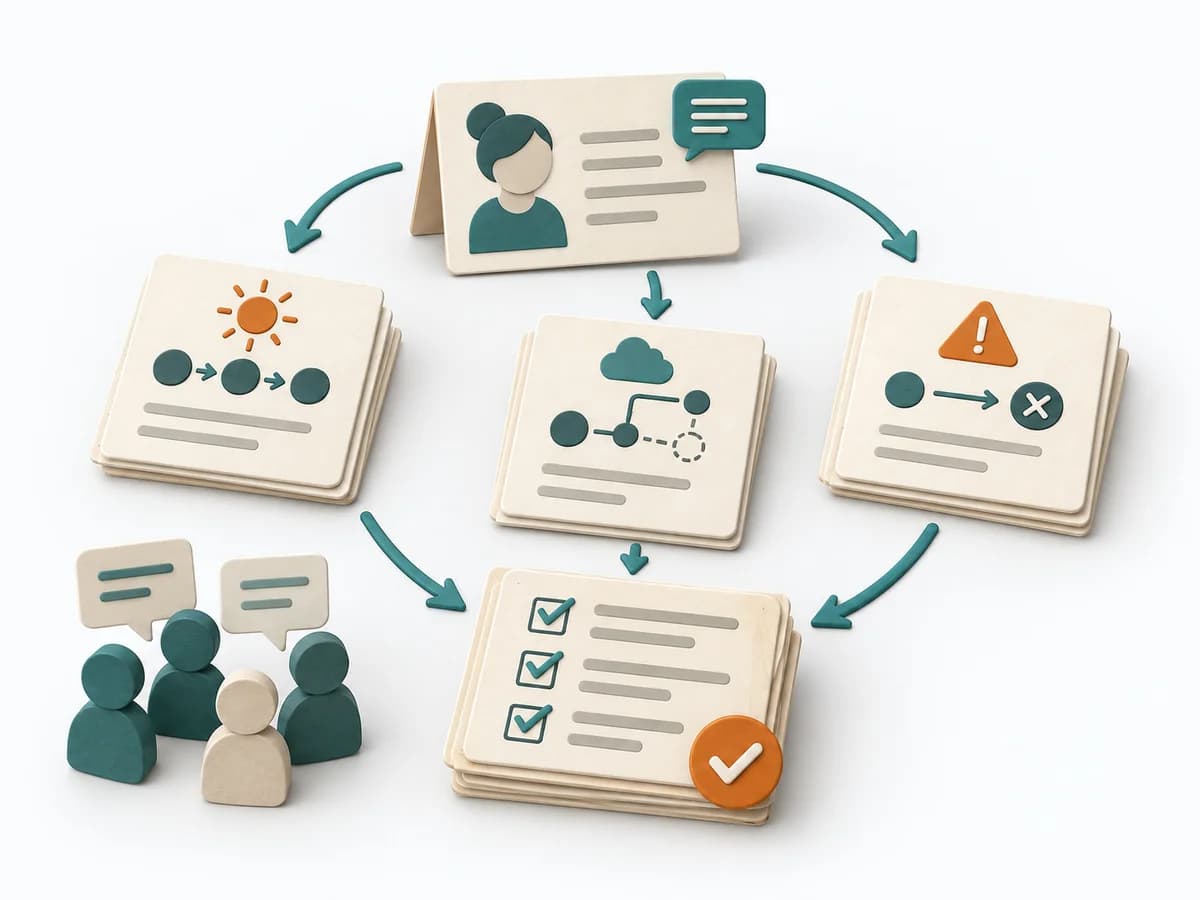
Moves backlog, sprint work, and team flow toward a concrete result through "pin the story summary to the whiteboard", "write the happy path as Given-When-Then", and "copy the criteria into the story tool".
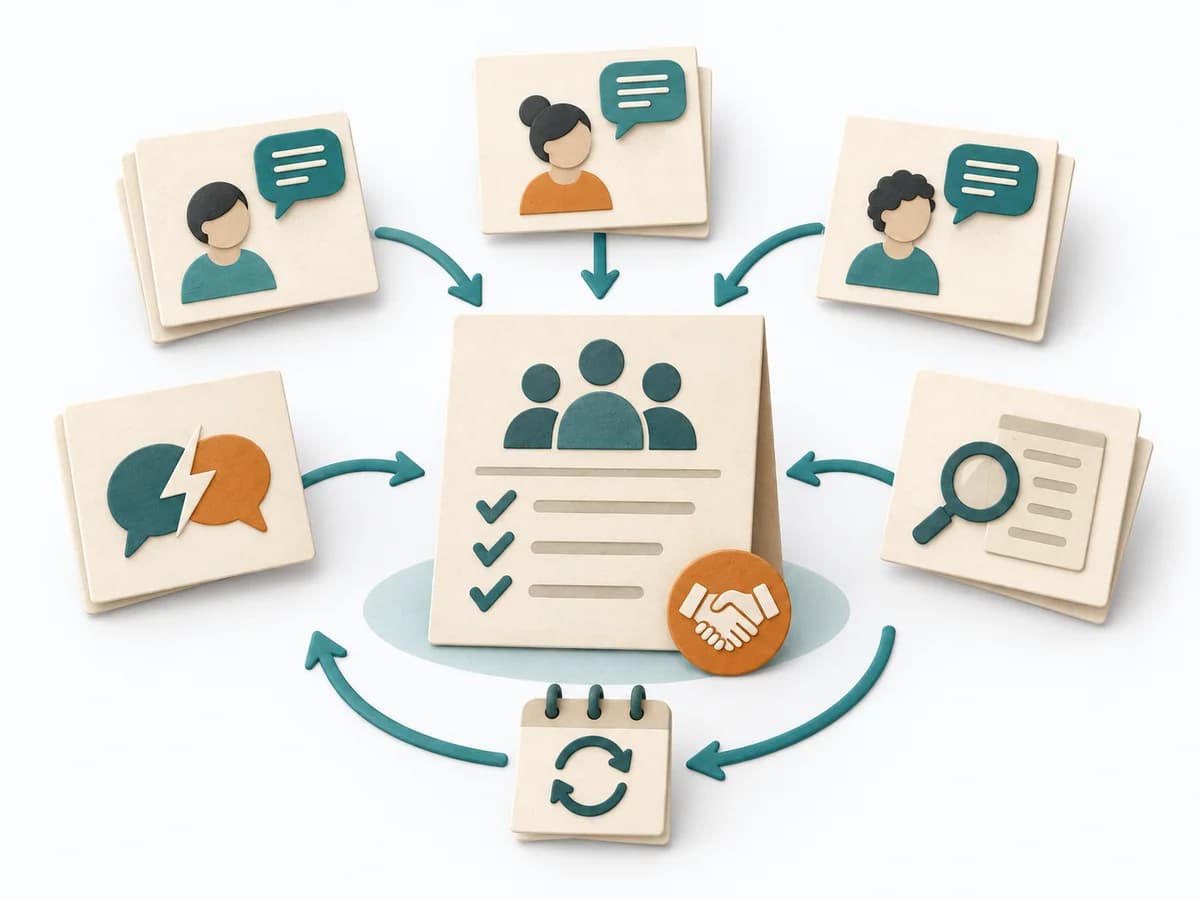
Jointly formulates valid working rules and clarifies how the team handles expectations, conflicts, and reviews.
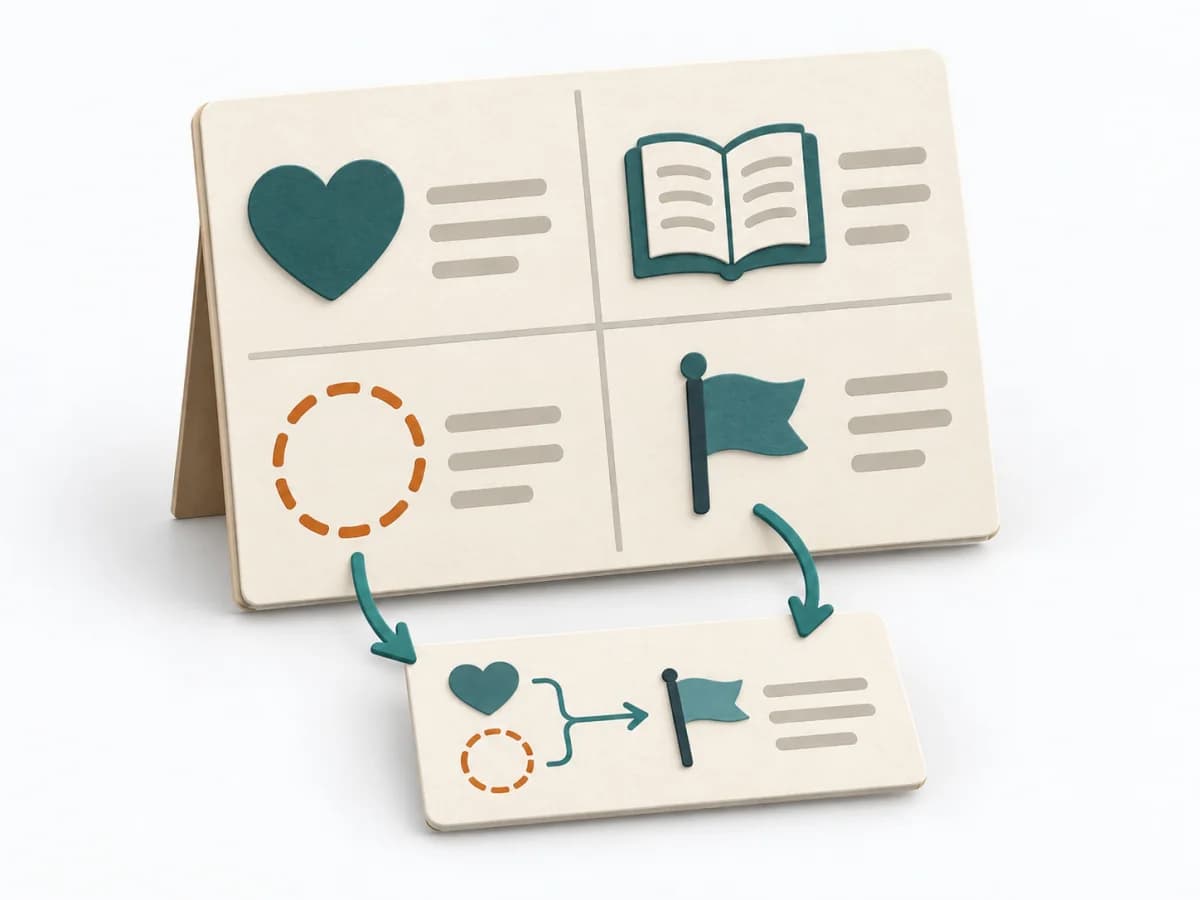
Sorts review, learning points, and friction into Liked, Learned, Lacked, and Longed For for concrete improvements.
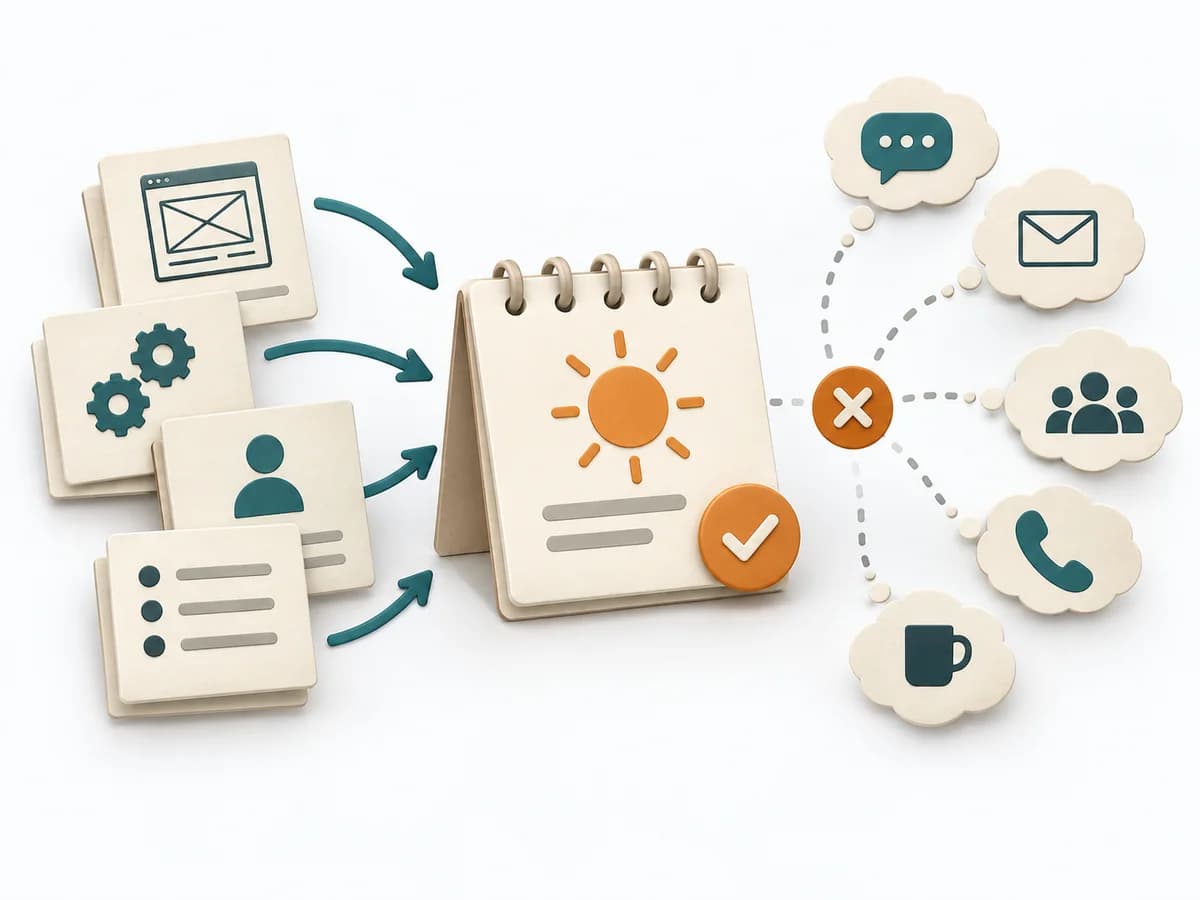
Moves backlog, sprint work, and team flow toward a concrete result through "explain the ideal day unit", "calibrate with a reference item", and "do not confuse it with calendar days".
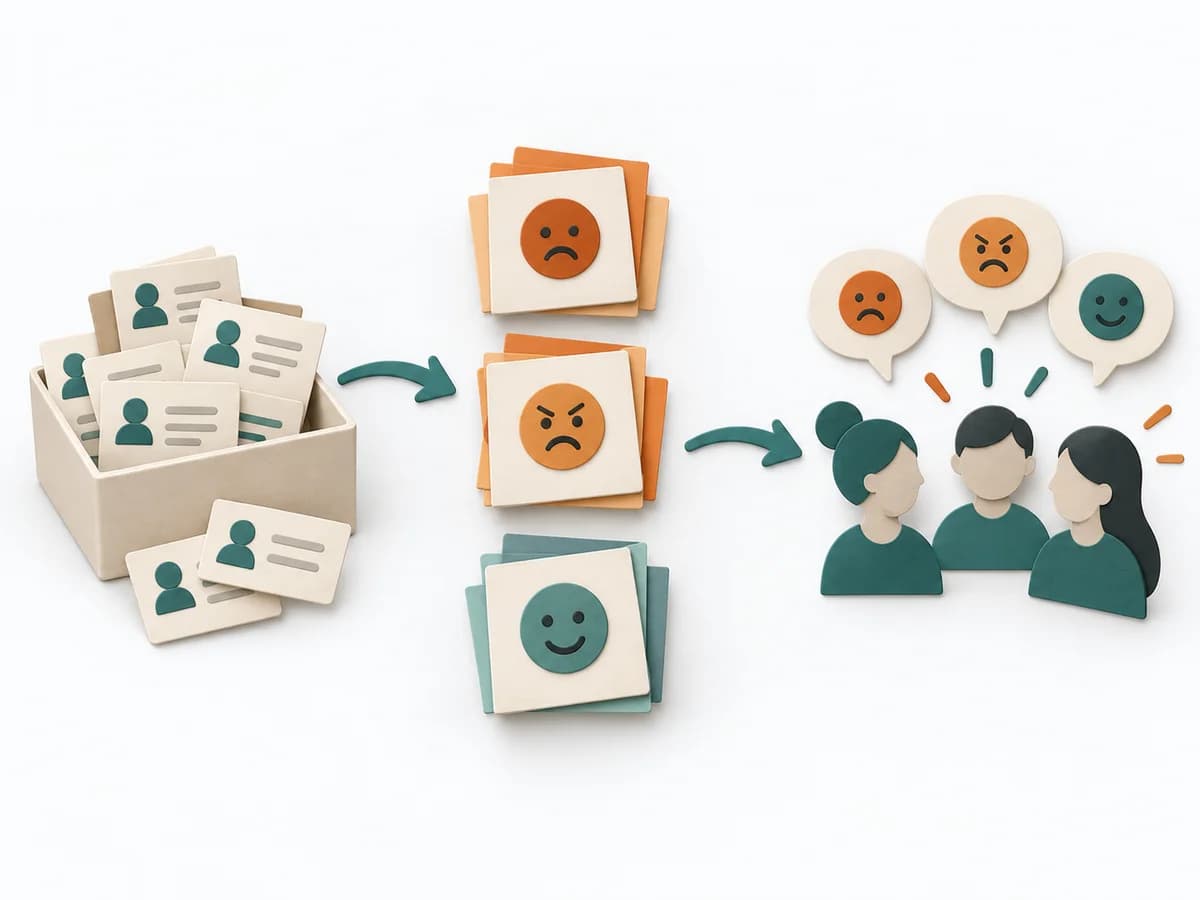
Collects emotional signals from the team, clusters them into themes, and makes real conversation topics visible.
