Purpose
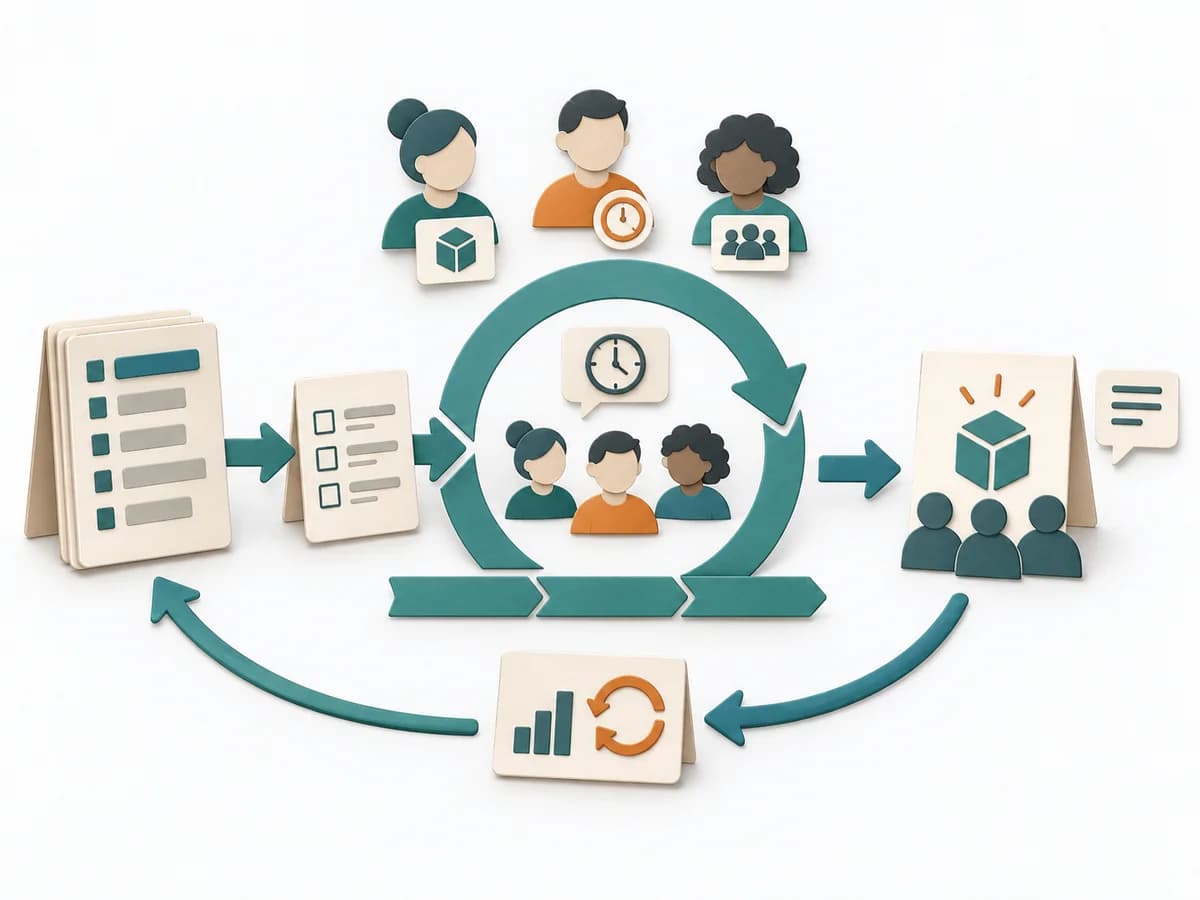
When business rules need to become precise, it ties language, example, and test together. It sorts work by value, risk, and delivery ability. The result is captured as an Example Table and Acceptance Tests.
Agile Workshop method
Makes business rules jointly understandable, formalisable, and later automatable through concrete examples.
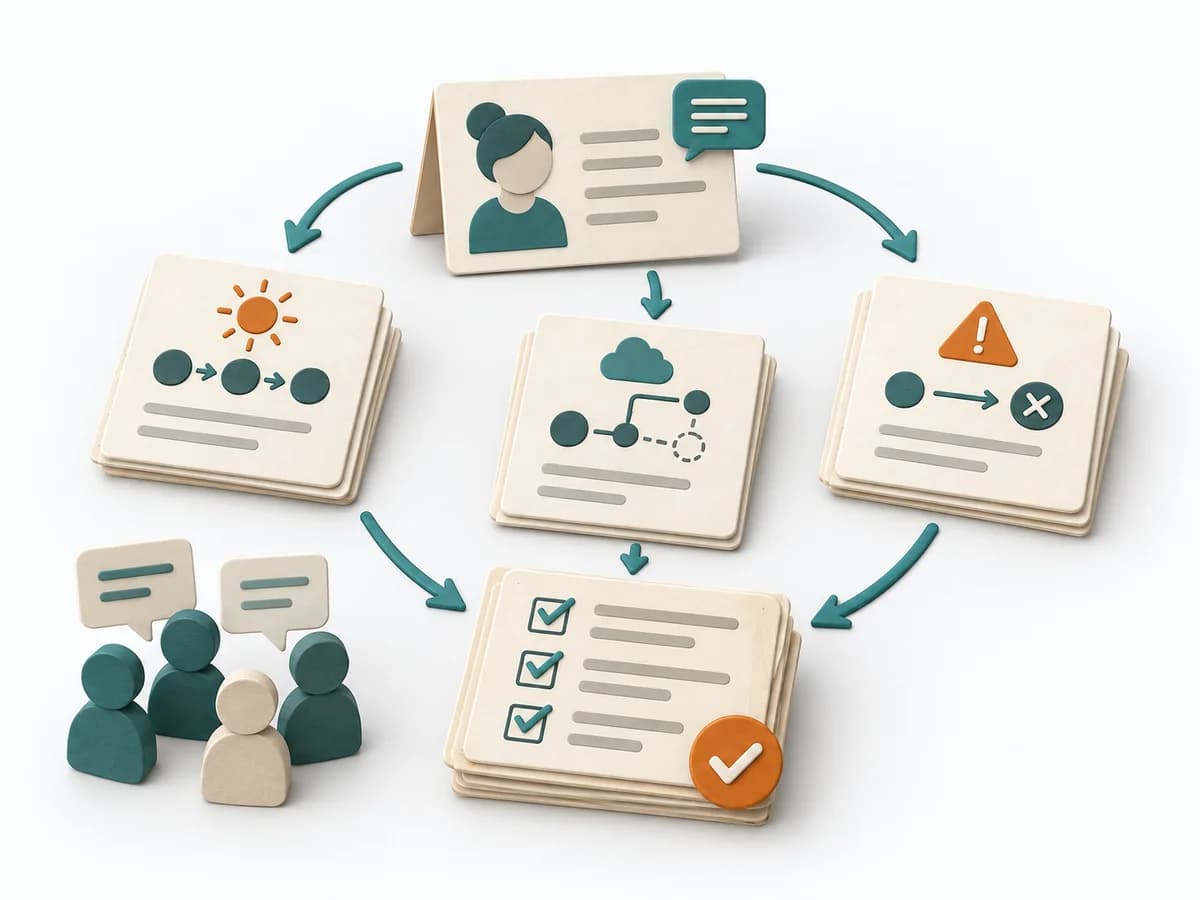
Specification by Example connects Discovery, Formulation, and Automation. Business, development, and test roles clarify rules with realistic examples, express them in domain language, and keep executable specifications aligned with system behaviour.
Which concrete examples show that the business rule is correctly, completely, and testably understood?
Discovery clarifies rules and examples, Formulation makes them readable and executable, and Automation checks system behaviour.
Discover
Build shared understanding of the rule, boundaries, and open questions.
Formulate
Express selected examples with context, event, and expected outcome.
Automate
Integrate executable examples as fast, reliable delivery feedback.
Maintain
Synchronise rules, examples, automation, and system behaviour when change occurs.
Update examples with every rule change; version specification and automation with product code.
Useful for behaviour-rich software requirements and rules with boundaries. Technical quality attributes need additional measurable criteria.
Business rules, typical cases, boundaries, counter-examples, and open questions.
Domain-language examples with automation status and shared versioning.
Fictional worked example
Each row connects a business rule to one concrete example and remaining clarification.
| Example | Business rule | Given: context | When: event | Then: outcome | Open question or boundary |
|---|---|---|---|---|---|
| Cancellation exactly 24 hours beforeBoundary example | Cancellation is free until and including 24 hours before start. | Appointment starts 20 June at 10:00; €120 paid. | Customer cancels 19 June at 10:00. | €120 is refunded in full; confirmation shows €0 fee. | Which timezone determines start and cancellation time? |
One example illustrates one rule. Resolve questions before Formulation or defer them visibly.
Start with the core question: Which concrete examples show that the business rule is correctly, completely, and testably understood?
When business rules need to become precise, it ties language, example, and test together. It sorts work by value, risk, and delivery ability. The result is captured as an Example Table and Acceptance Tests.
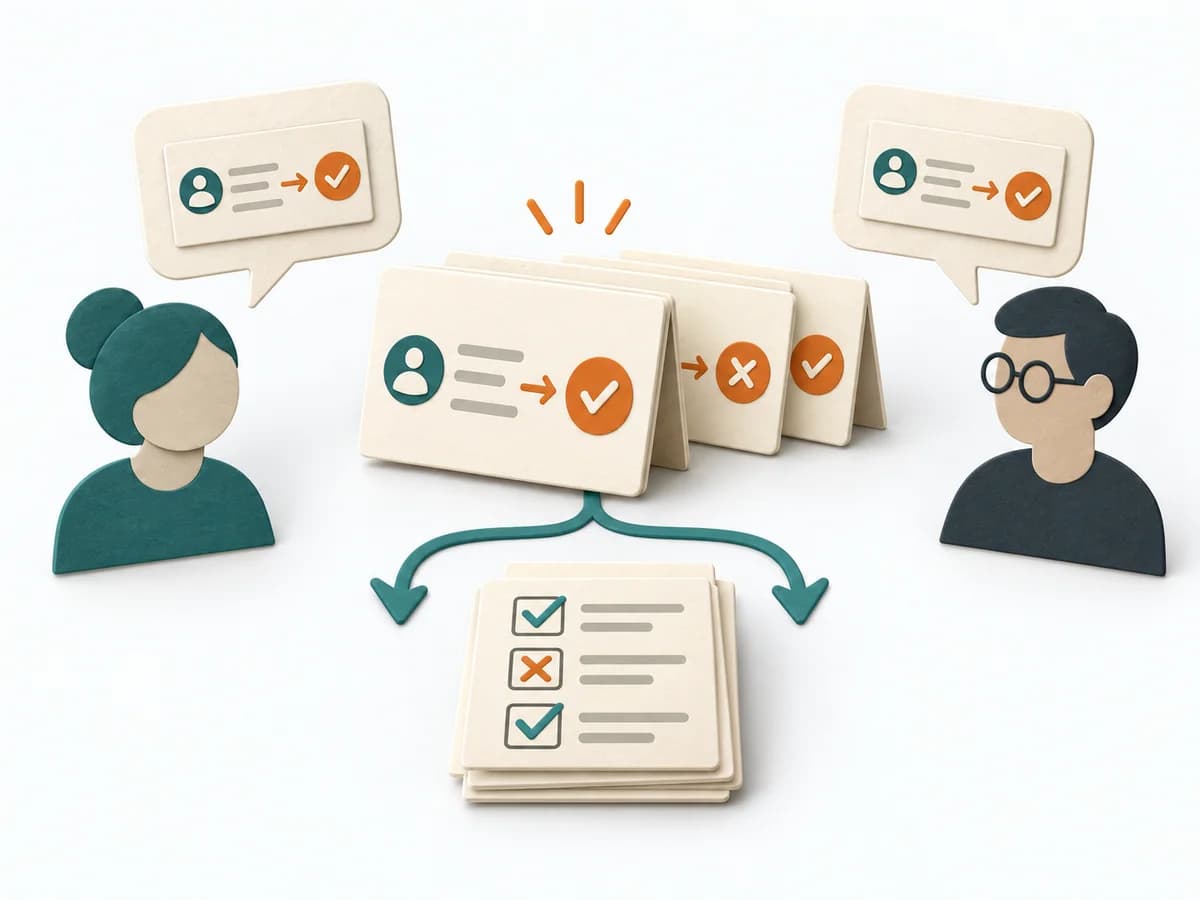
It formulates behavior through concrete examples and uses them as a shared reference for understanding and validation. This turns description into a verifiable specification that all sides can read and check against the same cases.
Specification by Example, popularized by people such as Gojko Adzic, adds concrete examples to user stories and later uses them as executable tests. The examples are created collaboratively and use the domain's own vocabulary. They connect discovery, refinement, and engineering without a seam.
Choose examples that cover both rules and edge cases. Avoid example numbers that create bias, such as only round numbers.
The method guide walks execution through 4 phases, timing, 4 pitfalls, and clear stop criteria.
Open method guideYour perspective
Your feedback helps shape the next improvements to methodatlas.
Plan Specification by Example with real scope, suitable roles, and a clear decision objective.
To be confirmed
To be confirmed
Establish and review the practice Time: 25–45 minutes of Discovery per small story; Formulation and Automation follow
Complete this worksheet on paper or in your own document during the work.
| Example | Rule | Initial context | Event | Observable outcome | Question · boundary |
|---|---|---|---|---|---|
| Cancellation exactly 24 hours before |
Describe business behaviour; omit UI and implementation detail.
Cucumber: Behaviour-Driven Development
Expected artifact: Example map
Rules · examples · questions · scope
Entry:
...
Expected artifact: Executable specification
Rule · Example · Given · When · Then
Entry:
...
Expected artifact: Automated examples
Specification · test binding · result
Entry:
...
Expected artifact: Living documentation
Current rules · examples · test status
Entry:
...
...
Method guide: https://methodatlas.meierhoff-systems.de/en/methods/specification-by-example/run-sheet
Fitting alternatives with decision guidance, followed by other related methods.
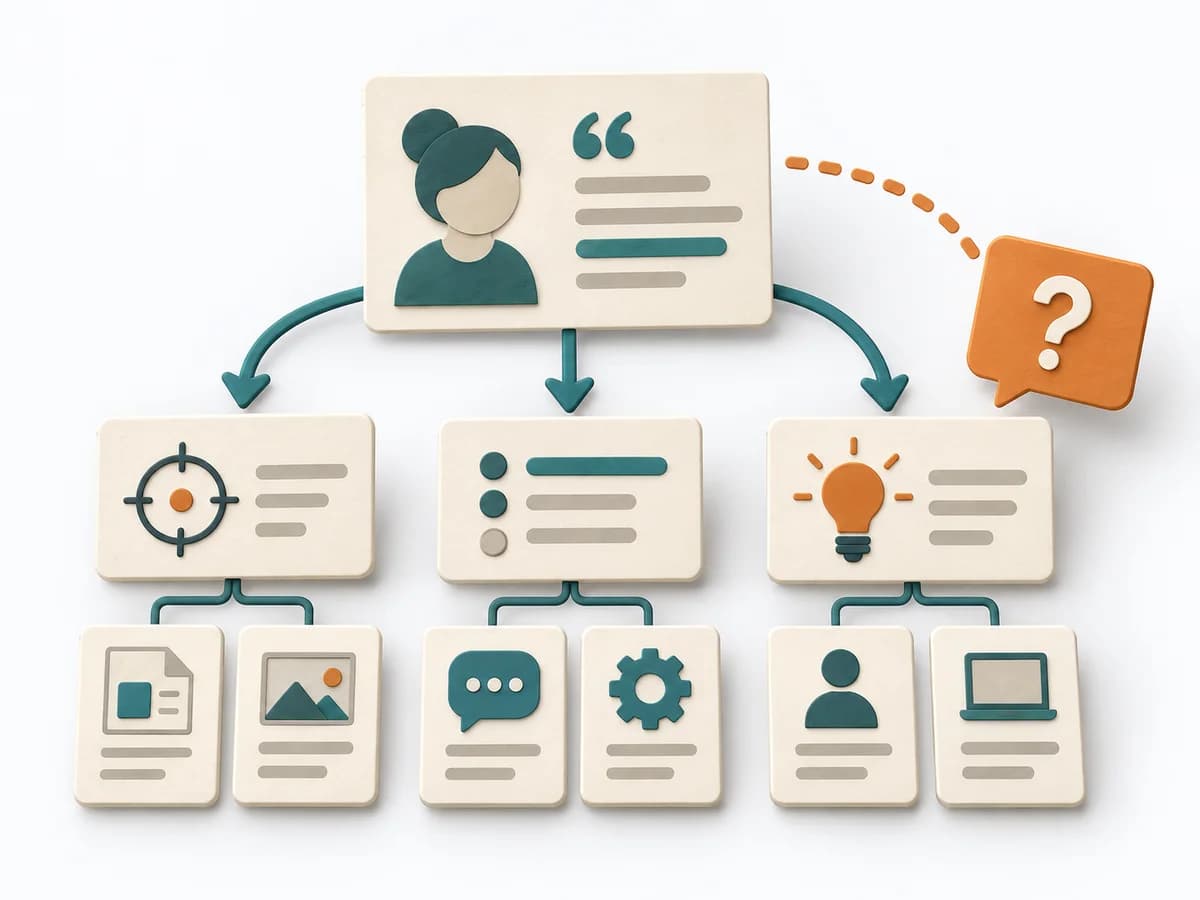
Instead of Specification by Example, choose Example Mapping when you want to use concrete examples as a bridge between domain language and acceptance criteria.

Splits stories that are too large into smaller testable slices while keeping value, dependencies, and interfaces in view.

Brings business, development, and testing together before implementation to clarify a story's examples, rules, and edge cases.
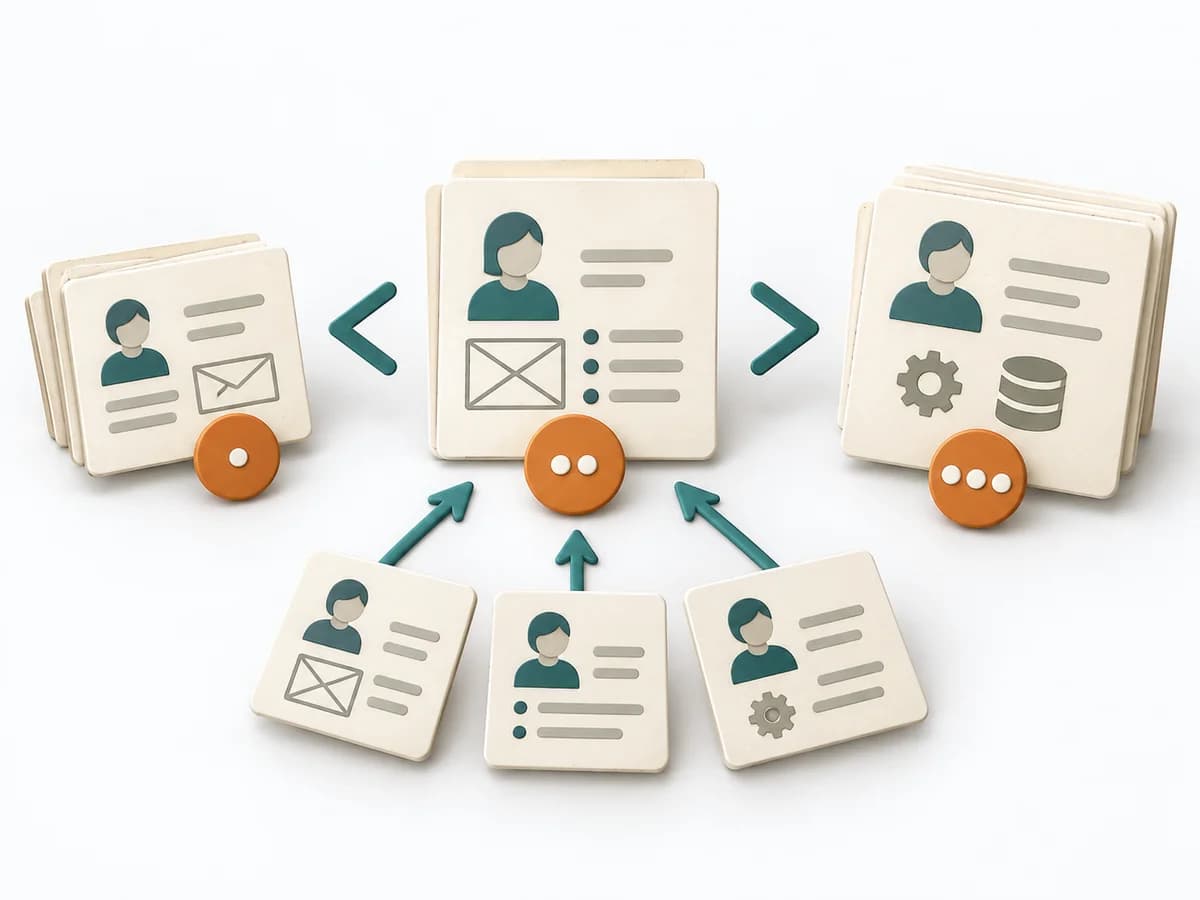
Moves backlog, sprint work, and team flow toward a concrete result through "choose reference stories", "define the scale", and "interpret velocity only within the team".
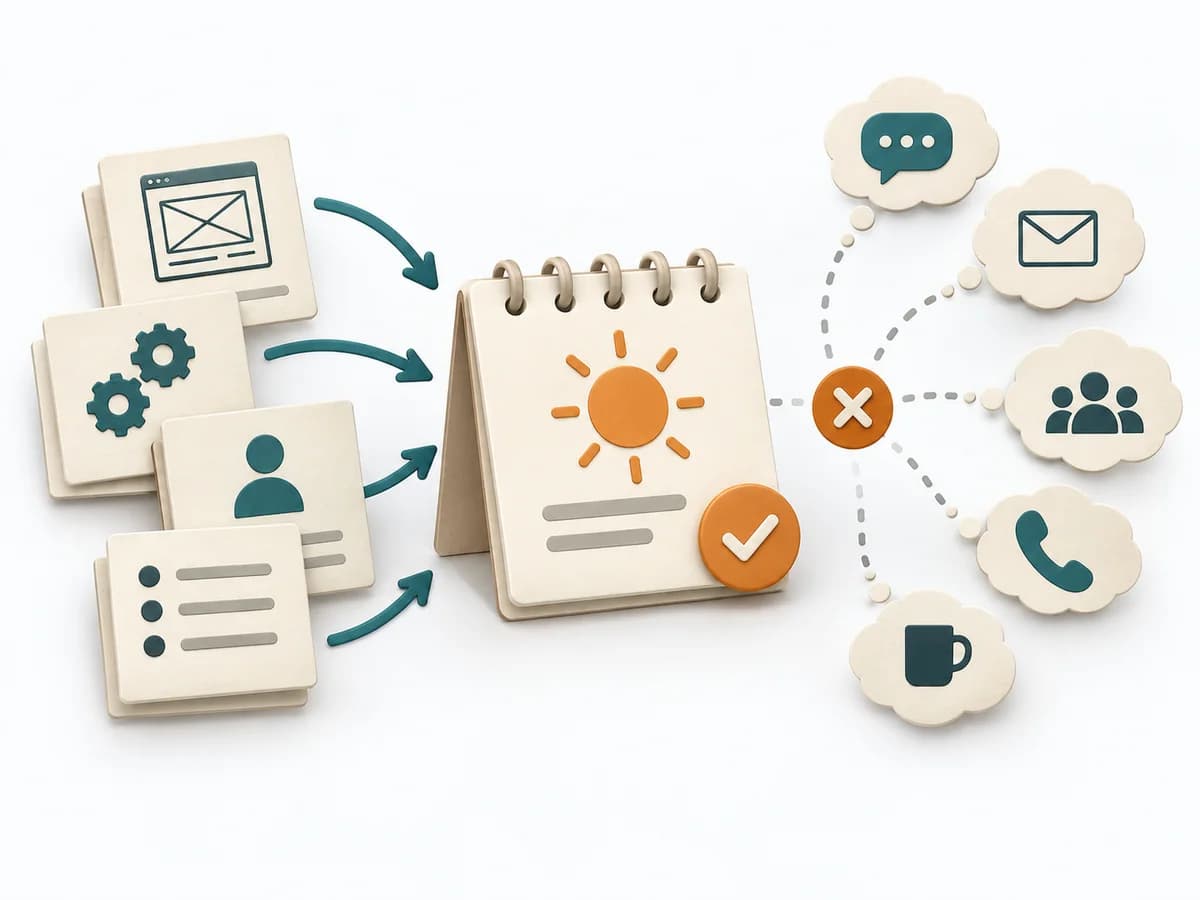
Moves backlog, sprint work, and team flow toward a concrete result through "explain the ideal day unit", "calibrate with a reference item", and "do not confuse it with calendar days".

Compares stories relatively, surfaces knowledge gaps, and produces a shared estimate with traceable assumptions.