
Purpose
When a story becomes too large for a clean flow, it breaks scope down along value and risk. It shapes the work into a form that ships earlier and is easier to verify.
Agile Planning tool
Breaks an oversized user story into smaller items, each retaining measurable business value.
Story Splitting breaks an oversized user story into smaller items, each retaining measurable business value.
How can we create smaller, independently testable slices while retaining useful value?
How can we create smaller, independently testable slices while retaining useful value?
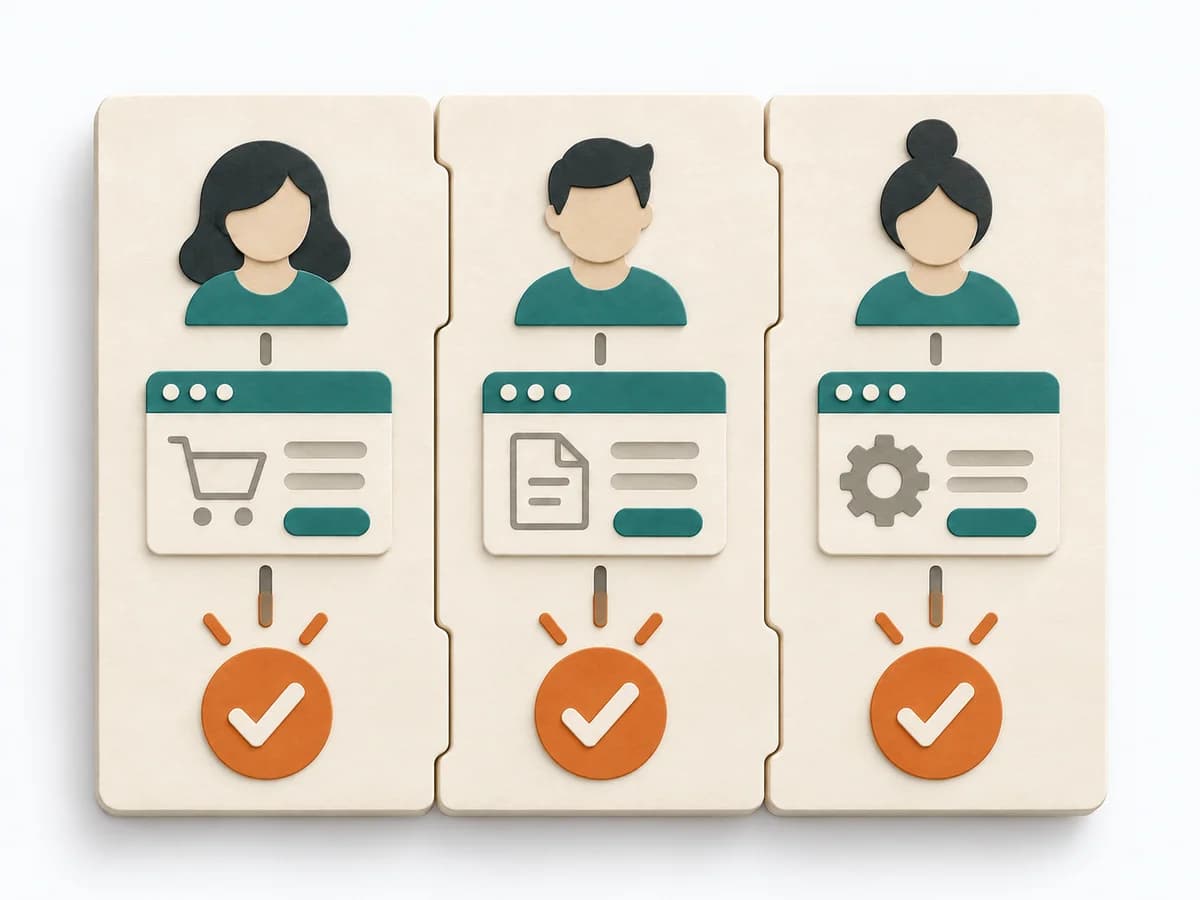
Starting story
State user, need, expected value and why the item exceeds a useful delivery horizon.
Slices
Consider business rule, role, workflow step, data class or simple-versus-complex cases.
Stories
Give each slice a clear outcome, scope and checkable result; note dependencies.
Sequence
Check dependencies, remaining value and missing cases with product and delivery roles.
Update the work record when new evidence, changed constraints or the planned review changes an assumption.
Use in refinement when one story is too large for a useful delivery horizon. Avoid splitting only by technical layer or task.
The reasoned split opportunity states the user, need, expected value, and why the item exceeds a useful delivery horizon.

The splitting options show smaller items based on business rules, the happy path, roles, data classes, workflow steps, or simple and complex cases.
Each small story states a clear outcome, scope, and checkable result and records dependencies.
The useful delivery order records dependencies, remaining value, and missing cases and is validated with product and delivery roles.
Fictional example
Method-specific prompts and a fictional worked example; template prompts remain empty.
Identify a coherent user outcome before drawing split lines.
**Oversized story:** Registration, document upload, status tracking and notifications are bundled together.
Compare alternative slices and their user value.
**Candidate slice:** Applicants can see confirmation that one application was received. This is useful only if the domain confirms standalone value.
Use result-oriented story wording and acceptance examples.
**Next slice:** Show processing status for the same application. Notifications may follow if users need them.
Document sequence without turning it into a commitment.
**Check:** No story is merely a frontend, API or database task; each outcome can be demonstrated and tested.
Agile Alliance defines splitting around smaller stories that each retain measurable business value and notes there is no universal recipe.
Choose an oversized story with a clear user outcome, known boundaries and people who can validate value.
When a story becomes too large for a clean flow, it breaks scope down along value and risk. It shapes the work into a form that ships earlier and is easier to verify.
It looks for natural cut lines in behavior, sequencing, or the visibility of value and splits along them. This preserves small increments instead of producing unnecessarily broad stories.
Story Splitting helps because it breaks large undertakings into deliverable units without losing sight of value. Good application cuts along behavior, risk, or learning need, not along technical layers or team boundaries. This keeps every story testable while surfacing dependencies that would otherwise silently inflate a seemingly small task.
Bring a story that feels too large or too vague, and keep the actual value core clearly visible. The tipping point is reached when a split becomes independently understandable while still paying into the shared goal. Finish by capturing a few solid slices and the most important dependencies between them.
The method guide walks execution through 4 phases, timing, 4 pitfalls, and clear stop criteria.
Open method guideYour perspective
Your feedback helps shape the next improvements to methodatlas.
Plan a session or initiative to match the actual scope of work.
To be confirmed
To be confirmed
Prepare the full method Time: 30–60 minutes for one prepared story; investigate dependencies or domain uncertainty separately.
Complete this worksheet on paper or in your own document during the work.
Identify a coherent user outcome before drawing split lines.
...
Compare alternative slices and their user value.
...
Use result-oriented story wording and acceptance examples.
...
Document sequence without turning it into a commitment.
...
Blank worksheet contains prompts only, with no example data.
Story Splitting | Agile Alliance
Expected artifact: Reasoned split opportunity
Reasoned split opportunity
Entry:
...
Expected artifact: Candidate value slices
Candidate value slices
Entry:
...
Expected artifact: Small stories with examples
Small stories with examples
Entry:
...
Expected artifact: Useful delivery order and open gaps
Useful delivery order and open gaps
Entry:
...
...
Method guide: https://methodatlas.meierhoff-systems.de/en/methods/story-splitting/run-sheet
Fitting alternatives with decision guidance, followed by other related methods.
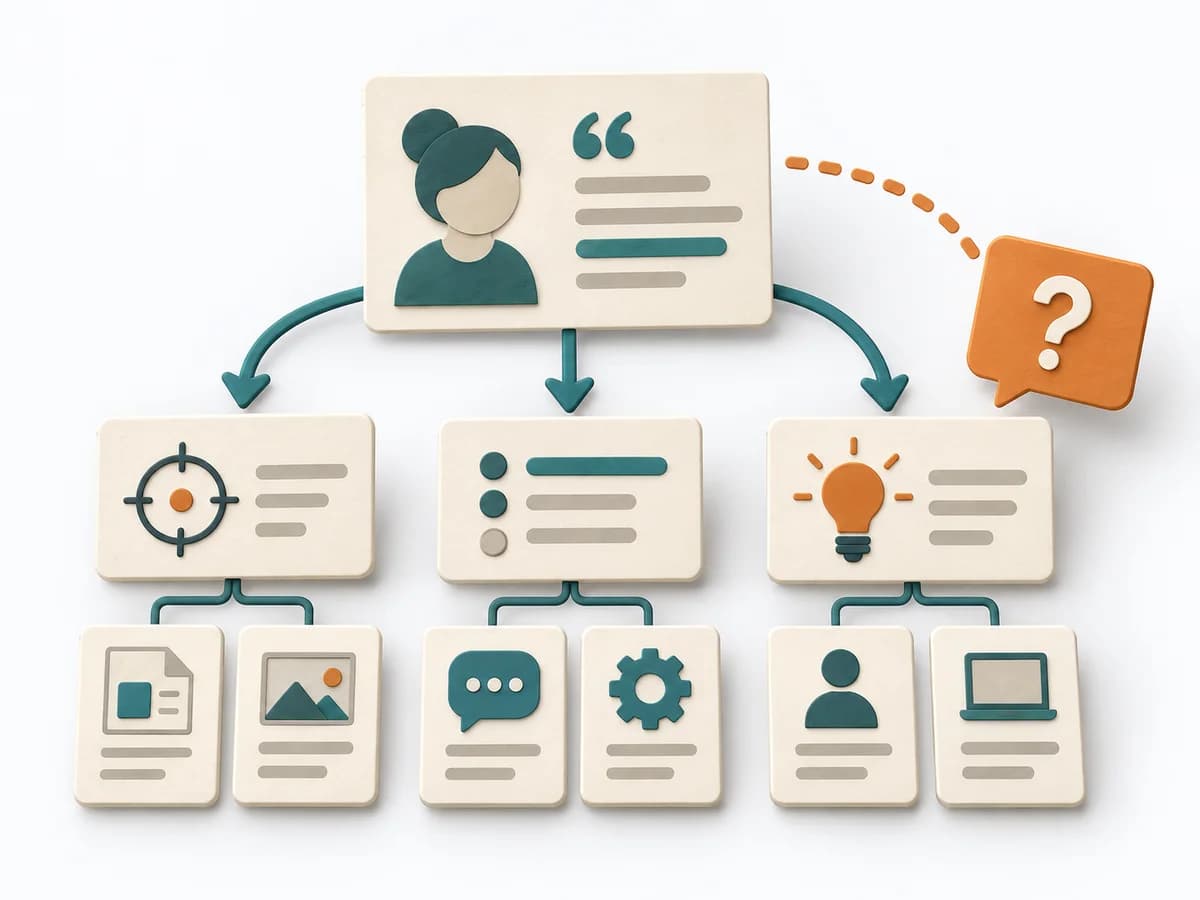
Instead of Story Splitting, when you want to use concrete examples as a bridge between domain language and acceptance criteria.
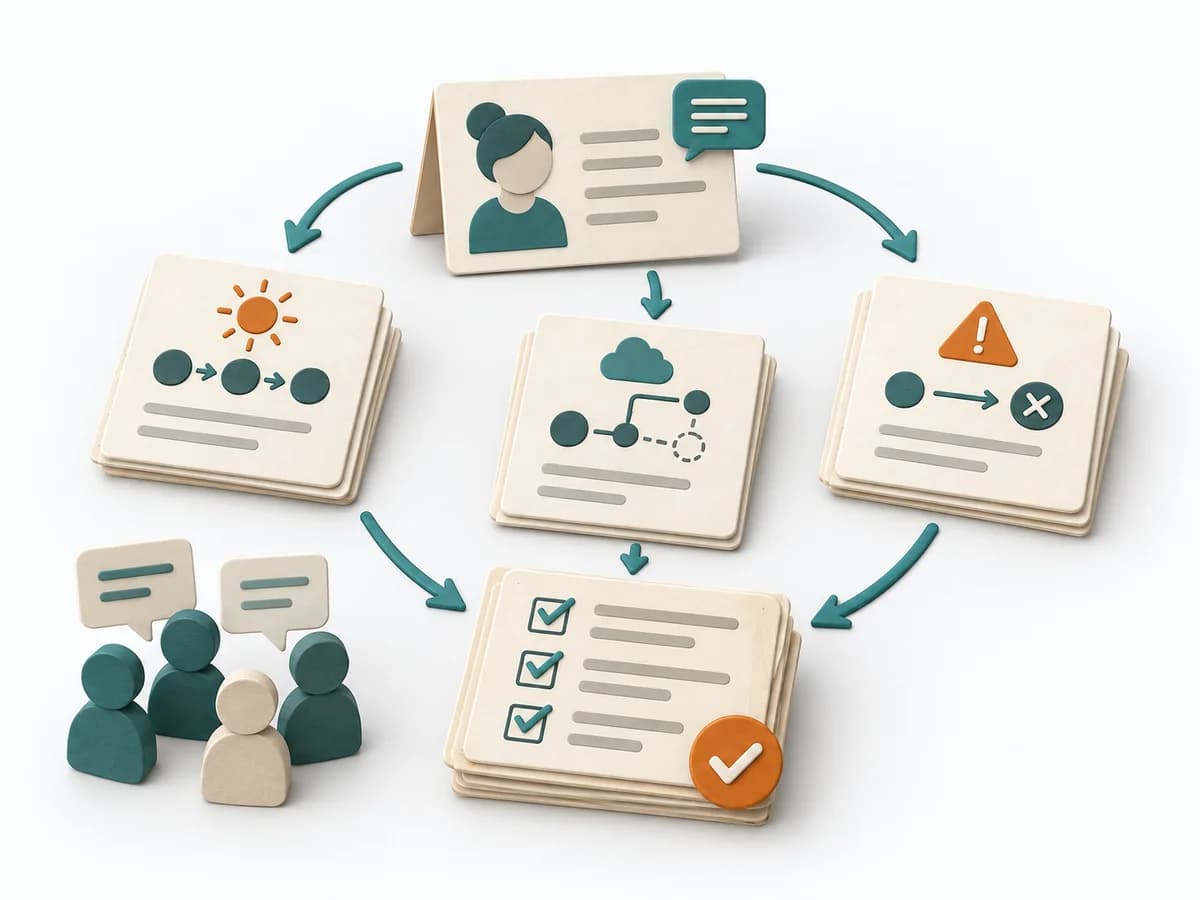
Moves backlog, sprint work, and team flow toward a concrete result through "pin the story summary to the whiteboard", "write the happy path as Given-When-Then", and "copy the criteria into the story tool".
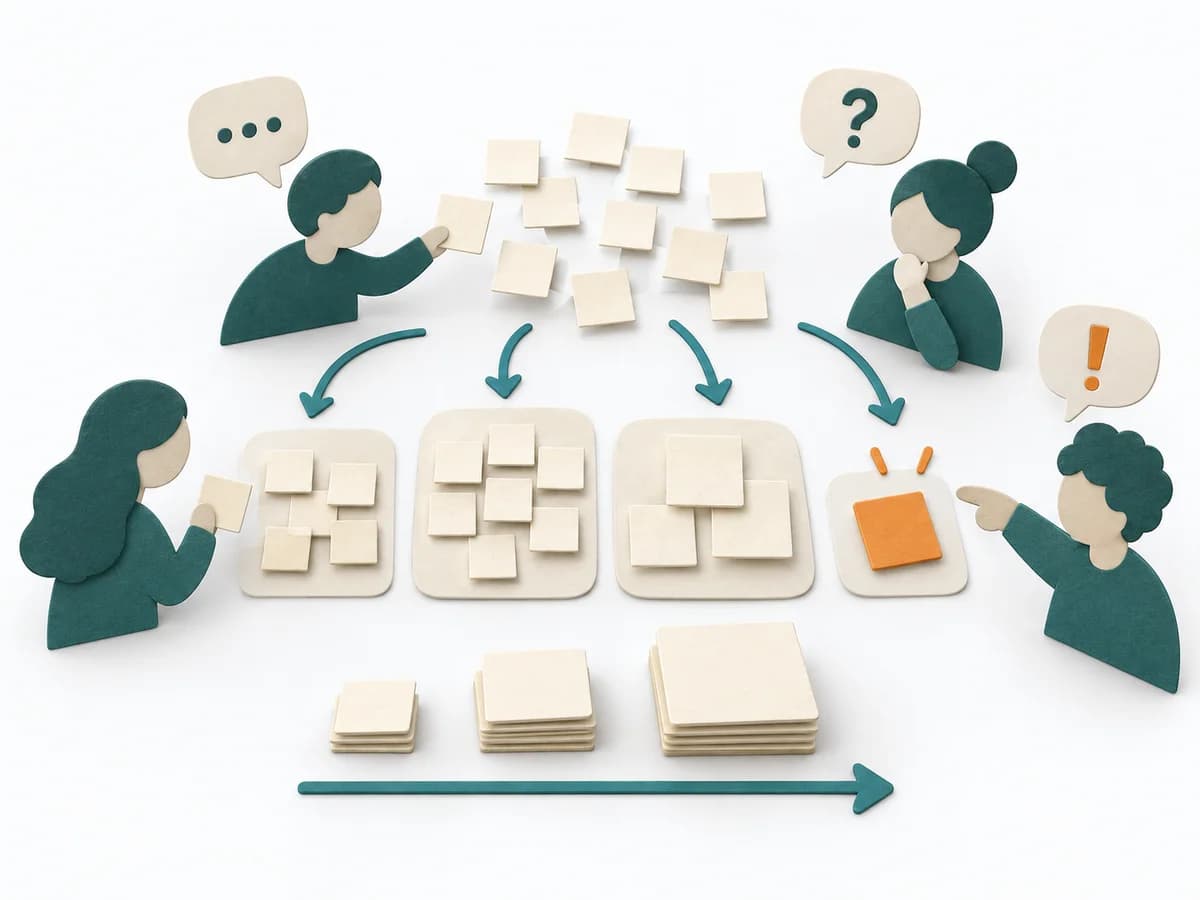
Has the team group items silently, discusses deviations, and produces consistent relative size pictures.
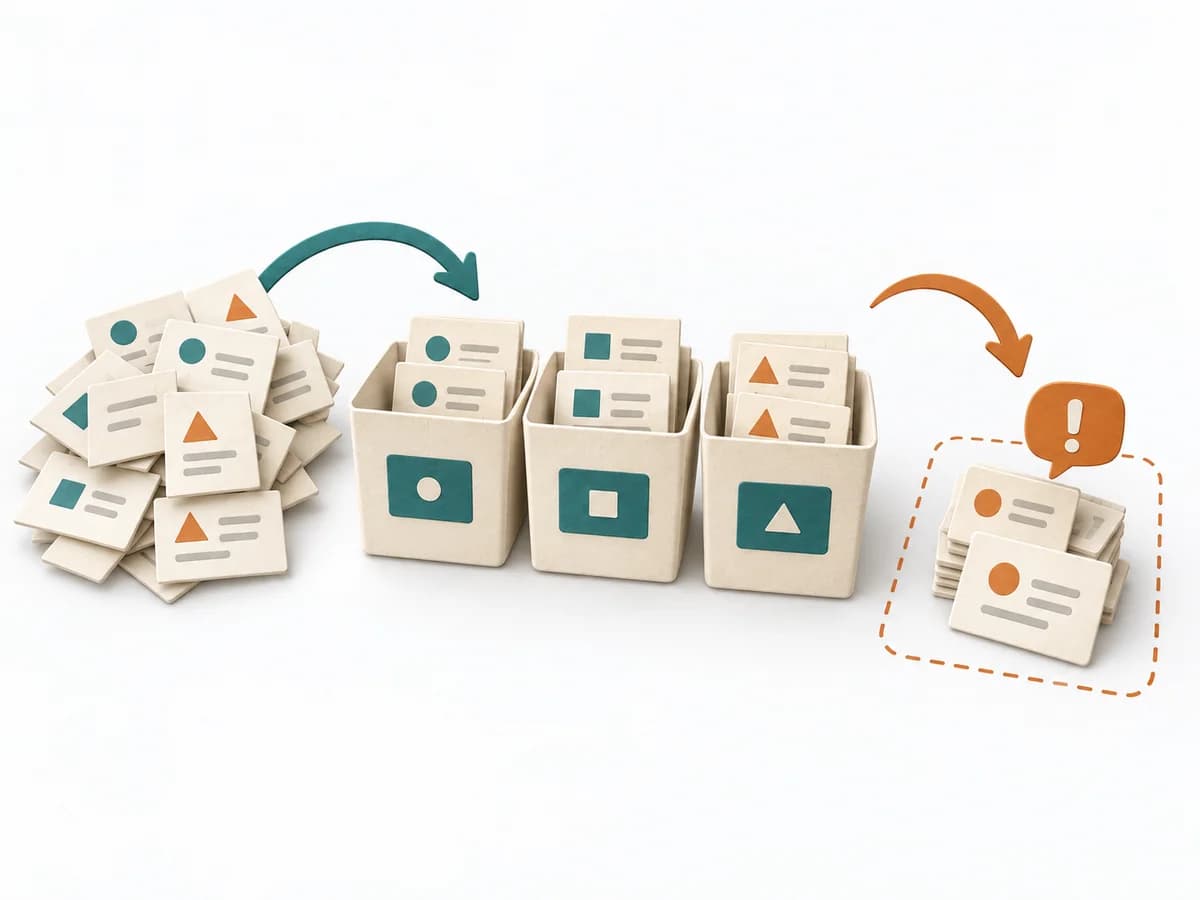
Moves backlog, sprint work, and team flow toward a concrete result through "prepare buckets and scale", "place reference items", and "flag large or unclear items".
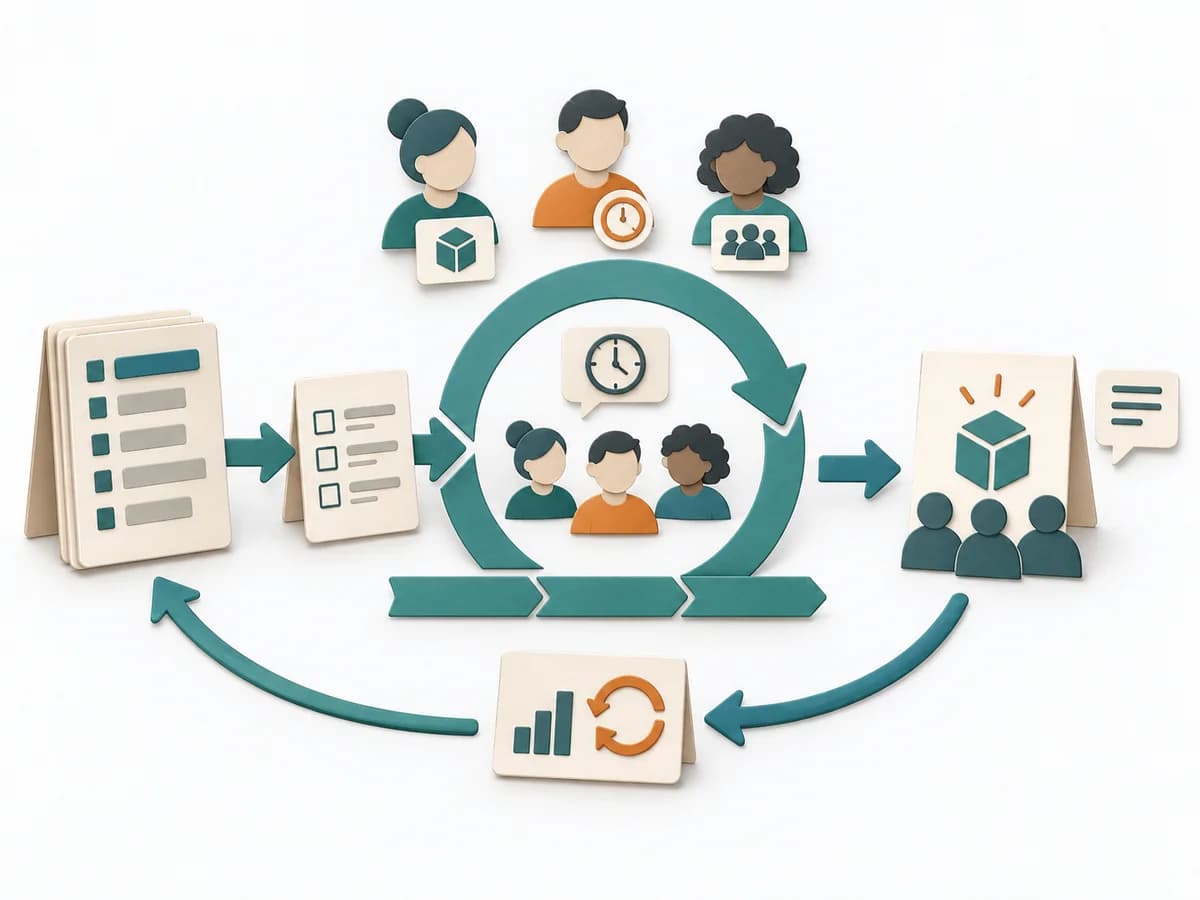
Product Backlog, Sprint Goal, Increment, and retrospective loops create a repeatable cadence for complex product work.
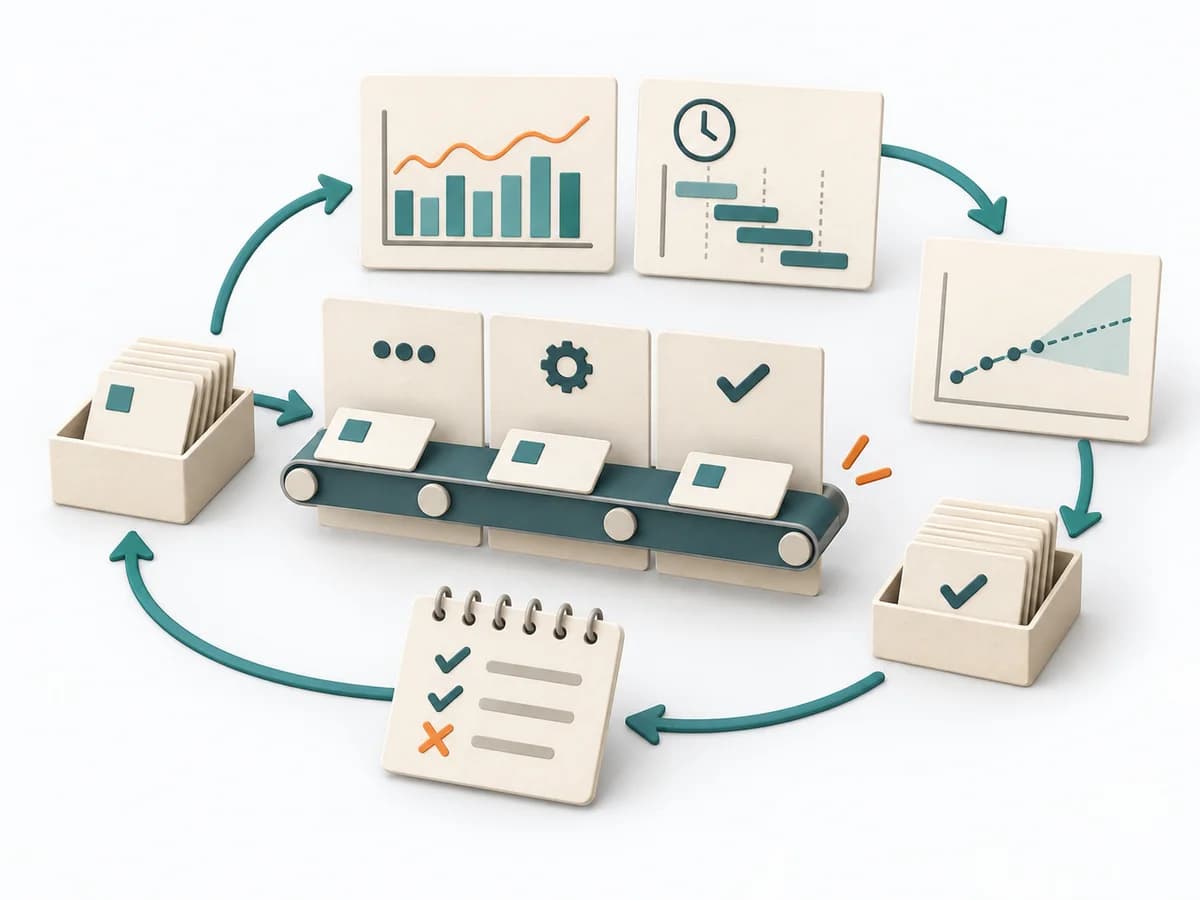
Moves backlog, sprint work, and team flow toward a concrete result through "clarify the planning question", "slice work smaller", and "calibrate regularly with reality".