Purpose
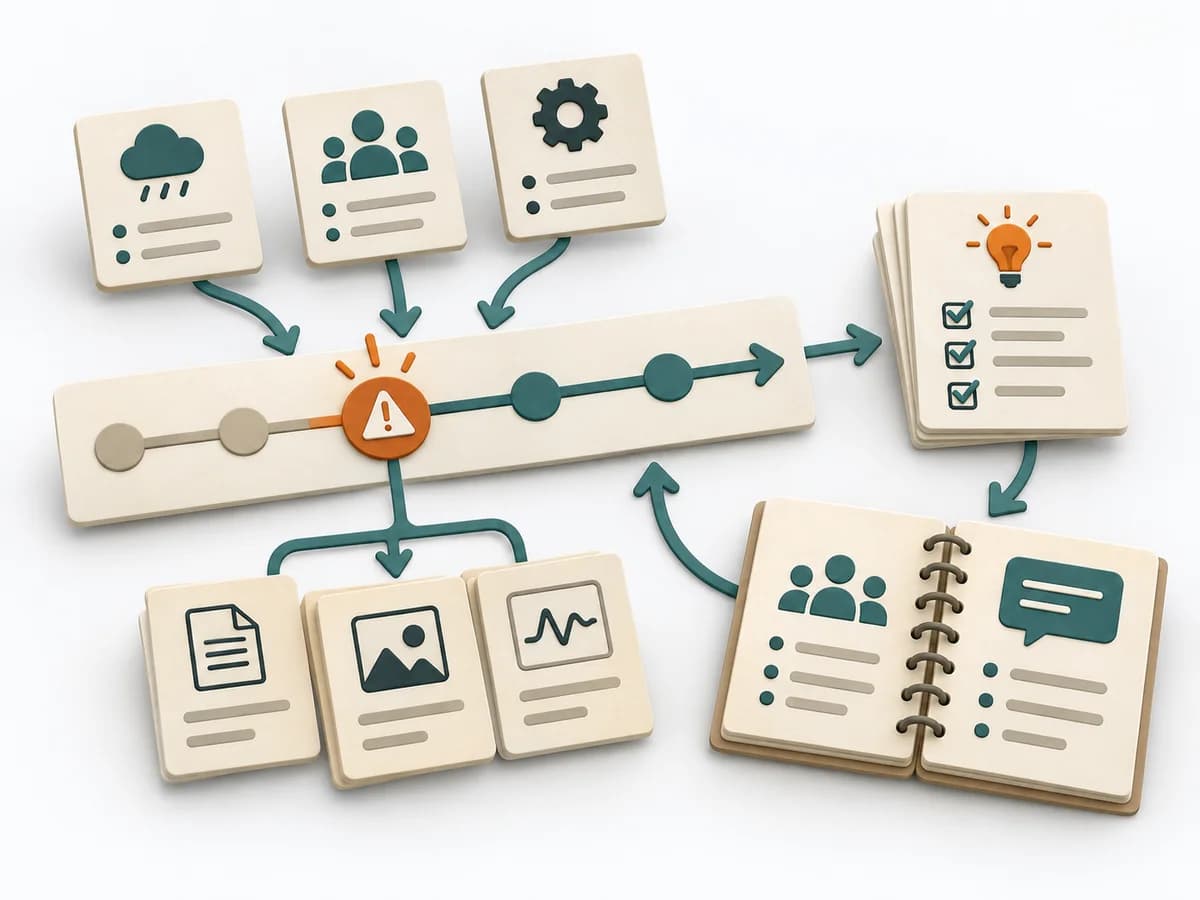
After missions or project phases with unclear outcomes, the method makes visible what actually happened and what can be learned from it. It separates course, effect, and causes so experience turns into solid improvement.
Operations Operating practice
An After-Action Review compares the expected and actual course of work and derives concrete learning and improvement actions.
An After-Action Review reconstructs a completed activity against its goal, plan, and actual course. The group examines differences, helpful conditions, and opportunities to improve. Discussion focuses on the work and its conditions, not personal blame. The outcome is a set of actions to check in a comparable future situation.
What was meant to happen, what actually happened, what can we learn, and what should we change or sustain?
Keep intent, actual events, explanations, and next changes distinct. The review is for learning, not individual performance rating.
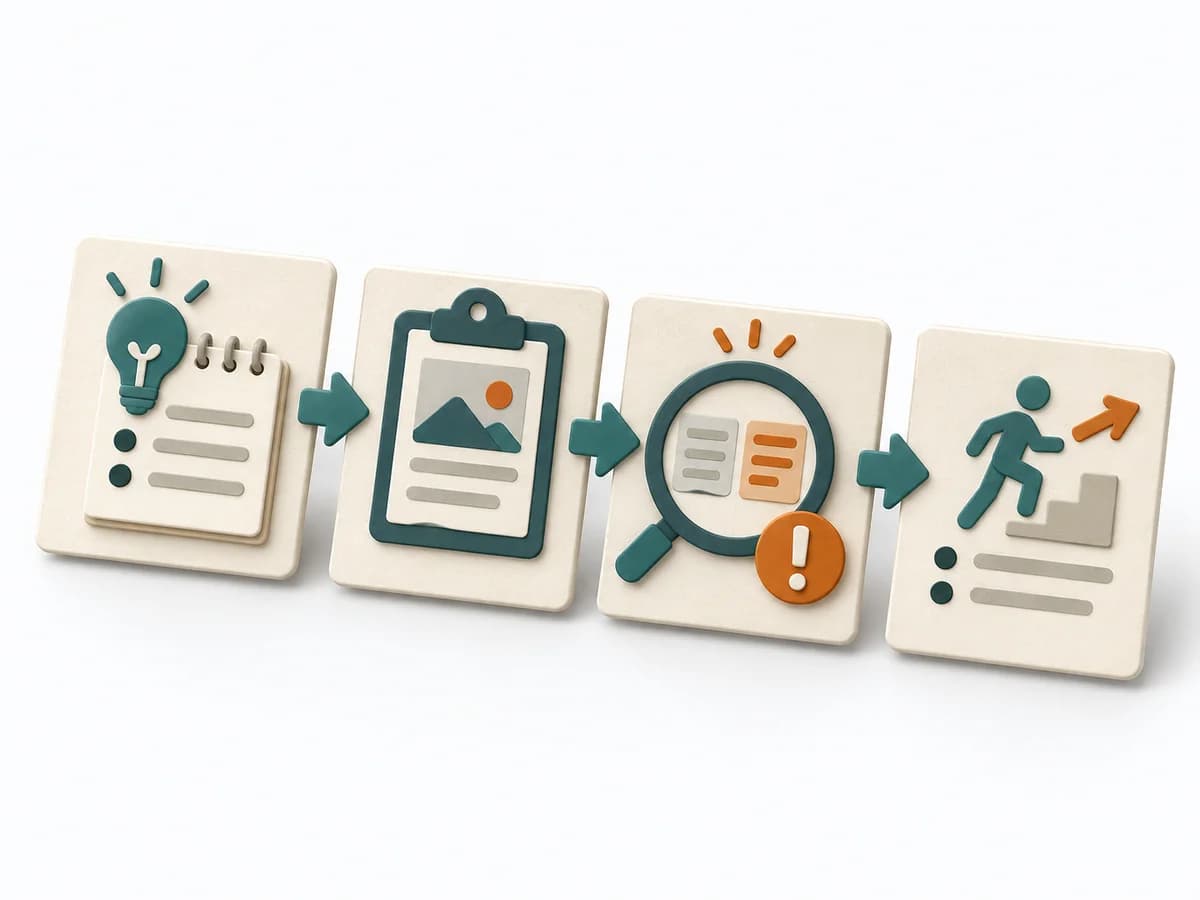
Intent
Describe the event, expected result, plan, and review boundary.
Sequence
Order observed events and decisions over time. Separate records, memory, and uncertainty.
Compare
Compare expected and actual results, handoffs, and timing.
Learn
Explore which decisions, information, or conditions contributed to outcomes.
Adapt
Choose a few changes or practices to sustain and set owners, dates, and effectiveness checks.
Track agreed actions in the next relevant run. Show what to sustain, change, or investigate further.
Use an After-Action Review after a completed exercise, delivery, project phase, or managed event when participants can learn together.
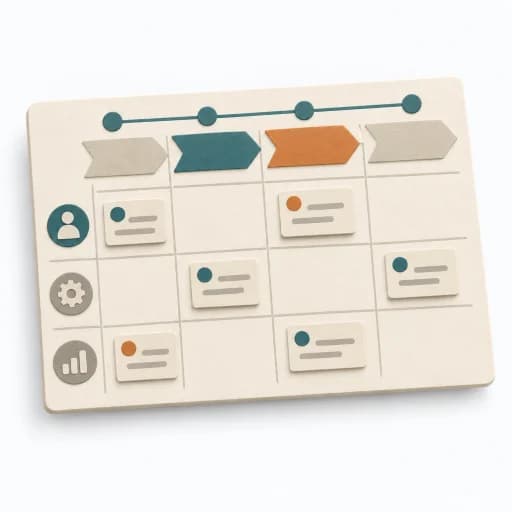
Intent, timeline, differences, and uncertainty.
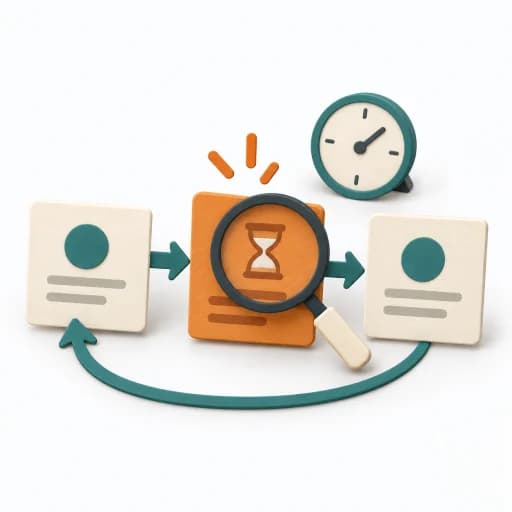
A few lessons with owners, dates, and later review.
Fictional teaching example
Fictional review of a delayed booking test, separating intent, sequence, conditions, and actions.
What should happen, by when, and with what expected result? Bound the period under review.
Fictional: Test the booking confirmation with two people from October 5; privacy approval by October 3.
Which observable events, decisions, and dates are supported? Mark what is unknown.
Fictional: The text was ready. The review had no confirmed owner; testing began on October 9.
What differed from the plan? Which helpful or difficult conditions are supported by sources?
Fictional: Four-day delay. The task list showed the review but no owner field. The cause remains open.
What should we sustain or change? Which explanation is evidenced, and which still needs a check?
Fictional: Complete review steps help; an explicit assignment may improve planning. Hypothesis.
Which few changes have an owner, date, and observable signal in a relevant future event?
Fictional: Sam adds an owner and review window. Before the next test, check that every review step is scheduled.
The Army guide structures a review around intended execution, actual events, assessment, and next improvement. This civilian blueprint adds evidenced work conditions, actions, and a later effectiveness check; it is not military operating guidance.
U.S. Army, NTC EXOP Annex A: After Action Review Standards, adapted for civilian work
Choose one completed event and a clear learning purpose. During an active threat, protect people and operations and follow required reporting first.
After missions or project phases with unclear outcomes, the method makes visible what actually happened and what can be learned from it. It separates course, effect, and causes so experience turns into solid improvement.
A shared picture of the situation reconstructs the course from memory and facts and sets expectation against reality. Differences are read as mechanisms at work rather than individual mistakes. This produces concrete changes in behavior and process that get checked again at the next similar case.
An After-Action Review turns lived practice into shared learning without getting lost in justifications. The process needs a clear separation of plan, actual course, and causes so differences aren't explained away prematurely. The value comes when lessons turn into concrete behavior or process changes and get checked again at the next similar case.
Before the conversation, gather expectation, actual course, and the key facts from the event so memory doesn't dominate everything. The productive moment comes when differences between plan and reality become legible as patterns rather than personal weakness. Close with a few behavior changes to apply deliberately at the next similar case.
The method guide walks execution through 5 phases, timing, 5 pitfalls, and clear stop criteria.
Open method guideYour perspective
Your feedback helps shape the next improvements to methodatlas.
Plan a protected review of a completed event with an intent, timeline, and follow-up.
To be confirmed
To be confirmed
Review one event together Time: 20–45 minutes after the event; investigation and implementation are additional
Complete this worksheet on paper or in your own document during the work.
What should happen, by when, and with what expected result? Bound the period under review.
...
Which observable events, decisions, and dates are supported? Mark what is unknown.
...
What differed from the plan? Which helpful or difficult conditions are supported by sources?
...
What should we sustain or change? Which explanation is evidenced, and which still needs a check?
...
Which few changes have an owner, date, and observable signal in a relevant future event?
...
Blank worksheet: keep the prompts and record your own facts, observations, and actions. The fictional example is not copied over.
U.S. Army, NTC EXOP Annex A: After Action Review Standards, adapted for civilian work
Expected artifact: Shared starting point
Without a clear expectation, differences are hard to interpret.
Entry:
...
Expected artifact: Evidence-based timeline
A plausible explanation is not yet a verified event.
Entry:
...
Expected artifact: Comparison with differences
A difference is a learning prompt, not personal blame.
Entry:
...
Expected artifact: Lessons and open questions
A single explanation can miss systemic or situational conditions.
Entry:
...
Expected artifact: Improvement plan
An action without a later check has no measured effect.
Entry:
...
...
Method guide: https://methodatlas.meierhoff-systems.de/en/methods/after-action-review/run-sheet
Fitting alternatives with decision guidance, followed by other related methods.
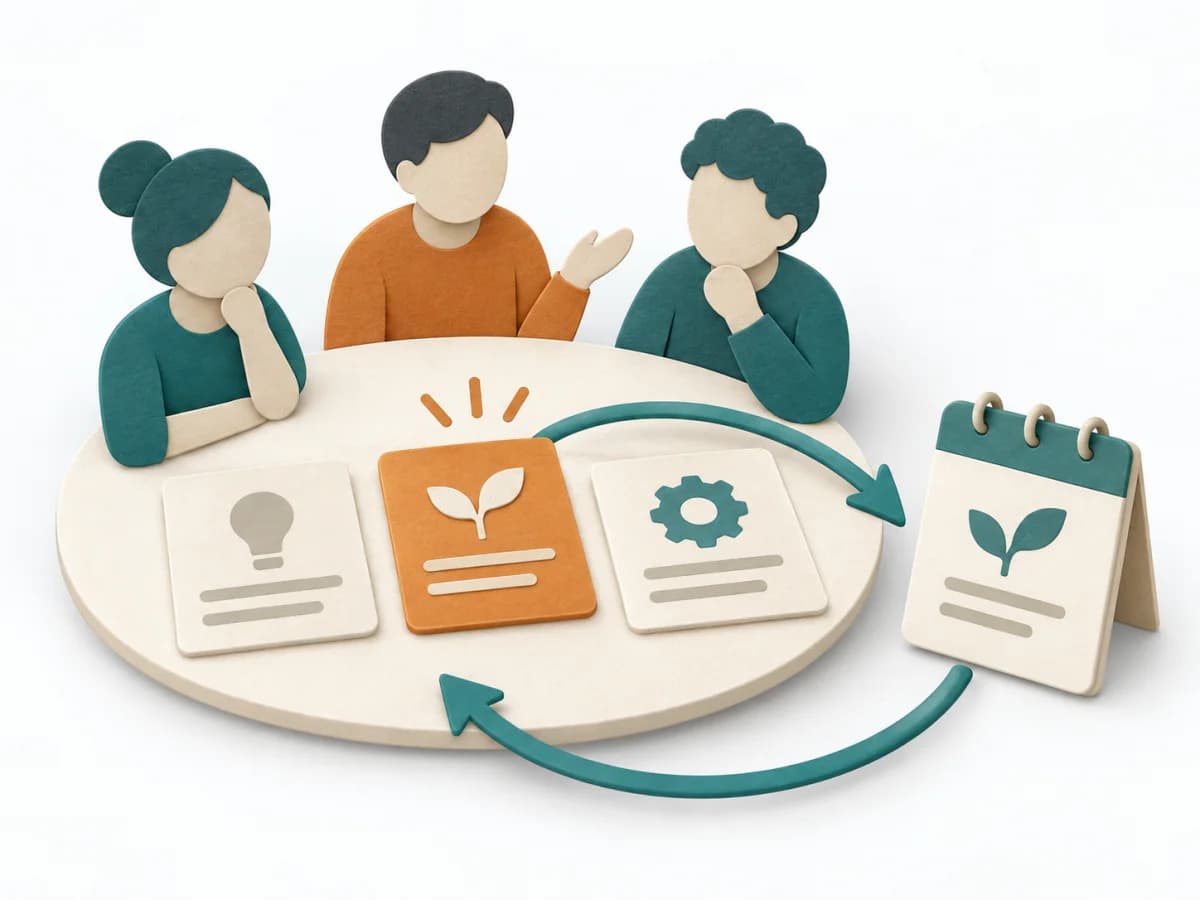
Instead of After-Action Review, when you want to structurally reflect on team work at the end of a sprint.

Examines an incident with a view to decisions, assumptions, and system factors, and records the resulting lessons.
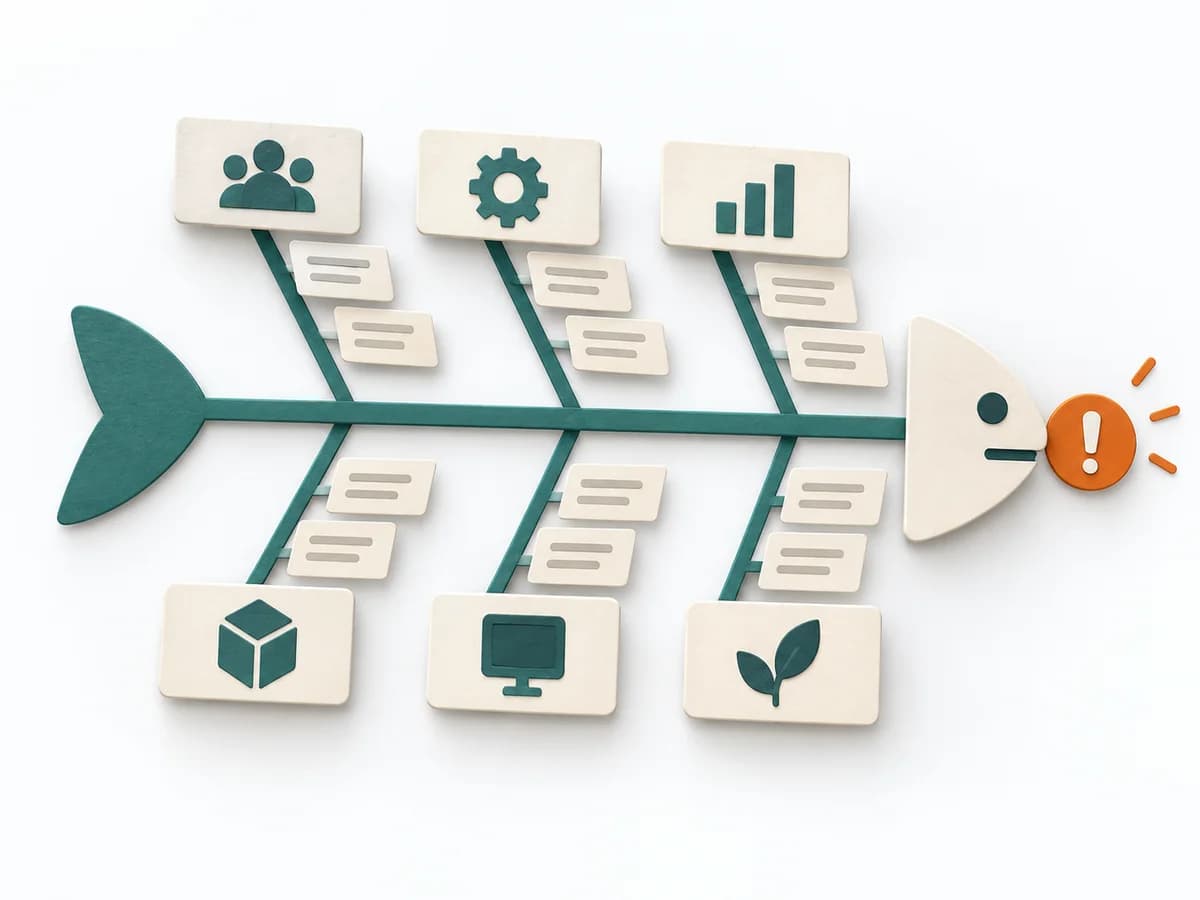
Sorts possible causes into categories and creates a shared picture for investigation and next tests.

Makes reaction patterns conscious and leads step by step to more ownership and concrete commitment.
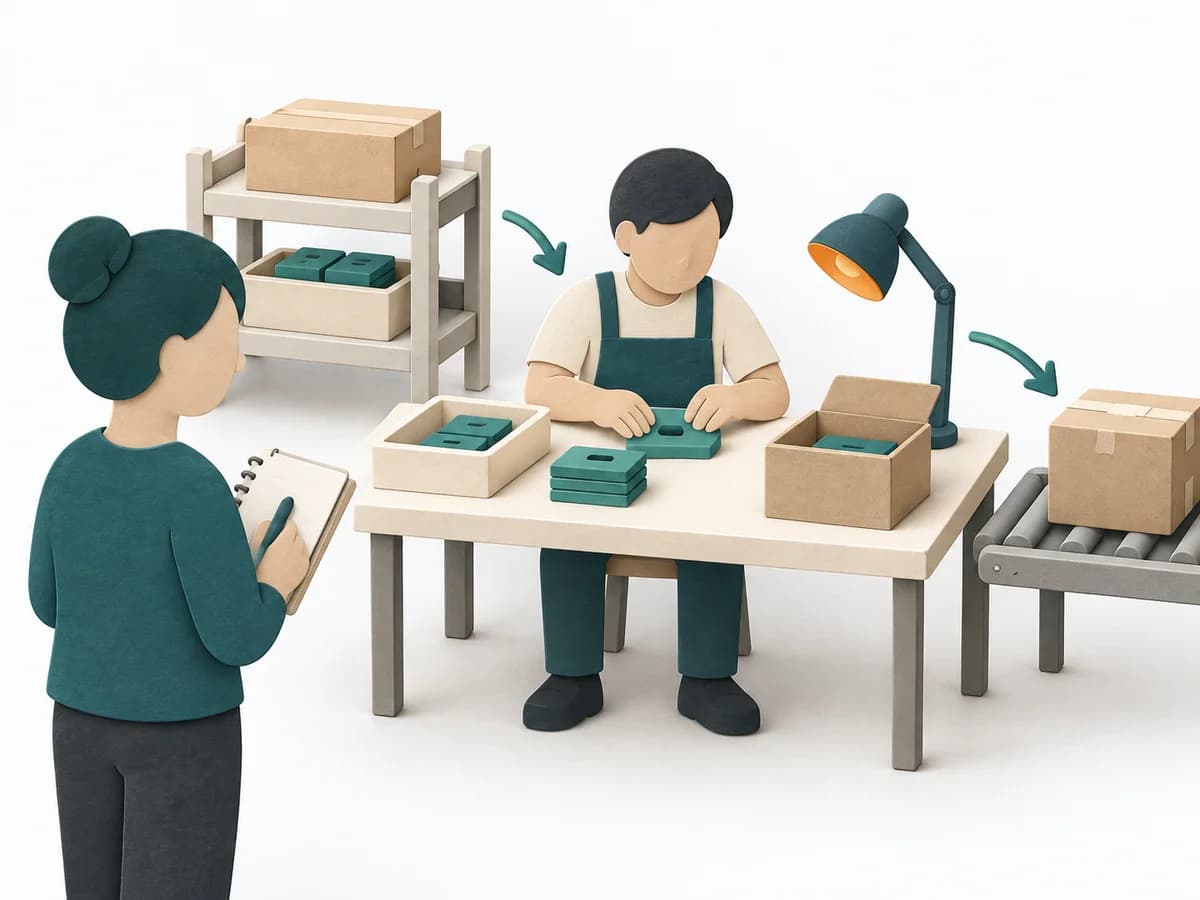
Goes to the place where work happens, observes the process without disrupting it, and gathers solid clues about friction.
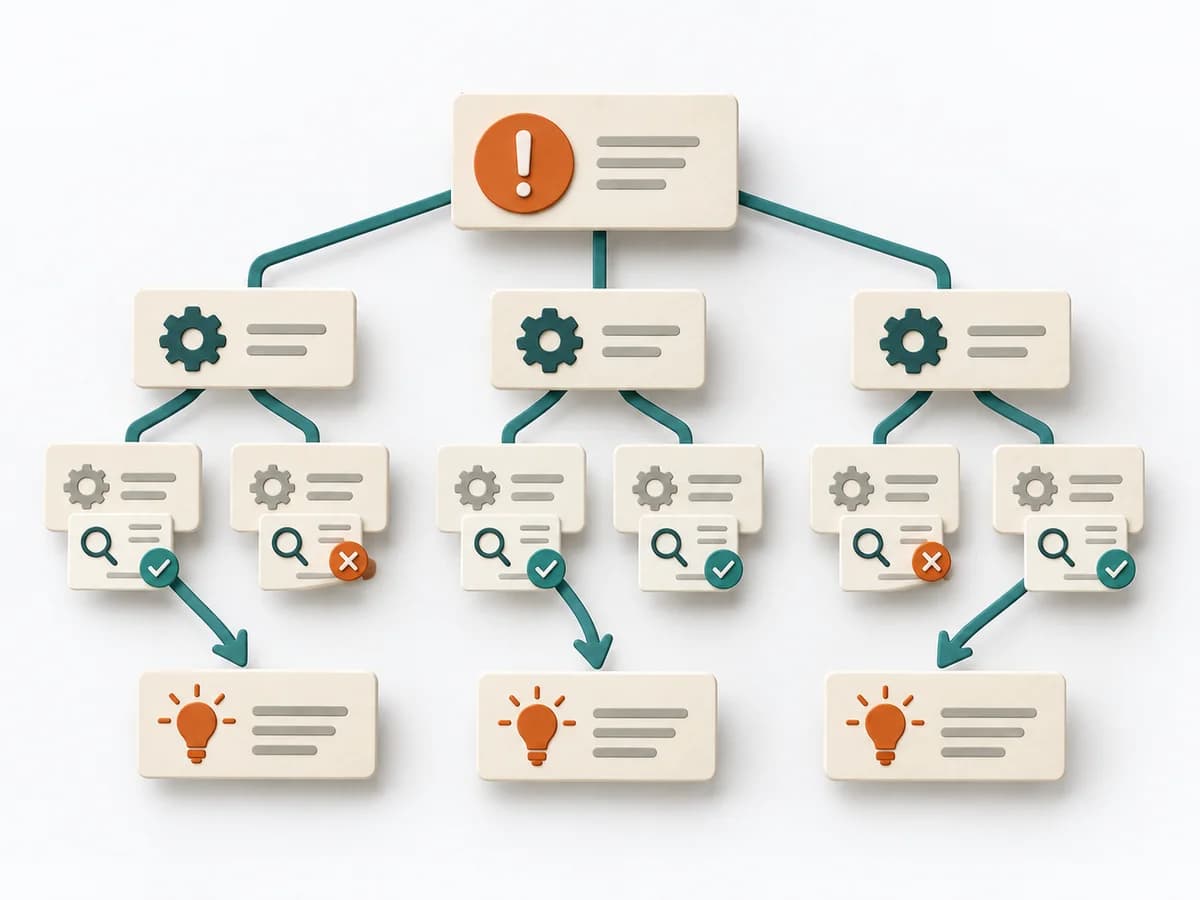
Clarifies workflows, data, causes, and improvements by framing the problem precisely, branching possible causes, and defining countermeasures.
