Purpose
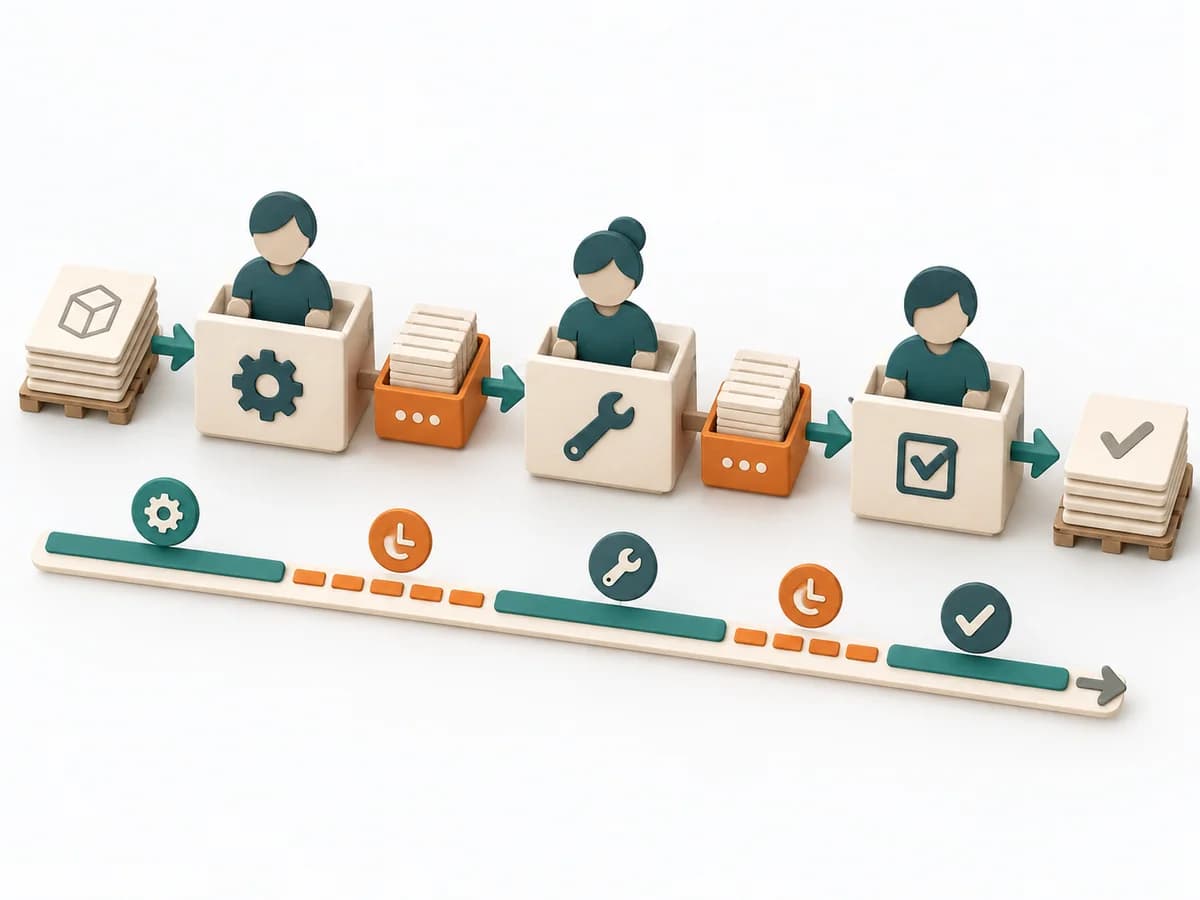
When work sits in too many parallel streams, throughput suffers and no one sees the bottlenecks. Kanban makes the flow of work visible and limits overload so a system becomes calmer and more predictable.
Engineering Operating practice
Makes work visible, limits it, and guides it through the workflow.
Kanban makes the actual workflow visible, connects it to explicit policies, and actively manages started work. Observations and flow data provide the basis for targeted improvements.
What helps us finish started work promptly and more predictably within our agreed workflow?
These working sections combine initial setup with ongoing practice. Adapt columns and policies to the actual workflow.
Setup
Expose real work and its boundaries.
Policies
Explicitly control intake and transitions.
Active work
Review completion, age and blockers together.
Observe
Review inventory, completions and time together.
Improve
Turn an observation into a testable experiment.
Review started work regularly. Derive one change from waiting and flow data, observe its effects and update policies.
A team or service handles recurring work and can make the shared workflow visible and change it.

Board, clear boundaries, WIP policies and SLE.
Current items, age, blockers and next actions.
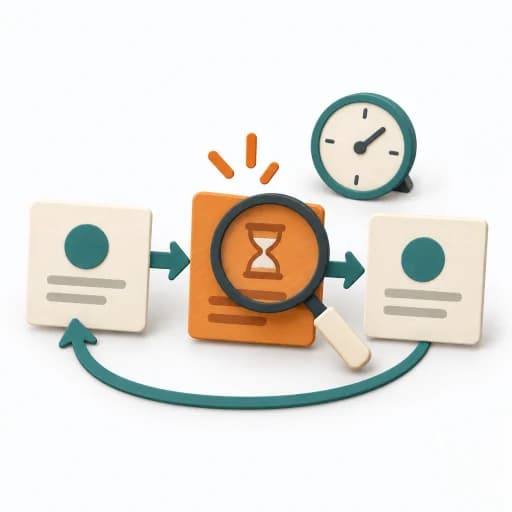
Observations, a small experiment and evaluated effects.
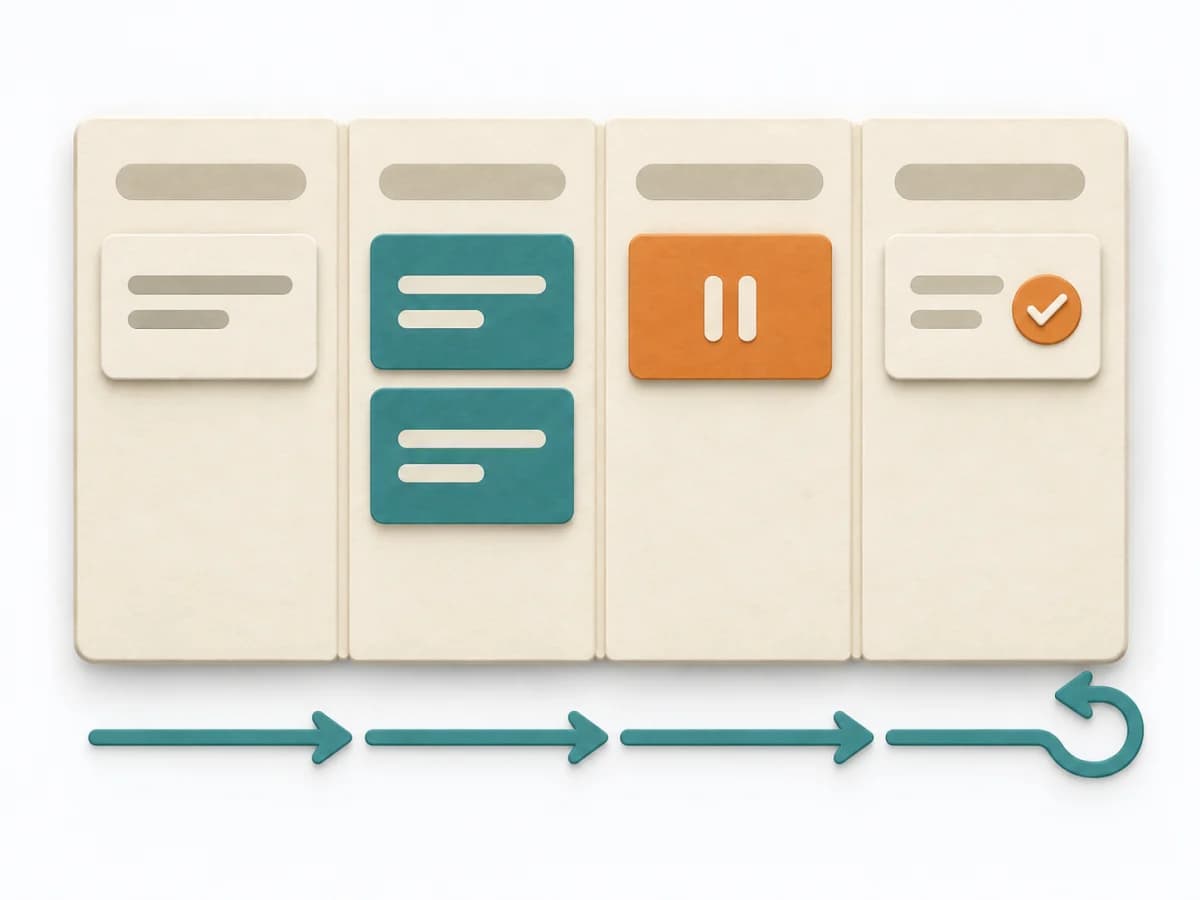
Fictional board · 3 started items
Fictional booking app board. Boundaries and limits are example policies; adapt them to your actual workflow.
Improve search hint
Not started
Simplify booking
Started 3 days ago
Clarify error message
Started 1 day ago
Check reminders
Blocked
Access missing; started 5 days ago
Update help text
Completed; outside WIP
Bound one workflow and its purpose. Define when an item starts and when it finishes.
When work sits in too many parallel streams, throughput suffers and no one sees the bottlenecks. Kanban makes the flow of work visible and limits overload so a system becomes calmer and more predictable.
Work is viewed as an ongoing flow, not a stack of finished tasks. Visible limits and a clear view of wait times direct attention to friction, blockages, and bottlenecks. This creates an operating mode that improves flow instead of just working through lists.
Kanban has an effect once work is not just visible but the flow is actively steered. Clear policies, WIP limits taken seriously, and regular review of blockages, wait time, and throughput are decisive. Maintaining the board alone changes little; Kanban becomes valuable when overload and bottlenecks are treated as system signals.
Start with real types of work, current bottlenecks, and a board that makes wait zones visible instead of just parking tickets. The tipping point usually lies where WIP limits are used not as policy text but as a daily boundary for intervention. Close with exactly one flow rule the team will consistently watch and track from now on.
The method guide walks execution through 5 phases, timing, 5 pitfalls, and clear stop criteria.
Open method guideYour perspective
Your feedback helps shape the next improvements to methodatlas.
Plan setup, initial trials and regular reviews. Select one step to prepare a specific appointment.
To be confirmed
To be confirmed
Set up and continue Kanban Time: Several setup steps, followed by ongoing management and improvement
Complete this worksheet on paper or in your own document during the work.
...
WIP limit: ...
...
WIP limit: ...
...
...
WIP boundary ...
Pull and completion ...
Blocker ...
SLE and learning ...
The Kanban Guide · original educational rendering
Expected artifact: Definition of Workflow
Scope · items · start · finish · states
Entry:
...
Expected artifact: Visible working policies
WIP · pull · blockers · SLE
Entry:
...
Expected artifact: Actively managed work
Next action · ownership · blocker
Entry:
...
Expected artifact: Flow observations
WIP · Throughput · Work Item Age · Cycle Time
Entry:
...
Expected artifact: Improvement experiment
Change · expected effect · review
Entry:
...
...
Method guide: https://methodatlas.meierhoff-systems.de/en/methods/kanban/run-sheet
Fitting alternatives with decision guidance, followed by other related methods.
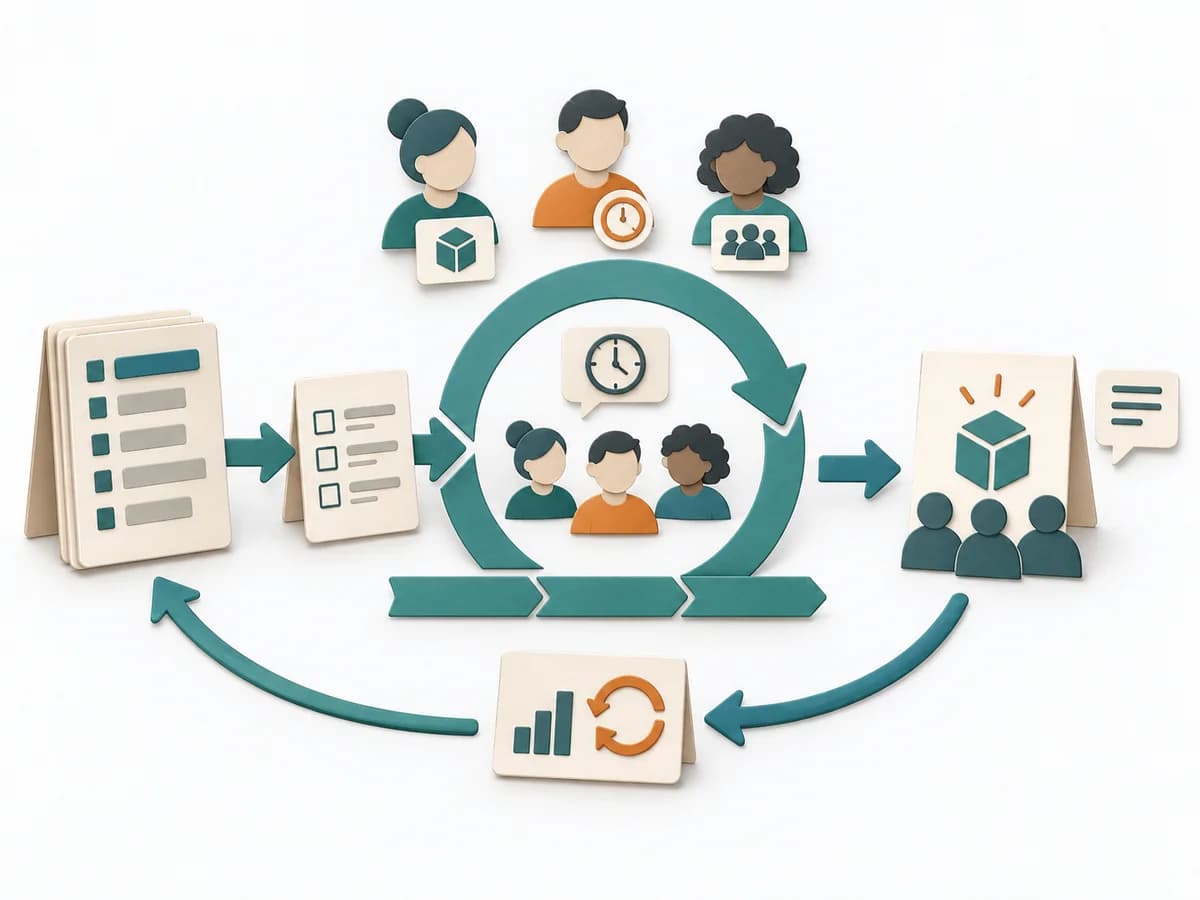
Instead of Kanban, when you want to deliver in fixed iterations with clear roles and rituals.
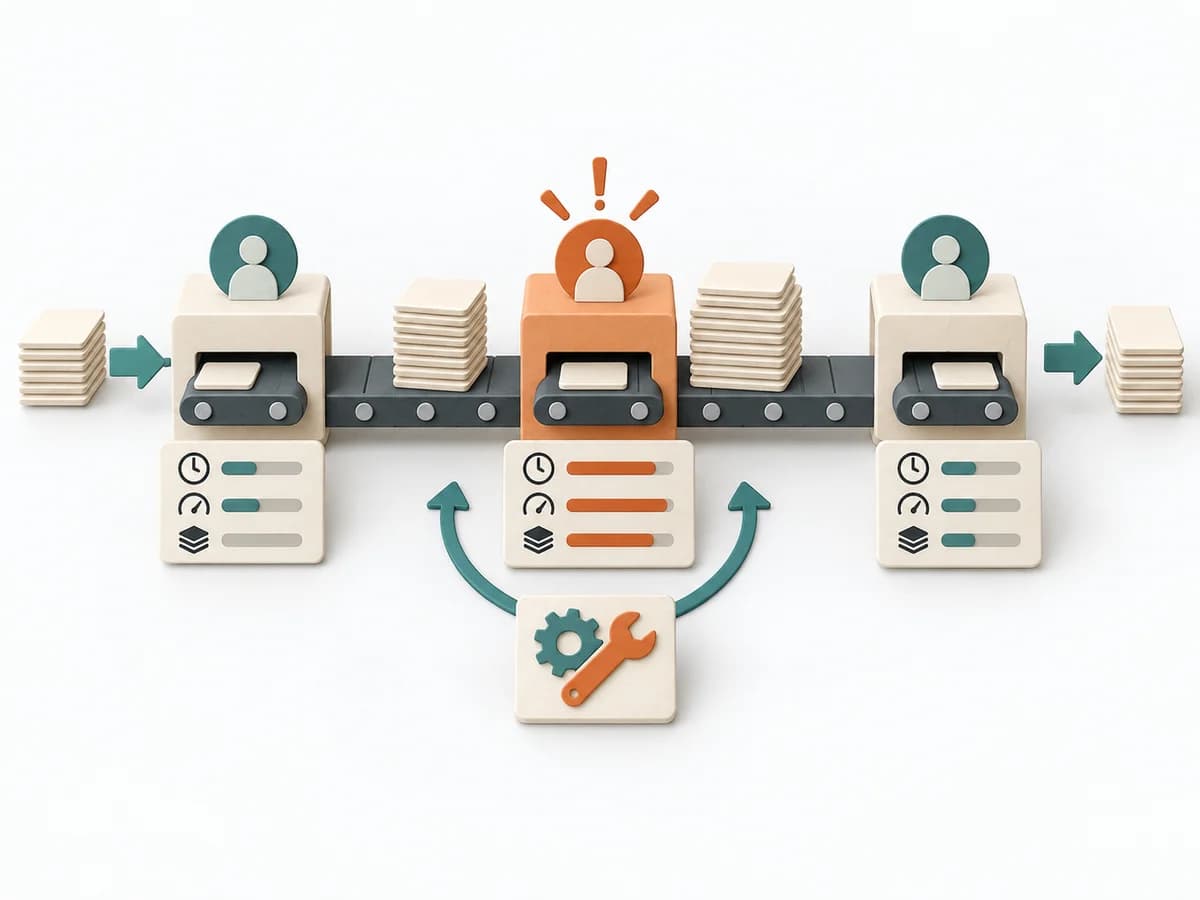
Measures flow, wait times, and WIP to find the bottleneck and derive relief options.
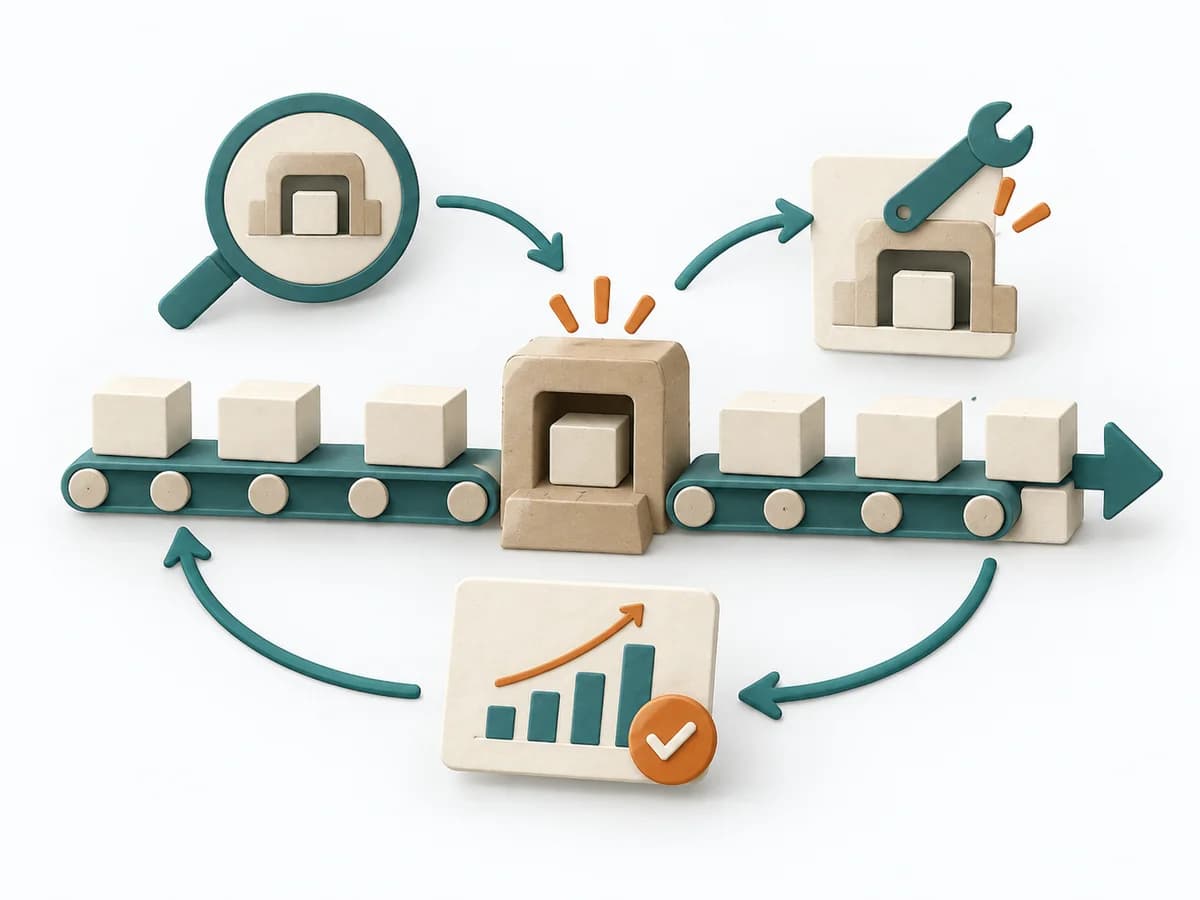
Finds a system's bottleneck, aligns work around it, and cyclically checks whether flow improves.
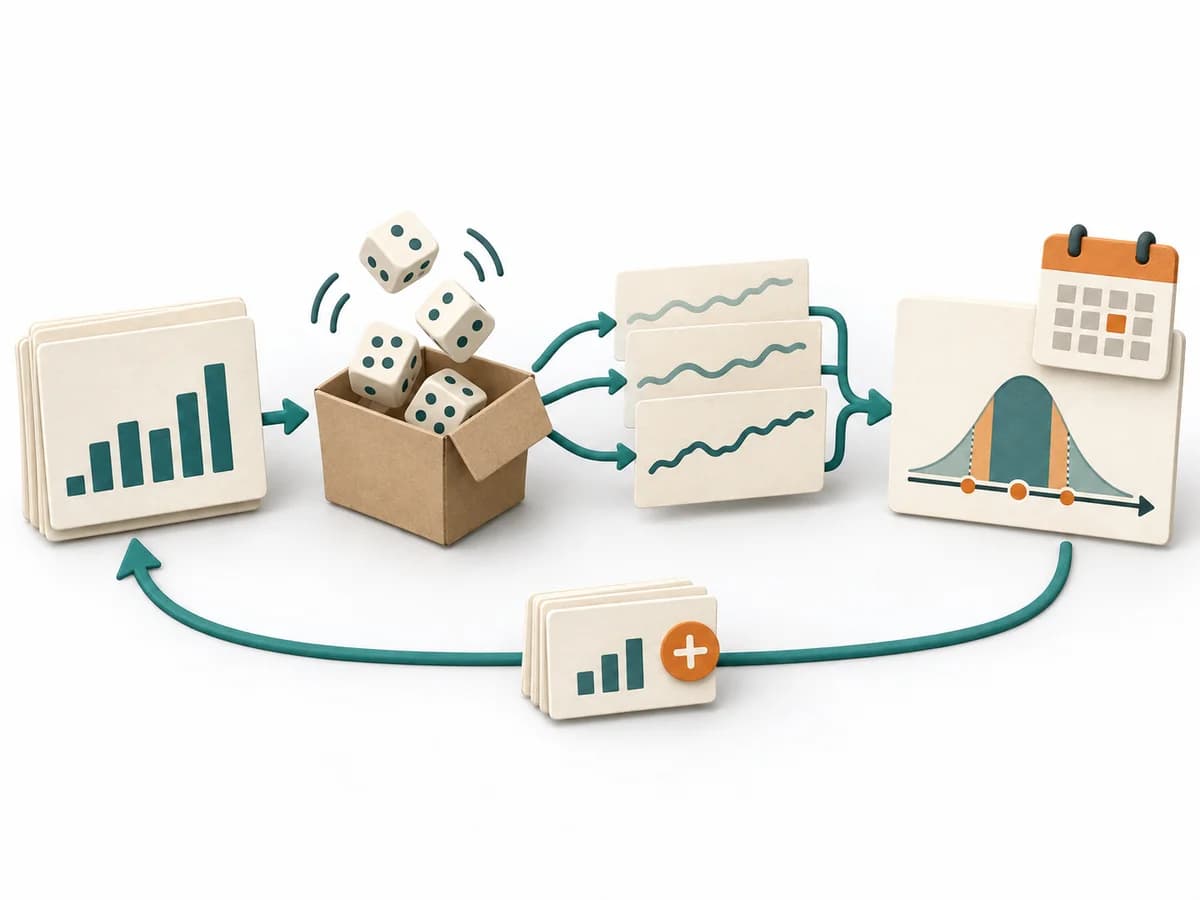
Moves scope, sequence, and delivery flow toward a concrete result through "formulate the forecast question", "choose historical flow data", and "update the forecast regularly".
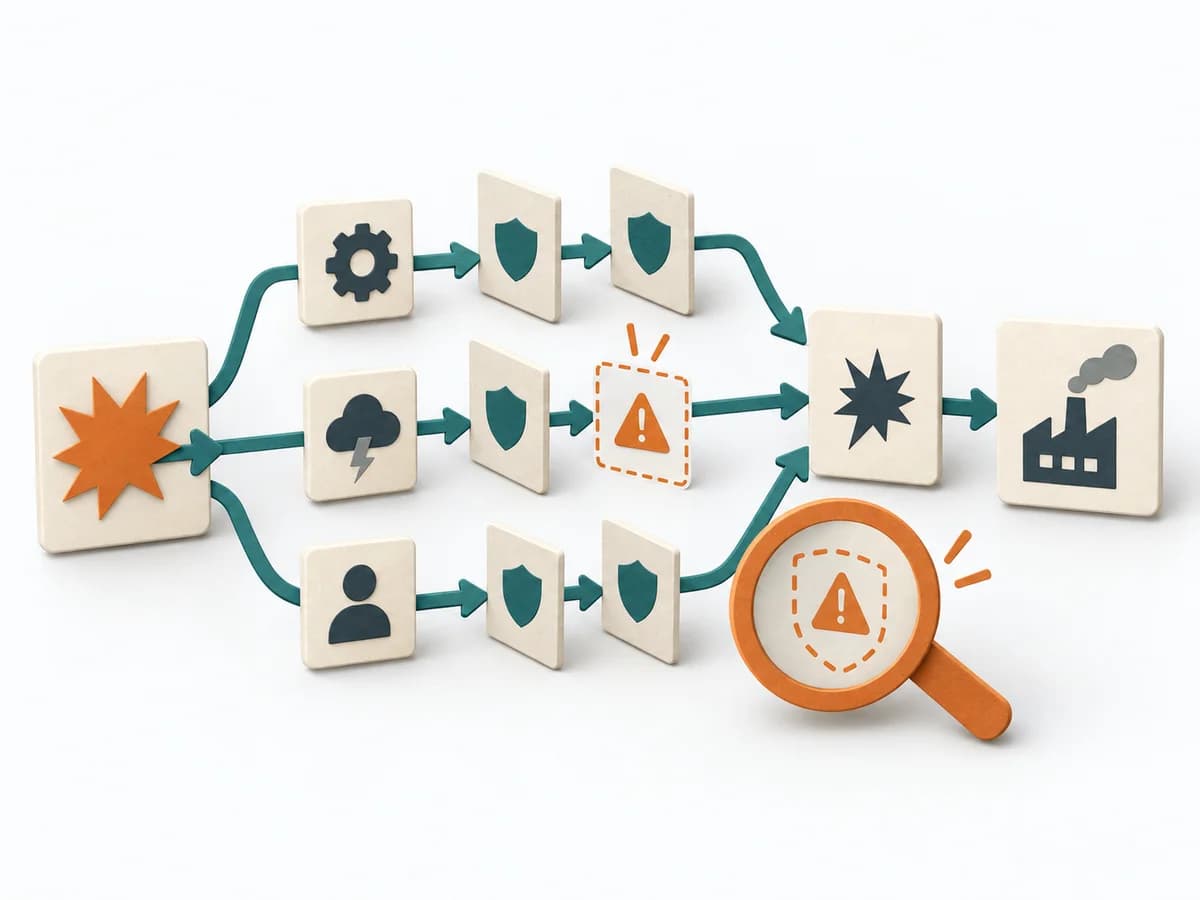
Thinks through failures in advance, assesses controls, and shows gaps in testing, prevention, and response.
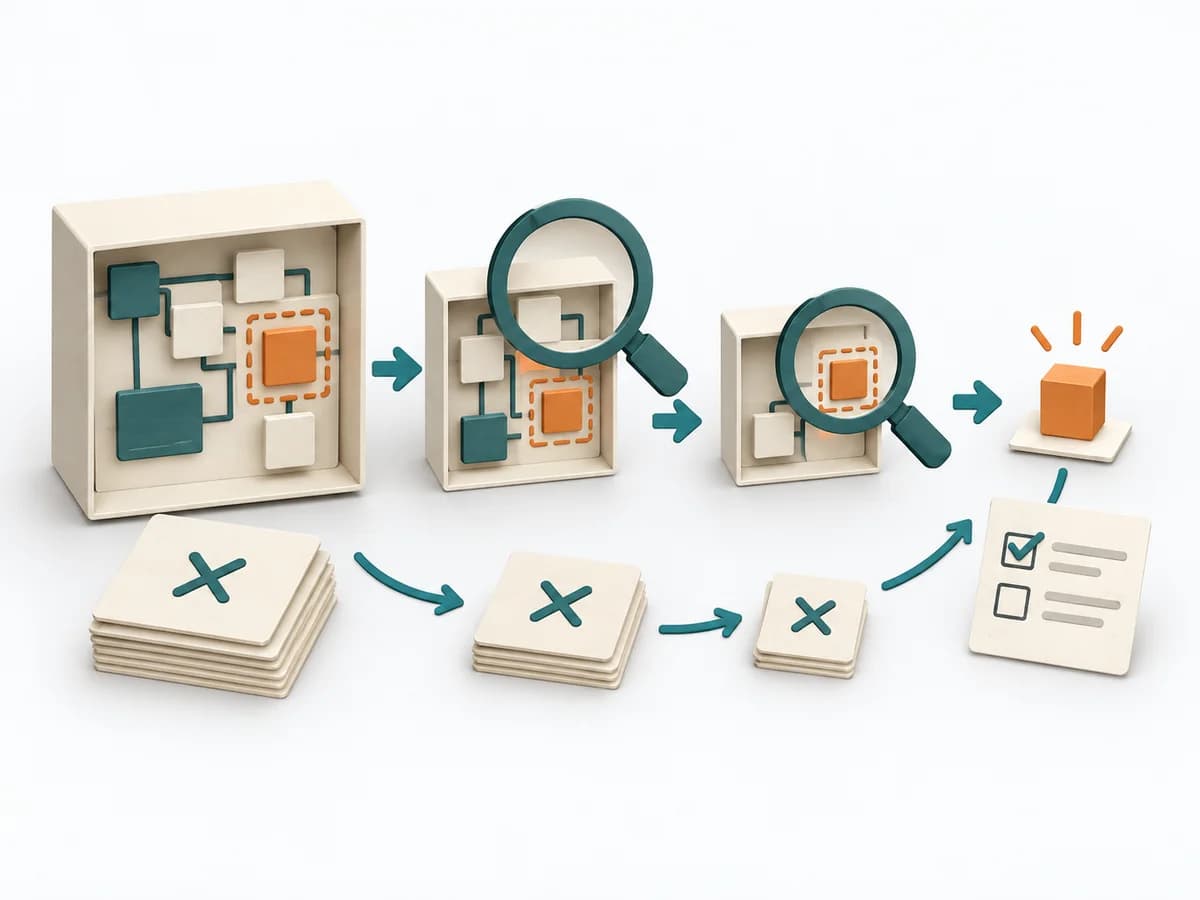
Narrows down the fault space and symptoms step by step until only a few hypotheses and targeted tests remain.