Purpose
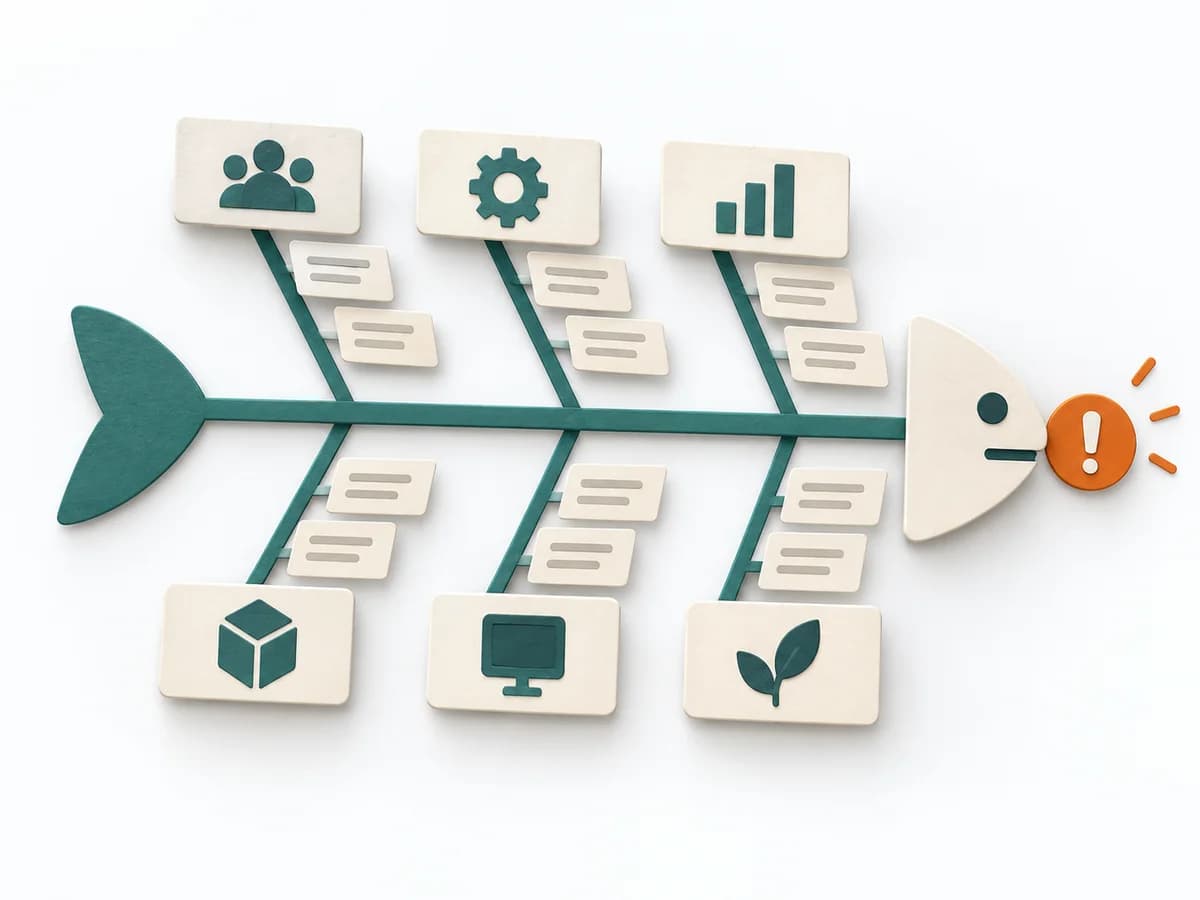
For a single, hard-to-explain deviation, the method exposes the causal chain behind the visible symptom. It keeps the cause open until a controllable condition emerges instead of a mere description.
Operations Analysis method
5 Whys moves from a symptom to a supported, actionable cause.
5 Whys examines the causes of a clearly bounded problem through successive why questions. The number five is a reminder. The analysis continues until it reveals an evidenced condition within the team’s influence.
Which controllable cause behind the symptom can the team fix with a concrete countermeasure?

Frame
Make the symptom concrete enough to start from the actual case.
Evidence
Check the work, system state and data before making a causal claim.
Trace
Use why questions to move from the evidenced deviation to deeper conditions.
Challenge
Challenge the strongest explanation with evidence, alternatives and the team’s influence.
Act
Address the cause, check the effect and make ownership part of the work.
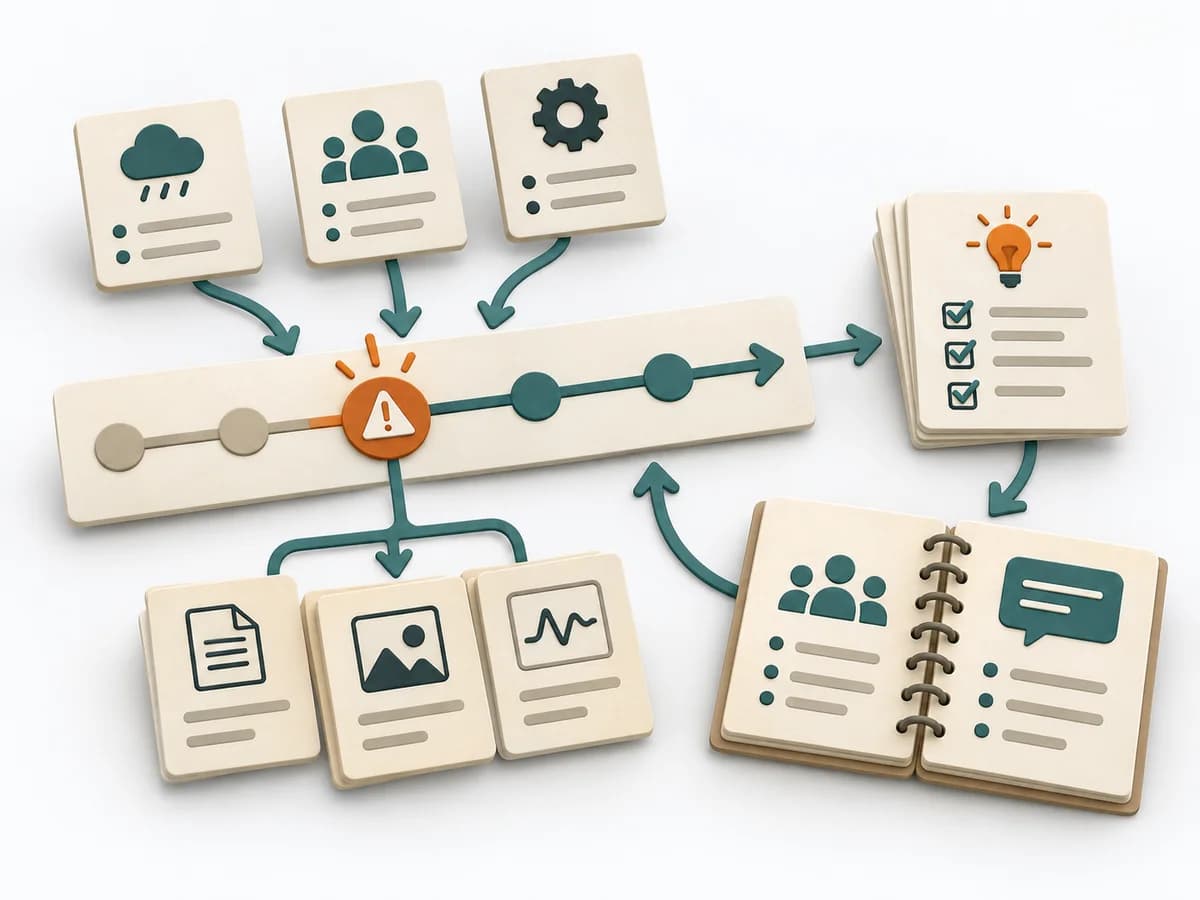
Treat every answer as a hypothesis to test. Return to earlier steps, branch when paths diverge and update the analysis when new evidence changes the explanation.
A good fit when a specific recurring problem can be investigated with direct access to the work, system and evidence. Use a branching analysis or another method when several independent paths matter.

A traceable causal chain with evidence, uncertainty and an influence boundary.

Concrete cause measures with owner, due date and checkable effect.
State an observable problem with time, impact and deviation from the expected condition. Secure relevant data and people with direct process or system knowledge before the first why.
For a single, hard-to-explain deviation, the method exposes the causal chain behind the visible symptom. It keeps the cause open until a controllable condition emerges instead of a mere description.
Every answer is checked as a new starting point and held against the reality of the case. This moves the view from the first guess to a deeper cause with room for action. The most solid explanation is translated into concrete countermeasures and checked for plausibility.
The 5 Whys are useful when a visible deviation needs to be traced back to a controllable condition. Every answer must be checked against facts and must not end at people, chance, or abstract catch-all terms. A mere chain of whys turns into cause work once the identified cause makes a concrete countermeasure meaningful.
Capture the first observable problem as a clear sentence and check every answer immediately against known facts from the case. The method slides into arbitrariness as soon as why-questions merely extend opinions instead of exposing controllable conditions. End the analysis where a changeable cause has been reached and formulate a concrete countermeasure from it.
The method guide walks execution through 5 phases, timing, 5 pitfalls, and clear stop criteria.
Open method guideYour perspective
Your feedback helps shape the next improvements to methodatlas.
Prepare a selected step or the complete flow. Your ready-to-use plan takes shape on the right.
To be confirmed
To be confirmed
Entire analysis Time: 15–30 minutes for a bounded case; add evidence gathering and effect review.
Complete this worksheet on paper or in your own document during the work.
Expected artifact: Problem definition
Observation · standard · deviation · scope
Entry:
...
Expected artifact: Evidenced starting picture
Point of occurrence · facts · tested factors · open assumptions
Entry:
...
Expected artifact: Causal chain
Observation → condition → next cause · evidence status for each link
Entry:
...
Expected artifact: Tested cause statement
Preferred explanation · counter-evidence · uncertainty · influence boundary
Entry:
...
Expected artifact: Countermeasure and learning plan
Cause measure · containment · owner · due date · evidence of effect
Entry:
...
...
Method guide: https://methodatlas.meierhoff-systems.de/en/methods/5-whys/run-sheet
Fitting alternatives with decision guidance, followed by other related methods.
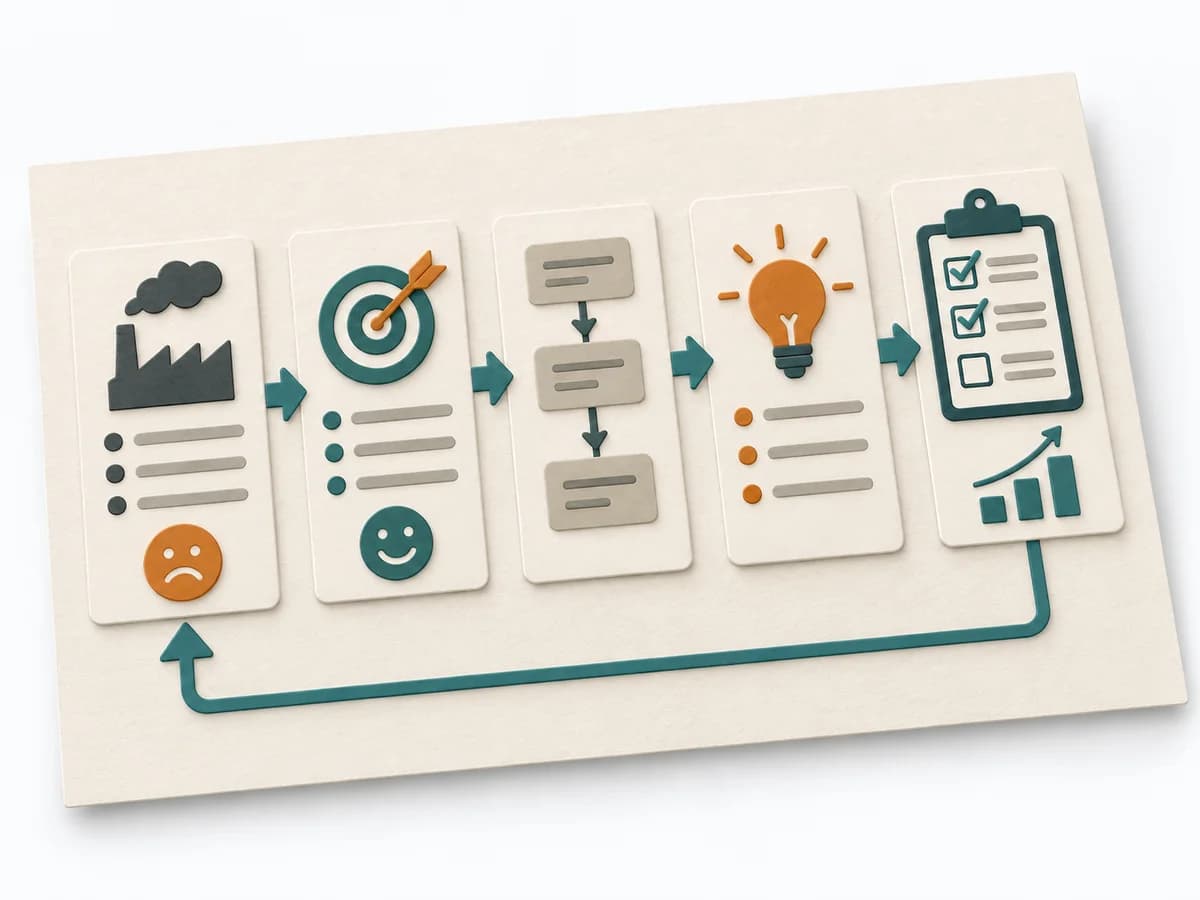
Instead of 5 Whys, when you want to keep analysis, countermeasures, and follow-up on one compact sheet.
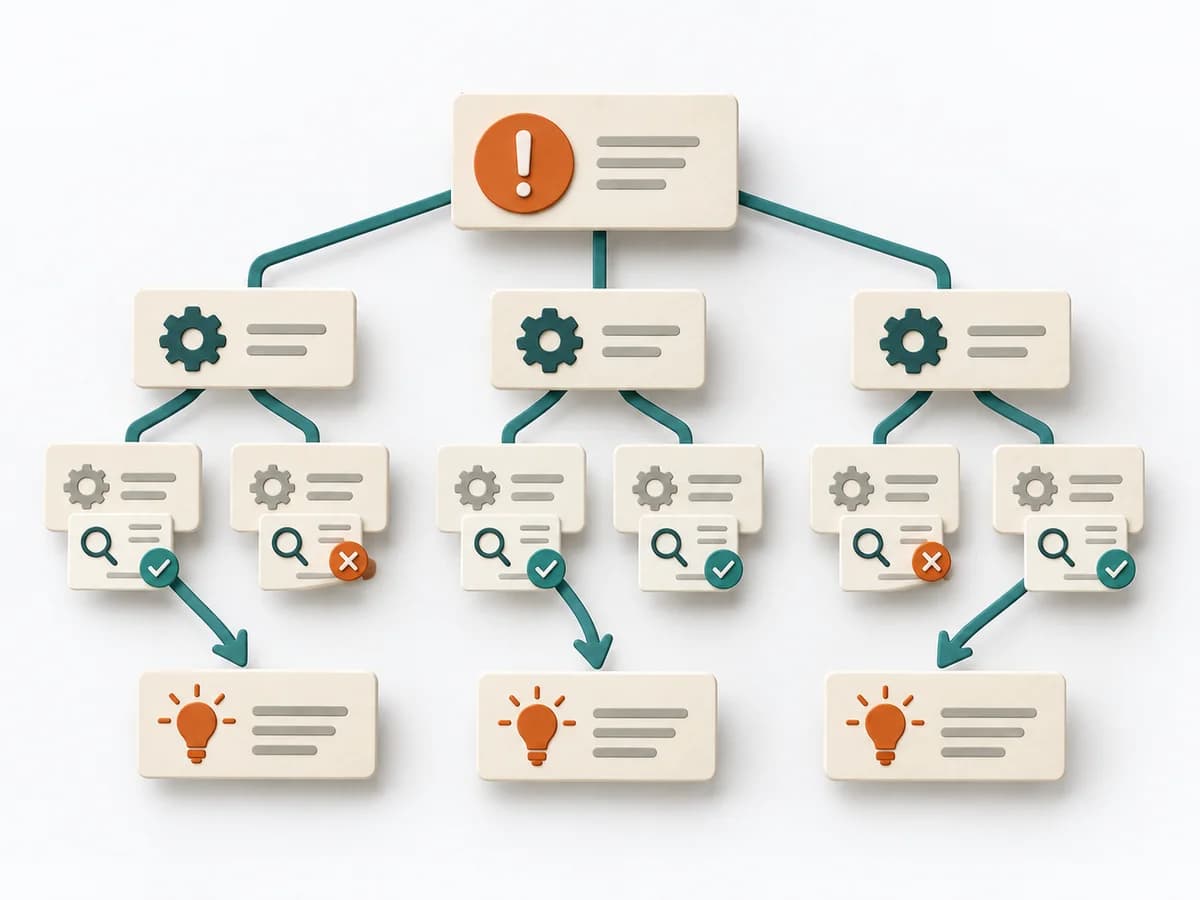
Clarifies workflows, data, causes, and improvements by framing the problem precisely, branching possible causes, and defining countermeasures.
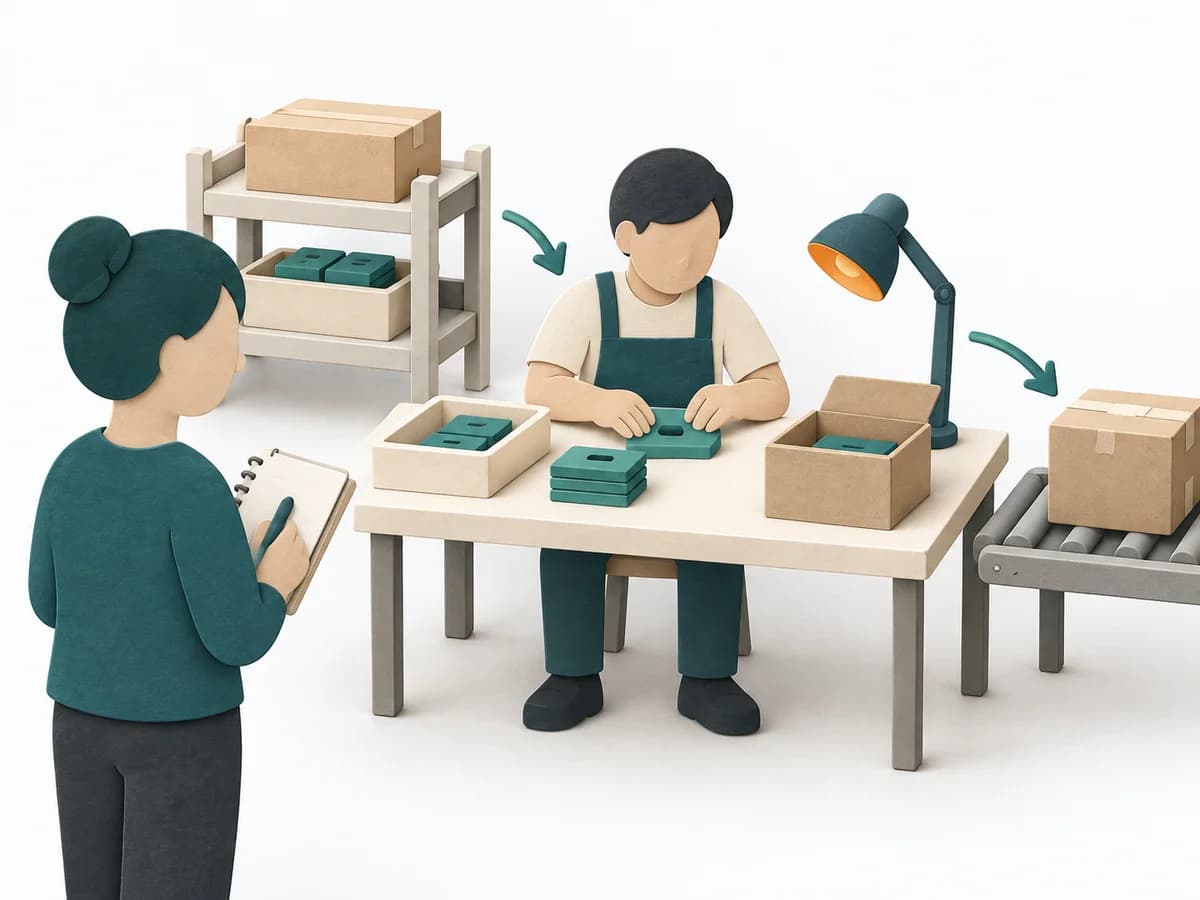
Goes to the place where work happens, observes the process without disrupting it, and gathers solid clues about friction.
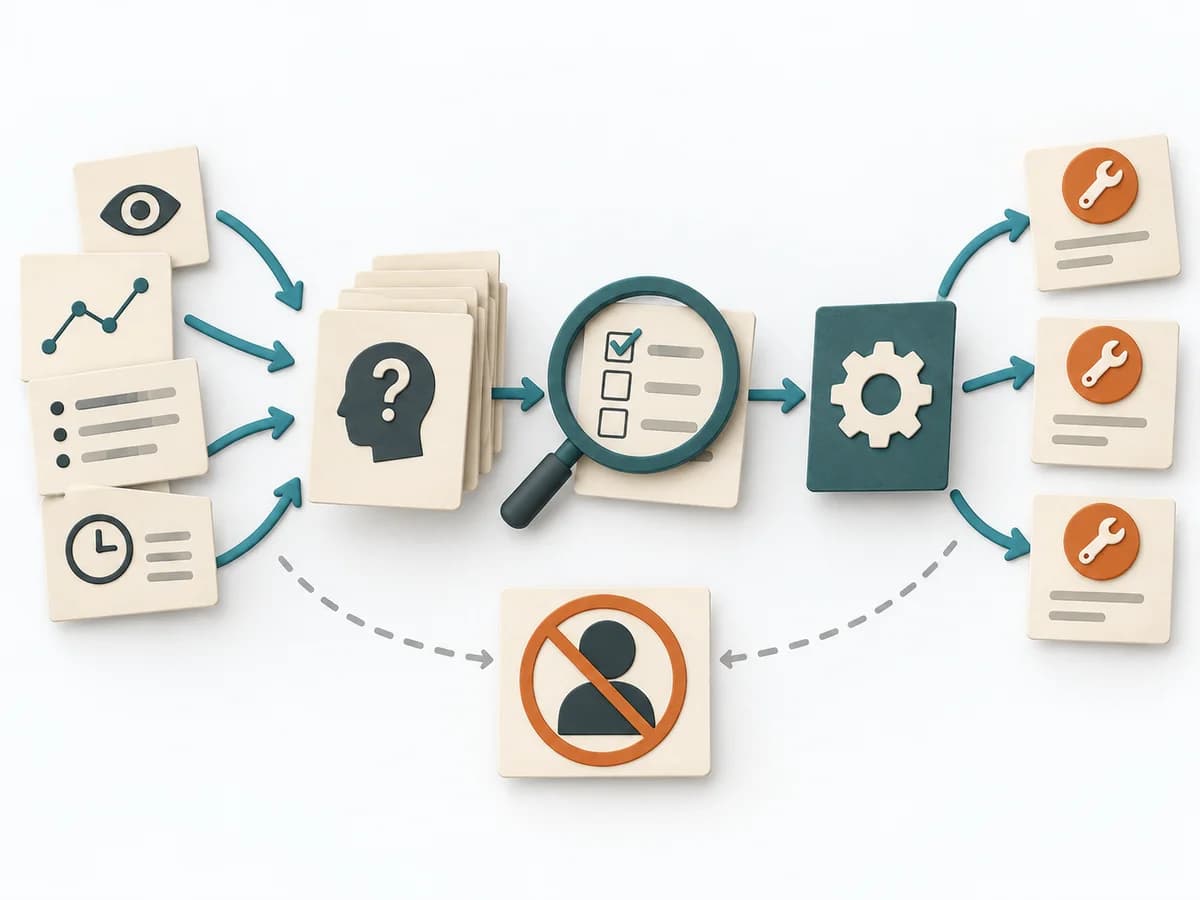
Separates events, evidence, confirmed causes, and fitting actions so analysis does not turn into blame-finding.
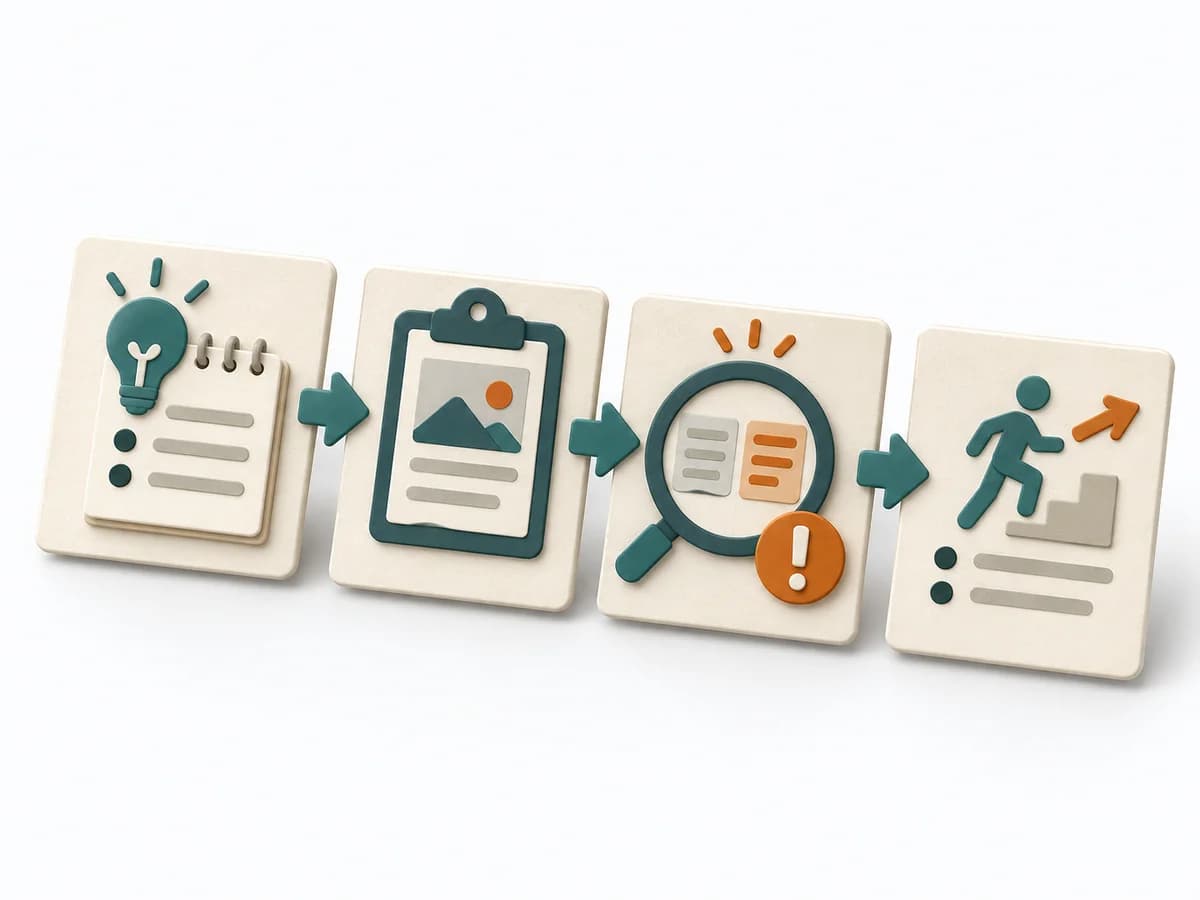
Compares goal and actual course, identifies deviations, and records concrete learning steps.
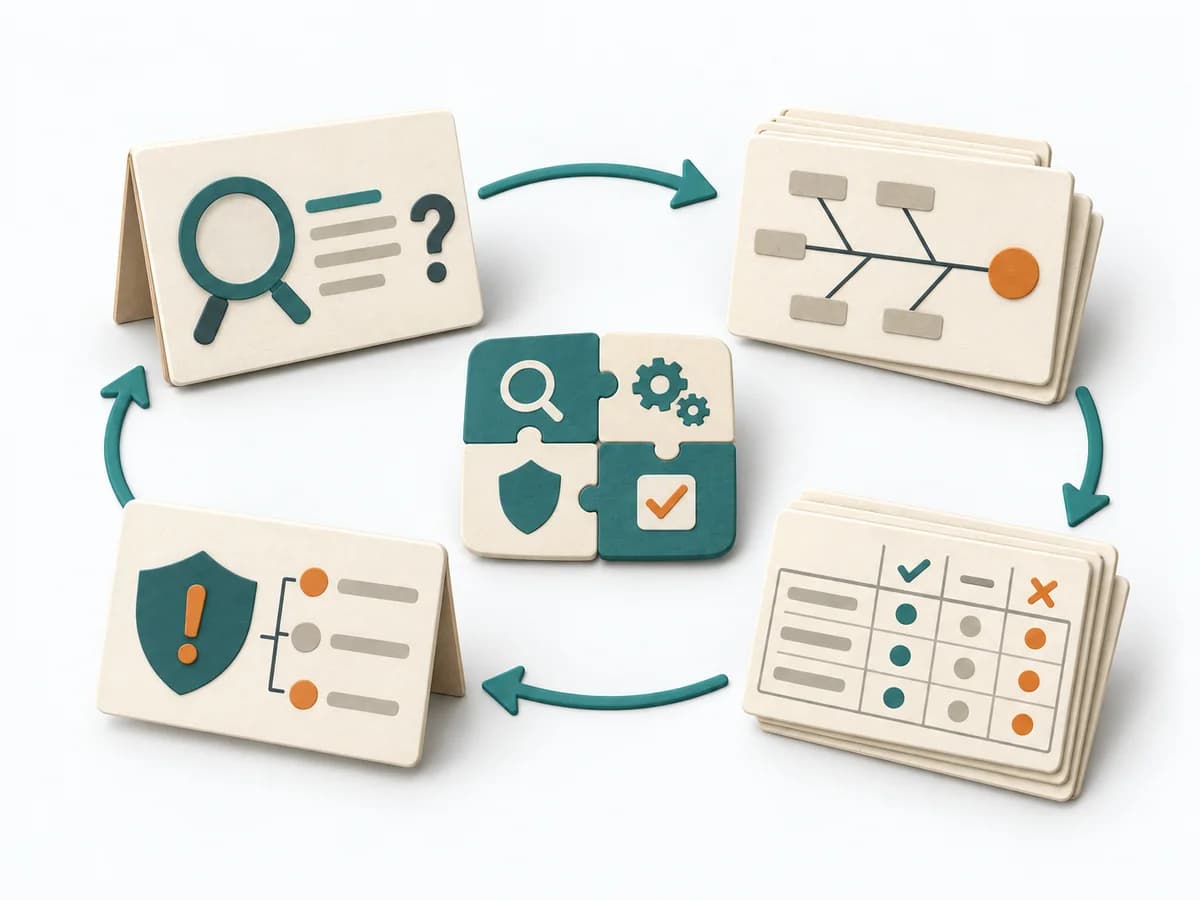
Clarifies workflows, data, causes, and improvements by framing the situation, analyzing the problem with is/is not, and planning risks and actions.