Purpose
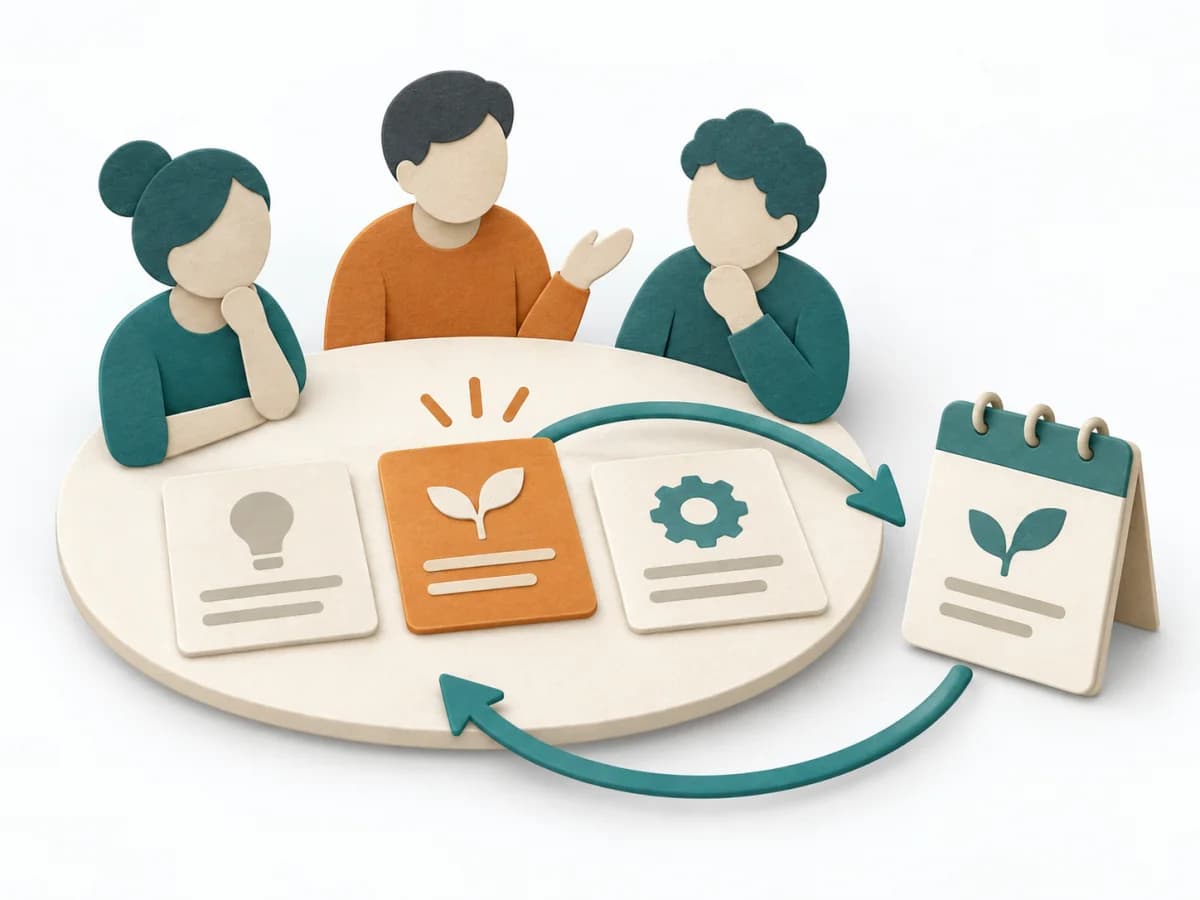
When a team needs to work in a fixed delivery rhythm, it stabilizes cadence, responsibility, and feedback loops. It makes collaboration reliable across sprint boundaries.
Agile Framework
Manages complex product work empirically through transparency, inspection, and adaptation in Sprints.
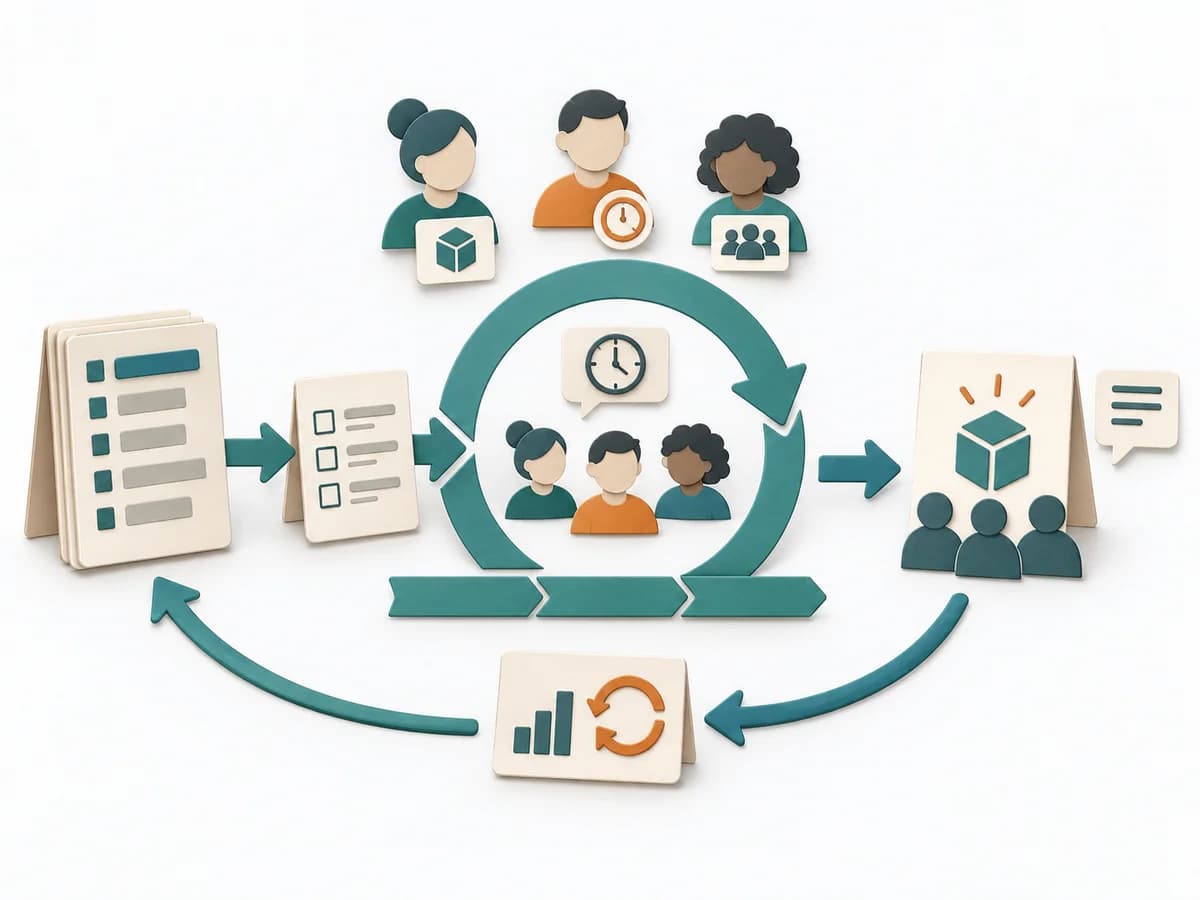
Scrum defines the Scrum Team, five events, three artefacts, and their commitments. Product Goal, Sprint Goal, and Definition of Done create focus and transparency; the framework does not prescribe Kanban WIP limits.
How does the Scrum Team create a usable Increment every Sprint and learn from outcome and ways of working?
Scrum uses Sprints with Planning, Daily Scrum, Review, and Retrospective around three artefacts and commitments. Assessments remain justified and context-bound.
Product Goal
Make Product Goal and ordered Product Backlog transparent.
Sprint
Plan a Sprint Goal and inspect progress toward it daily.
Increment
Integrate Done Increments and inspect outcome and environment in Sprint Review.
Adapt
Adapt Product Backlog and ways of working in Review and Retrospective.
Update after new evidence or a material context change and retain the previous version.
For complex products with an empowered, cross-functional, self-managing Scrum Team.
Scrum operating agreement with traceable sources, assumptions, and domain decisions.
Owners, dates, and next review for Scrum operating agreement.
Fictional worked example
Sprints with Planning, Daily Scrum, Review, and Retrospective around three artefacts and commitments as a precise working structure with a fictional example.
Record concrete Accountabilities information for this Scrum instance.
Product Owner Lea orders the Product Backlog toward the Product Goal; Scrum Master Amir coaches Scrum use; Developers Kim, Noor, Eva, and Luis create the Increment.
Record concrete Events information for this Scrum instance.
Two-week Sprint: Planning Monday 09:00; Daily Scrum 09:15; Review Friday 13:00 with Support and Compliance; Retrospective 14:30.
Record concrete Artefacts/commitments information for this Scrum instance.
Product Goal: find a review decision with evidence in under 30 seconds. Sprint Goal: search by project, owner, and status. Definition of Done: integrated, tested, WCAG 2.2 AA, audit log, and production-ready.
Record concrete Empirical inspection information for this Scrum instance.
Review: seven of eight stakeholder tasks under 30 seconds; status filter unclear. Product Backlog receives a terminology test. Retrospective: prepare anonymised test data before Planning.
The example demonstrates the domain logic of Scrum; worksheets remain blank.
Start with the core question: How does the Scrum Team create a usable Increment every Sprint and learn from outcome and ways of working?
When a team needs to work in a fixed delivery rhythm, it stabilizes cadence, responsibility, and feedback loops. It makes collaboration reliable across sprint boundaries.
It ties planning, daily coordination, review, and improvement to a recurring frame. Roles, events, and artifacts ensure that progress, feedback, and adaptation converge in short cycles.
Scrum works because the framework couples product goal, short delivery cycles, and regular inspection so that learning and implementation share the same cadence. Good application does not depend on ceremonial correctness but on genuinely maintained backlog work, clear responsibilities, and real willingness to adapt after review and retrospective. Introduced mechanically, Scrum produces calendar discipline; anchored properly, it strengthens focus, transparency, and decision-making capability in everyday team life.
Introduce the framework through concrete everyday problems, such as missing priority, unclear responsibility, or late surprises, so that adoption has a recognizable benefit. The matter becomes really concrete once product goal, backlog, and sprint work visibly fit together for the first time. Close every introduction phase with a few behavioral anchors that are deliberately observed in the next sprint.
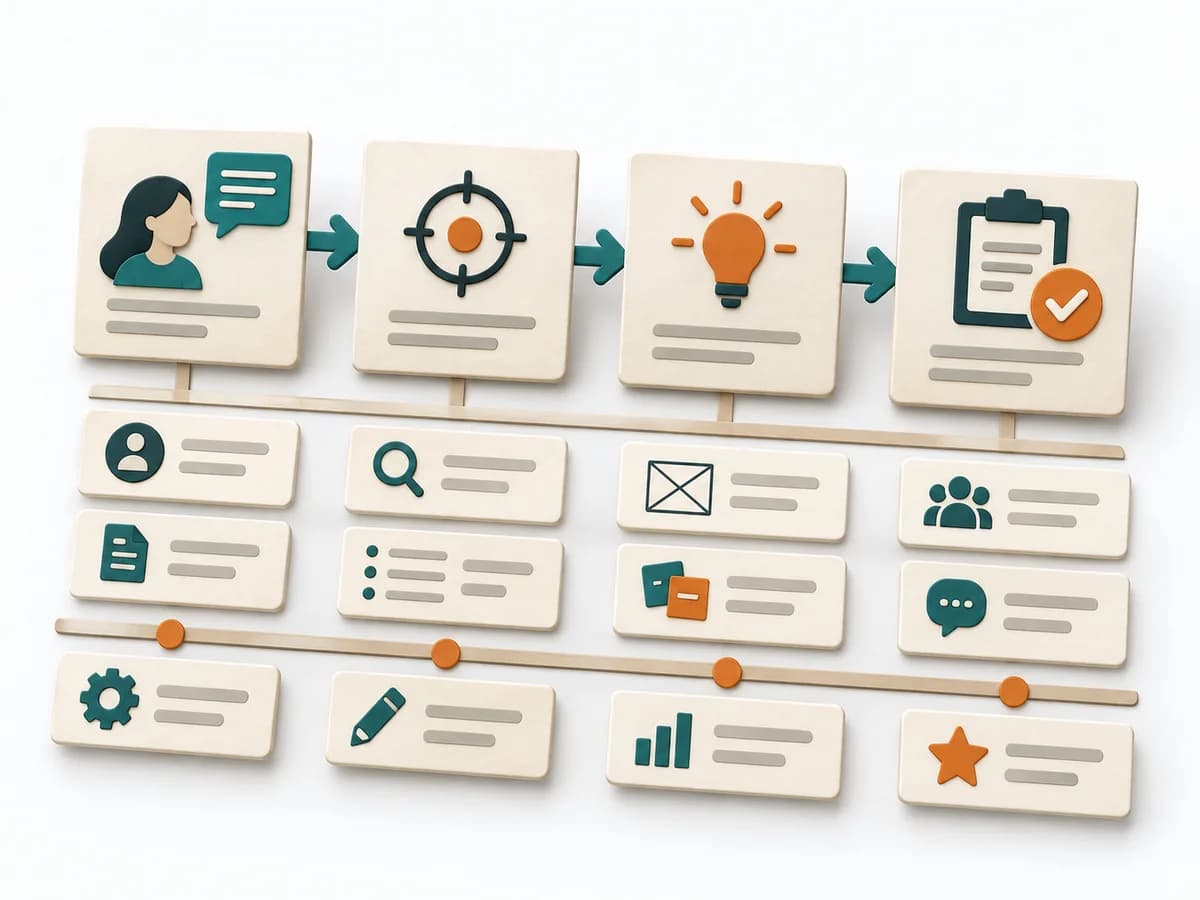
The method guide walks execution through 4 phases, timing, 4 pitfalls, and clear stop criteria.
Open method guideYour perspective
Your feedback helps shape the next improvements to methodatlas.
Plan Scrum around its domain steps and the concrete decision question.
To be confirmed
To be confirmed
Establish and review the practice Time: Continuous; Sprint no longer than one month
Complete this worksheet on paper or in your own document during the work.
Record concrete Accountabilities information for this Scrum instance.
...
Record concrete Events information for this Scrum instance.
...
Record concrete Artefacts/commitments information for this Scrum instance.
...
Record concrete Empirical inspection information for this Scrum instance.
...
Enter only real input, sources, and decisions.
Expected artifact: product backlog
product backlog · source · uncertainty · next decision
Entry:
...
Expected artifact: sprint backlog
sprint backlog · source · uncertainty · next decision
Entry:
...
Expected artifact: Done Increment
Done Increment · source · uncertainty · next decision
Entry:
...
Expected artifact: adaptations
adaptations · source · uncertainty · next decision
Entry:
...
...
Method guide: https://methodatlas.meierhoff-systems.de/en/methods/scrum/run-sheet
Fitting alternatives with decision guidance, followed by other related methods.
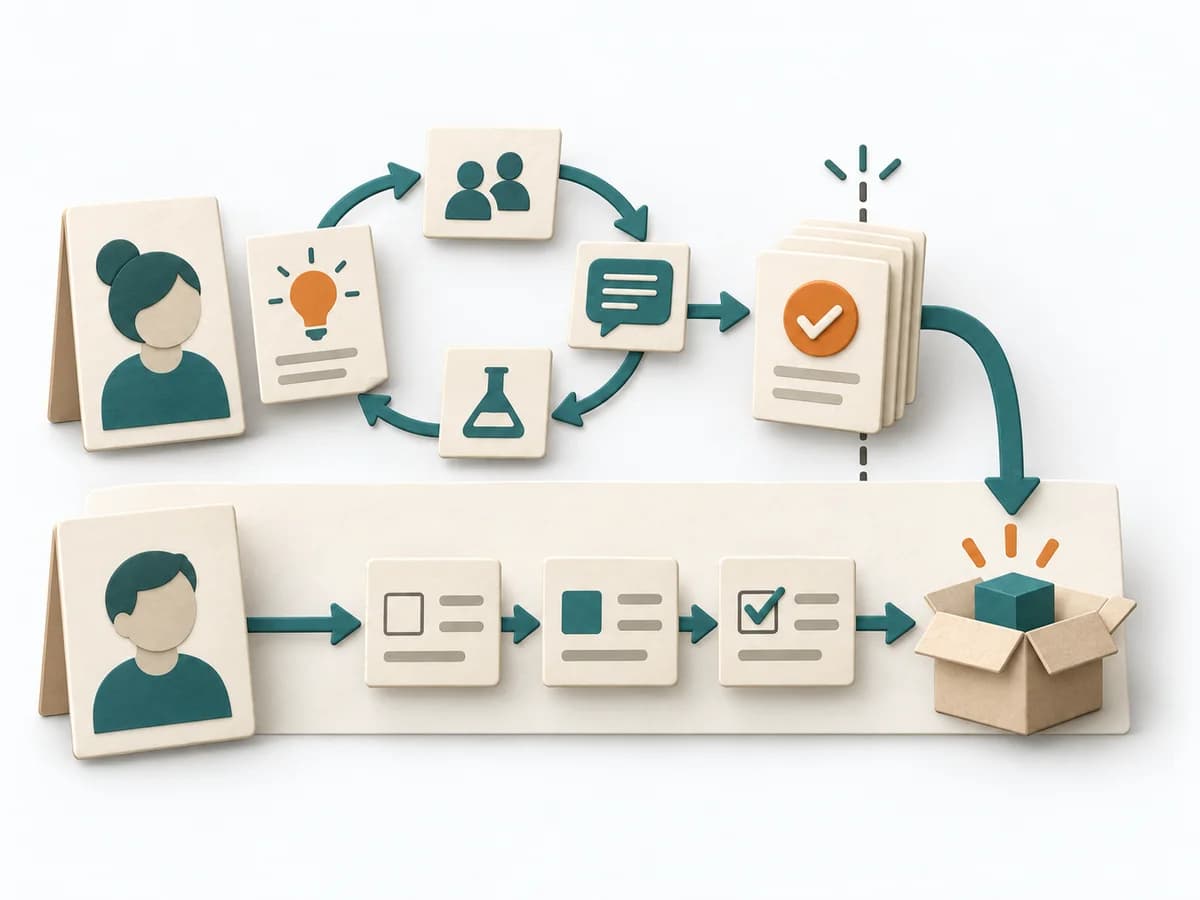
Instead of Scrum, choose Dual-Track Agile when you want to deliberately run discovery and delivery in parallel because you need to learn and deliver at the same time.
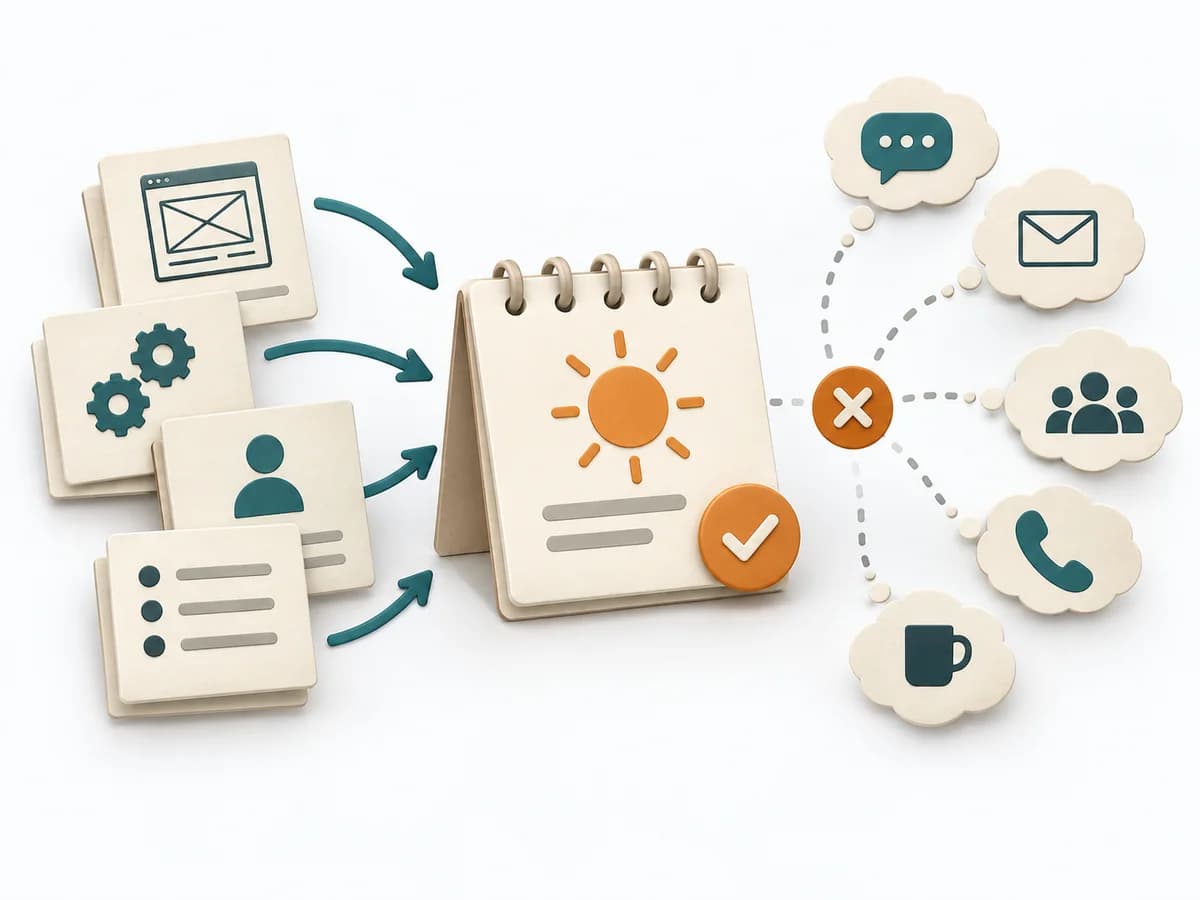
Moves backlog, sprint work, and team flow toward a concrete result through "explain the ideal day unit", "calibrate with a reference item", and "do not confuse it with calendar days".
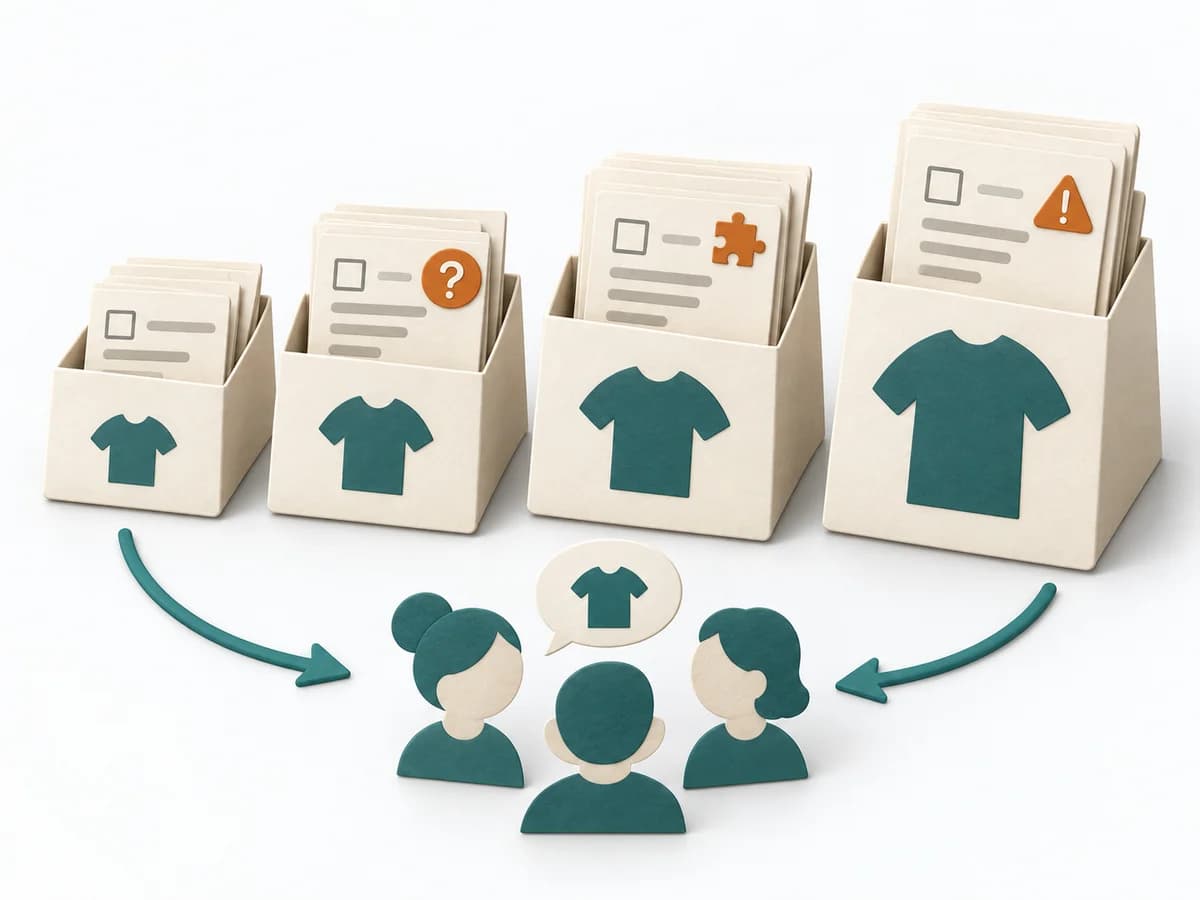
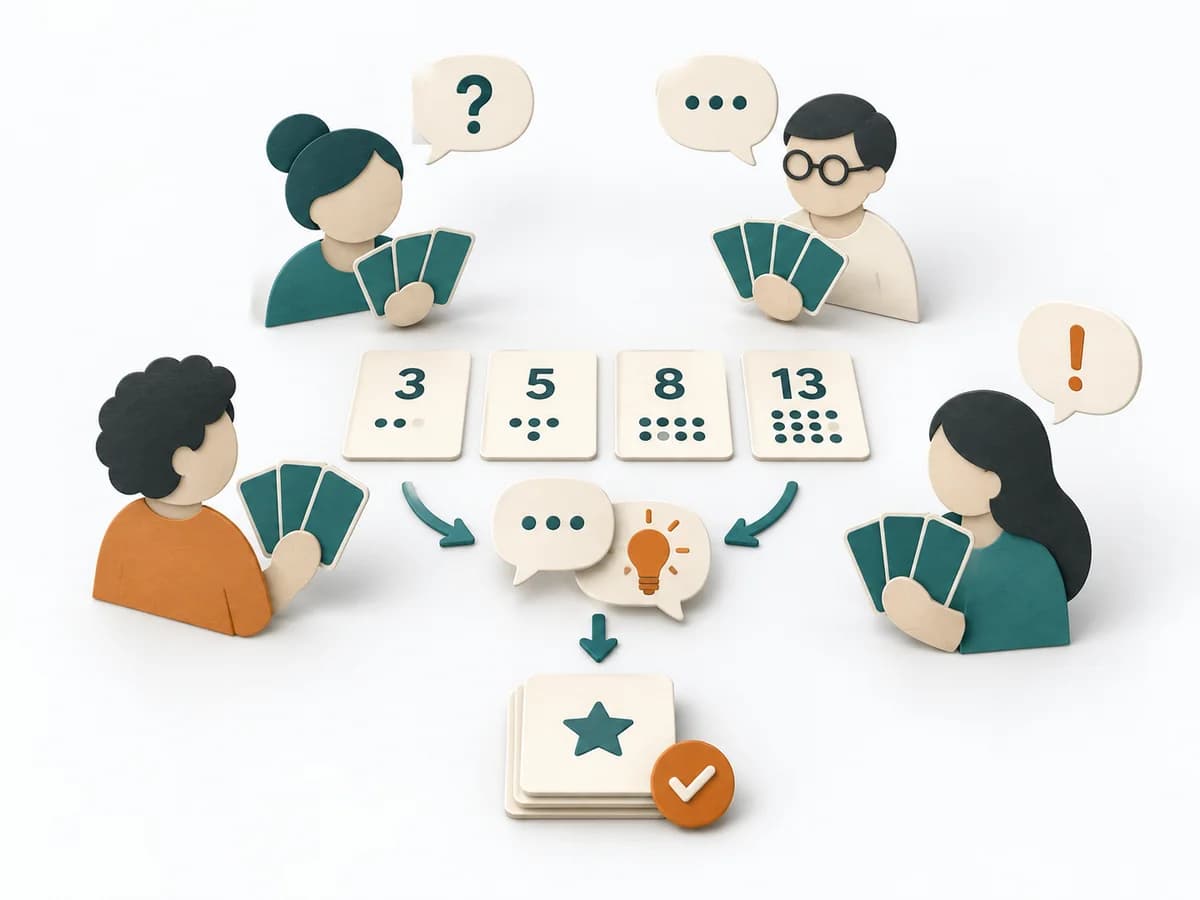
Sorts backlog items roughly by reference sizes and flags early on which items will later need splitting or clarification.
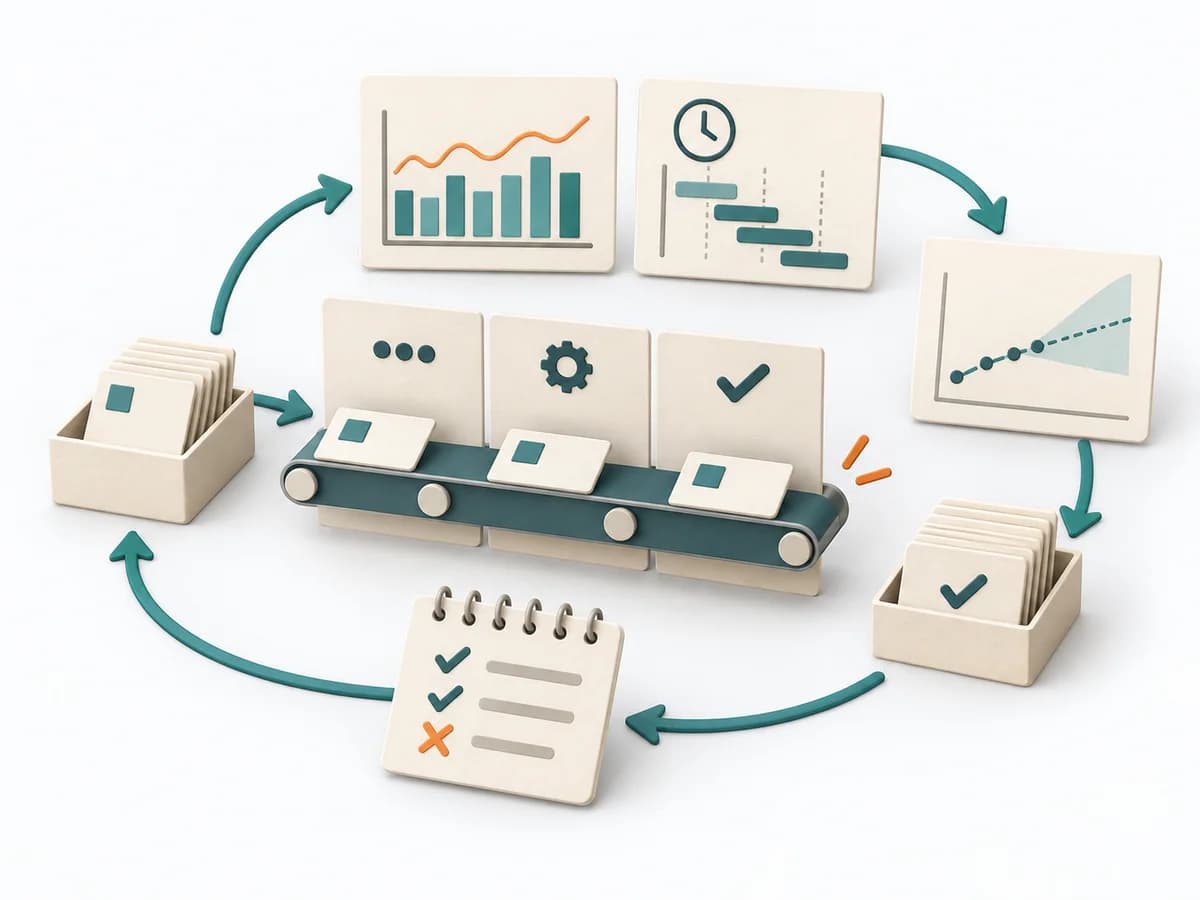
Moves backlog, sprint work, and team flow toward a concrete result through "clarify the planning question", "slice work smaller", and "calibrate regularly with reality".
Moves backlog, sprint work, and team flow toward a concrete result through "choose reference stories", "define the scale", and "interpret velocity only within the team".
Structures product work around shaped pitches, bets, fixed cycles, hill charts, and scope hammering.