When a search for ideas stalls, switching roles helps people step outside their own perspective and activate new logics of action. The method reduces habit because contributions arise from a different stance. This brings unfamiliar, often fitting solution approaches into play.
Innovation Workshop method
Rolestorming
Generates ideas from explicitly chosen perspectives and loosens participants from their everyday role.
Participants temporarily adopt a persona or stakeholder role and state its goals, knowledge, and constraints. Ideas remain marked as perspective hypotheses.
Which options become visible when we view the problem from other evidenced roles?
- Participants
- 3-12
- Time
- 30-60 min
Rolestorming uses time-bounded perspective shift with a role brief and subsequent synthesis. Assessments remain justified and context-bound.

Choose roles
Choose roles
Derive relevant perspectives from research and the decision.
Brief roles
Brief roles
Clarify goal, knowledge, constraints, and assumptions per role.
Ideate in role
Ideate in role
Generate options from each role and mark provenance.
Synthesis
Synthesis
Cluster ideas, preserve tensions, and plan validation.
Update after new evidence or a material context change and retain the previous version.
A good fit when
For stuck ideation with several plausible user or stakeholder perspectives.
Ideal for
- Festgefahrene Ideation
- Perspektivwechsel
- Kundenzentrierte Innovation
Not good for
- Sehr technische Detaildiskussionen
- Themen ohne klaren Nutzerbezug
Outputs

role-based idea portfolio
role-based idea portfolio with traceable sources, assumptions, and domain decisions.

Decision and review trail
Owners, dates, and next review for role-based idea portfolio.
role-based idea portfolio
Fictional worked example
time-bounded perspective shift with a role brief and subsequent synthesis as a precise working structure with a fictional example.
Role
Goal · knowledge · constraint
Reviewer: 40 cases daily, audit duty.
Evidence
Research source · open assumption
Seven interviews; time pressure confirmed.
Idea
Option from perspective
Automatically flag evidence changes.
Validation
Question · method · owner
Does highlighting shorten review? Usability test.
First step
Start with the core question: Which options become visible when we view the problem from other evidenced roles?
Good to do first
Deep dive
The changing role perspective alters not just the style of contributions but also which problems are even noticed. Someone thinking from the point of view of another person, function, or character prioritizes different tensions and can bypass blind spots. What matters is the shift in perspective, not the role itself.
Rolestorming works because it forces a change of perspective and thereby undercuts habitual thought paths. The method brings especially new quality when the chosen roles embody real interests, constraints, or domain logics rather than serving merely as a costume. Good application translates the ideas from the role phase back into the actual problem, so that the gain in perspective does not dissipate into entertainment.
Choose roles with clearly recognizable viewpoints and briefly explain why these particular perspectives are relevant. The interesting point emerges when a role voices requirements or fears that would otherwise remain unnamed in the team. Afterward, convert the strongest contributions into concrete ideas, principles, or test questions for the initiative.
The method guide walks execution through 4 phases, timing, 4 pitfalls, and clear stop criteria.
Open method guideYour perspective
Does this method help with your work?
Your feedback helps shape the next improvements to methodatlas.
Sources and topics
Rolestorming: WorksheetPlan Rolestorming around its domain steps and the concrete decision question.canvas
rolestorming-working-template.md
Plan Rolestorming around its domain steps and the concrete decision question.
Rolestorming: Worksheet
Question
To be confirmed
Desired outcome
To be confirmed
Scope
Full workshop Time: 45–60 minutes
Complete this worksheet on paper or in your own document during the work.
Preparation for this scope
Method setup
- Materials: Problem statement, research-based role profiles, ideation rules, shared workspace, source links, and decision log.
- Roles: Facilitator · 4–8 participants · research owner
- Advance information: Collect Problem statement, research-based role profiles, ideation rules in advance and mark open assumptions.
- Overall time needed: 45–60 minutes
- Setup: Prepare time-bounded perspective shift with a role brief and subsequent synthesis visibly and calibrate assessment terms before starting.
Prepare for the work steps
Choose roles: Choose roles
- Problem statement
- research-based role profiles
- ideation rules
Brief roles: Brief roles
- role set
- research-based role profiles
- ideation rules
Ideate in role: Ideate in role
- role briefs
- research-based role profiles
- ideation rules
Synthesis: Synthesis
- role ideas
- research-based role profiles
- ideation rules
role-based idea portfolio
Role
Goal · knowledge · constraint
...
Evidence
Research source · open assumption
...
Idea
Option from perspective
...
Validation
Question · method · owner
...
Choose roles: Choose roles
Expected artifact: role set
role set · source · uncertainty · next decision
Entry:
...
- Is every role relevant and evidenced?
Brief roles: Brief roles
Expected artifact: role briefs
role briefs · source · uncertainty · next decision
Entry:
...
- Do briefs avoid stereotypes?
Ideate in role: Ideate in role
Expected artifact: role ideas
role ideas · source · uncertainty · next decision
Entry:
...
- Is the perspective traceable?
Synthesis: Synthesis
Expected artifact: idea portfolio
idea portfolio · source · uncertainty · next decision
Entry:
...
- Are assumptions marked for testing?
Open questions and next steps
...
Method guide: https://methodatlas.meierhoff-systems.de/en/methods/rolestorming/run-sheet
Alternatives and neighbors
Fitting alternatives with decision guidance, followed by other related methods.

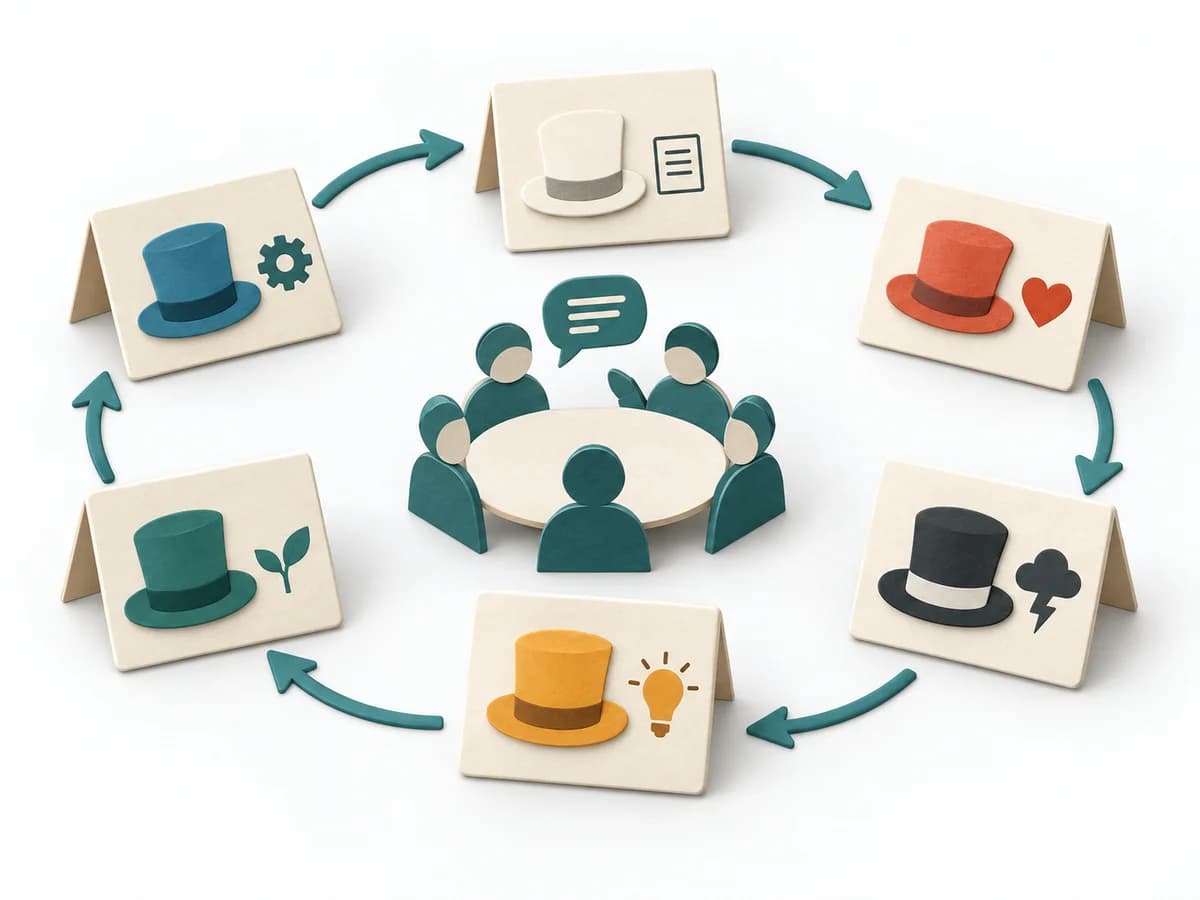
Instead of Rolestorming, choose Six Thinking Hats when you want to examine an idea one after another from six clearly separated modes of thinking.

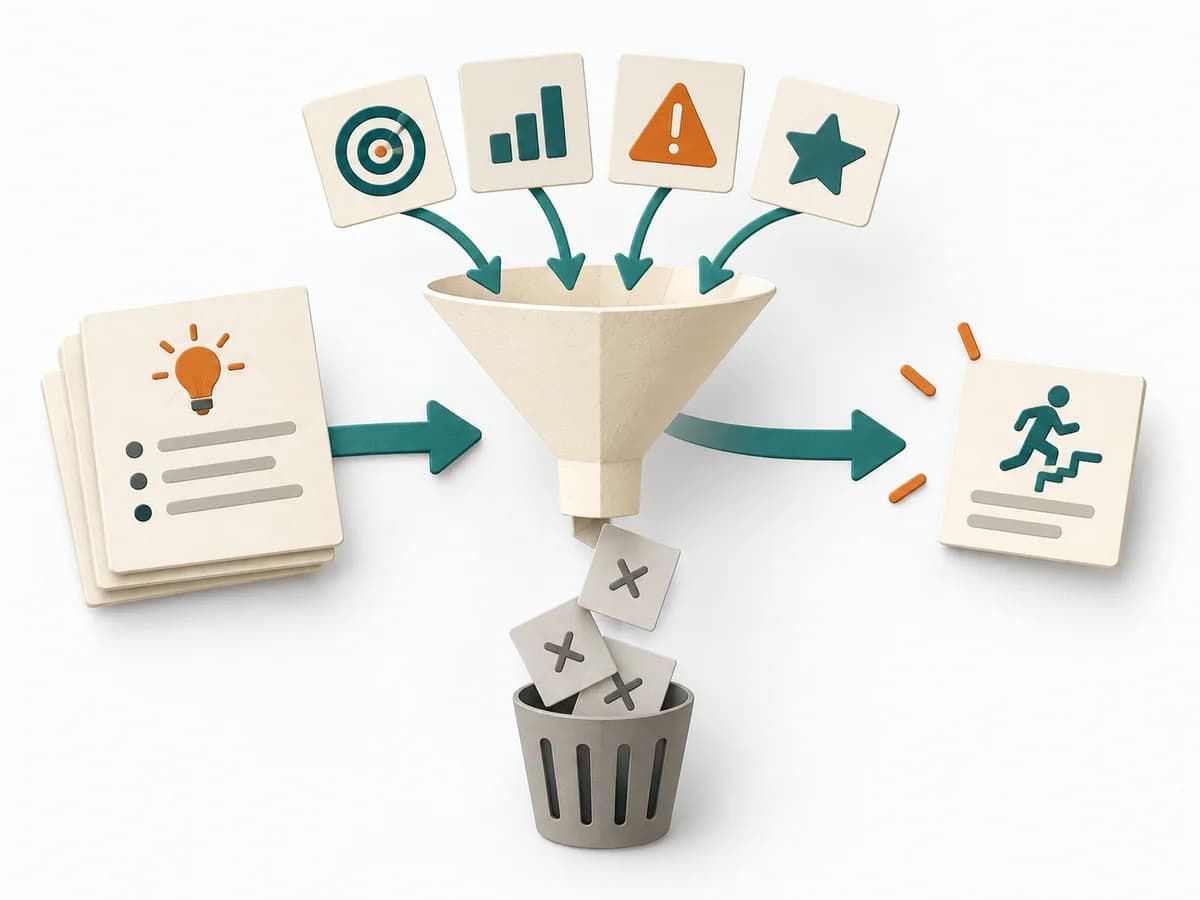
Expands a core question into topic fields, filters out patterns, and condenses interesting paths into a shortlist.

Deliberately flips the question toward the negative to expose risk themes and derive solid solution ideas from them.

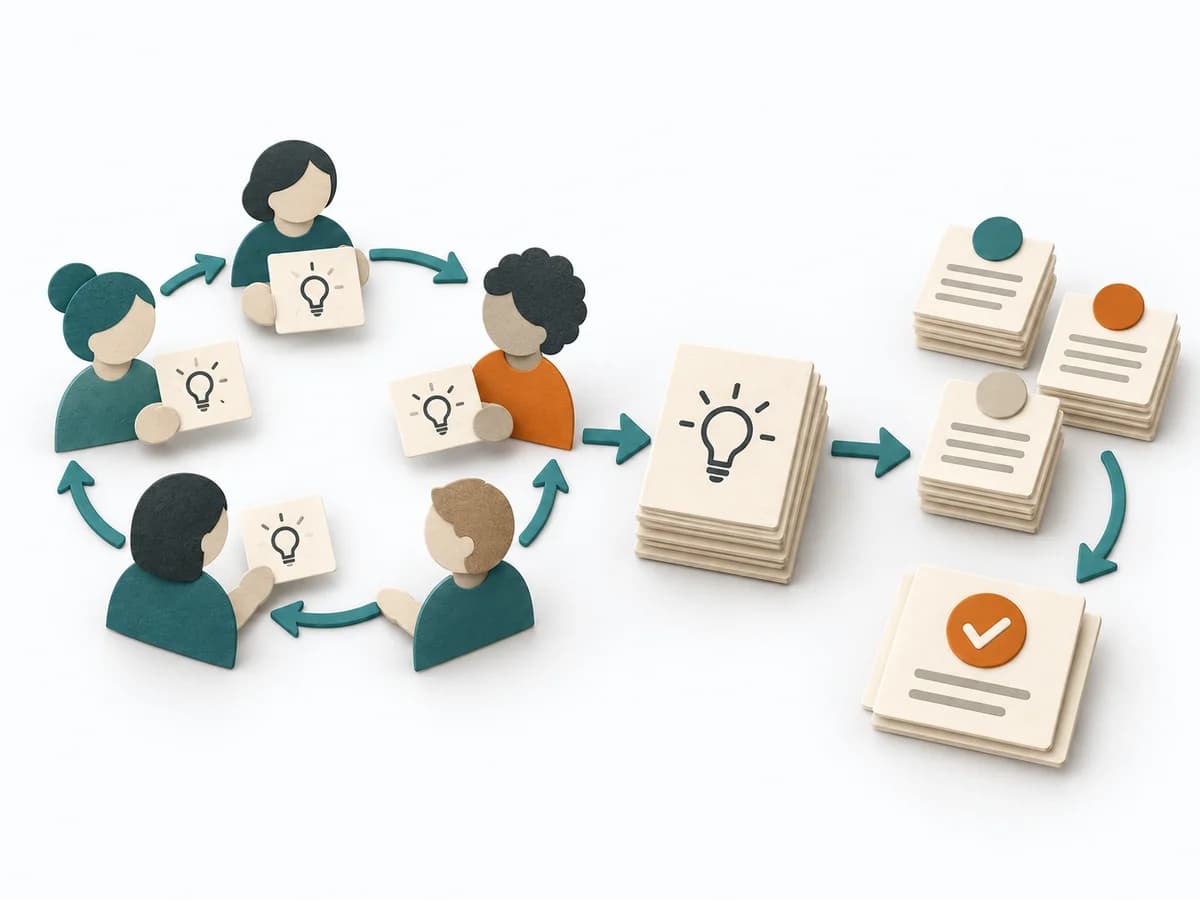
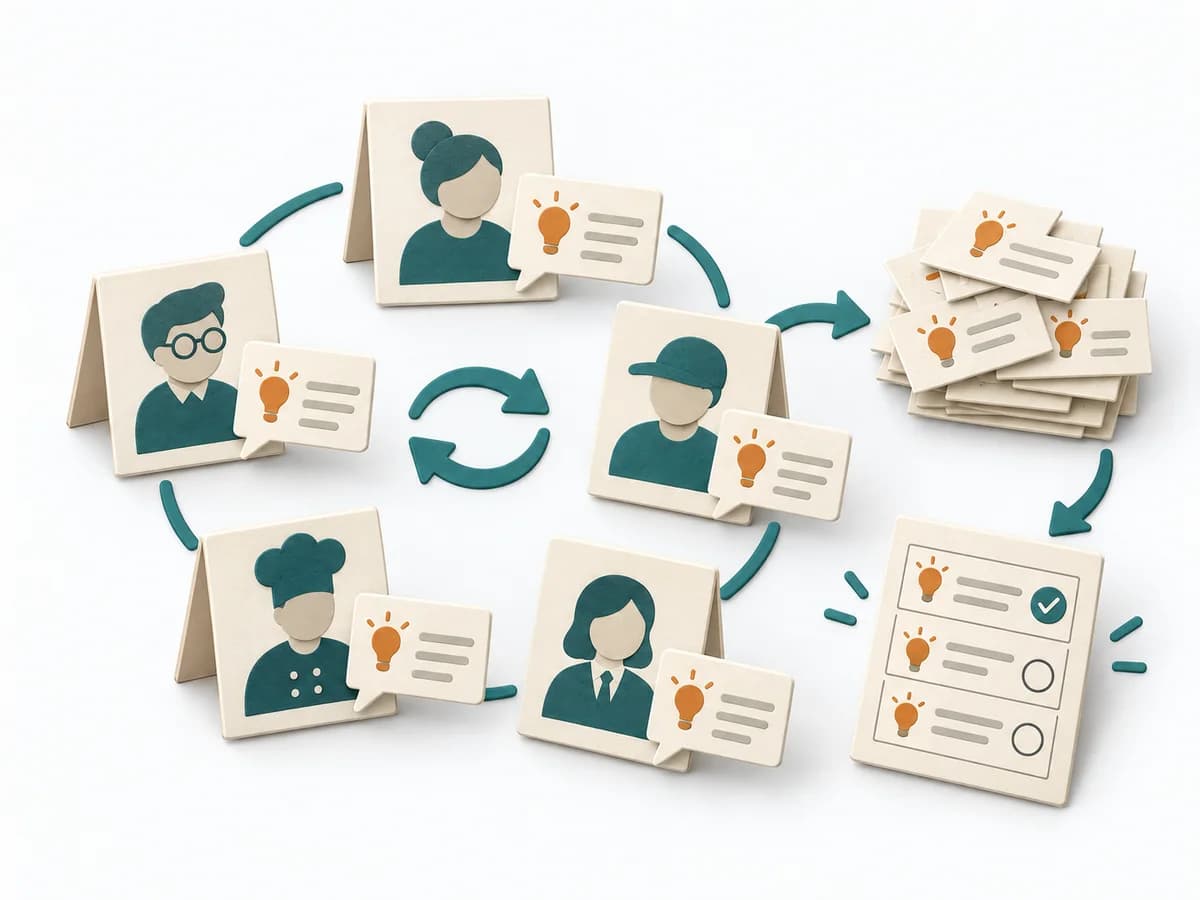
Ensures participation in turn, produces a broad idea list, and then leads it into clusters and a shortlist.

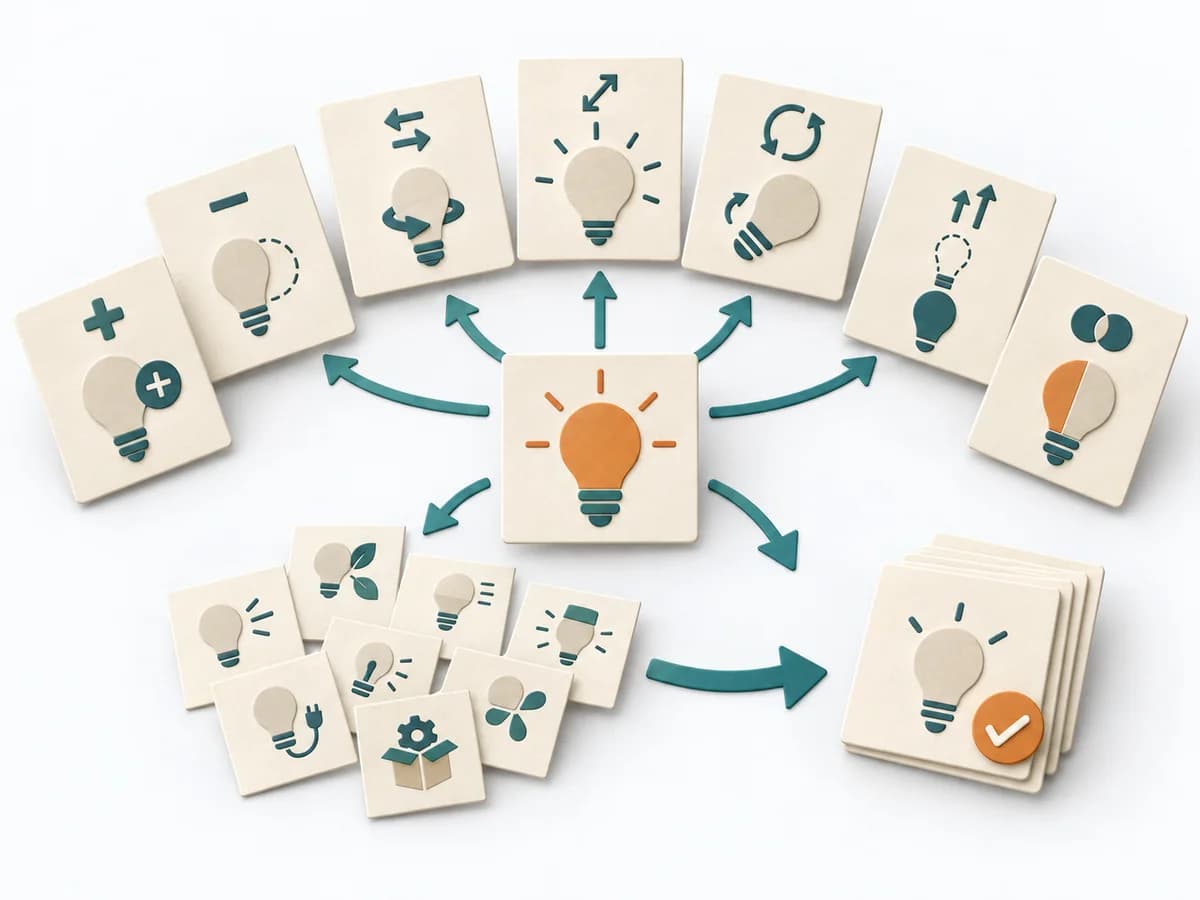
Varies a starting idea across seven targeted change questions and condenses approaches into a concept shortlist.

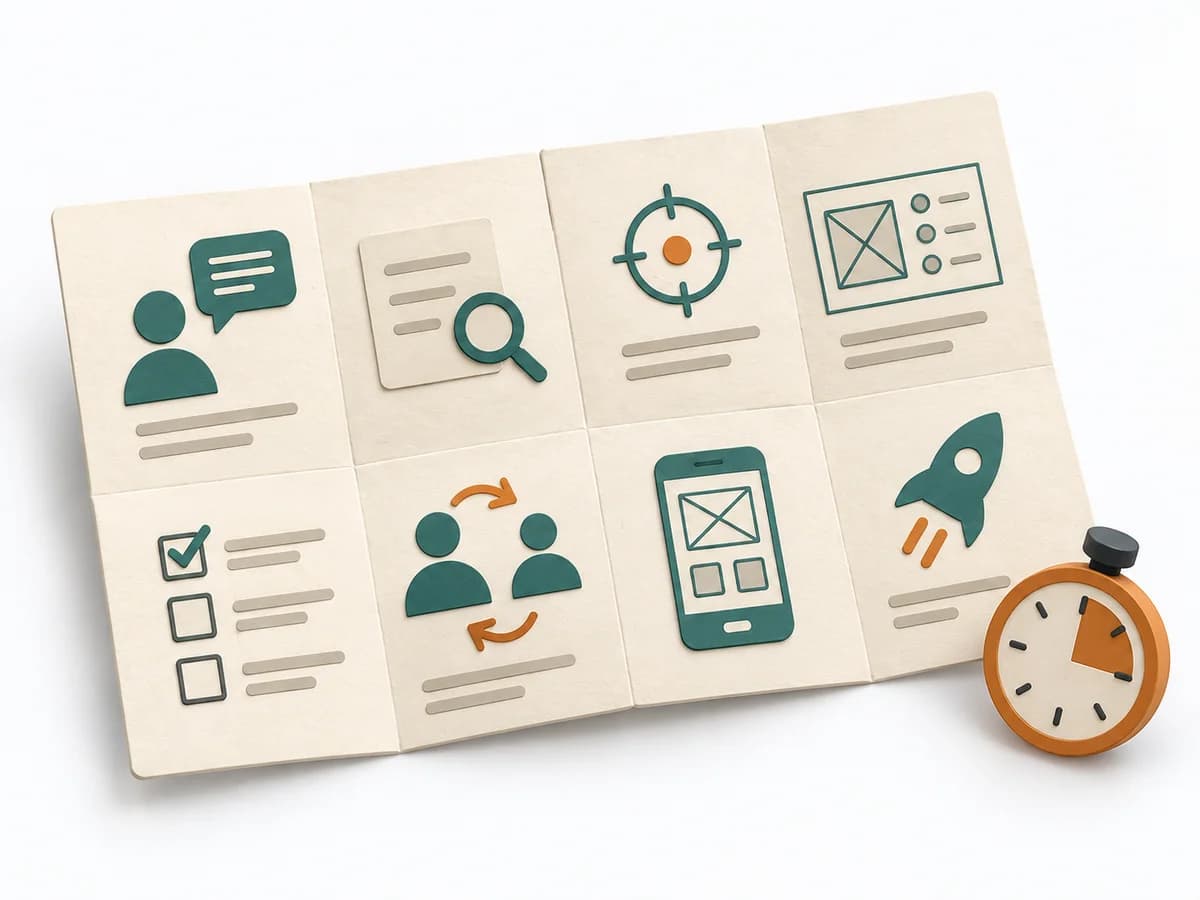
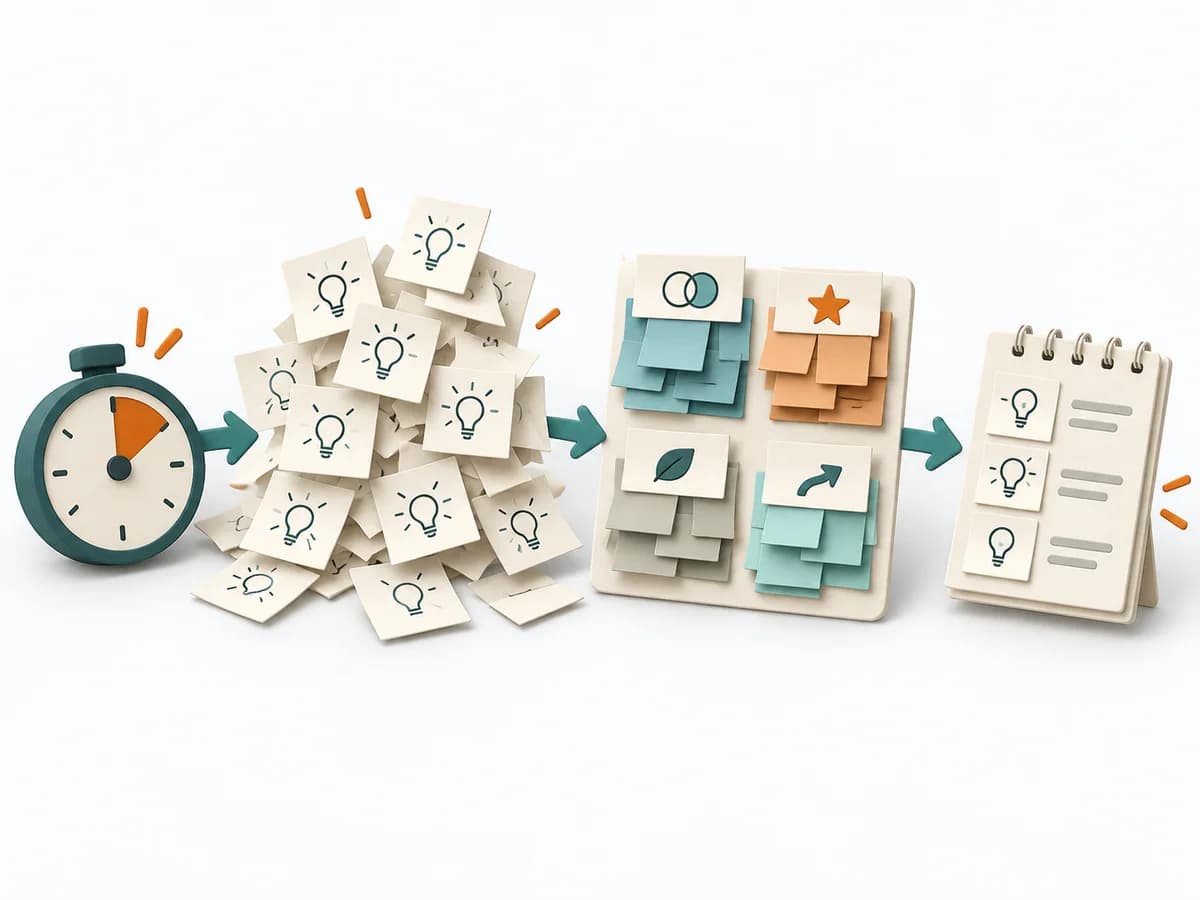
A strict timebox pushes quick idea volume first, then clusters and selects options after the burst is complete.
Constraints and origin
Profile
- Method form
- Workshop method
- Participants
- 3-12
- Time
- 30-60 min
- Maturity
- Established
- Origin
- Rick Griggs