Purpose
With new ideas or requests, the conversation often turns to solutions too early and to effect too little. An Impact Filter forces the initiative into an effect perspective and checks whether it creates a relevant difference.
Decision Making Decision method
Clarifies which impact justifies an initiative and what must be true for it to succeed.
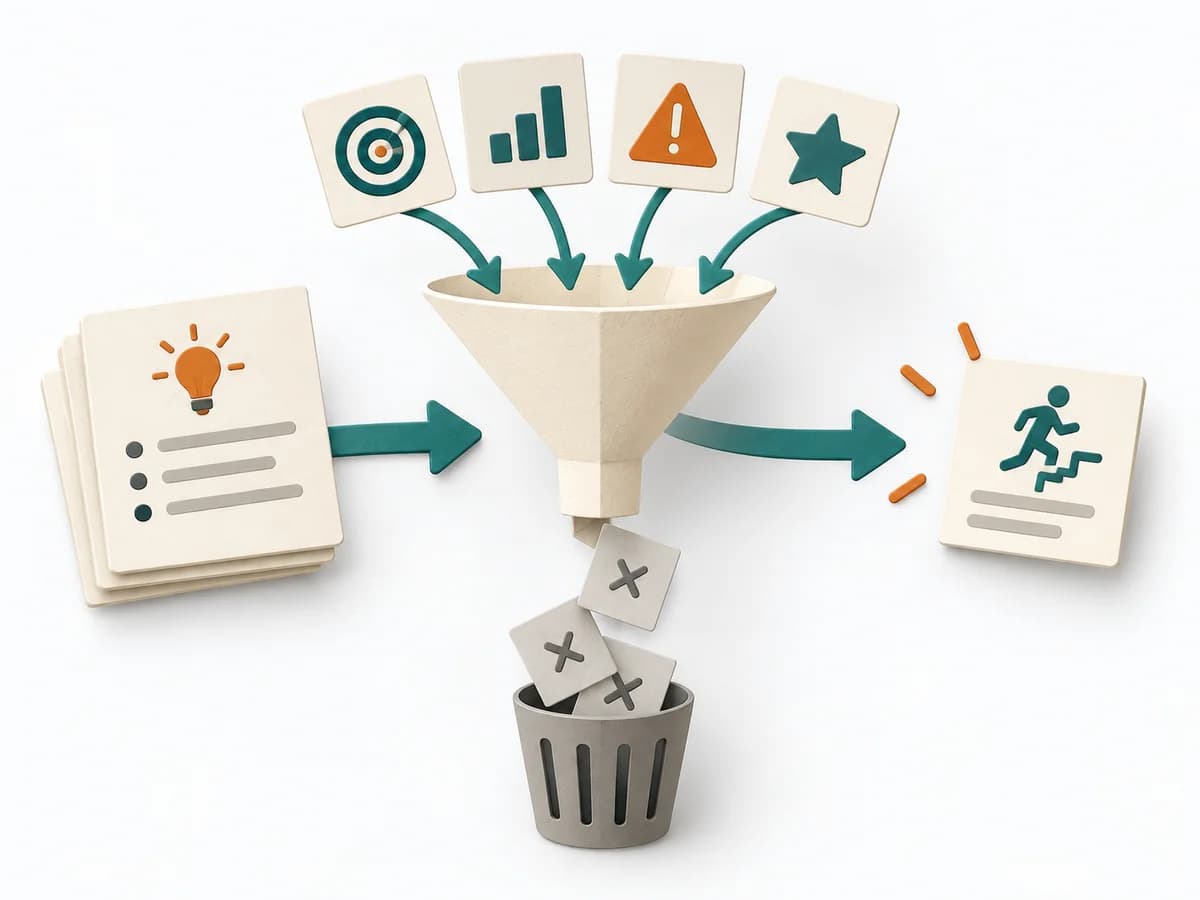
Dan Sullivan’s Impact Filter from Strategic Coach clarifies an initiative’s intended impact before starting. Purpose, Importance and Ideal Outcome connect to Best Result, Worst Result and verifiable Success Criteria.
Which impact justifies this initiative and what must be true for it to succeed?
Purpose, Importance, Ideal Outcome
For one focus, separately describe purpose, meaningful difference and the completed initiative.
Best Result and Worst Result
Contrast the possible best result from acting with what is at risk if no action is taken.
Define Success Criteria
Record which concrete results must be true at completion; use numbers, dates or observable states.
Decide and hand over
Decide whether the initiative earns your own commitment; if proceeding, align the outcome brief with implementers.
Align expectations before handover; later compare results with success criteria and explicitly agree changes.
For an upcoming initiative, meeting or delegation whose intended result is still unclear.
A reasoned outcome brief with six content fields, verifiable success criteria and an explicit proceed-or-decline decision.
The outcome brief identifies owners and a review date while leaving room to choose a solution within the agreed boundaries.
Fictional example
Dan Sullivan’s Impact Filter from Strategic Coach clarifies an initiative’s intended impact before starting. Purpose, Importance and Ideal Outcome connect to Best Result, Worst Result and verifiable Success Criteria.
Which single initiative is being evaluated? Add name, date and ownership.
Fictional: welcome pack for new instructors by 15 October; initiator Lea.
What should this initiative accomplish and what motivates it?
New instructors should be able to prepare their first session independently.
What meaningful difference will this make, and for whom?
Fewer last-minute questions reduce coordination effort and give instructors confidence.
What does the completed initiative look like?
An accessible pack explains registration, materials and support; two new instructors have successfully used it.
What becomes possible if action is taken?
New courses can start without extra individual briefings; coordination gains time for exceptions.
What is at risk if no action is taken?
Inconsistent onboarding persists; missing materials may continue to emerge shortly before sessions.
Which results must demonstrably exist by when?
By 15 October: pack approved; two pilot users find registration and materials unaided; support contact named; all critical test issues resolved.
All example details are fictional and illustrate the application.
Name one initiative; the person holding the outcome intention first creates their own version.
With new ideas or requests, the conversation often turns to solutions too early and to effect too little. An Impact Filter forces the initiative into an effect perspective and checks whether it creates a relevant difference.
The desired effect is weighed against effort, risk, and strategic value. This reveals whether an initiative merely creates busywork or actually moves a goal. The method holds effect as the first test against the eagerness to solve.
An Impact Filter sharpens initiatives by clarifying desired effect, success signals, and side effects before implementation. Attractive ideas may end up smaller, more precise, or even discarded in the process. The exercise delivers value when it makes decision courage, focus, and the smallest sensible move visible.
Describe the idea, expected effect, and the most important side effects concretely enough that wishful thinking gets little room. The interesting moment is where an attractive idea shrinks under its consequences or unexpectedly gets sharper. Close with a clear decision to discard, pursue further, or restart the idea.
The method guide walks execution through 4 phases, timing, 4 pitfalls, and clear stop criteria.
Open method guideYour perspective
Your feedback helps shape the next improvements to methodatlas.
Name one initiative; the person holding the outcome intention first creates their own version.
To be confirmed
To be confirmed
Complete cycle Time: About 30 minutes for an individual draft; then alignment
Complete this worksheet on paper or in your own document during the work.
Which single initiative is being evaluated? Add name, date and ownership.
...
What should this initiative accomplish and what motivates it?
...
What meaningful difference will this make, and for whom?
...
What does the completed initiative look like?
...
What becomes possible if action is taken?
...
What is at risk if no action is taken?
...
Which results must demonstrably exist by when?
...
Answer the prompts with your own information. Explicitly mark unknowns and assumptions.
Strategic Coach: The Impact Filter Tool and Guide
Expected artifact: Described outcome intention
Are purpose, importance and end state distinguishable?
Entry:
...
Expected artifact: Explicit stakes of acting
Does the Worst Result address not taking action?
Entry:
...
Expected artifact: Verifiable success criteria
Can another person verify each criterion clearly?
Entry:
...
Expected artifact: Aligned outcome brief or reasoned decline
Do initiator and implementers share the same success picture?
Entry:
...
...
Method guide: https://methodatlas.meierhoff-systems.de/en/methods/impact-filter/run-sheet
Fitting alternatives with decision guidance, followed by other related methods.
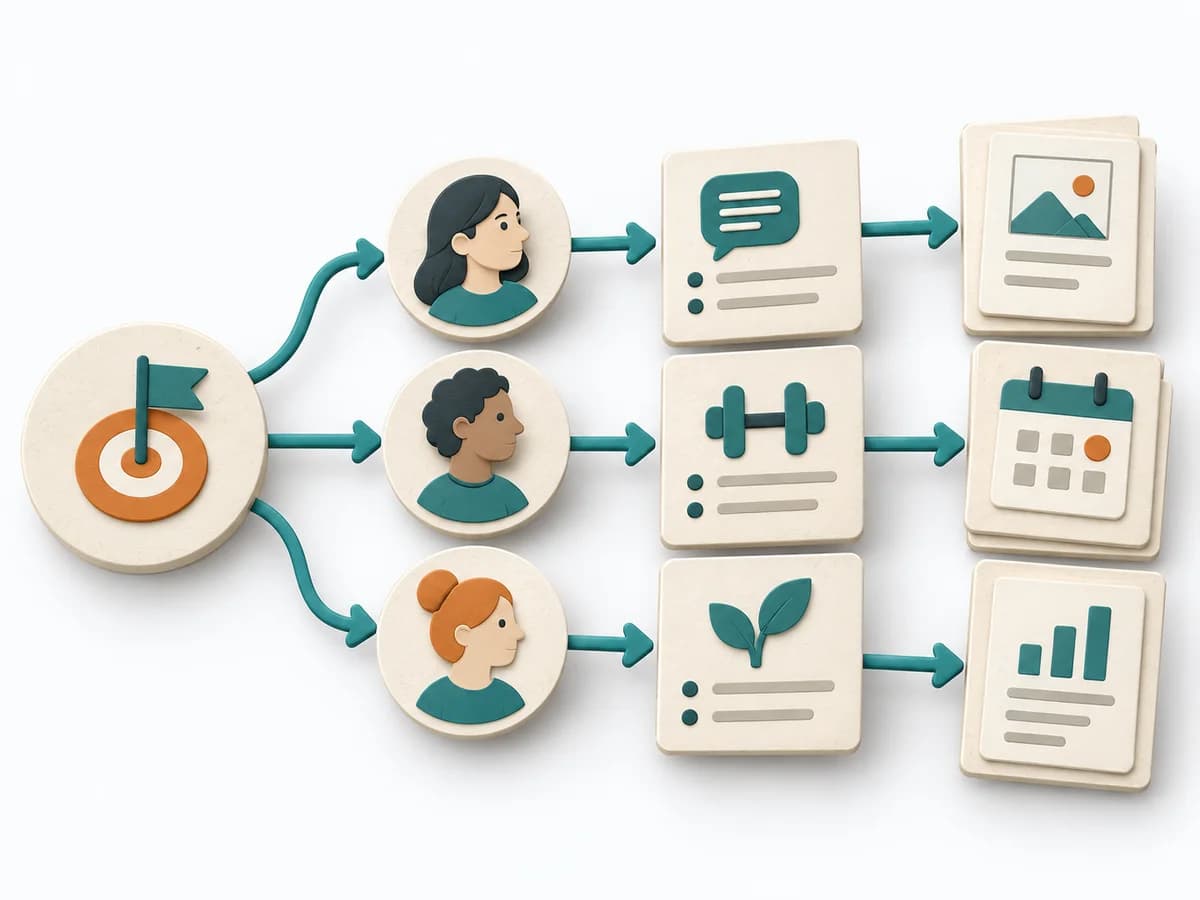
Instead of Impact Filter, when several actors, behavior changes, and delivery options need to be mapped together.

Clarifies options, criteria, and risks by framing the initiative or decision, collecting implicit assumptions, and planning tests or research.
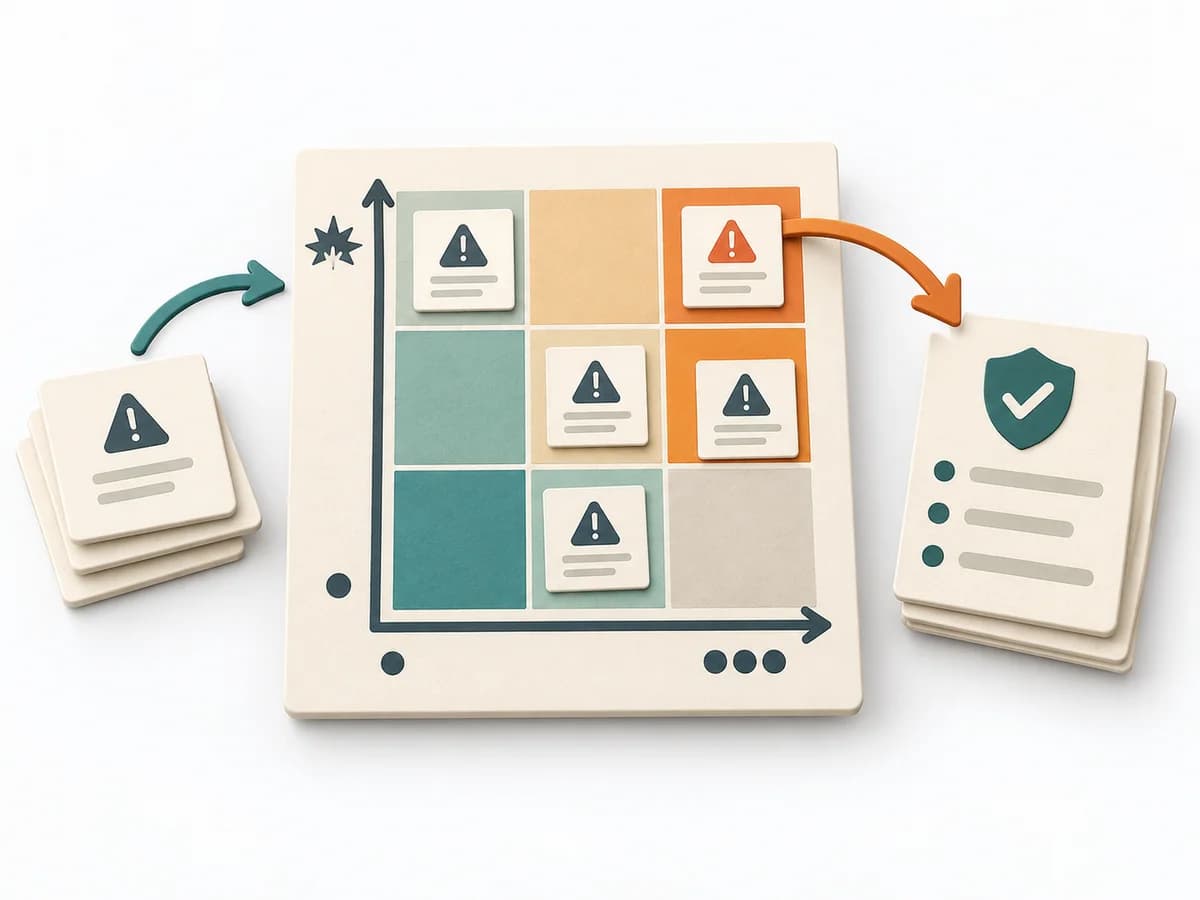
Moves options, criteria, and risks toward a concrete result through "set the scales for likelihood and impact", "collect risks or carry them over from earlier identification", and "define actions for each high-risk item".
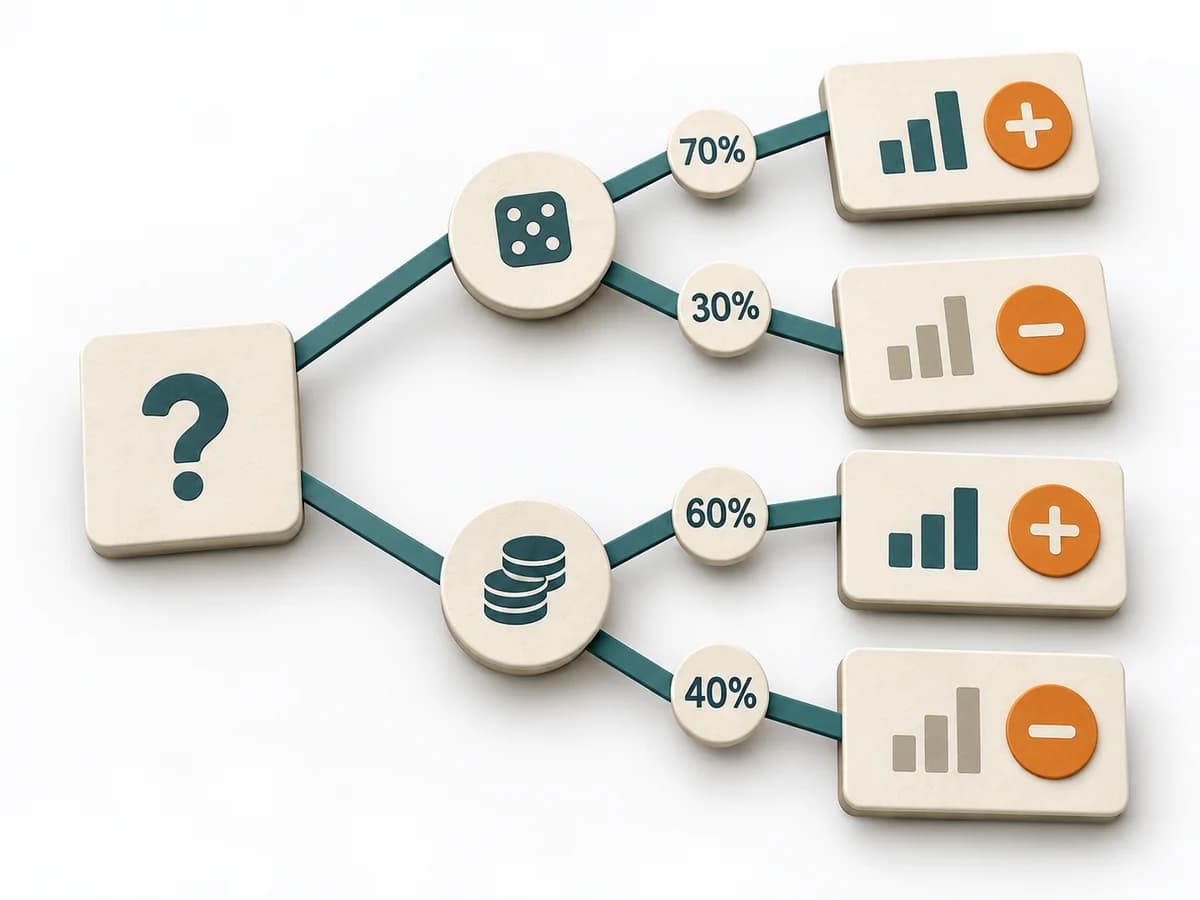
Draws decisions as branching paths so options, conditions, and consequences become clearer in comparison.
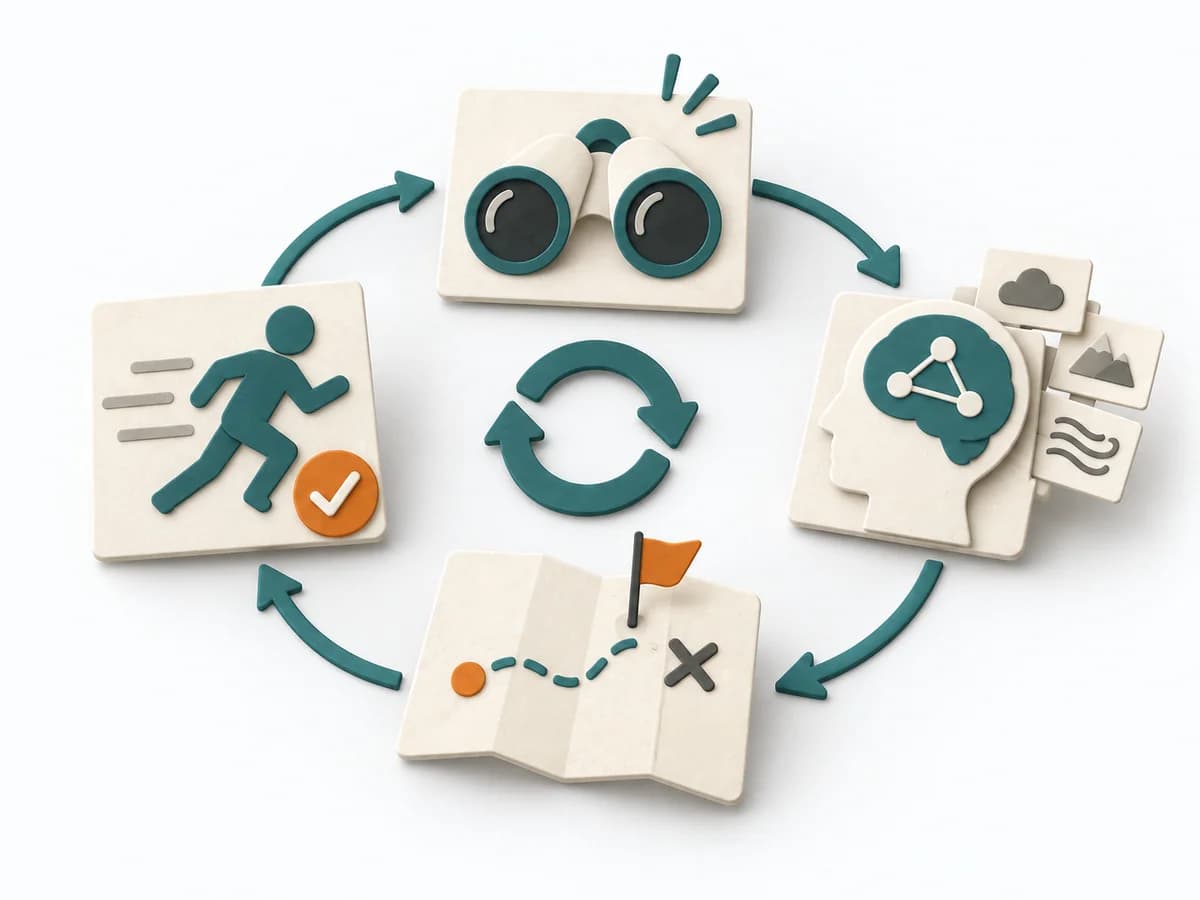
Connects observation, orientation, action, and feedback into a fast decision cycle.
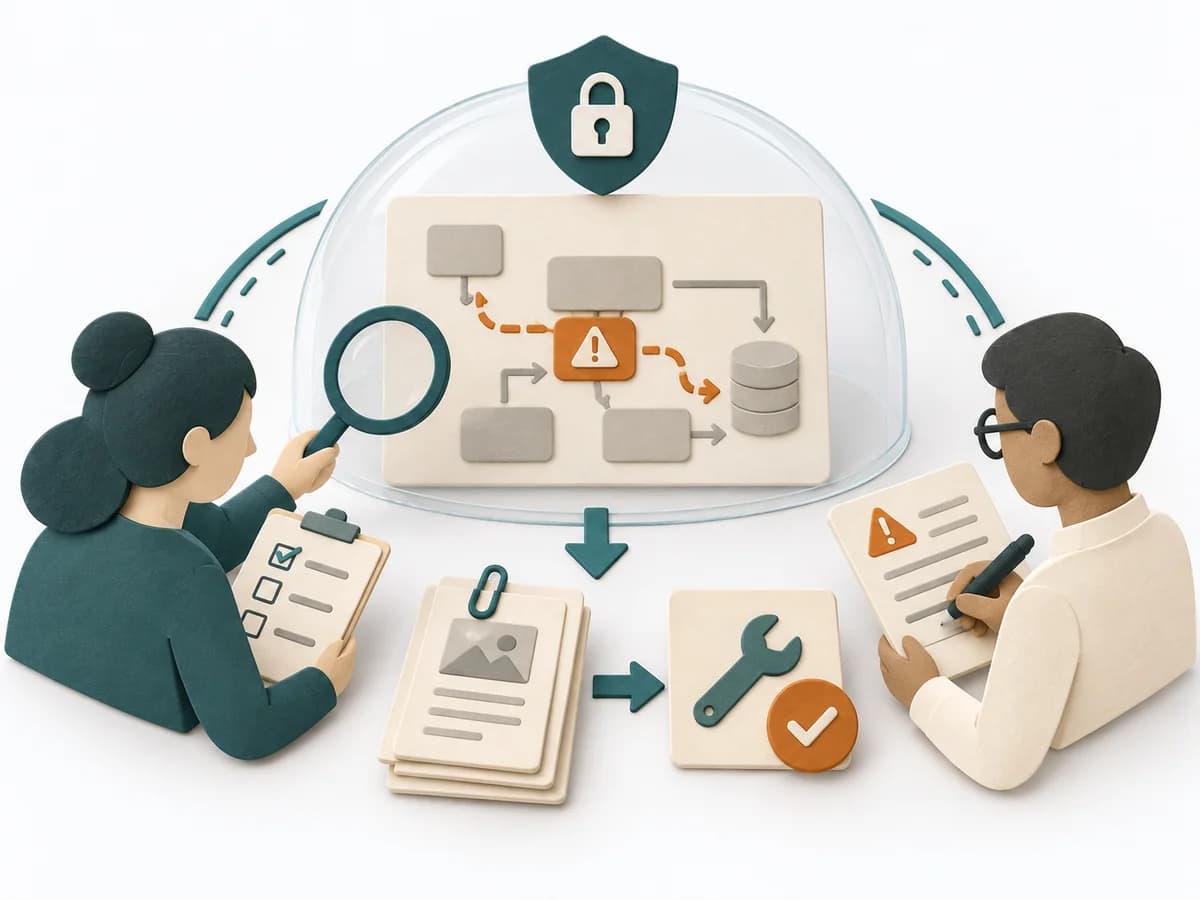
Examines an initiative from an opposing perspective, collects weaknesses, and derives prioritized mitigations.