Purpose
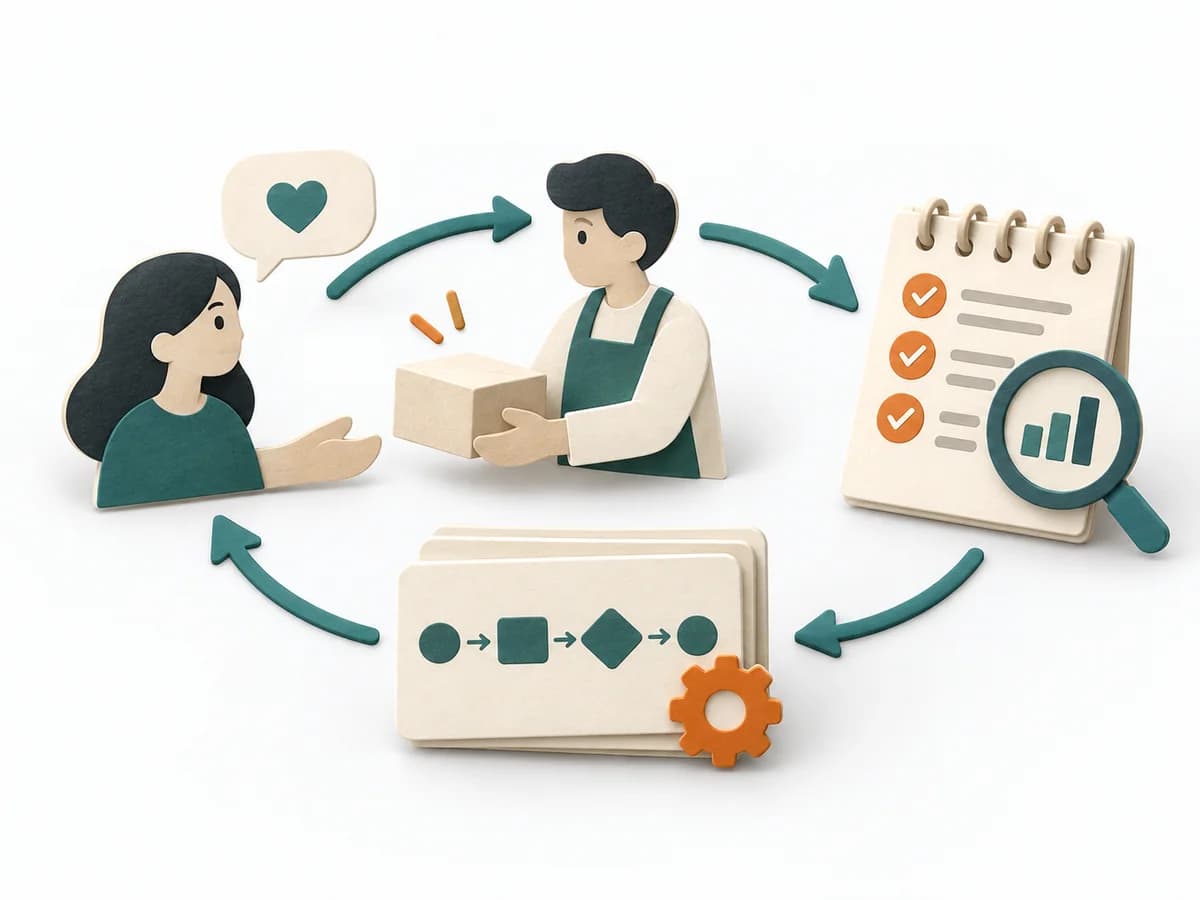
Pretotyping clarifies whether a customer problem and solution idea create enough real demand. It separates problem, assumption, solution, and evidence, and captures the result as a pretotyping sketch, test setup, and conversion data.
Product Discovery Research method
Tests market interest with very cheap fakes before a real product is built.
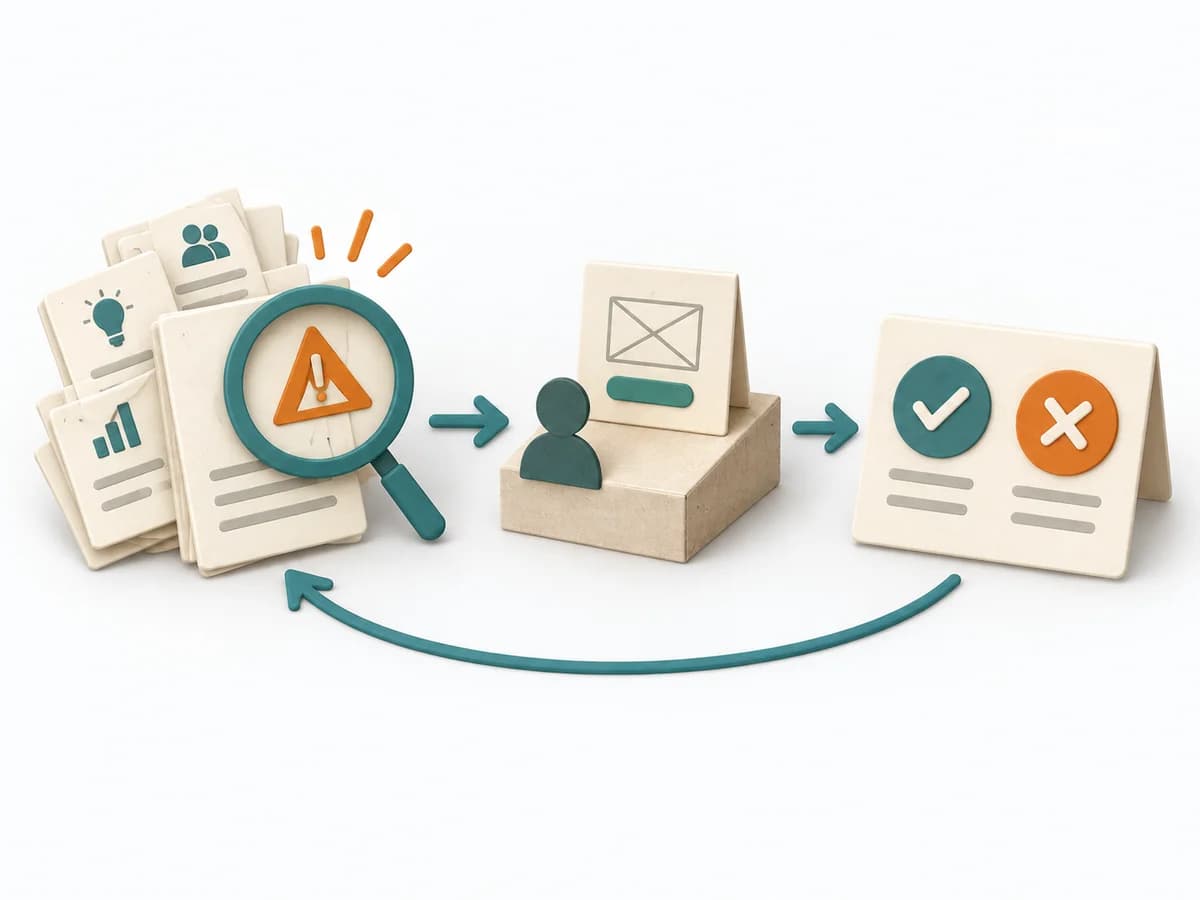
Pretotyping first asks whether the right thing is being built. A hypothesis, skin-in-the-game behaviour, XYZ statement, and preset threshold limit self-deception.
Does the target audience show real behaviour for this idea before we build it?
Pretotyping uses XYZ hypothesis plus Mechanical Turk, Pinocchio, Fake Door, or concierge pretotype. Assessments remain justified and context-bound.

XYZ hypothesis
Quantify audience, proportion, behaviour, and horizon.
Choose pretotype
Choose the cheapest credible simulation for the behaviour.
Run test
Capture traffic, eligibility, commitment, and drop-off cleanly.
Decide
Compare result to threshold and decide build, iterate, or stop.
Update after new evidence or a material context change and retain the previous version.
For early demand, usage, or channel uncertainty with reversible tests.
pretotype evidence card with traceable sources, assumptions, and domain decisions.
Owners, dates, and next review for pretotype evidence card.
Fictional worked example
XYZ hypothesis plus Mechanical Turk, Pinocchio, Fake Door, or concierge pretotype as a precise working structure with a fictional example.
XYZ hypothesis information to record
≥3/20 qualifizierte Teams reservieren in 10 Tagen.
Pretotype information to record
Fake Door mit erstattbarer 50-€-Reservierung.
Commitment/denominator information to record
4 gültige Reservierungen von 20.
Threshold/decision information to record
Schwelle erreicht: Pilot bauen.
The example demonstrates the domain logic of Pretotyping; worksheets remain blank.
Start with the core question: Does the target audience show real behaviour for this idea before we build it?
Pretotyping clarifies whether a customer problem and solution idea create enough real demand. It separates problem, assumption, solution, and evidence, and captures the result as a pretotyping sketch, test setup, and conversion data.
The team formulates the idea as a market claim, chooses the smallest suitable pretotyping technique, tests with real behavior instead of opinions, measures conversion or action, decides whether to build, change, or discard the idea, and documents the learning.
Pretotyping, coined by Alberto Savoia at Google, tests whether a product would be wanted before building a prototype. Pretotypes use minimal real materials such as a landing page, mock, poster, concierge service, or manual workflow, but collect real behavior: someone signs up, clicks, pays, waits, or declines. The data becomes a factual basis for deciding whether, what, and how to build.
Choose the pretotyping technique strictly from the question being tested. Define success thresholds before launch, and resist overinterpreting weak signals.
The method guide walks execution through 4 phases, timing, 4 pitfalls, and clear stop criteria.
Open method guideYour perspective
Your feedback helps shape the next improvements to methodatlas.
Plan Pretotyping around its domain steps and the concrete decision question.
To be confirmed
To be confirmed
Establish and review the practice Time: 1 day to 2 weeks
Complete this worksheet on paper or in your own document during the work.
XYZ hypothesis information to record
...
Pretotype information to record
...
Commitment/denominator information to record
...
Threshold/decision information to record
...
Enter only real input, sources, and decisions.
Expected artifact: XYZ statement
XYZ statement · source · uncertainty · next decision
Entry:
...
Expected artifact: pretotype design
pretotype design · source · uncertainty · next decision
Entry:
...
Expected artifact: behaviour data
behaviour data · source · uncertainty · next decision
Entry:
...
Expected artifact: pretotype decision
pretotype decision · source · uncertainty · next decision
Entry:
...
...
Method guide: https://methodatlas.meierhoff-systems.de/en/methods/pretotyping/run-sheet
Fitting alternatives with decision guidance, followed by other related methods.

Instead of Pretotyping, choose Fake Door Test when you want to measure demand for a feature directly in the product instead of through a landing page.

Instead of Pretotyping, choose Smoke Test when you want to validate interest with minimal effort and a clear message.
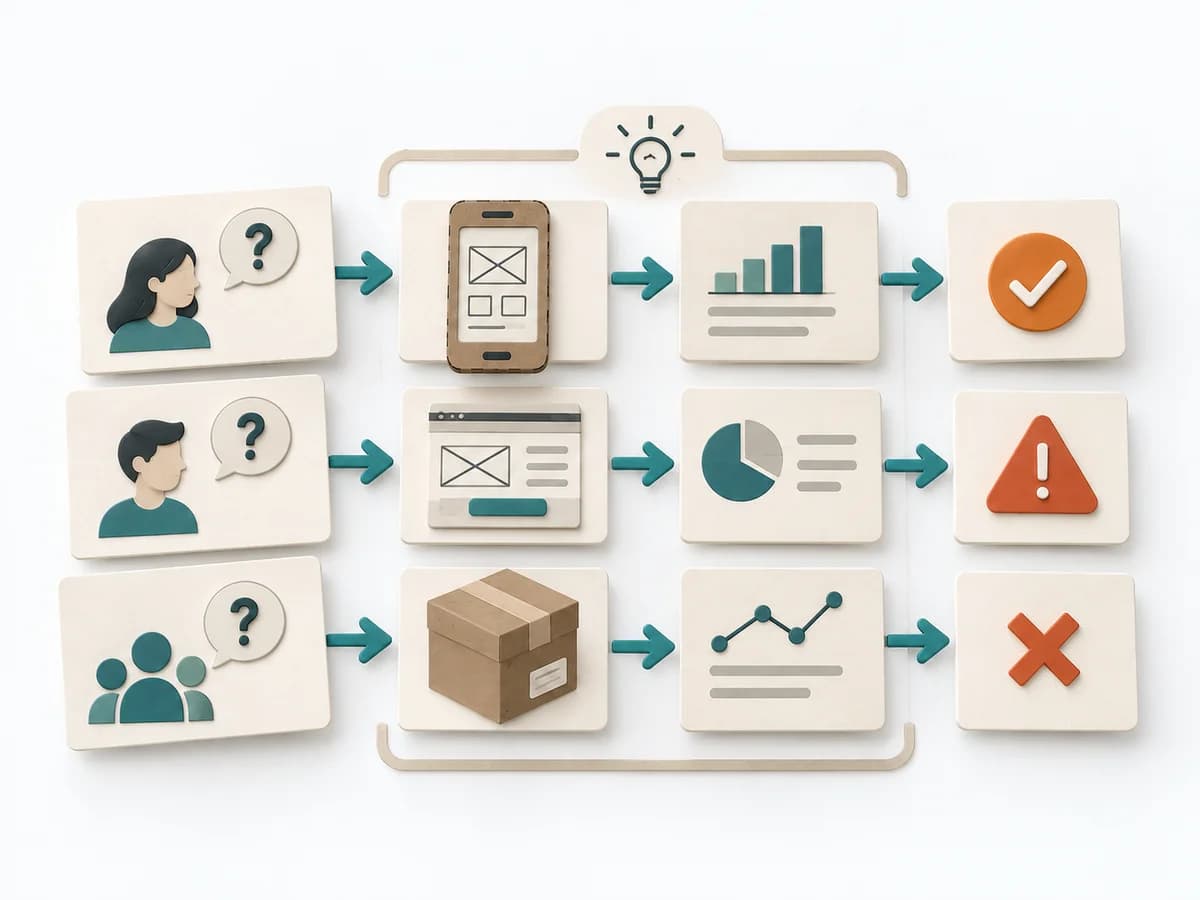
Moves customer problem, solution idea, and evidence toward a concrete result through "list assumptions", "map assumptions to dimensions", and "derive the test plan".
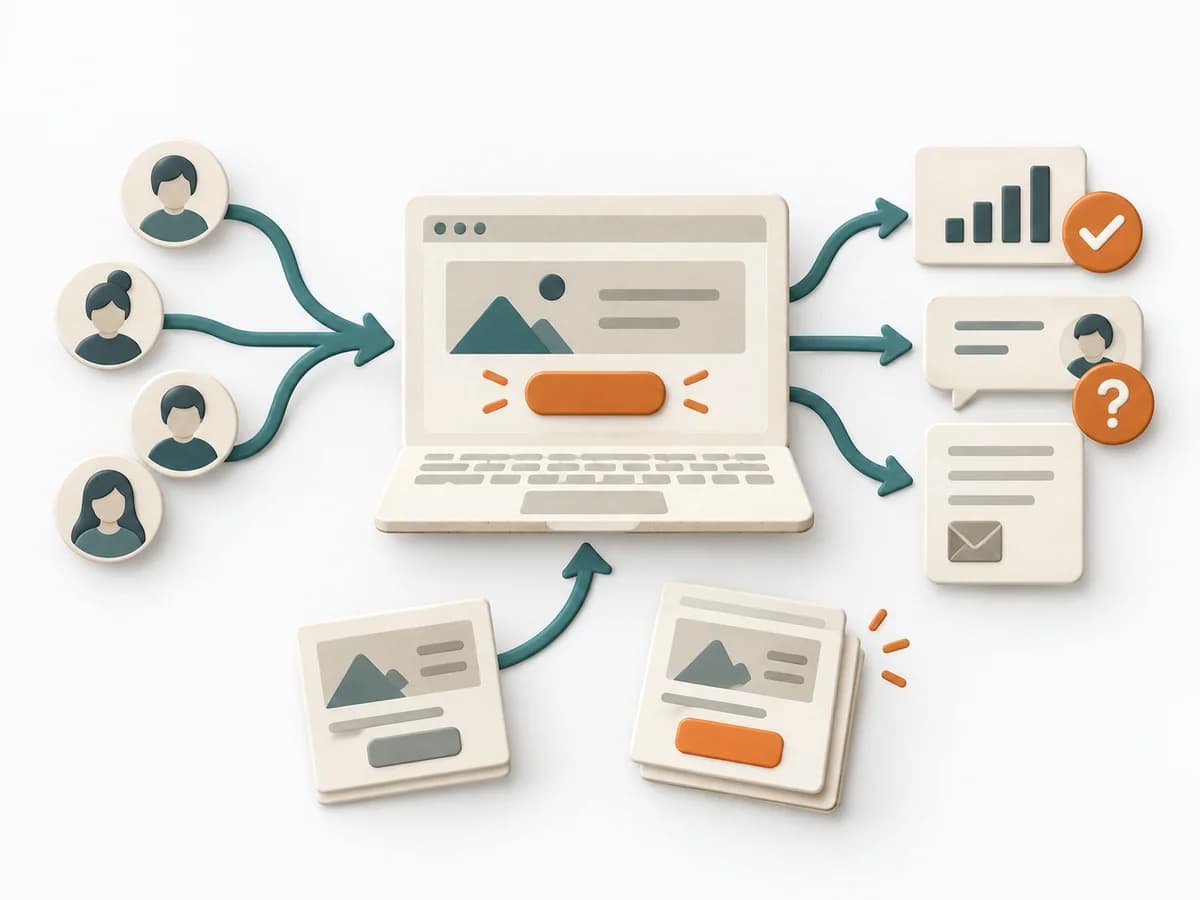
Tests value proposition and offering through a landing page, so conversion data supports early product decisions.
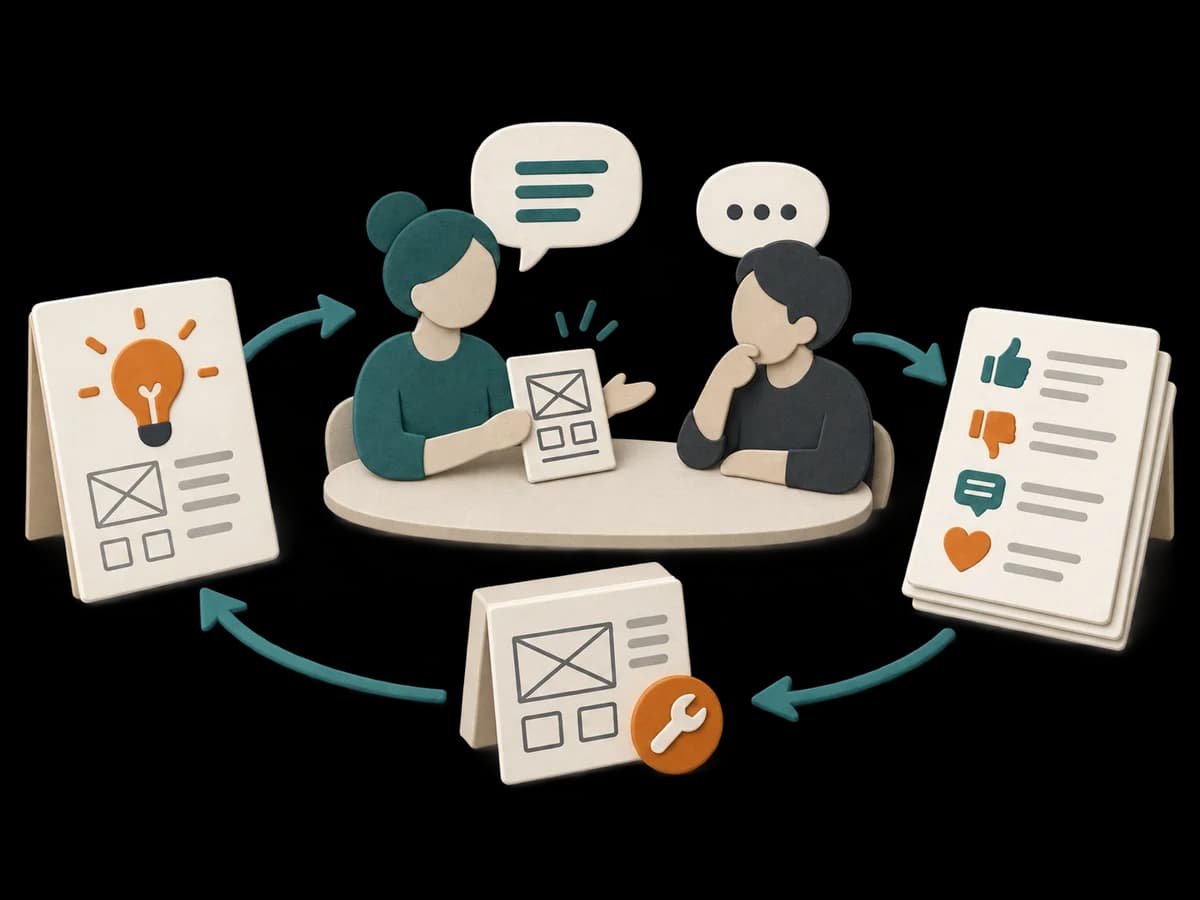
Clarifies customer problems, solution ideas, and evidence by preparing a solution concept, recruiting target customers, and deriving risks and next tests.
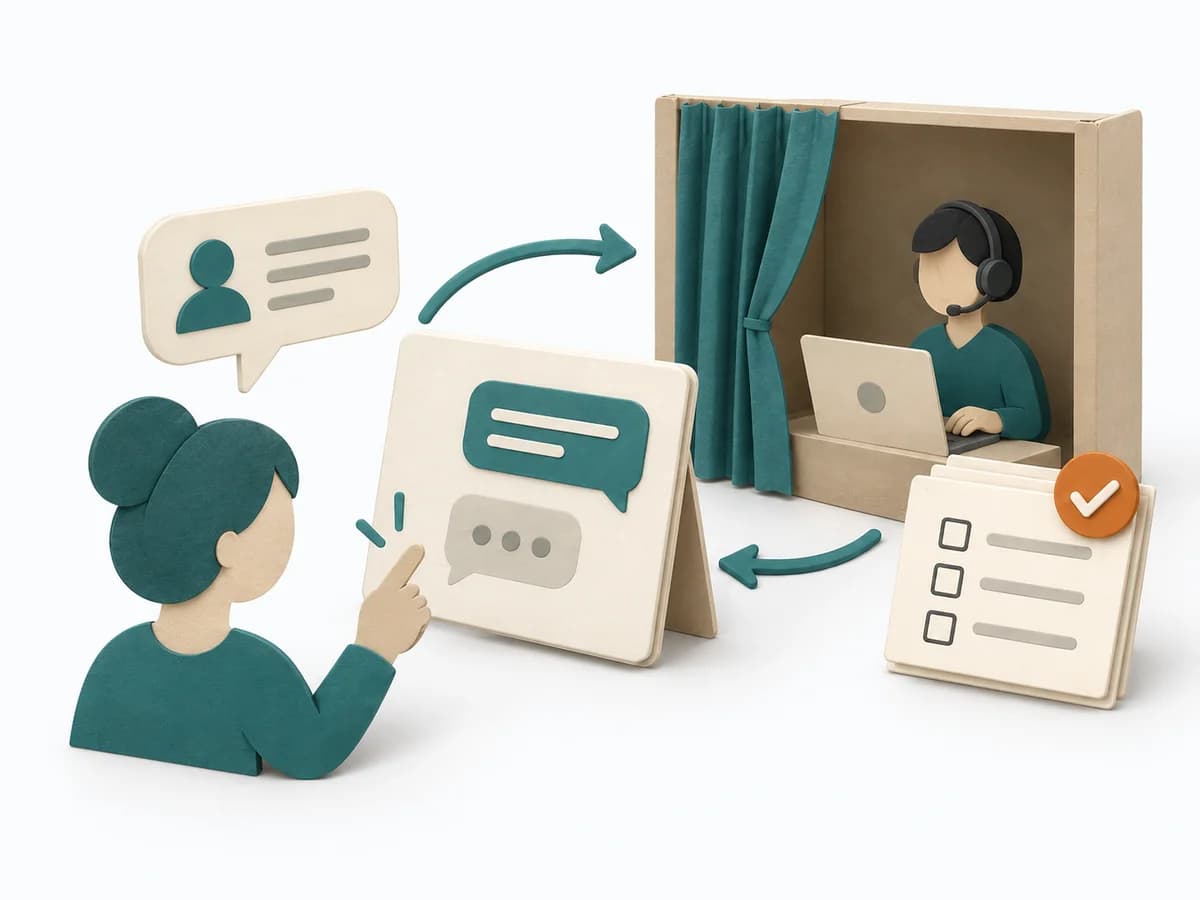
Simulates a solution manually to test value, effort, and user reaction before technical implementation.