
Purpose
When an idea can first fail or grow through genuine hands-on support, it relies on manual work instead of automation. It shows whether user value holds up even under manual execution.
Product Discovery Research method
A Concierge MVP shows which value people actually use when it is delivered personally.
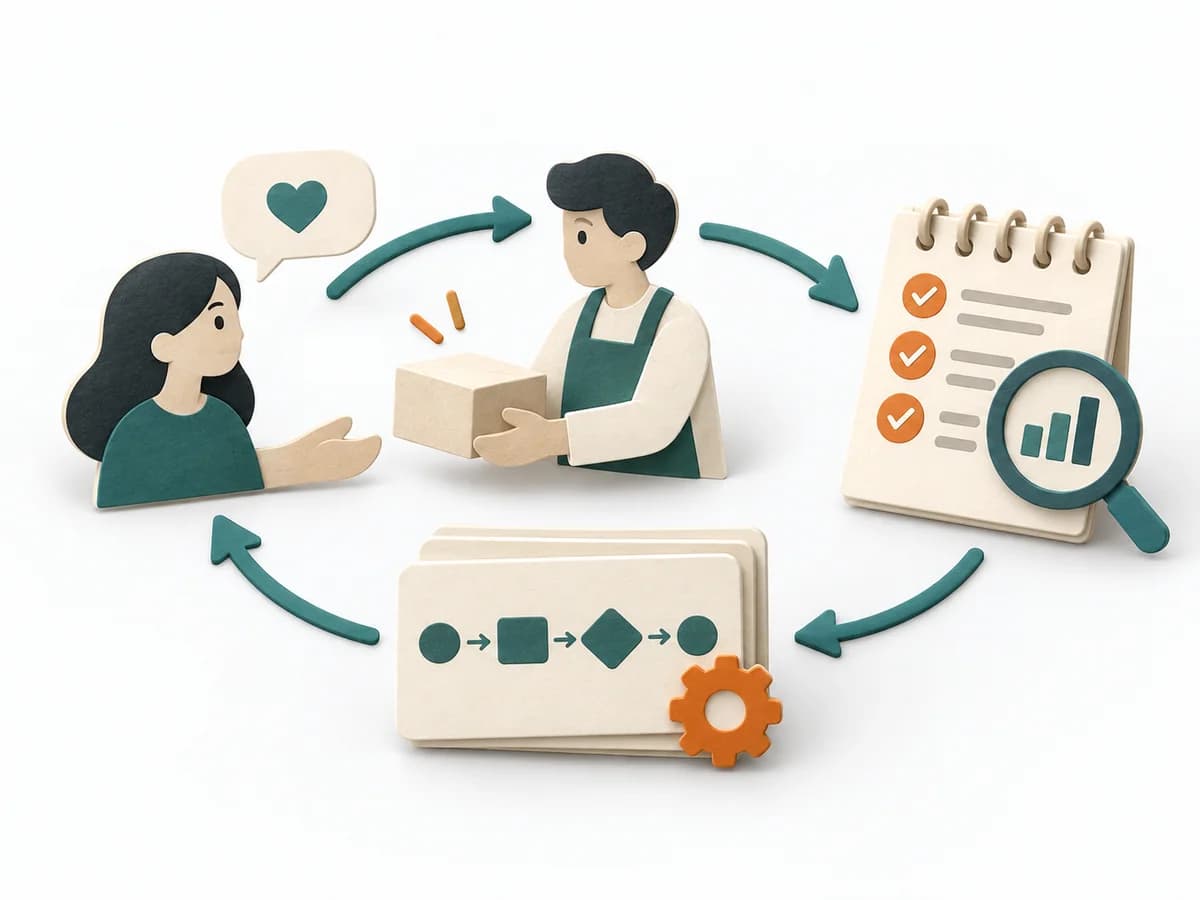
A Concierge MVP openly delivers a narrow customer benefit through personal manual work. The team learns from actual use, return behaviour, effort and, where applicable, payments before automating the process.
Which value do people actually use when we deliver it personally?
Offer
Openly agree segment, concrete outcome, manual scope and price.
Delivery
Personally fulfil real requests and log work steps and time.
Use
Observe whether the result is used and customers return or pay.
Learning decision
Compare value, return use, revenue and actual labour costs.
Observe repeat use and work steps over several cycles; automate repeatable parts only after value evidence.
For early value and business-model assumptions when a small service can actually be delivered manually.
Service log with customer outcome, return use, payments and manual costs.
The decision separates repeatable core steps from the value of personal attention and justifies the next trial or limited automation.
Fictional example
A Concierge MVP openly delivers a narrow customer benefit through personal manual work. The team learns from actual use, return behaviour, effort and, where applicable, payments before automating the process.
For whom is which concrete value openly delivered manually? Record price, boundary and learning question.
Fictional: Jana personally assembles three schedule-compatible course options for working learners within two days. Personal service, €20 per request, booking excluded. Learning question: Is the shortlist used and paid for again?
Track request, steps, outcome, time and exceptional work separately.
Four requests: A 35, B 40, C 45, D 60 minutes, 180 minutes in total. D additionally requires a venue search, flagged as an exception. All receive three options.
Which actual actions, repeat requests and payments are evidenced?
Fictionally, A and C each book a suggested course. B postpones, D chooses none. A later places a paid repeat request. That payment belongs to the next cycle.
Calculate revenue and actual costs for the same period; distinguish personal attention from automatable work.
First cycle: 4 × €20 = €80 revenue. 180 minutes = 3 hours; at an internal €30/hour labour rate, labour costs are €90, a −€10 balance before other costs. The team tests standardised schedule intake; general demand and profitability remain unproven.
All example details are fictional and illustrate the application.
Define a narrow service, suitable customers, price and delivery boundaries.
When an idea can first fail or grow through genuine hands-on support, it relies on manual work instead of automation. It shows whether user value holds up even under manual execution.
It delivers the service very close to the user and uses manual operations as a learning instrument. Personal execution reveals need, quality expectations, and recurring patterns before automation or scaling is decided.
A Concierge MVP helps because value is delivered personally and very close to the user at first, which produces very dense learning signals. Good application does not use the close contact for accommodation but for a precise understanding of need, triggers, and limits of acceptance. Its strength is that the real problem and real value become directly experienceable before a scalable solution is designed.
Choose a few cases where personal service is realistically possible and decision signals can be clearly observed. The round gains substance once it becomes clear which parts users truly value and which are only costly internally. Close with a clean learning record on value, repeatability, and the limits of the manual model.
The method guide walks execution through 4 phases, timing, 4 pitfalls, and clear stop criteria.
Open method guideYour perspective
Your feedback helps shape the next improvements to methodatlas.
Define a narrow service, suitable customers, price and delivery boundaries.
To be confirmed
To be confirmed
Complete cycle Time: 45–60 minutes planning; several real service cycles over days or weeks.
Complete this worksheet on paper or in your own document during the work.
For whom is which concrete value openly delivered manually? Record price, boundary and learning question.
...
Track request, steps, outcome, time and exceptional work separately.
...
Which actual actions, repeat requests and payments are evidenced?
...
Calculate revenue and actual costs for the same period; distinguish personal attention from automatable work.
...
Answer the prompts with your own information. Explicitly mark unknowns and assumptions.
Giff Constable: Talking to Humans
Expected artifact: Service agreement
Do customers understand the personal service and boundary?
Entry:
...
Expected artifact: Delivered service
Has the promised customer outcome actually been delivered?
Entry:
...
Expected artifact: Use evidence
Is return behaviour observed or merely promised?
Entry:
...
Expected artifact: Service learning decision
Is value plausible with less personal attention?
Entry:
...
...
Method guide: https://methodatlas.meierhoff-systems.de/en/methods/concierge-mvp/run-sheet
Fitting alternatives with decision guidance, followed by other related methods.
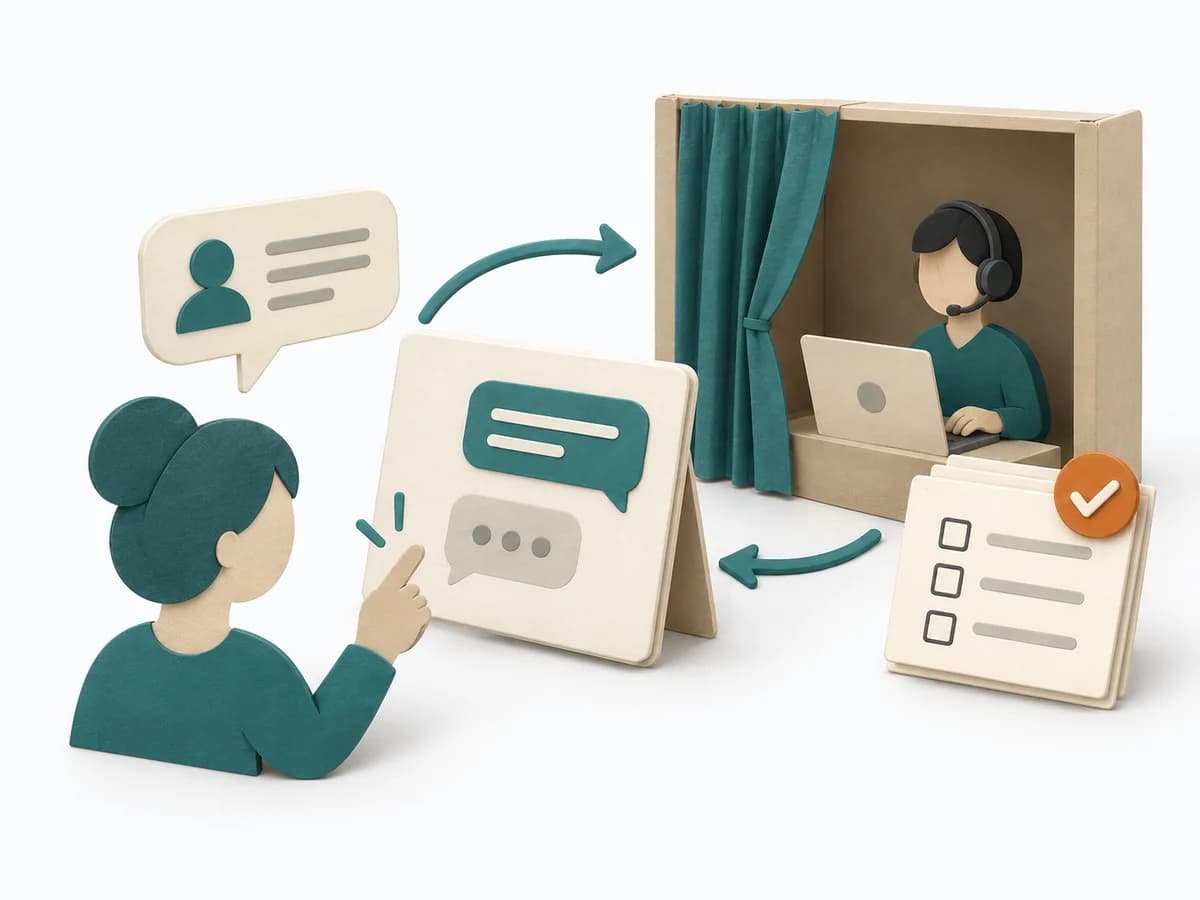
Instead of Concierge MVP, choose Wizard of Oz Test when you want to manually simulate a seemingly automated experience behind the scenes.
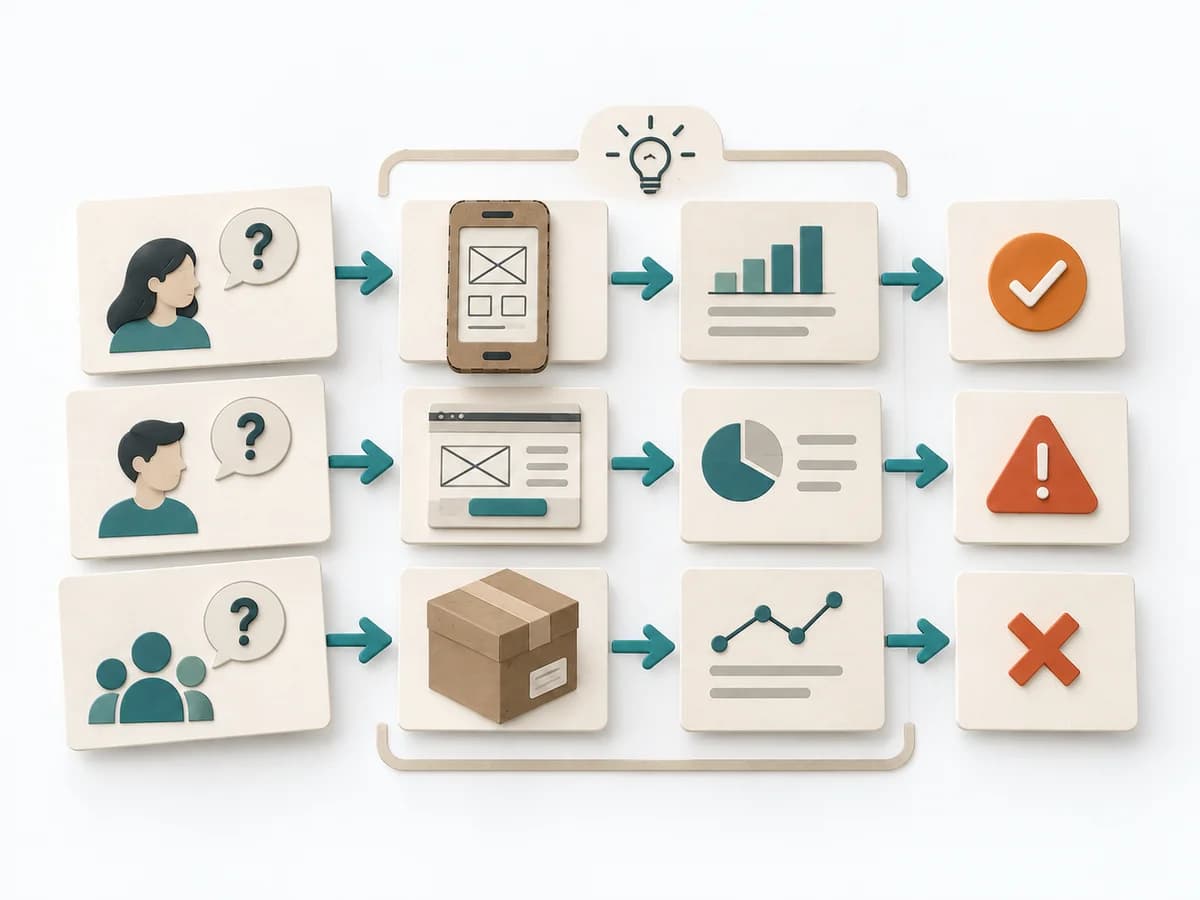
Moves customer problem, solution idea, and evidence toward a concrete result through "list assumptions", "map assumptions to dimensions", and "derive the test plan".
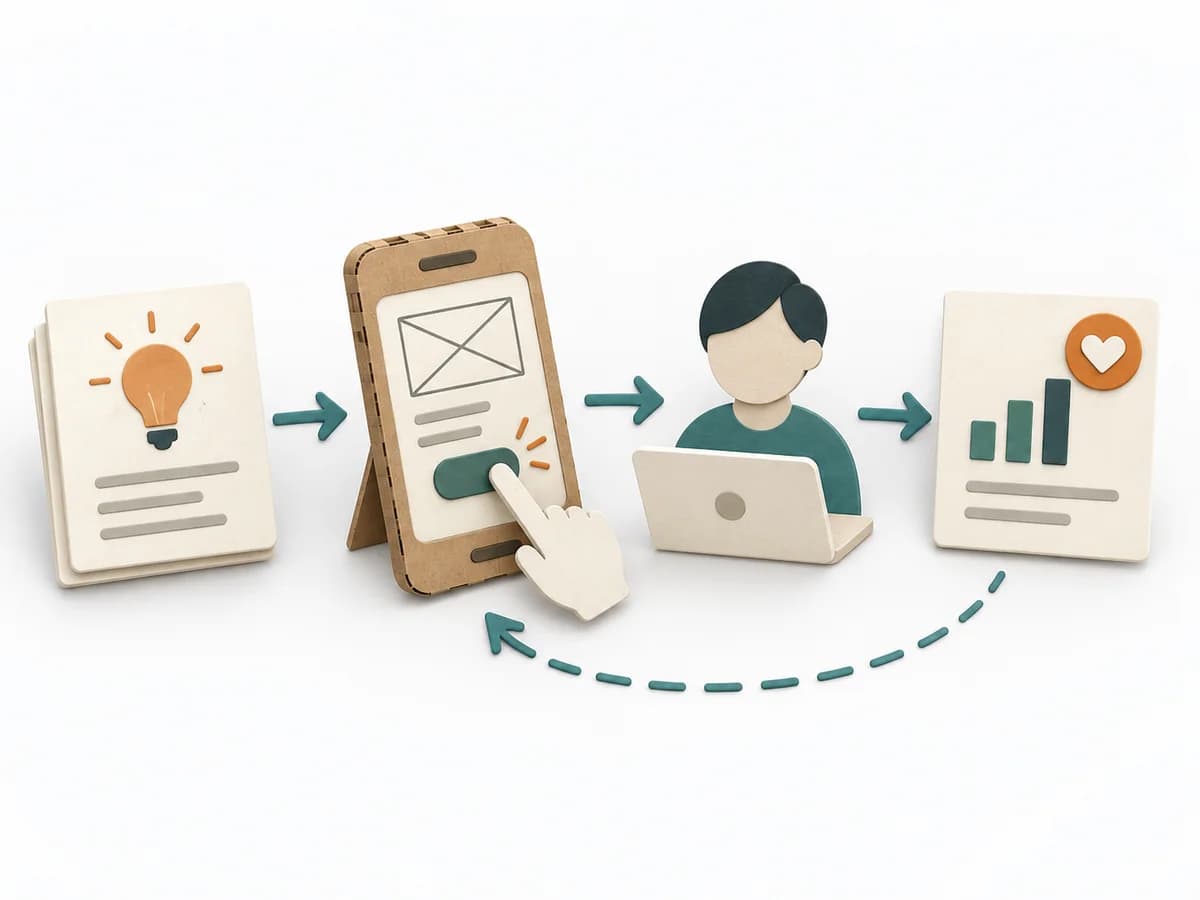
Tests a market claim with the smallest fitting precursor and makes real interest measurable.
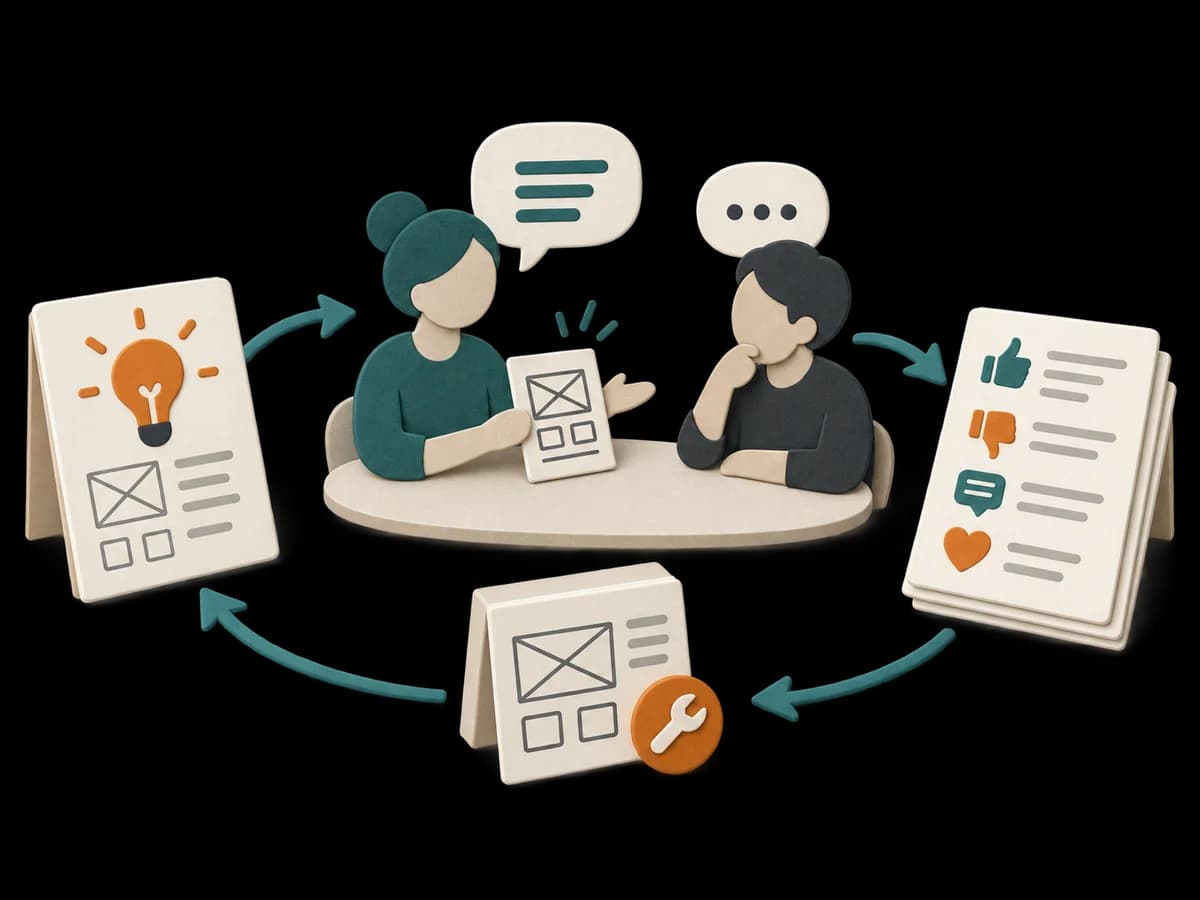
Clarifies customer problems, solution ideas, and evidence by preparing a solution concept, recruiting target customers, and deriving risks and next tests.

Measures real interest in an idea that has not been built yet, through clicks, sign-ups, or other interest signals.
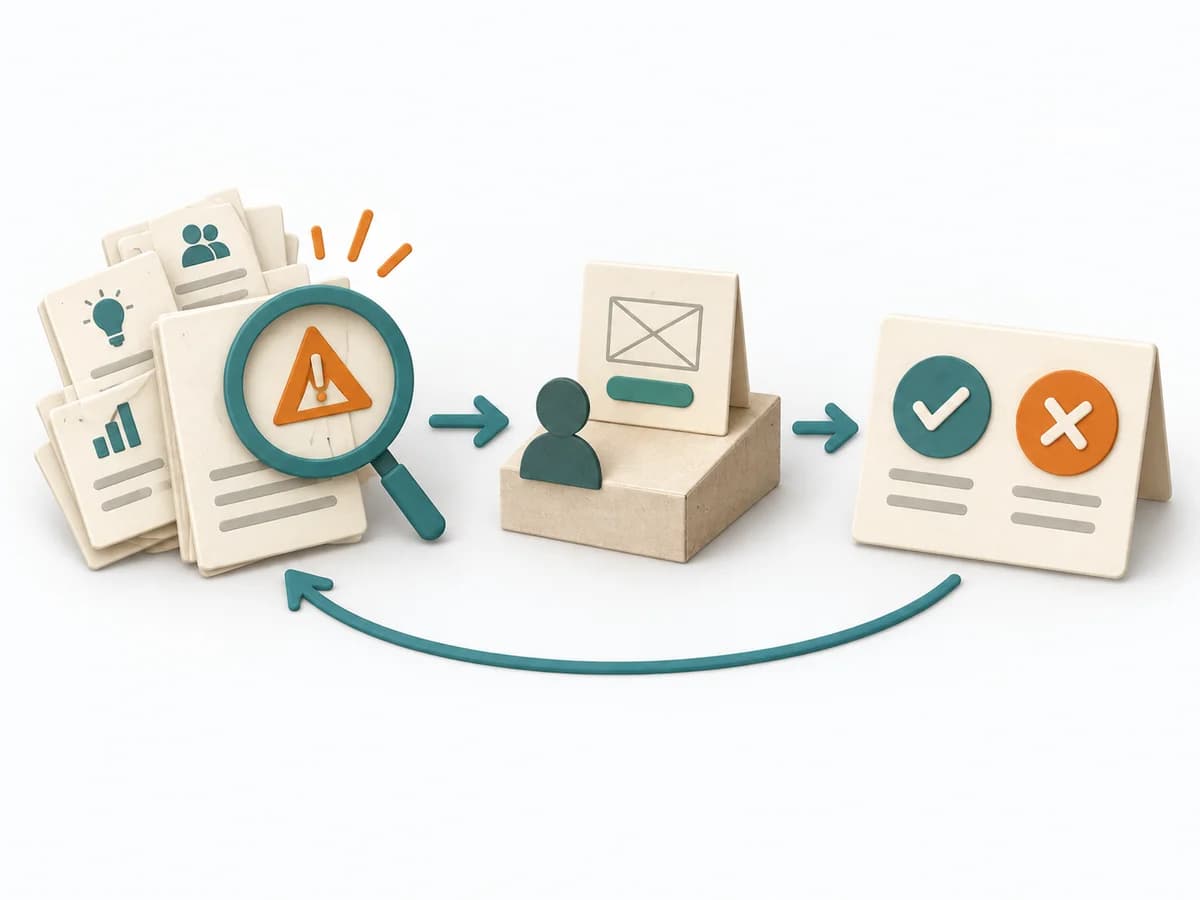
Moves customer problem, solution idea, and evidence toward a concrete result through "collect assumptions explicitly", "rate uncertainty and leverage for each assumption", and "decide to pivot, persevere, or stop".