Purpose
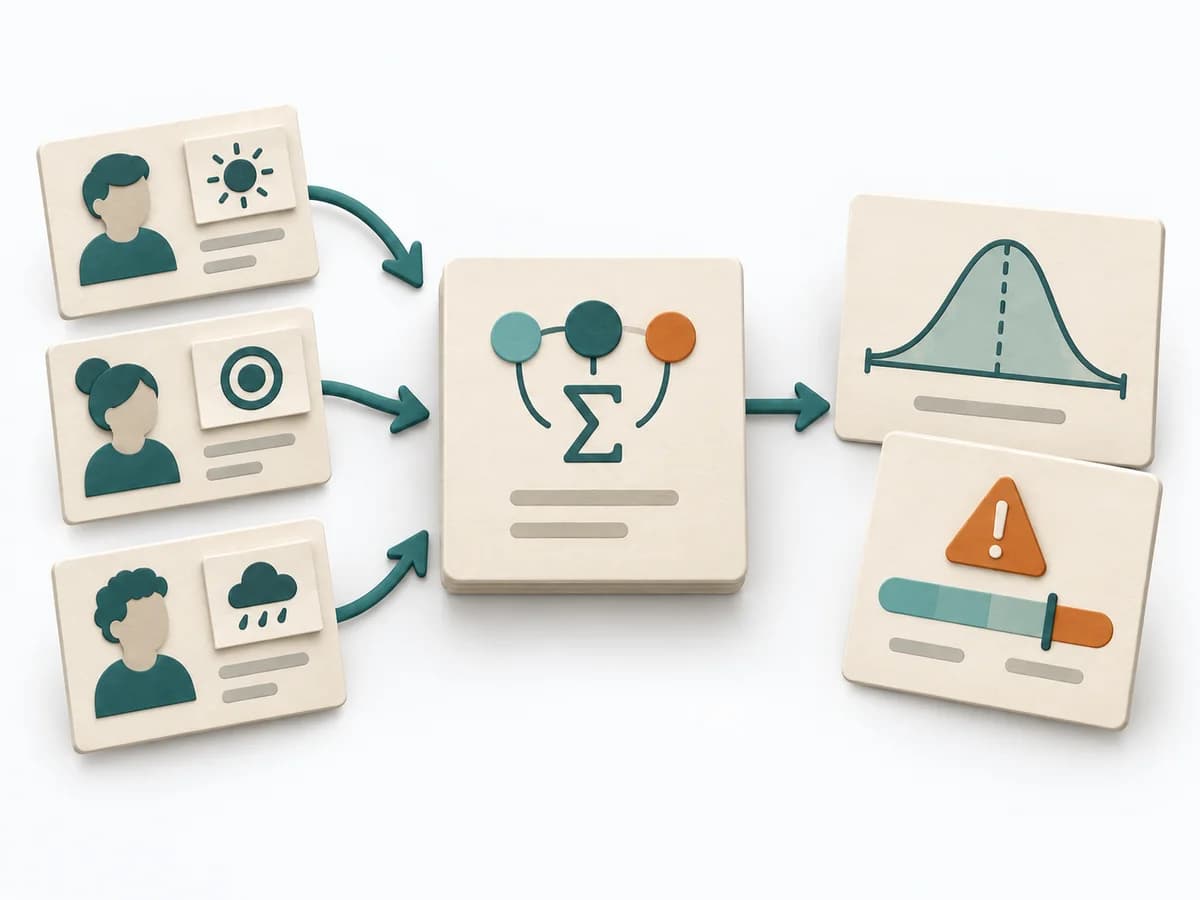
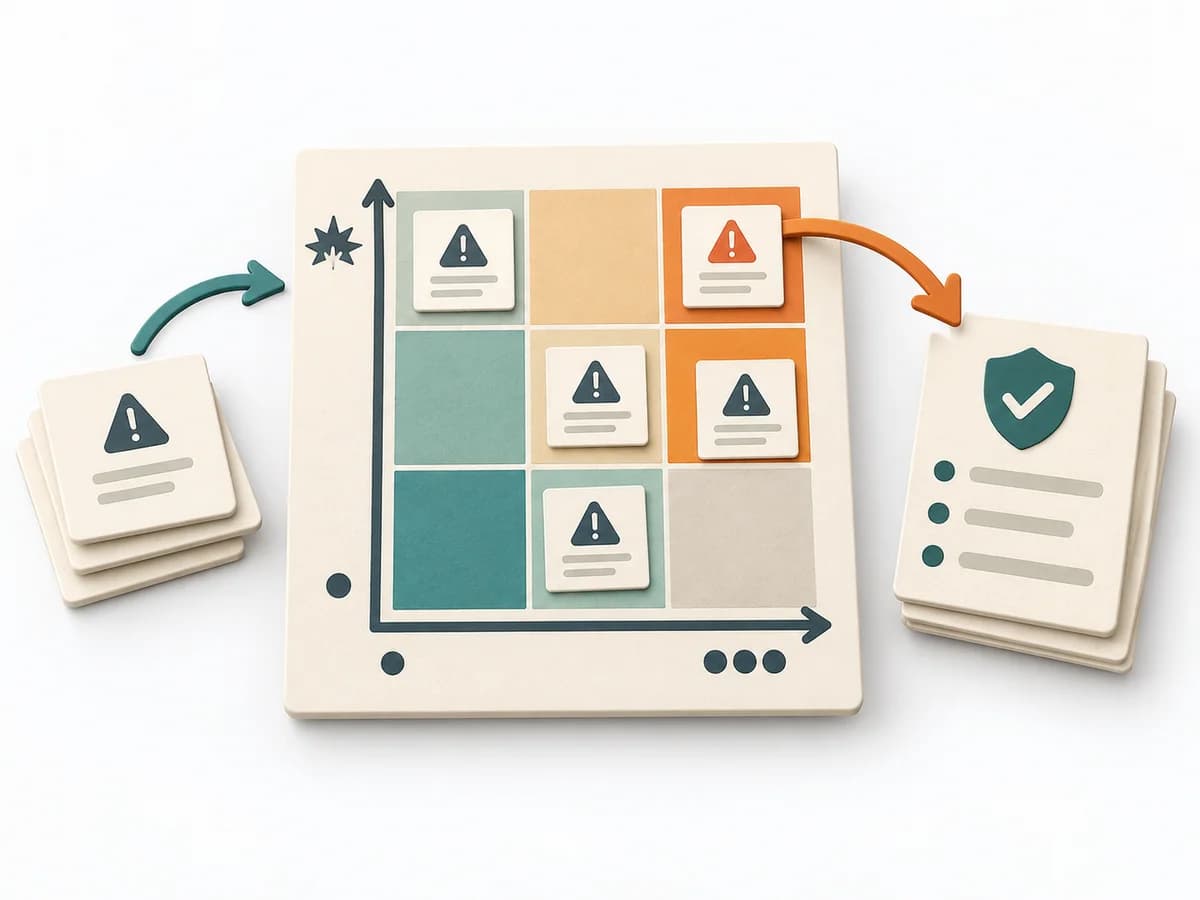
A single opinion rarely holds up for planning when the future is genuinely uncertain. It separates options, evaluation criteria, and open risks. The result is captured as an Estimate Range, Assumption Log, and Expert Consensus Notes.
Decision Making Decision method
Lets experts estimate independently, discusses differences, and narrows the range into viable planning.
Several experts estimate in parallel, compare their assumptions, and adjust after feedback. Ranges, uncertainty, and strong dissent become visible without forcing an apparent average. The approach strengthens planning discipline where numbers remain approximations.
What estimate range emerges when experts first estimate independently, compare assumptions anonymously, and re-estimate with new information?
The steps form one complete method run.
Brief
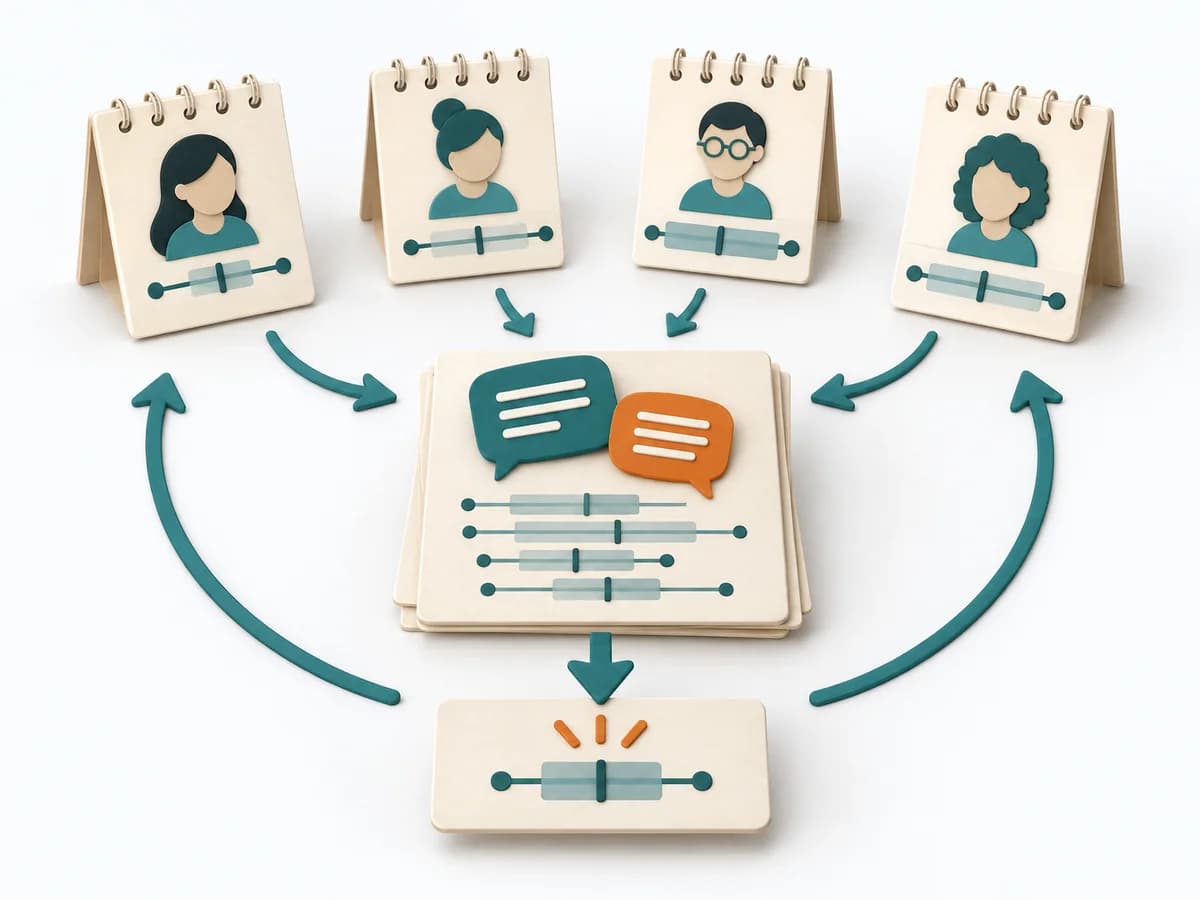
Coordinator explains scope, unit, and historical evidence; answers are shared equally.
Private
Each expert independently estimates total or WBS parts and records assumptions and uncertainty.
Reflect
Coordinator shows distribution and rationales anonymously without making the mean a target.
Clarify
Panel discusses reasons, updates shared scope, and identifies missing evidence without defending people.
Re-estimate
Estimate privately again; after stable spread, document range, assumptions, and review condition.
Add new evidence at review and version estimates with the prior state.
Bei unklaren Zukunftsfragen reicht eine Einzelmeinung selten für belastbare Planung. Wideband Delphi sammelt unabhängige Schätzungen und verdichtet sie zu einem nachvollziehbaren Bereich statt zu einer Scheingenauigkeit.
Traceable Delphi estimate with individual rounds, anonymous rationales, shared scope, residual spread, and review trigger.
Fictional example
Fictional values show the actual method fields.
| Round/person | Estimate | Assumptions | Evidence | Anonymous feedback | Revision | Status |
|---|---|---|---|---|---|---|
| R1 · E1Add evidence and rationale. | 18 PD | No legacy migration | Token API exists | Range 18–30; migration disputed | 24 PD | Updated |
| R1 · E2Add evidence and rationale. | 24 PD | Five browsers, full tests | Last checkout item | Test scope confirmed | 26 PD | Updated |
| R1 · E3Add evidence and rationale. | 30 PD | Certification internal | Compliance experience | Certification external | 27 PD | Updated |
| OutcomeAdd evidence and rationale. | 24–27 PD | Migration included; certification external | Three private revisions | Residual spread from test depth | Review after migration probe | Stop rule met |
All values are fictional.
Close scope, unit, WBS, included work, and estimation question in writing; appoint a coordinator who does not estimate.
A single opinion rarely holds up for planning when the future is genuinely uncertain. It separates options, evaluation criteria, and open risks. The result is captured as an Estimate Range, Assumption Log, and Expert Consensus Notes.
Several experts estimate in parallel, compare their assumptions, and adjust after feedback. This makes ranges, uncertainties, and firm dissenting positions visible without the group immediately settling on an apparent average. The method strengthens planning discipline wherever numbers are only approximations.
Wideband Delphi extends the Delphi idea with stronger interaction between estimation rounds. Experts first provide independent estimates, then the group surfaces ranges, outliers, and assumptions. The group discusses reasons for differences without exposing individuals. Additional rounds narrow the range or intentionally document remaining uncertainty.
Define scope, assumptions, and unit of measure up front. Collect the first values independently, document ranges, and discuss differences calmly. Do not force consensus if real uncertainty remains.
The method guide walks execution through 5 phases, timing, 5 pitfalls, and clear stop criteria.
Open method guideYour perspective
Your feedback helps shape the next improvements to methodatlas.
Set subject, data, roles, flow, and review.
To be confirmed
To be confirmed
Complete run Time: 90–180 minutes for 2–4 anonymous estimation rounds; preparation separate.
Complete this worksheet on paper or in your own document during the work.
| Round/person | Estimate | Assumptions | Evidence | Anonymous feedback | Revision | Status |
|---|---|---|---|---|---|---|
| R1 · E1 | ||||||
| R1 · E2 | ||||||
| R1 · E3 | ||||||
| Outcome |
The blank worksheet contains prompts only.
Reference · original teaching example
Expected artifact: Shared scope
Coordinator explains scope, unit, and historical evidence; answers are shared equally.
Entry:
...
Expected artifact: Round 1
Each expert independently estimates total or WBS parts and records assumptions and uncertainty.
Entry:
...
Expected artifact: Anonymous summary
Coordinator shows distribution and rationales anonymously without making the mean a target.
Entry:
...
Expected artifact: Clarified assumptions
Panel discusses reasons, updates shared scope, and identifies missing evidence without defending people.
Entry:
...
Expected artifact: Delphi range
Estimate privately again; after stable spread, document range, assumptions, and review condition.
Entry:
...
...
Method guide: https://methodatlas.meierhoff-systems.de/en/methods/wideband-delphi/run-sheet
Fitting alternatives with decision guidance, followed by other related methods.

Instead of Wideband Delphi, choose Planning Poker when the team wants to estimate quickly and relatively, and anonymous expert rounds would be too heavyweight.
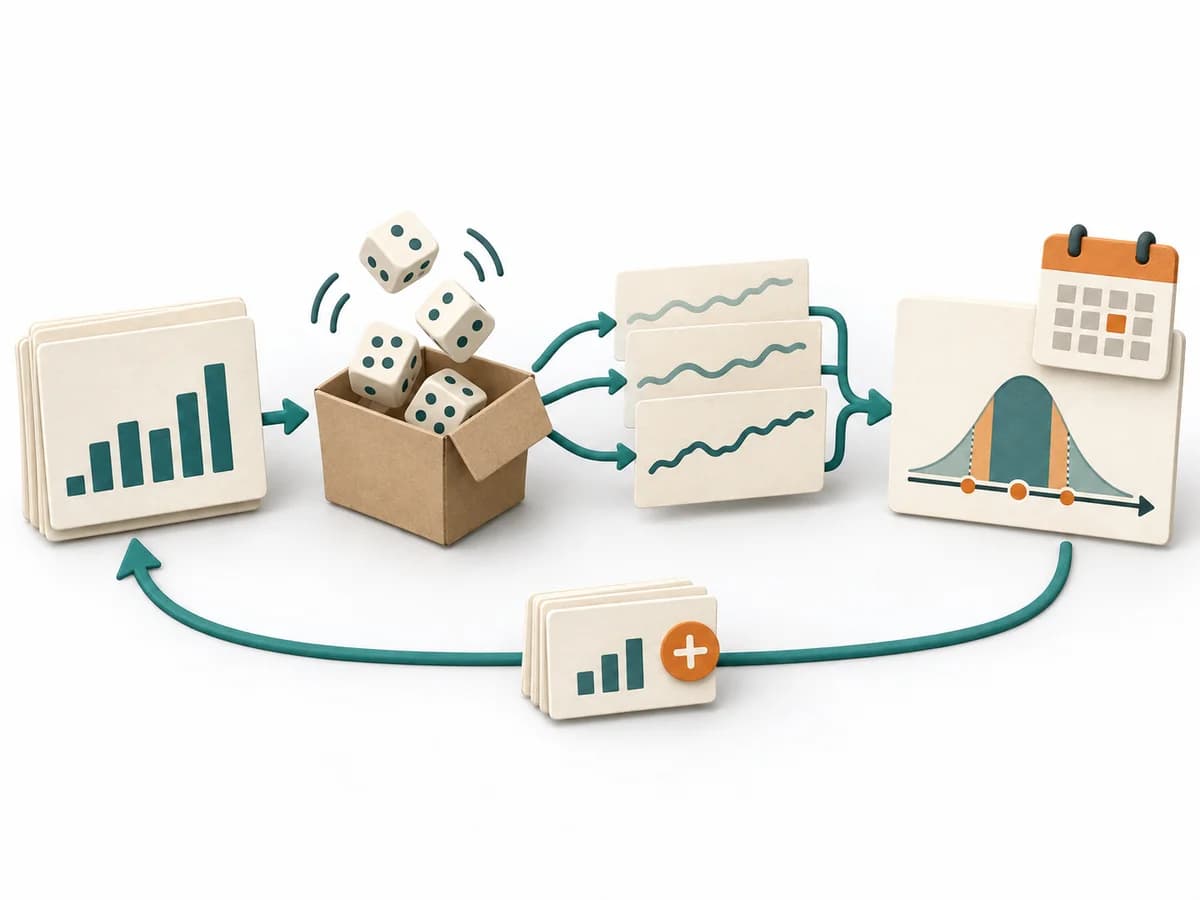
Instead of Wideband Delphi, choose Monte Carlo Forecasting when you want to plan with probabilities instead of individual estimates.
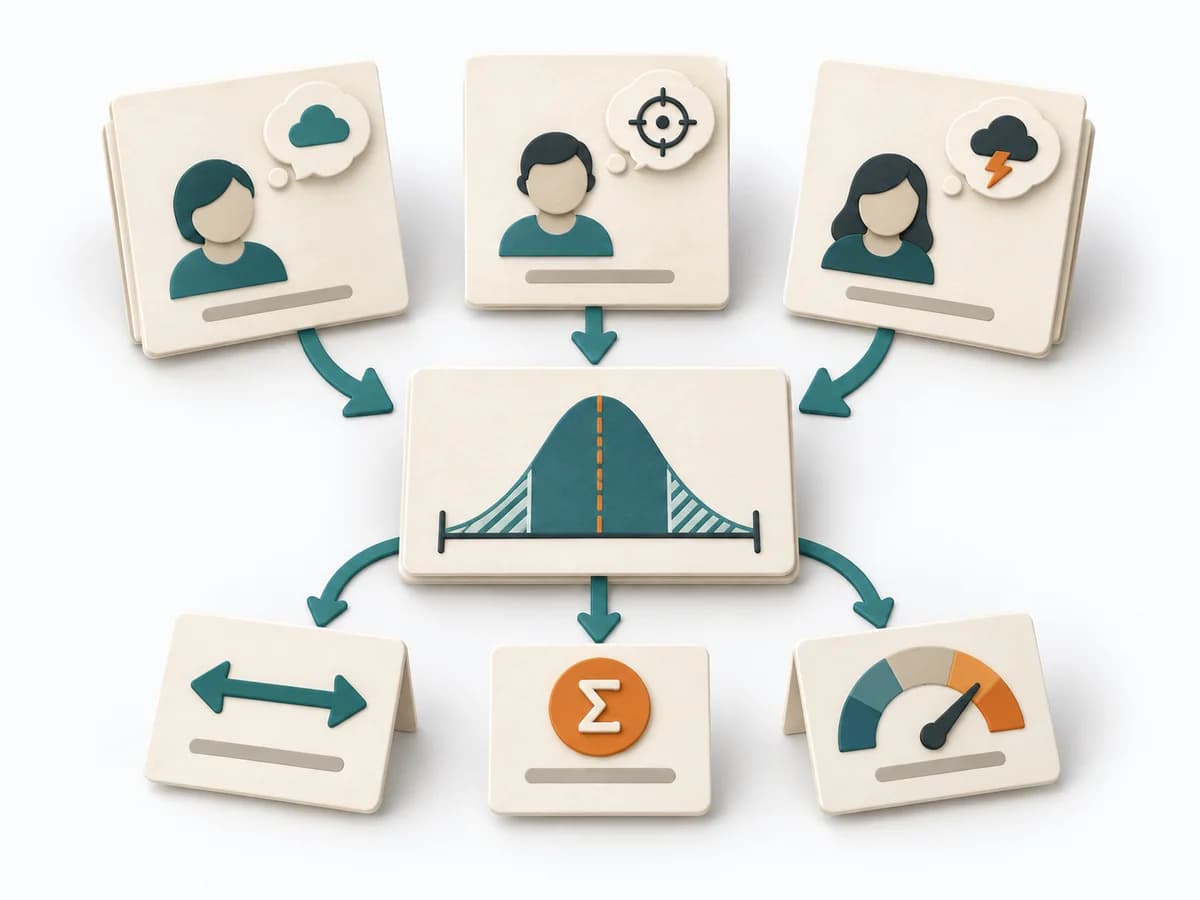
Moves options, criteria, and risks toward a concrete result through "clarify the estimate object", "determine the optimistic value", and "derive the range, expected value, and risks".

Bundles expert estimates across rounds until ranges, consensus, and assumptions become solid enough.
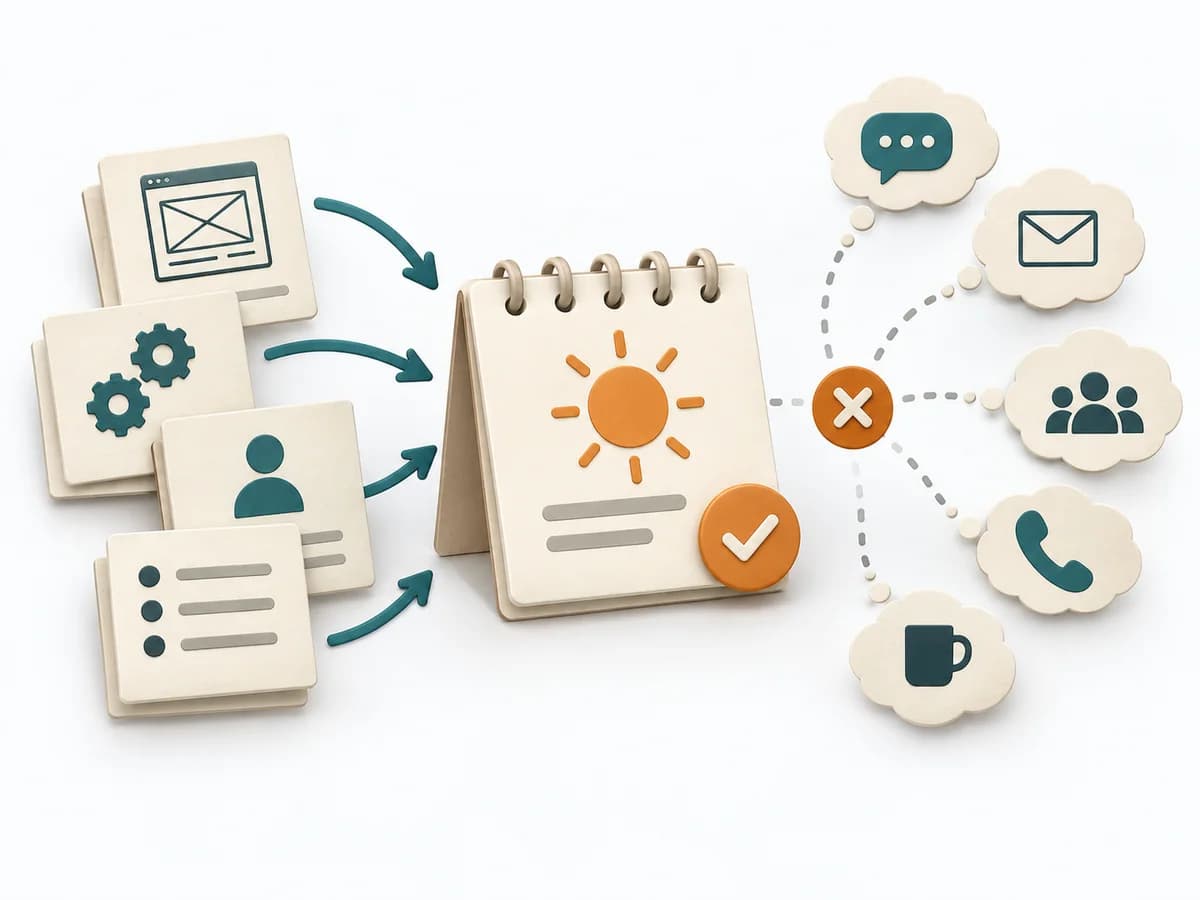
Moves backlog, sprint work, and team flow toward a concrete result through "explain the ideal day unit", "calibrate with a reference item", and "do not confuse it with calendar days".
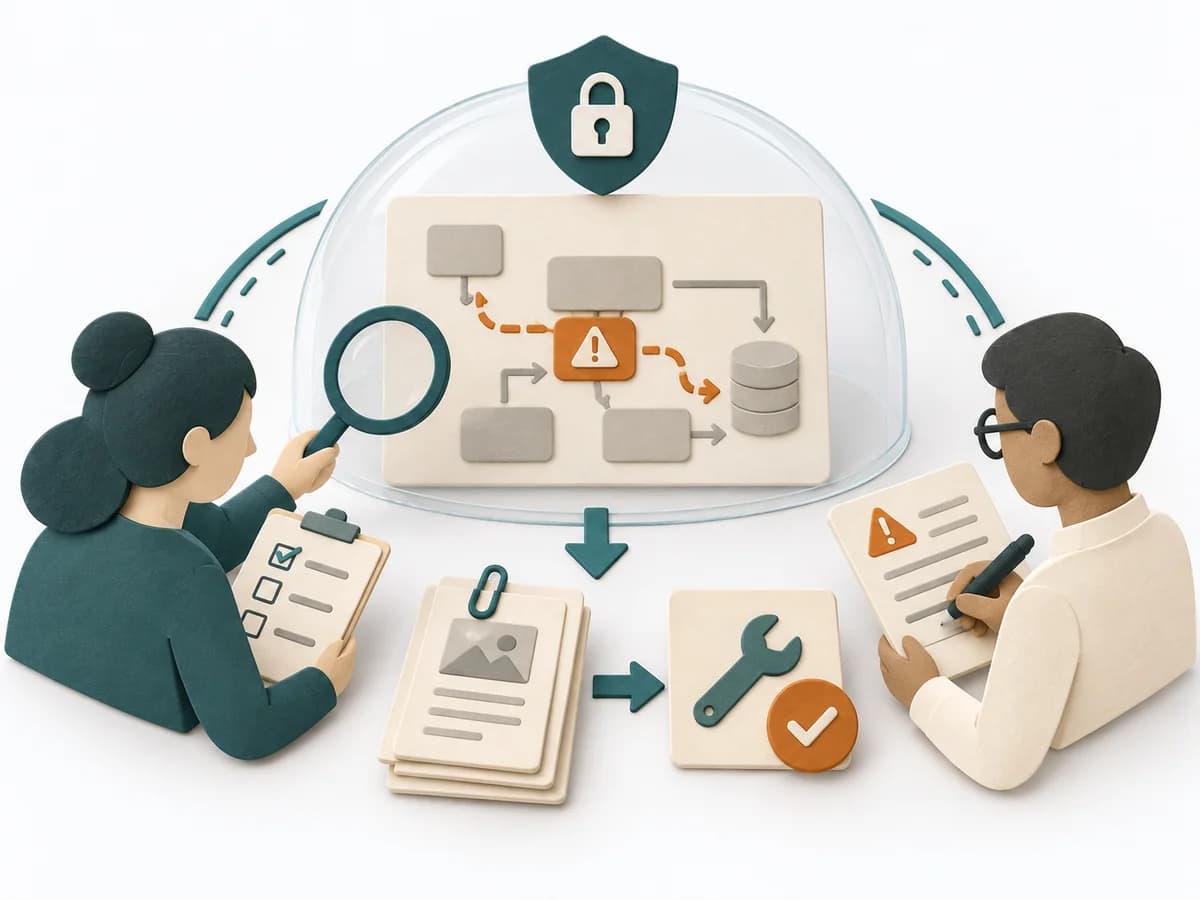
Examines an initiative from an opposing perspective, collects weaknesses, and derives prioritized mitigations.