Purpose
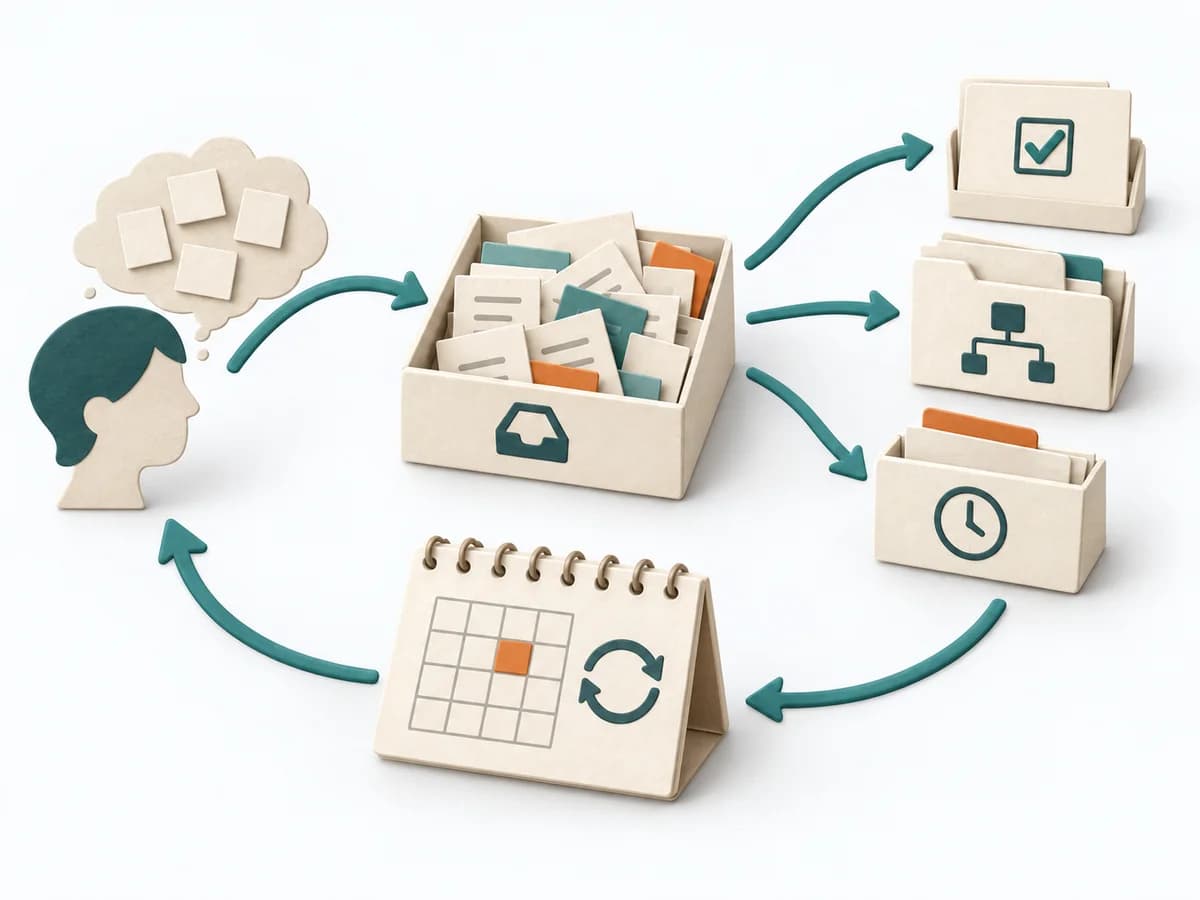
The PARA Method organizes knowledge into Projects, Areas, Resources, and Archives. It creates order when digital notes, files, and tasks no longer cleanly fit current work.
Knowledge Modeling Personal productivity method
Stores digital information by its current relevance to action.
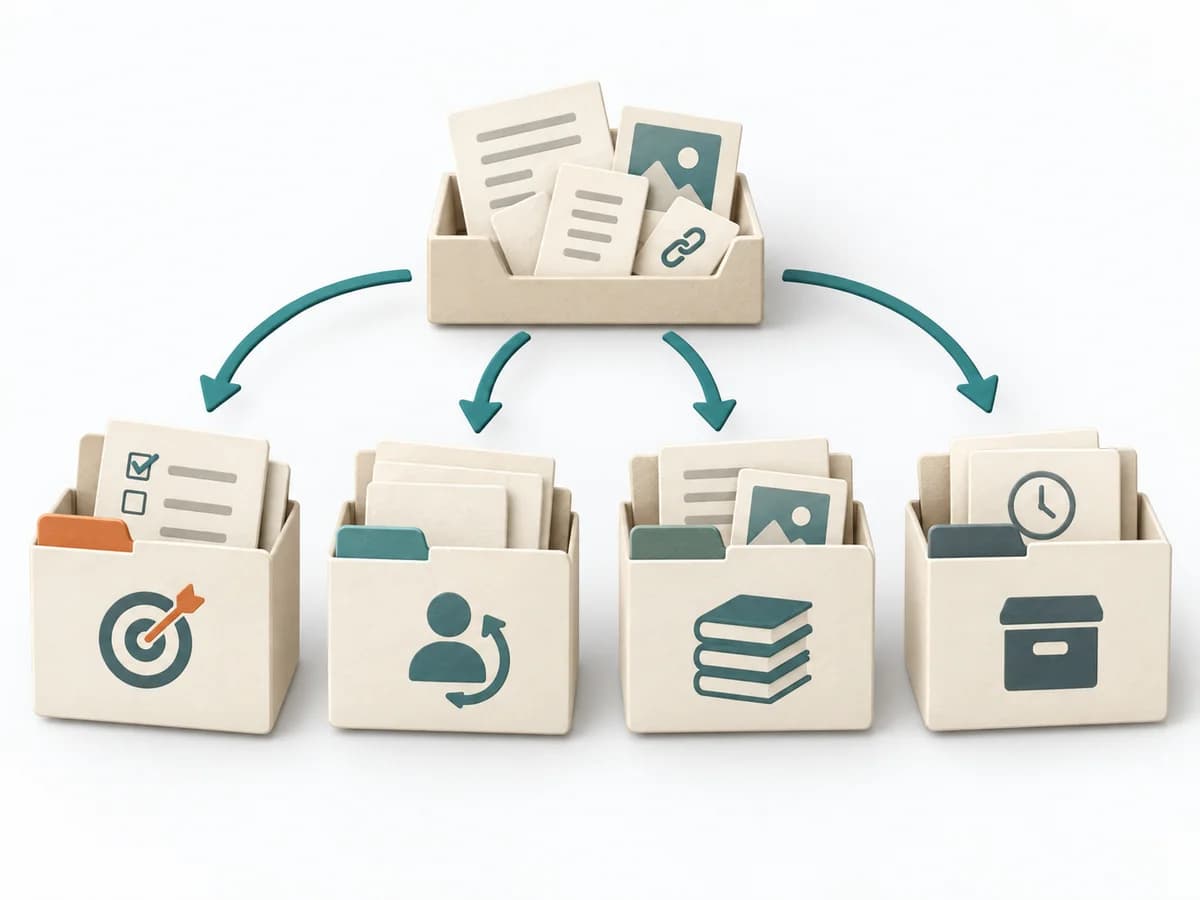
PARA separates finite projects, ongoing areas of responsibility, topical resources and inactive archives. Storage follows use. Material can move between categories when a project ends or a new need appears.
Where is this information needed for a current outcome or ongoing responsibility?
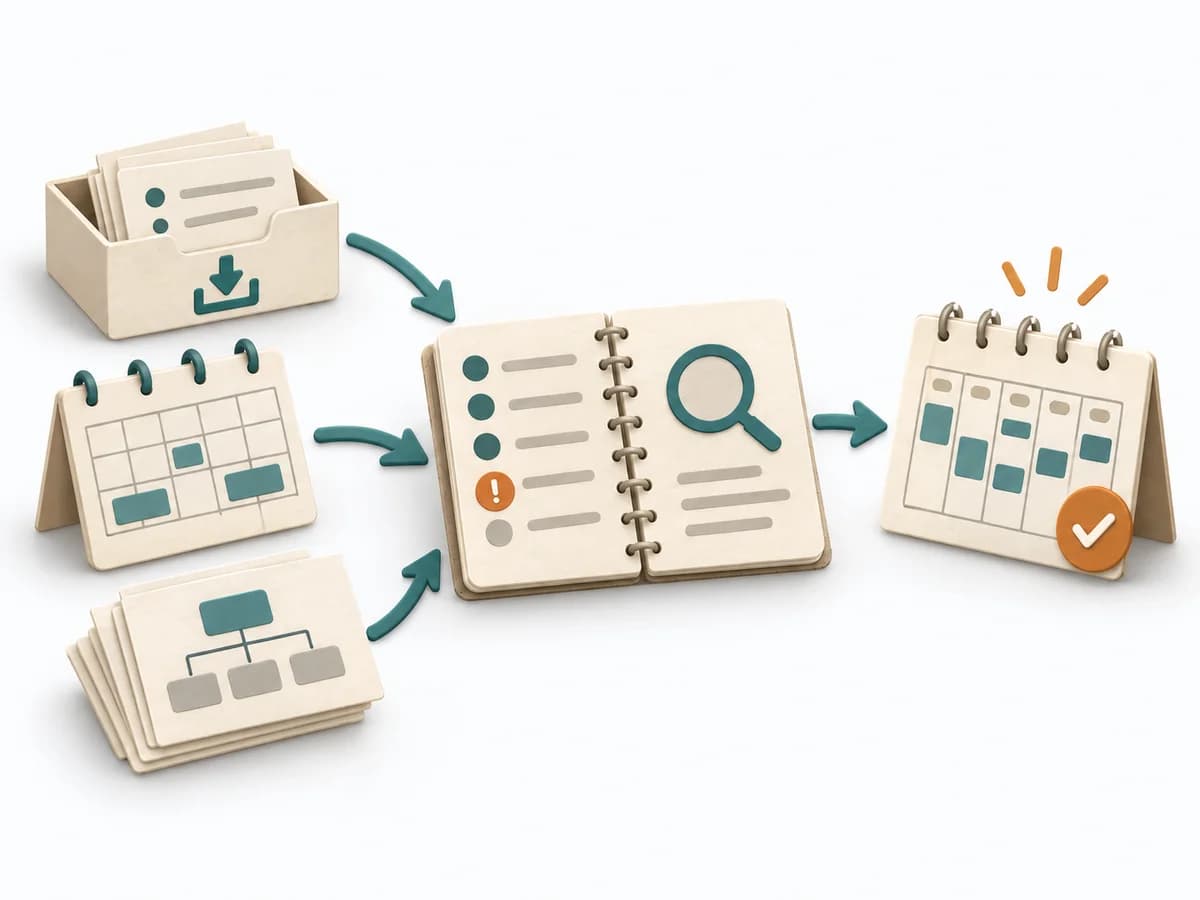
Ongoing information maintenance. PARA organizes material; tasks and dates still need their own management.
Inventory
Name active initiatives with an outcome and ending; separately capture ongoing responsibilities and their standards.
Classify
Does the material support an active finite outcome? Use Projects. Does it support an ongoing standard? Use Areas.
Retrieve
Move notes and files into clearly named project or area collections. Prefer links to shared originals.
Maintain
Archive completed or paused projects. Link reusable insights to relevant Areas or Resources.
Move material according to current usefulness at project starts, closures and regular reviews.
For scattered notes and files that need to be retrieved for real initiatives.
Retrievable project and area material with explicit transitions to resources and archives.
Fictional example
PARA separates finite projects, ongoing areas of responsibility, topical resources and inactive archives. Storage follows use. Material can move between categories when a project ends or a new need appears.
Which finite outcome needs this material?
Course portal relaunch by 30 November; usability notes and release plan.
Which ongoing standard does this support?
Website operations: accessibility, availability and monthly content review.
For which useful future topic is material collected?
Web typography: technical articles and design examples.
Which contents are currently inactive?
The 2024 relaunch with its decisions and completed drafts.
When is material moved or reactivated?
After relaunch Lea archives the project folder and links the operations checklist from the Website operations area.
All situations and people are fictional.
Name active projects and ongoing responsibilities before sorting old files.
The PARA Method organizes knowledge into Projects, Areas, Resources, and Archives. It creates order when digital notes, files, and tasks no longer cleanly fit current work.
First, content is sorted by current commitment and usefulness. Then time-critical things land in Projects, ongoing responsibilities in Areas, references in Resources, and dormant content in Archives. This creates a structure that combines quick filing with later findability.
The PARA Method works because it orders personal knowledge by pressure of use, reducing search effort and mental switching. It only really helps once projects, areas of responsibility, resources, and archive are consistently maintained according to current use. Clear boundaries, regular re-filing, and short titles matter, so the system relieves daily decisions instead of becoming a maintenance project itself.
For self-application, a sober start with a few active projects and a manageable set of areas pays off, so the structure can be used right away. Things often tip where catch-all folders grow out of habit; then consistently moving items into resources or archive helps. Close every review with a small cleanup step and a decision about which list genuinely gets opened tomorrow.
The method guide walks execution through 4 phases, timing, 4 pitfalls, and clear stop criteria.
Open method guideYour perspective
Your feedback helps shape the next improvements to methodatlas.
Store digital information by its current relevance to action.
To be confirmed
To be confirmed
Plan the practice Time: 30–60 minutes for one initial area; a few minutes of ongoing upkeep.
Complete this worksheet on paper or in your own document during the work.
Which finite outcome needs this material?
...
Which ongoing standard does this support?
...
For which useful future topic is material collected?
...
Which contents are currently inactive?
...
When is material moved or reactivated?
...
Enter your own information; connect open commitments to a next action.
Expected artifact: Current projects and areas
A finite outcome and ongoing standard are different organizing units.
Entry:
...
Expected artifact: Justified PARA placement
Projects, Areas, Resources and Archives distinguish current usefulness.
Entry:
...
Expected artifact: Usable linked collection
Test the collection through real retrieval.
Entry:
...
Expected artifact: Current collection without stale projects
An archive remains searchable and can return material to active use.
Entry:
...
...
Method guide: https://methodatlas.meierhoff-systems.de/en/methods/para-method/run-sheet
Fitting alternatives with decision guidance, followed by other related methods.
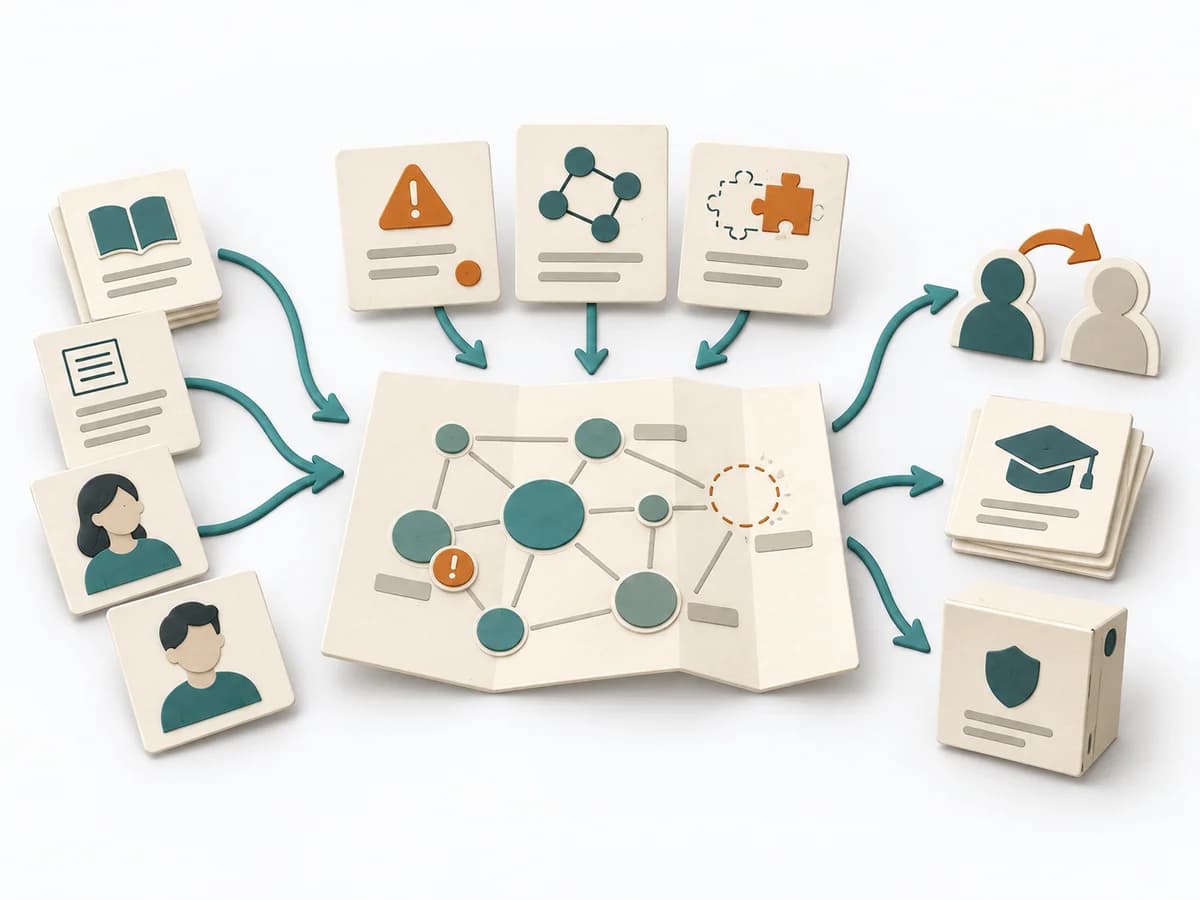
Instead of PARA Method, when you want to order knowledge areas, sources, and responsibilities as a clear map.
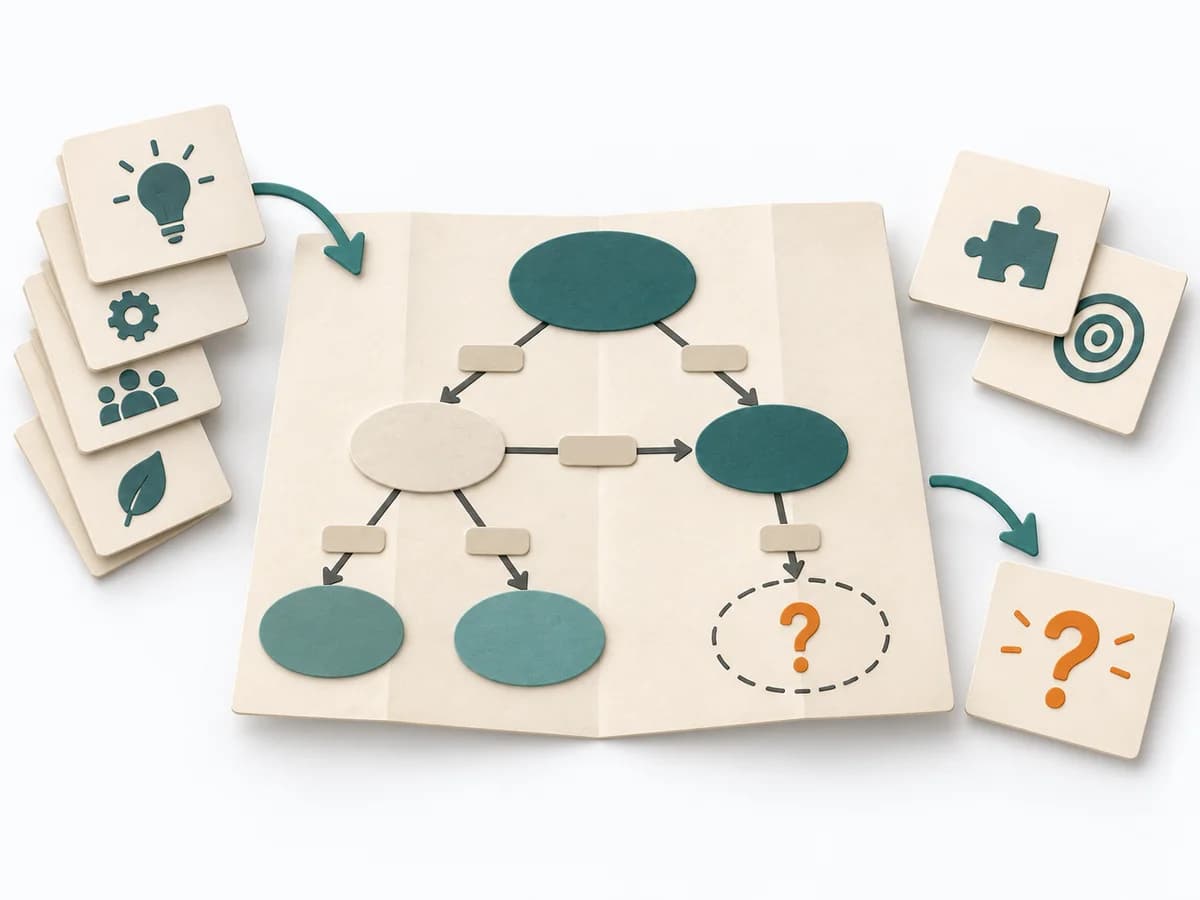
Clarifies concepts, relationships, and rules by framing the focus question, gathering concepts, and checking gaps and contradictions.

Forces complex content into simple language and immediately reveals which knowledge gaps still need closing.
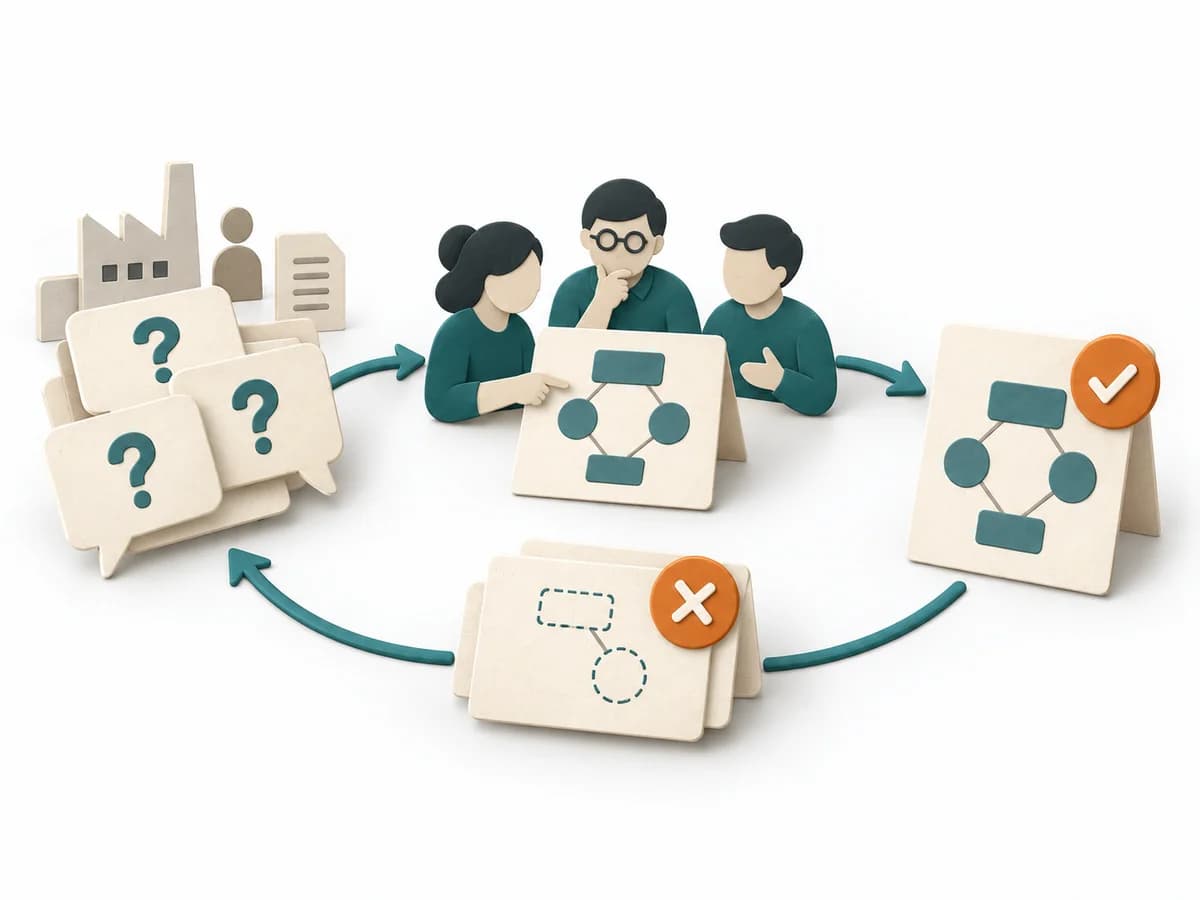
Concrete domain questions define what an ontology or knowledge model must be able to answer and test.
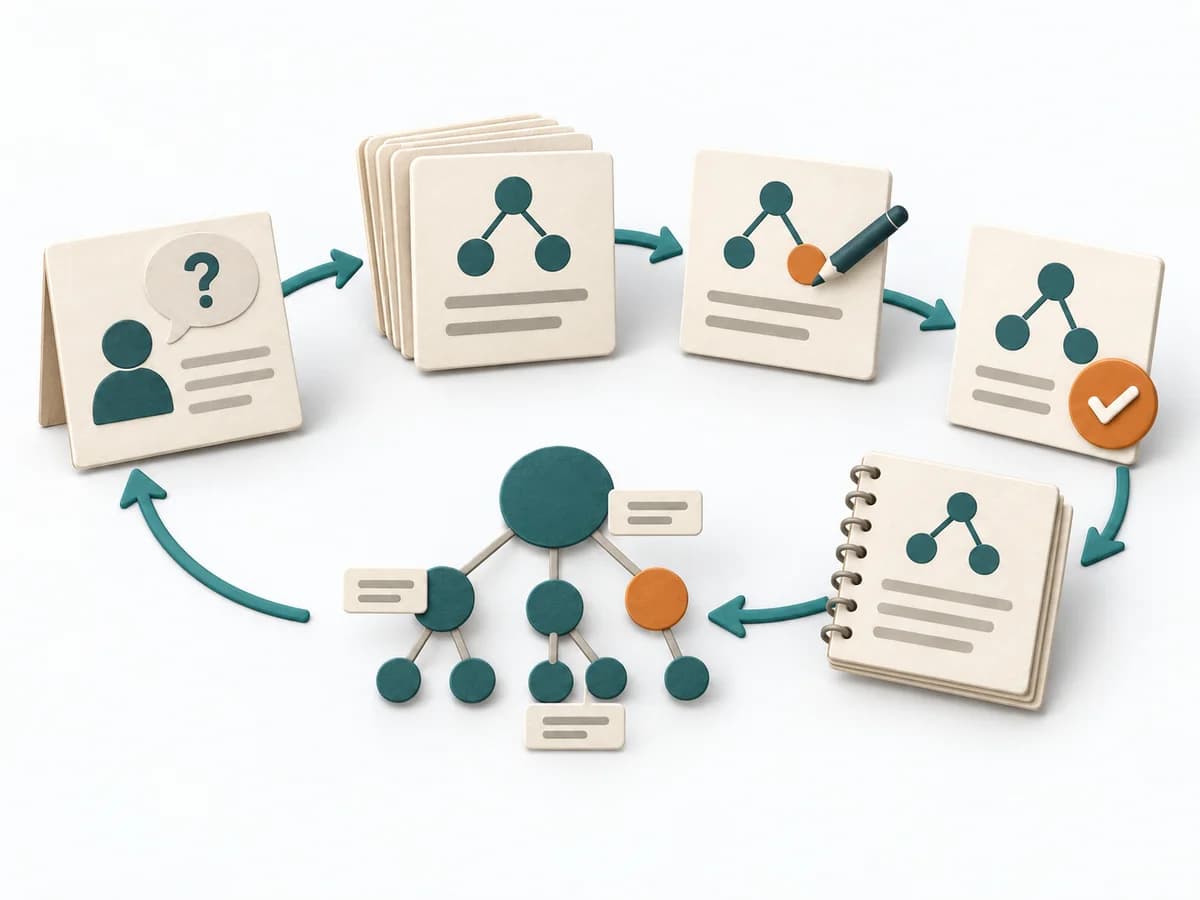
Reusable modeling patterns solve recurring ontology structures without redesigning the same semantic shape each time.
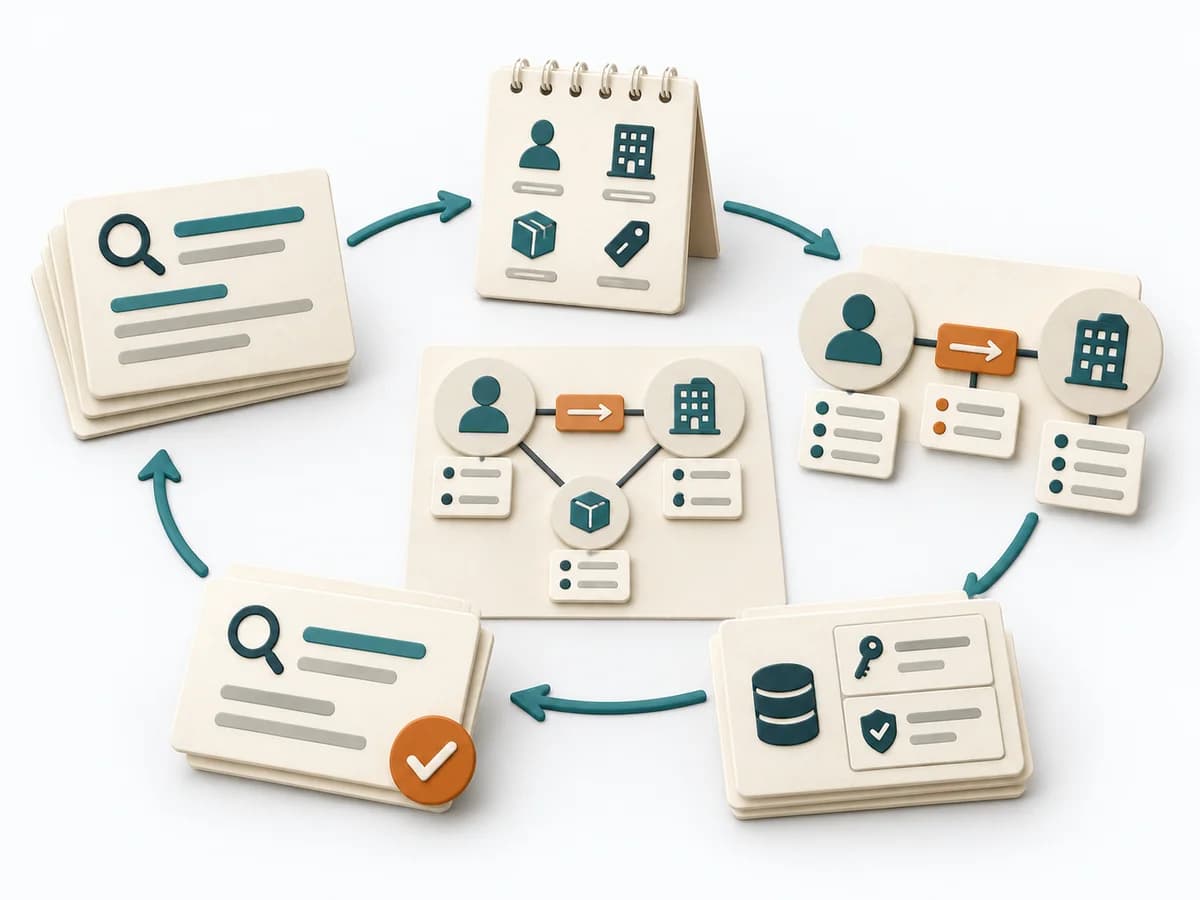
Query patterns drive node labels, relationships, and constraints so property graphs match real retrieval needs.