Purpose
The Feynman Technique checks understanding by explaining a topic so that it stays easy for others to understand. It makes knowledge gaps visible before they become costly in everyday work.
Knowledge Modeling Personal productivity method
The Feynman Technique makes understanding visible through a simple, precise explanation and closes knowledge gaps deliberately.
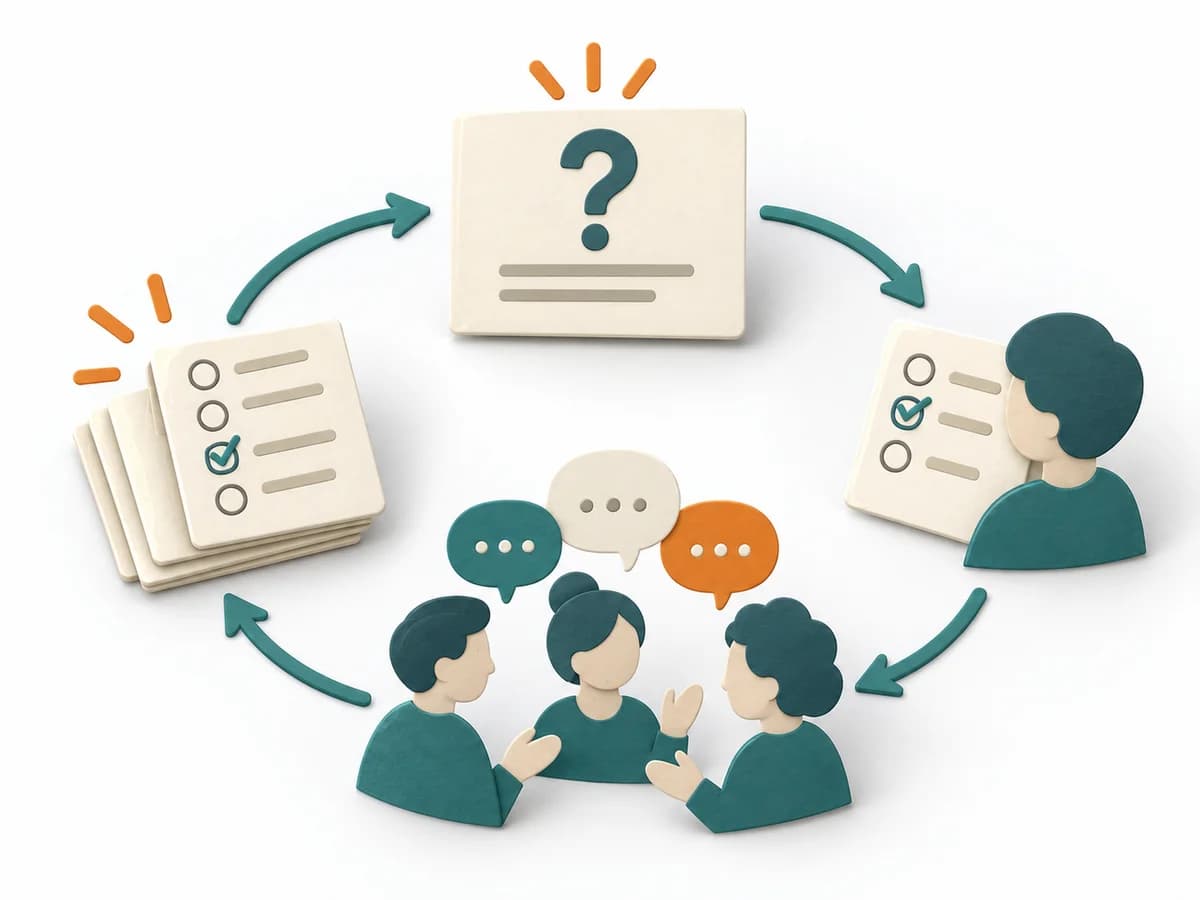
The Feynman Technique asks one person to explain a bounded concept in their own everyday language. Sticking points are marked, checked against sources, and used to improve the explanation.
Can I explain this concept without skipping a step or hiding behind jargon?
Each step produces a concrete domain result for the complete run.

Concept
Choose one concept, audience, and purpose for the explanation.
Explanation
Explain in your own words with an example and intermediate steps.
Gap
Mark every place where jargon, omission, or uncertain claim carries the explanation.
Source
Use a primary or reliable technical source to resolve and learn marked gaps.
Simplification
Rewrite, test the example, and name remaining uncertainty.
Study each remaining gap, explain again from memory, and test with a new transfer case.
Use it for individual learning, onboarding, and preparing an explanation where real understanding matters.
Versioned explanation in the learner's own words with example, marked knowledge gaps, source corrections, and transfer question.
Fictional example
Fictional explanation of HTTP caching for a new colleague.
What exactly are you explaining, to whom, and for what purpose?
HTTP caching for a new frontend colleague so she can diagnose stale responses.
How does it work without unexplained jargon?
A cache keeps an earlier response. Before reusing it, the browser checks rules supplied by the server.
Where does the explanation jump or rely on an unexplained term?
Open: when must the browser ask the server again even though it has a copy?
Which source closes exactly this gap?
Check MDN on Cache-Control; restate max-age and revalidation in plain language.
Which new situation must the explanation predict?
Why can a response after max-age be refreshed with 304 rather than a full payload?
The explanation is deliberately short and is not a complete HTTP specification.
Choose a narrow concept and a concrete person you would explain it to.
The Feynman Technique checks understanding by explaining a topic so that it stays easy for others to understand. It makes knowledge gaps visible before they become costly in everyday work.
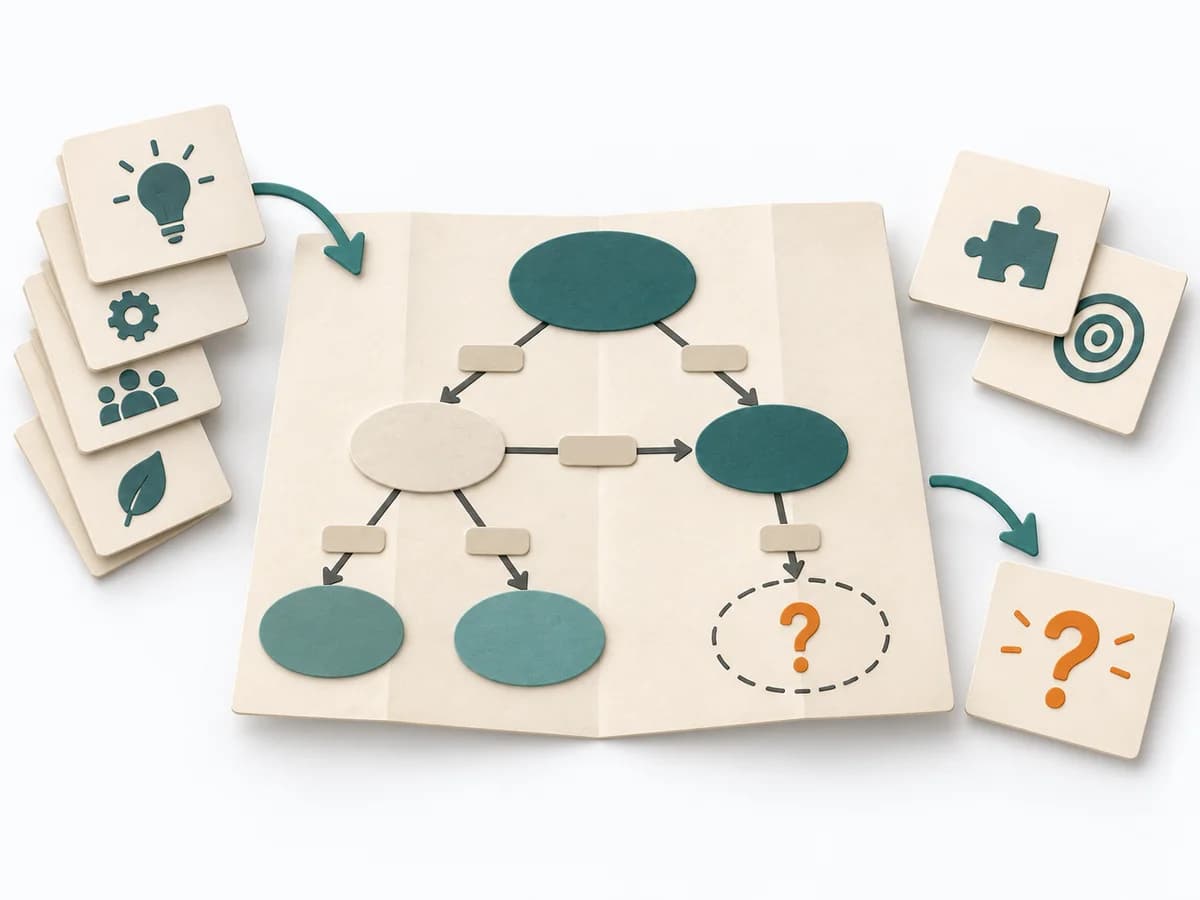
First, a topic is explained in simple words without hiding behind jargon. As soon as the explanation stumbles, gaps are identified, relearned, and simplified again. This grows a brief explanation into real understanding with robust wording.
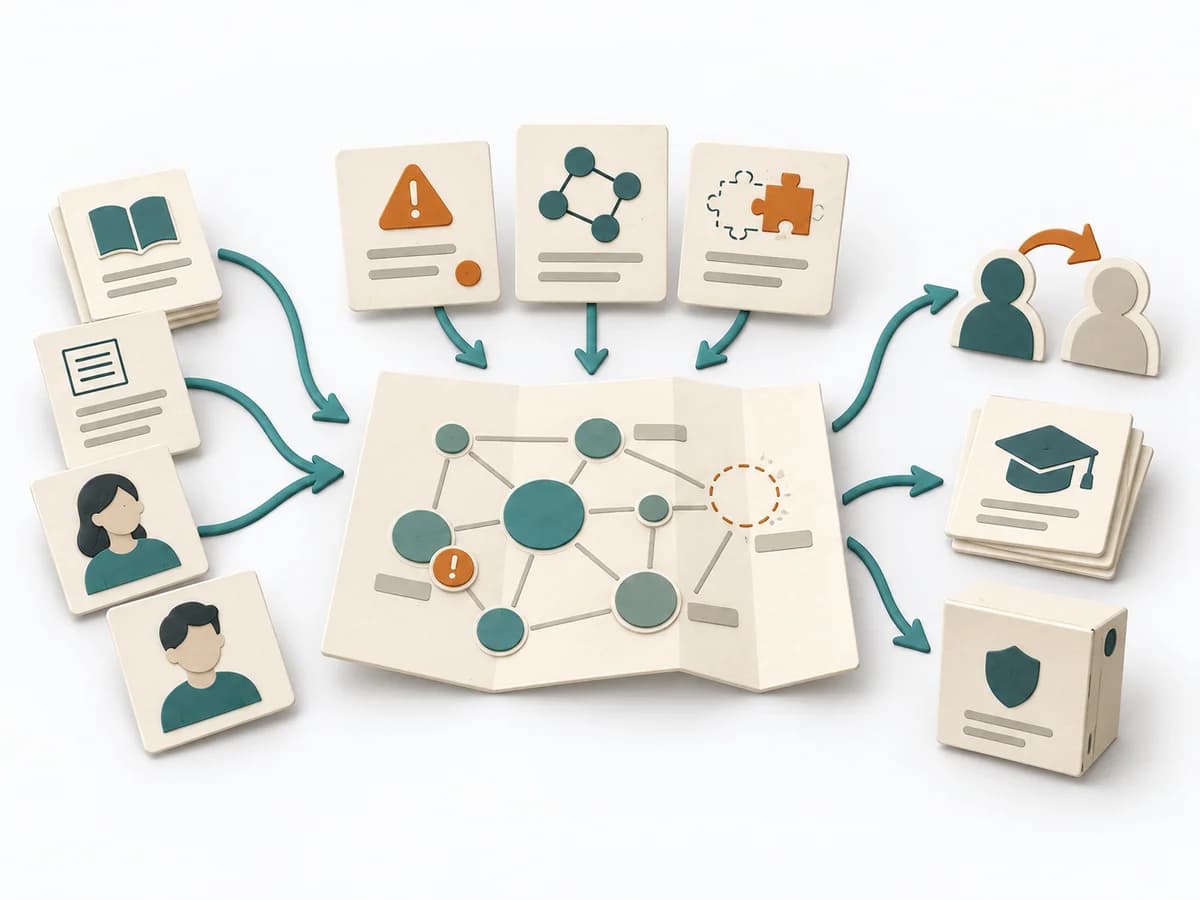
The Feynman Technique works because it tests understanding through explainability, quickly exposing hidden knowledge gaps. It becomes solid when complex content is translated into clear everyday language without losing technical precision. It helps to immediately rework sticking points, skipped intermediate steps, and imprecise terms, so felt understanding turns into robust competence.
Start with a clearly bounded topic and an imagined audience the explanation should truly suit. The important turning point comes with terms that can only be explained using further jargon; that is where the real learning need shows up. In the end there should be an improved short version that can be used directly the next time it is repeated or taught.
The method guide walks execution through 5 phases, timing, 5 pitfalls, and clear stop criteria.
Open method guideYour perspective
Your feedback helps shape the next improvements to methodatlas.
Plan the question, inputs, complete run, and review with clear ownership.
To be confirmed
To be confirmed
Complete run Time: 20–60 minutes per clearly bounded concept; use several loops for large subjects.
Complete this worksheet on paper or in your own document during the work.
What exactly are you explaining, to whom, and for what purpose?
...
How does it work without unexplained jargon?
...
Where does the explanation jump or rely on an unexplained term?
...
Which source closes exactly this gap?
...
Which new situation must the explanation predict?
...
Close the source for the first explanation; inspect gaps afterwards.
Farnam Street · original teaching example
Expected artifact: Bounded learning target
Bounded learning target
Entry:
...
Expected artifact: First explanation in own words
First explanation in own words
Entry:
...
Expected artifact: Marked understanding gaps
Marked understanding gaps
Entry:
...
Expected artifact: Source-checked corrections
Source-checked corrections
Entry:
...
Expected artifact: Simplified, tested explanation
Simplified, tested explanation
Entry:
...
...
Method guide: https://methodatlas.meierhoff-systems.de/en/methods/feynman-technique/run-sheet
Fitting alternatives with decision guidance, followed by other related methods.
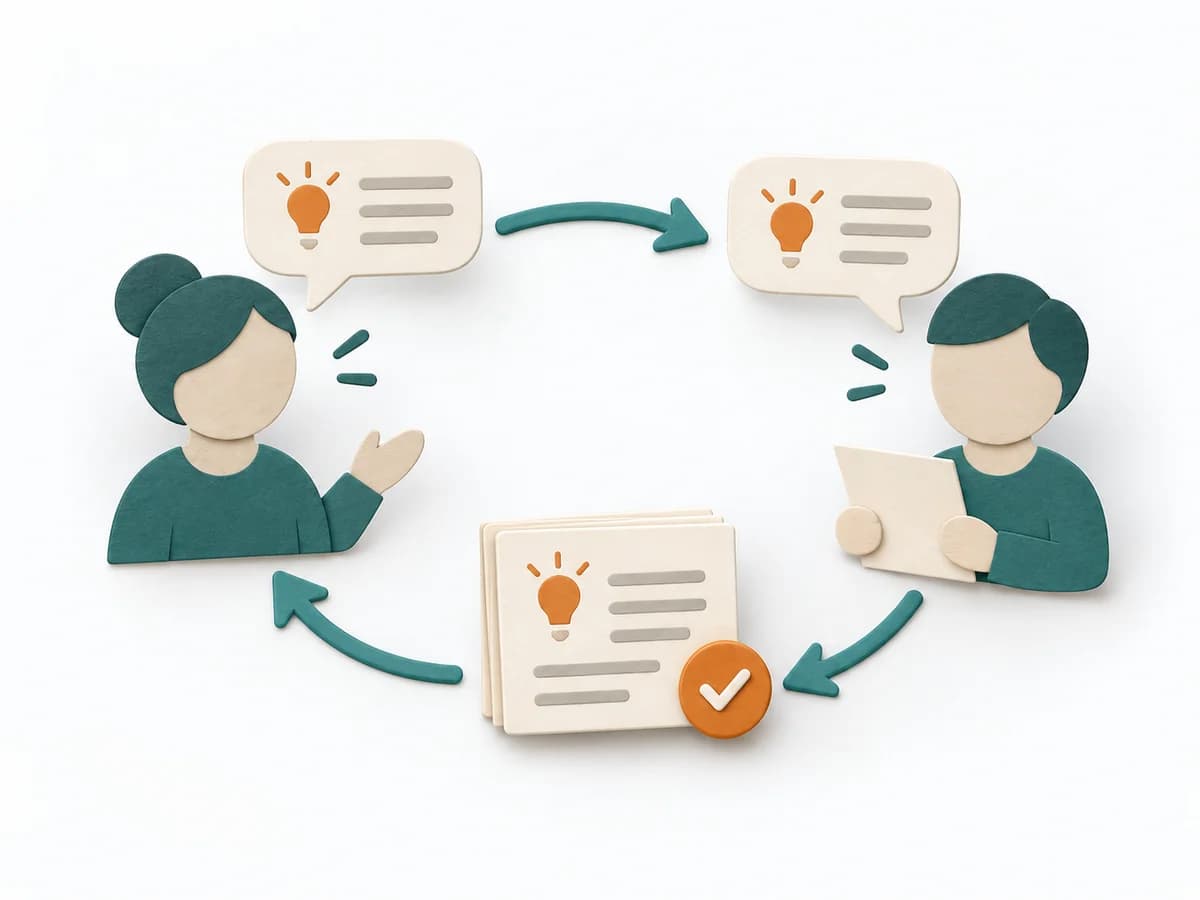
Instead of Feynman Technique, choose Teach-back when you want to check whether someone can really reproduce content in their own words.

Sorts knowledge into Projects, Areas, Resources, and Archive so personal knowledge work stays easier to steer.

Gives one person precise peer feedback through three roles and records key next actions and observations.
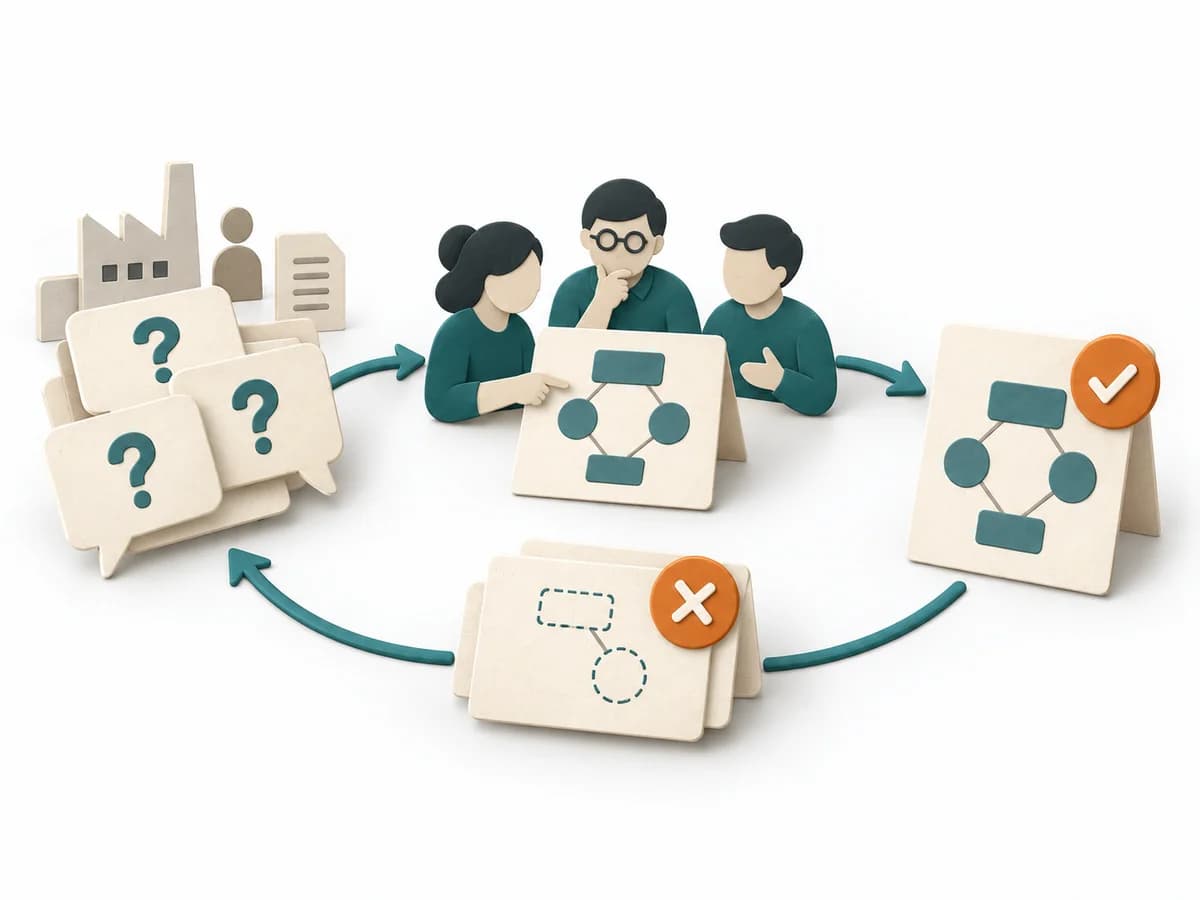
Concrete domain questions define what an ontology or knowledge model must be able to answer and test.

Translates domain knowledge into a narrated situation where terms, relationships, and rules are checked together.
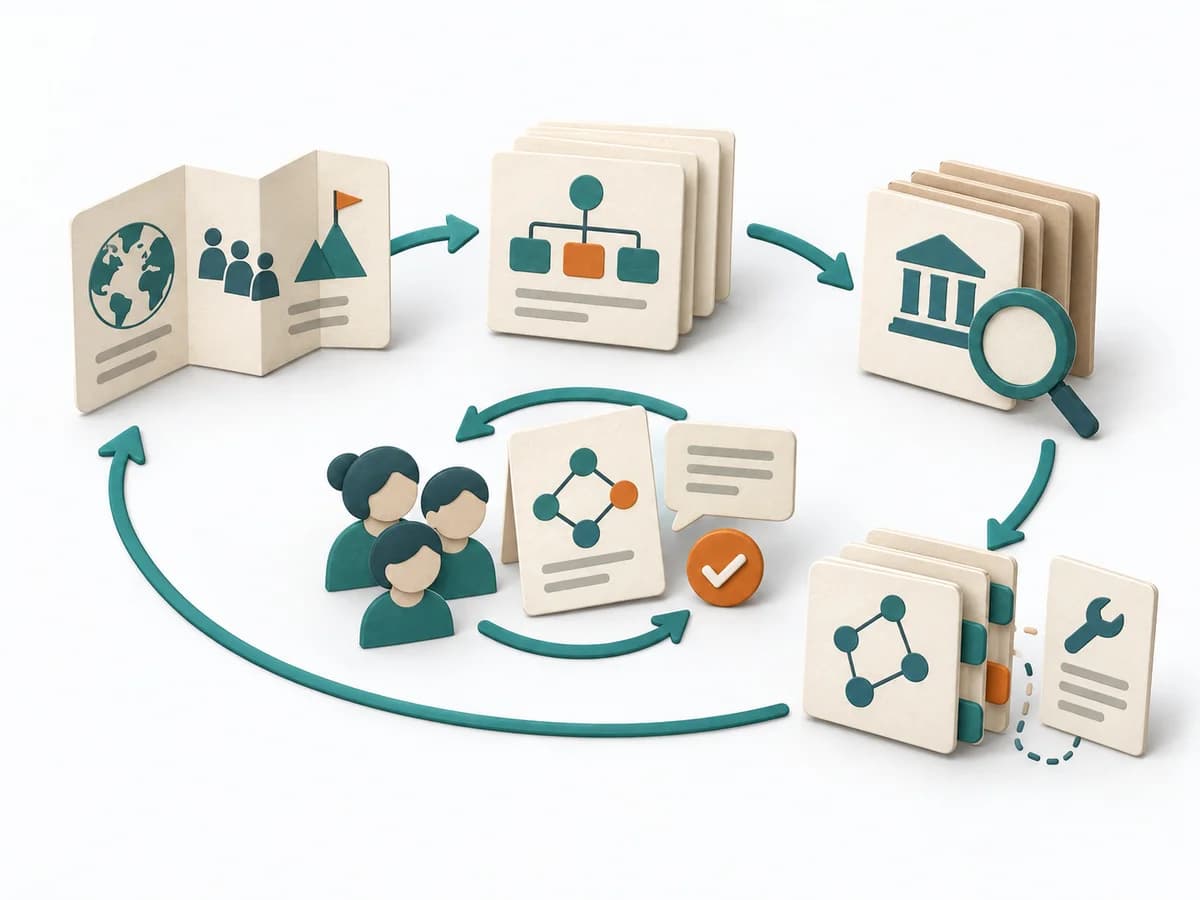
Ontology work is organized as a scenario-based process for reuse, collaboration, evaluation, and long-term maintenance.