Purpose
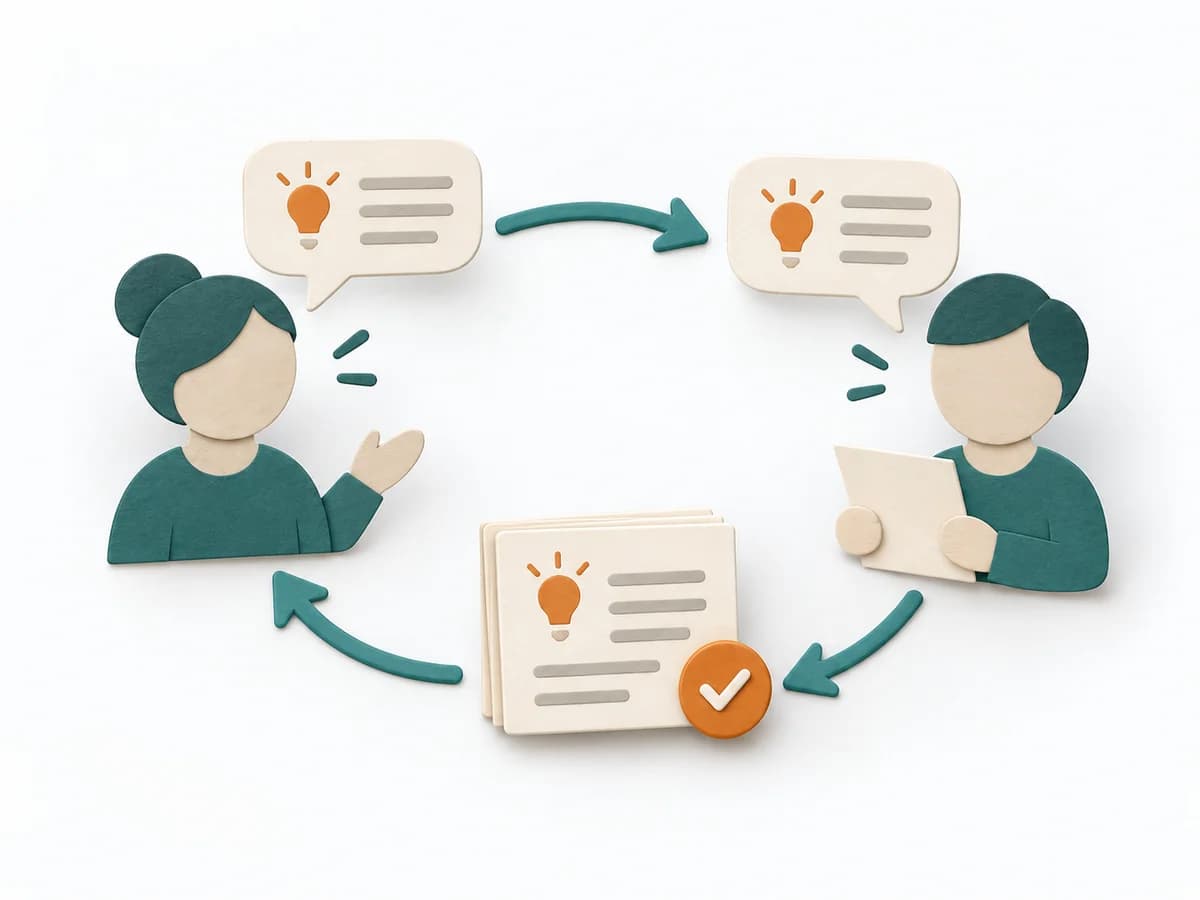
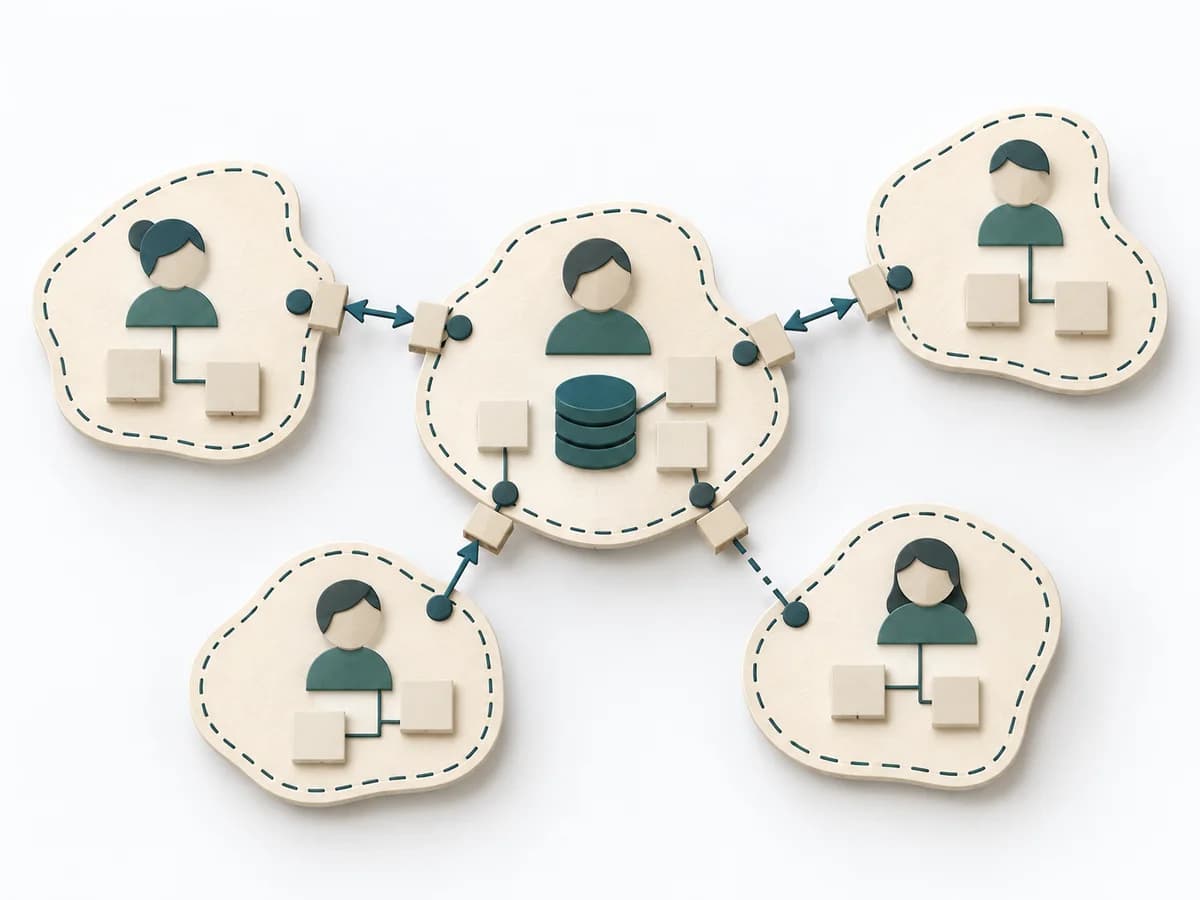
Knowledge Mapping makes knowledge, gaps, and transfer paths visible across a field. It fits when expertise should not just exist but also be findable and transferable.
Knowledge Modeling Planning tool
Maps critical knowledge, knowledge holders, and gaps so handoffs and transfer can be planned deliberately.
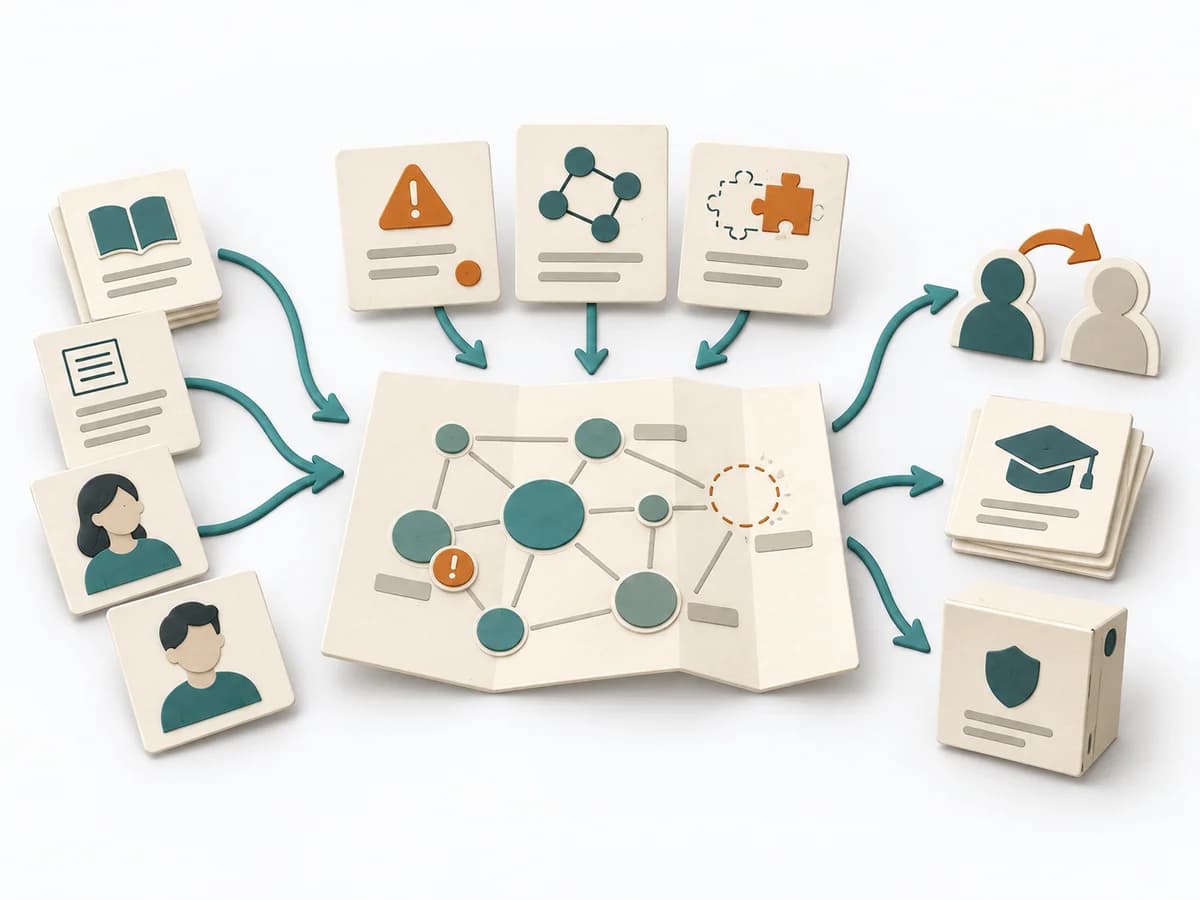
Zuerst werden Wissensdomänen, Quellen und Träger gesammelt. Danach bewertet das Team Kritikalität, Abhängigkeiten und fehlende Bausteine und plant Transfers oder Sicherungen. Am Ende entsteht eine Karte, die Lern- und Übergabeaufwand gezielt steuerbar macht.
Which critical knowledge exists where, with whom, and at what risk to the work?
The steps express the method mechanics in one complete run.
Scope
Define scope and knowledge domains around one concrete service
Knowledge
Record knowledge holders, artifacts, and locations for each domain
Assessment
Assess criticality, currency, and dependencies with evidence
Risks
Mark knowledge gaps, single-person risks, and stale artifacts
Transfer
Plan transfer actions with owner, audience, and review date
Test open questions through the agreed next step and append new evidence as a version.
Knowledge Mapping macht Wissen, Lücken und Transferwege in einem Feld sichtbar. Es passt, wenn Fachwissen nicht nur vorhanden, sondern auch auffindbar und übertragbar sein soll.
Transfer plan with evidence, open points, owner, and review.
Fictional example
Fictional values are assigned to explicit method fields.
| Knowledge area | Holder | Artifact | Location | Currency | Criticality | Transfer |
|---|---|---|---|---|---|---|
| Slot rulesRecord knowledge area with holder, artifact, risk, and transfer. | Lea | Pickup wiki page | Confluence / Ops | Checked 2 Oct | High, used daily | Kim handles the next exception |
| Warehouse exceptionsRecord knowledge area with holder, artifact, risk, and transfer. | Murat | No artifact yet | Personal knowledge | Current only verbally | Critical, single-person risk | Document three cases by 18 Oct |
All details are fictional.
Set one concrete service and its knowledge boundary; gather known roles, artifacts, and locations.
Knowledge Mapping makes knowledge, gaps, and transfer paths visible across a field. It fits when expertise should not just exist but also be findable and transferable.
First, knowledge domains, sources, and holders are collected. The team then assesses criticality, dependencies, and missing building blocks and plans transfers or safeguards. In the end, a map emerges that makes learning and handover effort deliberately manageable.
Knowledge Mapping works because it depicts knowledge, sources, responsibilities, and access as a system rather than a loose collection of documents. The approach becomes effective when critical dependencies, knowledge islands, and handover points are taken just as seriously as visible artifacts. Good application checks currency, accessibility, and frequency of use, so the result reveals concrete gaps and priorities for knowledge work.
Start with a clear guiding question, such as an onboarding problem or a risk of loss, so the map does not grow arbitrarily. You should pay particular attention when personal knowledge appears without a traceable source or several sources contradict each other. Close with prioritized gaps, named owners, and a small maintenance path for the coming weeks.
The method guide walks execution through 5 phases, timing, 5 pitfalls, and clear stop criteria.
Open method guideYour perspective
Your feedback helps shape the next improvements to methodatlas.
Plan subject, participation, complete flow, and review.
To be confirmed
To be confirmed
Complete run Time: 90–180 minutes for one domain; add validation with knowledge holders.
Complete this worksheet on paper or in your own document during the work.
| Knowledge area | Holder | Artifact | Location | Currency | Criticality | Transfer |
|---|---|---|---|---|---|---|
| Slot rules | ||||||
| Warehouse exceptions |
The blank worksheet contains prompts only.
Reference source · original teaching example
Expected artifact: Domain scope
Define scope and knowledge domains around one concrete service
Entry:
...
Expected artifact: Knowledge register
Record knowledge holders, artifacts, and locations for each domain
Entry:
...
Expected artifact: Assessment
Assess criticality, currency, and dependencies with evidence
Entry:
...
Expected artifact: Risk map
Mark knowledge gaps, single-person risks, and stale artifacts
Entry:
...
Expected artifact: Transfer plan
Plan transfer actions with owner, audience, and review date
Entry:
...
...
Method guide: https://methodatlas.meierhoff-systems.de/en/methods/knowledge-mapping/run-sheet
Fitting alternatives with decision guidance, followed by other related methods.

Instead of Knowledge Mapping, choose Concept Mapping when you want to connect terms with labeled relationships in a subject-matter network.
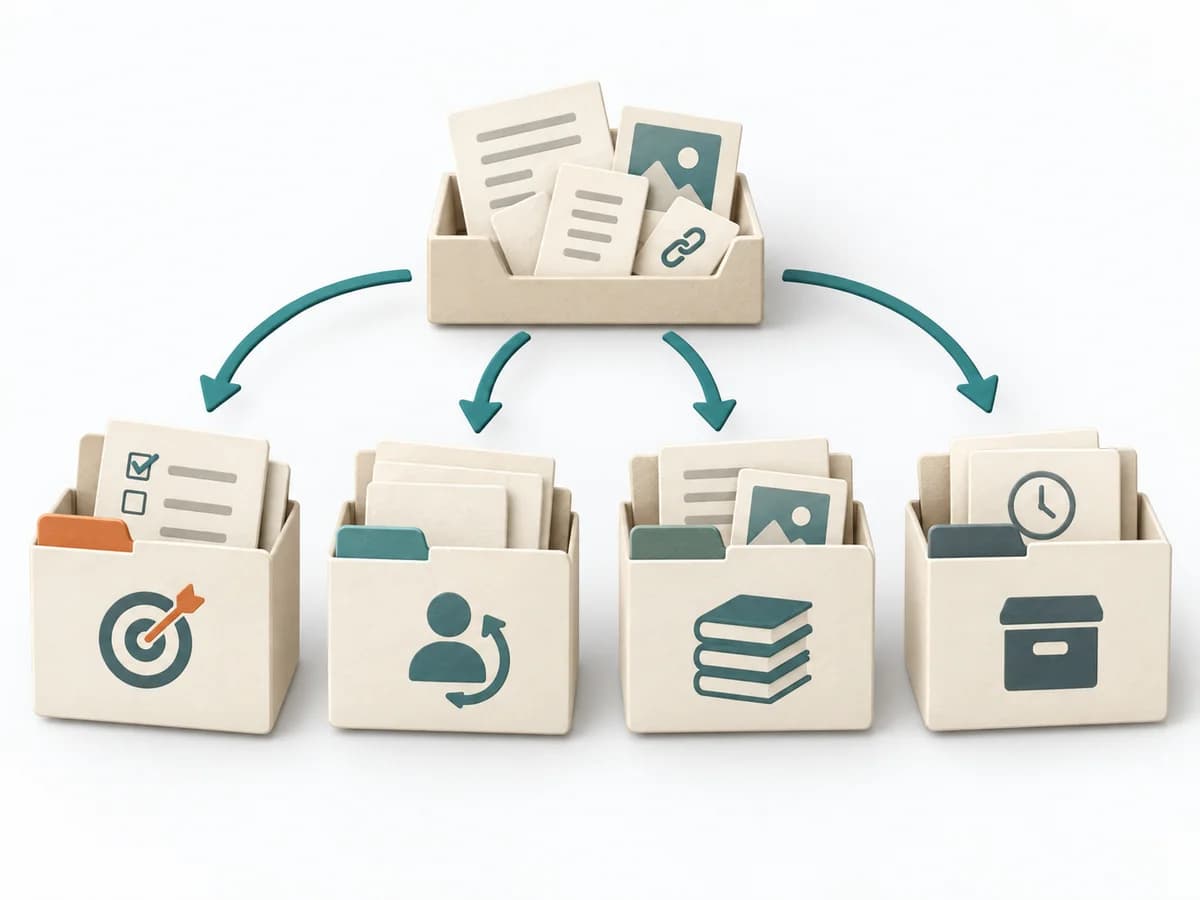
Sorts knowledge into Projects, Areas, Resources, and Archive so personal knowledge work stays easier to steer.

Forces complex content into simple language and immediately reveals which knowledge gaps still need closing.
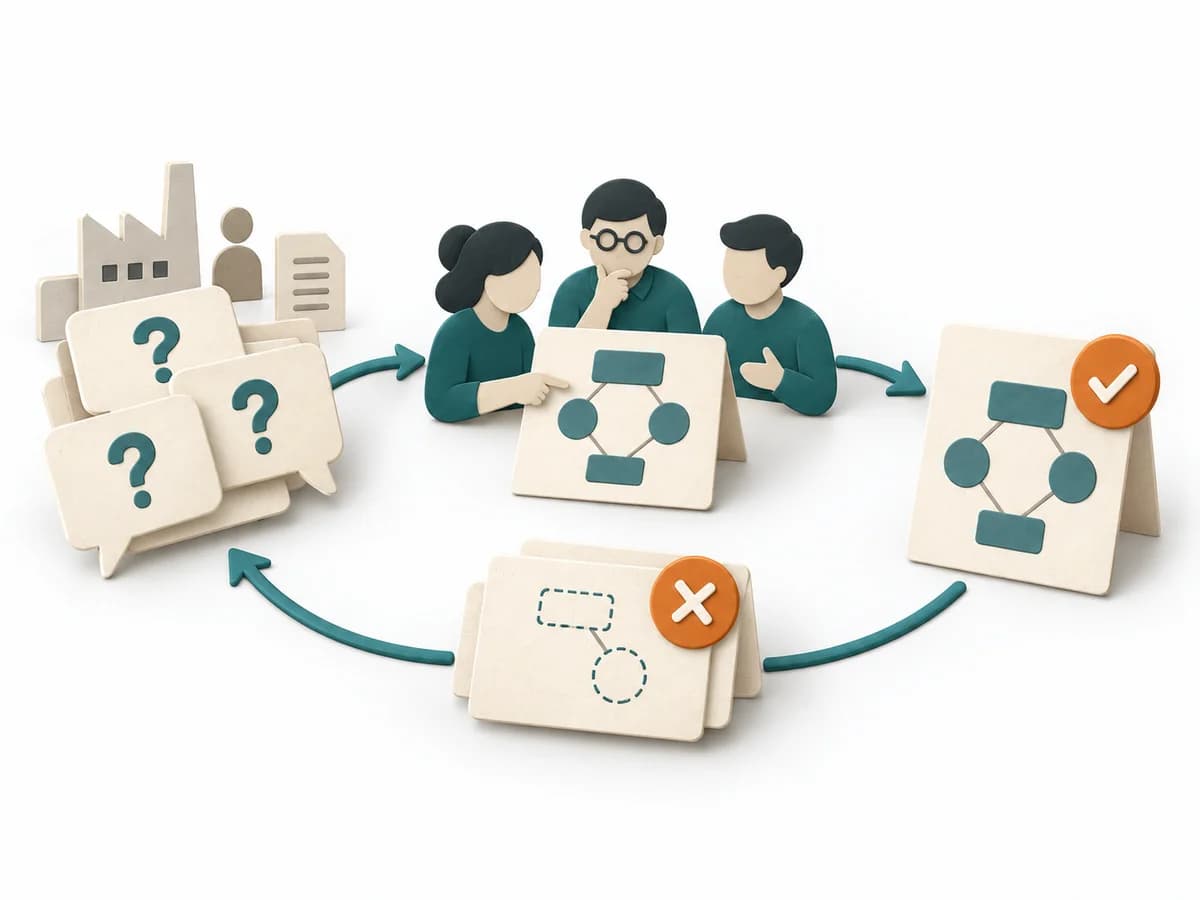
Concrete domain questions define what an ontology or knowledge model must be able to answer and test.
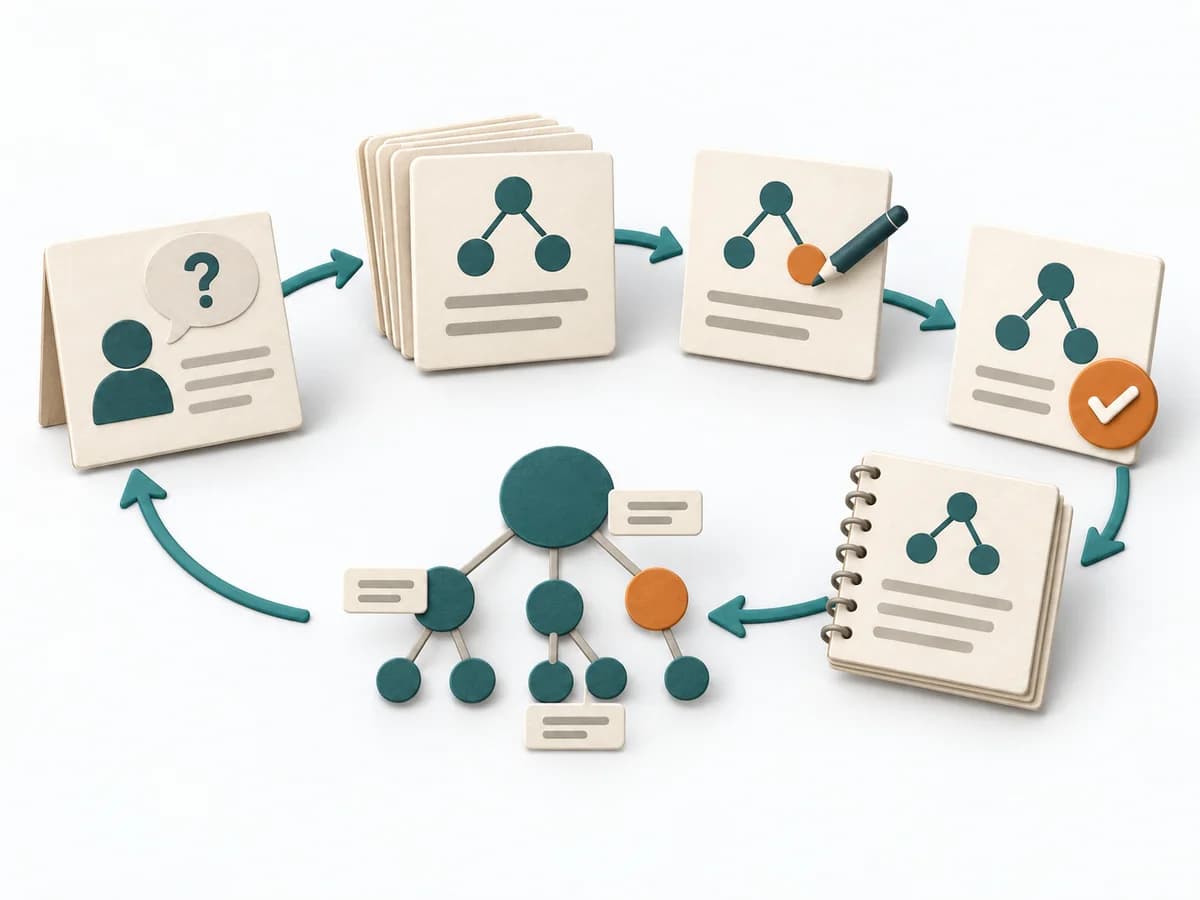
Reusable modeling patterns solve recurring ontology structures without redesigning the same semantic shape each time.
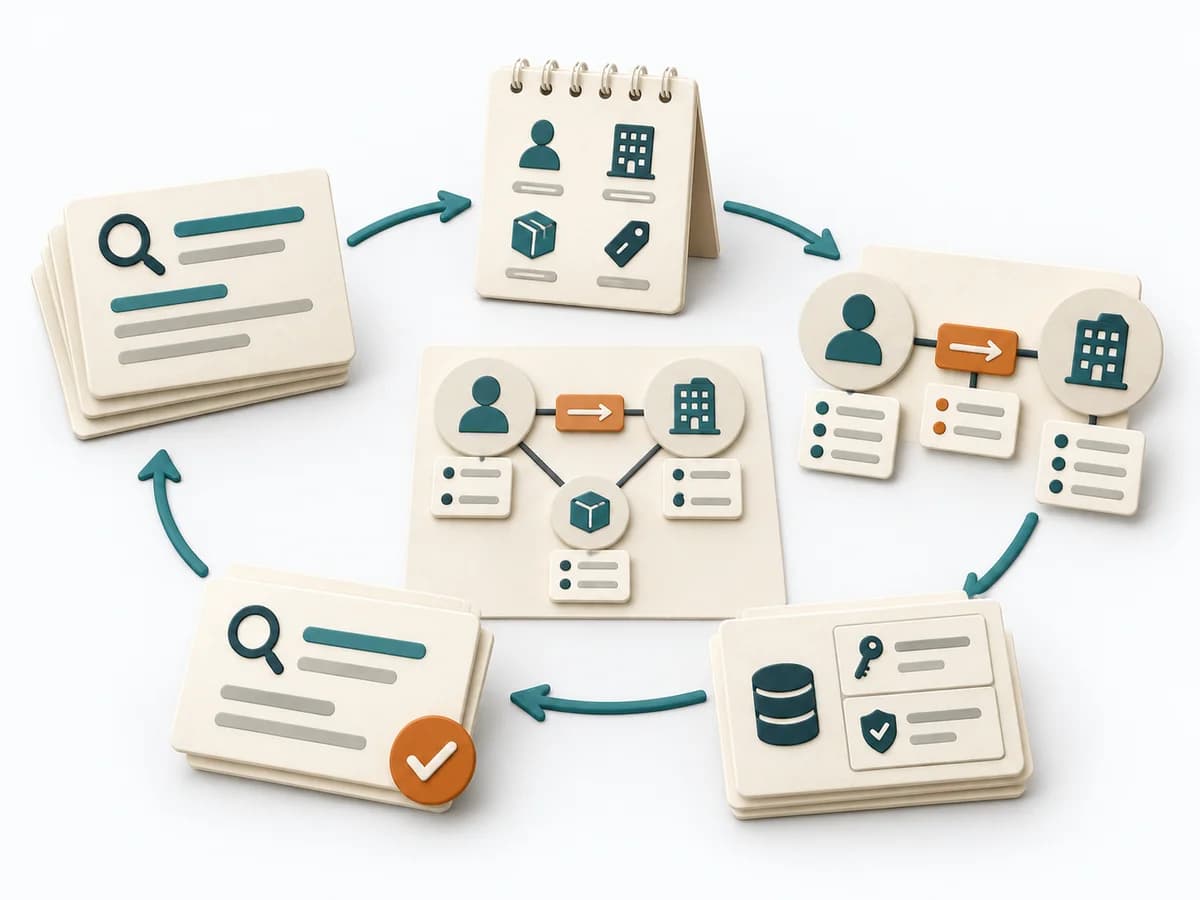
Query patterns drive node labels, relationships, and constraints so property graphs match real retrieval needs.