Purpose
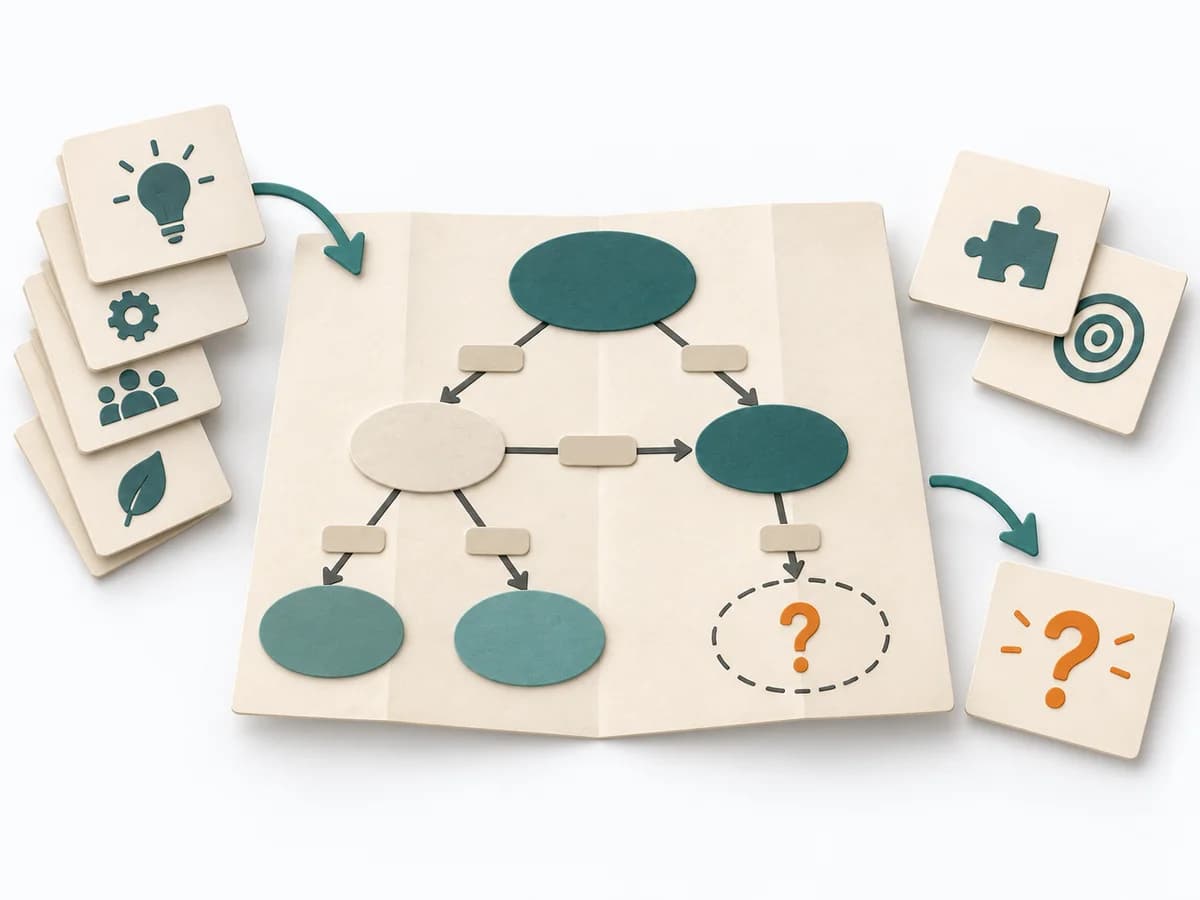
Property Graph Schema Design turns business and technical requirements into a robust graph schema. It fits when query patterns, constraints, and migrations need to be thought about together.
Knowledge Modeling Analysis method
Designs nodes, relationships, labels, properties, and constraints from concrete query patterns.
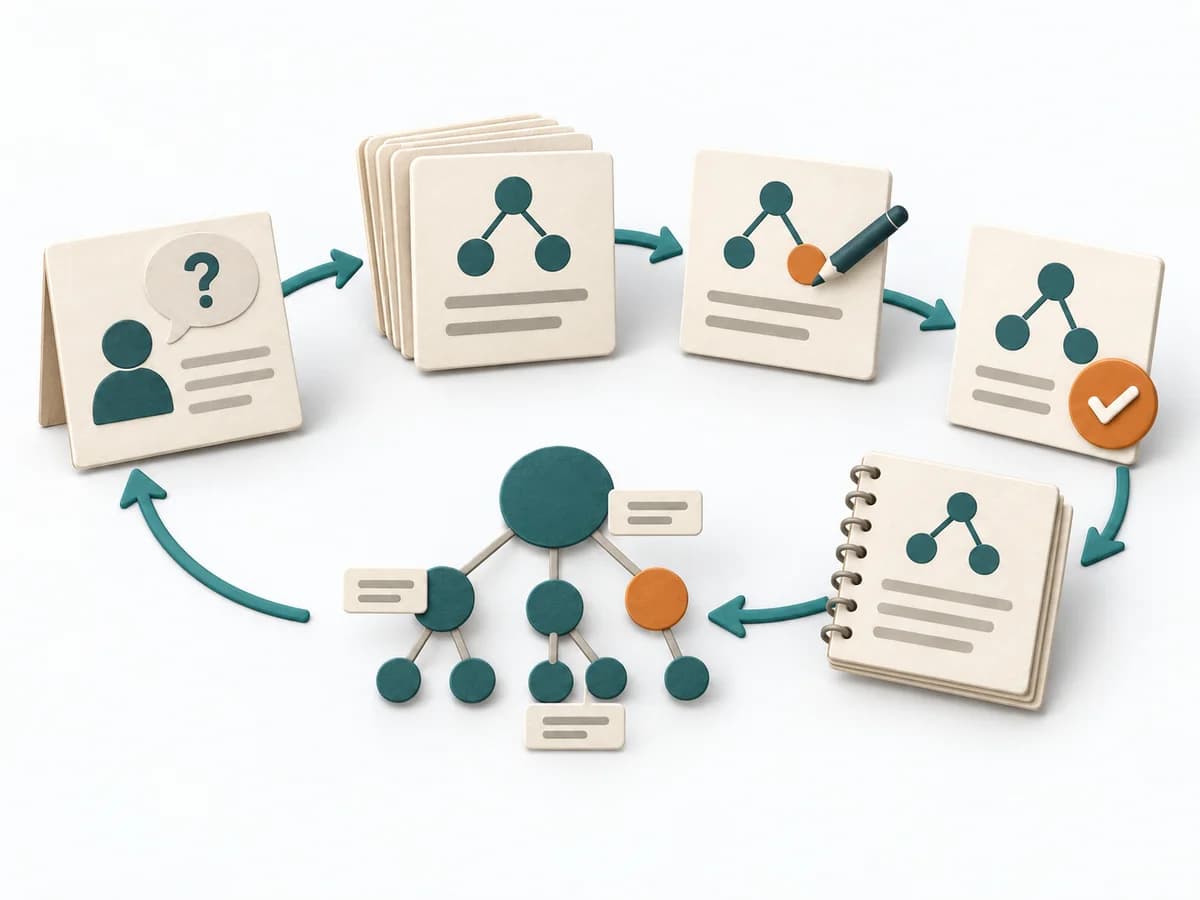
Property graph models are designed from domain queries and traversal paths. Identity, direction, cardinality, constraints, and temporal change are tested explicitly.
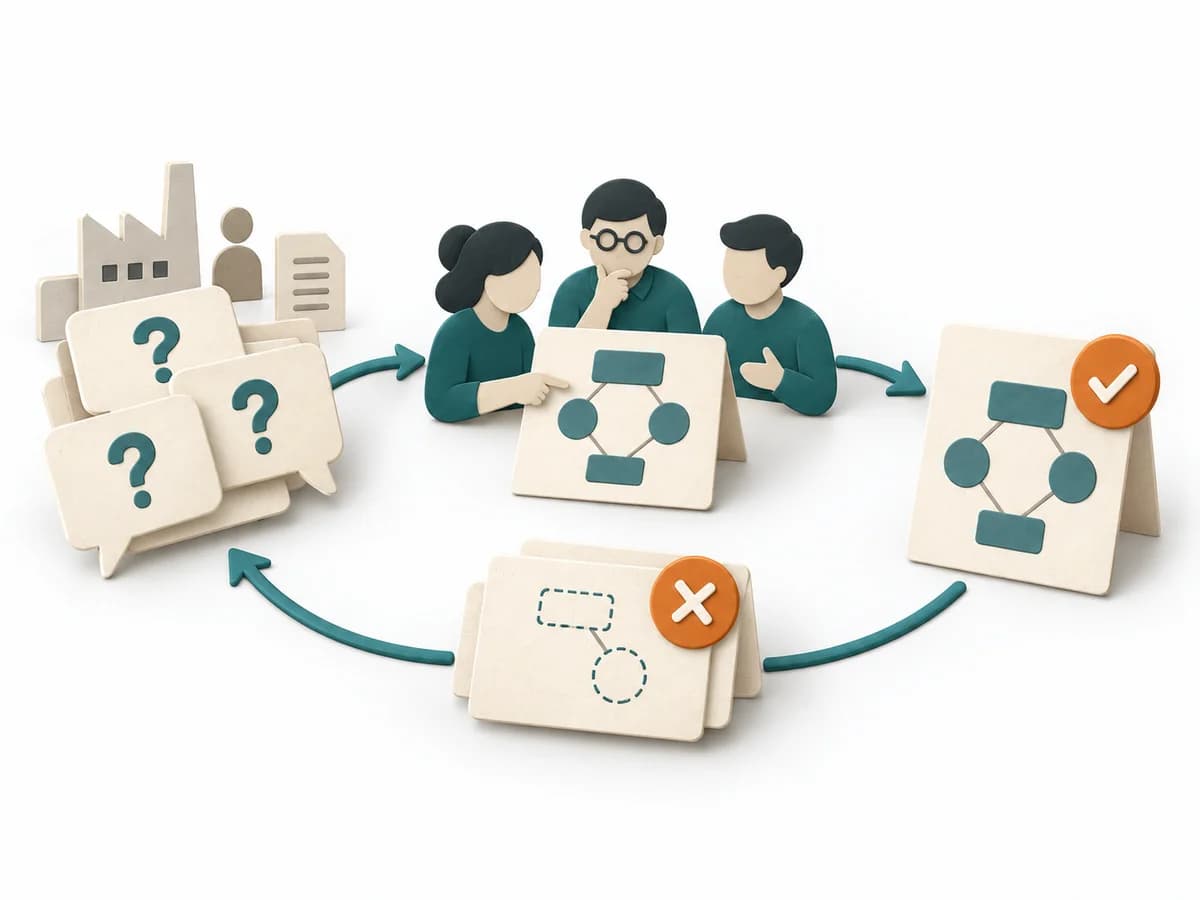
Which graph schema answers the key queries correctly, understandably, and efficiently?
Property Graph Schema Design uses query-driven modelling of nodes, relationships, properties, and constraints. Assessments remain justified and context-bound.
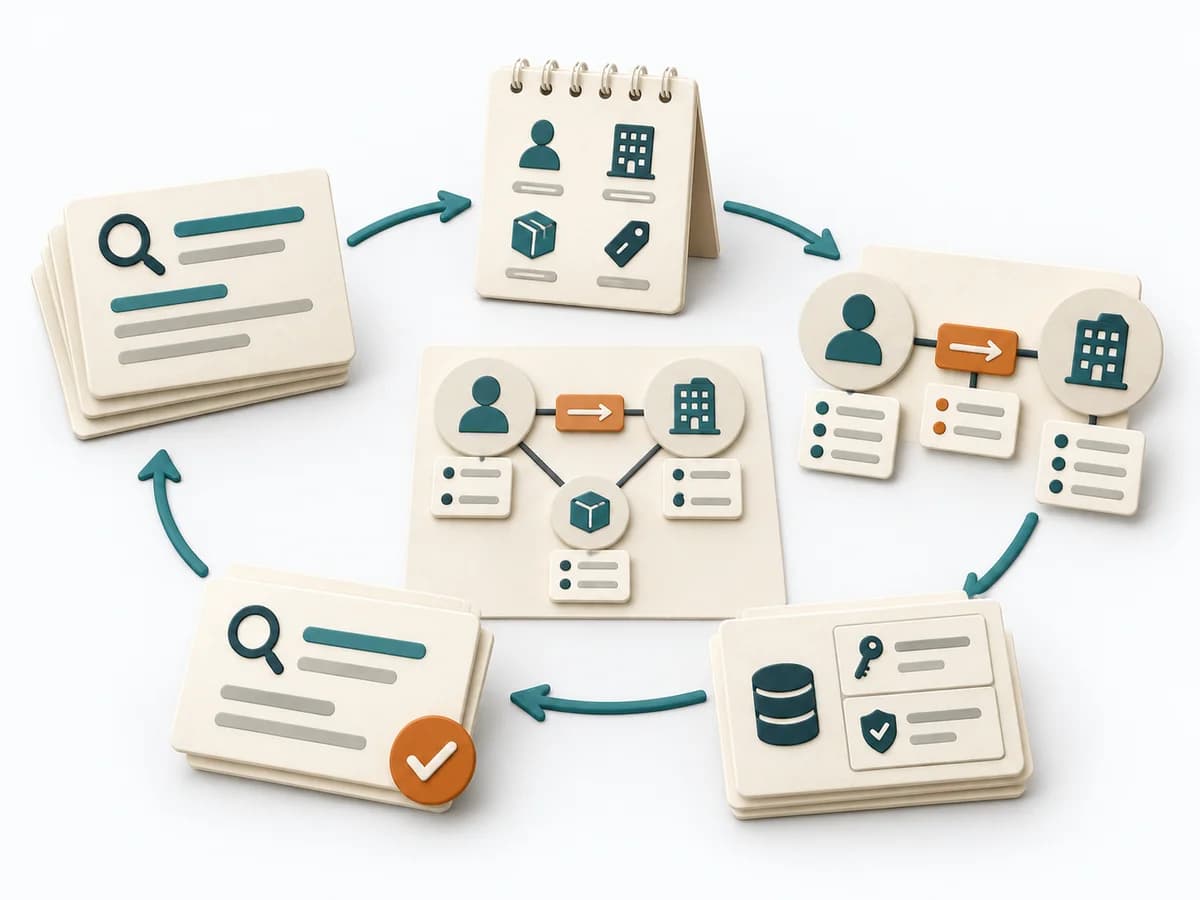
Prioritise queries
Collect top queries with expected answers and volumes.
Model graph
Model nodes, labels, relationships, properties, and direction.
Define integrity
Define identity, cardinality, constraints, and temporality.
Test queries
Load sample data, verify queries, and inspect PROFILE.
Update after new evidence or a material context change and retain the previous version.
For Neo4j-like property graphs with known use cases and query patterns.
property graph schema with traceable sources, assumptions, and domain decisions.
Owners, dates, and next review for property graph schema.
Fictional worked example
query-driven modelling of nodes, relationships, properties, and constraints as a precise working structure with a fictional example.
Question · expected answer · volume
Open actions + owner org per project.
Nodes · relationships · direction
Project-HAS_ACTION→Action-OWNED_BY→Person.
ID · constraint · cardinality
Action.id UNIQUE; one active owner.
Index · traversal · result
Index Project.id; bounded traversal.
The example demonstrates the domain logic of Property Graph Schema Design; worksheets remain blank.
Start with the core question: Which graph schema answers the key queries correctly, understandably, and efficiently?
Property Graph Schema Design turns business and technical requirements into a robust graph schema. It fits when query patterns, constraints, and migrations need to be thought about together.
First, the most important queries and entities are collected. The team then models node labels, relationship types, properties, indexes, and constraints and checks them against example queries. This produces a schema that fits the domain and stays technically operable.
Property Graph Schema Design works because it brings together domain relationships, query behavior, and technical operating requirements in a single schema. The benefit shows when entities are not modeled in isolation but with an eye on traversals, cardinalities, constraints, and later changes. Good application checks example queries, conflict cases, and naming conventions early, so the graph model stays legible to the domain and scales stably under real use.
Start with real queries or decisions the graph is meant to support later, so the schema does not become elegant only in modeling theory. Special attention is needed for a domain-important relationship that is being hidden as a mere attribute. In the end, capture nodes, relationships, cardinalities, and open modeling questions in a checkable sketch.
The method guide walks execution through 4 phases, timing, 4 pitfalls, and clear stop criteria.
Open method guideYour perspective
Your feedback helps shape the next improvements to methodatlas.
Plan Property Graph Schema Design around its domain steps and the concrete decision question.
To be confirmed
To be confirmed
Full workshop Time: 2 × 90 minutes plus query testing
Complete this worksheet on paper or in your own document during the work.
Question · expected answer · volume
...
Nodes · relationships · direction
...
ID · constraint · cardinality
...
Index · traversal · result
...
Enter only real input, sources, and decisions.
Neo4j Graph Data Modeling Guidelines
Expected artifact: query catalogue
query catalogue · source · uncertainty · next decision
Entry:
...
Expected artifact: graph schema
graph schema · source · uncertainty · next decision
Entry:
...
Expected artifact: constraint set
constraint set · source · uncertainty · next decision
Entry:
...
Expected artifact: validated schema
validated schema · source · uncertainty · next decision
Entry:
...
...
Method guide: https://methodatlas.meierhoff-systems.de/en/methods/property-graph-schema-design/run-sheet
Fitting alternatives with decision guidance, followed by other related methods.

Instead of Property Graph Schema Design, choose Shape-First Modeling when you want to express domain rules first as shapes and validation.
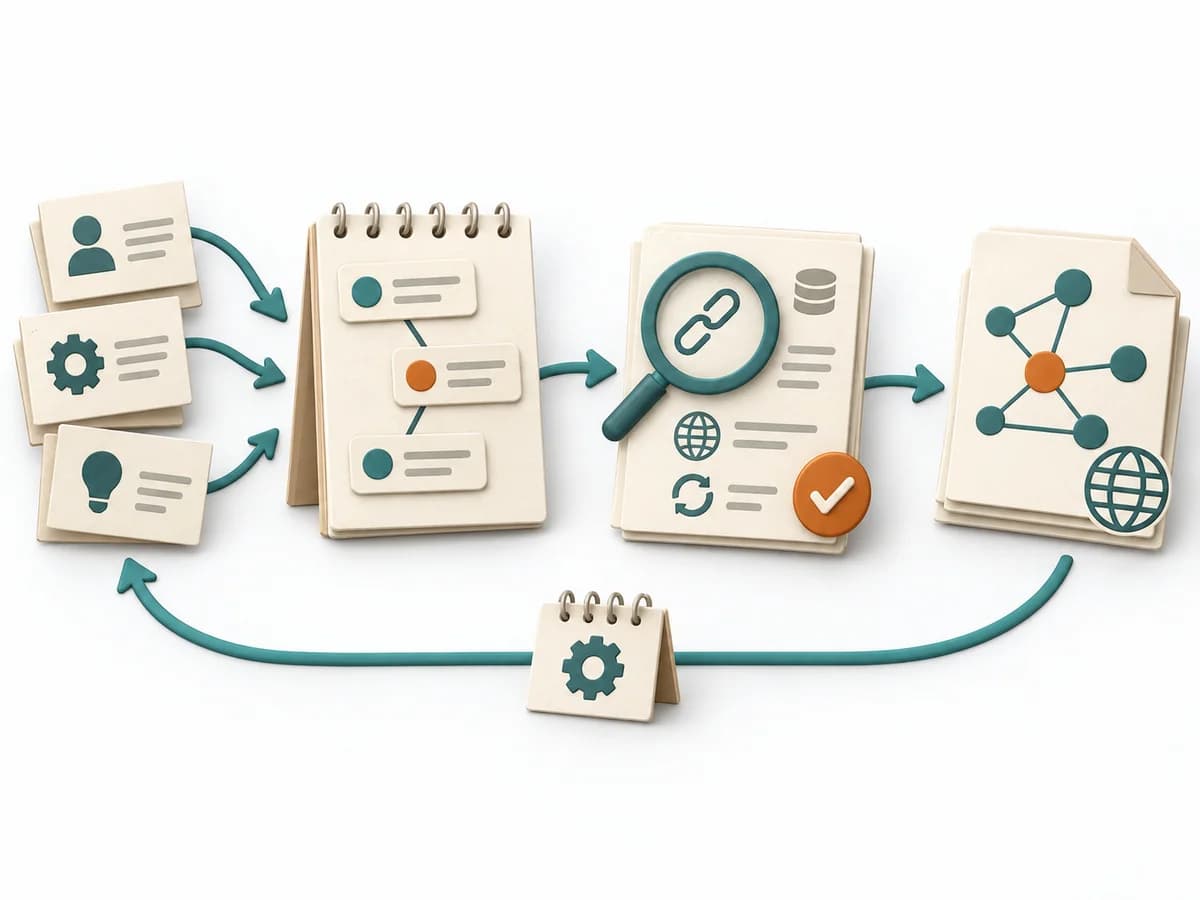
Existing vocabularies become reusable term candidates with ownership, versioning, and maintenance decisions attached.
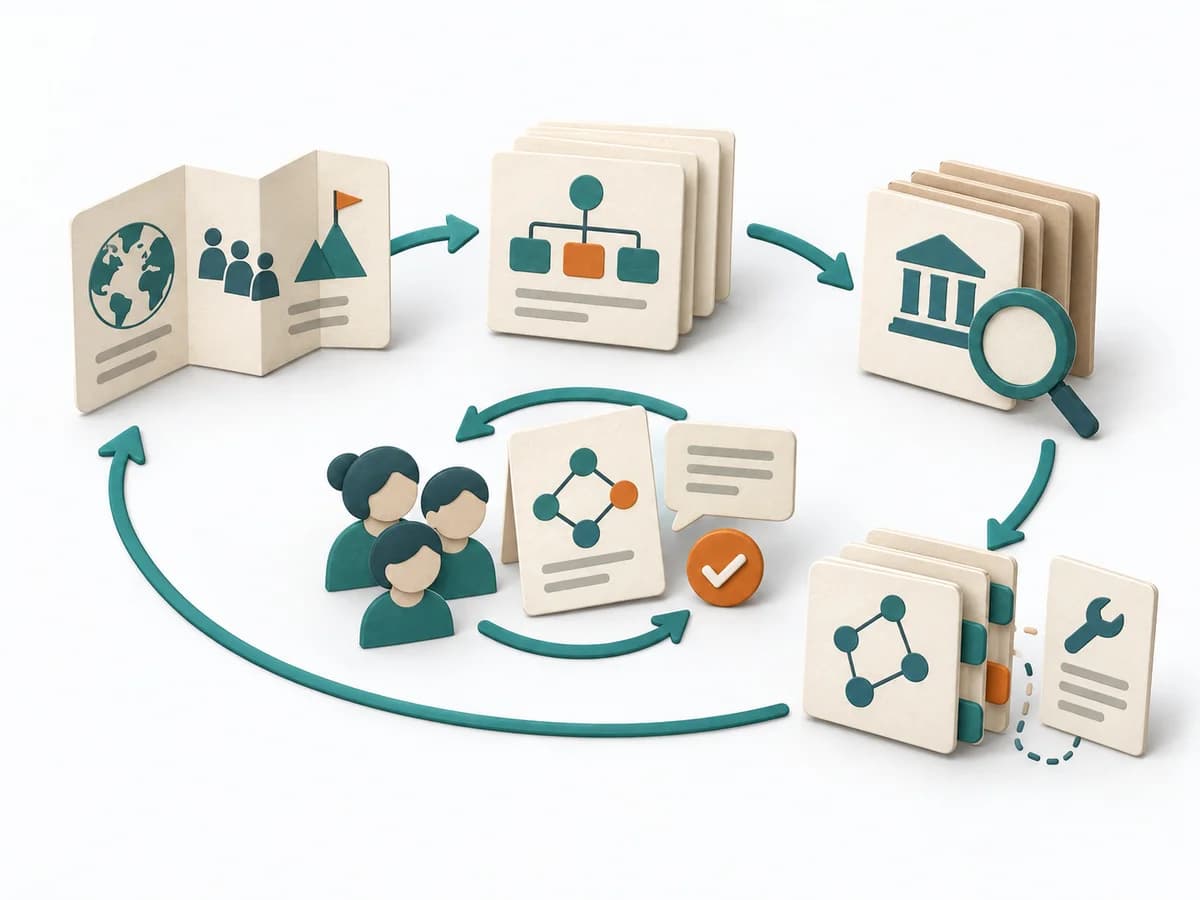
Ontology work is organized as a scenario-based process for reuse, collaboration, evaluation, and long-term maintenance.

Links events, commands, and views into a flow picture that brings UI, behavior, and implementation together.
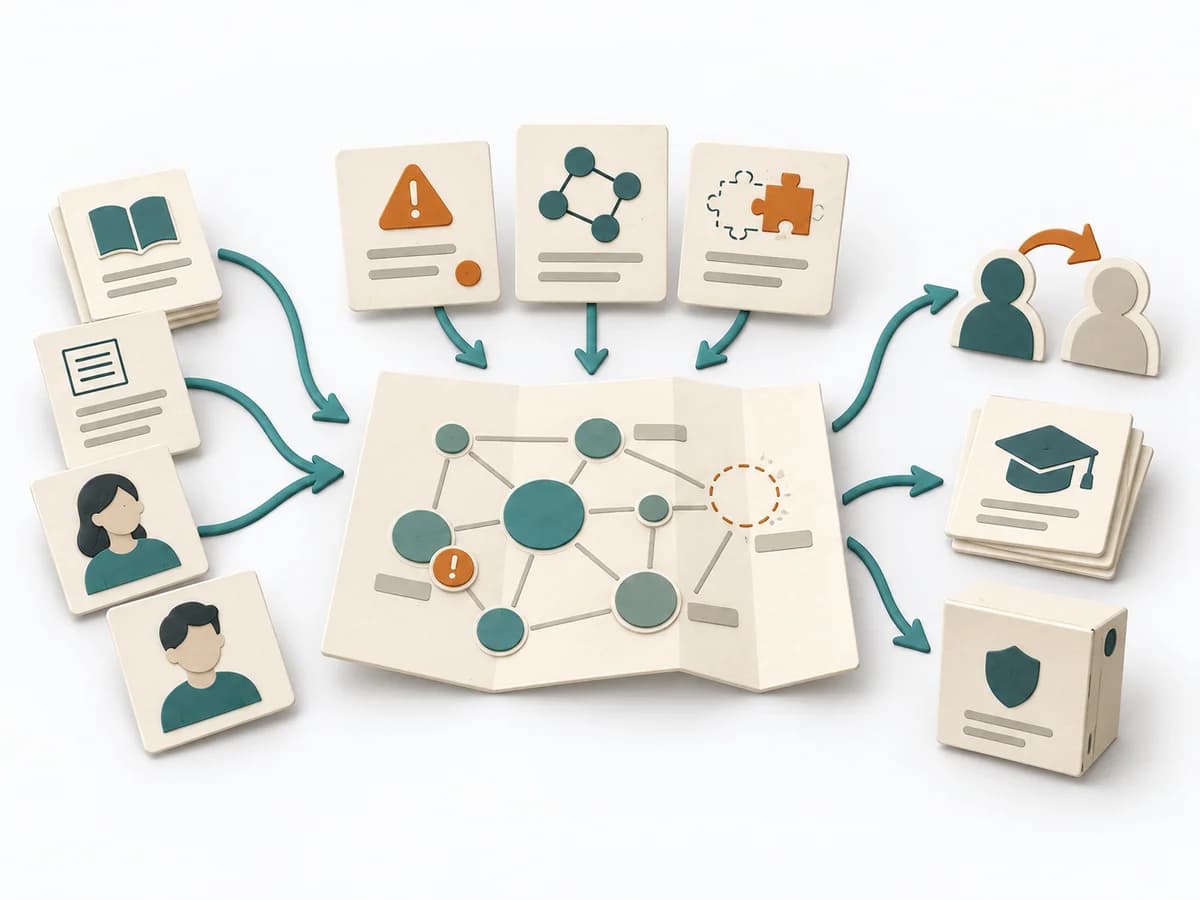
Maps critical knowledge, knowledge holders, and gaps so handovers and transfer can be planned deliberately.

Sorts knowledge into Projects, Areas, Resources, and Archive so personal knowledge work stays easier to steer.