Purpose
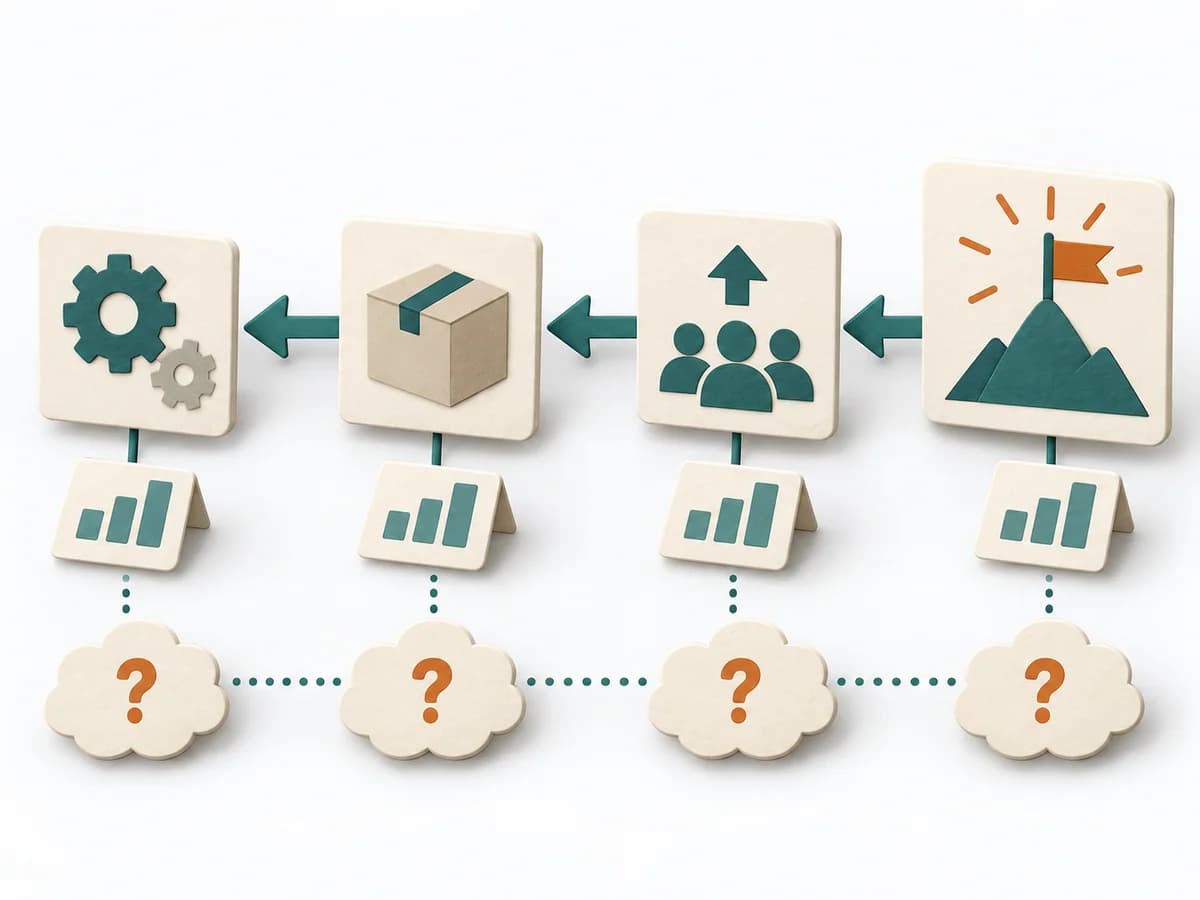
Intervention Mapping translates a need for change into a planned, evaluable program. The method connects target group, determinants, actions, and measurement into a traceable chain.
Systems Thinking Process model
Connects problem, audience, determinants, and actions into an implementable change program with evaluation.
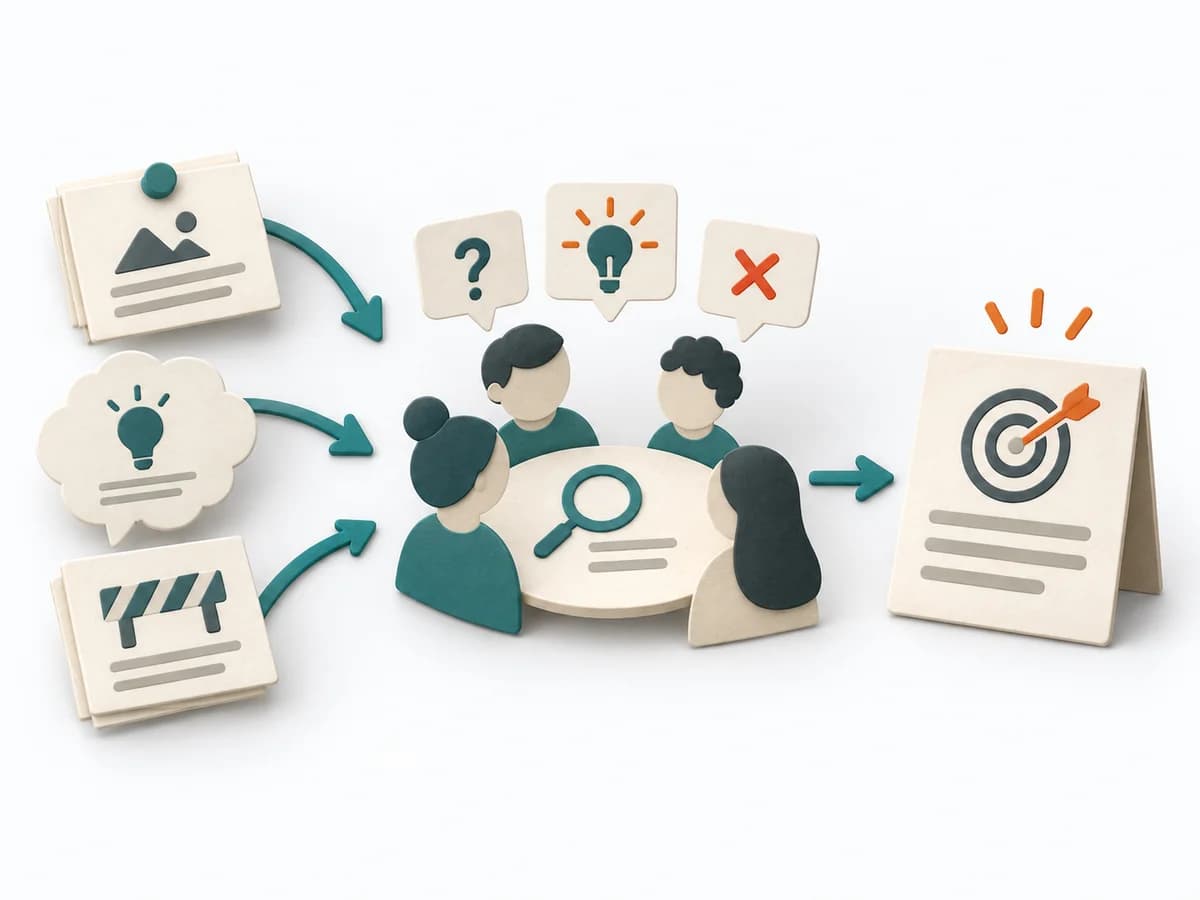
Das Team analysiert das Problem, bestimmt Verhaltens- oder Systemziele und wählt passende Wirkmechanismen. Danach werden konkrete Interventionsbausteine, Umsetzungswege und Evaluationsschritte entworfen. So entsteht ein Design, das nicht nur gut klingt, sondern testbar ist.
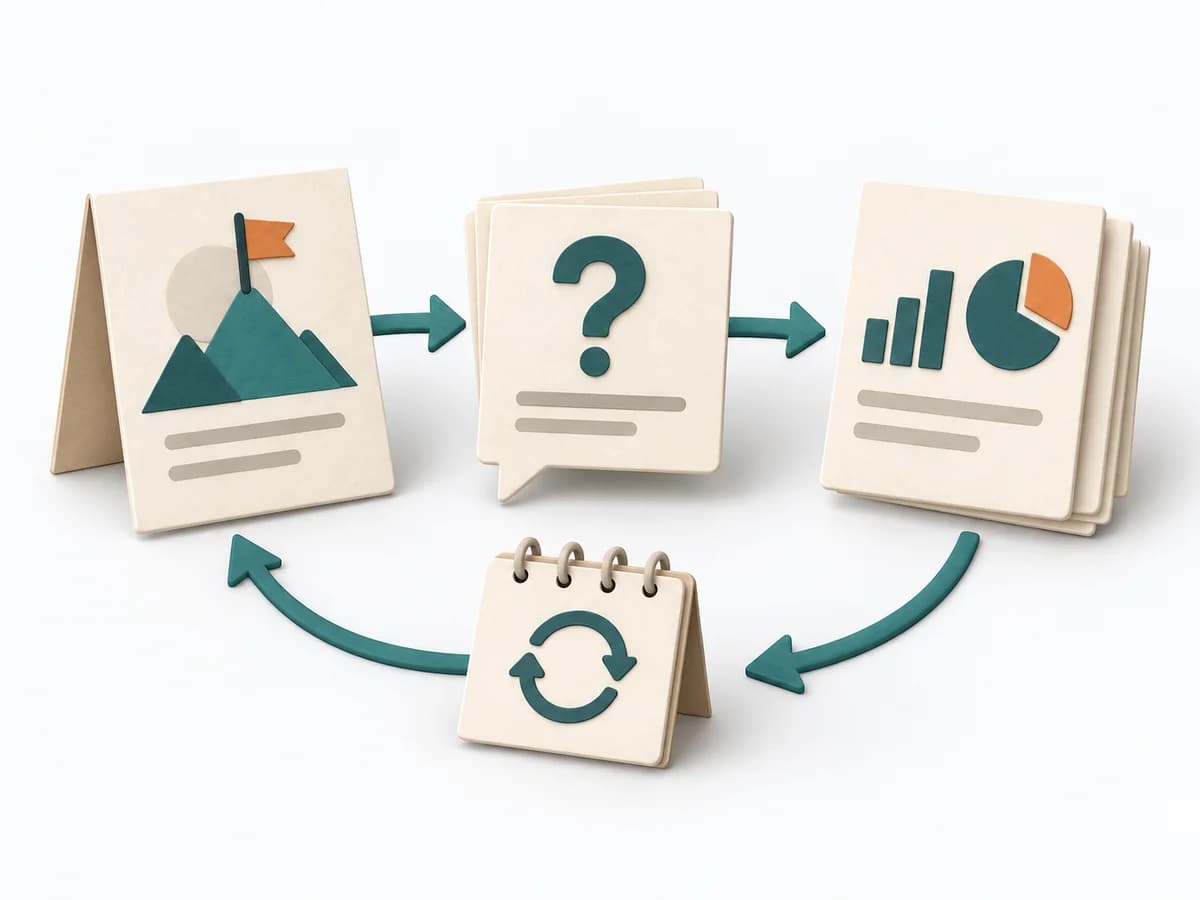
How do we systematically translate an evidenced health or behaviour problem into theory- and evidence-based change objectives, intervention, implementation, and evaluation?
Evidence building, analysis, and effectiveness review form a multi-stage initiative.
Needs
Create needs assessment and Logic Model of Problem with behaviour, environment, and determinants.
Objectives
Break behavioural/environmental outcomes into performance objectives and cross them with determinants.
Methods
Select theory-based change methods, check parameters, and translate into applications.
Program
Organise applications into coherent components, materials, and sequence; pretest with population.
Implement
Plan adoption, implementation, and maintenance with implementer outcomes, objectives, and strategies.
Evaluate
Plan process and outcome evaluation with questions, indicators, design, and data use.
Add new evidence at review and version decisions with the prior state.
Intervention Mapping übersetzt einen Veränderungsbedarf in ein geplantes, evaluierbares Programm. Die Methode verbindet Zielgruppe, Determinanten, Maßnahmen und Messung zu einer nachvollziehbaren Kette.
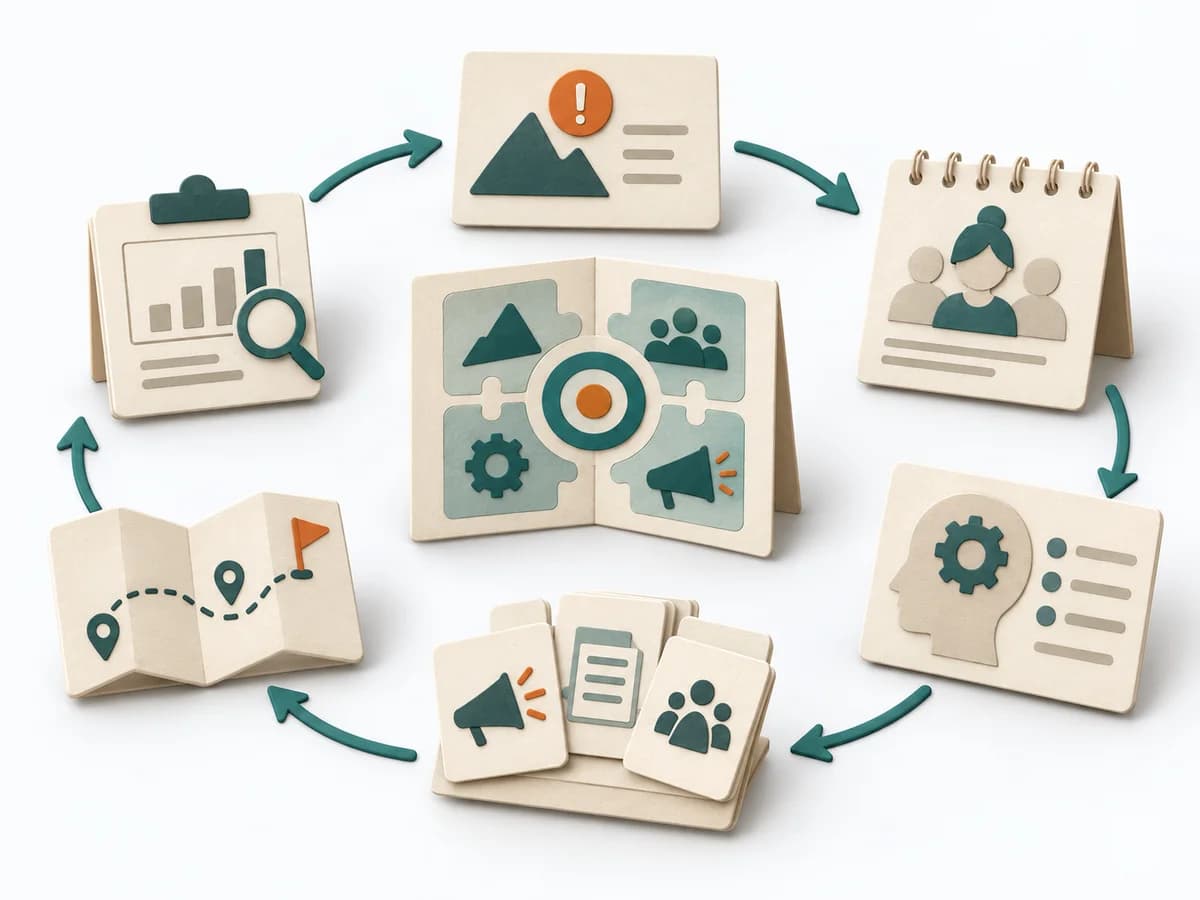
Intervention Mapping blueprint with six step products from logic model to evaluation.
Fictional example
Fictional values show the actual method fields.
Create needs assessment and Logic Model of Problem with behaviour, environment, and determinants.
Workshop downtime from late parts; behaviour: late search; environment: stale inventory; interviews and logs support.
Break behavioural/environmental outcomes into performance objectives and cross them with determinants.
PO technician checks before trip × knowledge → recognises alternatives; × efficacy → uses offline list.
Select theory-based change methods, check parameters, and translate into applications.
Modelling + guided practice for efficacy; real part cases, feedback, rising difficulty.
Organise applications into coherent components, materials, and sequence; pretest with population.
Offline compatibility list, 20-minute practice, shift feedback; pilot with five technicians.
Plan adoption, implementation, and maintenance with implementer outcomes, objectives, and strategies.
Service leadership adopts; leads train; Data owner updates weekly; audit at eight weeks.
Plan process and outcome evaluation with questions, indicators, design, and data use.
Process training rate; determinant efficacy; behaviour pre-check; outcome search time; baseline + eight weeks.
All values are fictional.
Establish a planning group with population representation; bound problem, population, setting, and epidemiological plus qualitative evidence.
Intervention Mapping translates a need for change into a planned, evaluable program. The method connects target group, determinants, actions, and measurement into a traceable chain.
The team analyzes the problem, determines behavioral or system goals, and selects fitting mechanisms of effect. Concrete intervention components, implementation paths, and evaluation steps are then designed. This produces a design that is not just plausible-sounding but testable.
Intervention Mapping translates problem analysis into a designed change program. The method first clarifies which behavior or conditions should change and which determinants affect them. Then it plans suitable change methods, materials, implementation paths, and evaluation. That way, interventions are developed from a clear logic of impact instead of gut feeling.
Plan multiple sessions and work with stakeholders, data, and existing evidence. Keep the problem, target group, determinants, and intervention elements explicitly connected. Do not leave implementation until the end.
The method guide walks execution through 6 phases, timing, 6 pitfalls, and clear stop criteria.
Open method guideYour perspective
Your feedback helps shape the next improvements to methodatlas.
Set subject, evidence, roles, flow, and review.
To be confirmed
To be confirmed
Whole initiative Time: Several months; six iterative steps with continuous participation and evaluation.
Complete this worksheet on paper or in your own document during the work.
Create needs assessment and Logic Model of Problem with behaviour, environment, and determinants.
...
Break behavioural/environmental outcomes into performance objectives and cross them with determinants.
...
Select theory-based change methods, check parameters, and translate into applications.
...
Organise applications into coherent components, materials, and sequence; pretest with population.
...
Plan adoption, implementation, and maintenance with implementer outcomes, objectives, and strategies.
...
Plan process and outcome evaluation with questions, indicators, design, and data use.
...
The blank worksheet contains prompts only.
Reference · original teaching example
Expected artifact: Problem logic
Create needs assessment and Logic Model of Problem with behaviour, environment, and determinants.
Entry:
...
Expected artifact: Objective matrix
Break behavioural/environmental outcomes into performance objectives and cross them with determinants.
Entry:
...
Expected artifact: Methods plan
Select theory-based change methods, check parameters, and translate into applications.
Entry:
...
Expected artifact: Program prototype
Organise applications into coherent components, materials, and sequence; pretest with population.
Entry:
...
Expected artifact: Implementation plan
Plan adoption, implementation, and maintenance with implementer outcomes, objectives, and strategies.
Entry:
...
Expected artifact: Evaluation plan
Plan process and outcome evaluation with questions, indicators, design, and data use.
Entry:
...
...
Method guide: https://methodatlas.meierhoff-systems.de/en/methods/intervention-mapping/run-sheet
Fitting alternatives with decision guidance, followed by other related methods.

Instead of Intervention Mapping, choose Design Thinking when you want to open up the problem space and solution space together early on.
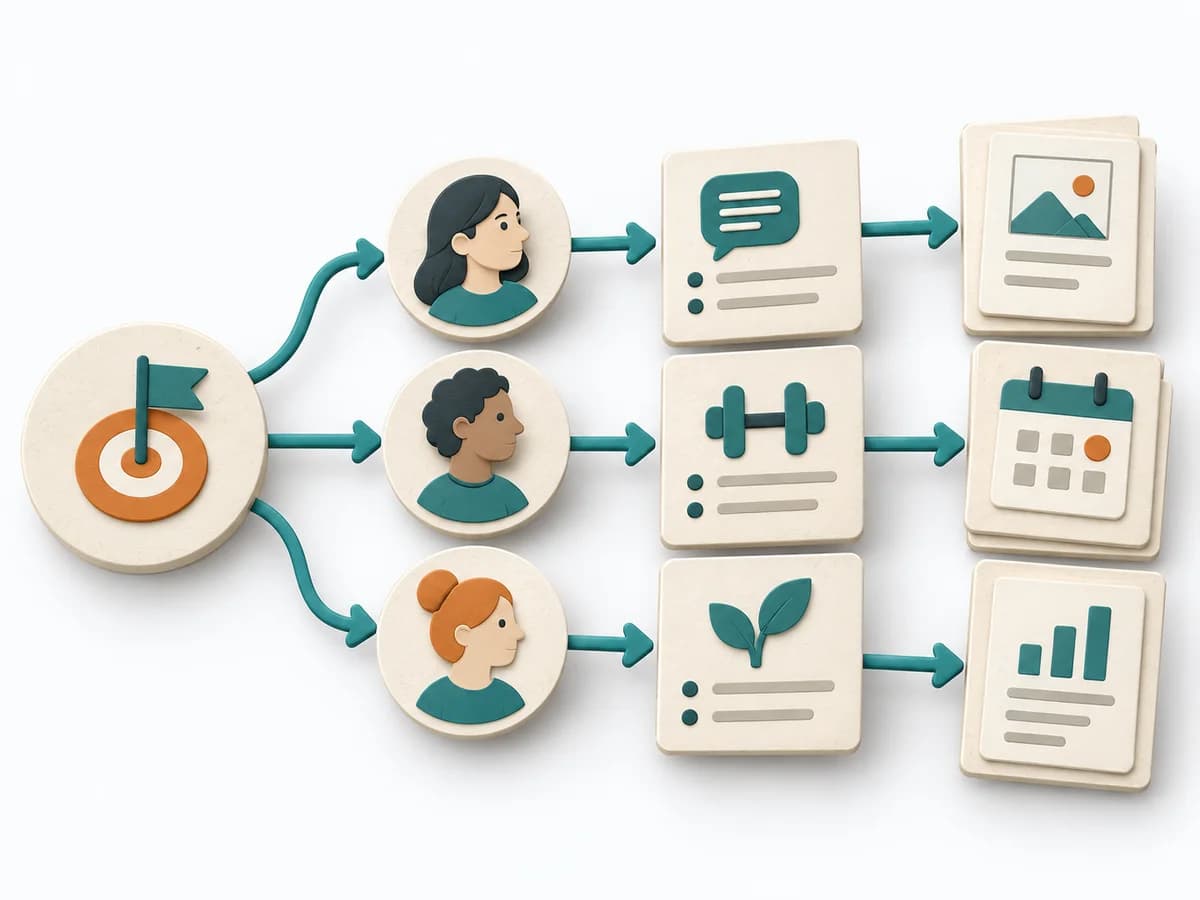
Instead of Intervention Mapping, choose Impact Mapping when you want to derive product levers from goals through actors to concrete delivery options.

Moves relationships, patterns, and leverage toward a concrete result through "introduce the twelve leverage points", "collect planned actions", and "formulate a strategy across multiple levers".
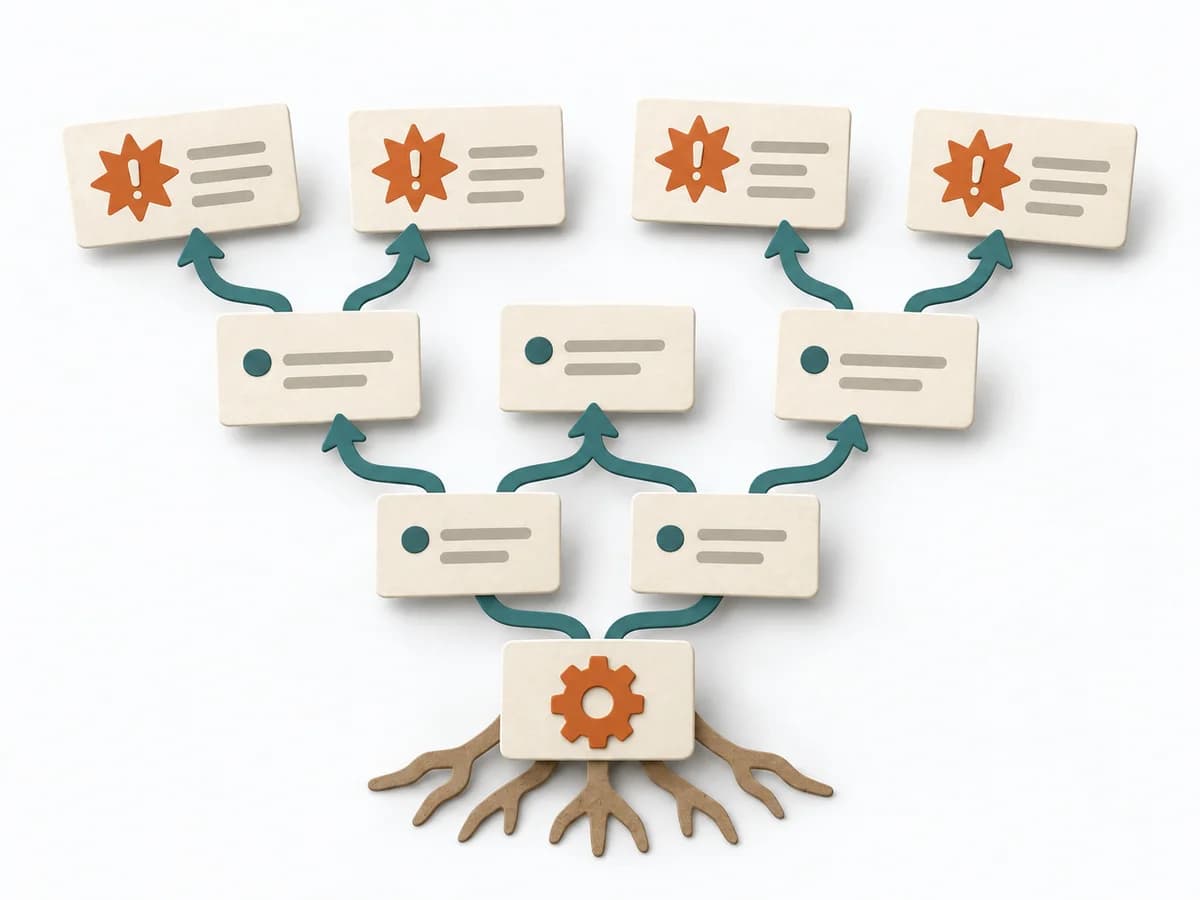
Clarifies connections, patterns, and leverage points by collecting undesirable effects, formulating causal links, and deriving interventions.
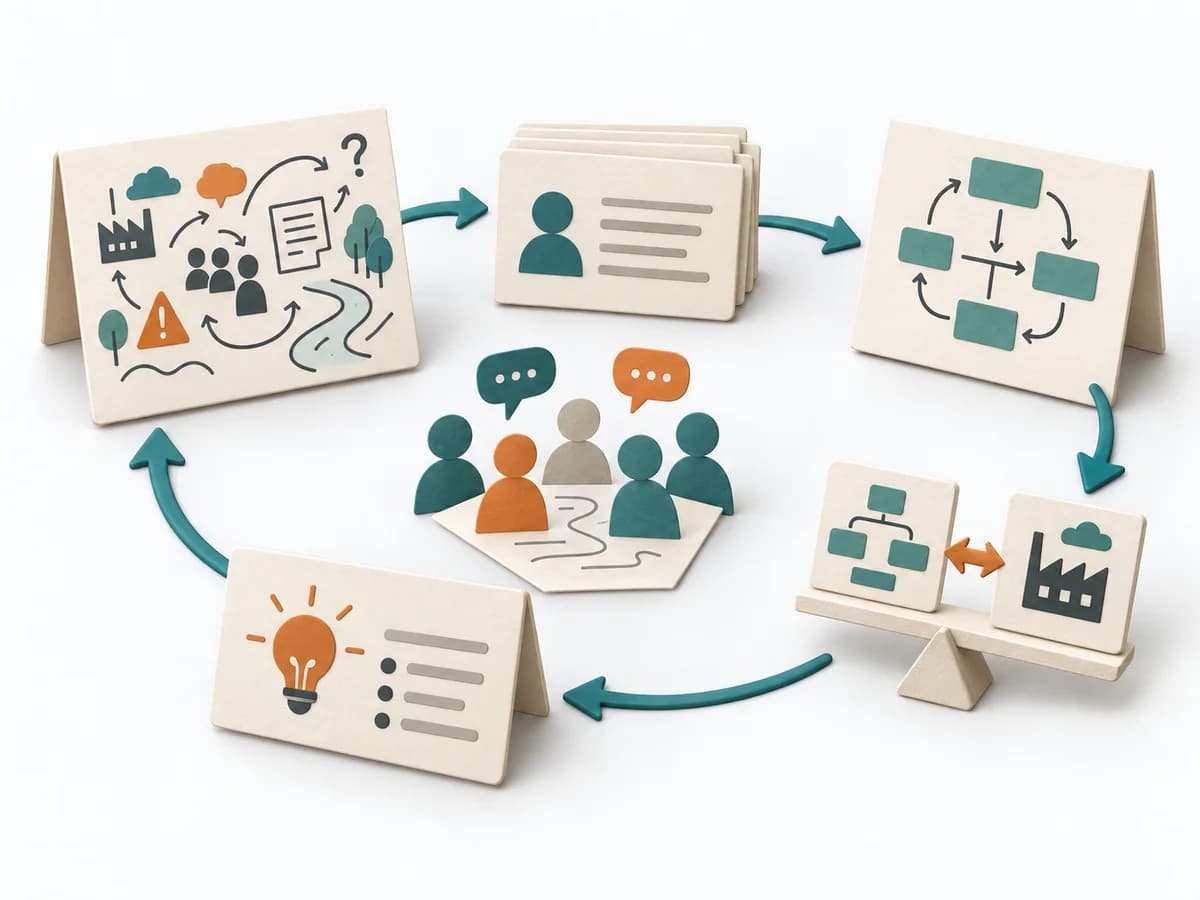
Develops a conceptual picture from a rich picture and root definitions for difficult organizational issues.
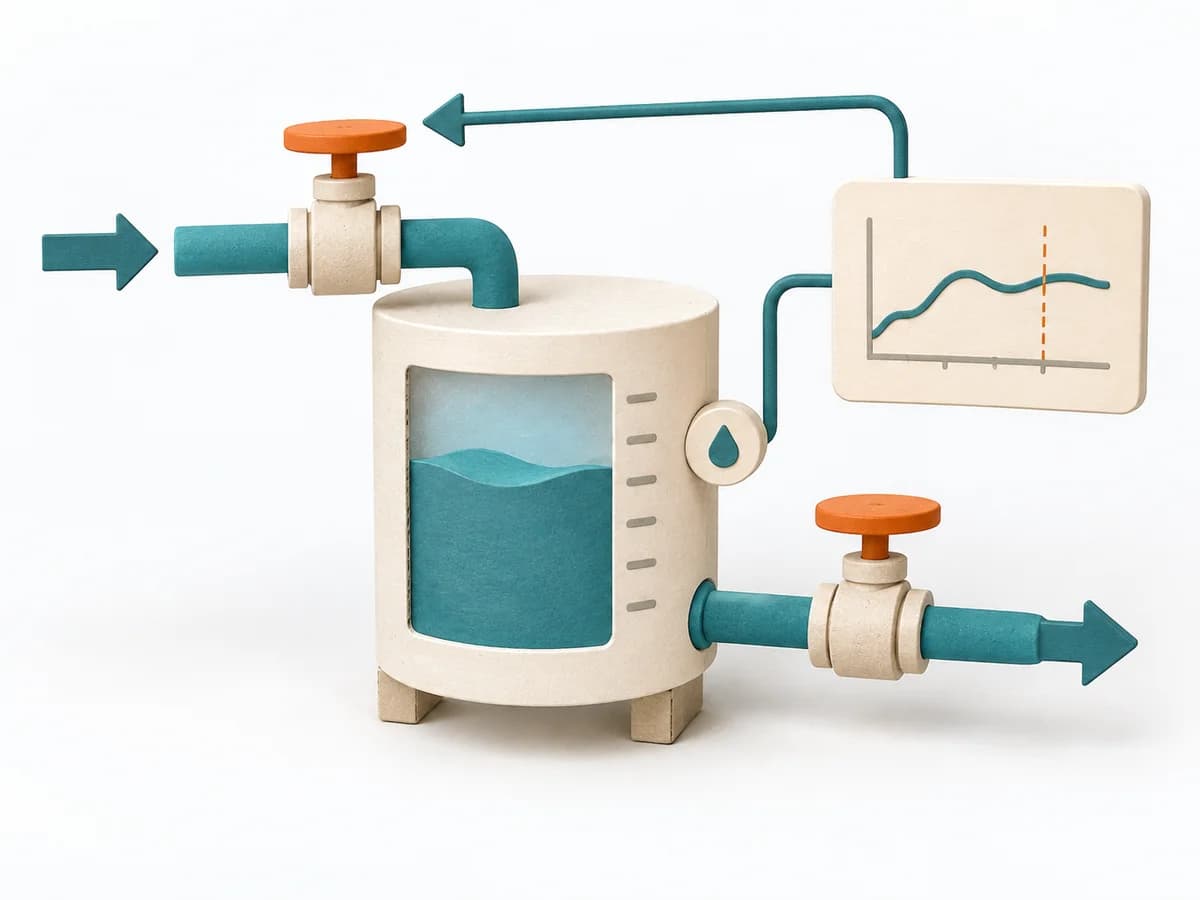
Models stocks, inflows and outflows, and delays to understand dynamics, bottlenecks, and capacity.