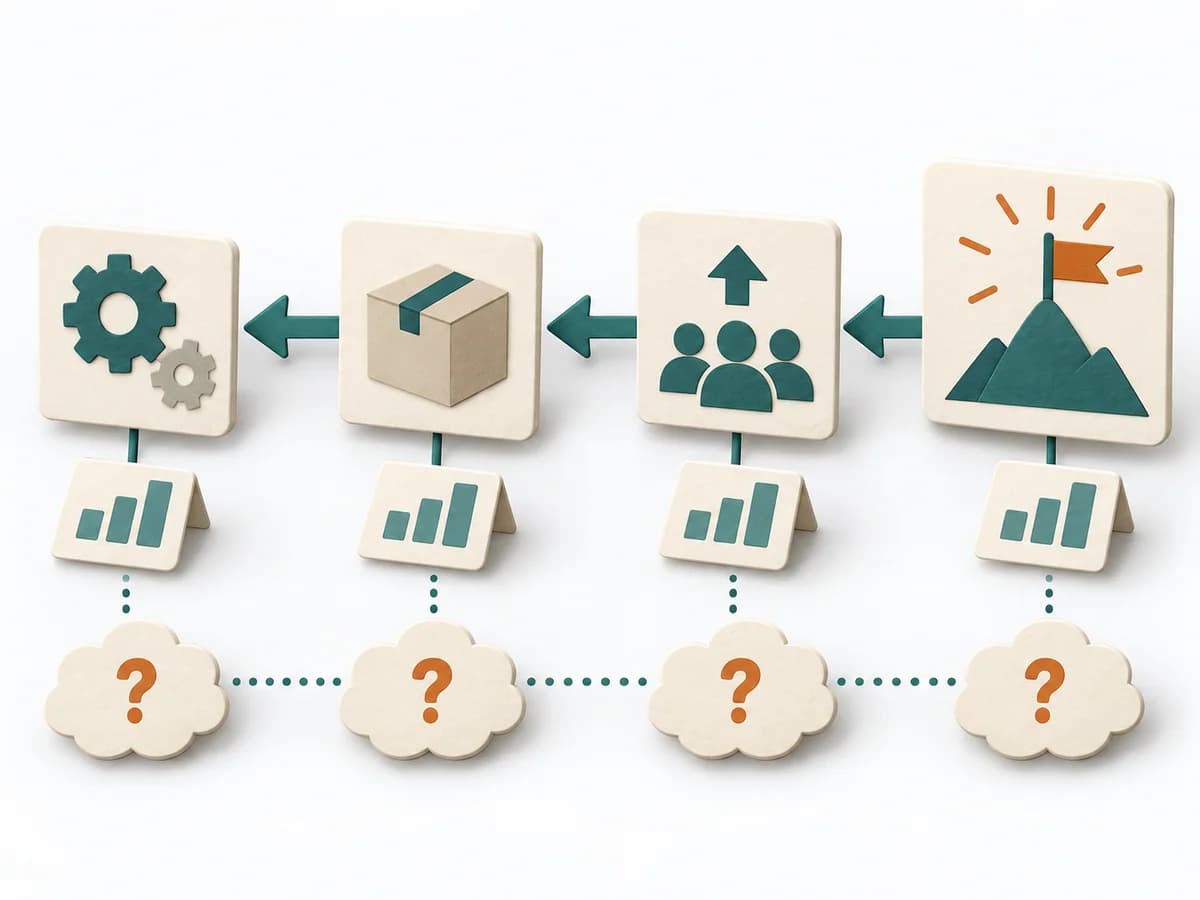
Complete firstClear boundary
Establish a planning group with population representation; bound problem, population, setting, and epidemiological plus qualitative evidence.
Without a boundary, cases, periods, or variables become mixed.
A practical method guide: clarify prerequisites and materials, understand the complete process, and look up outputs, pitfalls, and stop criteria.
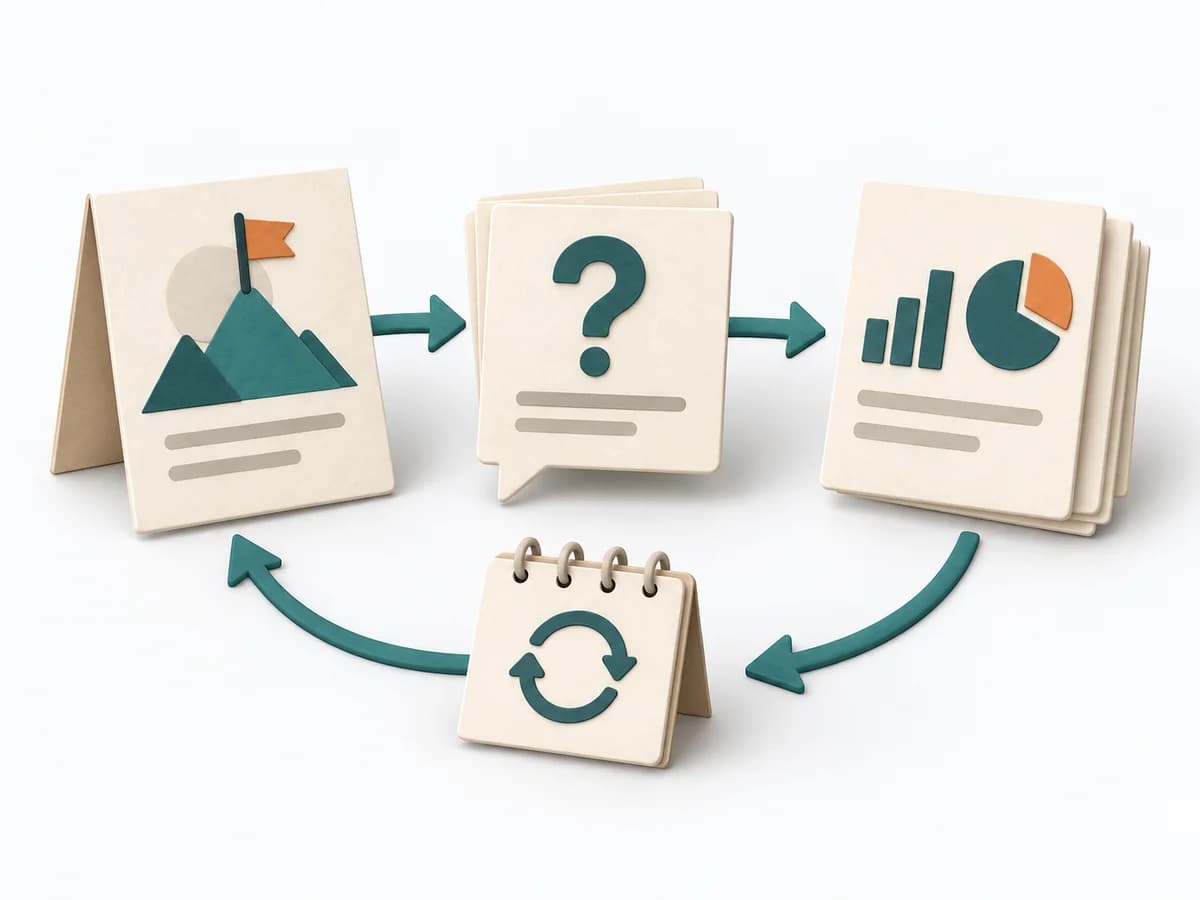
What needs to be finished first
Establish a planning group with population representation; bound problem, population, setting, and epidemiological plus qualitative evidence.
Needs assessment, logic model, change-objective matrices, theory/method evidence, program design, implementation and evaluation plan
What needs to be ready before start
Needs assessment, logic model, change-objective matrices, theory/method evidence, program design, implementation and evaluation plan
Planning group · population representatives · behavioural/environmental experts · implementing organisation · evaluation lead
Establish a planning group with population representation; bound problem, population, setting, and epidemiological plus qualitative evidence.
Several months; six iterative steps with continuous participation and evaluation.
Prepare a workspace with Needs · Objectives · Methods · Program · Implement · Evaluate; separate example from live data.
The one question this method answers
How do we systematically translate an evidenced health or behaviour problem into theory- and evidence-based change objectives, intervention, implementation, and evaluation?
Phases with goal, actions, output and pitfall
Das Team analysiert das Problem, bestimmt Verhaltens- oder Systemziele und wählt passende Wirkmechanismen. Danach werden konkrete Interventionsbausteine, Umsetzungswege und Evaluationsschritte entworfen. So entsteht ein Design, das nicht nur gut klingt, sondern testbar ist.
Fictional example
Fictional values show the actual method fields.
Create needs assessment and Logic Model of Problem with behaviour, environment, and determinants.
Workshop downtime from late parts; behaviour: late search; environment: stale inventory; interviews and logs support.
Break behavioural/environmental outcomes into performance objectives and cross them with determinants.
PO technician checks before trip × knowledge → recognises alternatives; × efficacy → uses offline list.
Select theory-based change methods, check parameters, and translate into applications.
Modelling + guided practice for efficacy; real part cases, feedback, rising difficulty.
Organise applications into coherent components, materials, and sequence; pretest with population.
Offline compatibility list, 20-minute practice, shift feedback; pilot with five technicians.
Plan adoption, implementation, and maintenance with implementer outcomes, objectives, and strategies.
Service leadership adopts; leads train; Data owner updates weekly; audit at eight weeks.
Plan process and outcome evaluation with questions, indicators, design, and data use.
Process training rate; determinant efficacy; behaviour pre-check; outcome search time; baseline + eight weeks.
All values are fictional.
Needs
Goal
Problem logic: Create needs assessment and Logic Model of Problem with behaviour, environment, and determinants.
Inputs for this step
Actions
Output
Problem logic
Create needs assessment and Logic Model of Problem with behaviour, environment, and determinants.
Quality check
Are problem, population, behaviour, and environmental factors evidenced?
Pitfall
A preferred intervention drives needs assessment. Start from evidence and participants; park intervention.
Timing: Several weeks
Objectives
Goal
Objective matrix: Break behavioural/environmental outcomes into performance objectives and cross them with determinants.
Inputs for this step
Actions
Output
Objective matrix
Break behavioural/environmental outcomes into performance objectives and cross them with determinants.
Quality check
Is each cell a concrete person or environment change?
Pitfall
Objectives remain raise awareness. Combine performance and determinant into observable change objective.
Timing: Several workshops
Methods
Goal
Methods plan: Select theory-based change methods, check parameters, and translate into applications.
Inputs for this step
Actions
Output
Methods plan
Select theory-based change methods, check parameters, and translate into applications.
Quality check
Does method fit determinant with application parameters honoured?
Pitfall
Popular channel is chosen without mechanism. Move from determinant to method and document parameters.
Timing: Several weeks
Program
Goal
Program prototype: Organise applications into coherent components, materials, and sequence; pretest with population.
Inputs for this step
Actions
Output
Program prototype
Organise applications into coherent components, materials, and sequence; pretest with population.
Quality check
Does every component trace to change objectives and remain usable?
Pitfall
Materials lack shared logic. Trace components to matrix and pretest.
Timing: Several weeks
Implement
Goal
Implementation plan: Plan adoption, implementation, and maintenance with implementer outcomes, objectives, and strategies.
Inputs for this step
Actions
Output
Implementation plan
Plan adoption, implementation, and maintenance with implementer outcomes, objectives, and strategies.
Quality check
Are decision makers, implementers, resources, and maintenance explicit?
Pitfall
Communication replaces ownership and resources. Name implementers and concrete performance objectives.
Timing: Several weeks
Evaluate
Goal
Evaluation plan: Plan process and outcome evaluation with questions, indicators, design, and data use.
Inputs for this step
Actions
Output
Evaluation plan
Plan process and outcome evaluation with questions, indicators, design, and data use.
Quality check
Do indicators cover implementation, determinants, behaviour, and outcome?
Pitfall
Only final outcome is measured without implementation data. Distribute indicators across logic model levels.
Timing: Before launch and ongoing
What comes out at the end
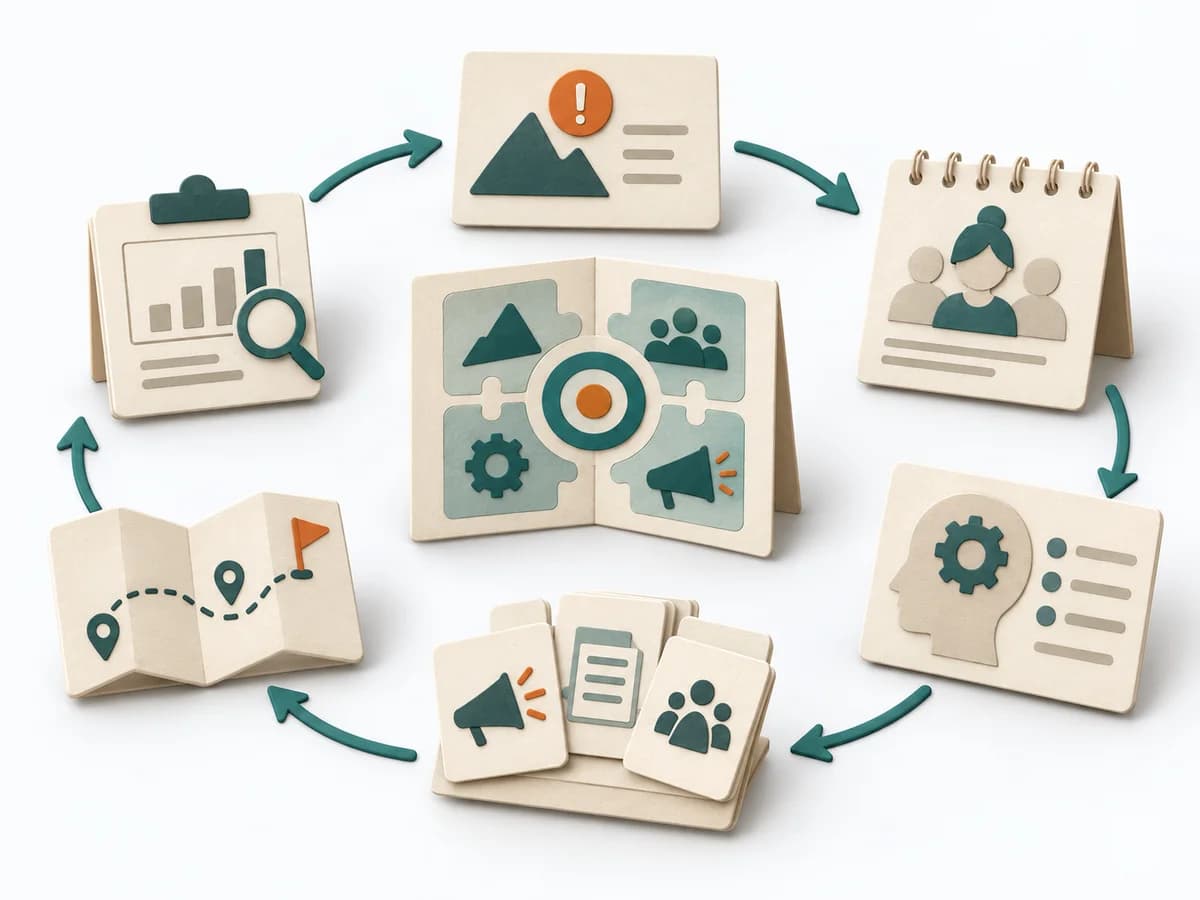
Sketch: what the artifact looks like
Intervention Mapping blueprint with six step products from logic model to evaluation.
Record date, owner, source state, and review date; preserve prior versions.
Set subject, evidence, roles, flow, and review.
To be confirmed
To be confirmed
Whole initiative Time: Several months; six iterative steps with continuous participation and evaluation.
Complete this worksheet on paper or in your own document during the work.
Create needs assessment and Logic Model of Problem with behaviour, environment, and determinants.
...
Break behavioural/environmental outcomes into performance objectives and cross them with determinants.
...
Select theory-based change methods, check parameters, and translate into applications.
...
Organise applications into coherent components, materials, and sequence; pretest with population.
...
Plan adoption, implementation, and maintenance with implementer outcomes, objectives, and strategies.
...
Plan process and outcome evaluation with questions, indicators, design, and data use.
...
The blank worksheet contains prompts only.
Reference · original teaching example
Expected artifact: Problem logic
Create needs assessment and Logic Model of Problem with behaviour, environment, and determinants.
Entry:
...
Expected artifact: Objective matrix
Break behavioural/environmental outcomes into performance objectives and cross them with determinants.
Entry:
...
Expected artifact: Methods plan
Select theory-based change methods, check parameters, and translate into applications.
Entry:
...
Expected artifact: Program prototype
Organise applications into coherent components, materials, and sequence; pretest with population.
Entry:
...
Expected artifact: Implementation plan
Plan adoption, implementation, and maintenance with implementer outcomes, objectives, and strategies.
Entry:
...
Expected artifact: Evaluation plan
Plan process and outcome evaluation with questions, indicators, design, and data use.
Entry:
...
...
Method guide: https://methodatlas.meierhoff-systems.de/en/methods/intervention-mapping/run-sheet
Concrete filled scenario, fictional example
Fictional example for orientation. Counts and timings describe this case and are not universal requirements.
Concrete filled scenario, fictional example
Workshop downtime from late parts; behaviour: late search; environment: stale inventory; interviews and logs support.
PO technician checks before trip × knowledge → recognises alternatives; × efficacy → uses offline list.
Modelling + guided practice for efficacy; real part cases, feedback, rising difficulty.
Offline compatibility list, 20-minute practice, shift feedback; pilot with five technicians.
Service leadership adopts; leads train; Data owner updates weekly; audit at eight weeks.
Process training rate; determinant efficacy; behaviour pre-check; outcome search time; baseline + eight weeks.
Recognize symptoms and steer against them
Quick overview, the full text is in the matching phase in the flow
A preferred intervention drives needs assessment.
Start from evidence and participants; park intervention.
Objectives remain raise awareness.
Combine performance and determinant into observable change objective.
Popular channel is chosen without mechanism.
Move from determinant to method and document parameters.
Materials lack shared logic.
Trace components to matrix and pretest.
Communication replaces ownership and resources.
Name implementers and concrete performance objectives.
Only final outcome is measured without implementation data.
Distribute indicators across logic model levels.
When to pause, resolve prerequisites, or choose another approach
Go to the profile for purpose, similar methods, and sources or continue to the next method in the catalog.