
Purpose
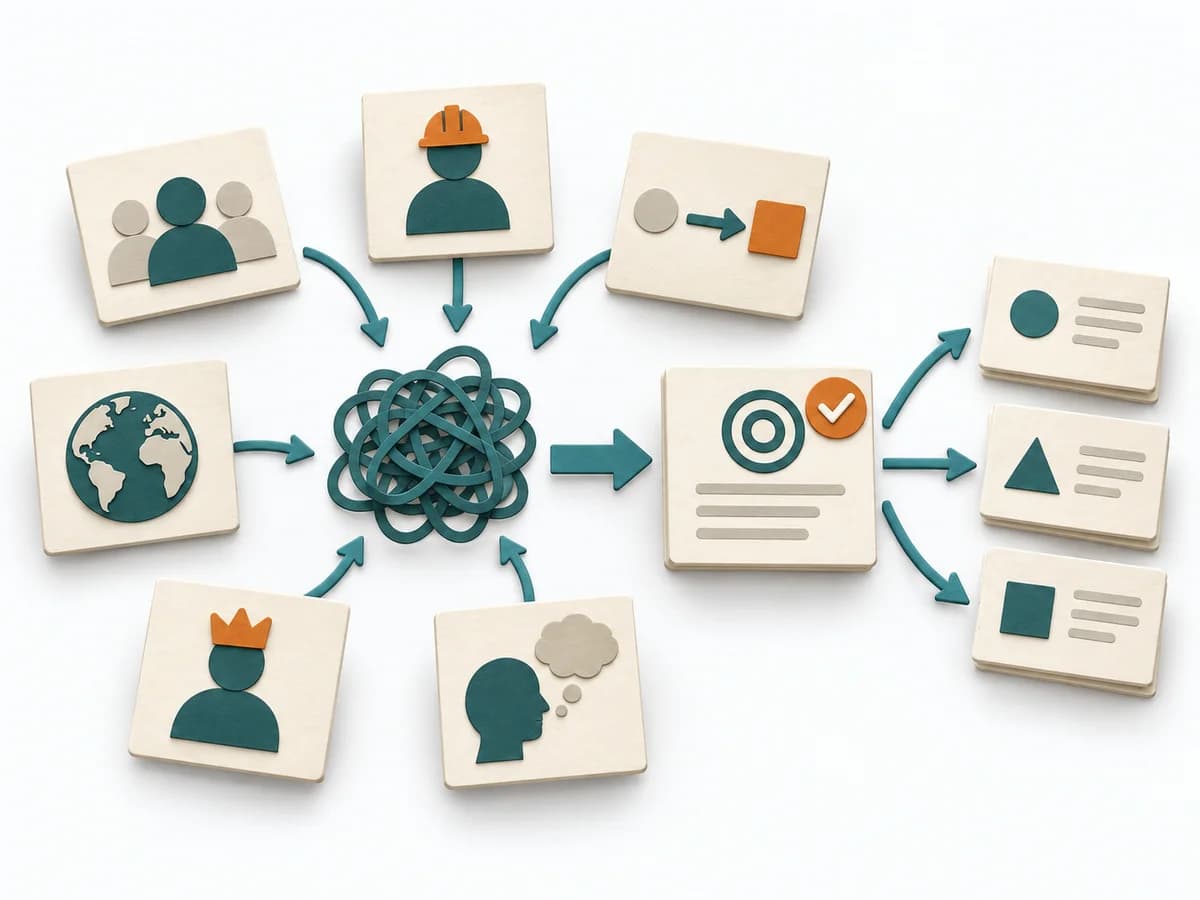
When a team works on symptoms but the real question stays fuzzy, a Problem Framing Workshop sharpens the view of the right problem. It separates observation, interpretation, and target picture from each other.
Facilitation Facilitation method
Collects context, assumptions, and boundaries and forms them into a precise problem statement.
Die Gruppe prüft, welche Beschreibung des Problems belastbar ist, welche Annahmen darin stecken und welche Sichtweise das Feld unnötig verengt. Daraus entsteht ein präziserer Rahmen, der spätere Ideen und Entscheidungen deutlich besser trägt.
Which concrete problem for which people in which context is evidenced, meaningfully bounded, and open to several solutions?
The steps form one complete method run.
Evidence
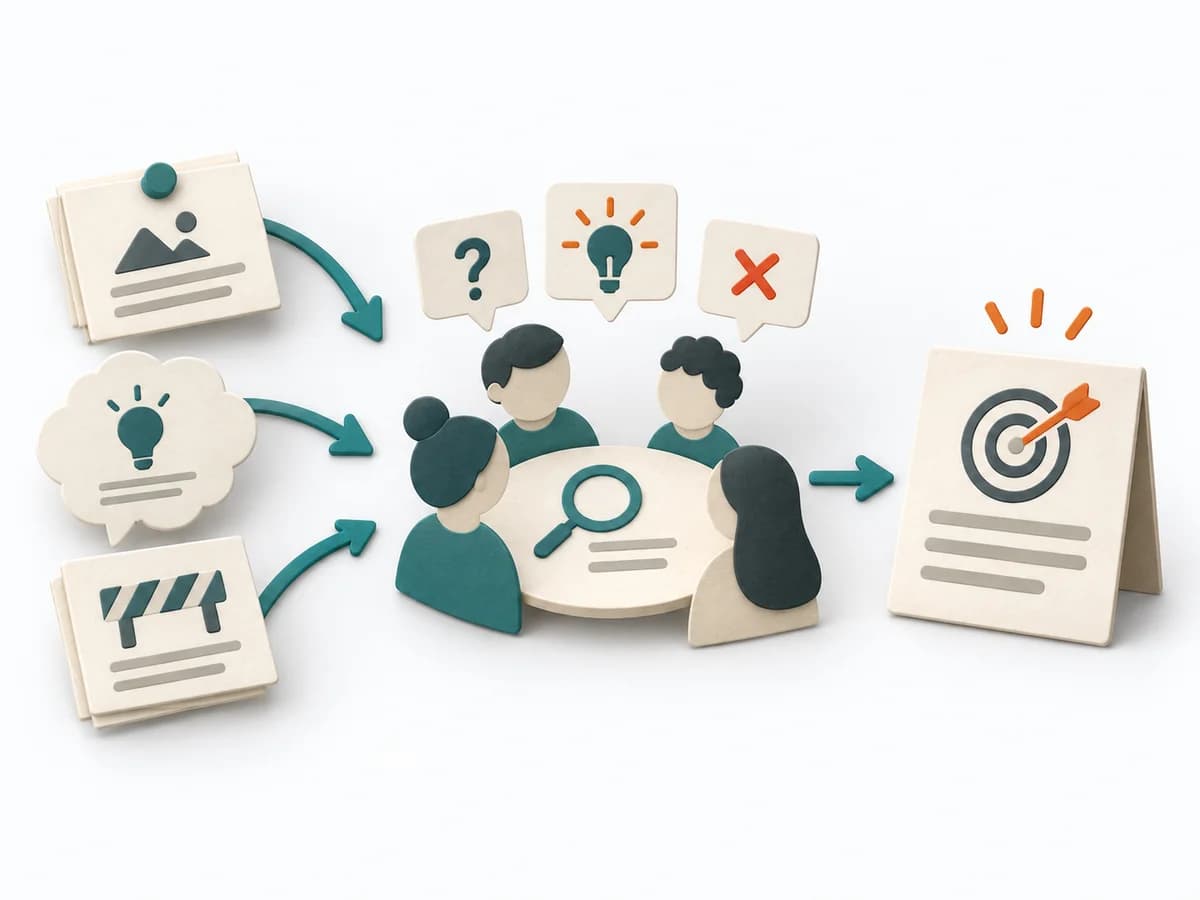
Gather observations, data, and quotes; separate facts, interpretations, and solutions.
Actors
Describe affected people, context, desired progress, and current obstacles concretely.
Impact
State undesired outcome, significance, and observable impact without presuming cause or solution.
Boundary
Negotiate in-scope, out-of-scope, constraints, assumptions, and knowledge gaps.
Question
Translate the frame into an open How Might We question and test evidence, solution openness, and agency.
Add new evidence at review and version decisions with the prior state.
Wenn ein Team an Symptomen arbeitet, aber die eigentliche Frage unscharf bleibt, schärft ein Problem Framing Workshop den Blick auf das richtige Problem. Er trennt Beobachtung, Deutung und Zielbild voneinander.
Problem frame with actor, context, need, evidence, impact, scope, assumptions, and open design question.
Fictional example
Fictional values show the actual method fields.
Gather observations, data, and quotes; separate facts, interpretations, and solutions.
19 of 32 part searches start in chat; 11 end with a warehouse call; quote: “Inventory is from yesterday.”
Describe affected people, context, desired progress, and current obstacles concretely.
Mobile technicians during a customer job must find a compatible part before the service window ends.
State undesired outcome, significance, and observable impact without presuming cause or solution.
Stale inventory information extends search and customer waiting; cause remains a hypothesis.
Negotiate in-scope, out-of-scope, constraints, assumptions, and knowledge gaps.
In: part search during job; out: procurement; constraint: weak network; open: frequency of compatible alternatives.
Translate the frame into an open How Might We question and test evidence, solution openness, and agency.
How might mobile technicians find reliable compatible parts during a job, even with weak connectivity?
All values are fictional.
Gather the decision trigger, available evidence, and hard constraints; park solution ideas initially.
When a team works on symptoms but the real question stays fuzzy, a Problem Framing Workshop sharpens the view of the right problem. It separates observation, interpretation, and target picture from each other.
The group checks which description of the problem is robust, which assumptions it contains, and which viewpoint unnecessarily narrows the field. This produces a more precise frame that carries later ideas and decisions much better.
Problem Framing shifts attention away from solutions and back to the question of which problem should actually be solved. The method connects observations, affected people, impacts, assumptions, and success criteria into a shared working definition. That makes different mental models visible and slows down solution-first discussion. The result is a problem statement that supports decisions on scope and the next analysis.
Invite people with different perspectives and do not ban early solution ideas, but keep them parked visibly. Use clear prompts such as affected people, impact, evidence, boundaries, and success. End with a formulation that the group reviews and explicitly accepts.
The method guide walks execution through 5 phases, timing, 5 pitfalls, and clear stop criteria.
Open method guideYour perspective
Your feedback helps shape the next improvements to methodatlas.
Set subject, evidence, roles, flow, and review.
To be confirmed
To be confirmed
Complete run Time: 90–150 minutes with evidence collected beforehand.
Complete this worksheet on paper or in your own document during the work.
Gather observations, data, and quotes; separate facts, interpretations, and solutions.
...
Describe affected people, context, desired progress, and current obstacles concretely.
...
State undesired outcome, significance, and observable impact without presuming cause or solution.
...
Negotiate in-scope, out-of-scope, constraints, assumptions, and knowledge gaps.
...
Translate the frame into an open How Might We question and test evidence, solution openness, and agency.
...
The blank worksheet contains prompts only.
Reference · original teaching example
Expected artifact: Evidence view
Gather observations, data, and quotes; separate facts, interpretations, and solutions.
Entry:
...
Expected artifact: Actor context
Describe affected people, context, desired progress, and current obstacles concretely.
Entry:
...
Expected artifact: Problem core
State undesired outcome, significance, and observable impact without presuming cause or solution.
Entry:
...
Expected artifact: Scope
Negotiate in-scope, out-of-scope, constraints, assumptions, and knowledge gaps.
Entry:
...
Expected artifact: Working question
Translate the frame into an open How Might We question and test evidence, solution openness, and agency.
Entry:
...
...
Method guide: https://methodatlas.meierhoff-systems.de/en/methods/problem-framing-workshop/run-sheet
Fitting alternatives with decision guidance, followed by other related methods.
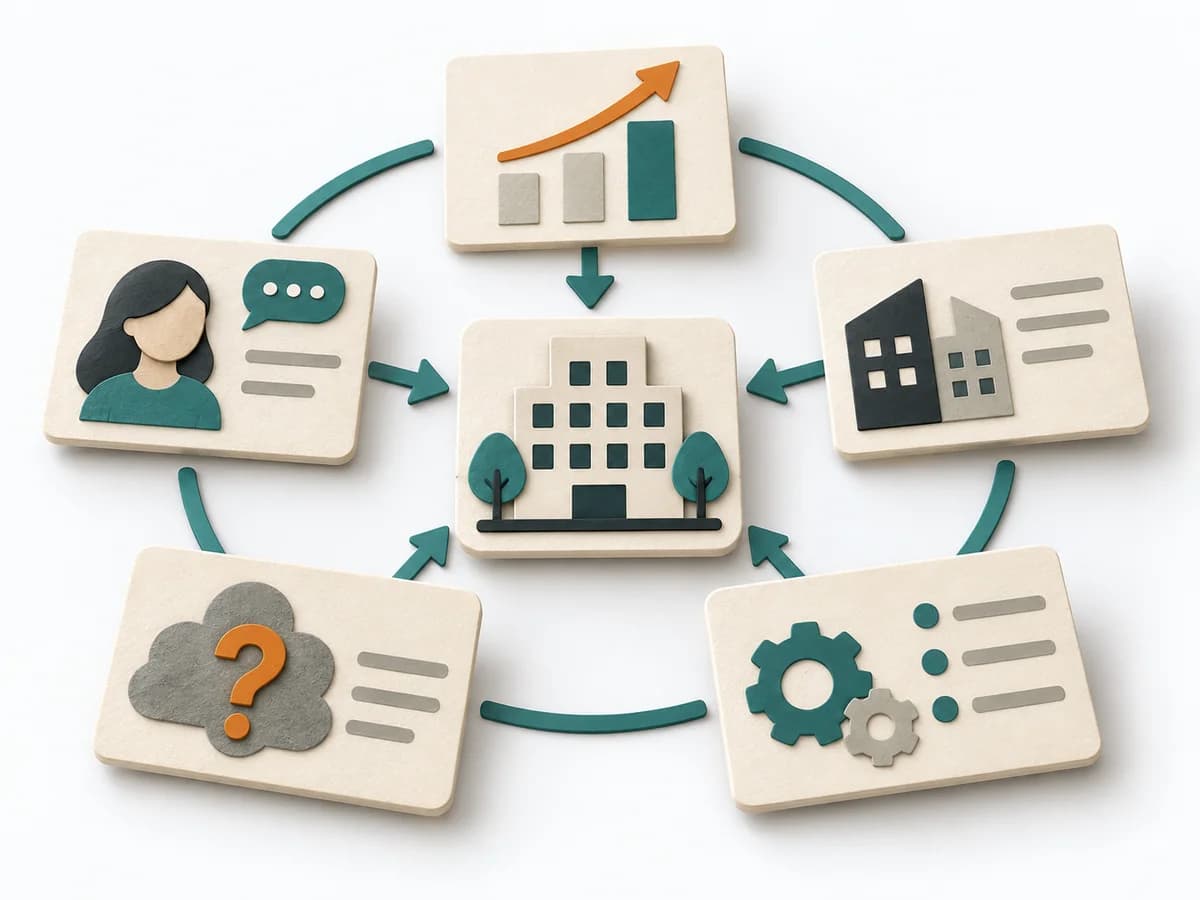
Instead of Problem Framing Workshop, choose Context Canvas when the context is already narrowed down and inputs, outputs, actors, and boundaries should be sorted.
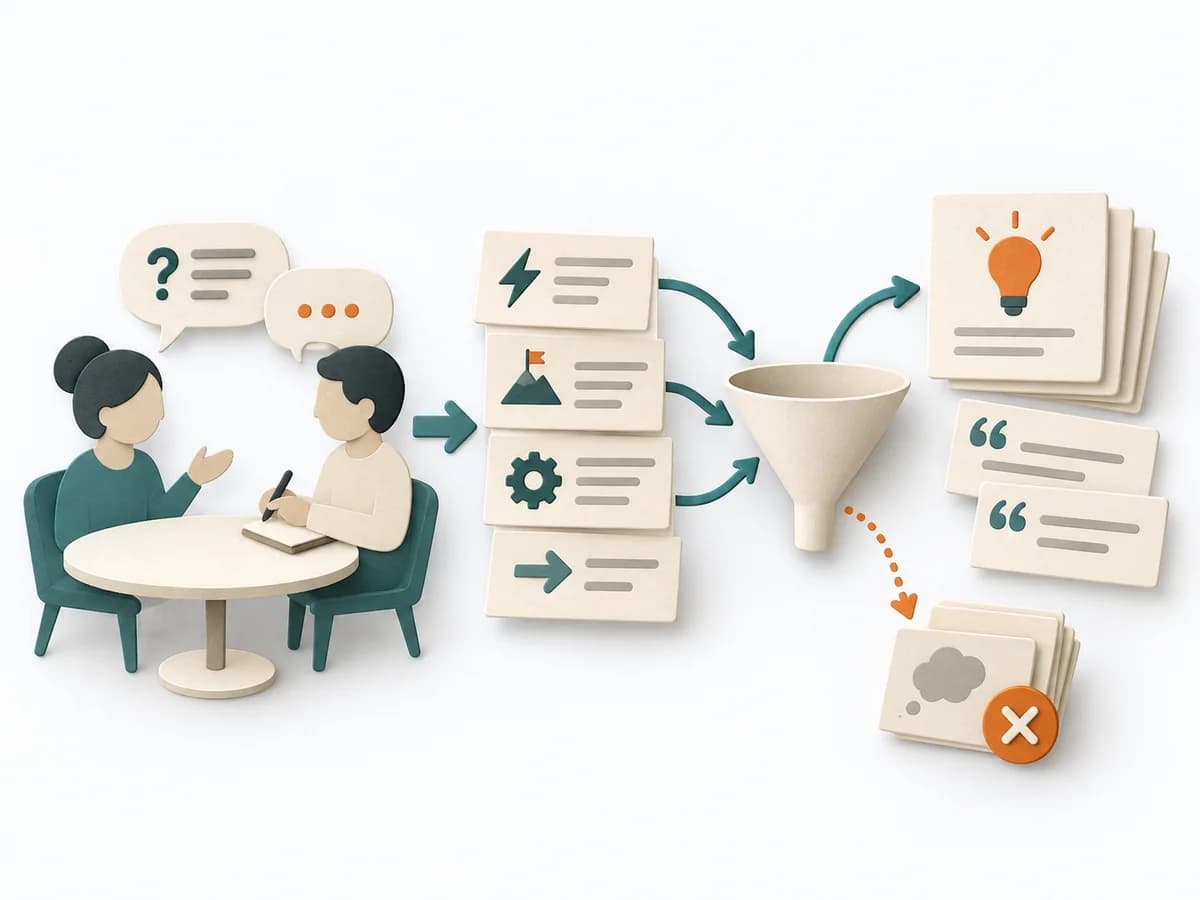
Instead of Problem Framing Workshop, choose Opportunity Interview when you want to explore opportunities and unmet needs directly in conversation with users.
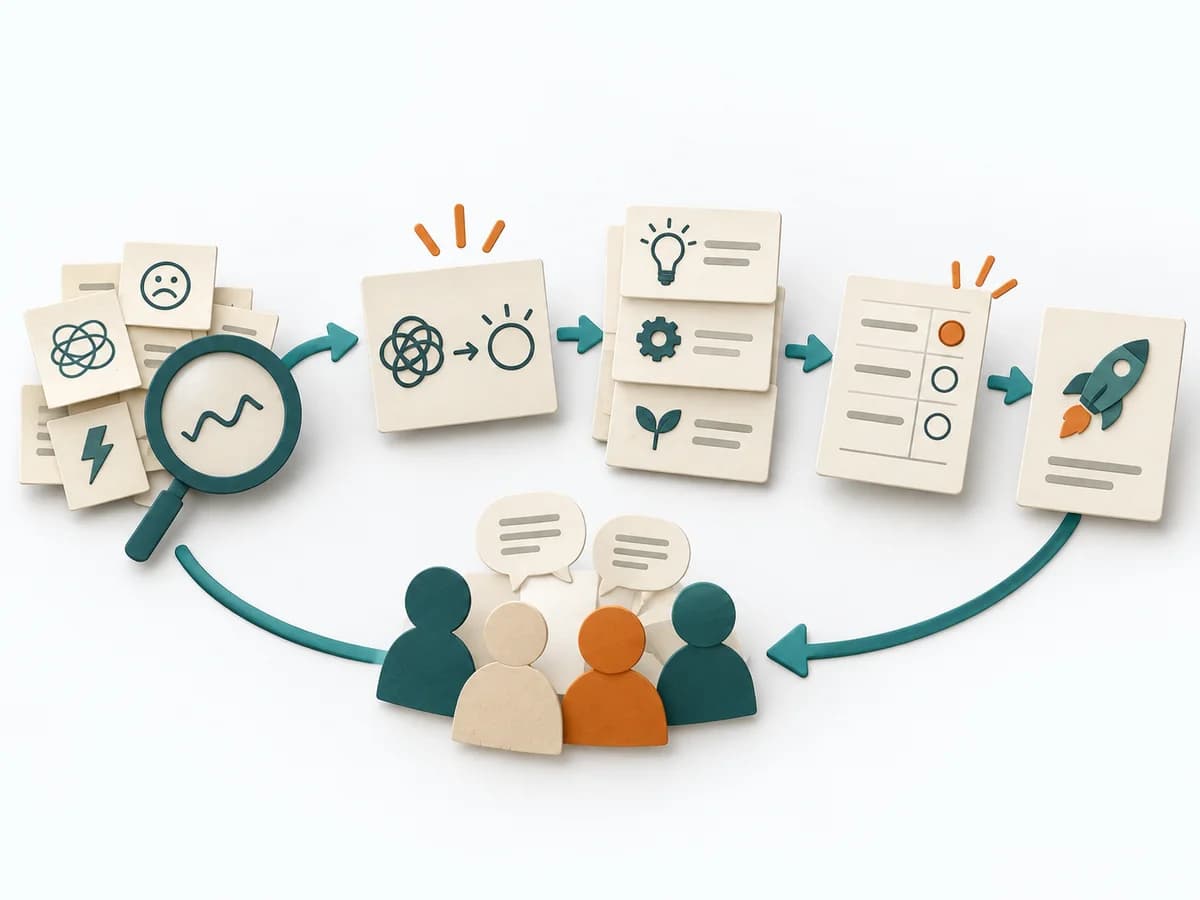
Sorts problems, reframes the top issue, and derives experiments that quickly turn frustration into movement.
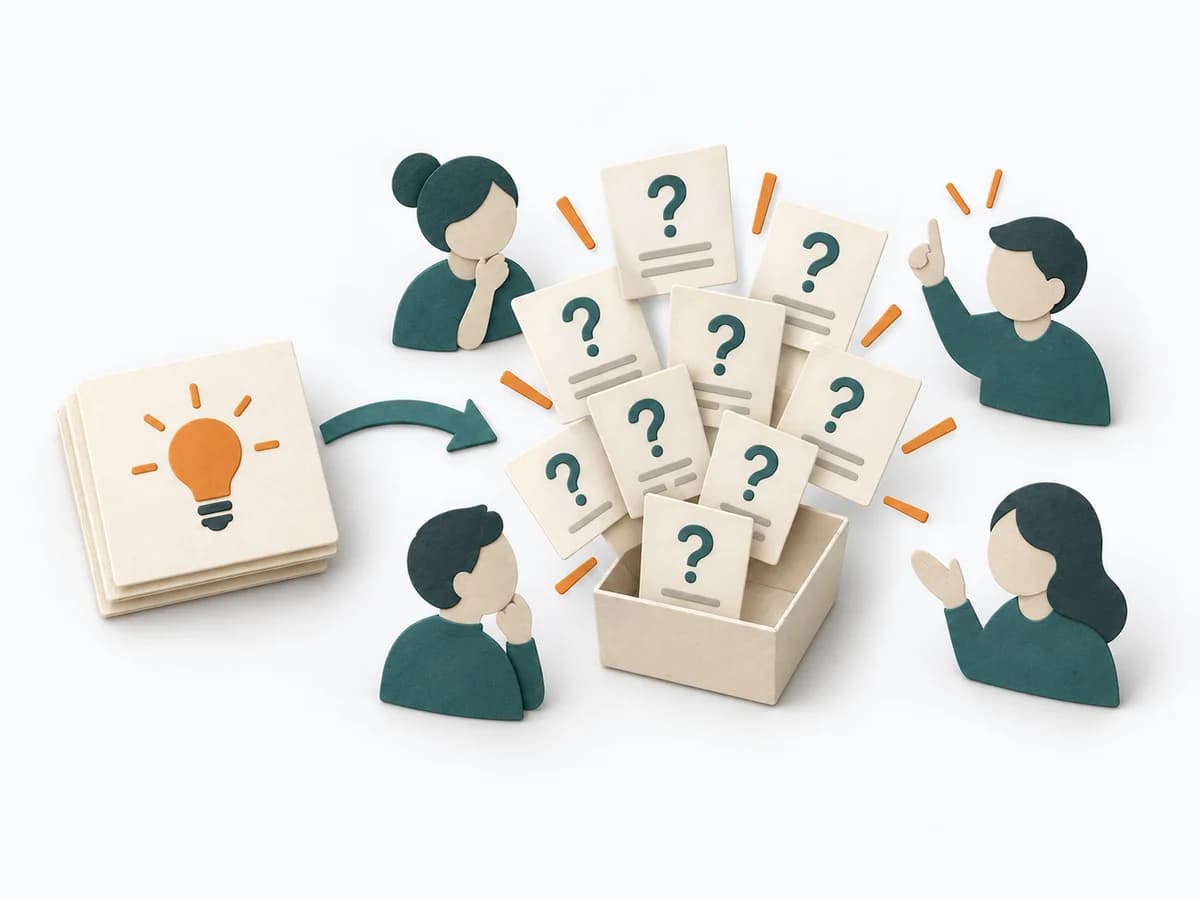
Clarifies group input, selection, and decision-making by framing the challenge, collecting questions only, and deriving new insights and next steps.
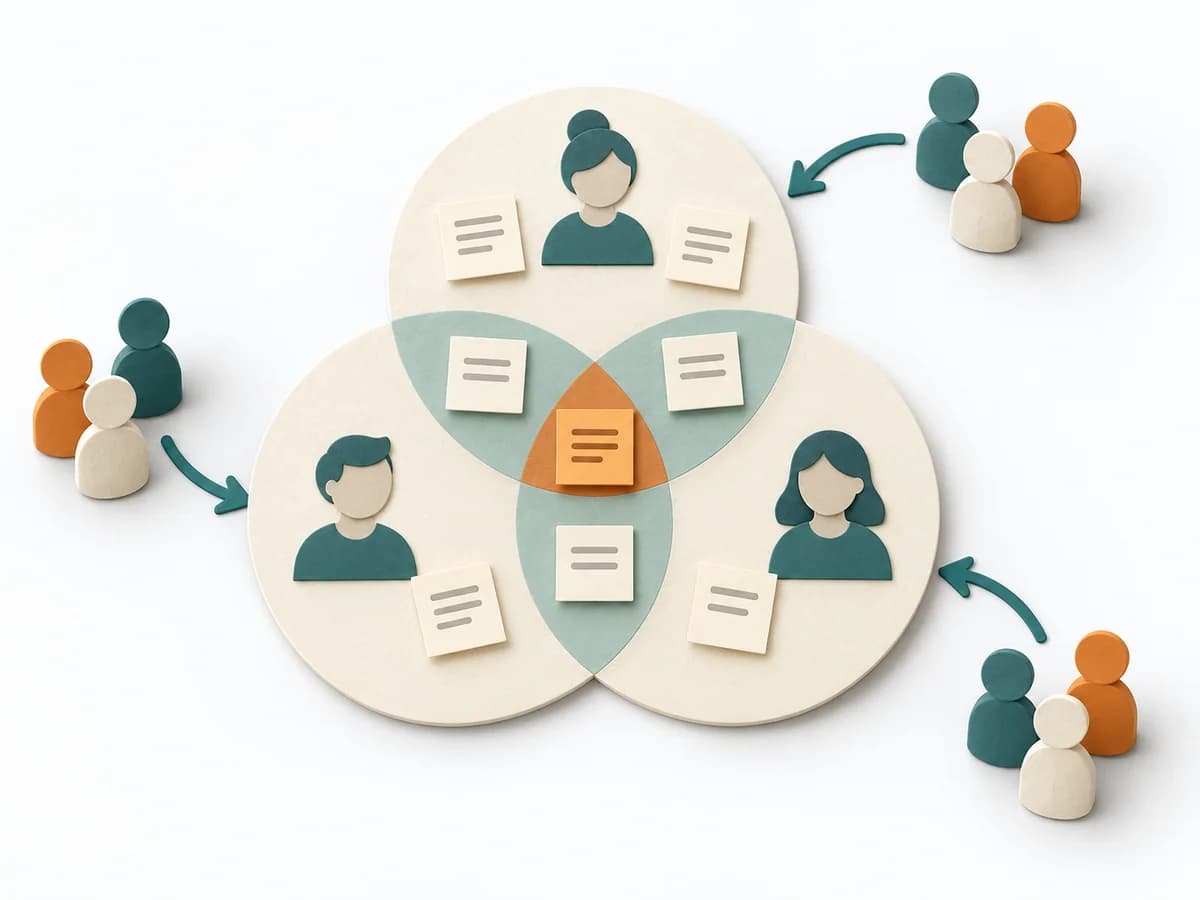
Compares three perspectives in a shared picture and makes overlaps as visible as differences.
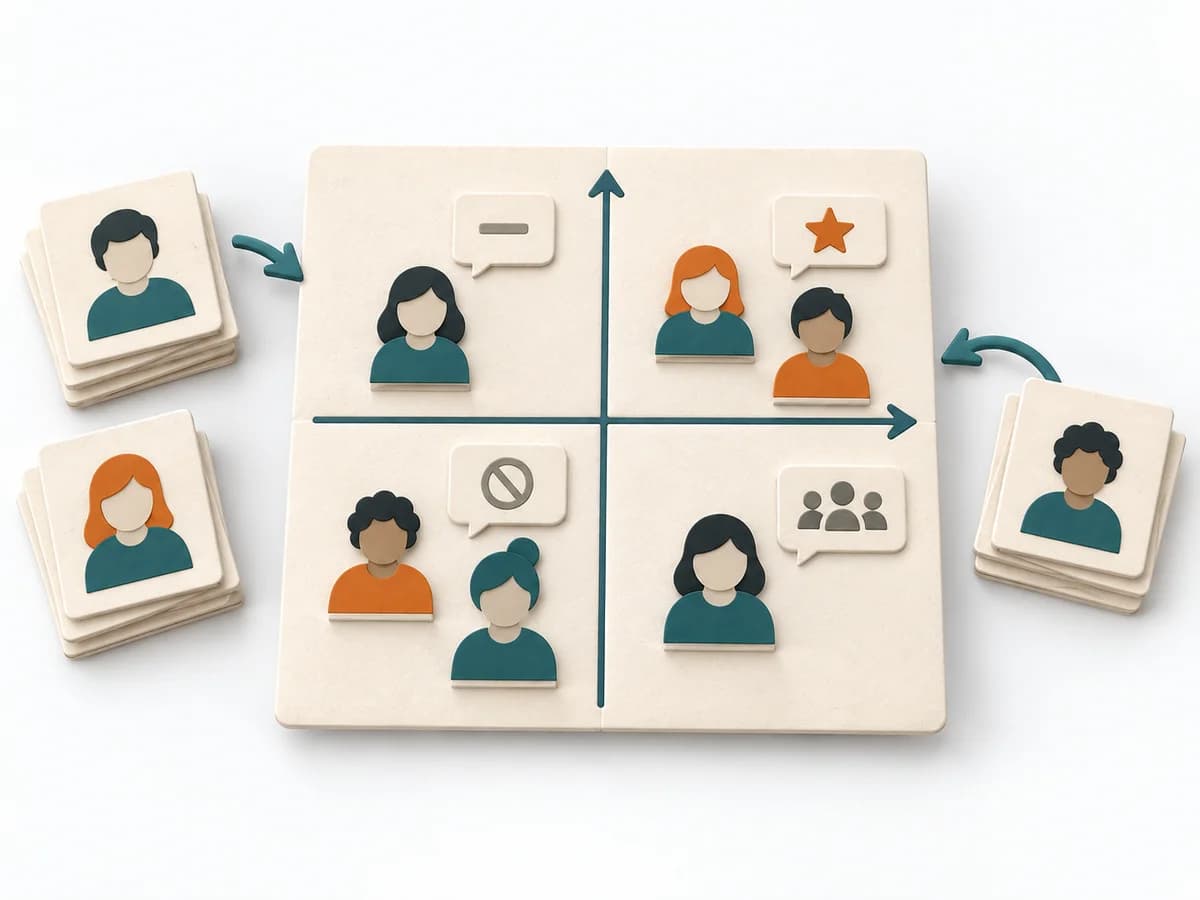
Moves group input, selection, and decision toward a concrete result through "collect stakeholders individually and by group", "explain power and interest", and "derive a strategy for each quadrant".