Purpose
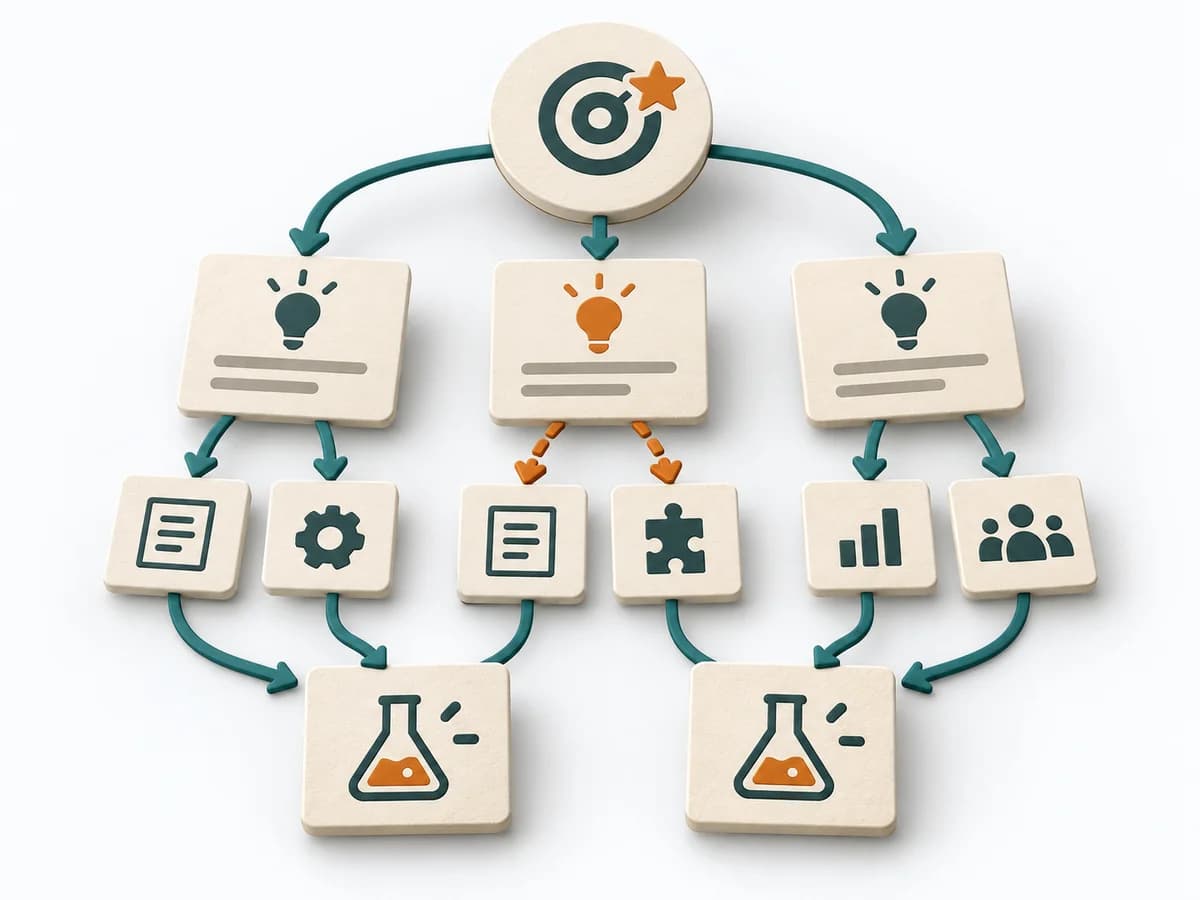
When a goal needs to be connected to several possible paths, it shows chains of impact instead of feature lists. It connects business goal, behavior change, and measures.
Product Strategy Mapping tool
Connects a goal, actors, behavior changes, and possible deliverables in a traceable impact hypothesis.
Impact Mapping is a collaborative visualization of the assumptions behind an initiative: why the goal matters, who can influence it, how behavior might change and what could support that change.
Why does the goal matter, who can influence it, how should behavior change and what could support it?
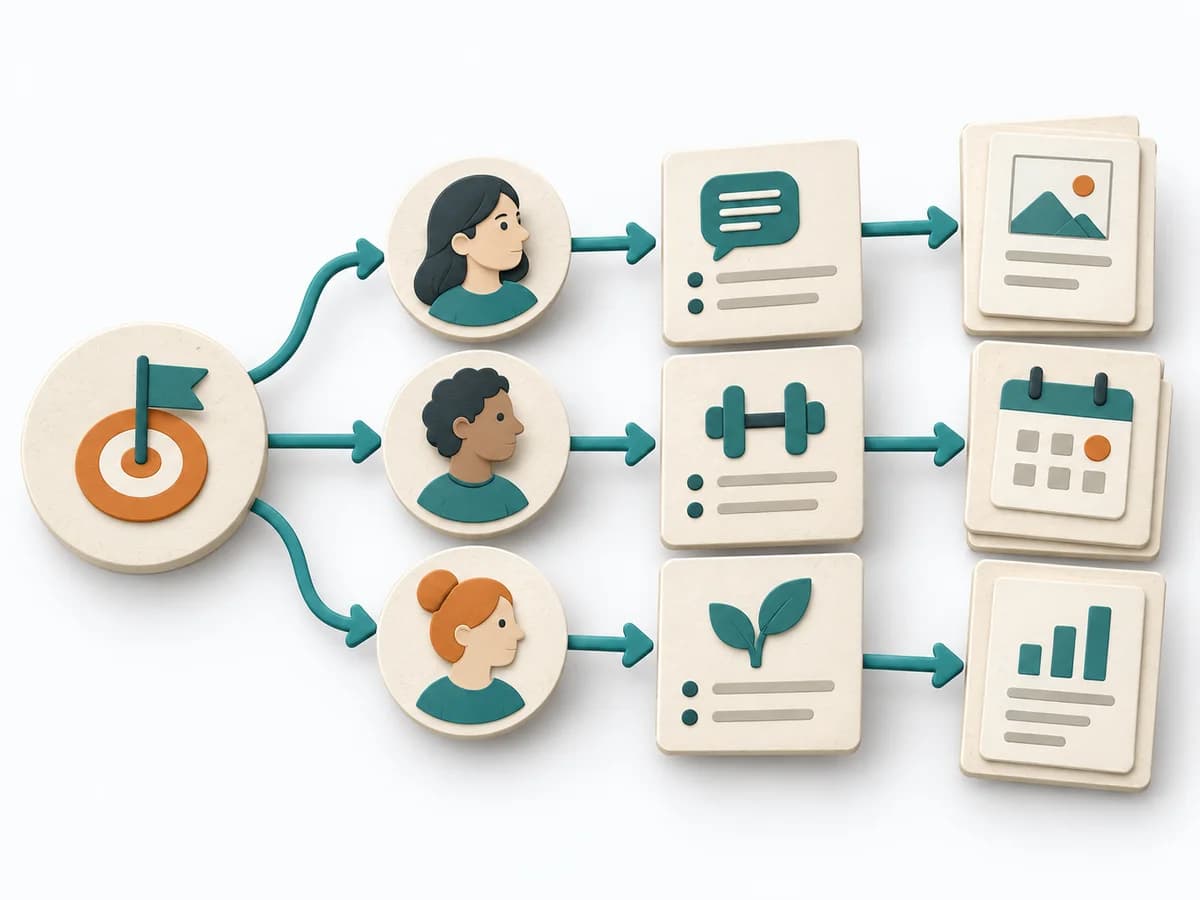
Connect every What branch to the Why goal through an actor and behavior impact; deliverables are options to examine.
Why
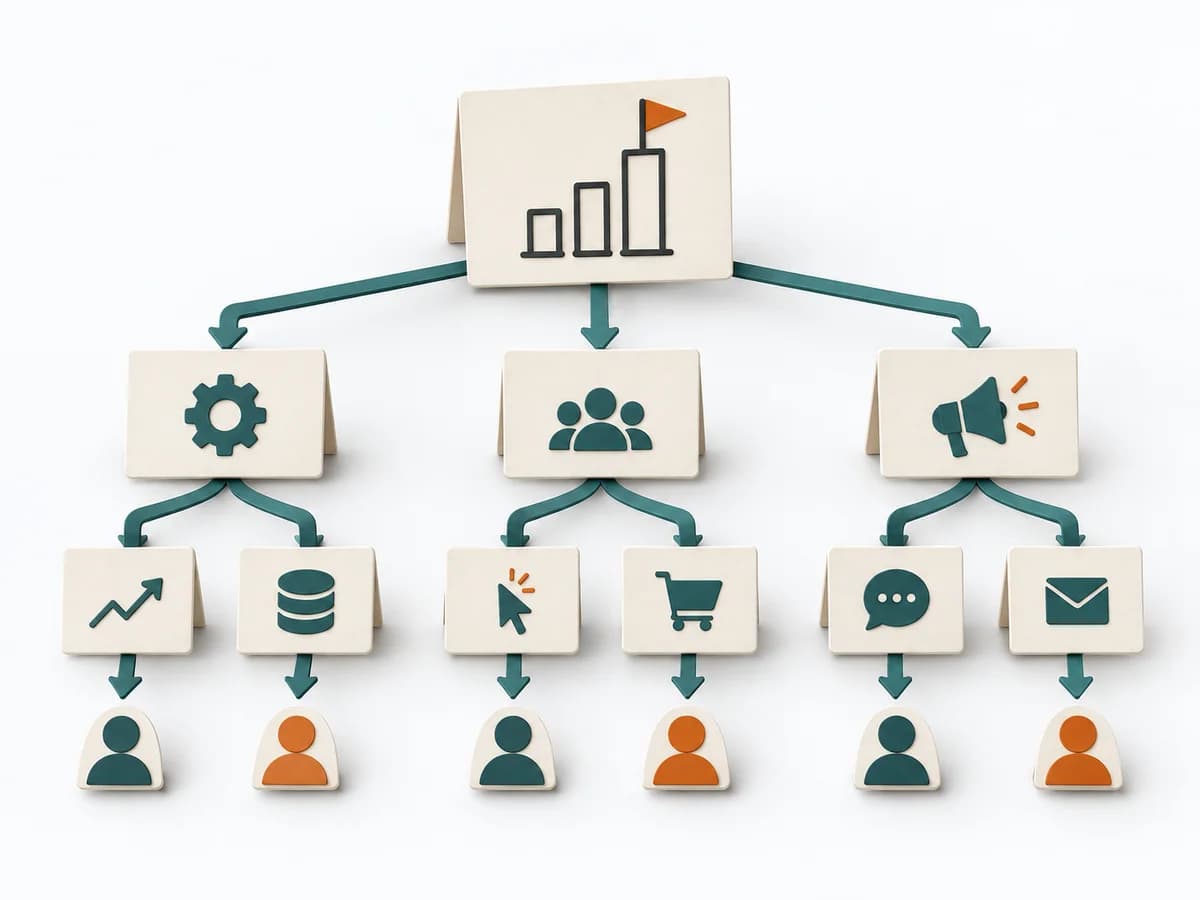
The goal explains why the work matters and bounds the map.
Who
Actors can create or block desired effects, or be affected by the change.
How
Impacts describe how an actor’s behavior would need to change to support the goal.
What
Deliverables are options the organization could use to support the intended impacts.
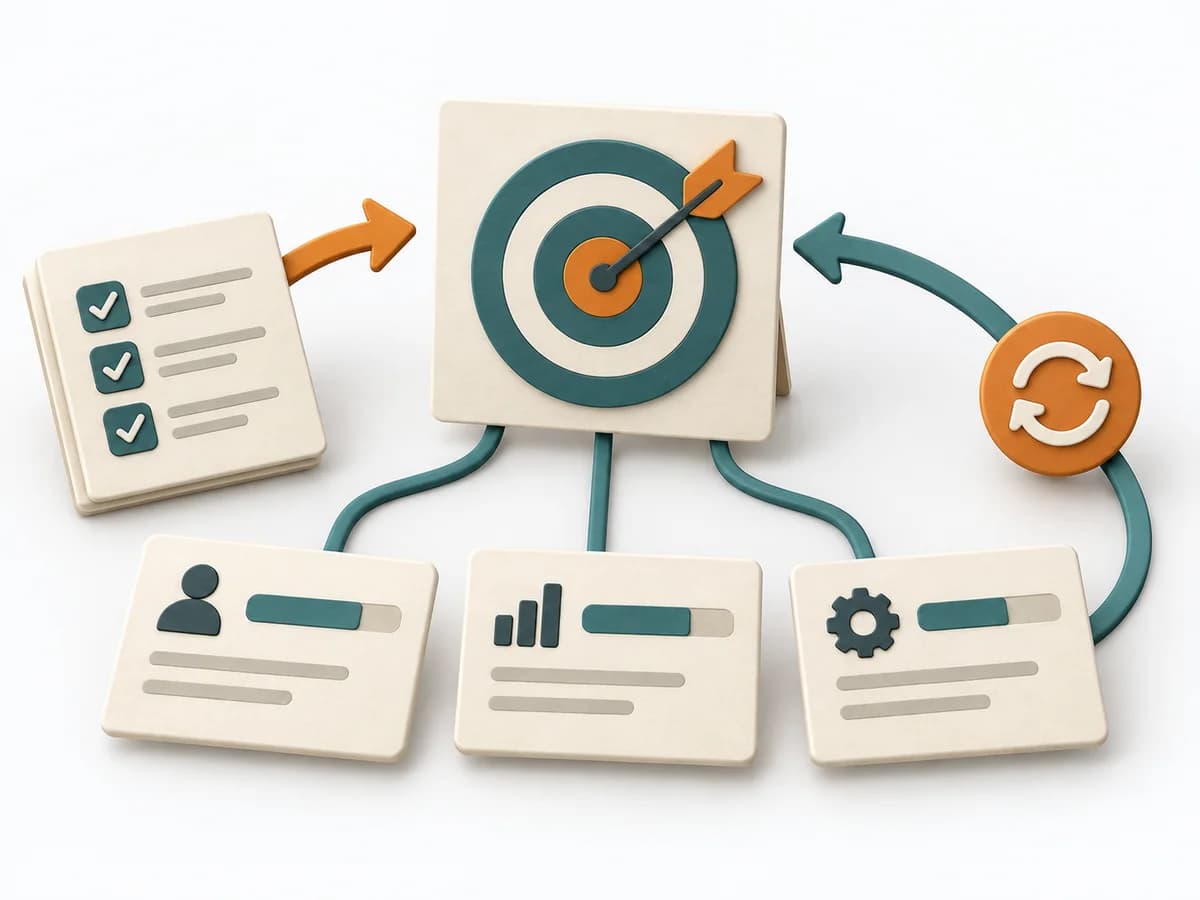
Review behavior assumptions and options against results. Update the map when learning changes the goal, actors or impact path.
Use it when an initiative is accumulating feature requests and their connection to business goals or user behavior is unclear.

A justified, measurable outcome as the map root.

Actors and desired or prevented behavior changes.
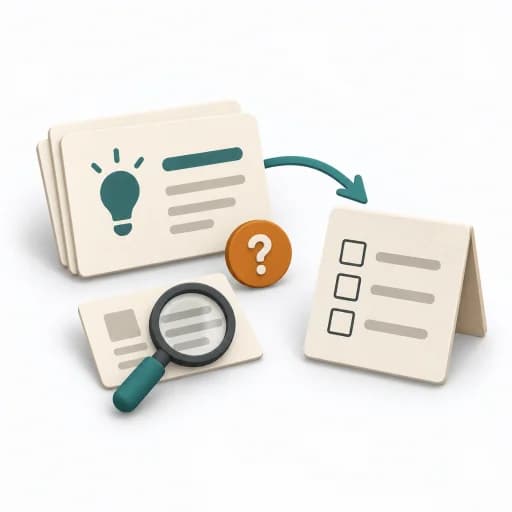
Possible deliverables with impact assumptions and measurement needs.
Fictional teaching example
Fictional map for a measurable outcome. The overarching Why node is stated separately; each row represents a possible actor-impact-deliverable branch.
| Possible branch | Who · actor | How · impact | What · deliverable |
|---|---|---|---|
| Branch 1Which actor, behavior and possible support belong together? | Households with occasional repair needs. | Choose available tools confidently before traveling. (Fictional impact assumption) | Availability view or firm reservation confirmation. (Option) |
| Branch 2How could this group support or obstruct the goal? | Volunteers who manage collection and returns. | Update availability and return status promptly. (Fictional impact assumption) | Simple status process or reminder workflow. (Option) |
| Branch 3Which other group can influence the impact? | Local organizations that provide tools. | Communicate stock and opening hours reliably. (Fictional impact assumption) | Coordinated stock and opening-hours process. (Option) |
Fictional Why goal: increase completed loans as a share of all reservation requests in the pilot area from 20% to 35% within eight weeks. The baseline, target and timeframe are invented. Rows are impact assumptions and options, not proven causality or delivery commitments.
Bring business and technical perspectives together around a clear goal. Define the system boundary and available outcome signals.
When a goal needs to be connected to several possible paths, it shows chains of impact instead of feature lists. It connects business goal, behavior change, and measures.
It draws a line from the desired impact through actors and behavior changes to possible solutions. The connection prevents features from being evaluated in isolation and makes every measure checkable against its contribution to the goal.
Impact Mapping holds up because it brings goal, involved actors, desired behavior change, and possible measures into one causal logic. Good use seriously asks whose behavior needs to change and whether an idea plausibly contributes to that. This quickly demystifies or sharpens solution ideas, because the path from activity to impact doesn't stay foggy.
Start with a clear goal and force the discussion early onto concrete actors and observable behavior. Its quality shows in the moment when a popular idea can no longer demonstrate a plausible impact path. Close with a few credible impact paths and open assumptions still to be checked for the strongest paths.
The method guide walks execution through 4 phases, timing, 4 pitfalls, and clear stop criteria.
Open method guideYour perspective
Your feedback helps shape the next improvements to methodatlas.
Plan the shared conversation from the goal through actors and behavior changes to possible options.
To be confirmed
To be confirmed
Develop an impact map Time: About 90–120 minutes
Complete this worksheet on paper or in your own document during the work.
| Possible branch | Actor | Behavior change | Optional deliverable |
|---|---|---|---|
| Branch 1 | |||
| Branch 2 | |||
| Branch 3 |
Blank worksheet: define the goal outside the table. For each branch, record the actor, desired behavior change, possible support and assumption.
Expected artifact: Goal at the center of the impact map
Why · outcome · horizon
Entry:
...
Expected artifact: Actor groups connected to the goal
Actor · ability to influence · affectedness
Entry:
...
Expected artifact: Impact branches for each actor
Actor → behavior → contribution to the goal
Entry:
...
Expected artifact: Optional deliverables for each impact
Option → impact → actor → goal
Entry:
...
...
Method guide: https://methodatlas.meierhoff-systems.de/en/methods/impact-mapping/run-sheet
Fitting alternatives with decision guidance, followed by other related methods.
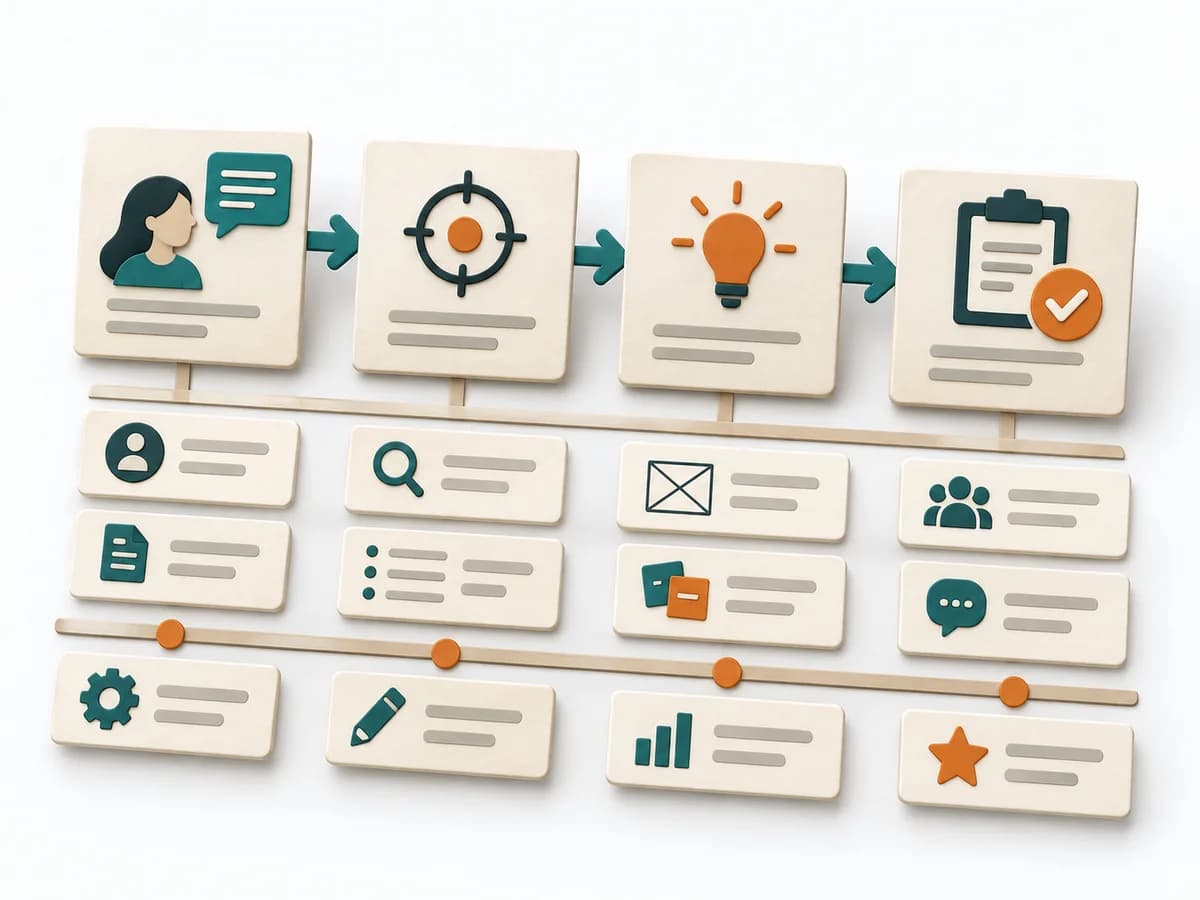
Instead of Impact Mapping, when you want to use User Story Mapping to order the journey from goal to MVP slice along real user flows.
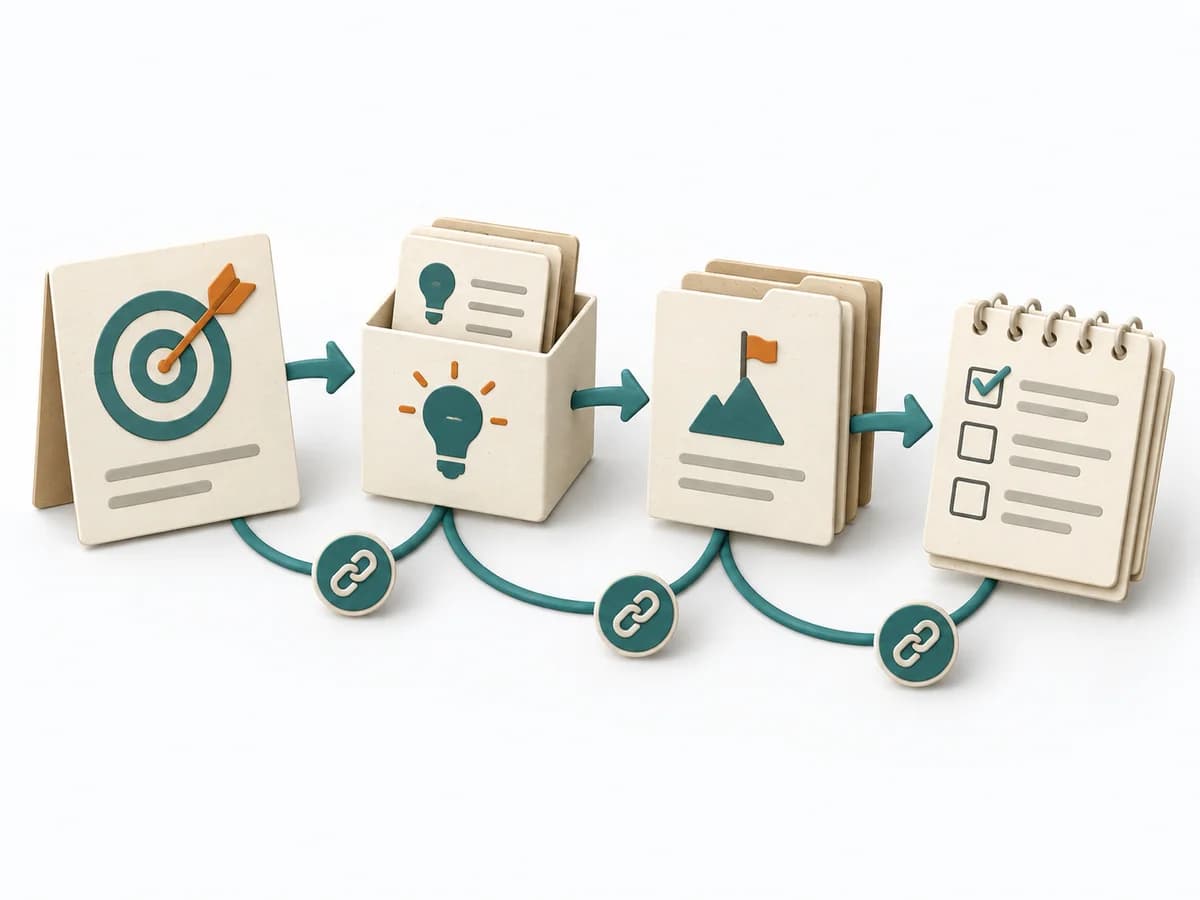
Connects goals, ideas, step projects, and tasks so product planning stays outcome-oriented and adaptive.
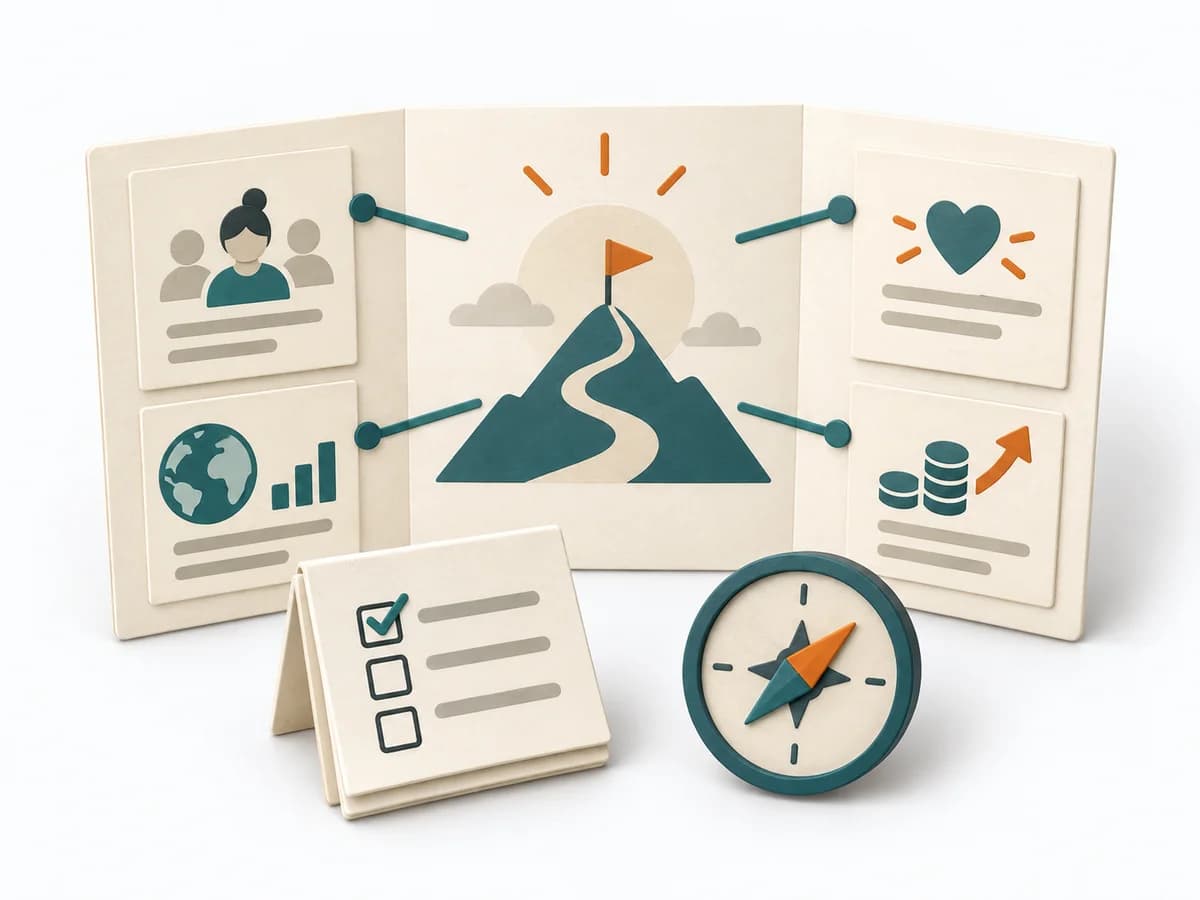
Vision, target group, needs, value, and business goals fit onto one board that exposes assumptions for validation.
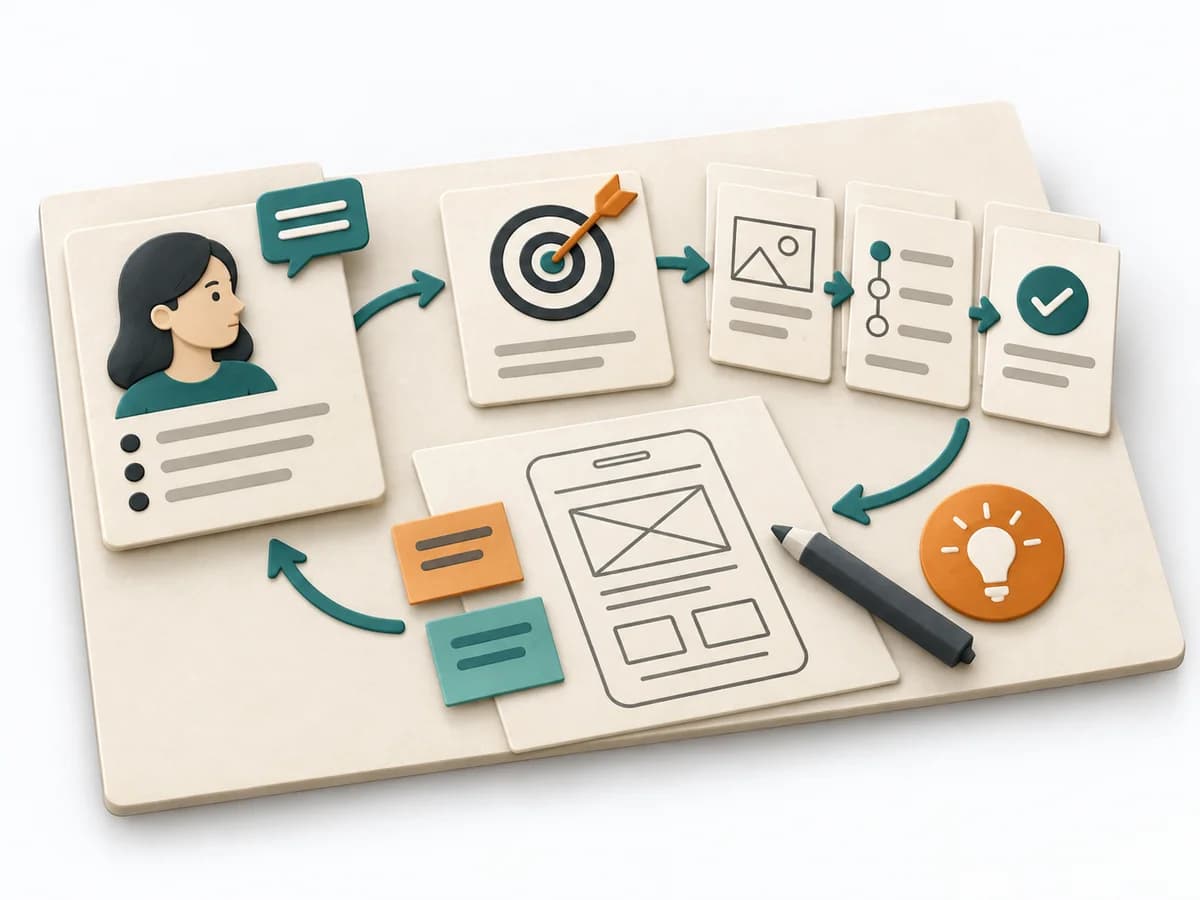
Sharpens product goal, target group needs, core features, and assumptions into a shared working picture.

Links data, insights, beliefs, and bets so strategy and product decisions become traceable and reviewable.
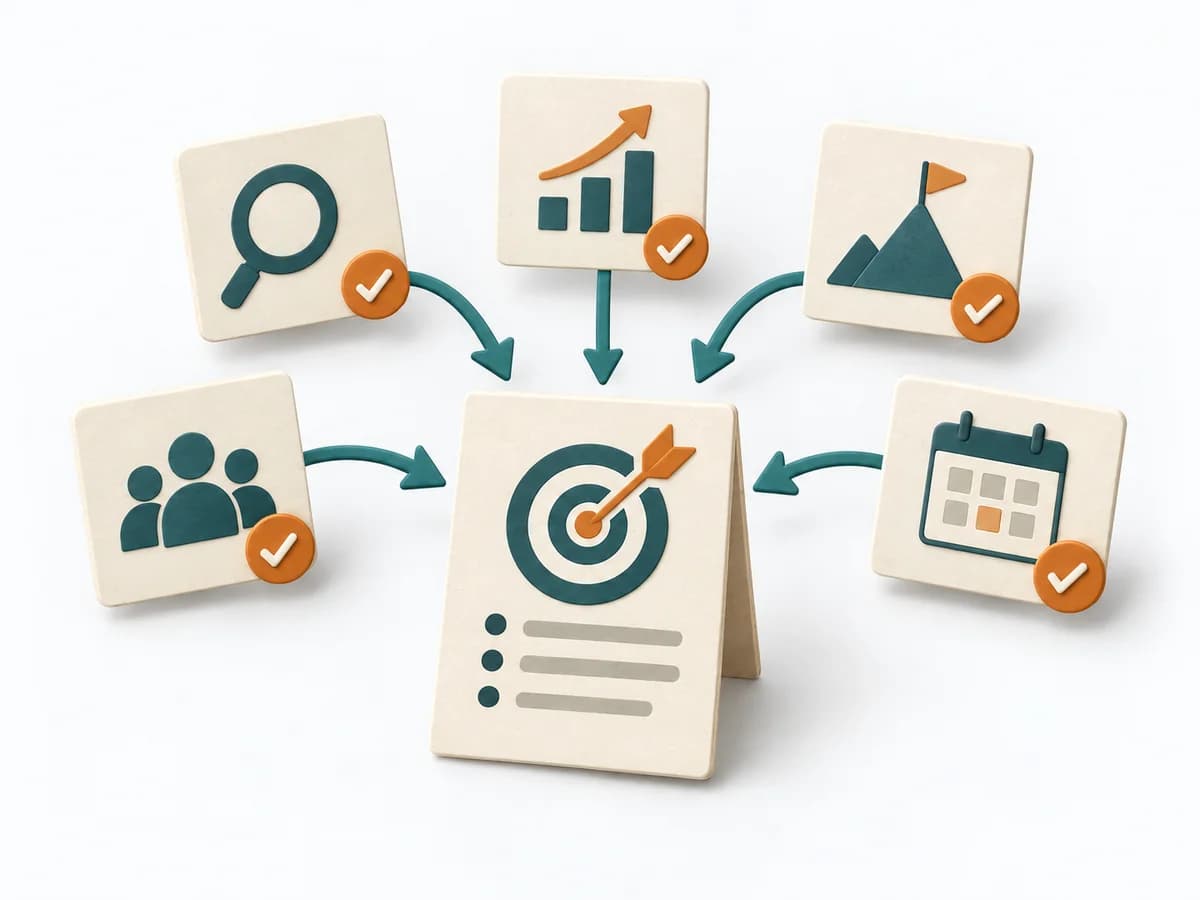
Formulates goals precisely enough that measure, relevance, and deadline together form a clear basis for steering.