Purpose
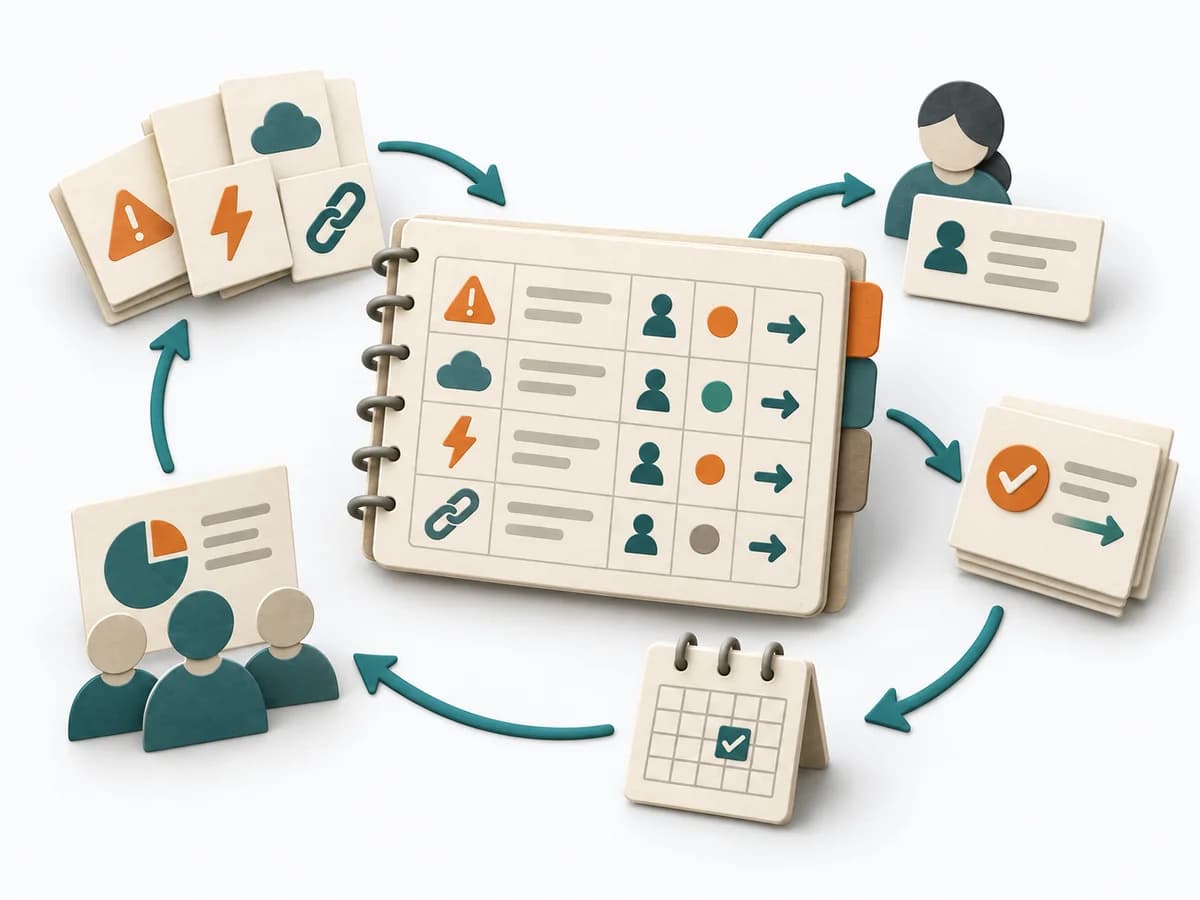
After an incident with damage or a near miss, the method creates a sober field for learning without assigning blame. It directs attention to the course of events, conditions, and effective countermeasures.
DevOps Operating practice
A blameless postmortem examines how system conditions and events interacted after an incident and derives trackable improvements.
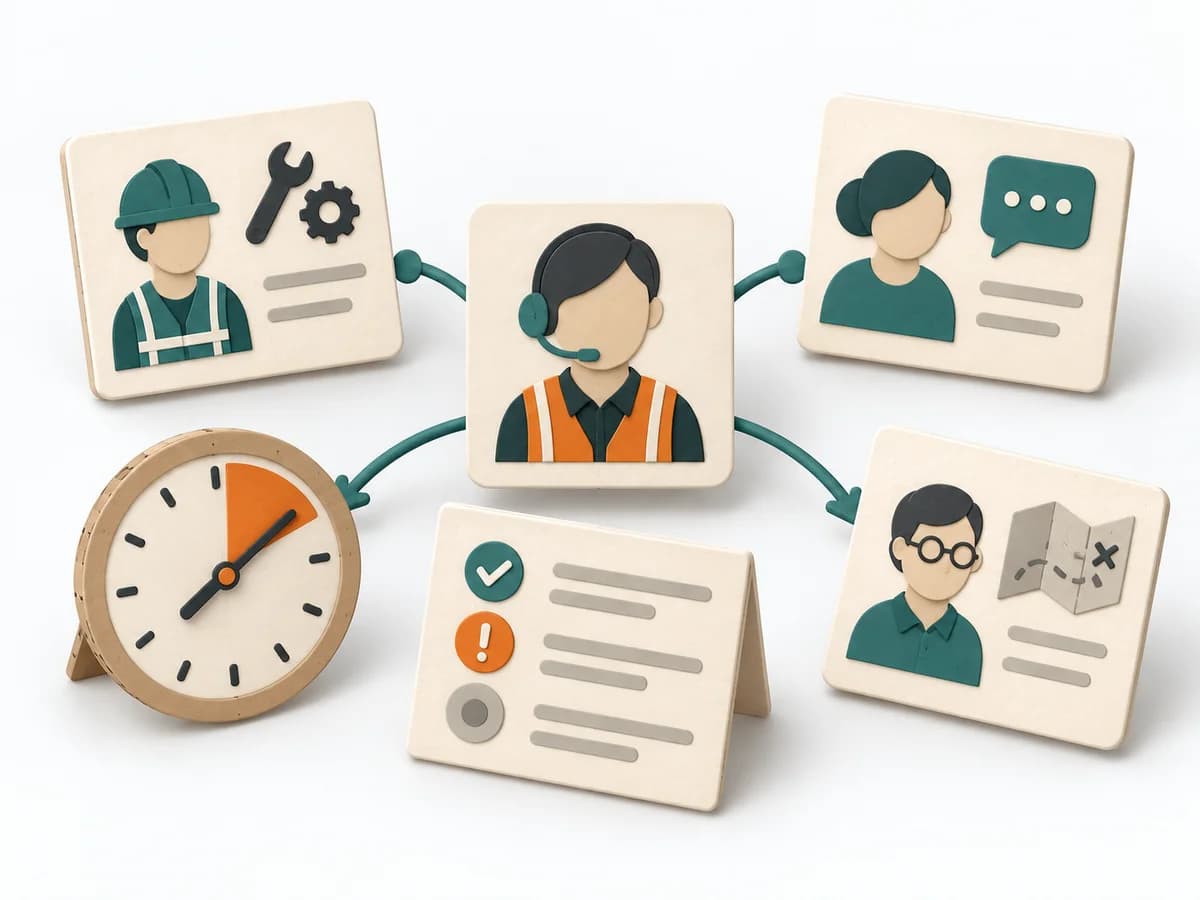
A blameless postmortem examines how system conditions and events interacted during an incident. It explains the conditions in which people acted and identifies traceable improvements.
Which conditions enabled the incident, and how do we reduce recurrence or impact?
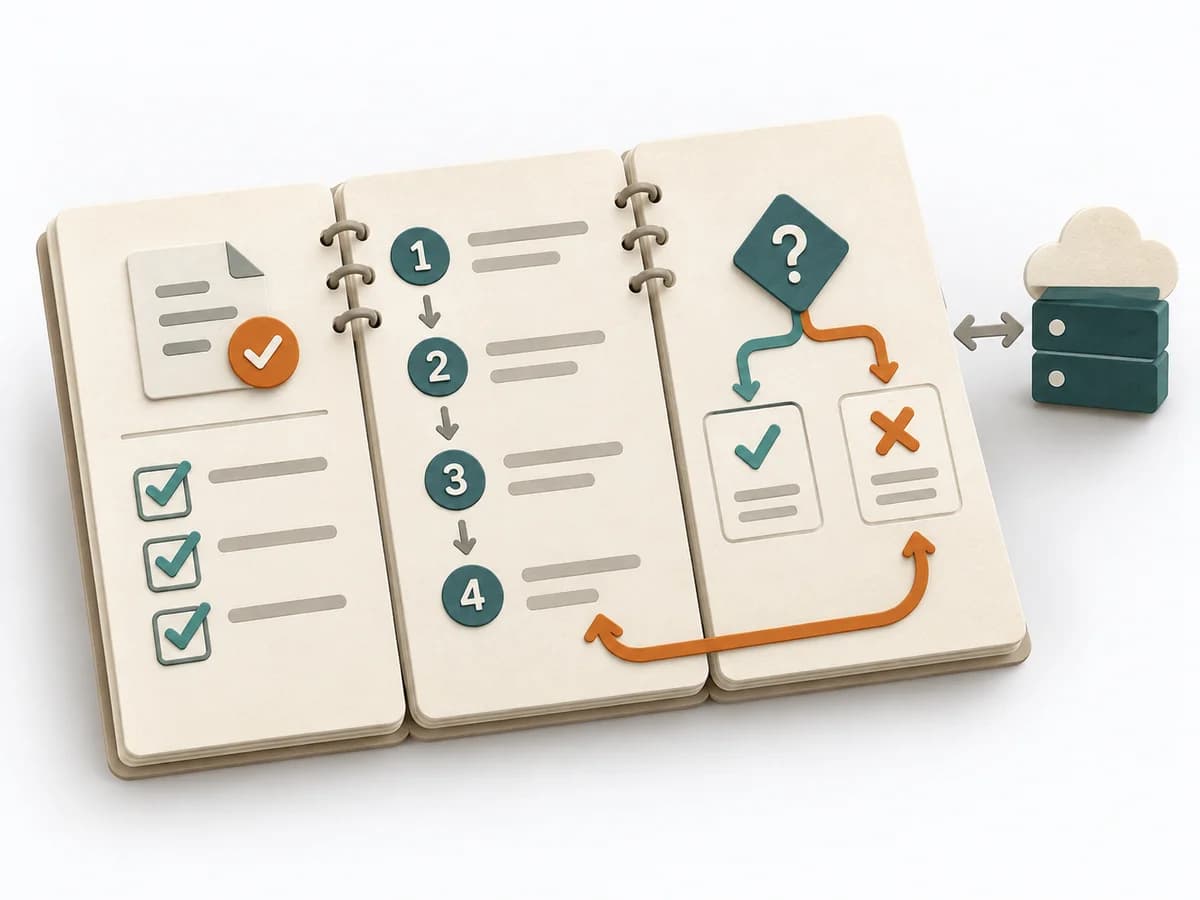
Phases may be revisited; their order supports the work but does not replace domain judgment.
Facts
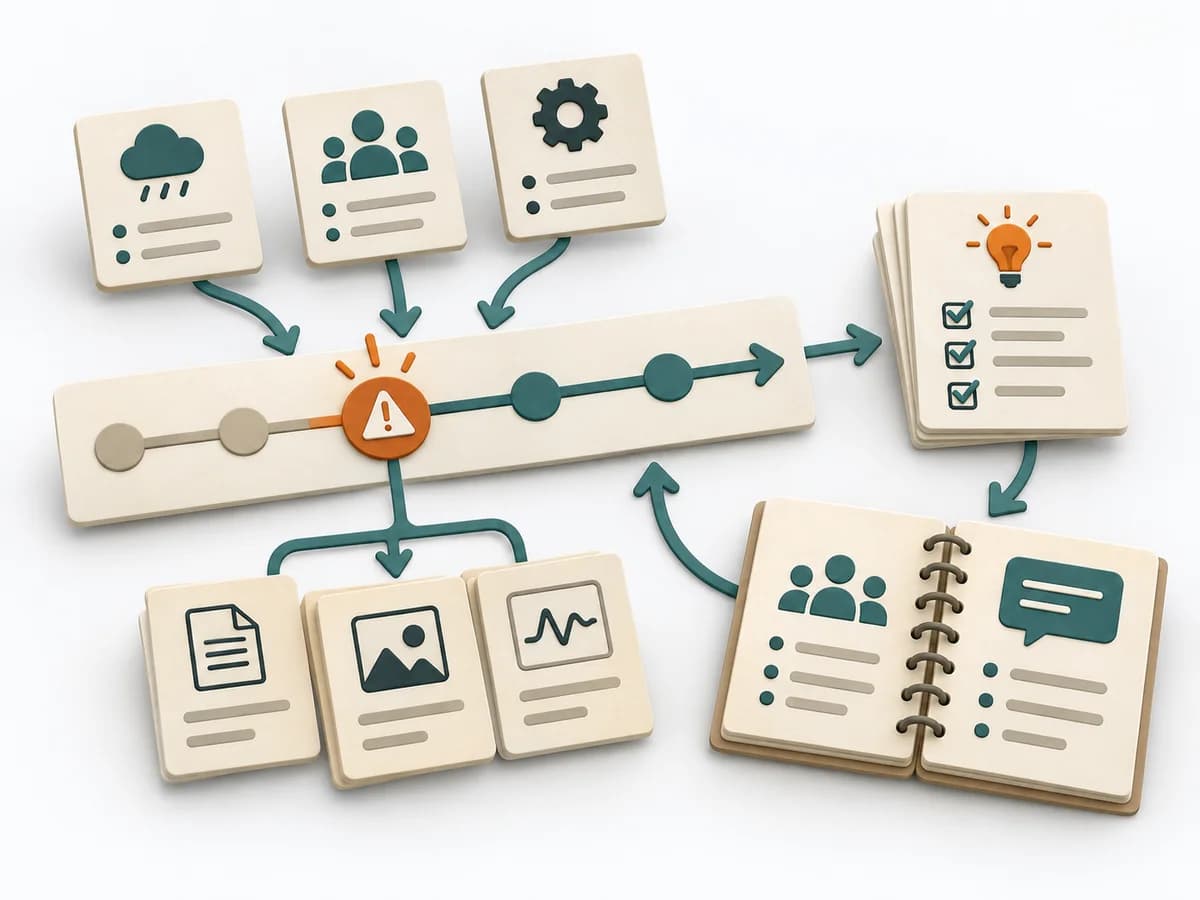
Bound the incident, invite participants, and preserve logs, status notes, and timestamps.
Timeline
Order events, decisions, signals, and impact with sources; mark unknowns.
Conditions
Explore system conditions that explain actions and outcomes; do not seek a person to blame.
Actions
Define concrete prevention, detection, or mitigation actions with owners and dates.
Review the result and open assumptions at the next suitable checkpoint. Record changes, ownership, and new evidence.
Use when: A resolved incident worth reviewing, with participants, evidence sources, and a safe learning environment.

Working picture with bounded incident, participants, and preserved logs, status notes, and timestamps.

The analysis describes system conditions that explain actions and the course of the incident. It focuses on improvements to the system.

Concrete prevention, detection, or mitigation actions with owners and dates.
Fictional worked example
After an incident, examine how events and system conditions interacted and derive trackable improvements.
Record incident ID, impact, period, and review purpose.
Fictional: booking confirmation delayed; 23 minutes, affected sessions documented.
Order events with source and contemporaneous knowledge.
10:02 config change; 10:14 queue alert; 10:25 rollback; 10:31 backlog cleared.
Record process, tool, and system conditions plus uncertainty.
Late alert threshold; rollback procedure unpracticed; no automatic reversion.
Add prevention/detection/mitigation action, owner, and date.
Review alert threshold (SRE, Sep 30); rehearse rollback (service team, Oct 7).
Fictional: a configuration change blocks booking confirmations for 23 minutes. Alerting shows queue growth only after 12 minutes; rollback follows manual escalation. The report records timeline, unclear alert threshold, and untested rollback. Actions: review threshold, automate rollback, assign owner and date.
Start with a bounded question, clarify access and participants, and collect available evidence. After an incident, examine how events and system conditions interacted and derive trackable improvements.
After an incident with damage or a near miss, the method creates a sober field for learning without assigning blame. It directs attention to the course of events, conditions, and effective countermeasures.
The incident is reconstructed so facts and decisions stay traceable without turning people into the target of explanation. This makes systemic contributions and everyday signals stand out more clearly. The resulting improvements aim at robustness rather than personal justification.
A Blameless Postmortem builds learning capacity after incidents because it reconstructs decisions in context instead of hunting for culprits. Timeline, impact, contributing factors, and measures need a clean separation. The value comes when the team derives better safeguards, signals, or recovery paths and the story of the incident stays traceable.
Secure timeline, logs, screenshots, and decisions made while the incident is still fresh in memory. The mood stays constructive when wording describes conditions, signals, and trade-offs instead of judging people. Close with system changes, a follow-up path, and a date to check whether the measures were effective.
The method guide walks execution through 4 phases, timing, 4 pitfalls, and clear stop criteria.
Open method guideYour perspective
Your feedback helps shape the next improvements to methodatlas.
Prepare Blameless Postmortem with a clear question, roles, and sources.
To be confirmed
To be confirmed
Plan the full method Time: Set according to scope and available evidence
Complete this worksheet on paper or in your own document during the work.
Record incident ID, impact, period, and review purpose.
...
Order events with source and contemporaneous knowledge.
...
Record process, tool, and system conditions plus uncertainty.
...
Add prevention/detection/mitigation action, owner, and date.
...
Blank worksheet: start with a bounded question. Enter observed facts only, mark assumptions, and record open questions and sources.
Using SRE to meet reliability challenges · Google Cloud
Expected artifact: Bounded incident with preserved evidence
Bounded incident with preserved evidence
Entry:
...
Expected artifact: Evidence-based timeline
Evidence-based timeline
Entry:
...
Expected artifact: Systemic contributing conditions without blame
Systemic contributing conditions without blame
Entry:
...
Expected artifact: Trackable improvement actions
Trackable improvement actions
Entry:
...
...
Method guide: https://methodatlas.meierhoff-systems.de/en/methods/blameless-postmortem/run-sheet
Fitting alternatives with decision guidance, followed by other related methods.
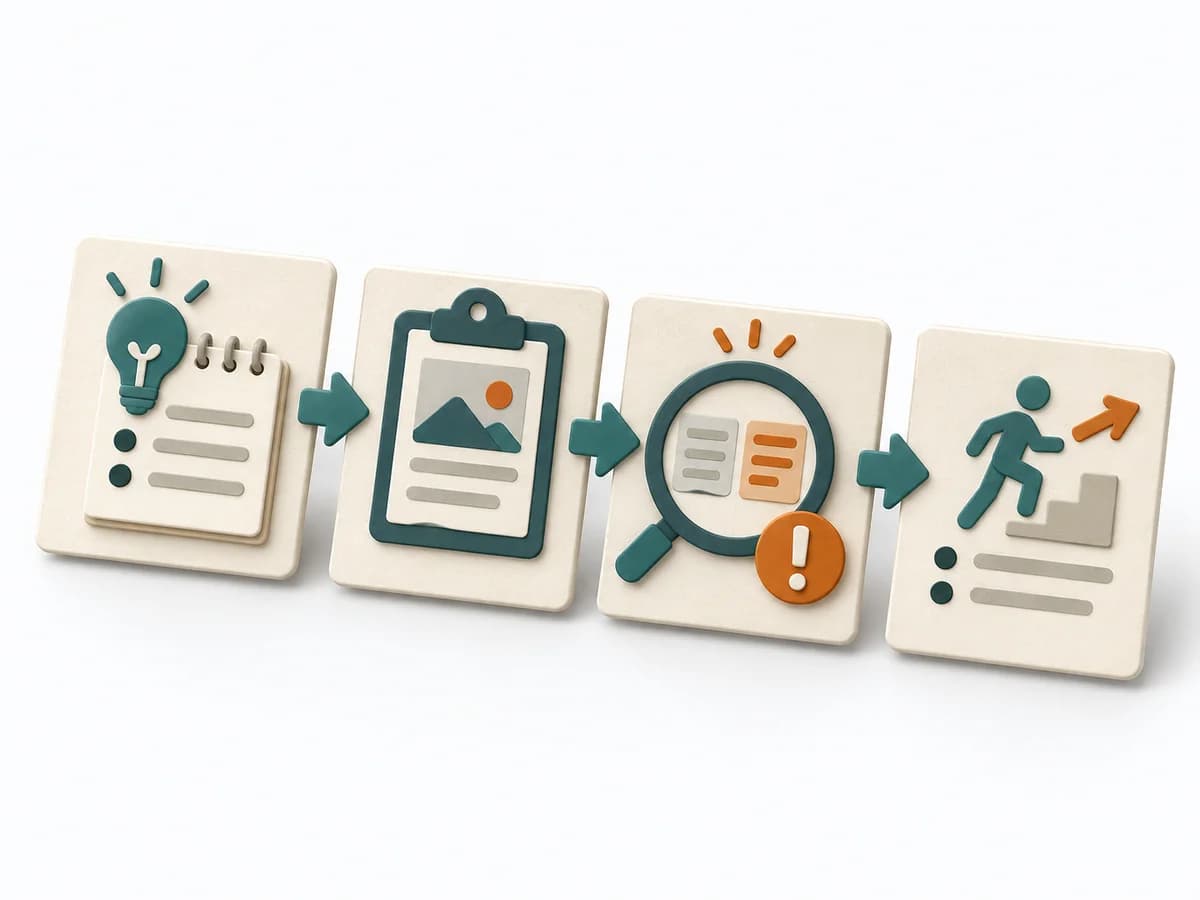
Instead of Blameless Postmortem, when you want to learn quickly after an event and capture concrete improvements.
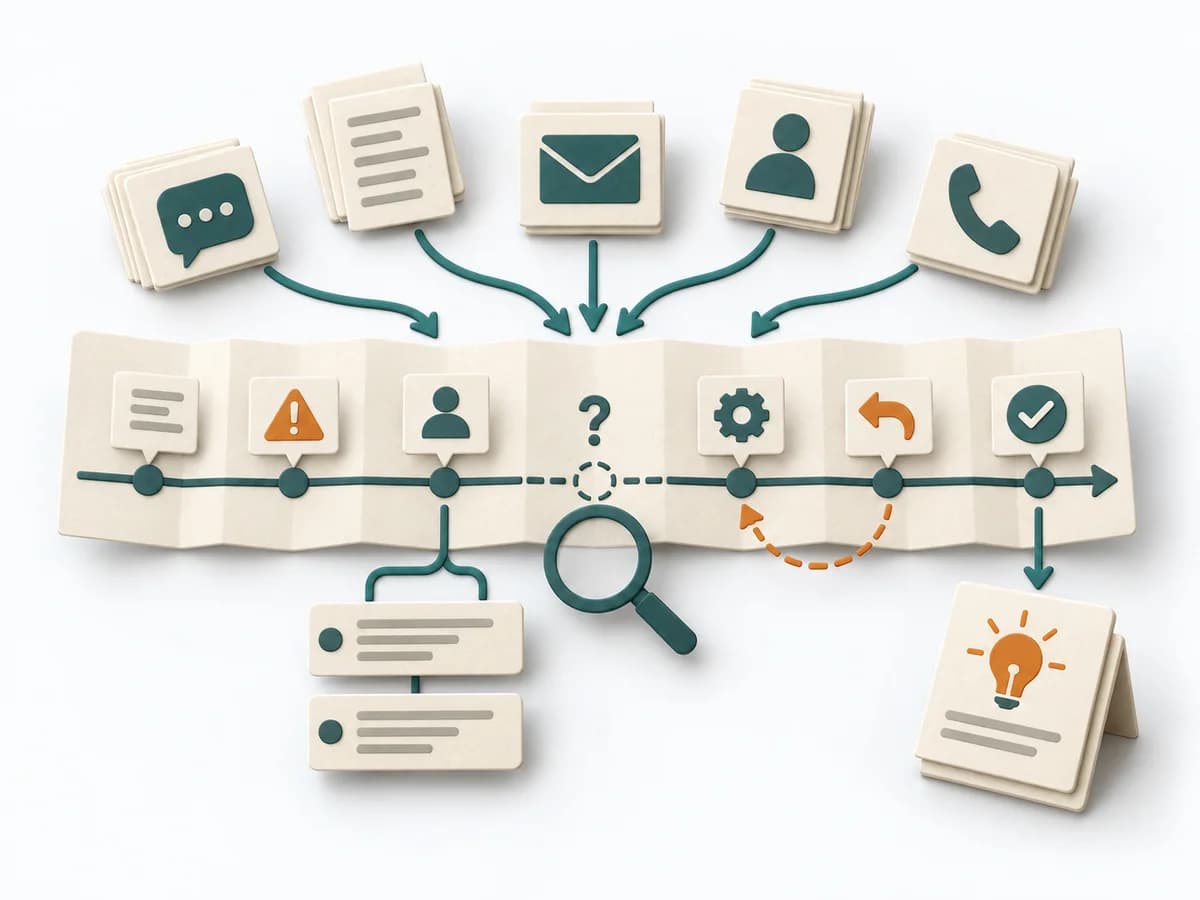
Arranges events, decisions, and delays chronologically and makes causes and lessons learned visible.
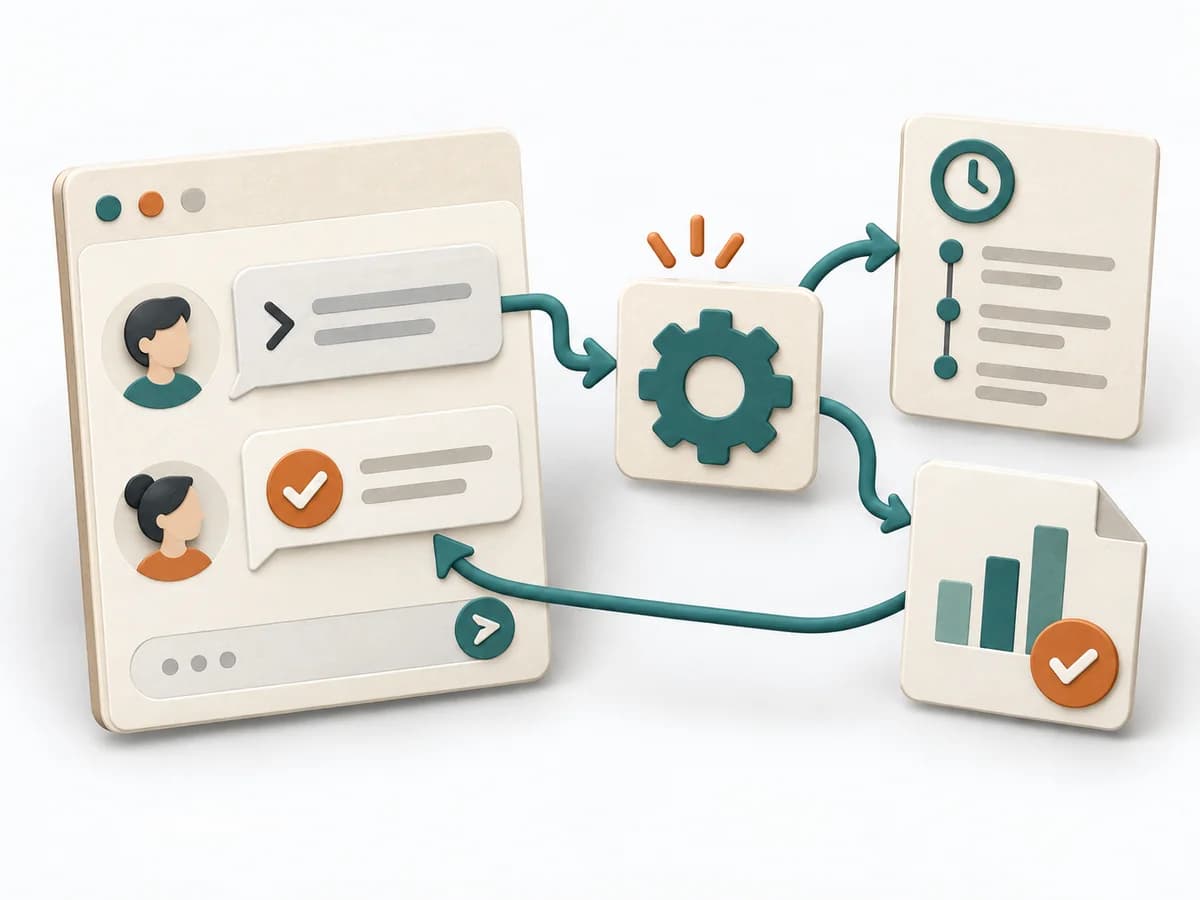
Moves incident response into a shared thread, connects alerts with commands, and keeps decisions traceable.
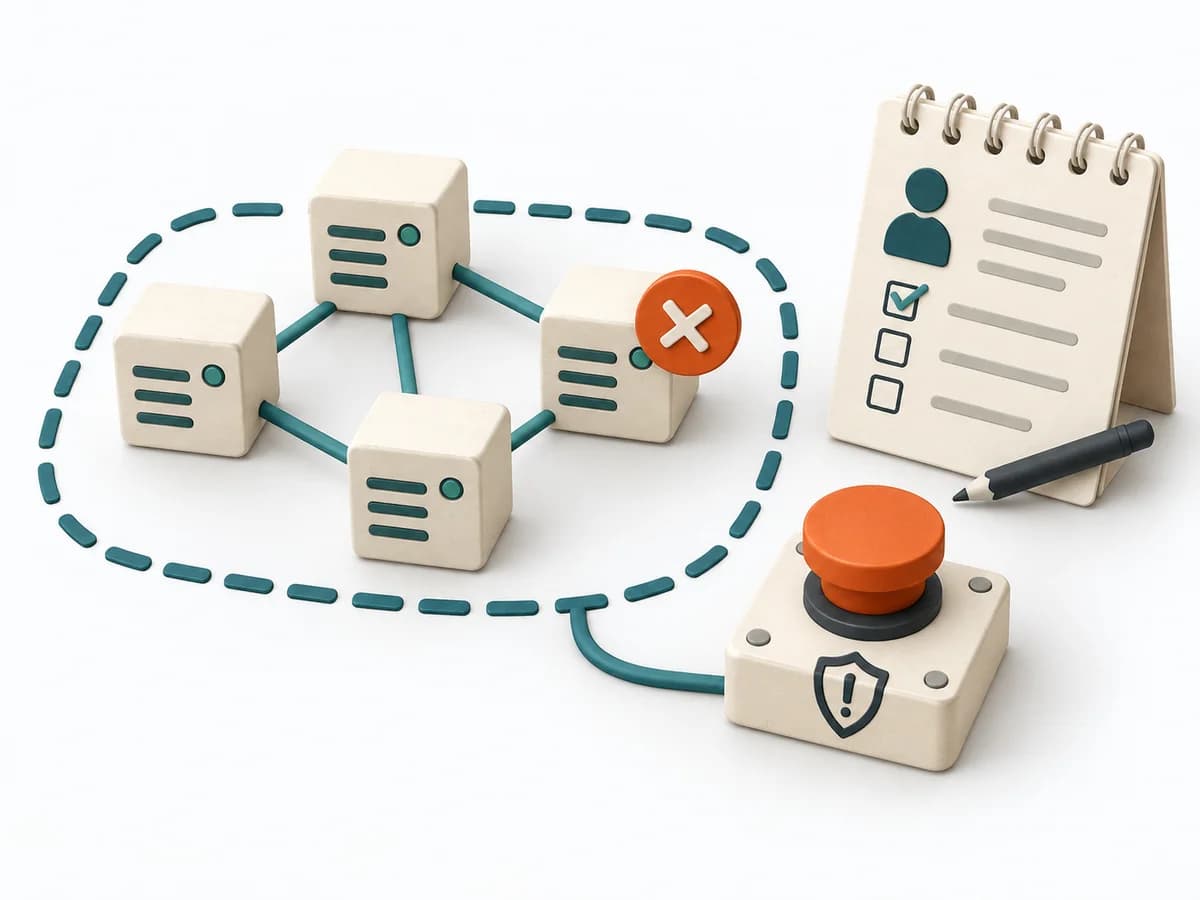
Simulates realistic incident scenarios, exposes gaps in response and runbooks, and improves preparedness.
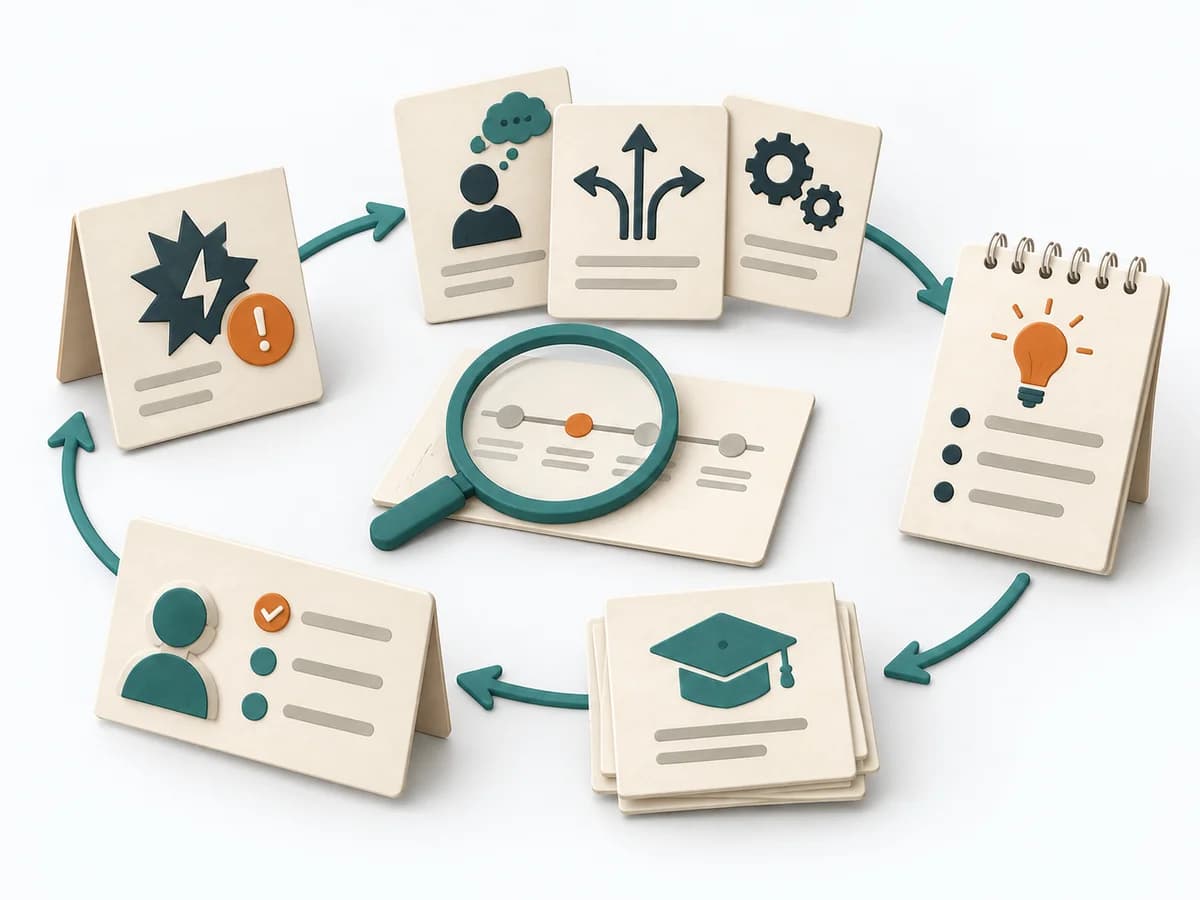
Examines an incident with a view to decisions, assumptions, and system factors, and records the resulting lessons.

Makes patterns from a sprint visible and derives concrete improvements for the next work cycle.