Purpose
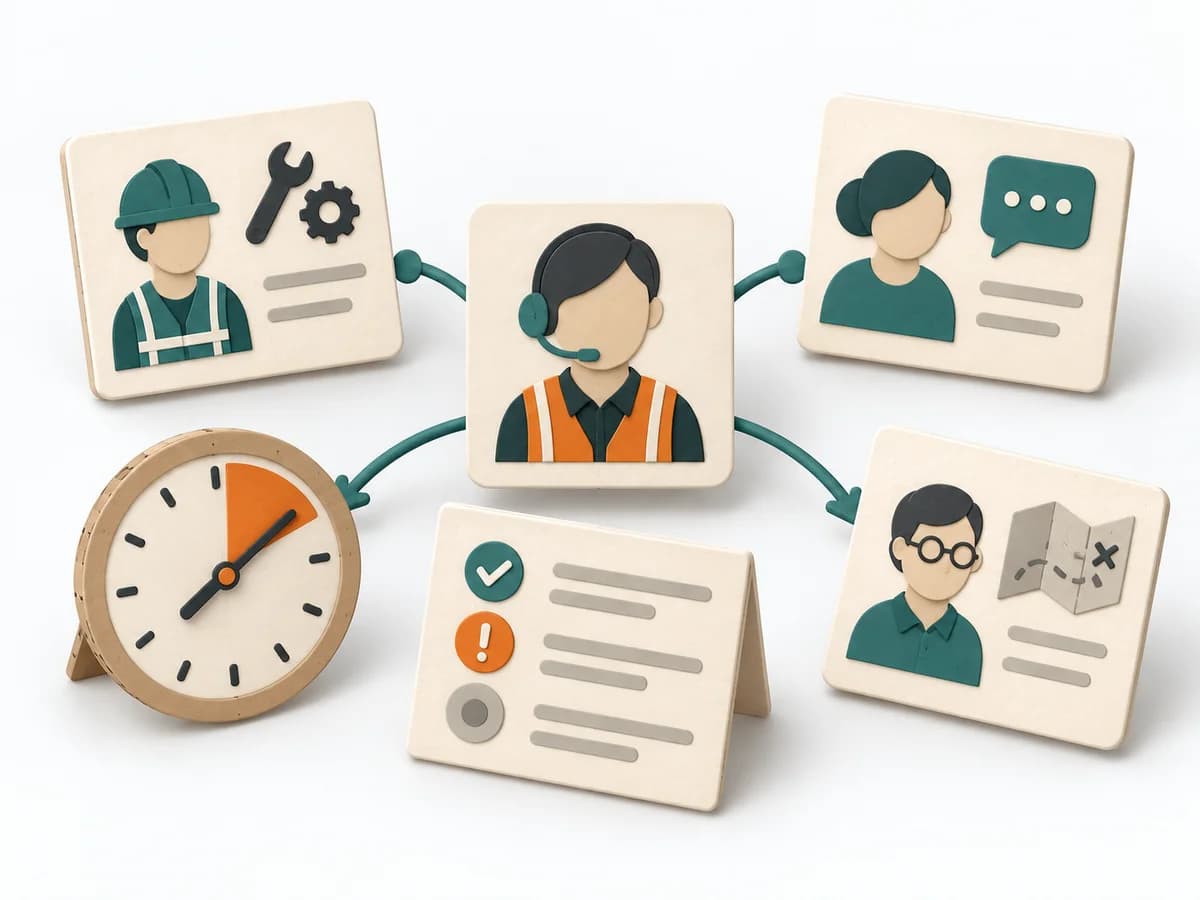
In preparing for rare incidents, the method tests response capability under controlled conditions. It shows where assumptions about stability, roles, and recovery are too optimistic.
DevOps Workshop method
Rehearses controlled failure scenarios to check resilience, procedures, and team coordination.
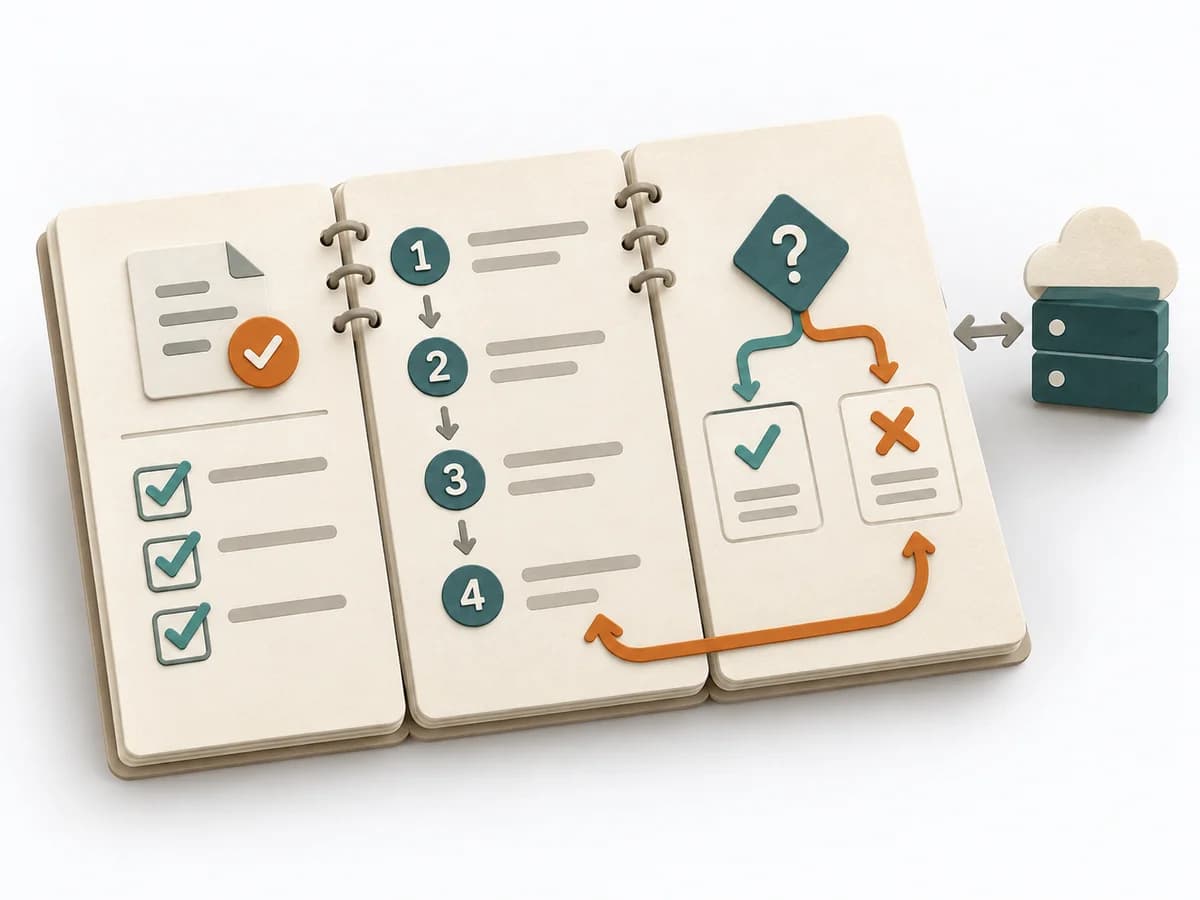
Game Day examines resilience, operational procedures, and team coordination through controlled failure exercises. Observations show which safeguards and procedures work and where further improvements are needed.
Can the system and response team safely detect and handle this bounded failure scenario?
Phases may be revisited; their order supports the work but does not replace domain judgment.
Objective
Choose a critical service and learning goal; check blast radius and safe environment.
Boundaries
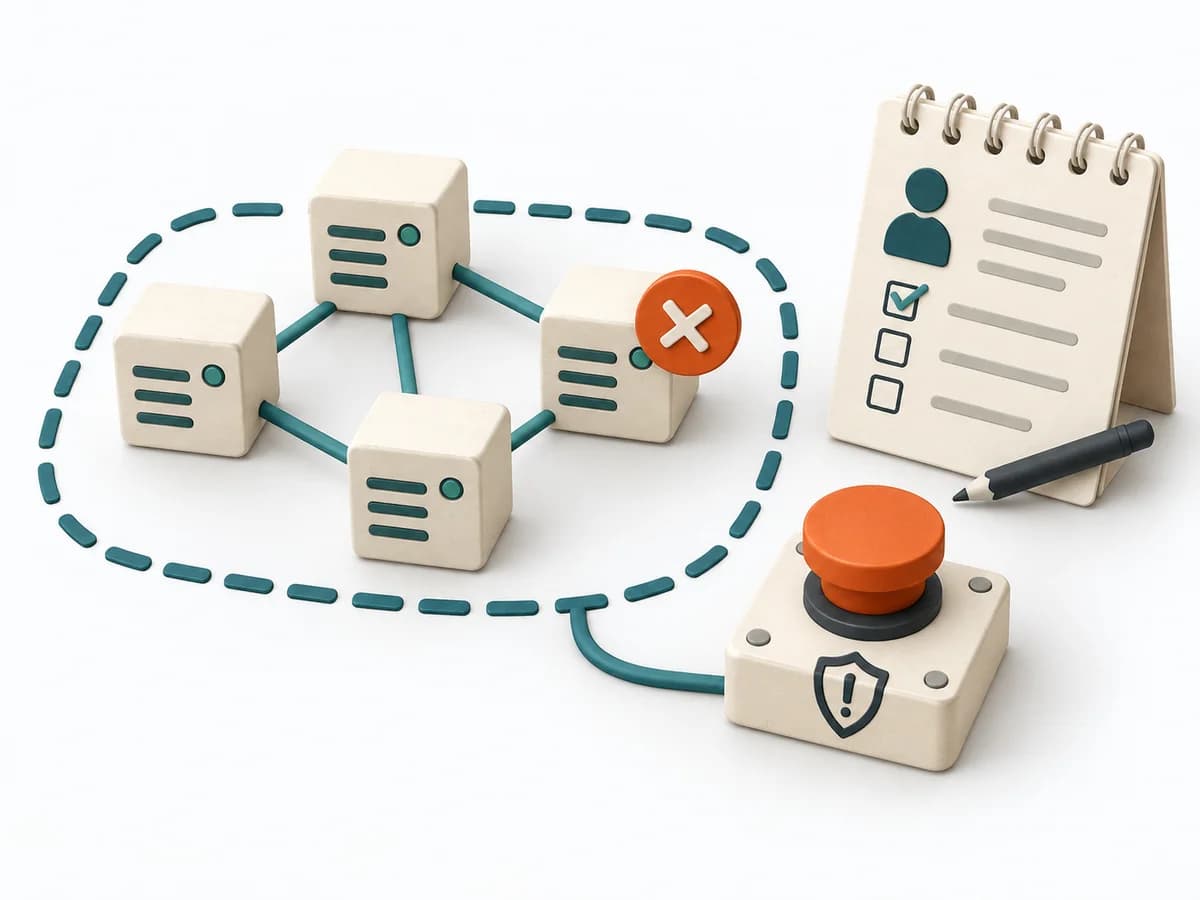
Inform responders, observers, and stakeholders; define kill switch and success signals.
Execution
Inject the planned fault, observe system and response; stop if safety thresholds are breached.
Learning
Restore normal state; capture observations, actions, owners, and next exercise date.
Review the result and open assumptions at the next suitable checkpoint. Record changes, ownership, and new evidence.
Use when: A recurring exercise program with an approved scenario, safety boundaries, and relevant operations roles.
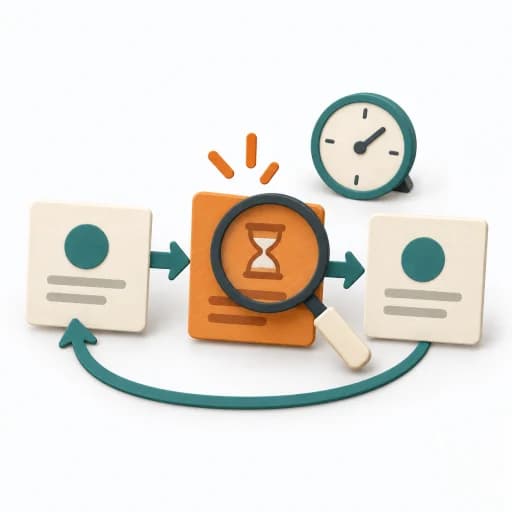
Critical service, learning goal, blast radius, and a safe exercise environment.
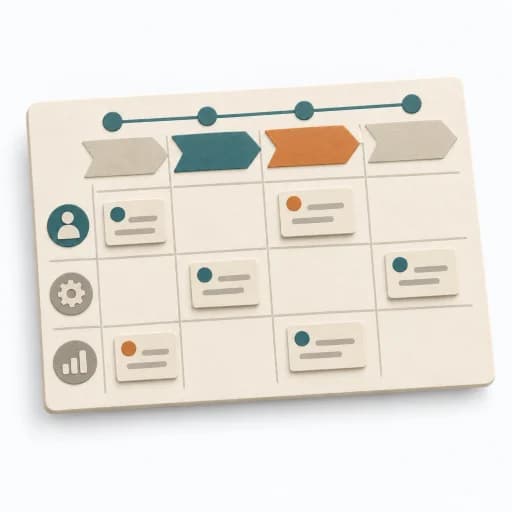
Planned fault, observed system behavior, and response within safety thresholds.

The exercise record documents restoration of normal operation, observations, actions, owners, and the next exercise date.
Fictional worked example
Regularly rehearse controlled failure scenarios to check resilience, procedures, and team coordination.
State learning goal, service, scenario, and environment.
Disable a read-only dependency in an isolated test environment.
Define participants, observation, kill switch, and thresholds.
No production traffic; safety lead holds immediate kill switch.
Capture alerts, system state, and response during exercise.
Alert within 2 min; fallback active; no data changes; user impact <5 min.
Record recovery, findings, owners, and next exercise.
Fictional finding: dashboard omits dependency. Owner adds visibility; retest next quarter.
Fictional exercise: a read-only dependency fails in a production-like test environment. Goal: detect alert, activate fallback, keep user impact under 5 minutes. Safety lead can stop at any time. Exercise reveals a missing dashboard alert; no production traffic is injected.
Start with a bounded question, clarify access and participants, and collect available evidence. Regularly rehearse controlled failure scenarios to check resilience, procedures, and team coordination.
In preparing for rare incidents, the method tests response capability under controlled conditions. It shows where assumptions about stability, roles, and recovery are too optimistic.
A realistic scenario puts the system and the people involved under limited pressure so weaknesses become visible. What matters is less the perfect outcome than the behavior of the workflows under disruption. The insights improve readiness, coordination, and technical safeguards for the real case.
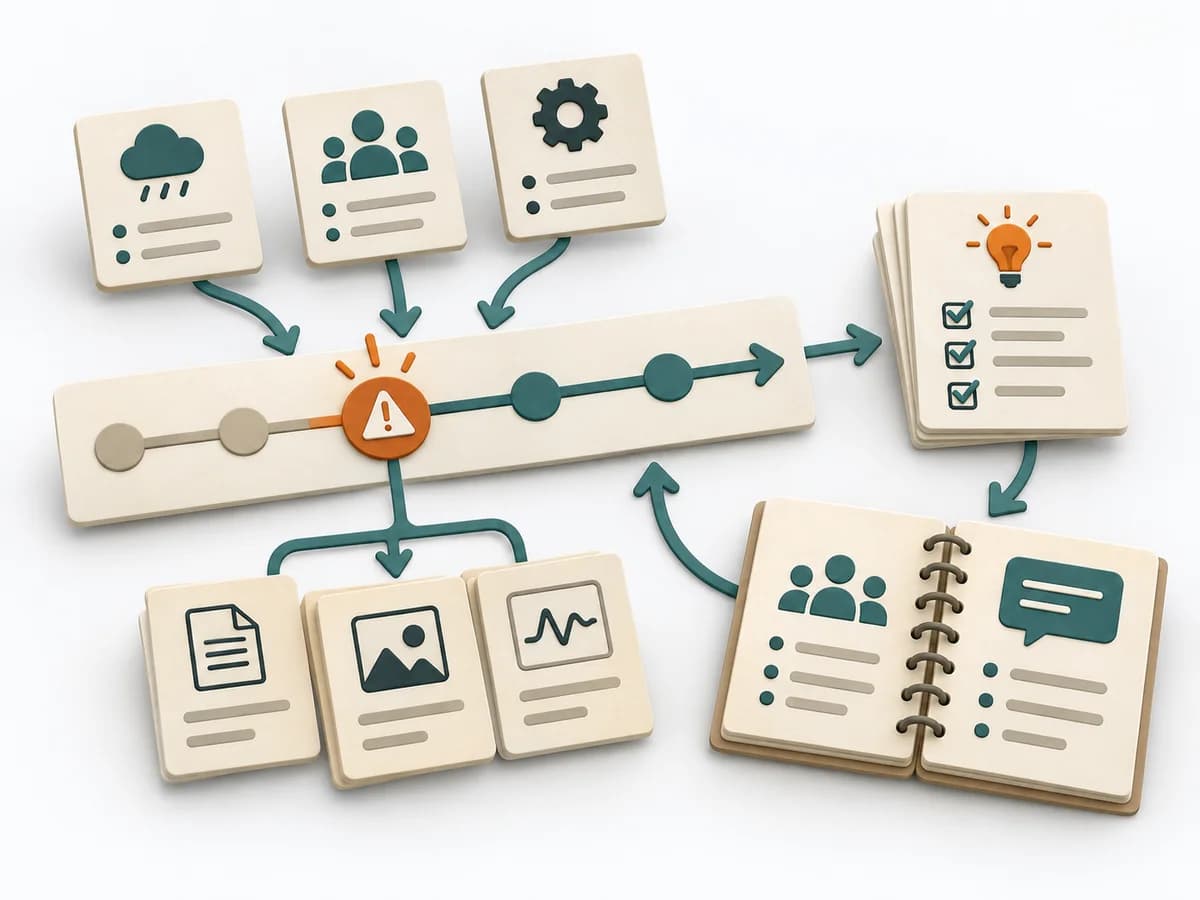
A Game Day tests readiness under controlled stress before a real outage tests the system. Realistic scenarios, observed roles, and deliberately protected environments make the difference. The value lies not in the spectacle but in visible gaps: missing runbooks, unclear responsibility, slow detection, or fragile recovery.
Before starting, scenario, safety boundaries, abort criteria, and observation points need the same clarity as a real operational exercise. The day becomes valuable where coordination, uncertainty, and recovery logic are taken just as seriously as technical restoration. End it with a few remediations, owners, and a date for the next drill.
The method guide walks execution through 4 phases, timing, 4 pitfalls, and clear stop criteria.
Open method guideYour perspective
Your feedback helps shape the next improvements to methodatlas.
Prepare Game Day with a clear question, roles, and sources.
To be confirmed
To be confirmed
Plan the full method Time: Set according to scope and available evidence
Complete this worksheet on paper or in your own document during the work.
State learning goal, service, scenario, and environment.
...
Define participants, observation, kill switch, and thresholds.
...
Capture alerts, system state, and response during exercise.
...
Record recovery, findings, owners, and next exercise.
...
Blank worksheet: start with a bounded question. Enter observed facts only, mark assumptions, and record open questions and sources.
Conduct game days regularly · AWS Well-Architected
Expected artifact: Bounded, approved failure scenario
Bounded, approved failure scenario
Entry:
...
Expected artifact: Participant, communications, and safety plan
Participant, communications, and safety plan
Entry:
...
Expected artifact: Observed system and team response
Observed system and team response
Entry:
...
Expected artifact: Tracked findings and retest plan
Tracked findings and retest plan
Entry:
...
...
Method guide: https://methodatlas.meierhoff-systems.de/en/methods/game-day/run-sheet
Fitting alternatives with decision guidance, followed by other related methods.
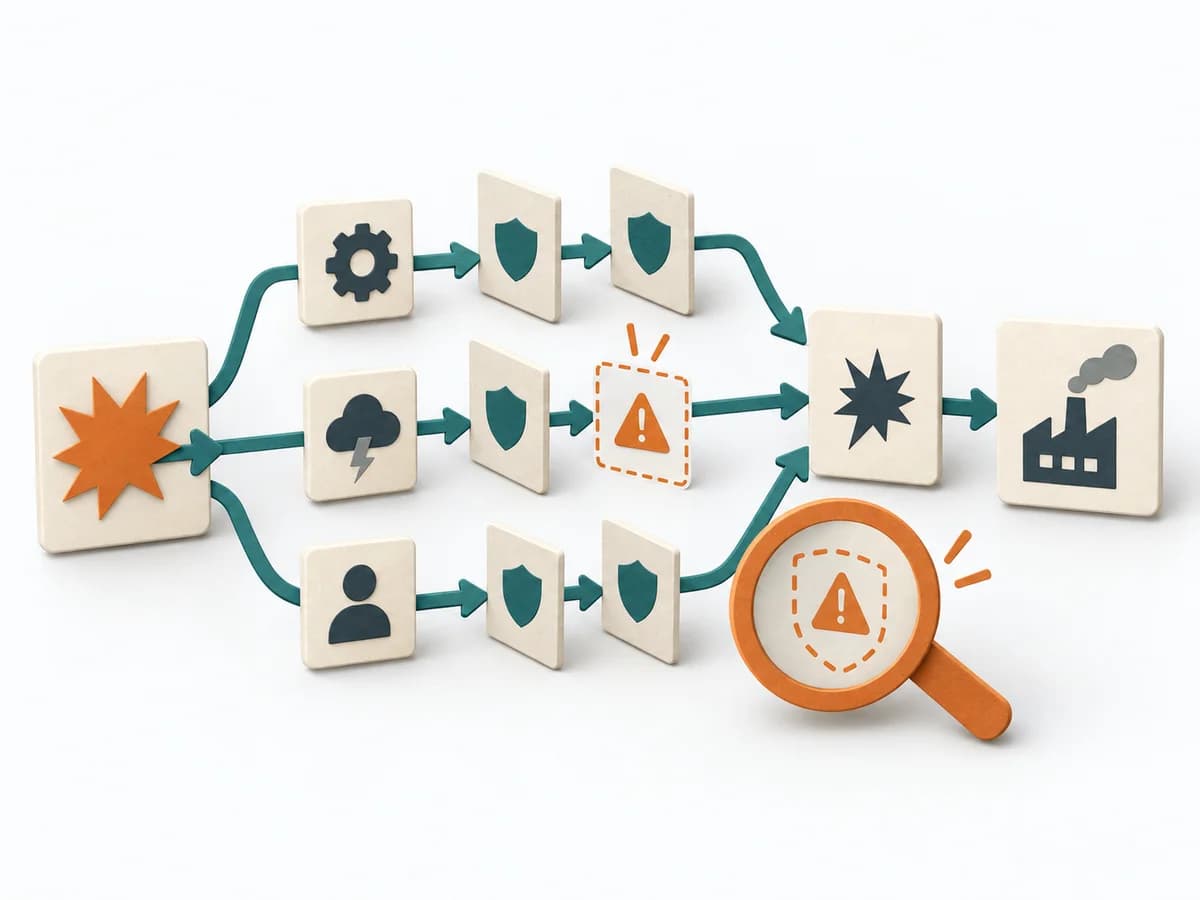
Instead of Game Day, when you want to analyze failure scenarios in advance without actually simulating the real event.
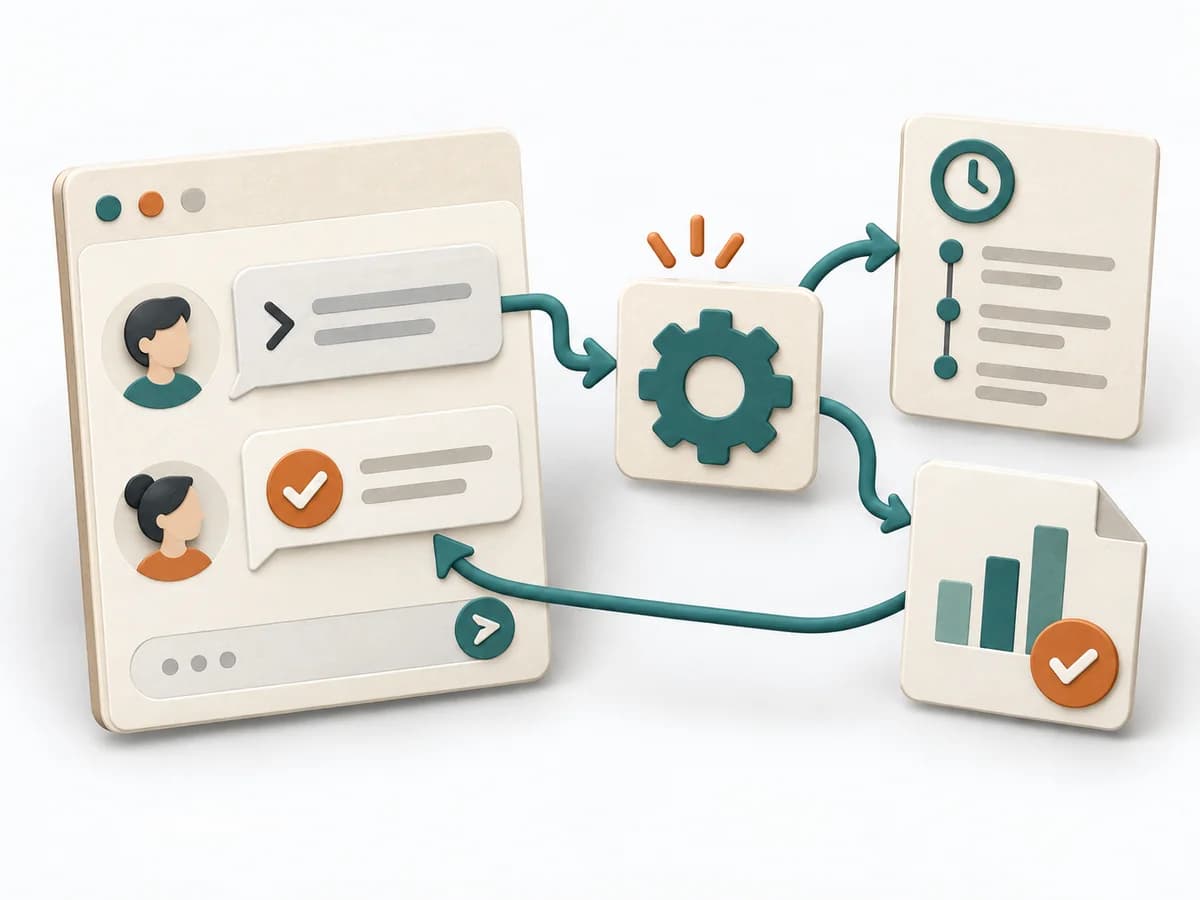
Moves incident response into a shared thread, connects alerts with commands, and keeps decisions traceable.
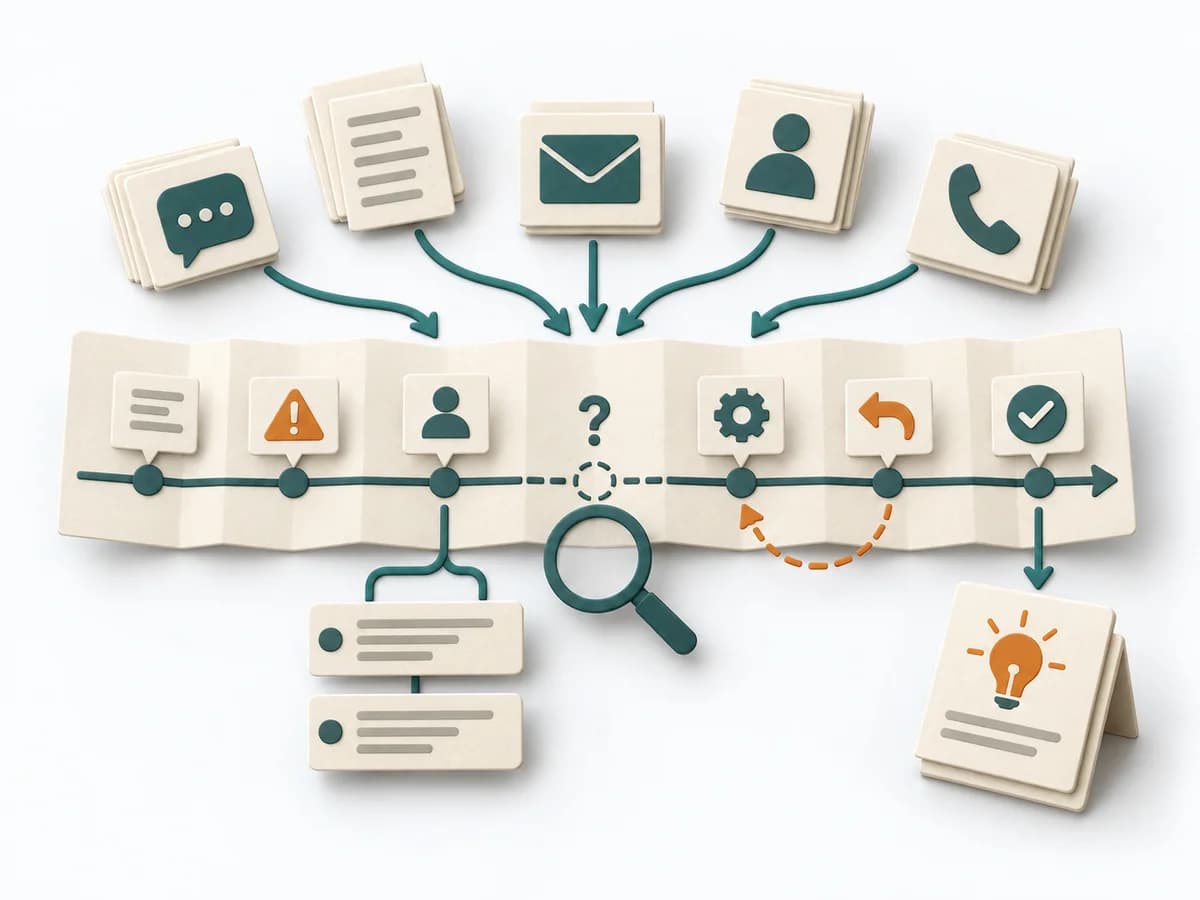
Arranges events, decisions, and delays chronologically and makes causes and lessons learned visible.
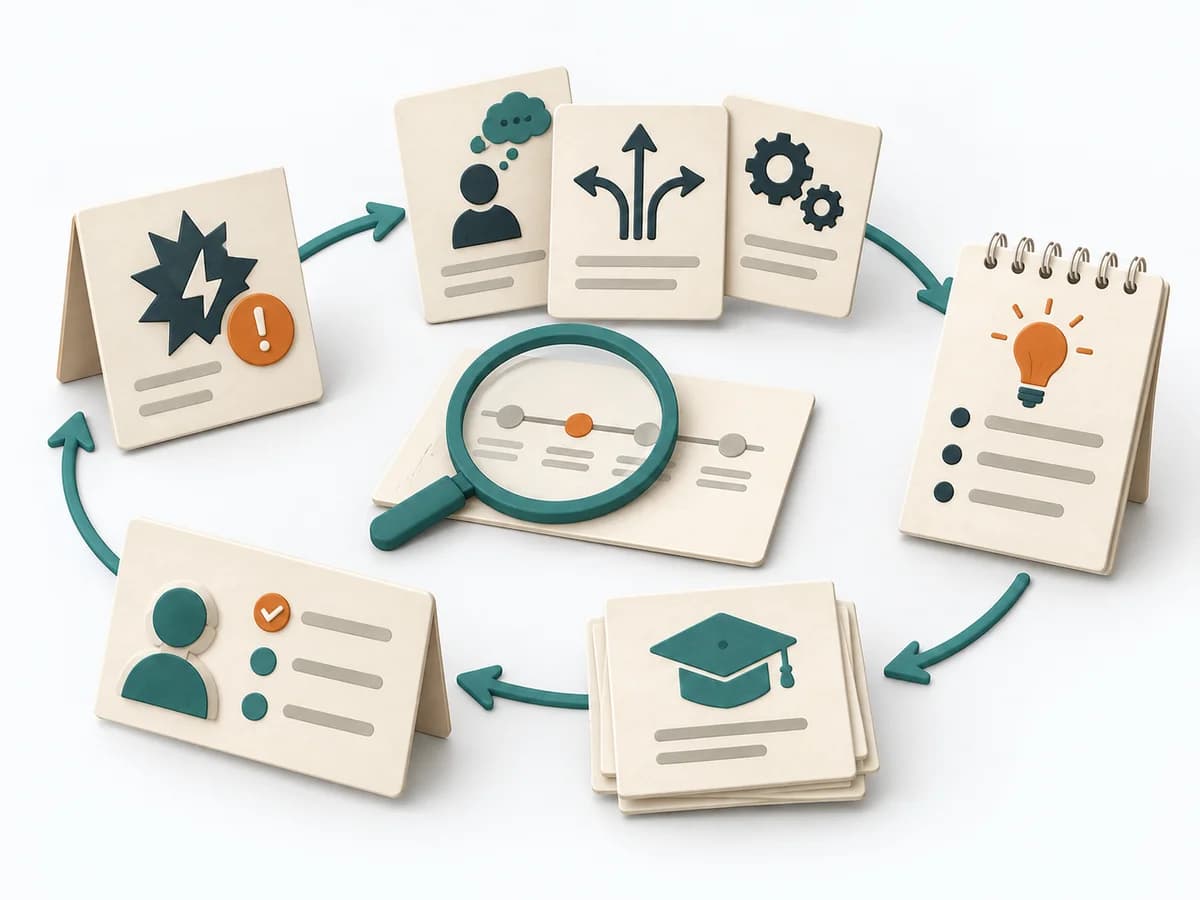
Examines an incident with a view to decisions, assumptions, and system factors, and records the resulting lessons.

Asks its way step by step to a controllable cause and stops only once an effective countermeasure is within reach.
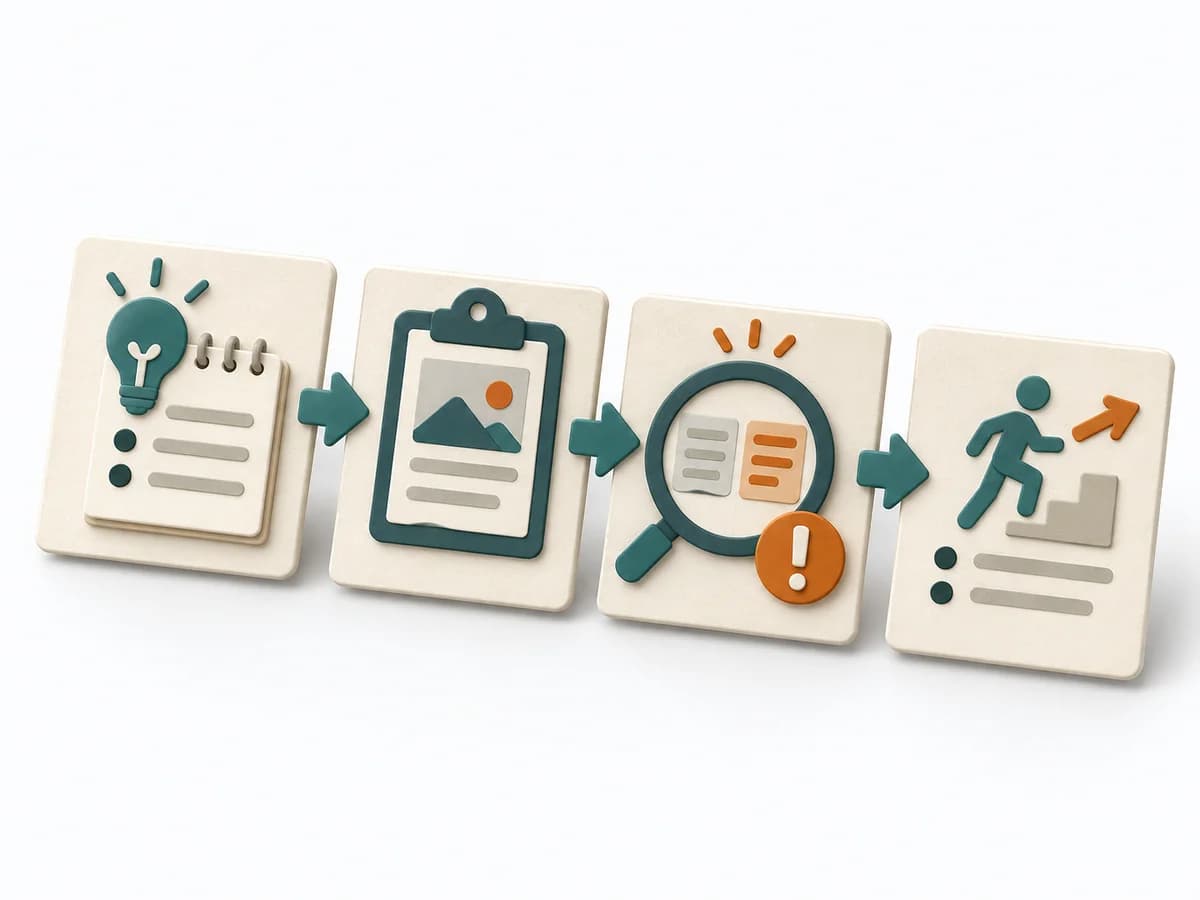
Compares goal and actual course, identifies deviations, and records concrete learning steps.