Purpose
For an incident with an unclear sequence, the method makes the timeline precisely visible. It separates perception, reaction, and delay so cause and effect become more clearly readable.
DevOps Mapping tool
Orders events, decisions, and delays chronologically and exposes causes and learning points.
Ereignisse werden aus verschiedenen Quellen zusammengeführt und chronologisch verdichtet. Dadurch werden Lücken, Parallelitäten und spätere Korrekturen erkennbar. Die Zeitlinie schafft eine belastbare Basis für die Bewertung von Reaktionsgeschwindigkeit und Entscheidungsqualität.
Which evidenced event sequence explains detection, response, and impact without projecting later knowledge into earlier decisions?
Evidence building, analysis, and effectiveness review form a multi-stage initiative.
Preserve
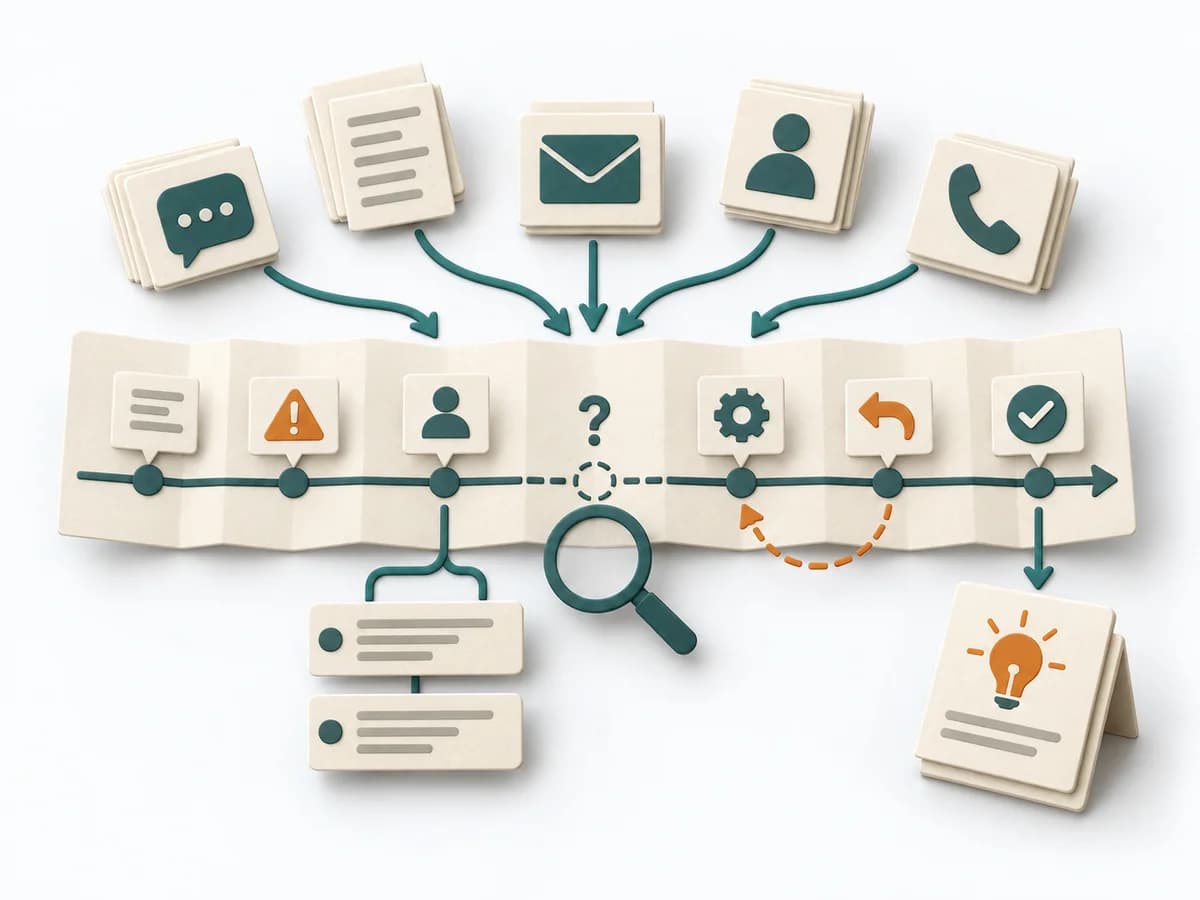
Preserve logs, alerts, deployments, tickets, and communication unchanged; align clocks and time zones.
Sequence
Order observable events by time, source, and actor; mark uncertainty as a range.
Context
Attach persistent conditions, information then available, and decision rationale.
Gaps
Investigate conflicts, missing periods, and open causal questions.
Learn
Derive detection, response, and system patterns; tie actions to evidence and effect signals.
Add new evidence at review and version decisions with the prior state.
Bei einem Incident mit unklarer Reihenfolge macht die Methode den zeitlichen Verlauf präzise sichtbar. Sie trennt Wahrnehmung, Reaktion und Verzögerung, damit Ursache und Wirkung sauberer lesbar werden.
Source-bound incident timeline with events, conditions, decisions, information state, gaps, and learning points.
Fictional example
Fictional values show the actual method fields.
| Event | Time | Source | Observation | Information state | Decision | Certainty |
|---|---|---|---|---|---|---|
| Pool riseAdd evidence and rationale. | 09:12 UTC | APM export | Pool at 95%; checkout timeouts begin | Dashboard shows checkout connections only | No decision yet | Confirmed |
| RestartAdd evidence and rationale. | 09:18 UTC | Incident log and chat | API is restarted | Batch load is invisible on dashboard | Restart per runbook | Confirmed |
| Batch pauseAdd evidence and rationale. | 09:31 UTC | Scheduler log | Batch is paused | Batch occupancy identified | Stop batch | Confirmed |
All values are fictional.
Set incident, period, and system boundary; preserve volatile sources and normalise time zones.
For an incident with an unclear sequence, the method makes the timeline precisely visible. It separates perception, reaction, and delay so cause and effect become more clearly readable.
Events from different sources are brought together and condensed chronologically. This reveals gaps, parallel occurrences, and later corrections. The timeline creates a solid basis for assessing response speed and decision quality.
Incident Timeline Analysis turns memories, logs, and chat histories into a shared factual base. The method orders observations, decisions, escalations, and countermeasures along the timeline. That makes detection delay, response delay, communication breaks, and effective interventions visible. The timeline then becomes the basis for root-cause analysis and improvement measures.
Collect logs, alerts, tickets, chats, and status messages before the review. Mark sources and uncertainties for each timeline entry. Moderate the chronology first and only then move to interpretations, causes, and actions.
The method guide walks execution through 5 phases, timing, 5 pitfalls, and clear stop criteria.
Open method guideYour perspective
Your feedback helps shape the next improvements to methodatlas.
Chronological template for incident reconstruction with sources and uncertainty.
Incident: ... Period: ... Sources: logs, alerts, chat, tickets
| Time | Event | Source | Confidence | Note |
|---|---|---|---|---|
| HH:MM | high/medium/low |
Set subject, evidence, roles, flow, and review.
To be confirmed
To be confirmed
Whole initiative Time: 2–8 hours for evidence preservation plus 60–120 minutes joint analysis.
Complete this worksheet on paper or in your own document during the work.
| Event | Time | Source | Observation | Information state | Decision | Certainty |
|---|---|---|---|---|---|---|
| Pool rise | ||||||
| Restart | ||||||
| Batch pause |
The blank worksheet contains prompts only.
Reference · original teaching example
Expected artifact: Source package
Preserve logs, alerts, deployments, tickets, and communication unchanged; align clocks and time zones.
Entry:
...
Expected artifact: Evidence timeline
Order observable events by time, source, and actor; mark uncertainty as a range.
Entry:
...
Expected artifact: Decision context
Attach persistent conditions, information then available, and decision rationale.
Entry:
...
Expected artifact: Resolved gaps
Investigate conflicts, missing periods, and open causal questions.
Entry:
...
Expected artifact: Learning plan
Derive detection, response, and system patterns; tie actions to evidence and effect signals.
Entry:
...
...
Method guide: https://methodatlas.meierhoff-systems.de/en/methods/incident-timeline-analysis/run-sheet
Fitting alternatives with decision guidance, followed by other related methods.
Instead of Incident Timeline Analysis, choose Root Cause Analysis when you want to systematically narrow down causes instead of stopping at symptoms.
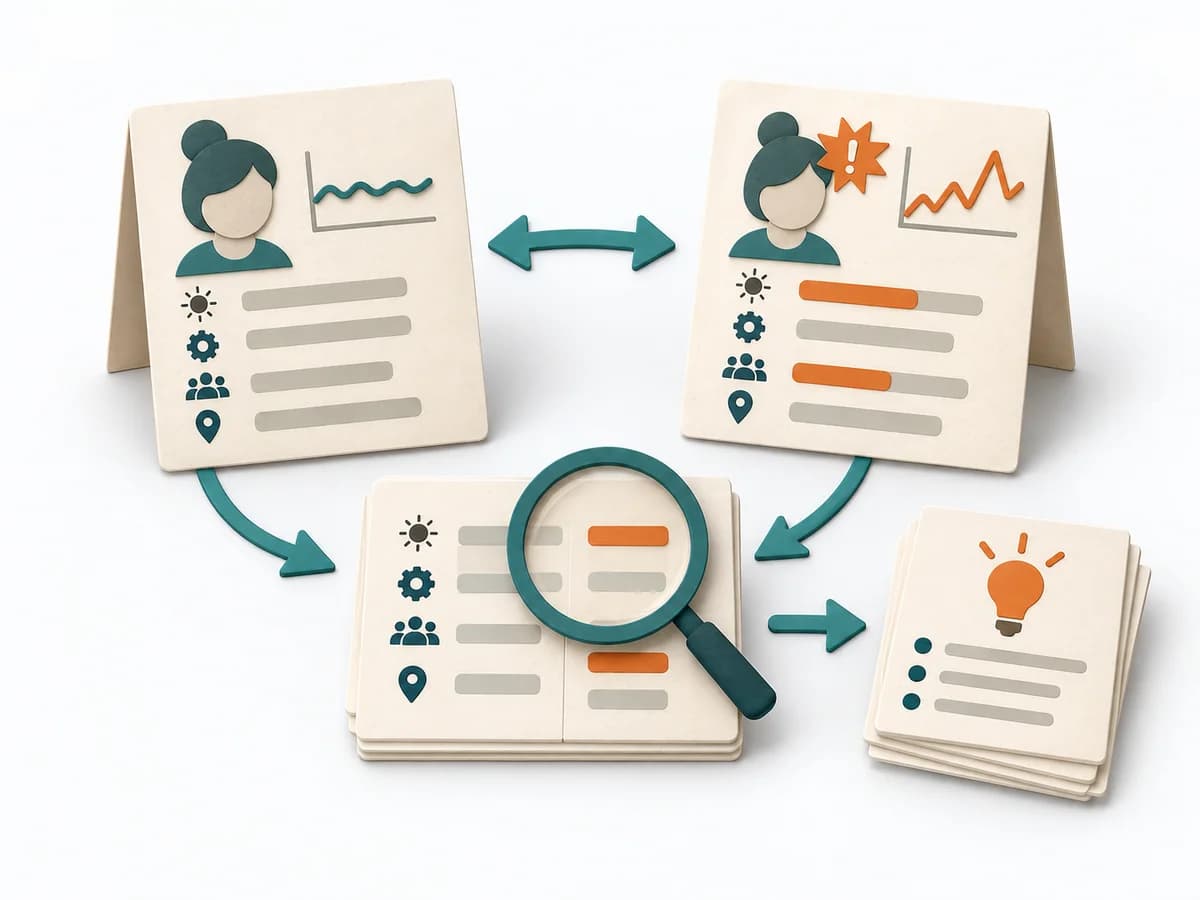
Instead of Incident Timeline Analysis, choose Change Analysis when you want to narrow down a disruption through recent changes and their effects.
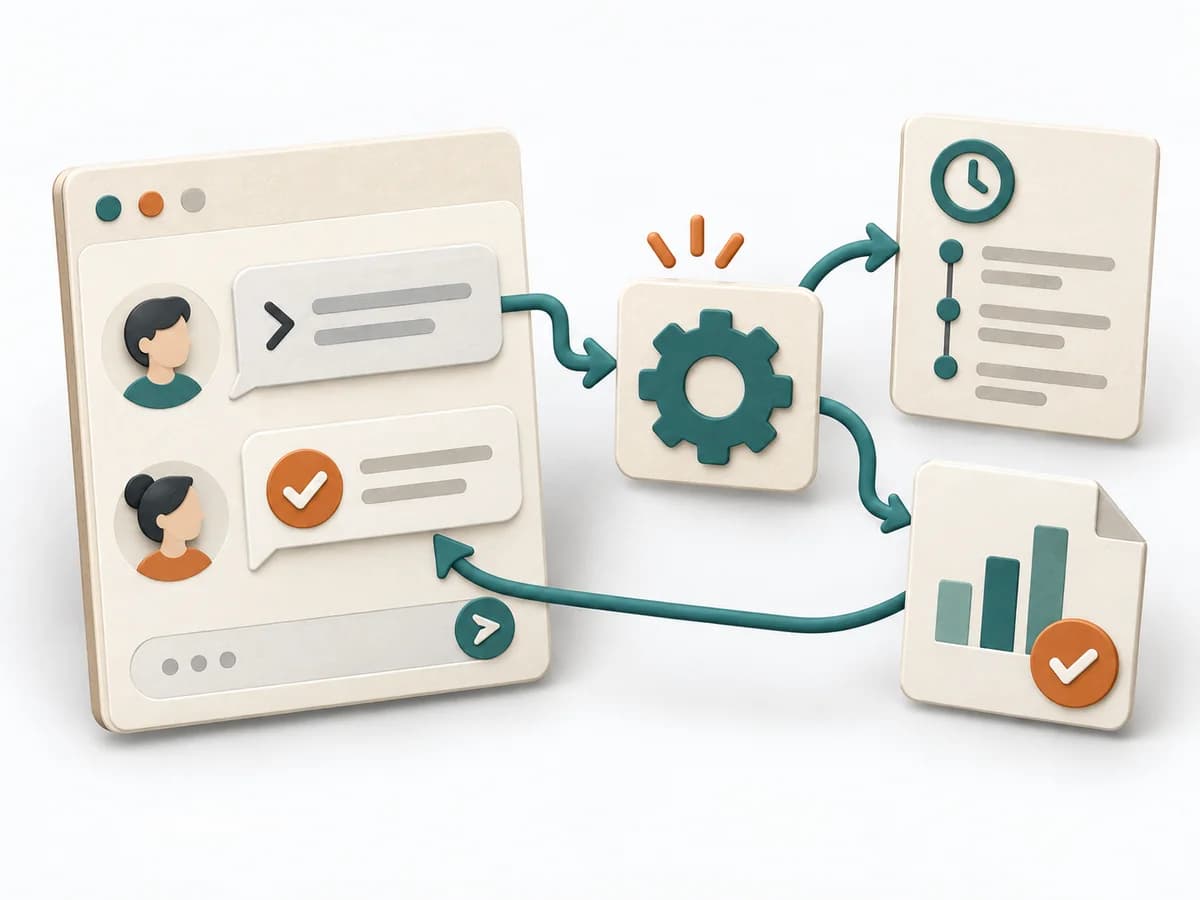
Moves incident response into a shared thread, connects alerts with commands, and keeps decisions traceable.
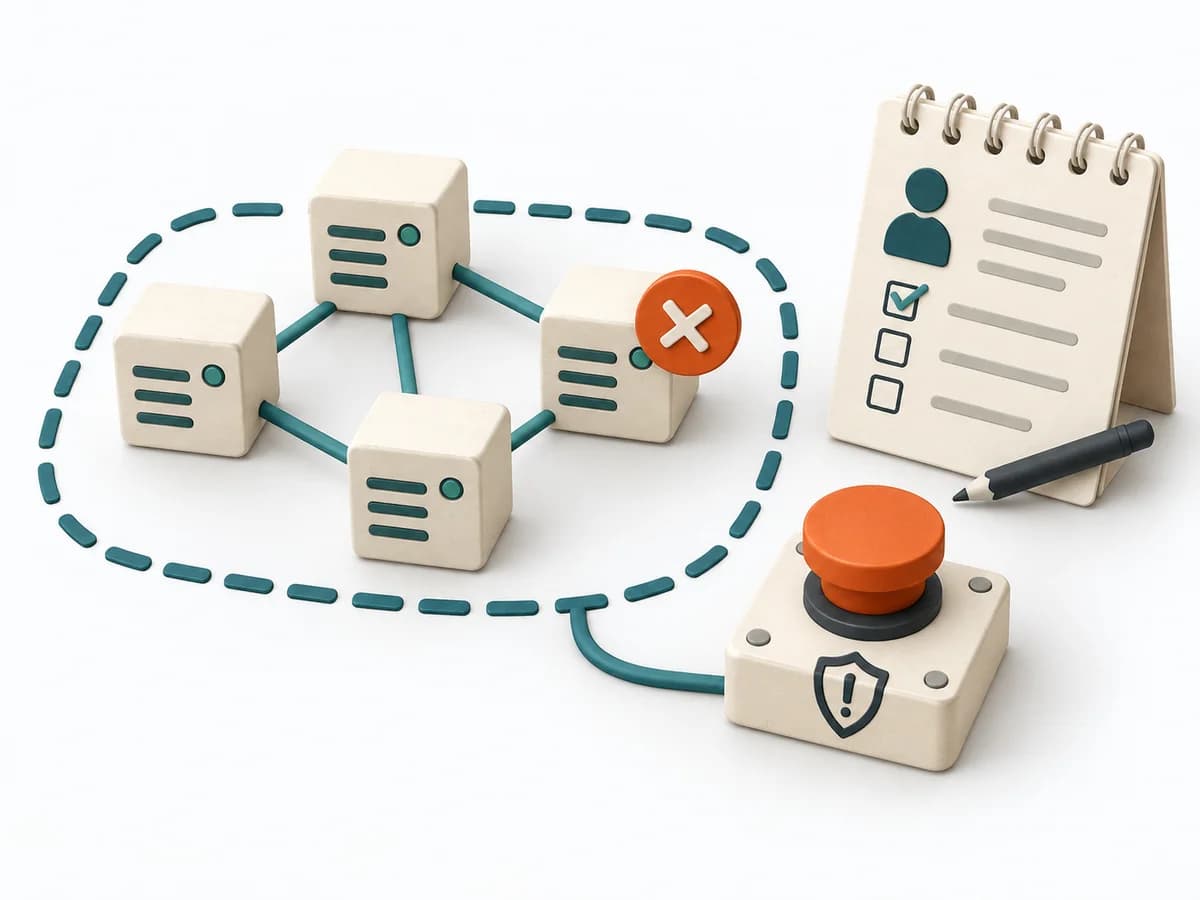
Simulates realistic incident scenarios, exposes gaps in response and runbooks, and improves preparedness.

Examines an incident with a view to decisions, assumptions, and system factors, and records the resulting lessons.
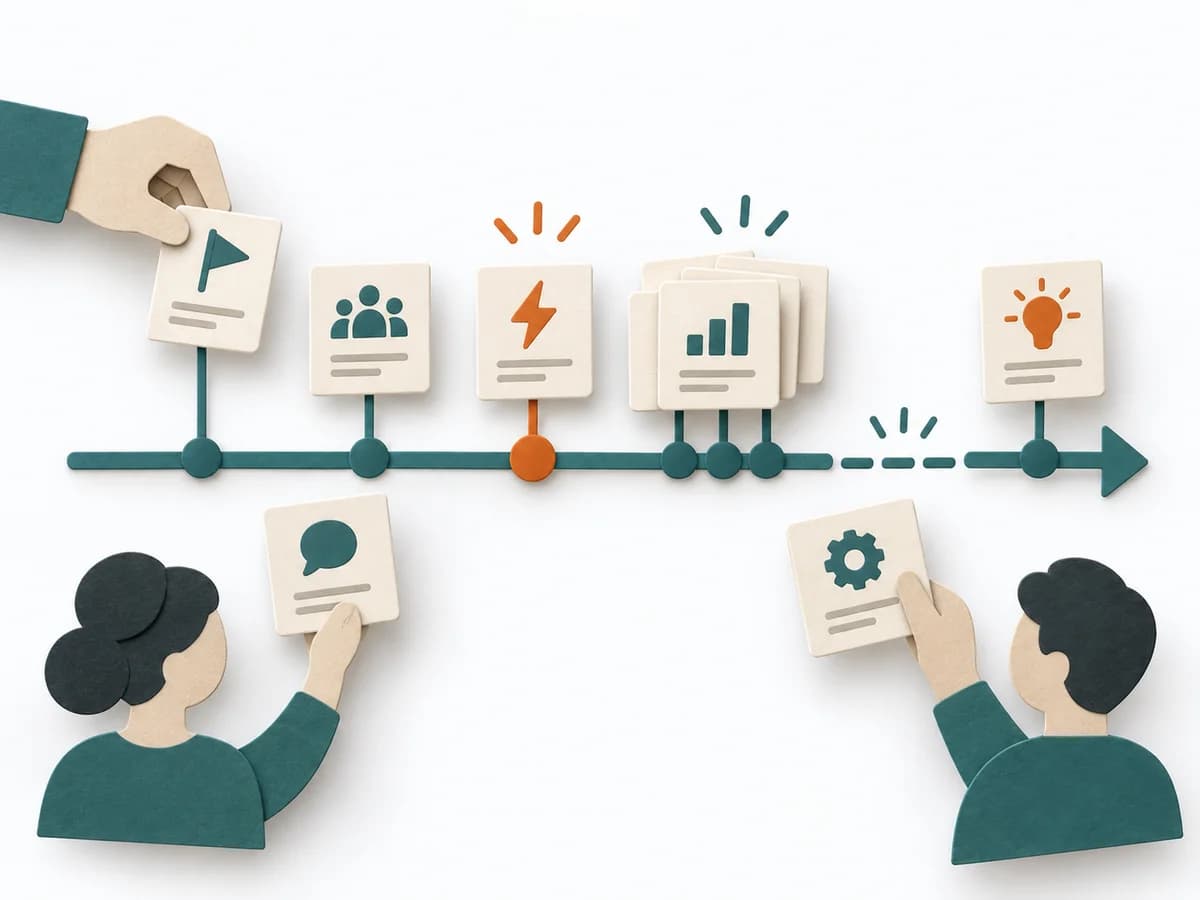
Condenses events into a chronological view of milestones, patterns, and dependencies.