Purpose
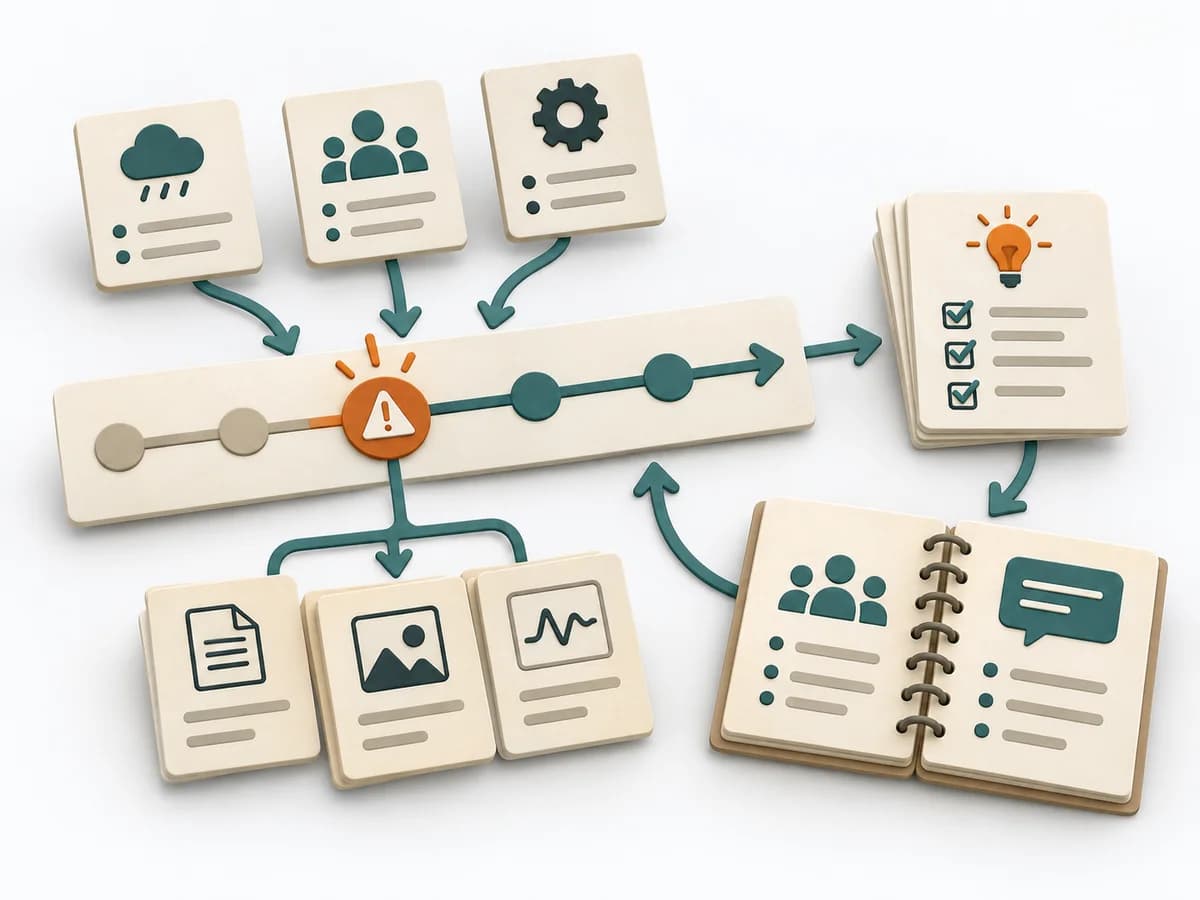
After a project phase with mixed results, the method makes learning from the individual case reusable. It connects events, decisions, and systemic conditions into robust insights.
Operations Operating practice
Examines an incident through decisions, assumptions, and system factors and records lessons.
Der Rückblick ordnet nicht nur den Verlauf, sondern auch die Annahmen und Signale, die das Handeln geprägt haben. So wird sichtbar, was im System verstärkt oder gebremst hat. Die daraus gewonnenen Einsichten prägen künftige Entscheidungen, statt als reine Erinnerung zu verblassen.
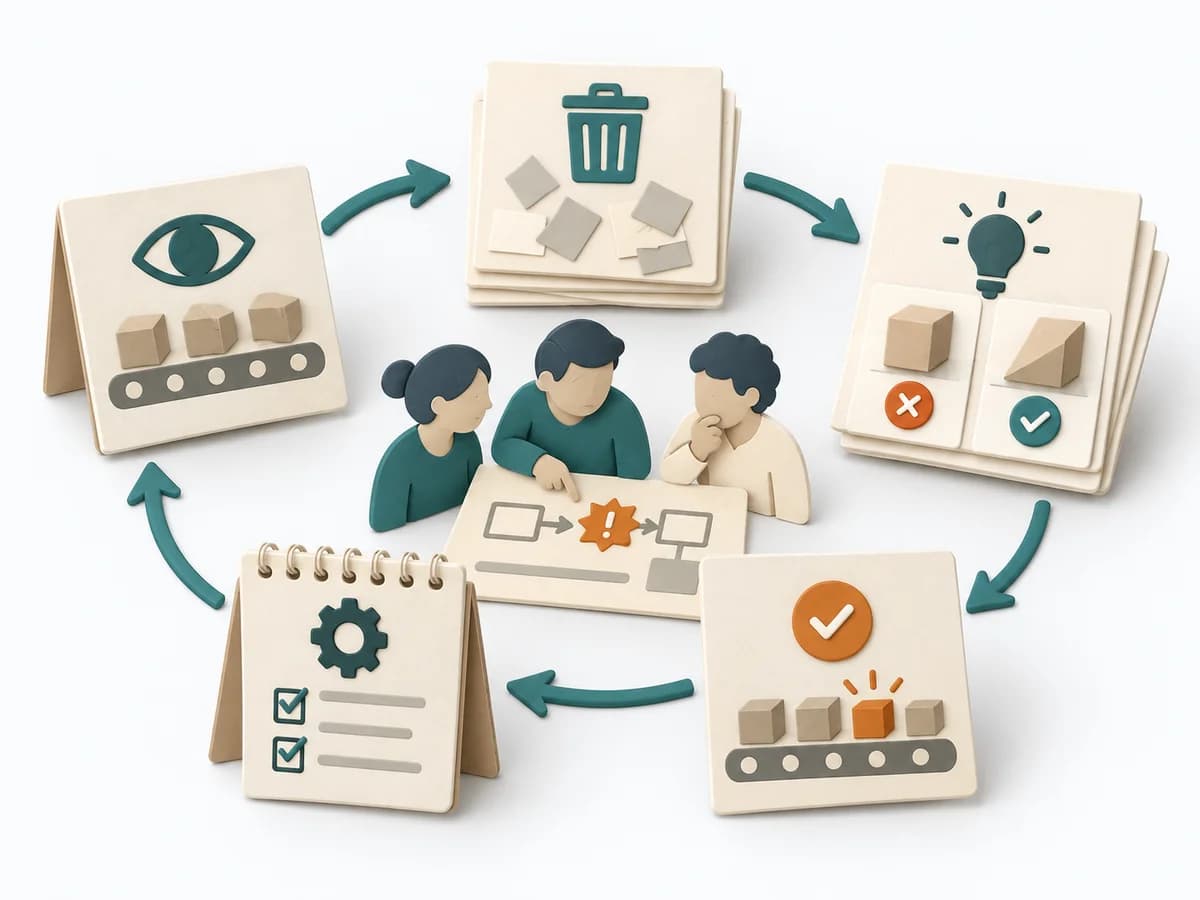
What can we learn from the actual course of events without reducing the analysis to individual blame?
The steps express the method mechanics in one complete run.
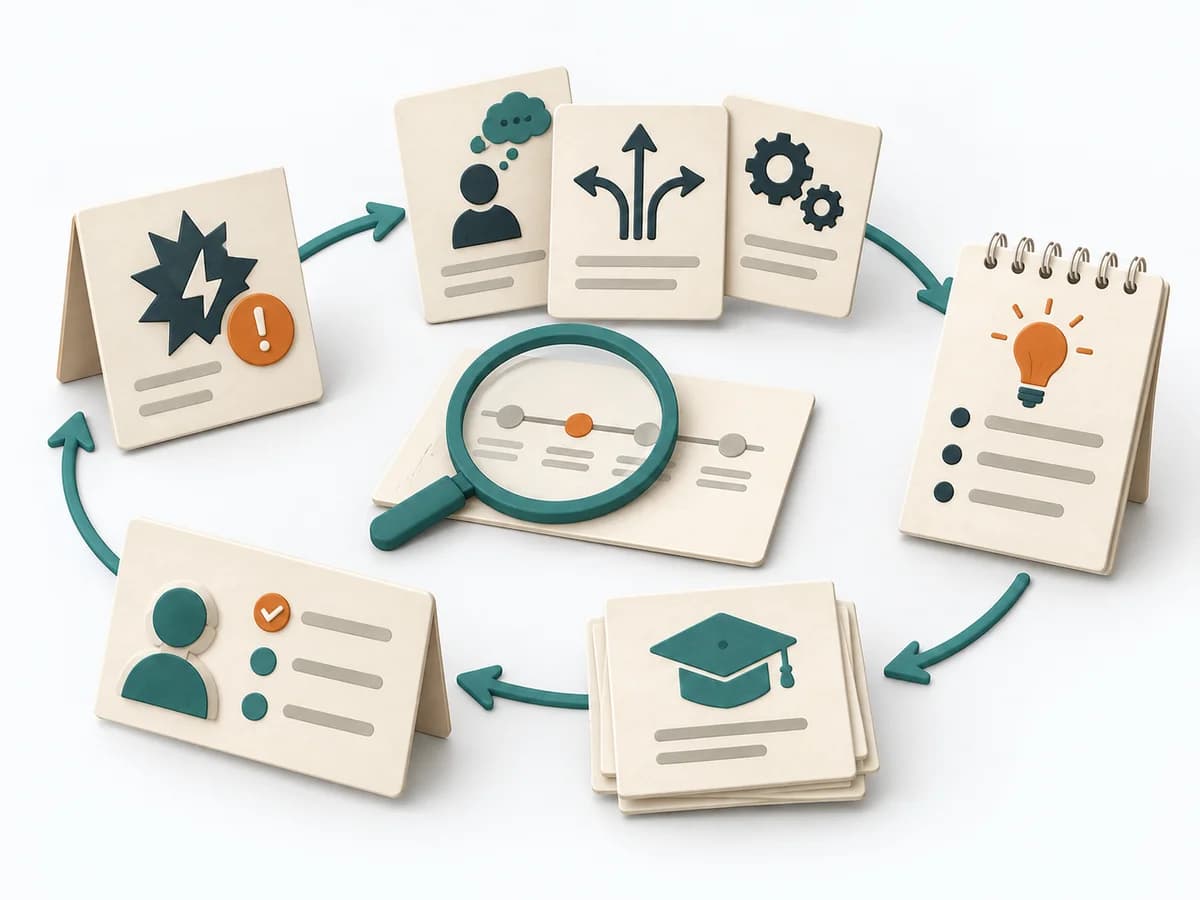
Frame
Clarify scope, learning stance, and safe discussion rules
Timeline
Reconstruct a timeline from observable events
Decisions
Examine decisions with the information and assumptions available at the time
System
Connect systemic conditions and contributing factors
Learning
Agree learning and improvement actions with an effect check
Test open questions through the agreed next step and append new evidence as a version.
Nach einer Projektphase mit gemischten Ergebnissen macht die Methode Lernen aus dem Einzelfall wiederverwendbar. Sie verbindet Ereignisse, Entscheidungen und systemische Bedingungen zu belastbaren Einsichten.
Learning plan with evidence, open points, owner, and review.
Fictional example
Fictional values are assigned to explicit method fields.
Clarify scope, learning stance, and safe discussion rules
Checkout failures on 14 May, 09:12–09:47; the goal is learning for similar load peaks.
Reconstruct a timeline from observable events
09:12 alert, 09:18 restart, 09:31 batch paused, 09:47 stable.
Examine decisions with the information and assumptions available at the time
The restart followed the runbook; the batch connection was not visible in the dashboard.
Connect systemic conditions and contributing factors
A shared pool, missing batch metric, and unclear escalation reinforced one another.
Agree learning and improvement actions with an effect check
Separate pools by 21 May; alert batch metric at 70%; review after seven days.
All details are fictional.
Bound one event by time, impact, and learning purpose; confirm confidentiality and a blame-free rule.
After a project phase with mixed results, the method makes learning from the individual case reusable. It connects events, decisions, and systemic conditions into robust insights.
The review organizes not just the course of events but also the assumptions and signals that shaped the actions taken. This reveals what reinforced or slowed things down within the system. The resulting insights shape future decisions instead of fading as mere memory.
A Learning Review makes learning visible as a change in assumptions, behavior, or standards. Examples from real work matter more than general mood or review rituals. The review holds up when future decisions, routines, or experiments actually run differently because of the new insights.
Choose a clear time period and bring examples of decisions, experiments, or points of friction that were genuinely instructive. The review gains value as soon as learning becomes visible not as mood but as a changed assumption or action. In the end, a few insights remain that feed into upcoming planning, standards, or experiments.
The method guide walks execution through 5 phases, timing, 5 pitfalls, and clear stop criteria.
Open method guideYour perspective
Your feedback helps shape the next improvements to methodatlas.
Plan subject, participation, complete flow, and review.
To be confirmed
To be confirmed
Complete run Time: 90–180 minutes; add time for evidence collection and action follow-up.
Complete this worksheet on paper or in your own document during the work.
Clarify scope, learning stance, and safe discussion rules
...
Reconstruct a timeline from observable events
...
Examine decisions with the information and assumptions available at the time
...
Connect systemic conditions and contributing factors
...
Agree learning and improvement actions with an effect check
...
The blank worksheet contains prompts only.
Reference source · original teaching example
Expected artifact: Review frame
Clarify scope, learning stance, and safe discussion rules
Entry:
...
Expected artifact: Evidence timeline
Reconstruct a timeline from observable events
Entry:
...
Expected artifact: Decision view
Examine decisions with the information and assumptions available at the time
Entry:
...
Expected artifact: System factors
Connect systemic conditions and contributing factors
Entry:
...
Expected artifact: Learning plan
Agree learning and improvement actions with an effect check
Entry:
...
...
Method guide: https://methodatlas.meierhoff-systems.de/en/methods/learning-review/run-sheet
Fitting alternatives with decision guidance, followed by other related methods.
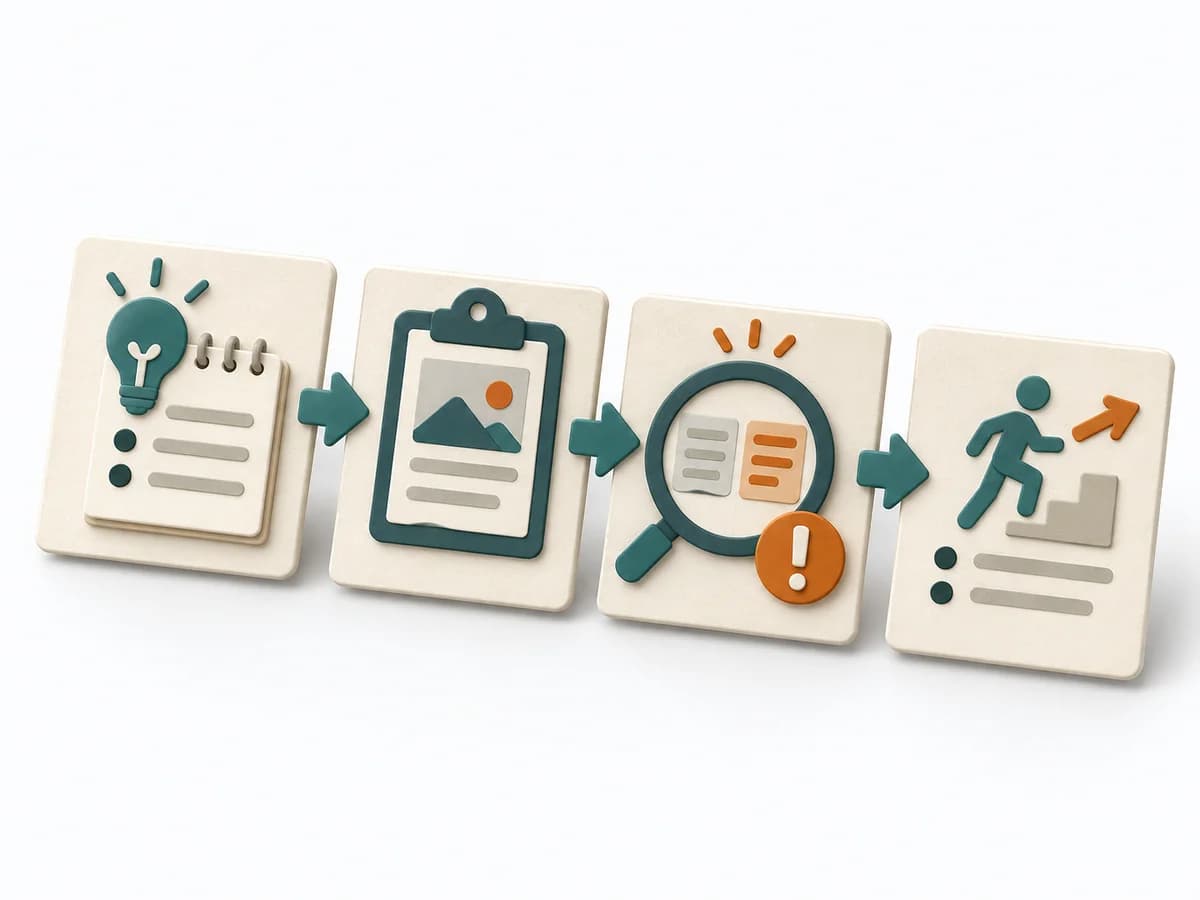
Instead of Learning Review, choose After-Action Review when you want to learn quickly after an event and capture concrete improvements.
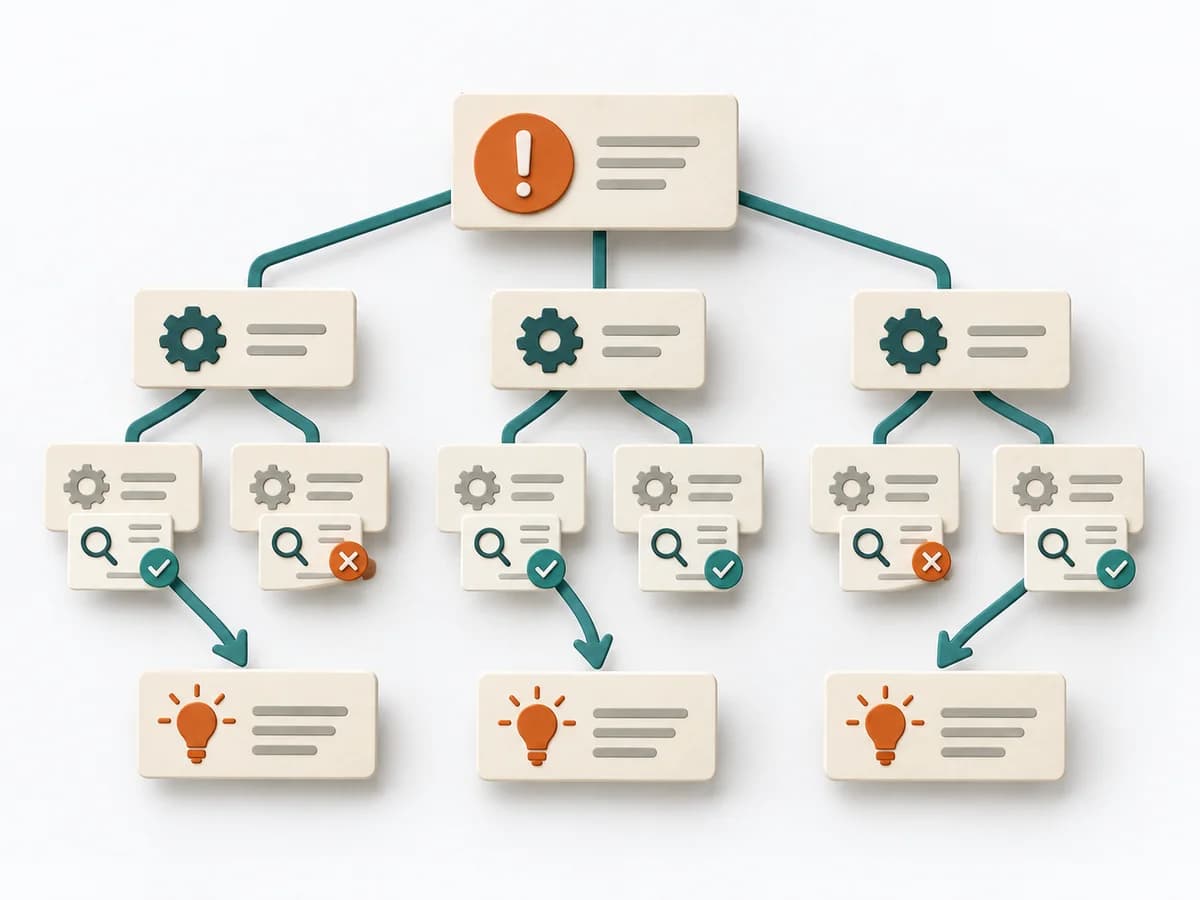
Clarifies workflows, data, causes, and improvements by framing the problem precisely, branching possible causes, and defining countermeasures.

Asks its way step by step to a controllable cause and stops only once an effective countermeasure is within reach.
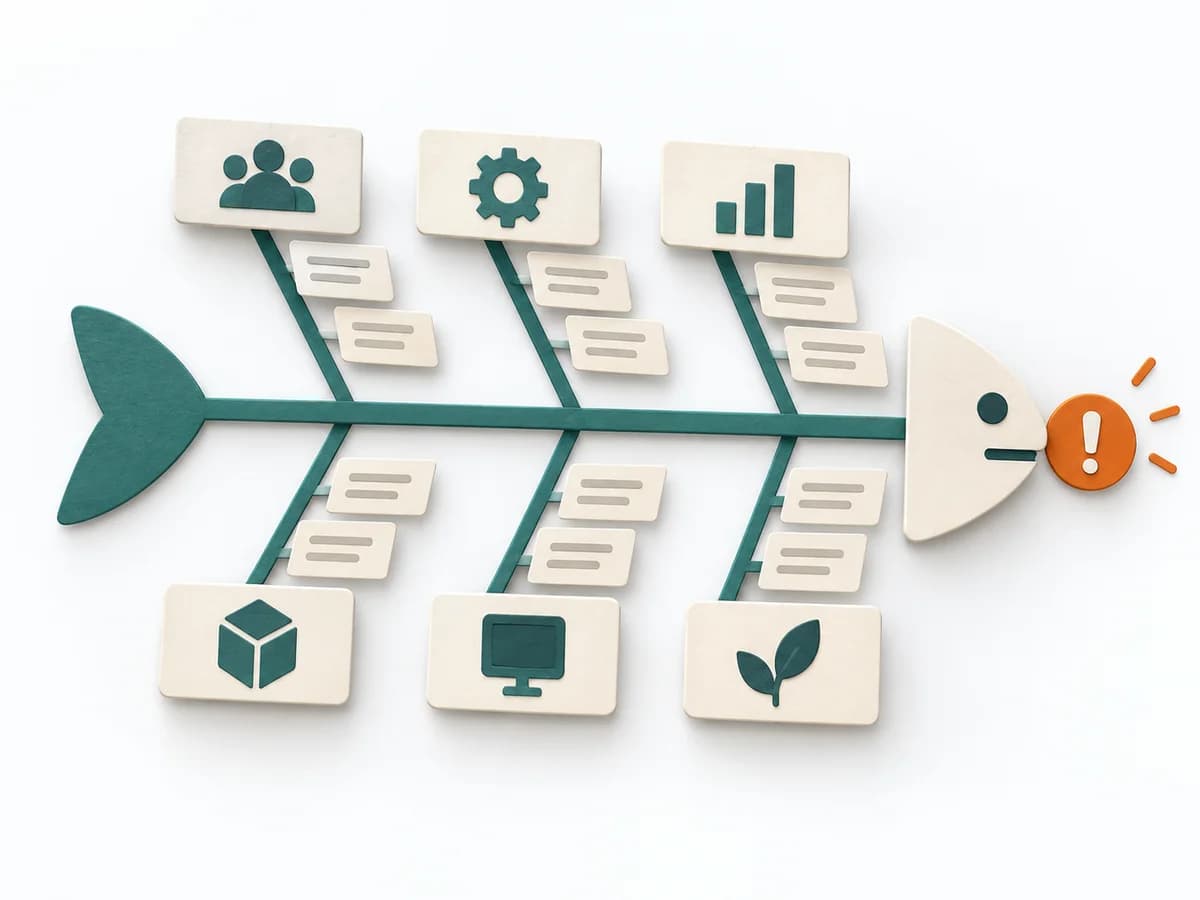
Sorts possible causes into categories and creates a shared picture for investigation and next tests.

Makes patterns from a sprint visible and derives concrete improvements for the next work cycle.
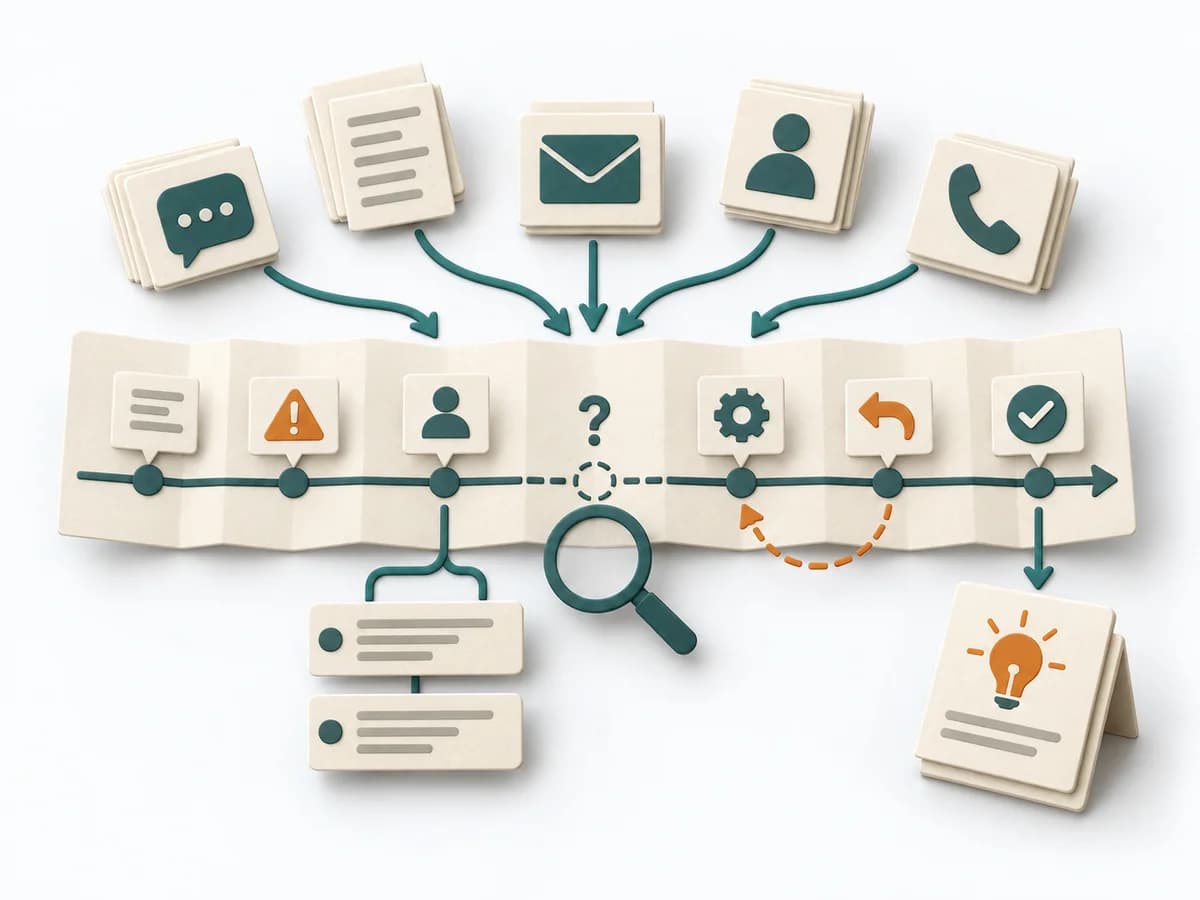
Arranges events, decisions, and delays chronologically and makes causes and lessons learned visible.
