
Purpose
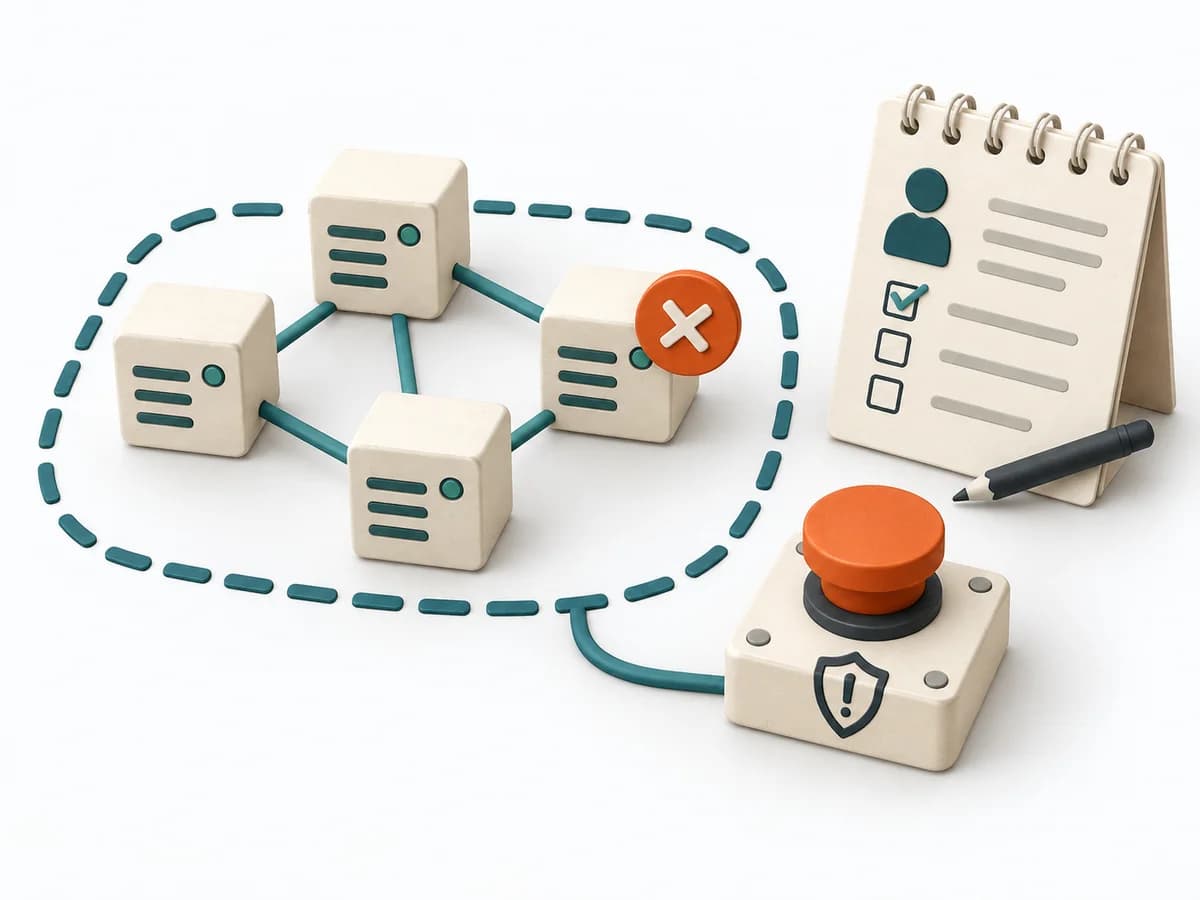
For recurring operational tasks or incidents, the method keeps solid action logic ready. It reduces uncertainty when time pressure, role changes, or rare situations demand fast access.
Operations Operating practice
Describes a repeatable operational procedure with a trigger, safe steps, decision points, and escalation.
A runbook describes a repeatable operational procedure with a trigger, safe steps, decision points, and escalation. It makes prerequisites and limits visible so the next step can be justified.
Can an authorized responder under pressure safely tell when and how to use this procedure?
Phases may be revisited; their order supports the work but does not replace domain judgment.
Trigger
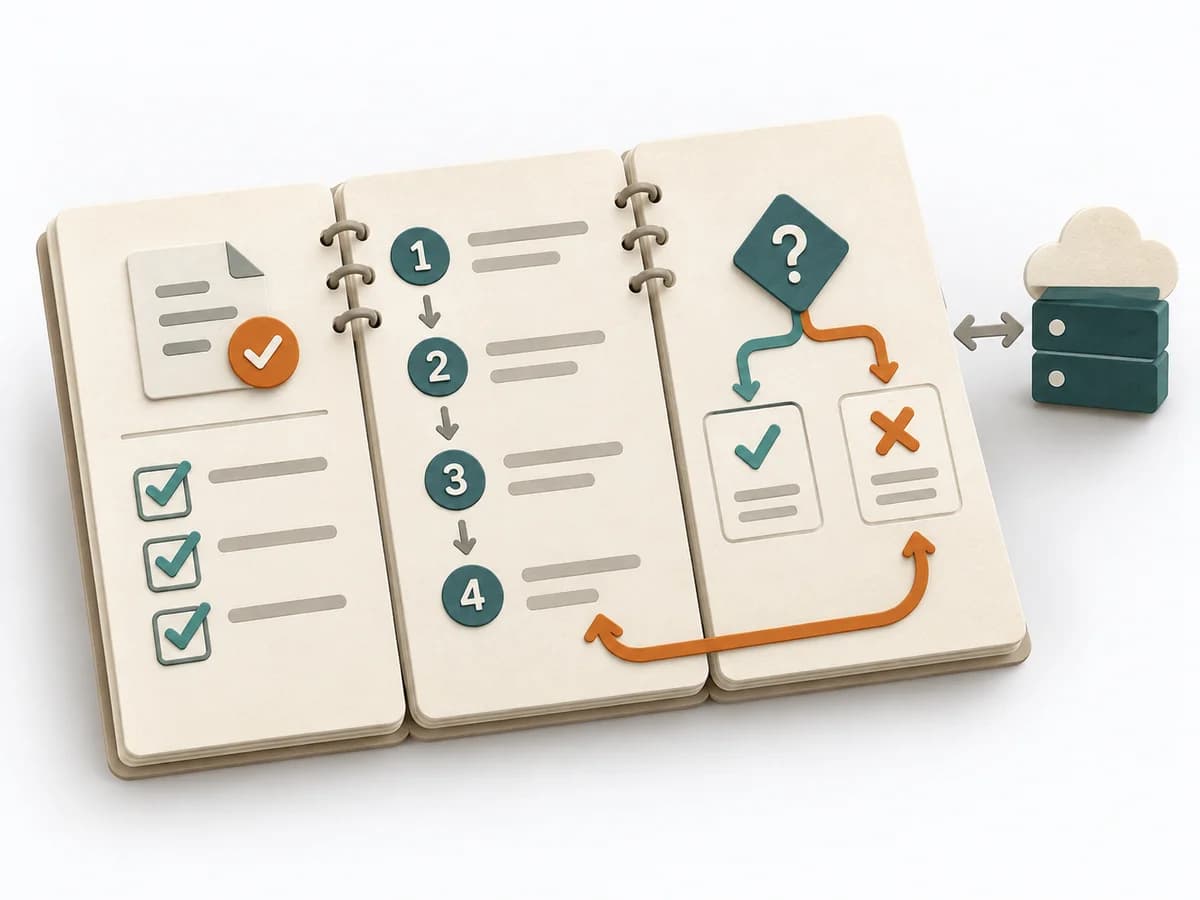
Describe symptoms, service, prerequisites, and explicit non-applicability.
Procedure
Order reversible diagnostics before changes; state expected results and stop conditions.
Escalation
Name roles, limits, escalation, rollback, and success criterion.
Maintenance
Have another person test the steps; version owner, change date, and review date.
Review the result and open assumptions at the next suitable checkpoint. Record changes, ownership, and new evidence.
Use when: A recurring operational procedure with a defined trigger and expert owner for validation.

The working picture covers symptoms, the affected service, prerequisites, and explicit cases where the procedure does not apply.

The evidence description records roles, limits, escalation, rollback, and the success criterion.
The next-step record contains a second-person test and the owner, change date, and review date for the version.
Fictional worked example
Document a repeatable operational procedure with trigger, safe steps, decision points, and escalation.
Define signal, service, prerequisites, and non-applicability.
Queue age >5 min across three measurements; service: payments-consumer.
List read-only checks with expected results.
Dashboard → consumer health → last change; record timestamps and finding.
Record authorization, escalation contact, and recovery path.
Scale only with approval; if data loss suspected, do not purge, escalate to Incident Commander.
Record tester, exercise date, owner, and freshness.
Queue age <1 min for 10 minutes; otherwise rollback and escalate. Owner SRE; review Sep 30.
Fictional runbook “Investigate queue backlog”: trigger: queue age >5 min for 3 measurements; check impact and dashboard; inspect consumer health and recent changes; scale only after approval; if data loss is suspected, do not purge and page Incident Commander; success: age <1 min for 10 min.
Start with a bounded question, clarify access and participants, and collect available evidence. Document a repeatable operational procedure with trigger, safe steps, decision points, and escalation.
For recurring operational tasks or incidents, the method keeps solid action logic ready. It reduces uncertainty when time pressure, role changes, or rare situations demand fast access.
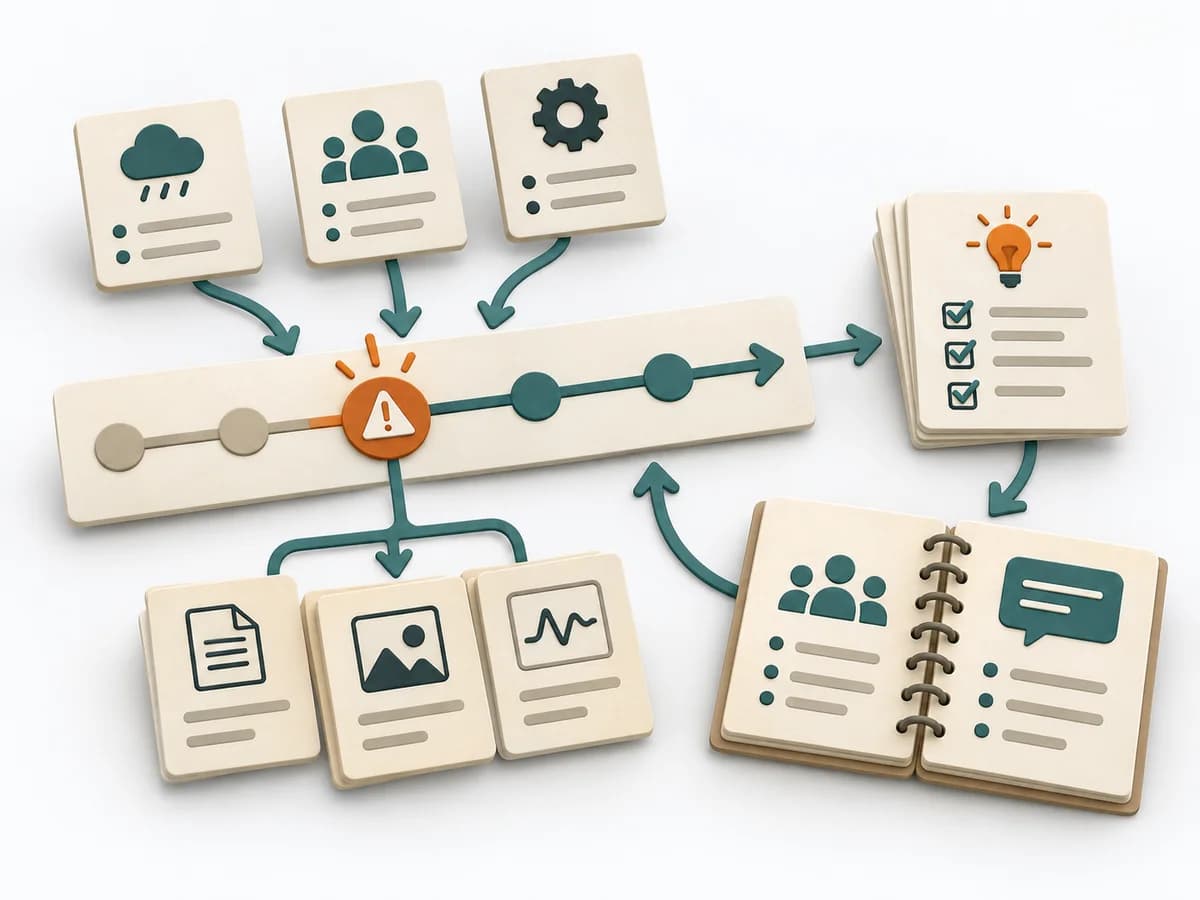
Knowledge is condensed along concrete situations so intervention, safeguards, and escalation fit together. This makes implicit experience usable for cover, on-call duty, and automation. Regular maintenance keeps the instructions in sync with the actual state of the system.
A Runbook makes experience actionable when a situation is rare, critical, or recurs under time pressure. Clarity comes from prerequisites, checkable steps, rollback logic, and escalation points. It only stays reliable if it is tested, adjusted after incidents, and maintained as a source of truth.
Write the runbook against real operator questions and actual incidents, not an idealized textbook scenario. The critical test is a cold start by someone who knows the case but doesn't have every detail memorized. Close with a clearly named source of truth and triggers that make maintenance or adjustment mandatory.
The method guide walks execution through 4 phases, timing, 4 pitfalls, and clear stop criteria.
Open method guideYour perspective
Your feedback helps shape the next improvements to methodatlas.
Prepare Runbook with a clear question, roles, and sources.
To be confirmed
To be confirmed
Plan the full method Time: Set according to scope and available evidence
Complete this worksheet on paper or in your own document during the work.
Define signal, service, prerequisites, and non-applicability.
...
List read-only checks with expected results.
...
Record authorization, escalation contact, and recovery path.
...
Record tester, exercise date, owner, and freshness.
...
Blank worksheet: start with a bounded question. Enter observed facts only, mark assumptions, and record open questions and sources.
Being On-Call · Google SRE Workbook
Expected artifact: Measurable trigger and procedure boundary
Measurable trigger and procedure boundary
Entry:
...
Expected artifact: Validated safe diagnostic sequence
Validated safe diagnostic sequence
Entry:
...
Expected artifact: Escalation, rollback, and success criteria
Escalation, rollback, and success criteria
Entry:
...
Expected artifact: Exercised runbook with review ownership
Exercised runbook with review ownership
Entry:
...
...
Method guide: https://methodatlas.meierhoff-systems.de/en/methods/runbook/run-sheet
Fitting alternatives with decision guidance, followed by other related methods.
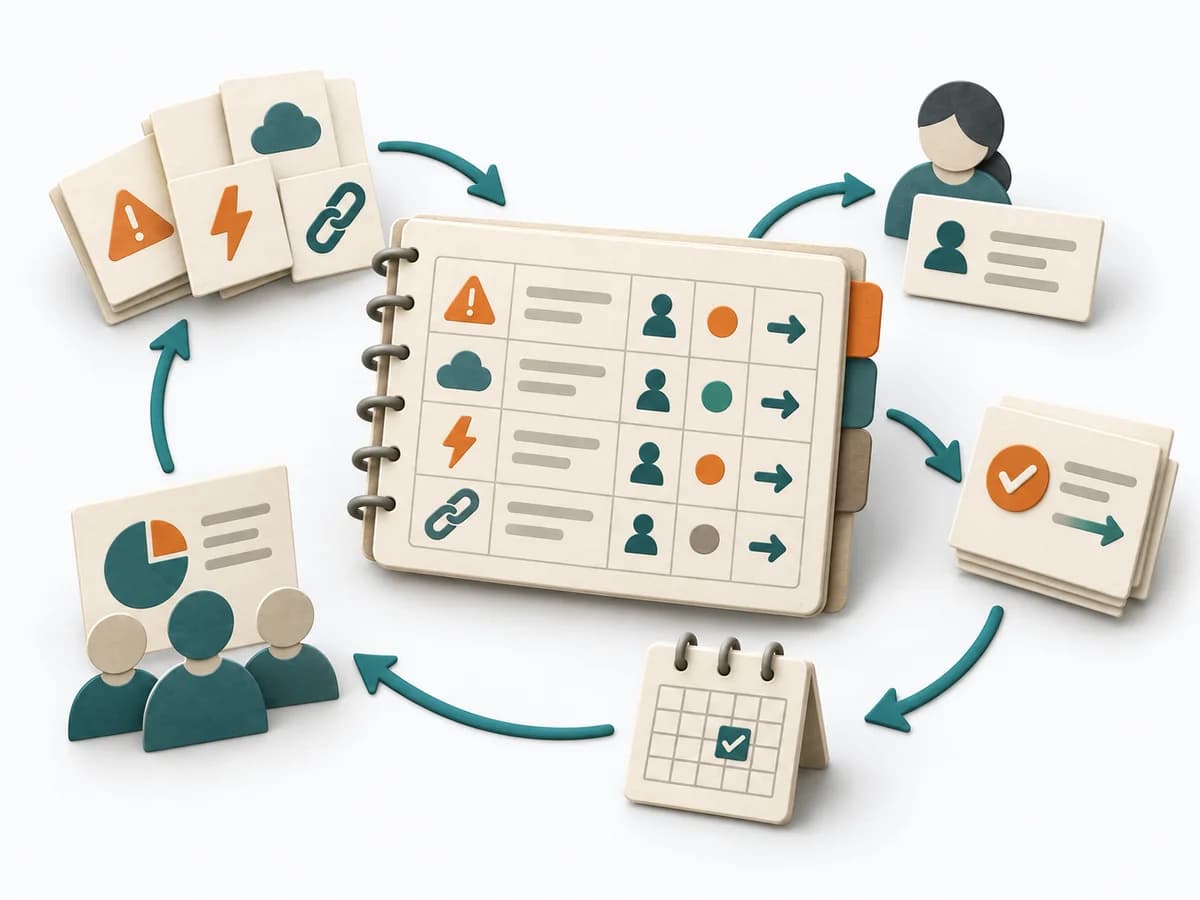
Instead of Runbook, when you want to concisely capture risks, assumptions, issues, and dependencies in the project.

Splits items into A, B, and C by value or effect and directs focus to the most impactful ones.

Compares goal and actual course, identifies deviations, and records concrete learning steps.
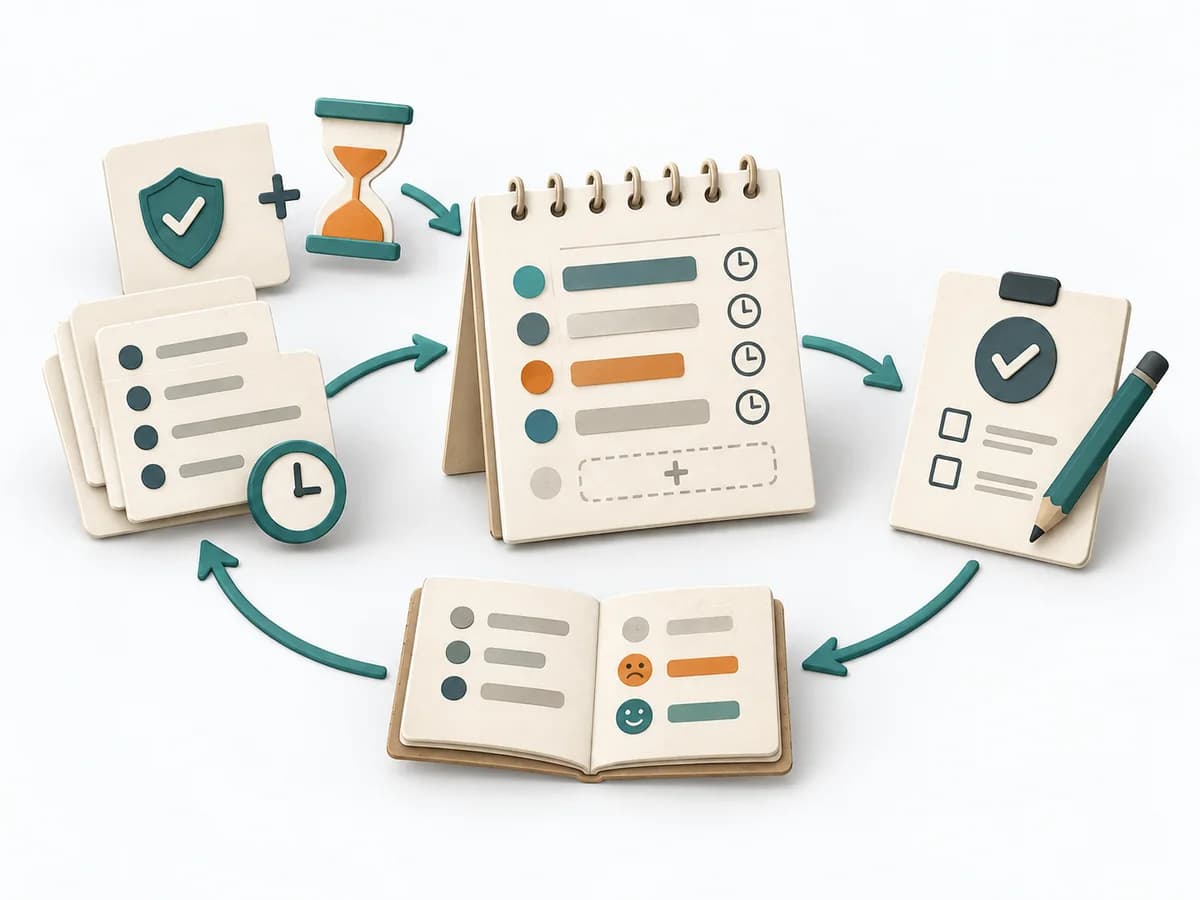
Plans the day through tasks, effort, buffer, and control so priorities stay realistically checkable.

Sorts possible causes into categories and creates a shared picture for investigation and next tests.

Goes to the place where work happens, observes the process without disrupting it, and gathers solid clues about friction.