Purpose
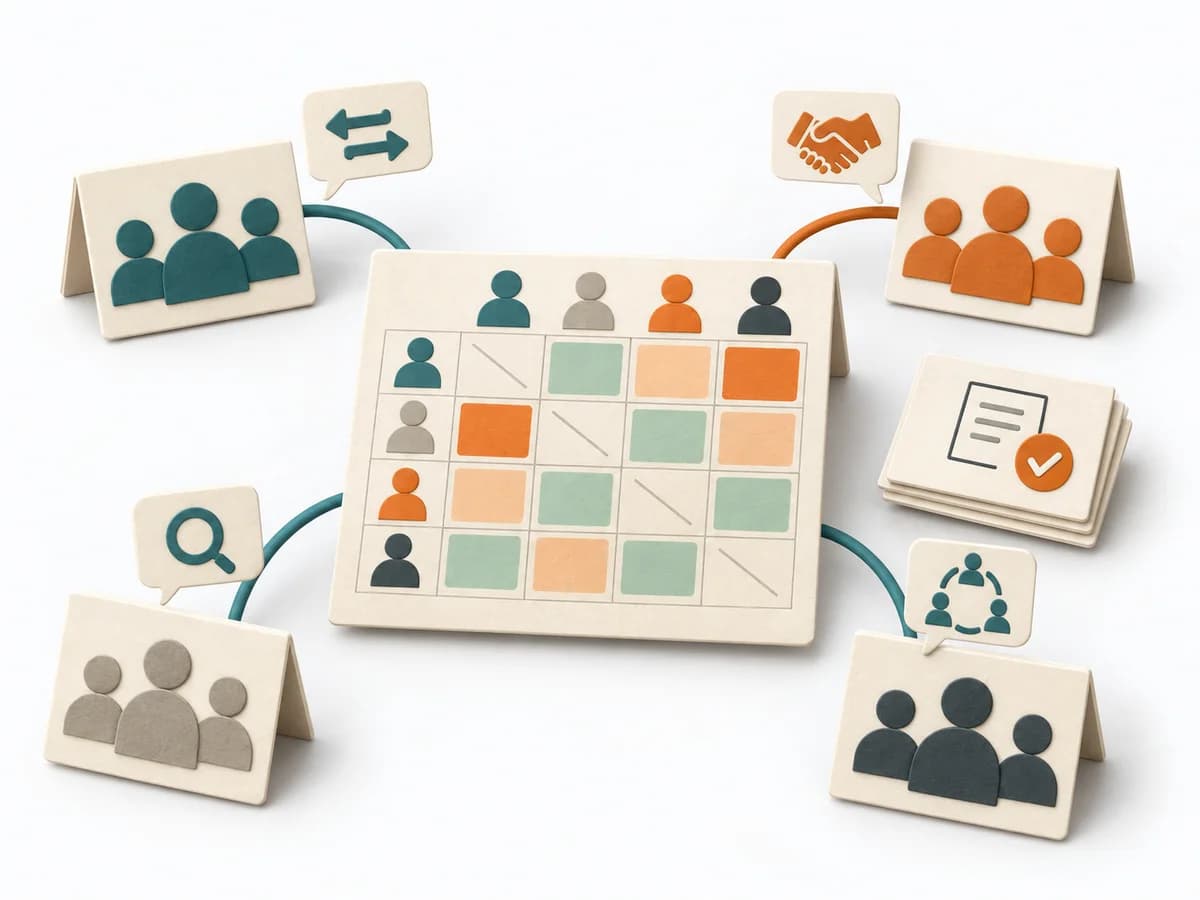
When expectations between teams stay fuzzy, it describes how a team can be reached, used, and held accountable. It clarifies responsibility, interaction, and load between teams. The result is captured as a Team API document.
Team Design Operating practice
Makes a team’s purpose, interfaces, ways of working, and expectations explicit.
A Team API describes how others work with a team. It covers owned services, communication routes, work preferences, and known constraints and is maintained jointly.
What must other teams know to work effectively with this team with minimal disruption?
Team API uses explicit team contract covering mission, ownership, interfaces, and working preferences. Assessments remain justified and context-bound.
Mission
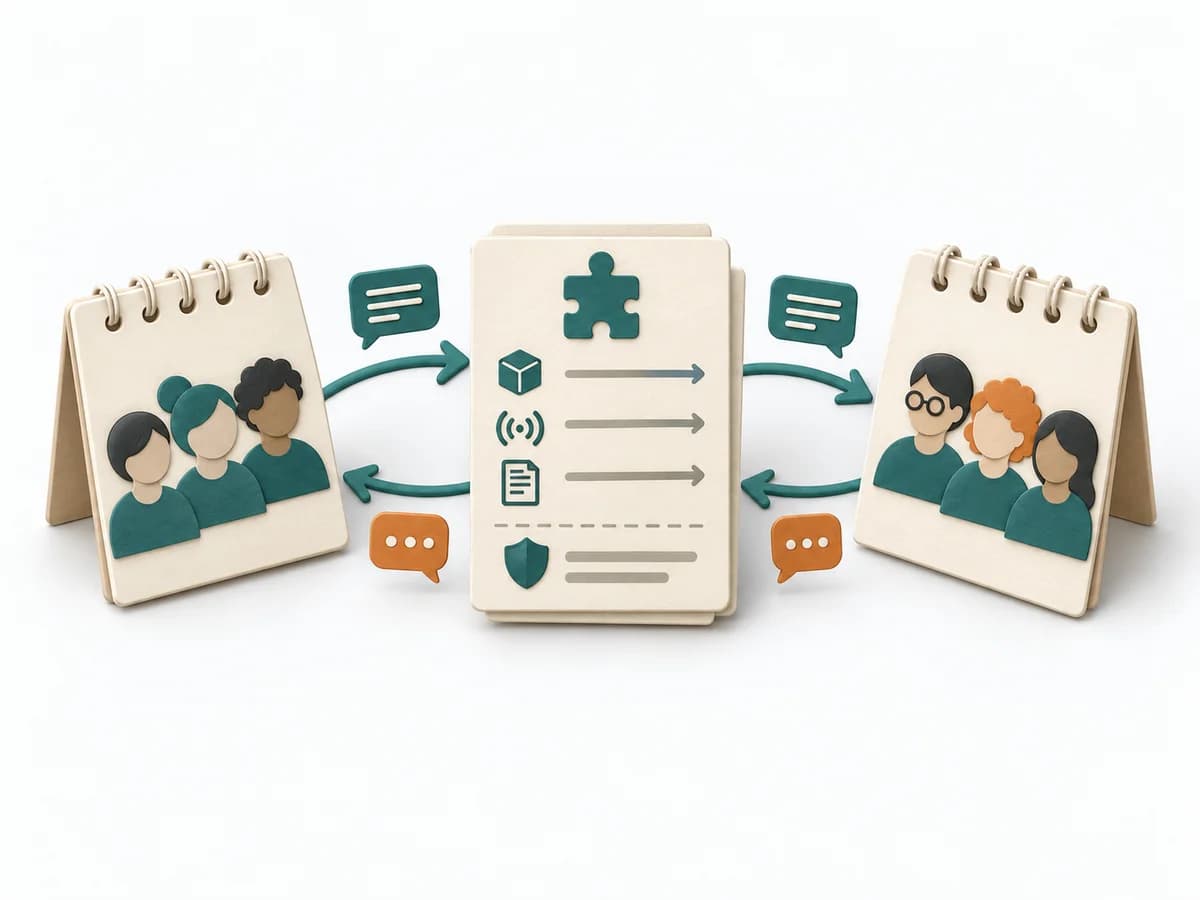
Name team purpose, owned services, and boundaries.
Interfaces
Describe consumer, interaction mode, and contact route per need.
Ways of working
Agree working preferences, support, and response rules.
Consumer review
Walk through the API with two consumer teams and correct gaps.
Review at least quarterly and whenever responsibilities change.
For stable teams with multiple dependencies; update after reorganisation or service changes.
team API with traceable sources, assumptions, and domain decisions.
Owners, dates, and next review for team API.
Fictional worked example
explicit team contract covering mission, ownership, interfaces, and working preferences as a precise working structure with a fictional example.
Purpose · outcomes · ownership
Secure self-service deployments; deployment API.
Need · mode · contact
X-as-a-Service; office hour for new integration.
Support · response · preference
#platform-help; P1 via pager.
Out of scope · review date · owner
No app data migration; review 15 October.
The example demonstrates the domain logic of Team API; worksheets remain blank.
Start with the core question: What must other teams know to work effectively with this team with minimal disruption?
When expectations between teams stay fuzzy, it describes how a team can be reached, used, and held accountable. It clarifies responsibility, interaction, and load between teams. The result is captured as a Team API document.
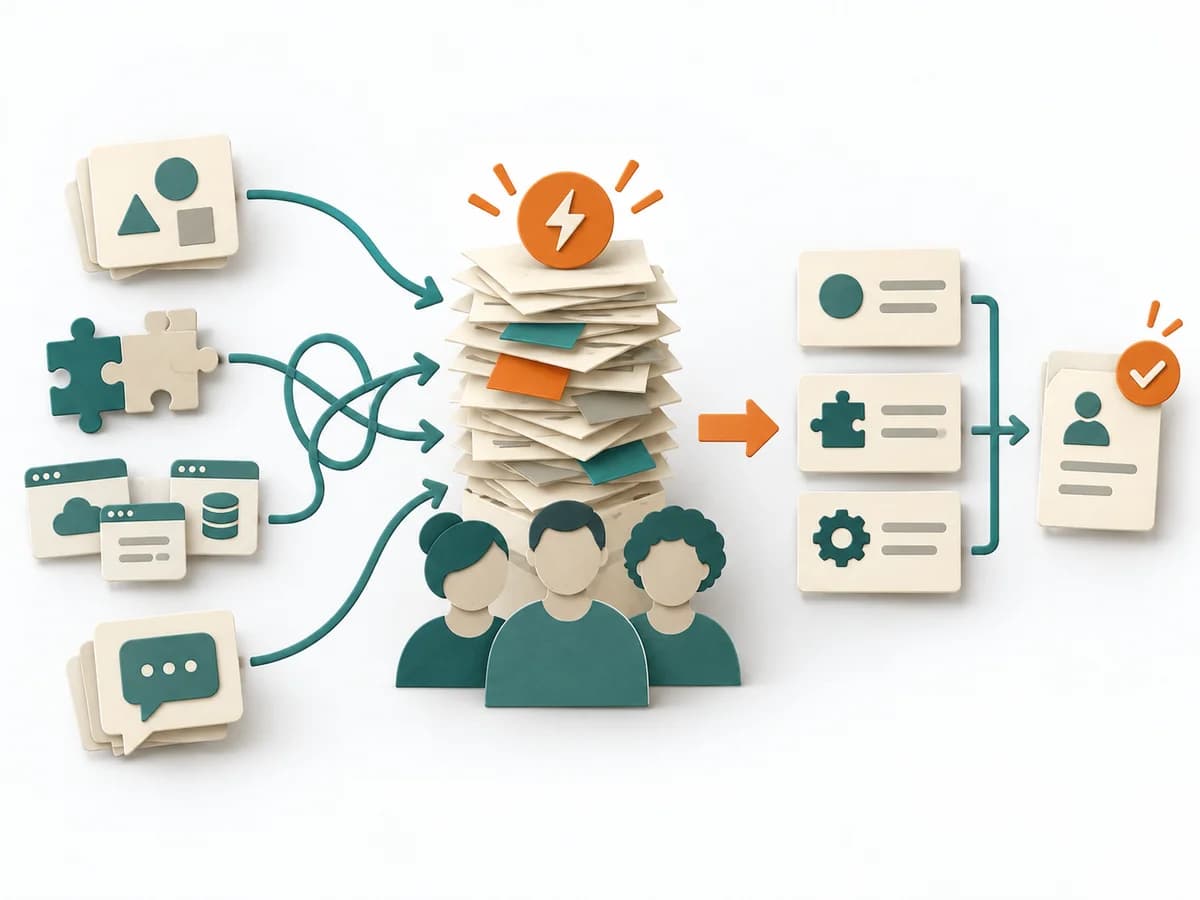
The representation makes explicit what services, signals, and rules other teams may expect. This reduces the effort spent on follow-up questions and implicit coordination. The format helps especially when collaboration happens regularly rather than as an exception.
Team API comes from the book Team Topologies by Skelton and Pais. Each team describes itself as a service provider with responsibilities, interfaces, expectations, roadmap, and communication channels. The document is kept visible internally and reduces friction between teams. It complements classic org charts with interaction-oriented clarity.
Start with responsibilities and interfaces. Keep the document short. Make it prominent in the wiki.
The method guide walks execution through 4 phases, timing, 4 pitfalls, and clear stop criteria.
Open method guideYour perspective
Your feedback helps shape the next improvements to methodatlas.
Plan Team API around its domain steps and the concrete decision question.
To be confirmed
To be confirmed
Establish and review the practice Time: 90 minutes initially; 30-minute review
Complete this worksheet on paper or in your own document during the work.
Purpose · outcomes · ownership
...
Need · mode · contact
...
Support · response · preference
...
Out of scope · review date · owner
...
Enter only real input, sources, and decisions.
Team Topologies: Team API template
Expected artifact: ownership profile
ownership profile · source · uncertainty · next decision
Entry:
...
Expected artifact: interaction catalogue
interaction catalogue · source · uncertainty · next decision
Entry:
...
Expected artifact: collaboration rules
collaboration rules · source · uncertainty · next decision
Entry:
...
Expected artifact: validated team API
validated team API · source · uncertainty · next decision
Entry:
...
...
Method guide: https://methodatlas.meierhoff-systems.de/en/methods/team-api/run-sheet
Fitting alternatives with decision guidance, followed by other related methods.
Instead of Team API, choose Working Agreements when you want to define everyday rules for the team concretely and bindingly and need them as a lived working basis.
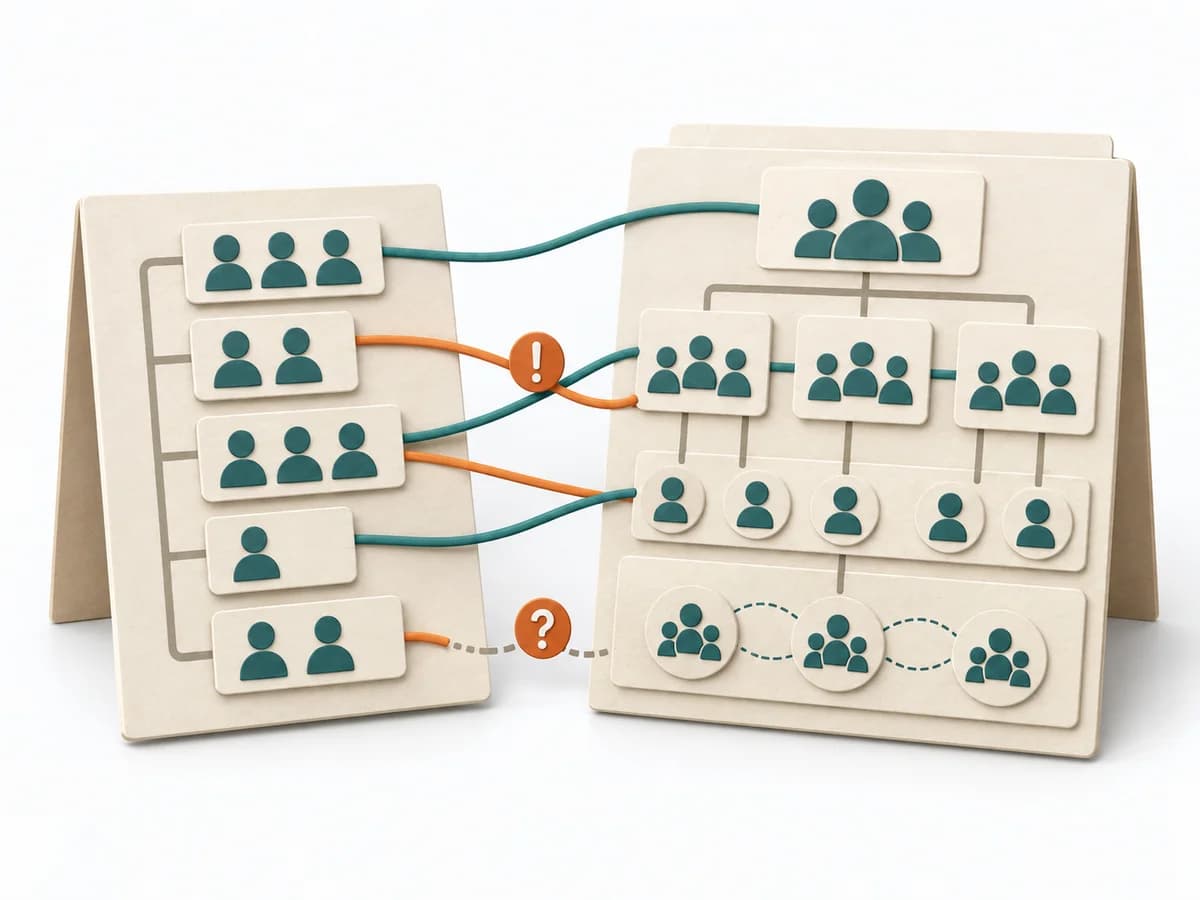
Moves team boundaries, interfaces, and collaboration toward a concrete result through "prepare a template with the four structures", "place current teams as squads", and "derive actions".
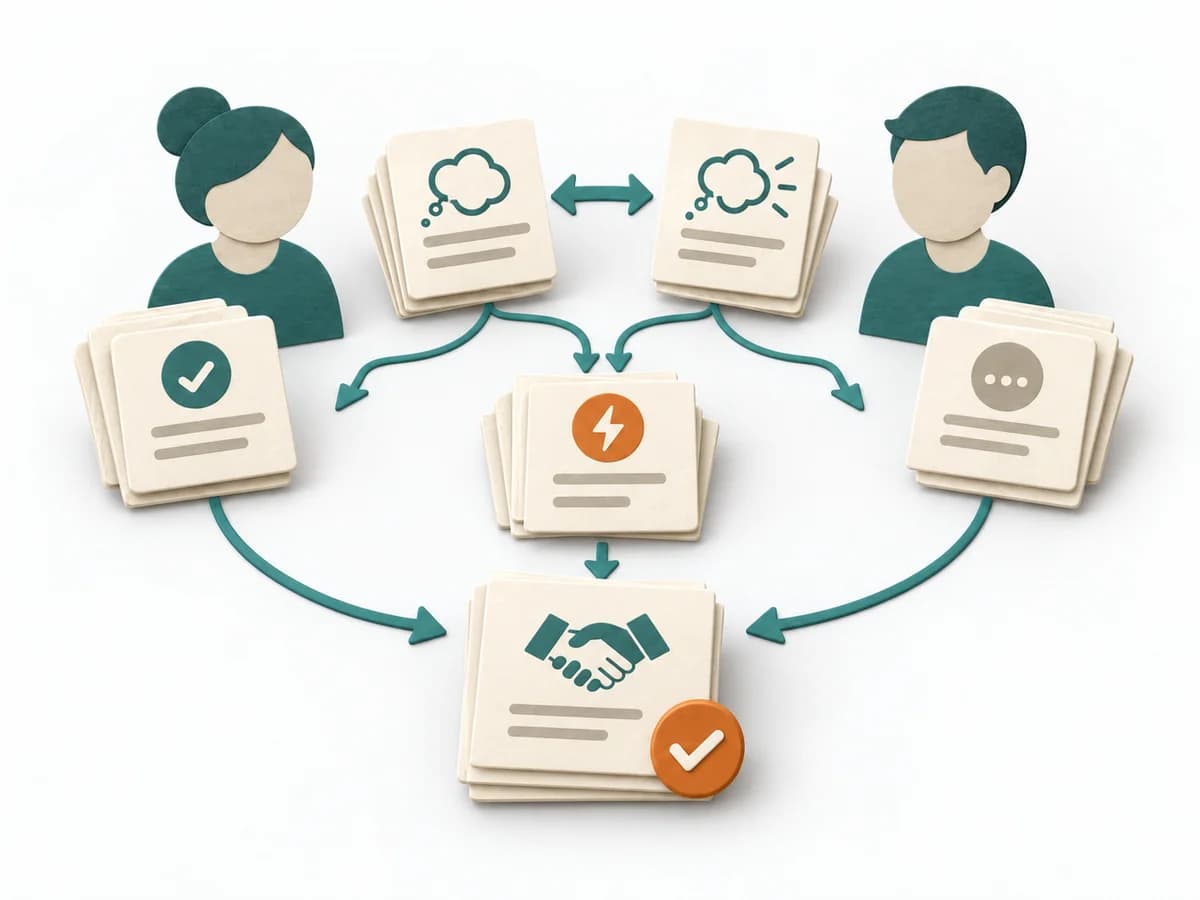
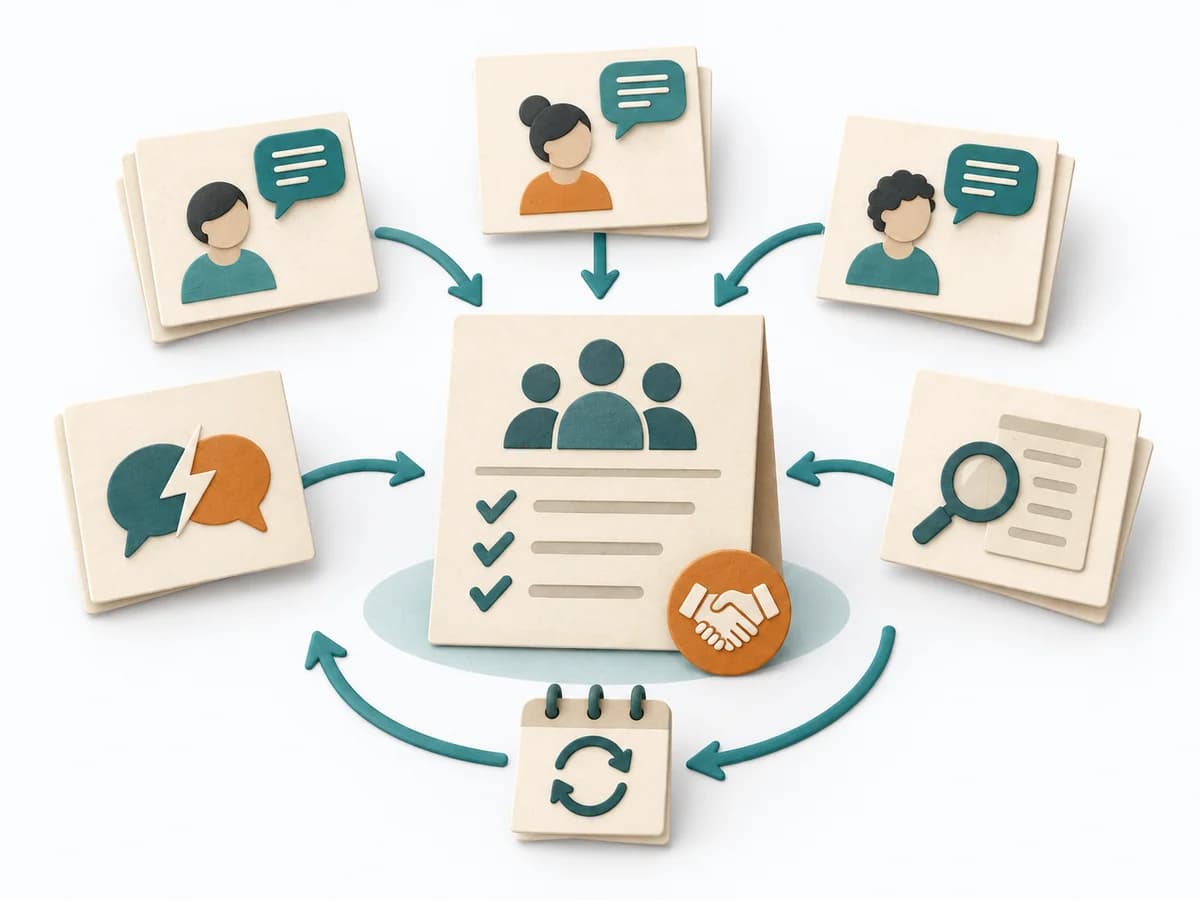
Surfaces stakeholder expectations, clusters conflicts, and turns them into concrete agreements.

Clarifies purpose, roles, and working rules in a charter that makes collaboration tangible and verifiable.
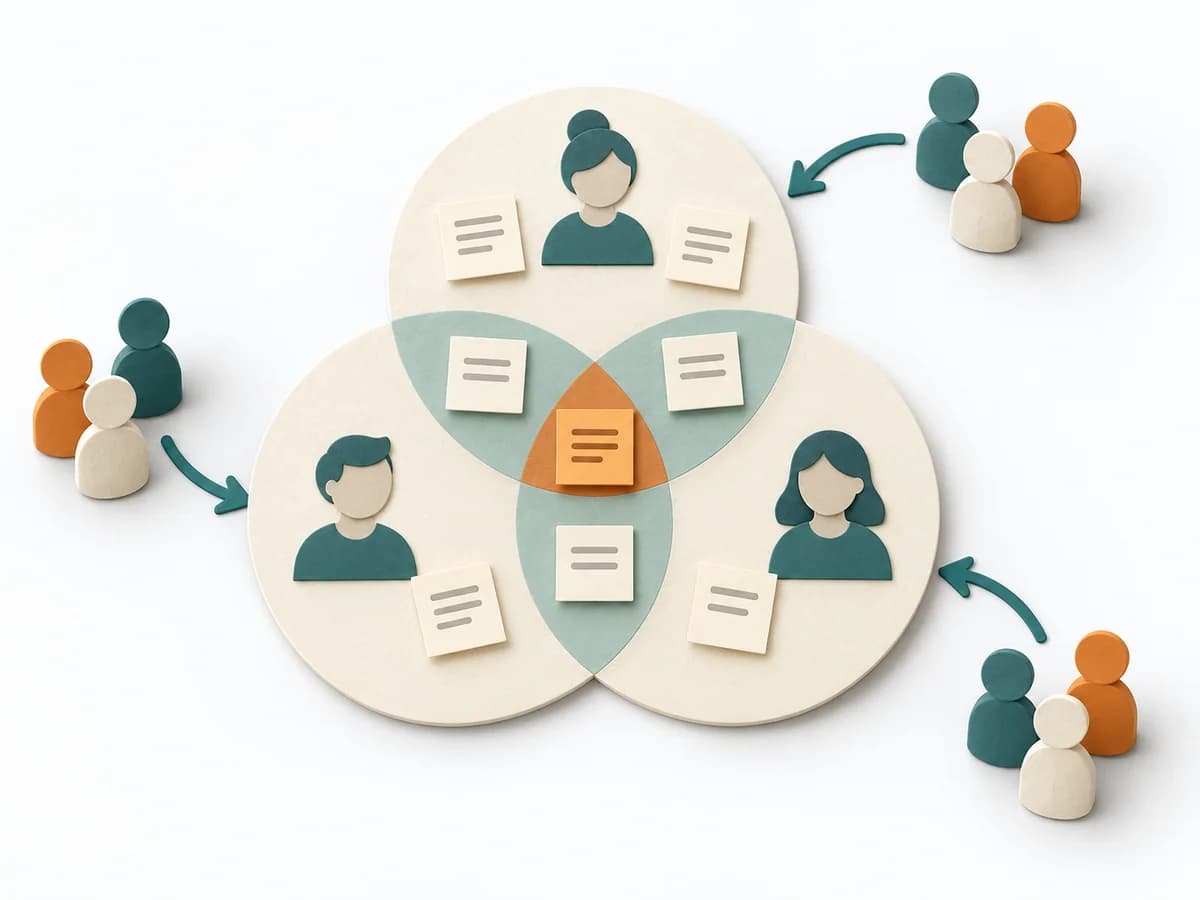
Compares three perspectives in a shared picture and makes overlaps as visible as differences.
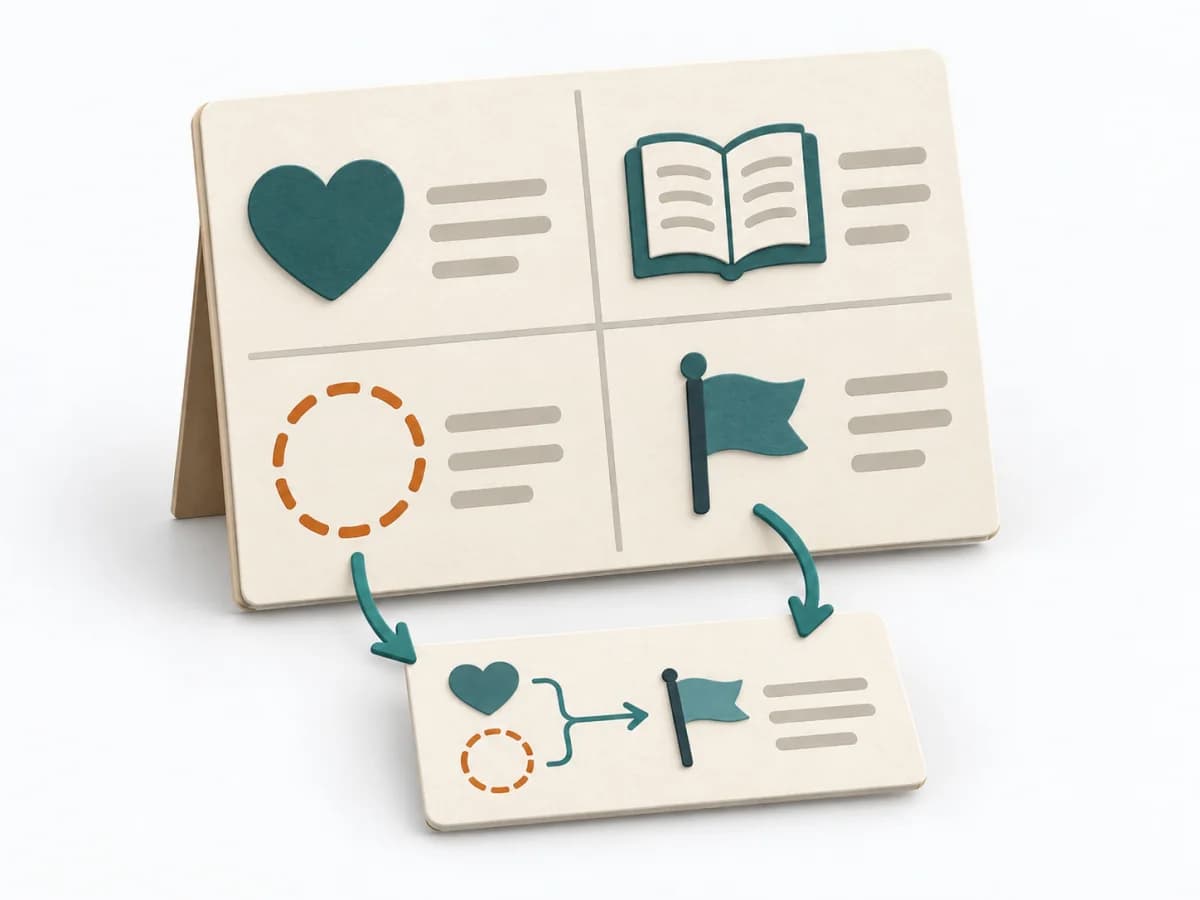
Sorts review, learning points, and friction into Liked, Learned, Lacked, and Longed For for concrete improvements.