Purpose
With a confusing workflow that has many handoffs, the method makes the actual process visible. It shows where work is passed on, delayed, or duplicated, so improvement targets the right spots.
Operations Mapping tool
Shows process steps, decisions, roles, inputs, and outputs in context.
A process map shows actions, sequence, decisions, people, inputs and outputs so participants can understand and improve a workflow. Detail and notation depend on purpose.
What happens from trigger to outcome, where do decisions and handoffs occur, and what evidence supports change?
What happens from trigger to outcome, where do decisions and handoffs occur, and what evidence supports change?
Scope
Choose a real flow, trigger, outcome and perspective; label the map current state or target state.
Flow
Work with participants to sequence actions, decisions, inputs, outputs and handoffs.
Evidence
Mark timing, volumes or measures only with source and period; separate fact from interpretation.
Review
Review completeness with performers and state one focused improvement question or measurement.
Update the work record when new evidence, changed constraints or the planned review changes an assumption.
For aligning on an observed workflow, finding handoffs and forming evidence-based improvement questions. Use a formal notation when execution semantics are needed.
A real flow, trigger, outcome, and perspective, with the map labeled current state or target state.

Actions, decisions, inputs, outputs, and handoffs sequenced with participants, including marked unknown loops.
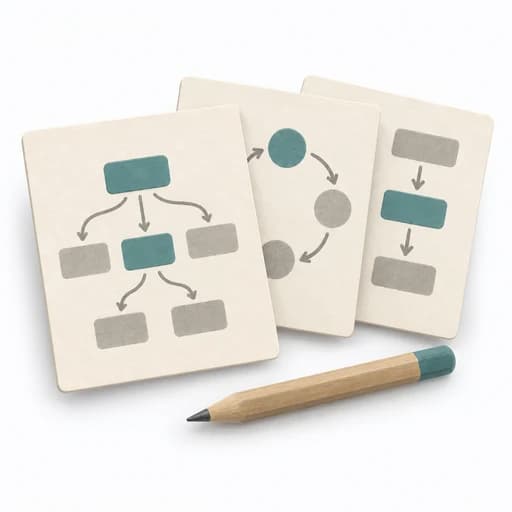
The process map contains timing, volumes, or measures with source and period and separates fact from interpretation.
The process map, checked for completeness with the people doing the work, identifies a focused improvement question or next measurement.
Fictional example
Method-specific prompts and a fictional worked example; template prompts remain empty.
Keep current and desired flows distinct.
**Scope:** Current flow from receipt to decision, from the service team’s perspective.
Mark exceptions and loops.
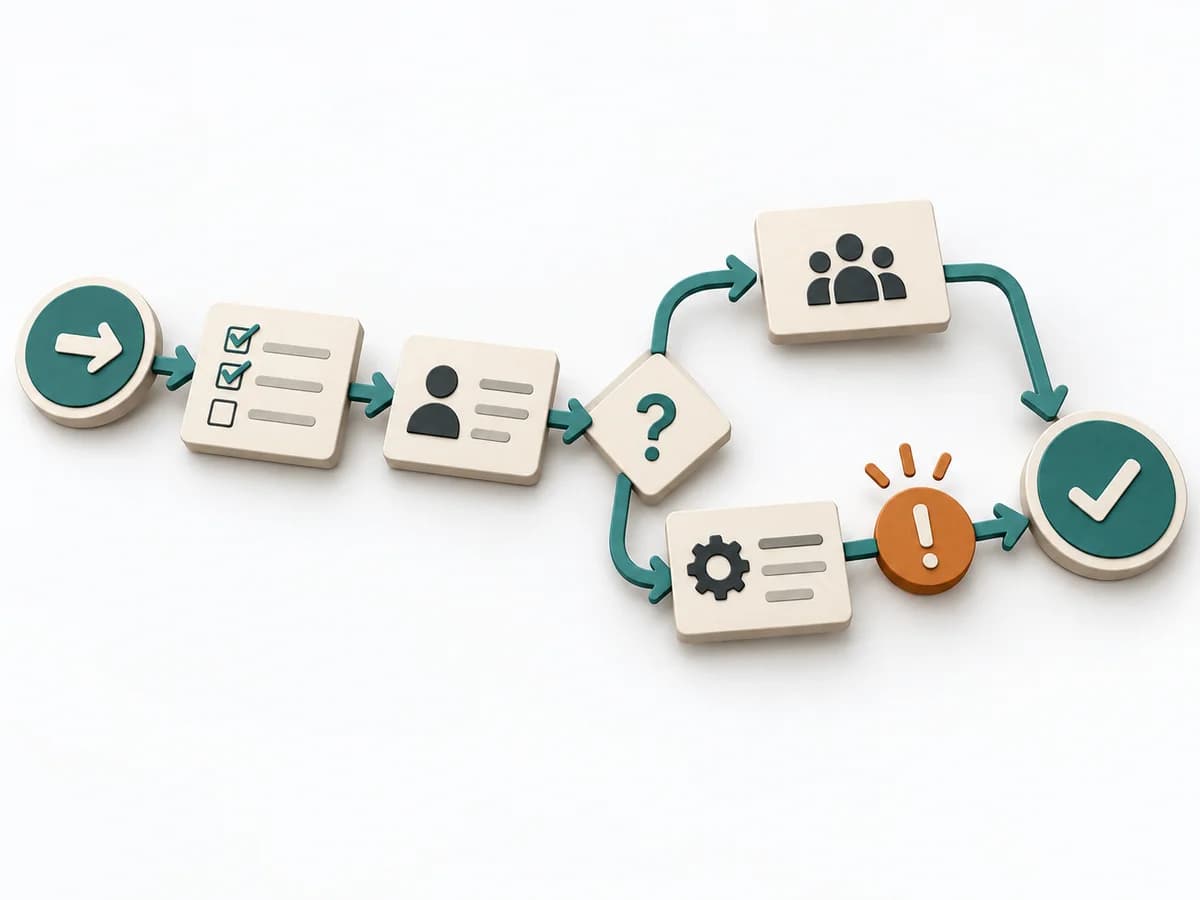
**Map:** Receive request → check completeness → missing documents? → request and loop / assess complete request → notify decision.
Label exceptions and hypotheses.
**Hypothesis:** Missing documents may cause rework; frequency is unknown in this fictional case.
Assign owner and review date to any change.
**Evidence:** Count requests for missing documents across a defined sample before proposing an intake checklist.
ASQ describes flowcharts as sequential process maps that may show actions, inputs, outputs, decisions, roles, time and measures.
Choose one process with a clear trigger and end; invite people who perform it.
With a confusing workflow that has many handoffs, the method makes the actual process visible. It shows where work is passed on, delayed, or duplicated, so improvement targets the right spots.
The workflow is made visible as a connected flow of activities, handoffs, and wait points. This makes loops, friction, and unnecessary variants recognizable. The representation is then checked against reality and used as a basis for targeted changes.
Process Mapping makes the real workflow visible with handoffs, loops, and wait states. What matters is comparing lived practice with the documented target together with the people who work in the process. Tracing becomes analysis once breakpoints and improvement levers become clearly locatable.
Draw a clean start and end boundary for the process under review and deliberately include exceptions, loops, and wait times. The map gains value as soon as handoffs and delays become visible as causes of problems rather than just symbols on paper. Close with a single redesign question that can genuinely be tested in the next step.
The method guide walks execution through 4 phases, timing, 4 pitfalls, and clear stop criteria.
Open method guideYour perspective
Your feedback helps shape the next improvements to methodatlas.
Plan a session or initiative to match the actual scope of work.
To be confirmed
To be confirmed
Prepare the full method Time: 60–180 minutes for one bounded process; observation, data and redesign are separate.
Complete this worksheet on paper or in your own document during the work.
Keep current and desired flows distinct.
...
Mark exceptions and loops.
...
Label exceptions and hypotheses.
...
Assign owner and review date to any change.
...
Blank worksheet contains prompts only, with no example data.
Flowchart and process mapping | ASQ
Expected artifact: Bounded process and perspective
Bounded process and perspective
Entry:
...
Expected artifact: Validated draft flow
Validated draft flow
Entry:
...
Expected artifact: Flow with evidence status
Flow with evidence status
Entry:
...
Expected artifact: Validated map and improvement task
Validated map and improvement task
Entry:
...
...
Method guide: https://methodatlas.meierhoff-systems.de/en/methods/process-mapping/run-sheet
Fitting alternatives with decision guidance, followed by other related methods.
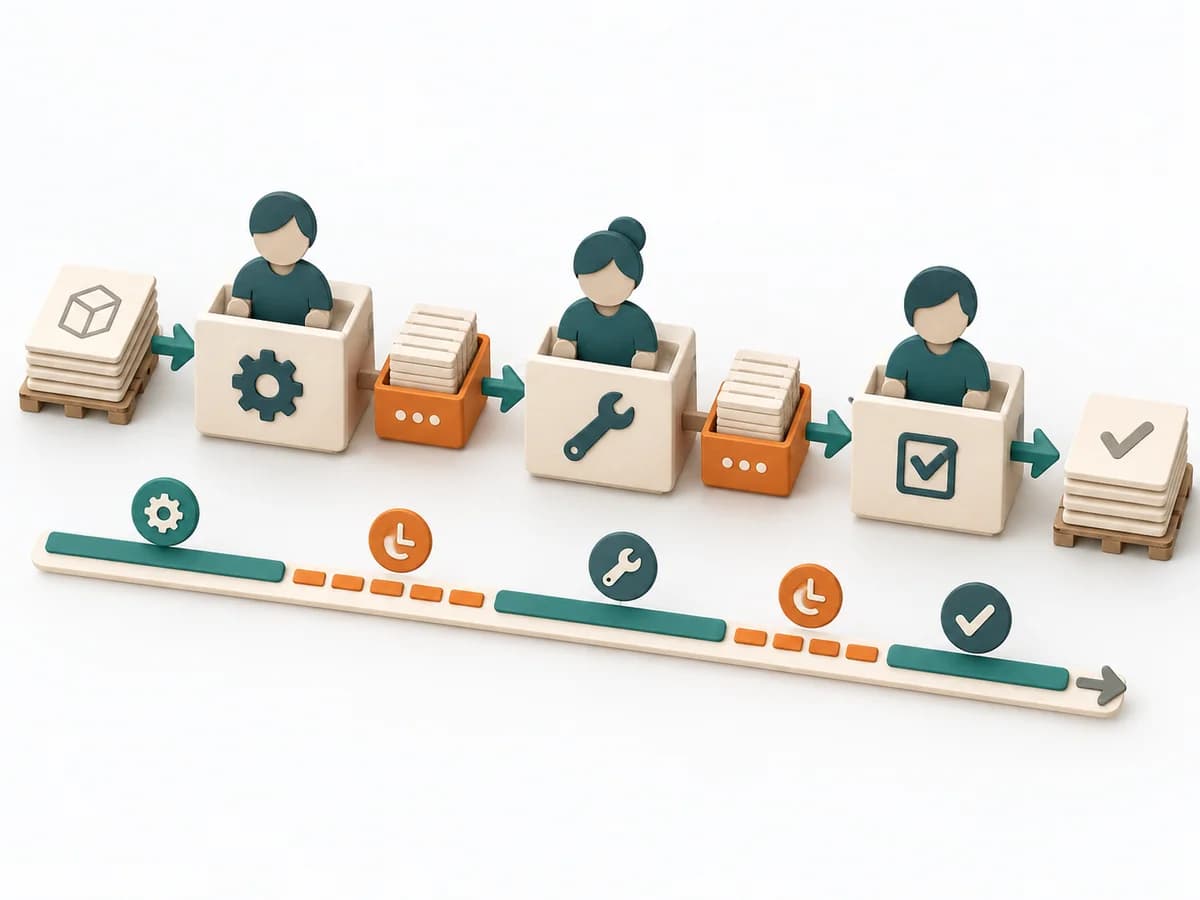
Instead of Process Mapping, when you want to measure an end-to-end flow with wait times and waste.
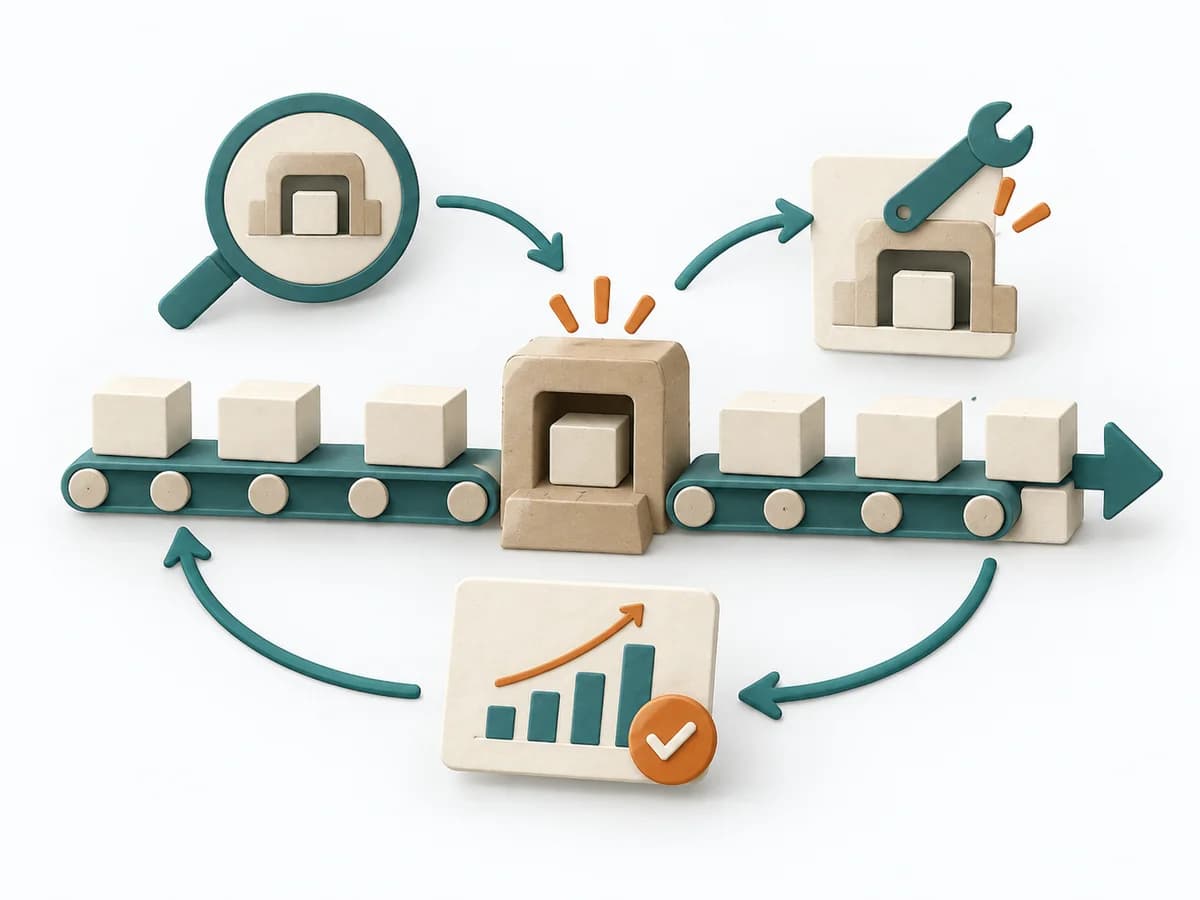
Finds a system's bottleneck, aligns work around it, and cyclically checks whether flow improves.
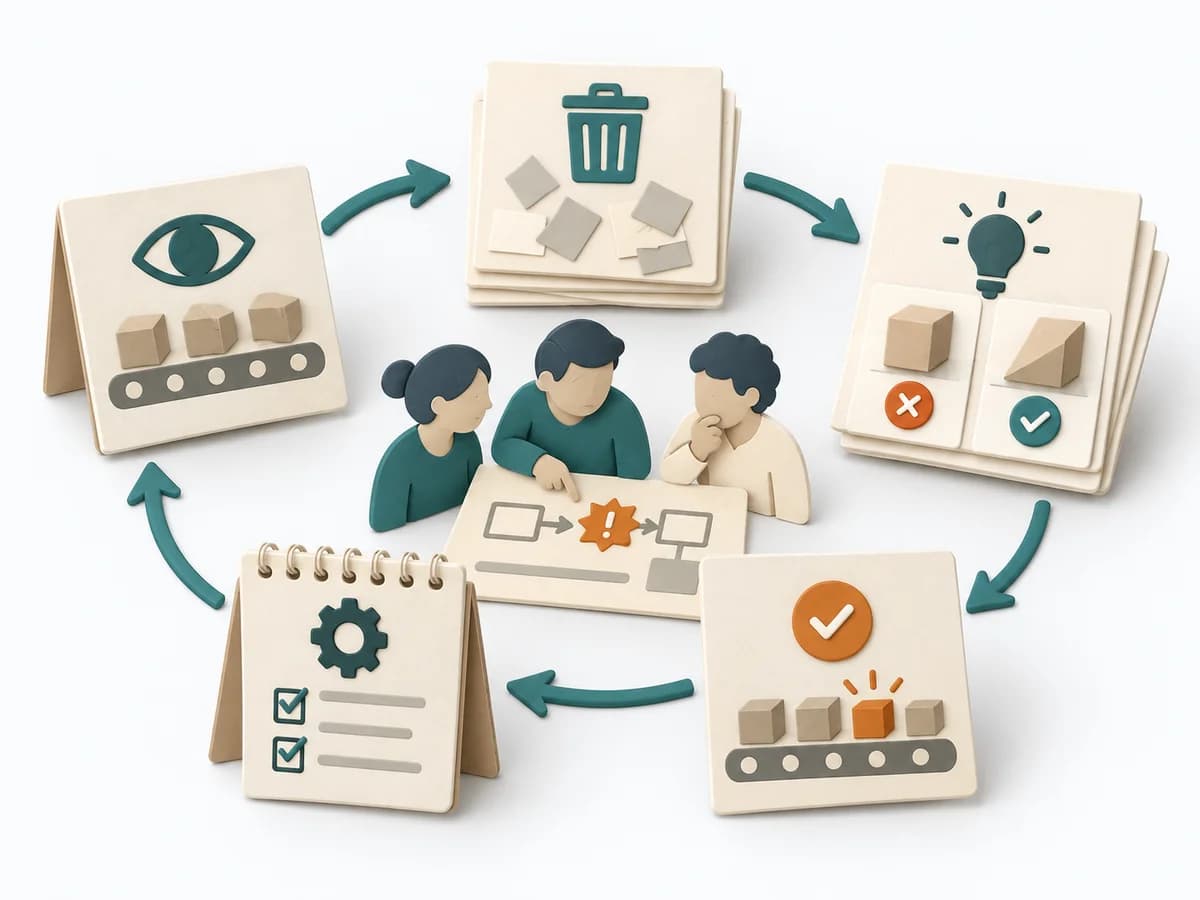
Bundles observation, waste analysis, and experiments into a compact improvement process with a new standard.
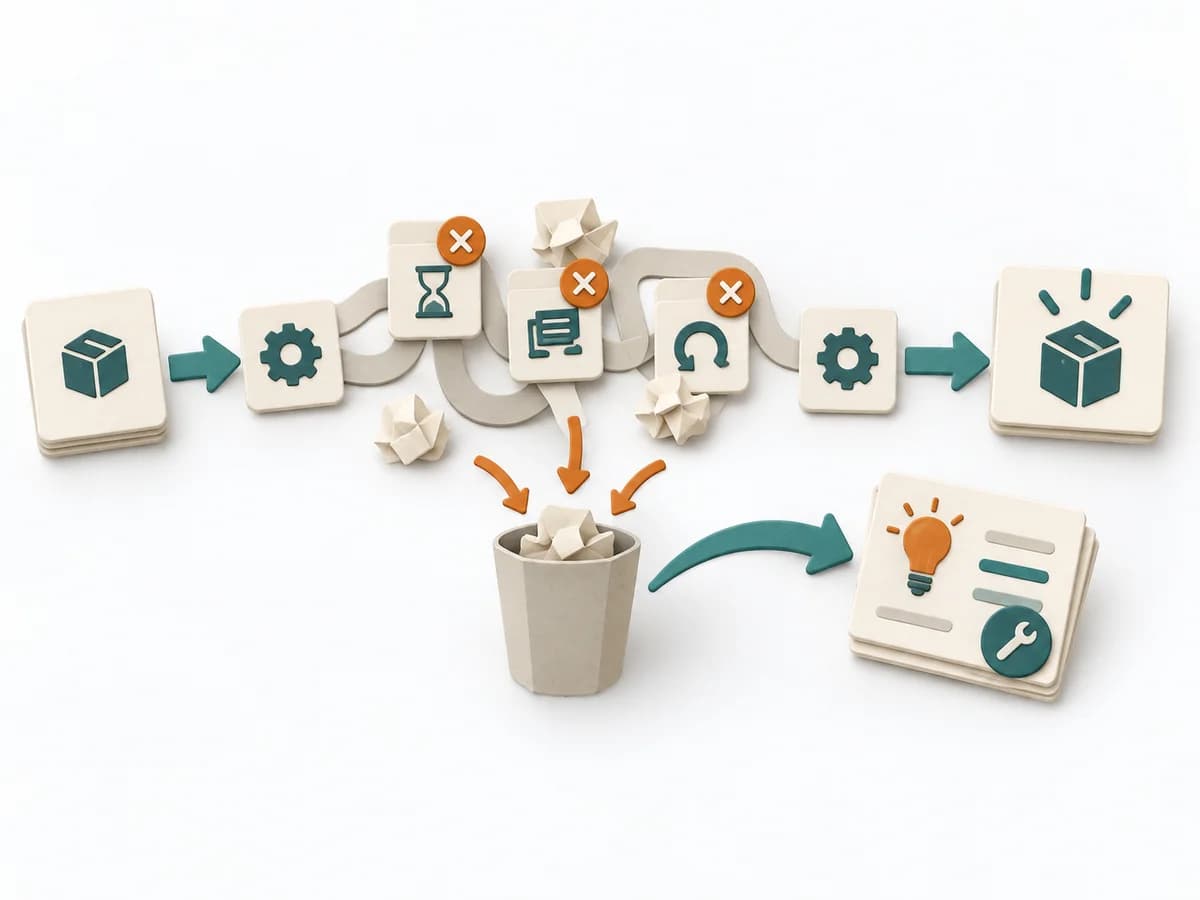
Identifies waste along a process, prioritizes impact, and derives improvements.
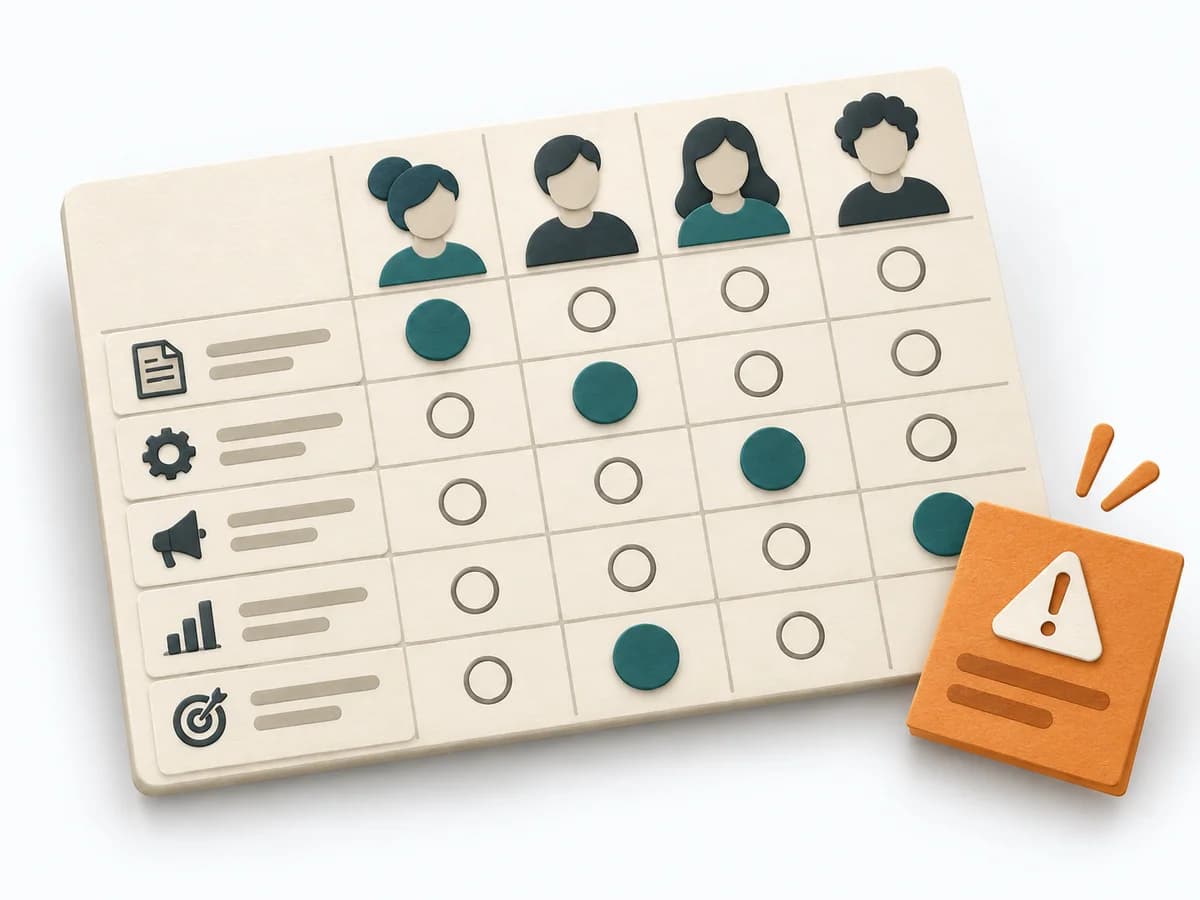
Clarifies responsibility for tasks and deliverables, exposes gaps or overload, and improves alignment.
Makes status, exceptions, and signals recognizable at a glance so teams can react faster.