Purpose
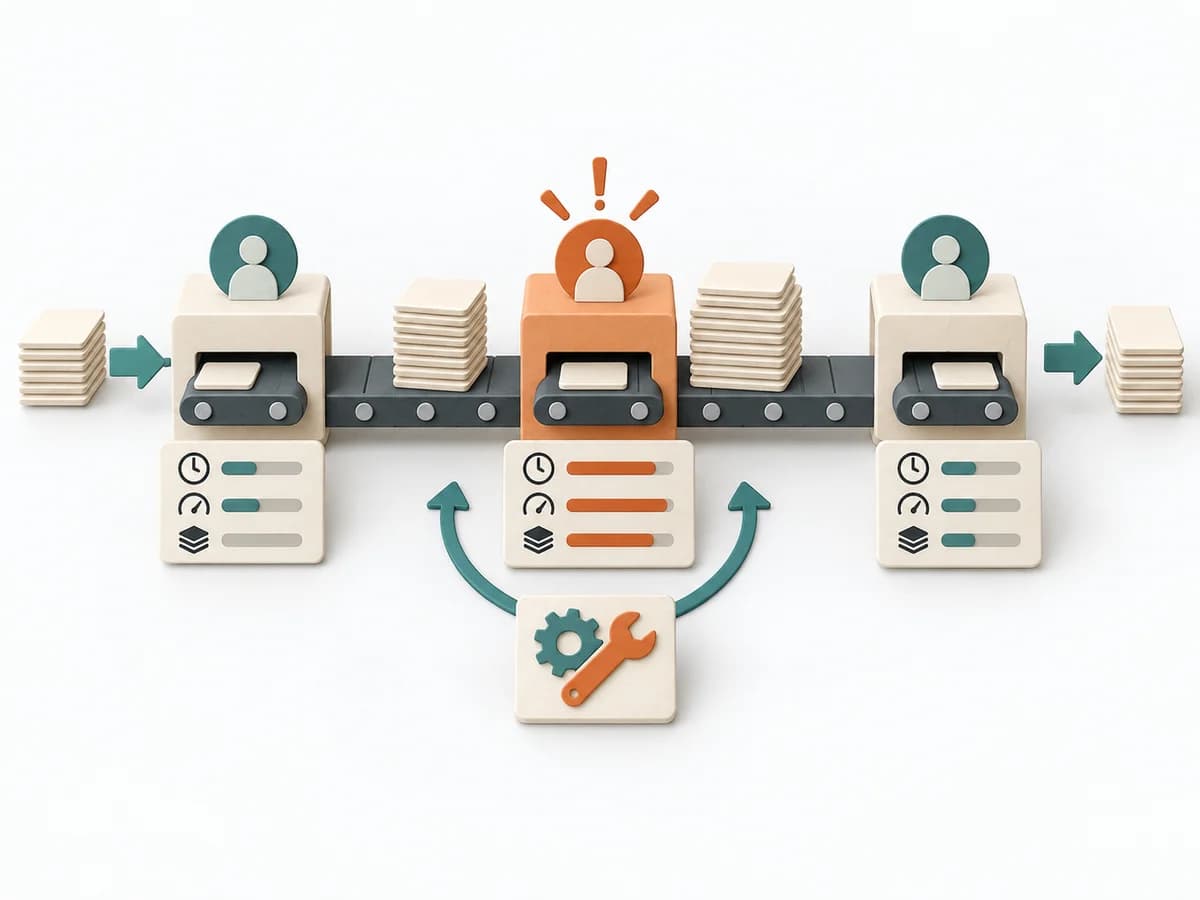
For a system that does not get faster despite effort, the method directs attention to the bottleneck. It concentrates improvement on the point that actually limits throughput.
Operations Operating practice
Finds a system constraint, aligns work to it, and checks cyclically whether flow improves.
The flow is examined from the perspective of its weakest point. This shows where additional capacity can create real effect and where it would only increase WIP. After each improvement, attention shifts to the next limiting factor.
Which constraint currently limits the system goal, and how will we exploit, subordinate, and elevate it?
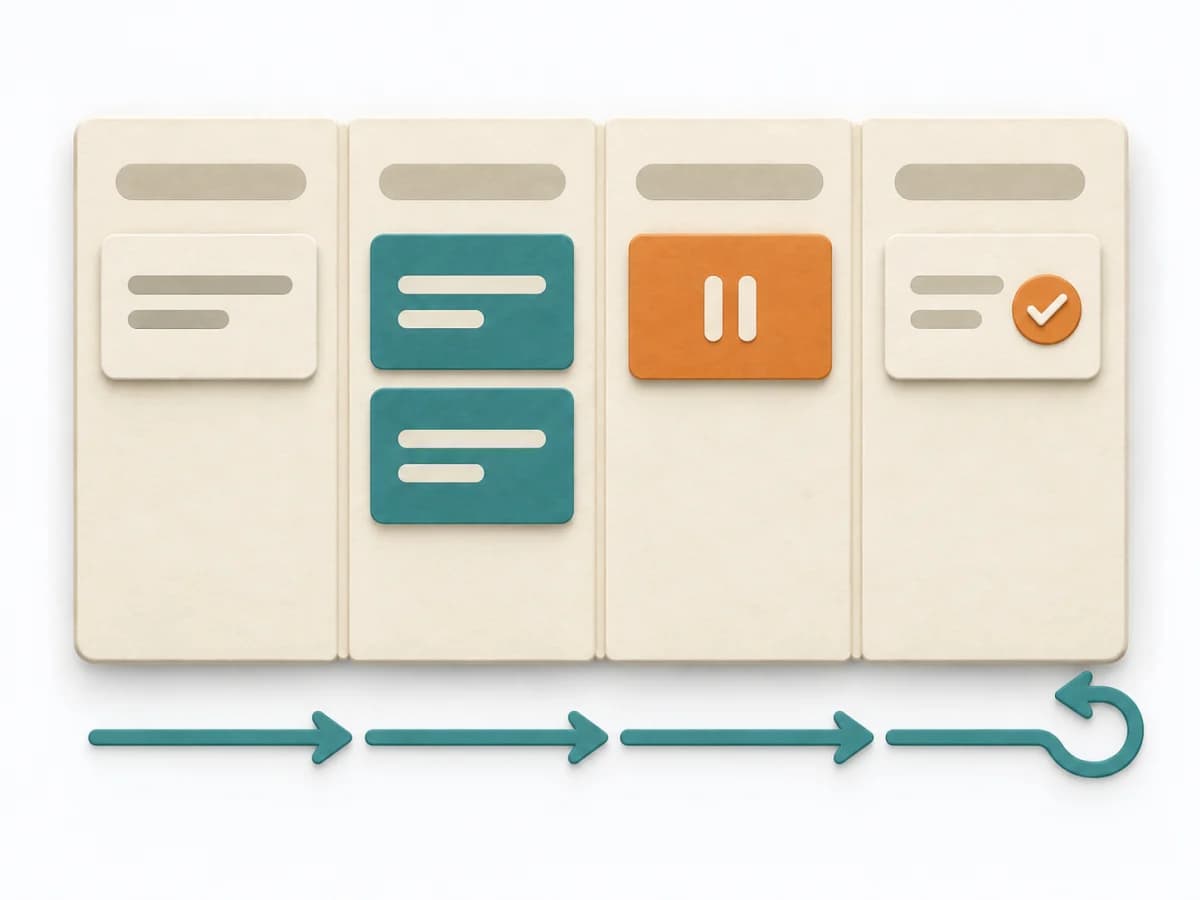
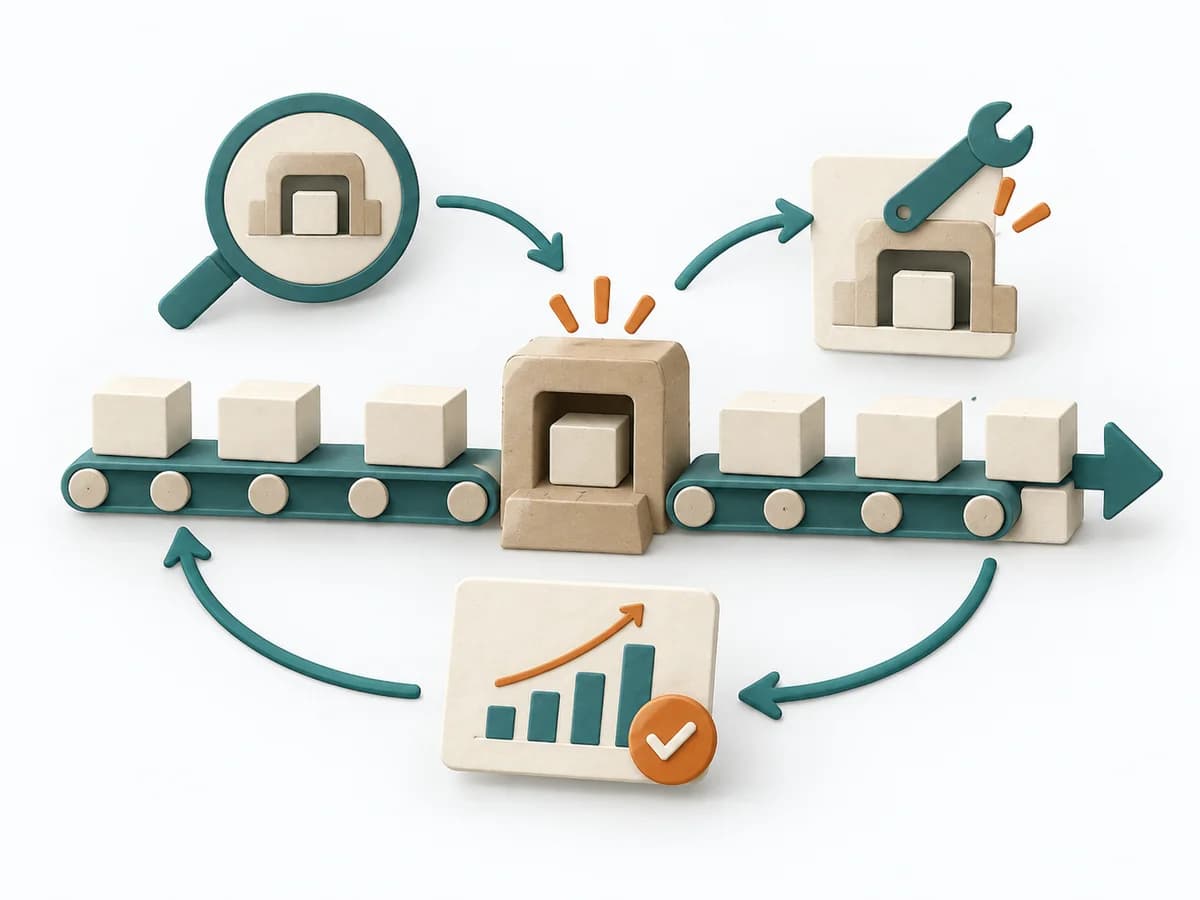
The steps express the method mechanics; feedback may reopen an earlier step.
System goal
Define system boundary, customer value, and throughput measure; subordinate local metrics to the system goal.
Constraint
Measure flow and queues; identify the one factor currently limiting total throughput.
Exploit
Protect available constraint time without major investment and focus it on throughput-producing work.
Subordinate
Align release, priorities, and other areas to the constraint cadence; define buffer boundaries.
Elevate
If exploit and subordinate are insufficient, add capacity deliberately; then identify the constraint again and avoid inertia.
At review, add evidence, update assumptions, and version the next cycle.
Bei einem System, das trotz Aufwand nicht schneller wird, lenkt die Methode Aufmerksamkeit auf den Engpass. Sie konzentriert Verbesserung auf die Stelle, die den Durchsatz tatsächlich begrenzt.
TOC improvement log with evidenced constraint, exploit, subordinate, and elevate actions, plus renewed constraint check.
Fictional example
Fictional values demonstrate the method-specific fields.
Define system boundary, customer value, and throughput measure; subordinate local metrics to the system goal.
Goal: on-time equipment handoffs; measure: complete handoffs per Saturday with complaints below 3%.
Measure flow and queues; identify the one factor currently limiting total throughput.
Handoff handles 8 units/hour, preparation 14, payment 18; 11 units queue before handoff.
Protect available constraint time without major investment and focus it on throughput-producing work.
Units arrive fully prepared; break cover exists; questions leave the handoff station.
Align release, priorities, and other areas to the constraint cadence; define buffer boundaries.
Release at most eight ready units per hour; preparation helps when buffer falls below three.
If exploit and subordinate are insufficient, add capacity deliberately; then identify the constraint again and avoid inertia.
A second handoff raises handoff capacity to 16/hour; preparation remains at 14 and becomes the new constraint.
All values are fictional.
Set the system boundary, goal, and one throughput measure before examining local utilisation.
For a system that does not get faster despite effort, the method directs attention to the bottleneck. It concentrates improvement on the point that actually limits throughput.
Flow is viewed from the perspective of its weakest point, not from the loudest problems. This makes clear where additional capacity truly has an effect and where it just grows work in progress. After every improvement, focus shifts again to the next limiting factor.
Theory of Constraints looks at a system through its limiting factor. As long as a bottleneck sets throughput, local improvements outside that bottleneck bring little overall value. The method therefore focuses first on identifying, using, and protecting the constraint before adding capacity. When the bottleneck shifts, the cycle starts again.
Prepare data on lead time, WIP, queues, or capacity. Visualize the flow of work and keep asking which point limits total throughput. Avoid action lists for every area at once; focus on the constraint and the necessary coordination around it.
The method guide walks execution through 5 phases, timing, 5 pitfalls, and clear stop criteria.
Open method guideYour perspective
Your feedback helps shape the next improvements to methodatlas.
Set subject, evidence, roles, flow, and review.
To be confirmed
To be confirmed
Complete run Time: 90–180 minutes for analysis and action plan; verify effect across several operating cycles.
Complete this worksheet on paper or in your own document during the work.
Define system boundary, customer value, and throughput measure; subordinate local metrics to the system goal.
...
Measure flow and queues; identify the one factor currently limiting total throughput.
...
Protect available constraint time without major investment and focus it on throughput-producing work.
...
Align release, priorities, and other areas to the constraint cadence; define buffer boundaries.
...
If exploit and subordinate are insufficient, add capacity deliberately; then identify the constraint again and avoid inertia.
...
The blank worksheet contains prompts only.
Reference · original teaching example
Expected artifact: Measurable system goal
Define system boundary, customer value, and throughput measure; subordinate local metrics to the system goal.
Entry:
...
Expected artifact: Evidenced constraint
Measure flow and queues; identify the one factor currently limiting total throughput.
Entry:
...
Expected artifact: Exploit rules
Protect available constraint time without major investment and focus it on throughput-producing work.
Entry:
...
Expected artifact: Aligned system flow
Align release, priorities, and other areas to the constraint cadence; define buffer boundaries.
Entry:
...
Expected artifact: Next improvement cycle
If exploit and subordinate are insufficient, add capacity deliberately; then identify the constraint again and avoid inertia.
Entry:
...
...
Method guide: https://methodatlas.meierhoff-systems.de/en/methods/theory-of-constraints/run-sheet
Fitting alternatives with decision guidance, followed by other related methods.
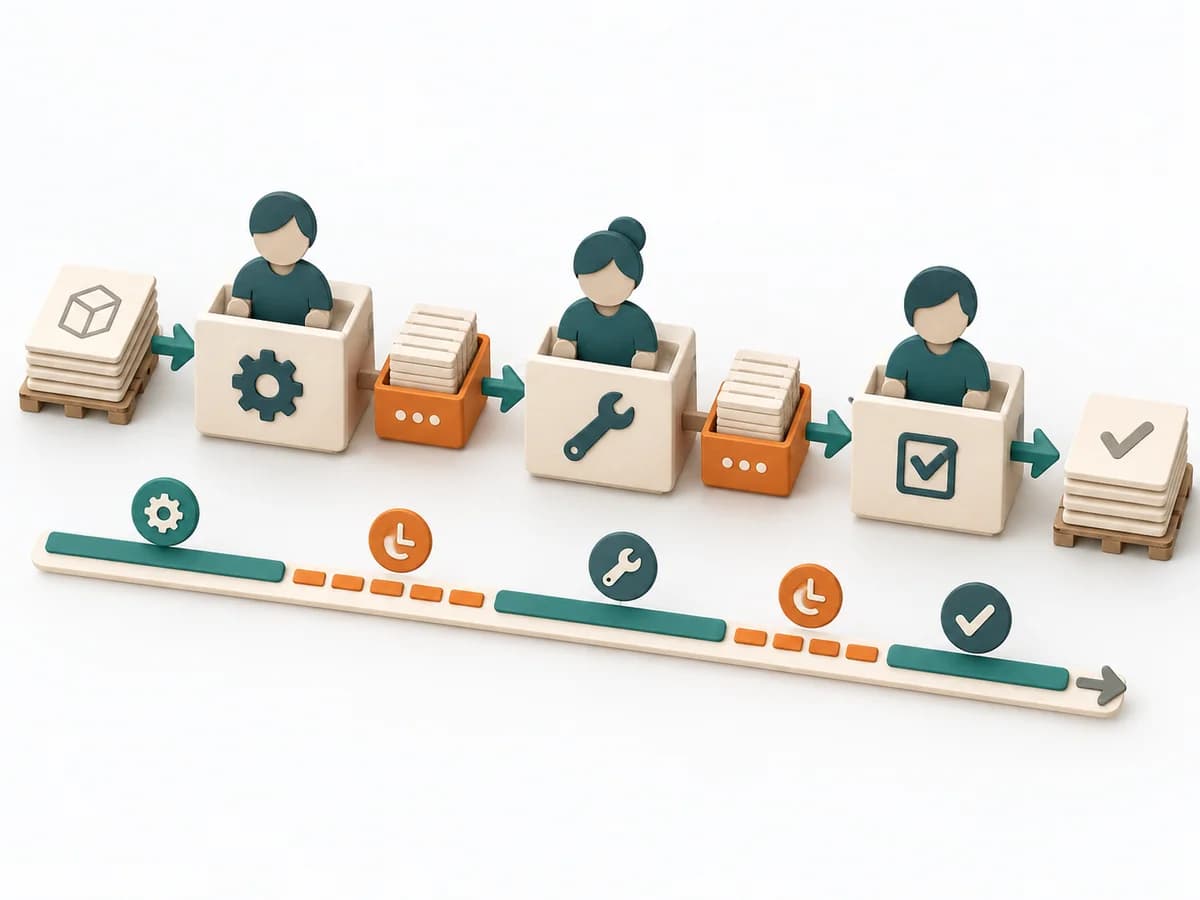
Instead of Theory of Constraints, choose Value Stream Mapping when you want to measure an end-to-end flow with wait times and waste.
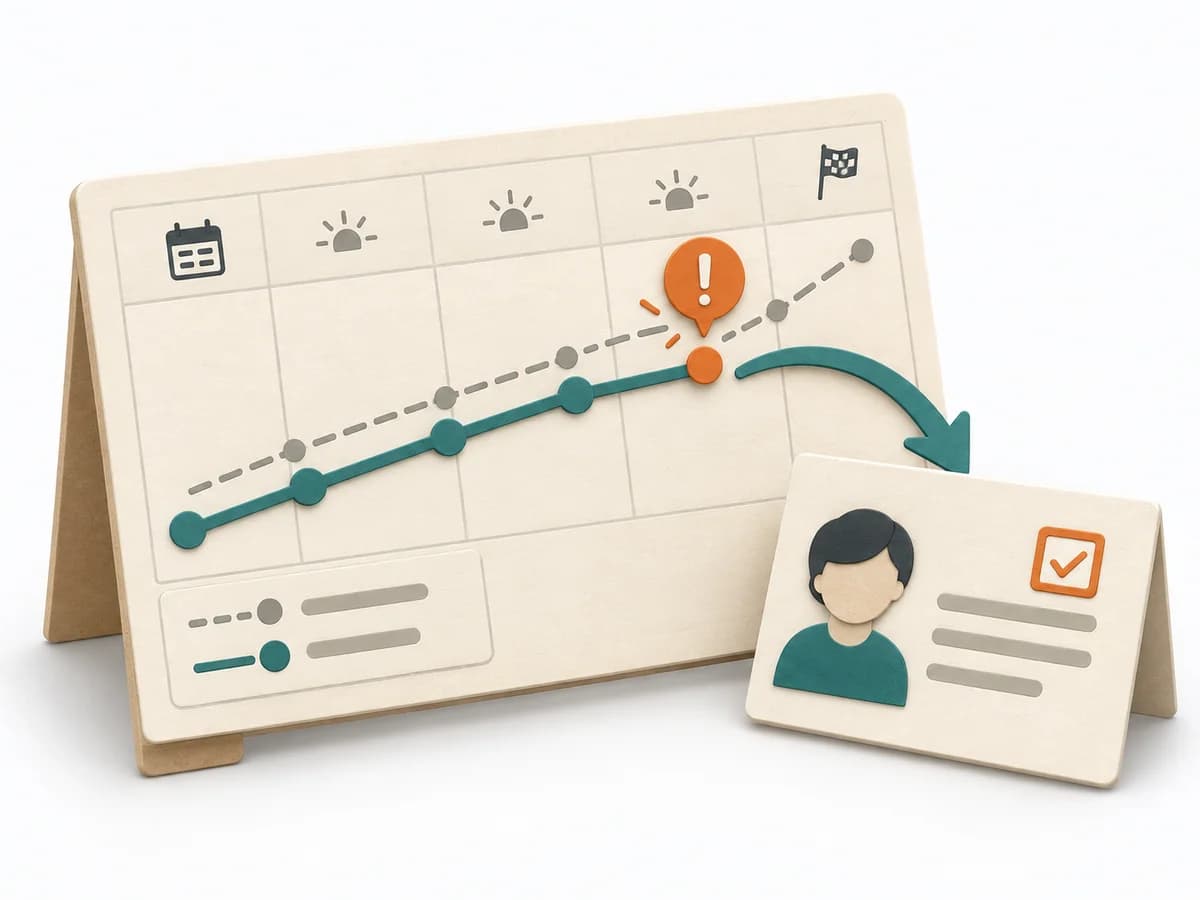
Makes status, exceptions, and signals recognizable at a glance so teams can react faster.
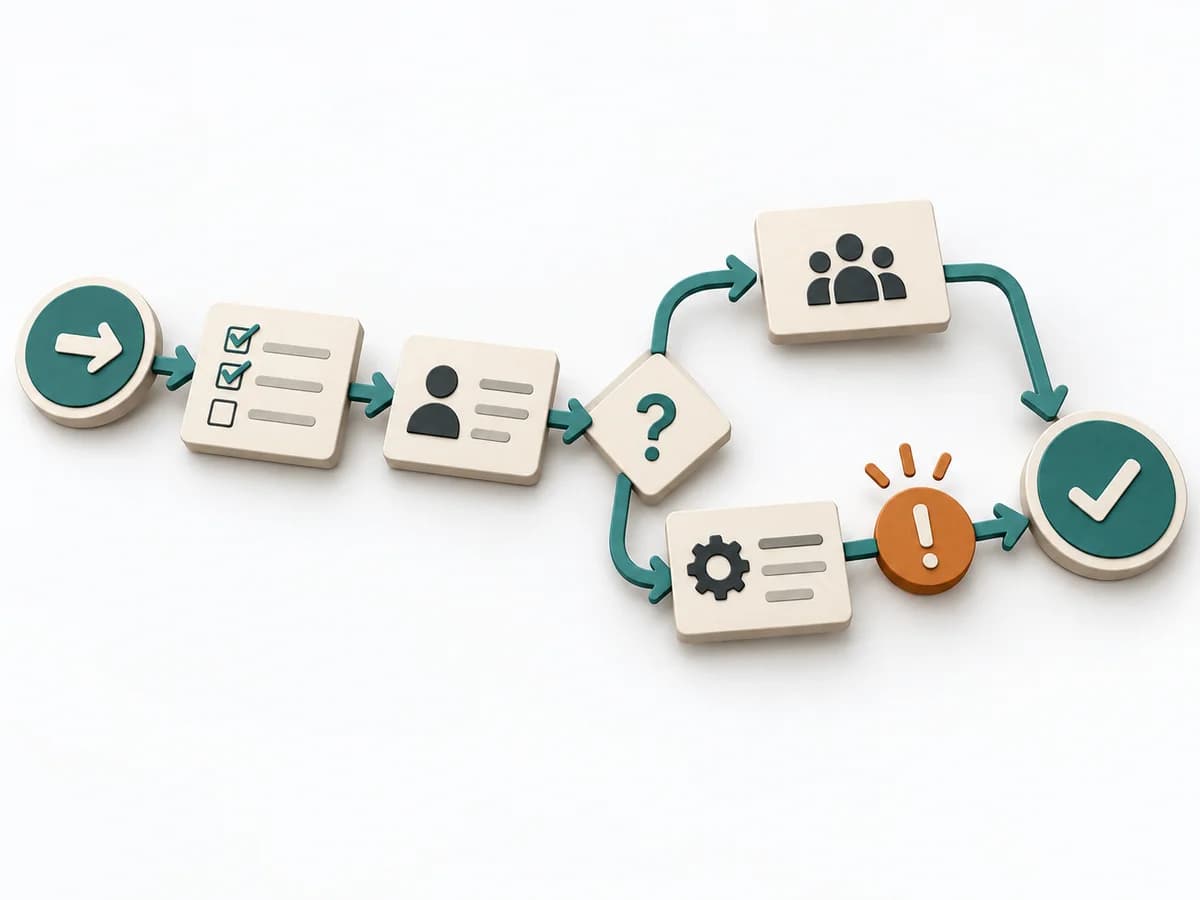
Visualizes workflows with roles and handoffs so problems, media breaks, and improvement opportunities become visible.
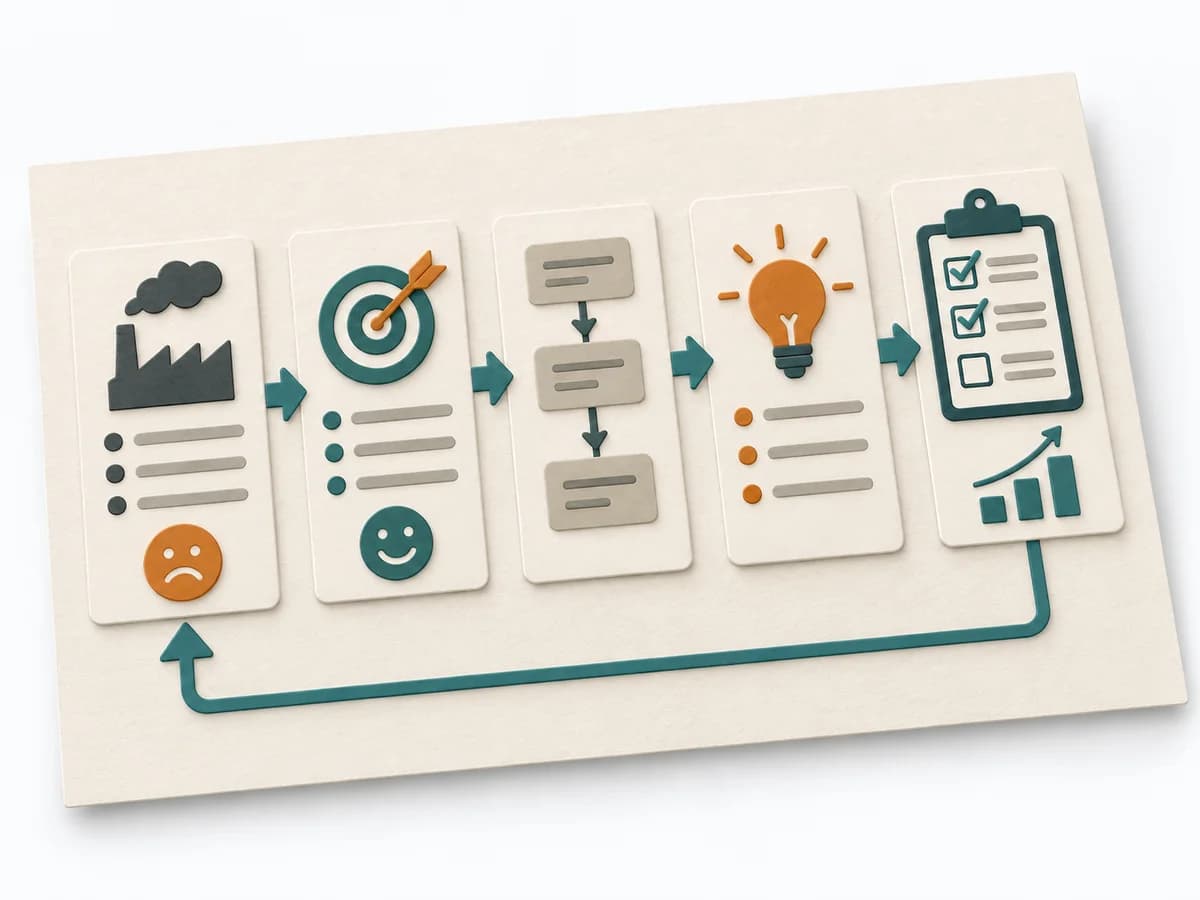
Condenses problem, analysis, countermeasures, and follow-up onto one sheet and forces joint analysis.
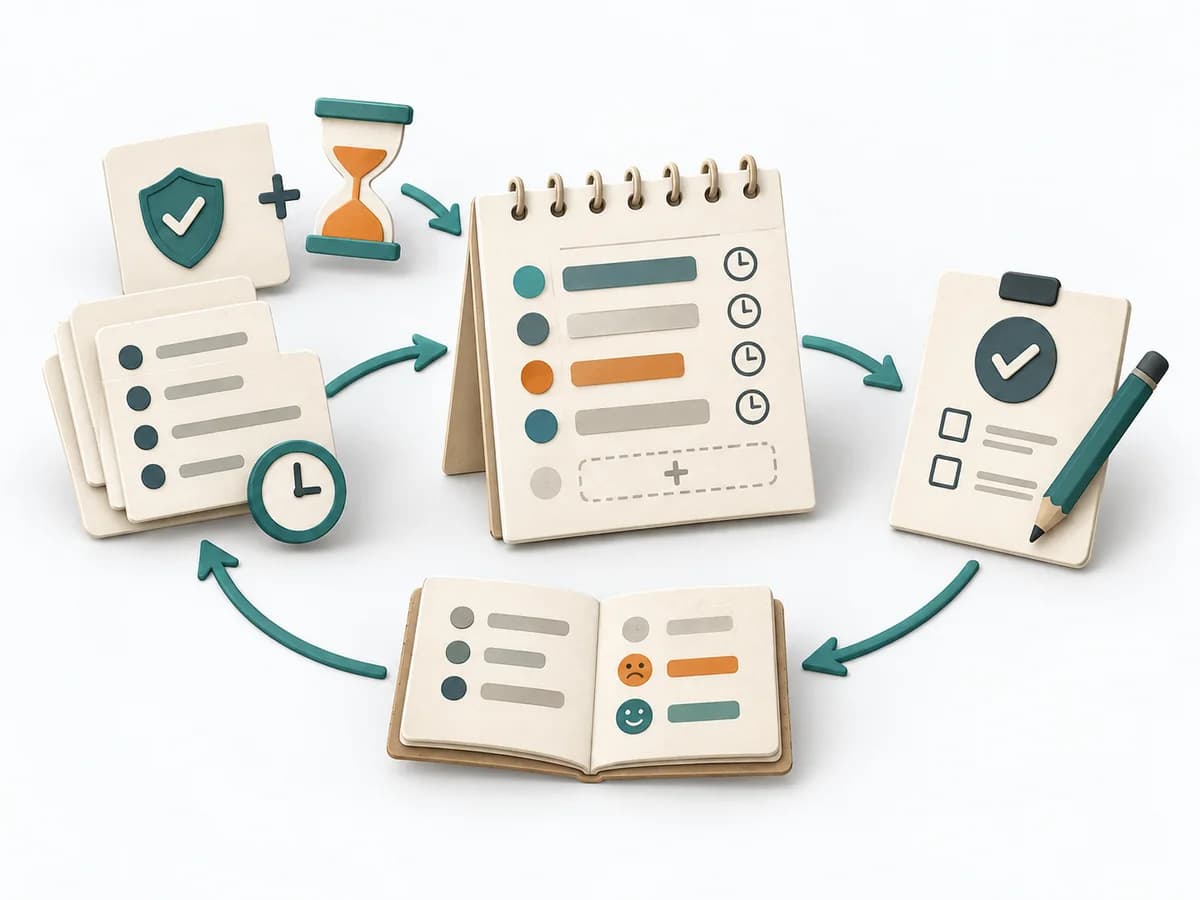
Plans the day through tasks, effort, buffer, and control so priorities stay realistically checkable.
Goes to the place where work happens, observes the process without disrupting it, and gathers solid clues about friction.