Purpose
When delivery work dissolves into wait times, handoffs, and hidden effort, Value Stream Mapping makes the actual flow visible. The method exposes bottlenecks, idle time, and feedback loops so lead time and improvement levers become tangible.
Delivery Mapping tool
Makes the actual information and work flow for a product family visible, including waits and lead times.
Value Stream Mapping makes the actual information and work flow for a product family visible, including waits and lead times. The representation supports a justified next improvement step.
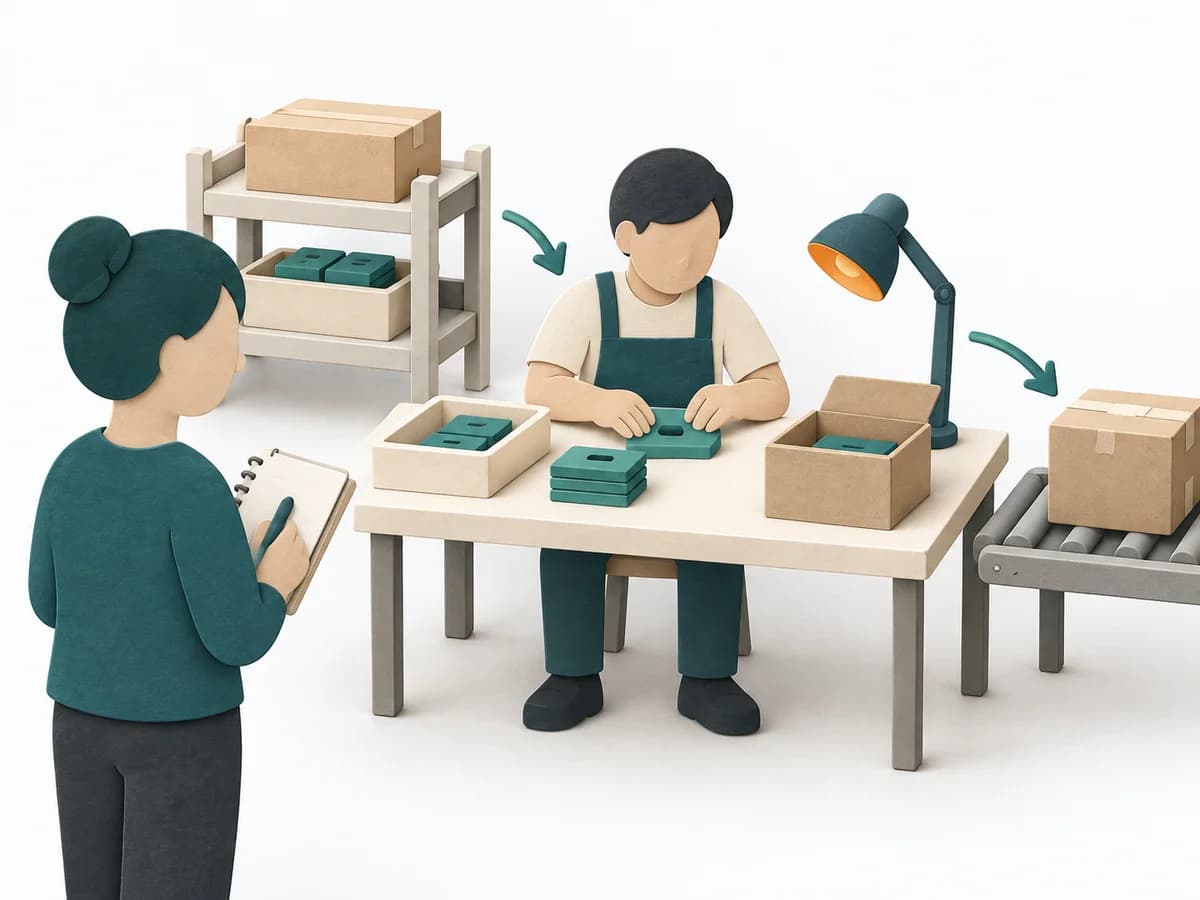
How does one concrete work item move from request to delivery today?
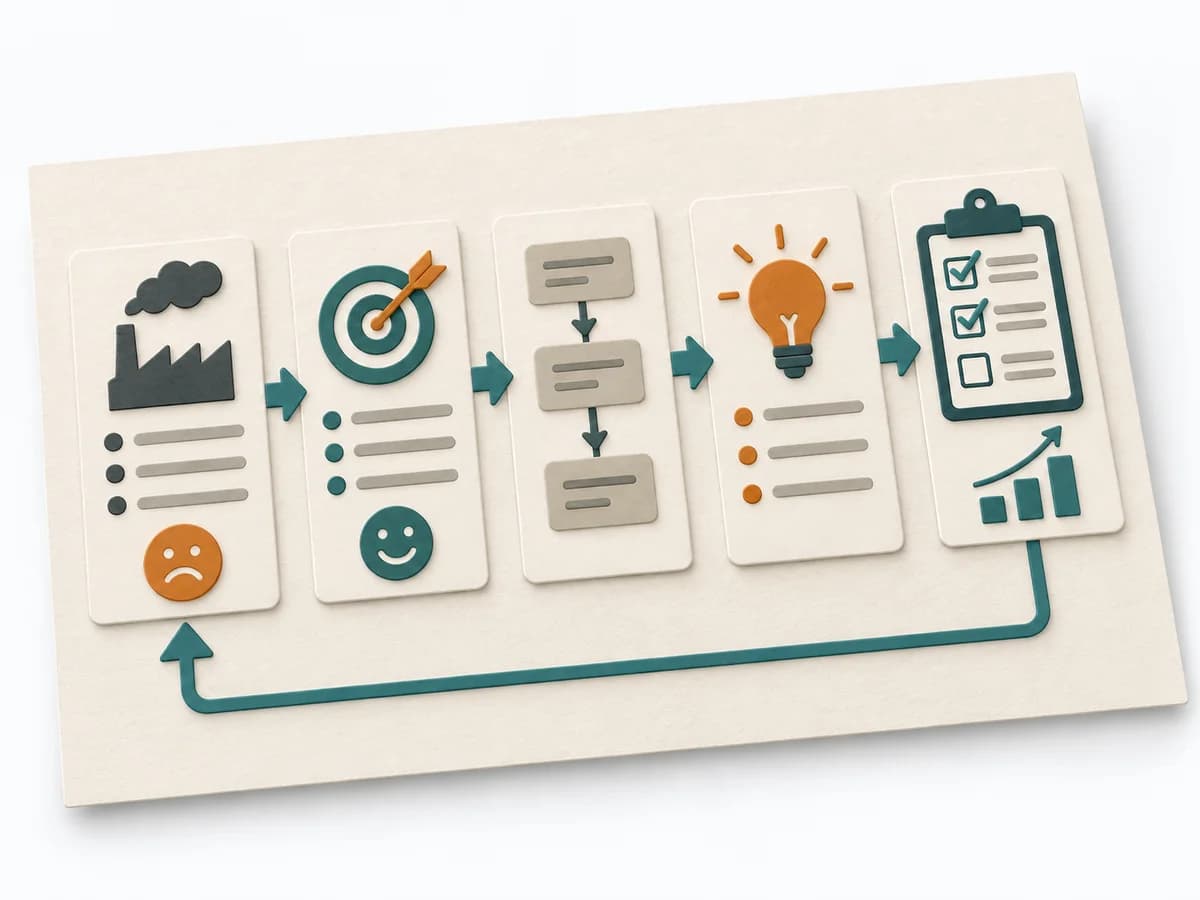
Phases may be revisited; their order supports the work but does not replace domain judgment.
Scope
Bound the stream by customer value, demand, and the end of the flow.
Current flow
Follow items; map steps, handoffs, queues, and information signals.
Measures
Record processing time, wait, inventory, and lead time with defined units.
Future state
Mark bottlenecks, design a testable future state, and assign the first improvement.
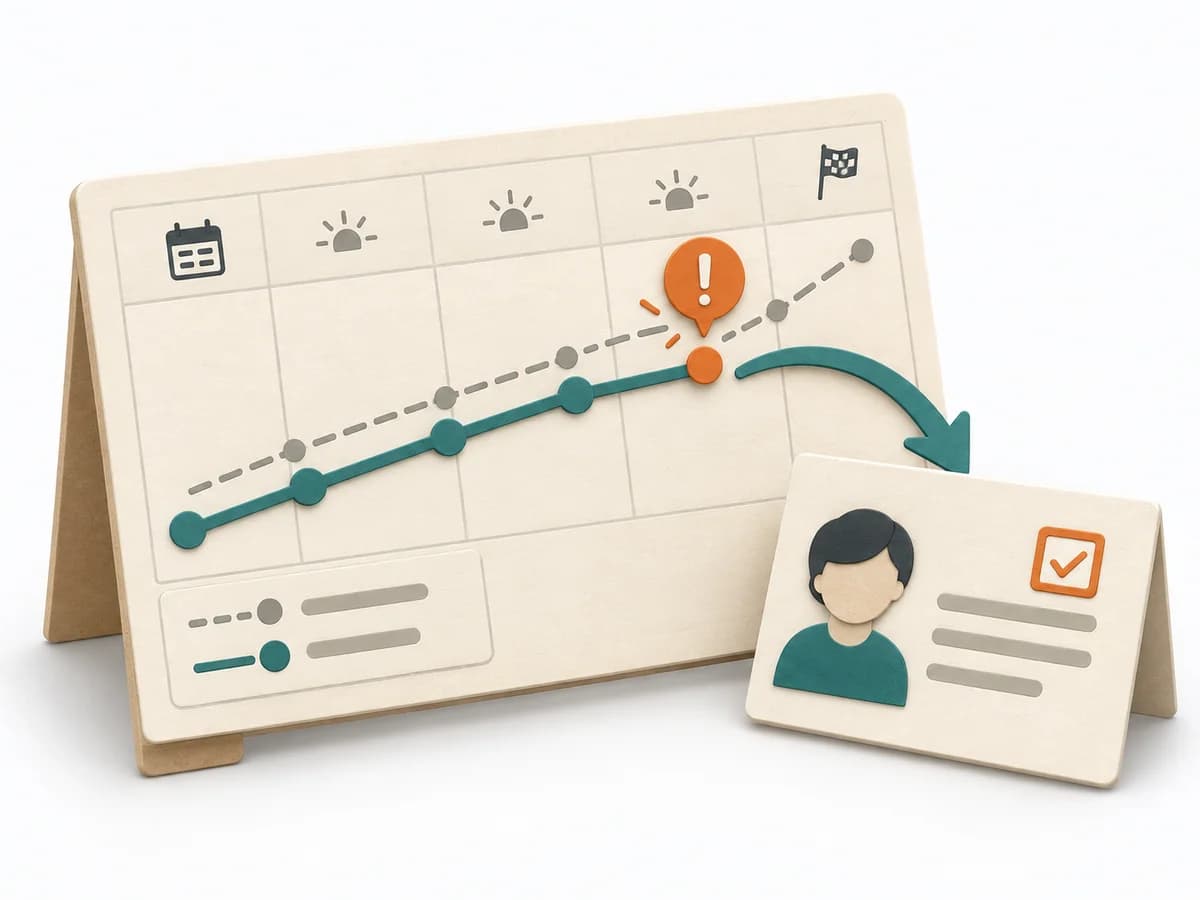
Review the result and open assumptions at the next suitable checkpoint. Record changes, ownership, and new evidence.
Use when: One product family and clear start/end points, with access to actual work and participants.
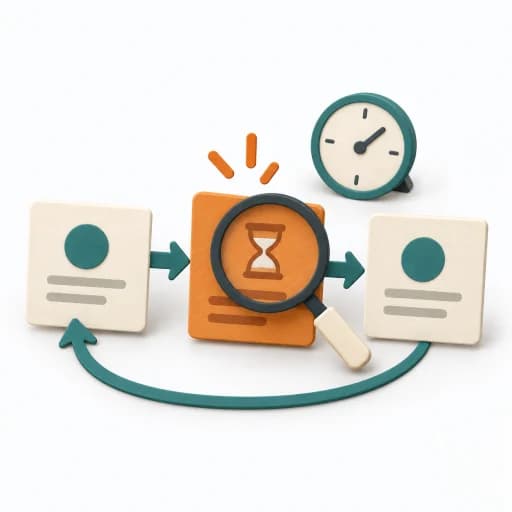
The working picture bounds the stream by customer value, demand, and the end of the flow.

The measurement view records processing time, wait, inventory, and lead time with defined units.
The future-state view marks bottlenecks, testable changes, and the first assigned improvement.
Fictional worked example
Make the actual information and work flow for a product family visible, including waits and lead times.
Define product family, start, end, and demand.
Software change from confirmed need to production.
Map observed steps, information flow, and inventory.
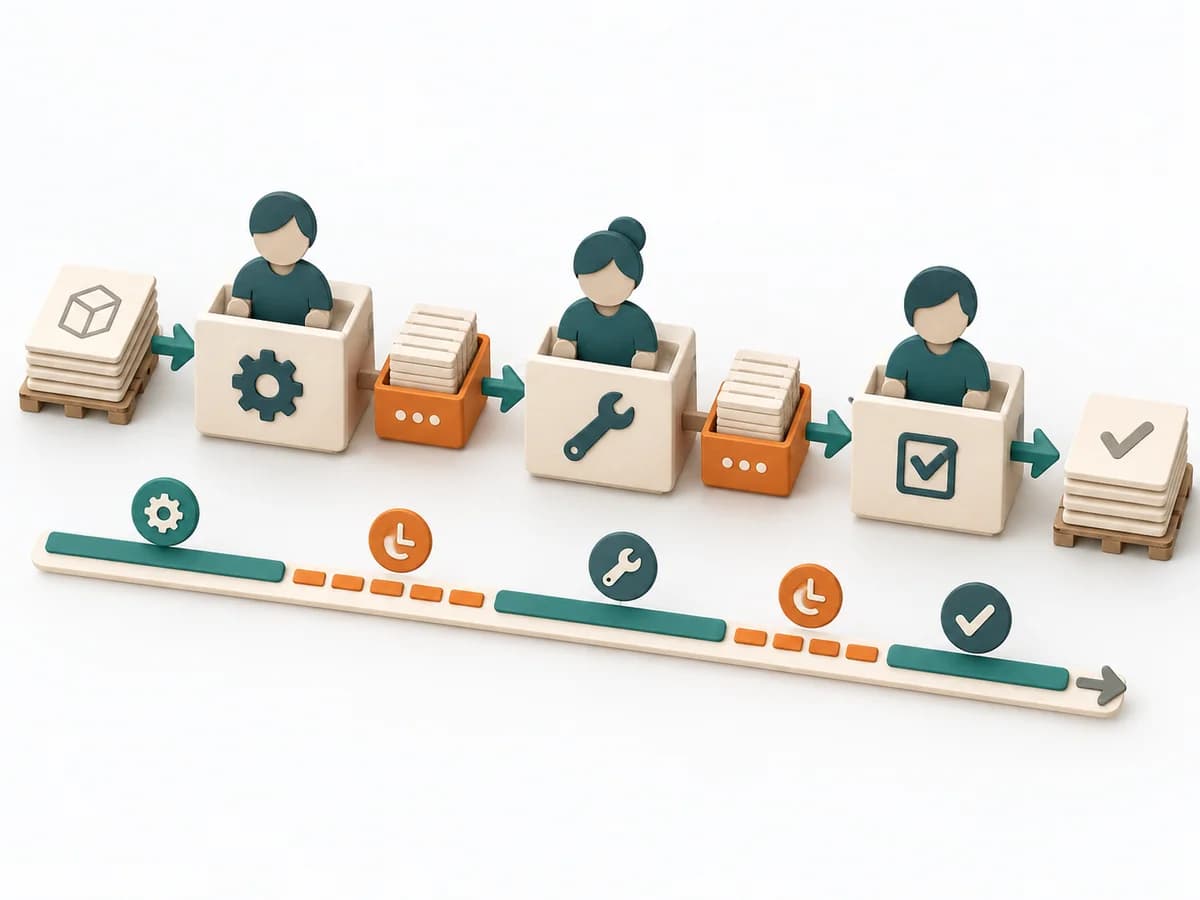
Triage waits 96 h; implementation 1.5 h; review waits 72 h; testing 2 h; deployment waits 24 h.
Record processing time, wait, and units per step.
Lead time: 195.5 h. Processing time: 3.5 h. Sample of 12 changes.
Connect bottleneck to future state, experiment, and owner.
Fictional hypothesis: scheduled review windows reduce review wait; inspect weekly.
Fictional software change: request waits 96 h before triage, implementation takes 1.5 h, review waits 72 h, testing takes 2 h, deployment waits 24 h. Observed lead time: 195.5 h; processing time: 3.5 h. Values come from event records and a sample.
Understanding the Fundamentals of Value-Stream Mapping · Lean Enterprise Institute
Start with a bounded question, clarify access and participants, and collect available evidence. Make the actual information and work flow for a product family visible, including waits and lead times.
When delivery work dissolves into wait times, handoffs, and hidden effort, Value Stream Mapping makes the actual flow visible. The method exposes bottlenecks, idle time, and feedback loops so lead time and improvement levers become tangible.
The view follows a service's path from the first need to delivery, separating processing time from standstill. The visible delays produce a shared picture of where flow slows down, where capacity leaks away, and which changes have the biggest effect.
Value Stream Mapping works because it pulls material, information, and wait time into one shared flow picture. The method is strong when processing time, idle time, feedback loops, and handoffs are read as real performance factors. Good use directs attention to systemic delays rather than individual blame, so improvements raise throughput, quality, and predictability of the entire value stream.
Start with a clearly bounded end-to-end flow and bring real data or solid approximations of times and quantities. The session becomes especially important at handoffs, queues, and loops, because that's usually where the biggest leverage lies. Close with a few prioritized bottlenecks and a decision on where the first improvement attempt starts.
The method guide walks execution through 4 phases, timing, 4 pitfalls, and clear stop criteria.
Open method guideYour perspective
Your feedback helps shape the next improvements to methodatlas.
Prepare Value Stream Mapping with a clear question, roles, and sources.
To be confirmed
To be confirmed
Plan the full method Time: Set according to scope and available evidence
Complete this worksheet on paper or in your own document during the work.
Define product family, start, end, and demand.
...
Map observed steps, information flow, and inventory.
...
Record processing time, wait, and units per step.
...
Connect bottleneck to future state, experiment, and owner.
...
Blank worksheet: start with a bounded question. Enter observed facts only, mark assumptions, and record open questions and sources.
Understanding the Fundamentals of Value-Stream Mapping · Lean Enterprise Institute
Expected artifact: Bounded product family and flow limits
Bounded product family and flow limits
Entry:
...
Expected artifact: Observed current flow with handoffs and queues
Observed current flow with handoffs and queues
Entry:
...
Expected artifact: Time data separating processing and wait
Time data separating processing and wait
Entry:
...
Expected artifact: Derived future state and first improvement test
Derived future state and first improvement test
Entry:
...
...
Method guide: https://methodatlas.meierhoff-systems.de/en/methods/value-stream-mapping/run-sheet
Fitting alternatives with decision guidance, followed by other related methods.
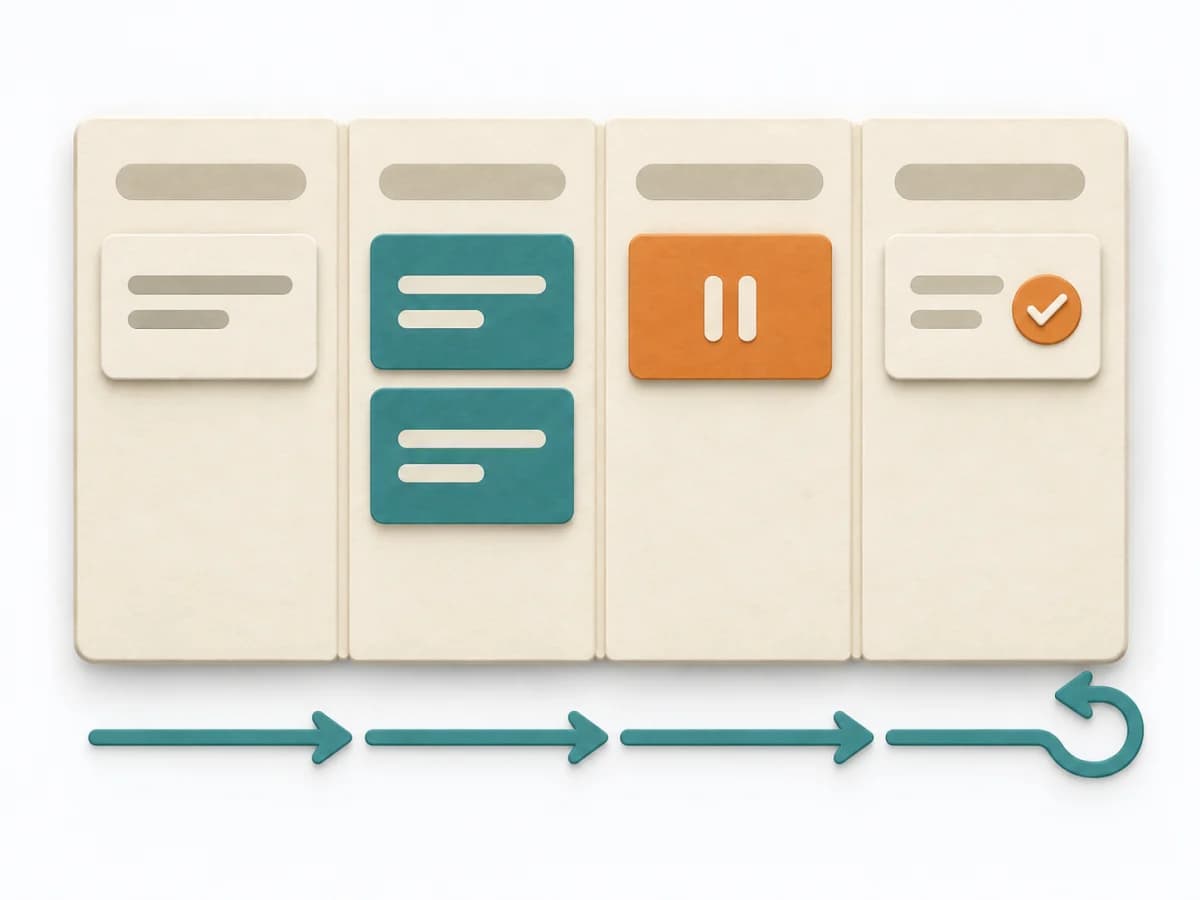
Instead of Value Stream Mapping, when you want to manage work as a flow and keep an eye on WIP, bottlenecks, and throughput.
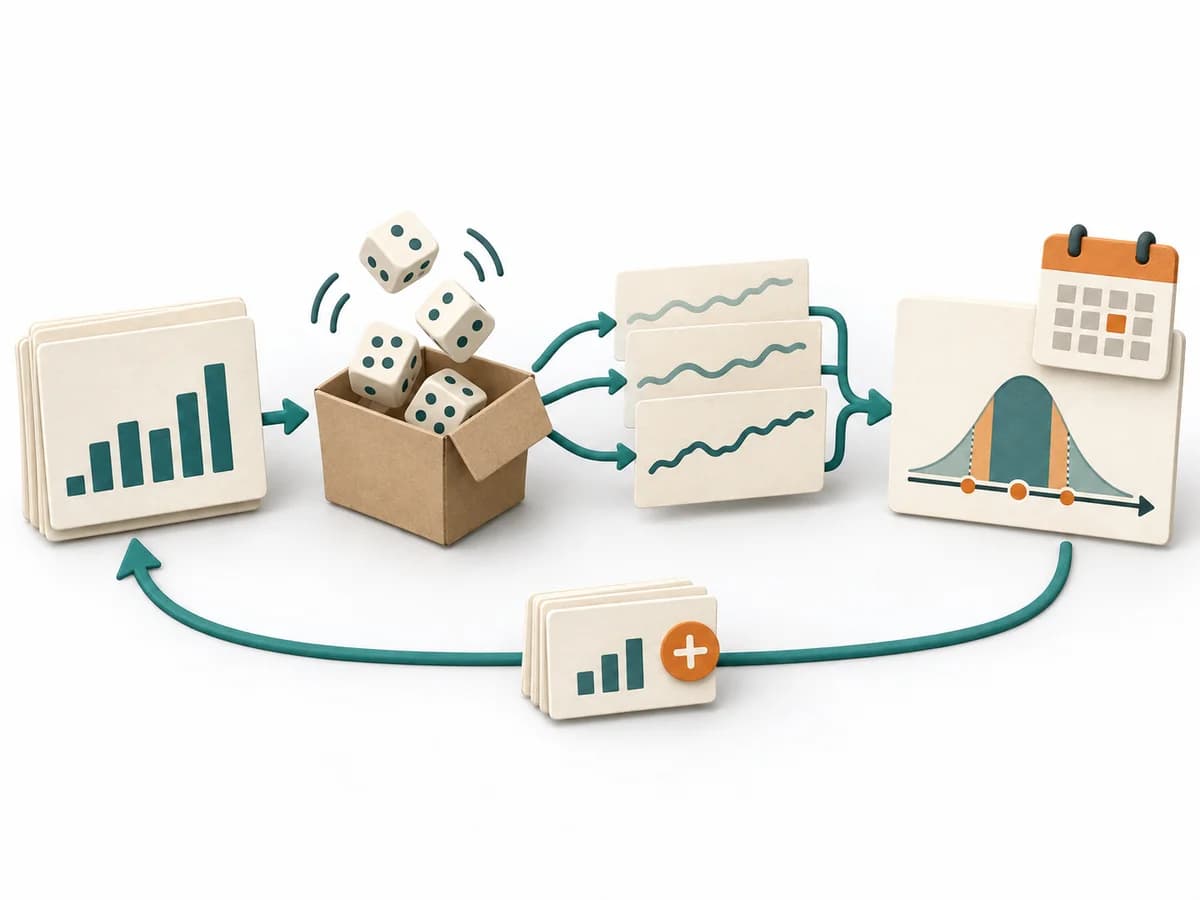
Moves scope, sequence, and delivery flow toward a concrete result through "formulate the forecast question", "choose historical flow data", and "update the forecast regularly".
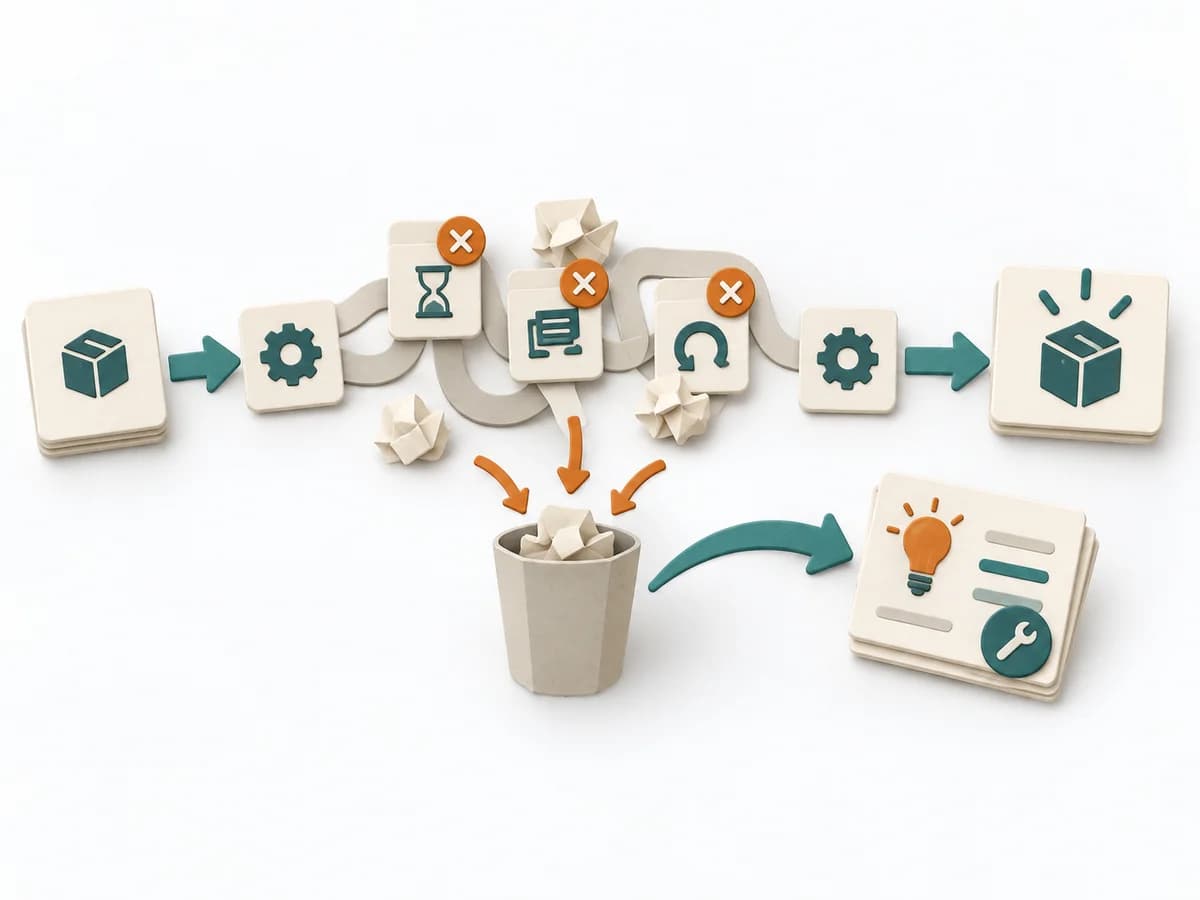
Identifies waste along a process, prioritizes impact, and derives improvements.
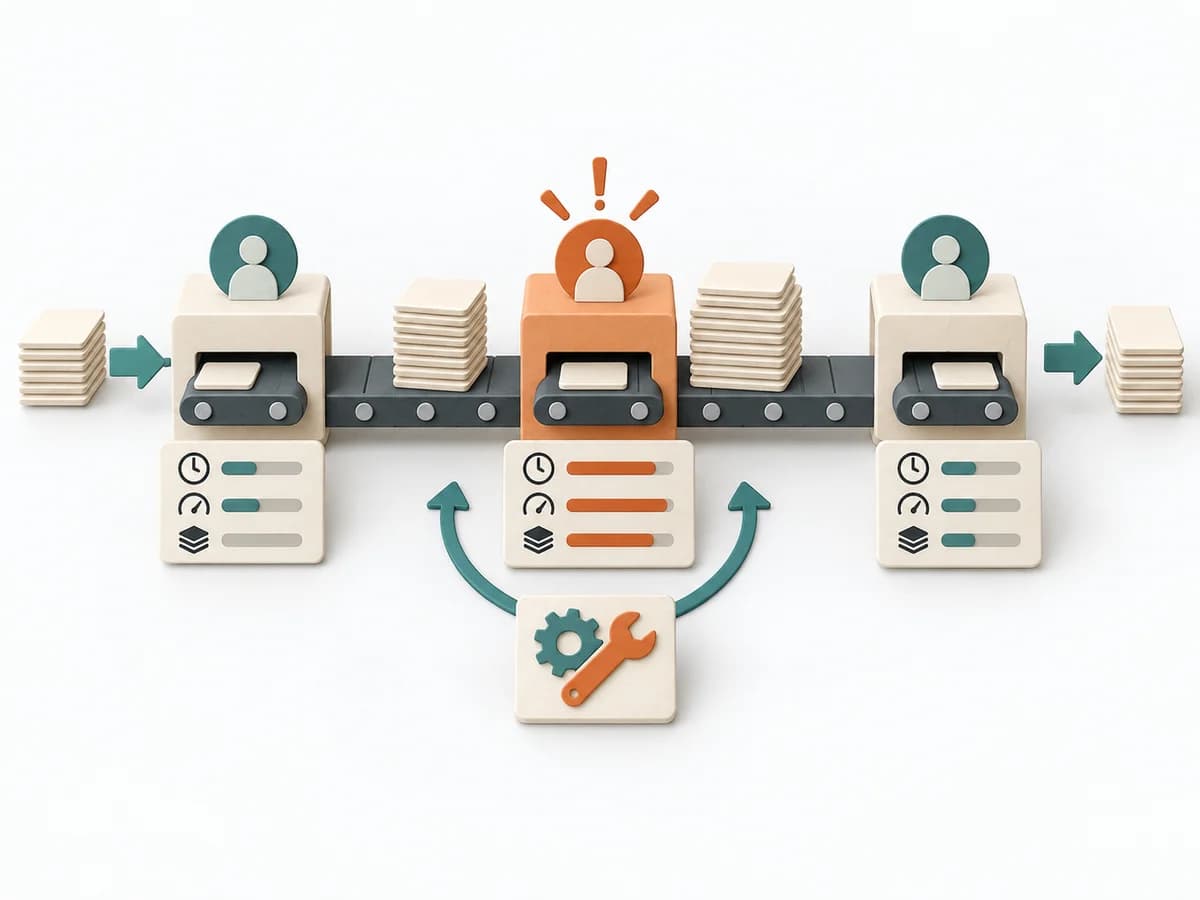
Measures flow, wait times, and WIP to find the bottleneck and derive relief options.
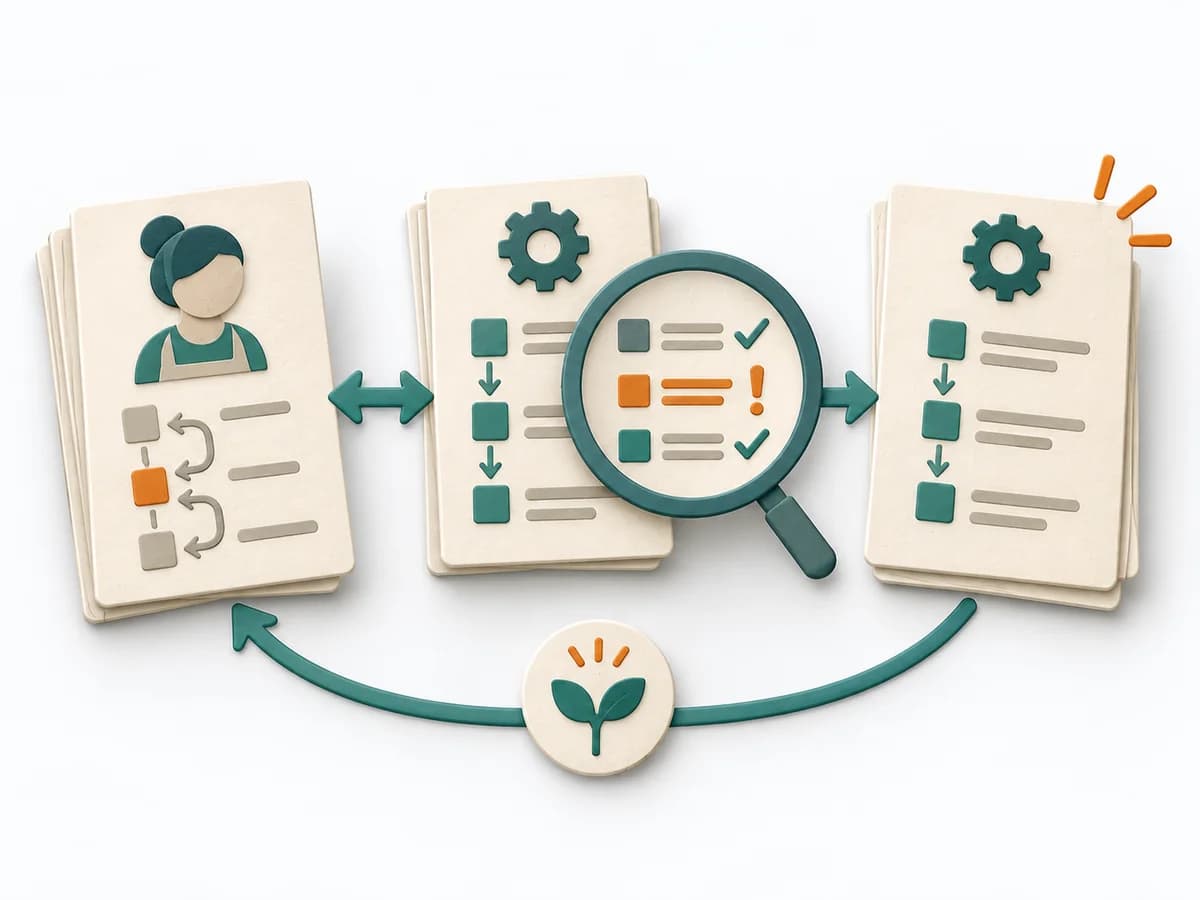
Compares work as actually performed with the standard and reveals deviations that improve the process in a targeted way.
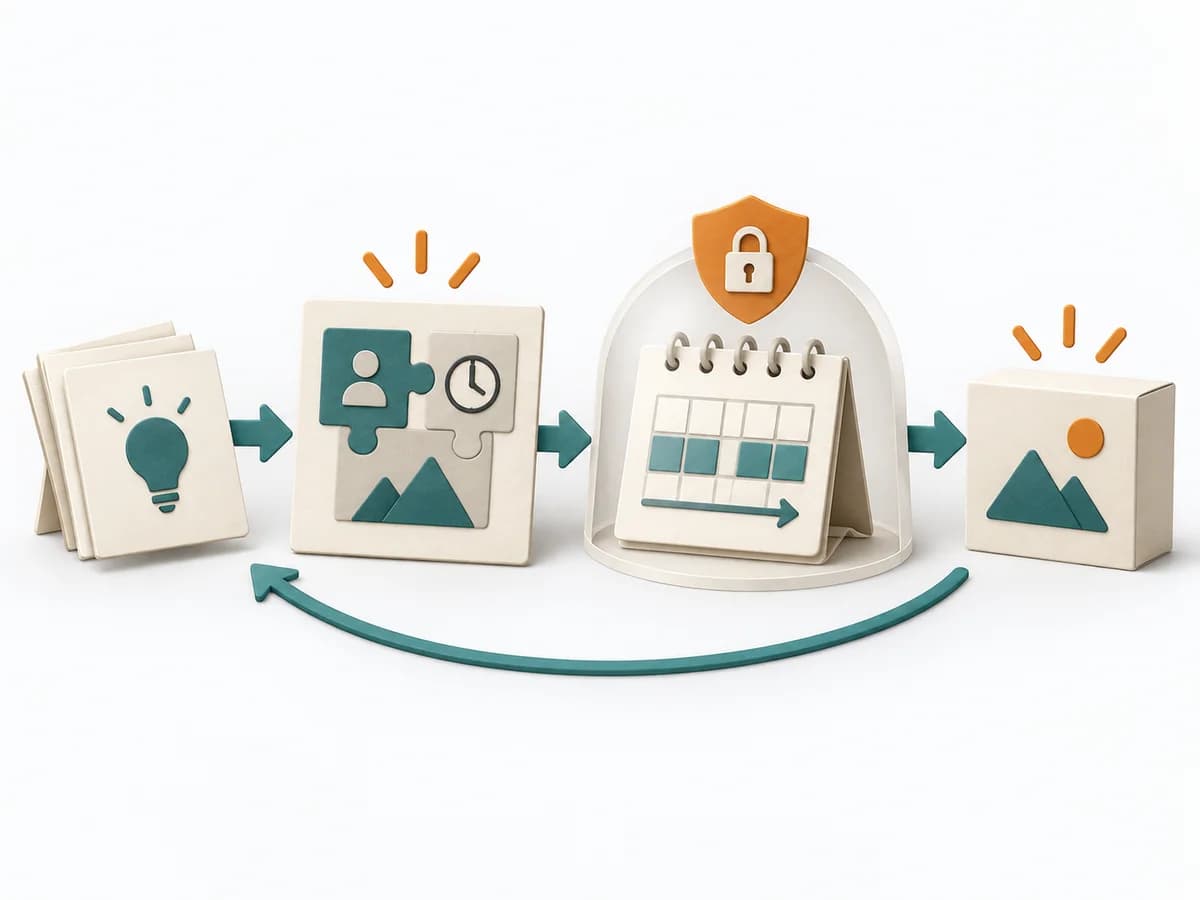
Structures product work around shaped pitches, bets, fixed cycles, hill charts, and scope hammering.