
Purpose
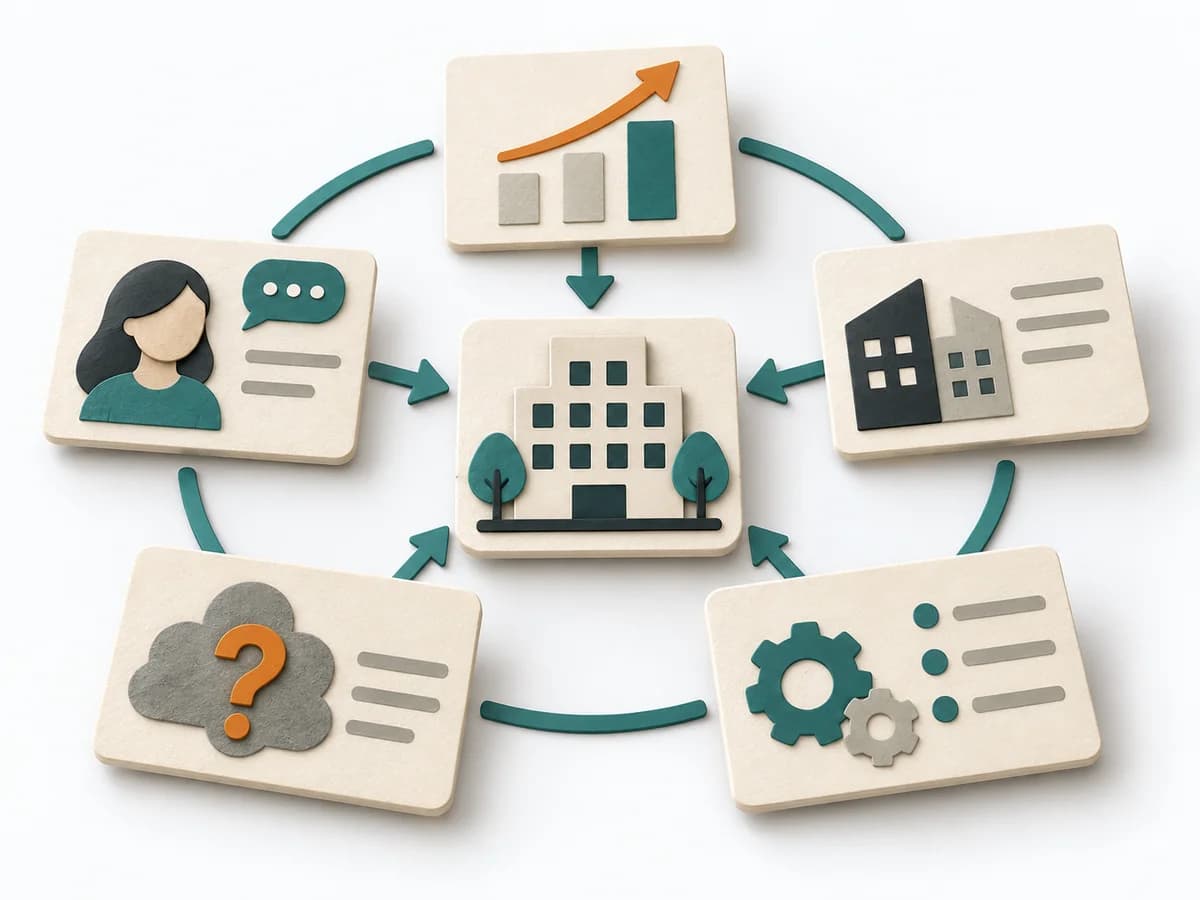
When an environment of users, systems, and constraints is hard to grasp, it puts the context compactly on the table. It creates a clear reading of influence, boundary, and dependency.
Product Discovery Canvas
Surfaces stakeholders, drivers, constraints and uncertainties that shape a product or change.
Surfaces stakeholders, drivers, constraints and uncertainties that shape a product or change.
What external forces and internal capabilities shape this business model?
The steps are a practical sequence; adapt them to the method’s purpose and available evidence.
Scope
Name the decision being prepared, its level and time horizon.
Actors
Record participants, interests and relationships with their evidence source.
Drivers
Map relevant drivers, change, constraints and resources; distinguish fact from forecast.
Uncertainty
Mark critical uncertainty, identify which options it affects and assign the next inquiry or decision.
Revisit the model when evidence, context or outcomes change. Record what changed and why.
Use it when: Problem Framing, Project Kickoffs. The group can provide the evidence and authority the method requires.
Actors, drivers, constraints and decision-relevant uncertainties.
The artifact records scope, date, participants, source version, and owner, including changed assumptions and the reason for each revision.
Fictional example
Fictional, “digital appointment booking” service: driver: phone wait time; users: existing patients; partner: practice management system; constraints: privacy and current availability; uncertainties: sync delay and share of appointments available online. Decision: measure current requests first, then pilot at one practice. Do not enter figures without a source.
Which company or product sits at the centre?
Fictional: Appointment platform
Which demographic, education or employment shifts matter?
Fictional: Patient work schedules are changing.
Which current or emerging rules affect you?
Fictional: Privacy affects appointment and health data.
Which economic or environmental forces matter?
Fictional: Practices face cost pressure.
Who offers alternatives, including outside your category?
Fictional: Phone booking and practice portals.
Which technology could change the landscape?
Fictional: Calendar APIs are becoming more accessible.
How are customer needs or behaviour changing?
Fictional: Flexible follow-ups may matter more.
Which factors have uncertain scale or timing?
Fictional: Share of bookable appointments is unknown.
Name the decision being prepared, its level and time horizon.
When an environment of users, systems, and constraints is hard to grasp, it puts the context compactly on the table. It creates a clear reading of influence, boundary, and dependency.
It condenses environment, actors, constraints, and relationships into a compact view and records the key interactions. This makes framework conditions usable early for product and implementation conversations.
The context canvas keeps the problem space coherent before individual solutions dominate. It combines stakeholders, goals, constraints, assumptions, and open questions into a shared understanding of the situation. That produces a reference point against which later ideas or requirements can be evaluated. Inputs from conversations and observations are translated into a structured description of context.
Gather notes in advance on stakeholders, processes, and constraints that actually shape the problem. The productive point lies where the context shows that the same solution would have quite different consequences in different situations. By the end you need a precise problem space, open context gaps, and a clear decision on what still needs investigating before solution work begins.
The method guide walks execution through 4 phases, timing, 4 pitfalls, and clear stop criteria.
Open method guideYour perspective
Your feedback helps shape the next improvements to methodatlas.
Prepare the decision, source evidence and next review.
To be confirmed
To be confirmed
Run the method Time: See catalog planning range; no universal duration.
Complete this worksheet on paper or in your own document during the work.
Which company or product sits at the centre?
...
Which demographic, education or employment shifts matter?
...
Which current or emerging rules affect you?
...
Which economic or environmental forces matter?
...
Who offers alternatives, including outside your category?
...
Which technology could change the landscape?
...
How are customer needs or behaviour changing?
...
Which factors have uncertain scale or timing?
...
Context Canvas® · DesignABetterBusiness.tools
Expected artifact: Canvas scope
Canvas scope
Entry:
...
Expected artifact: Actor and dependency map
Actor and dependency map
Entry:
...
Expected artifact: Context factors with evidence status
Context factors with evidence status
Entry:
...
Expected artifact: Context options and open questions
Context options and open questions
Entry:
...
...
Method guide: https://methodatlas.meierhoff-systems.de/en/methods/context-canvas/run-sheet
Fitting alternatives with decision guidance, followed by other related methods.
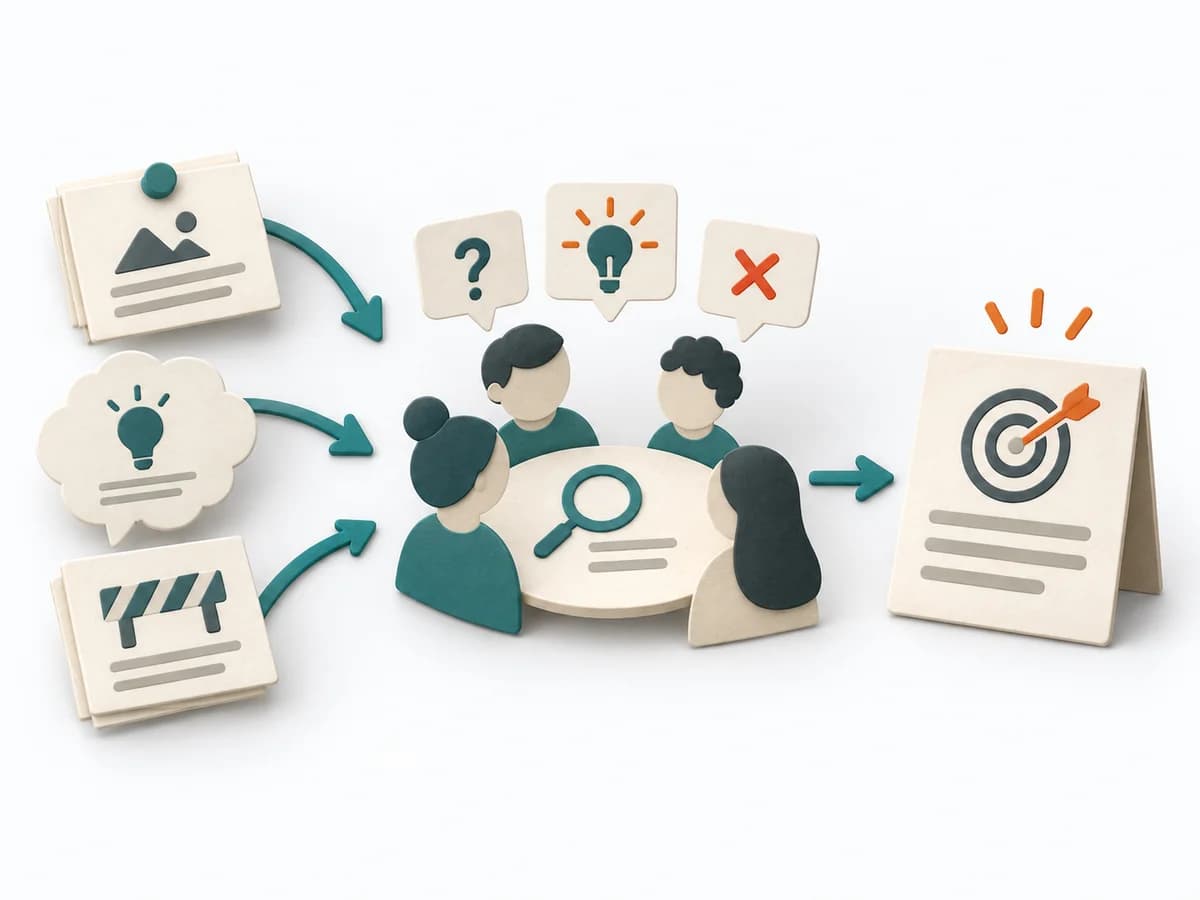
Instead of Context Canvas, when the problem itself is still contested and needs to be framed together first.

Moves customer problem, solution idea, and evidence toward a concrete result through "clarify the learning goal and the assumption to test", "formulate the hypothesis as an if-then statement", and "define the decision rule after the test".
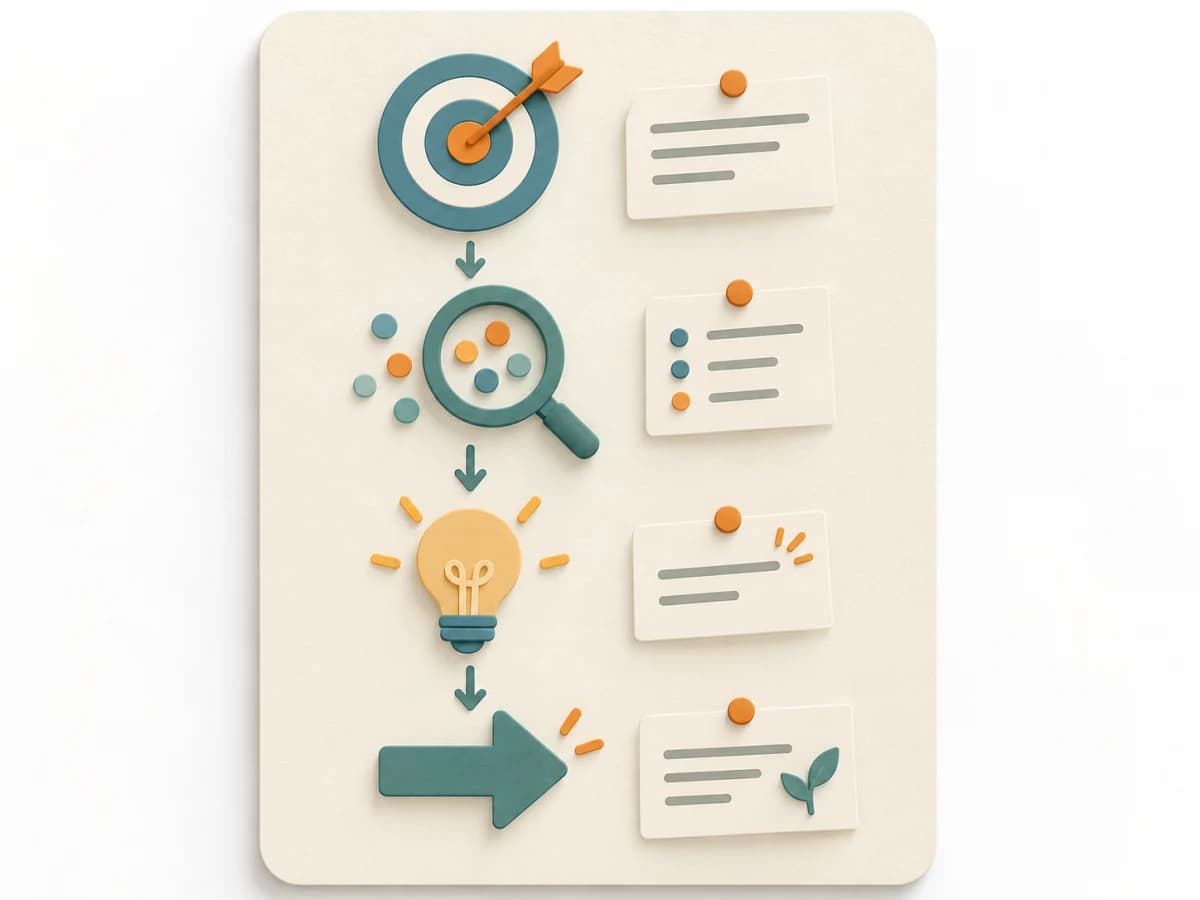
Separates hypothesis, observation, insight, and next action into four fields after a test.
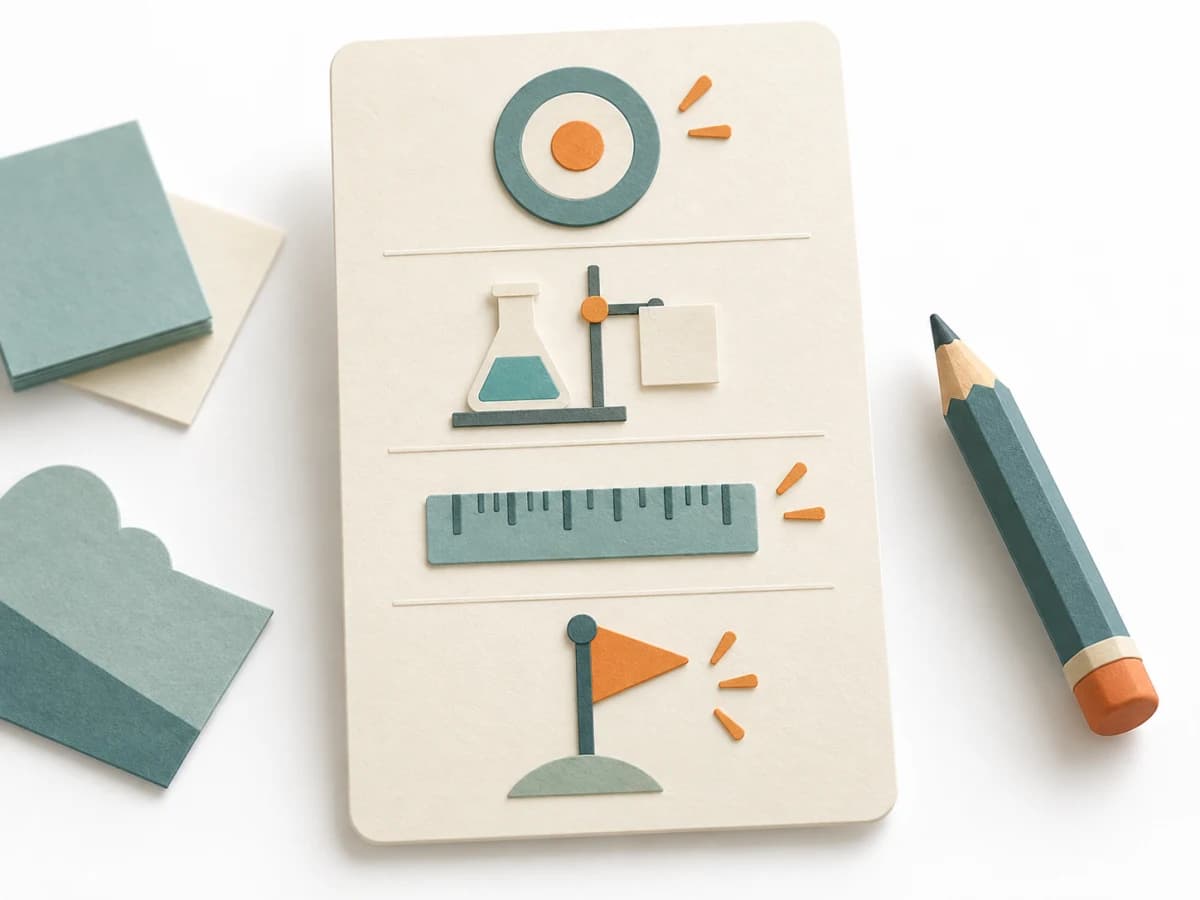
Condenses hypothesis, test, metric, and success threshold onto one card before execution.
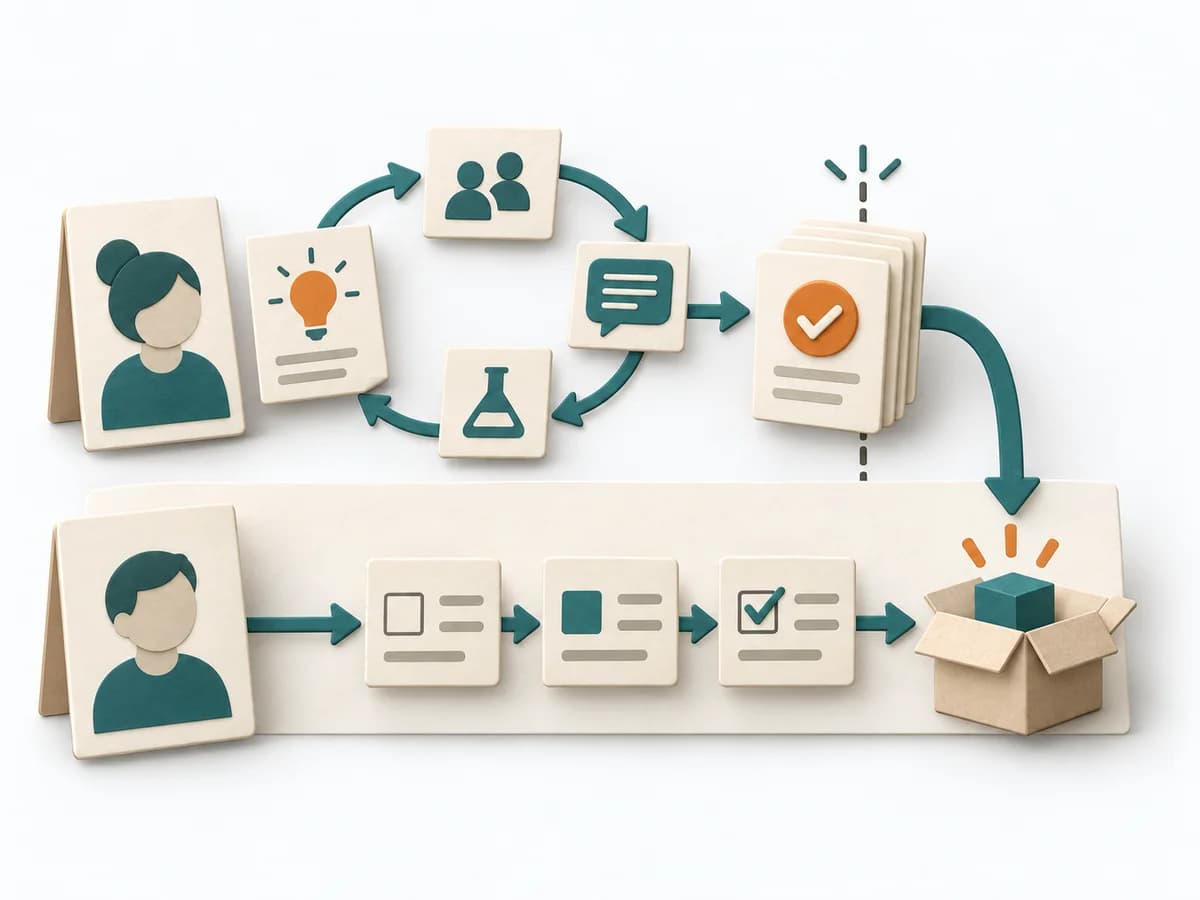
Separates discovery and delivery so that validated stories only move into implementation after learning loops.
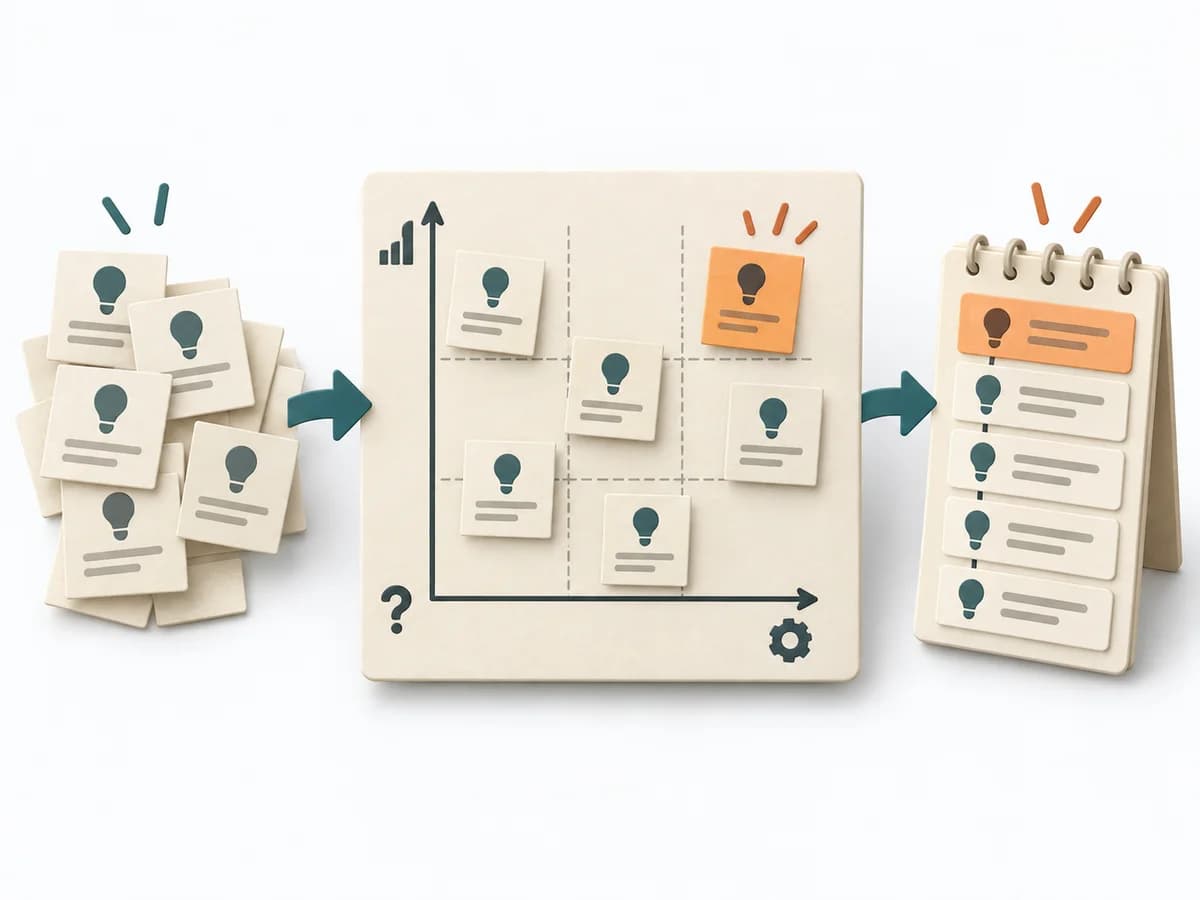
Moves customer problem, solution idea, and evidence toward a concrete result through "take over the hypothesis list", "define the risk scale", and "select the top hypotheses for the next tests".
