Purpose
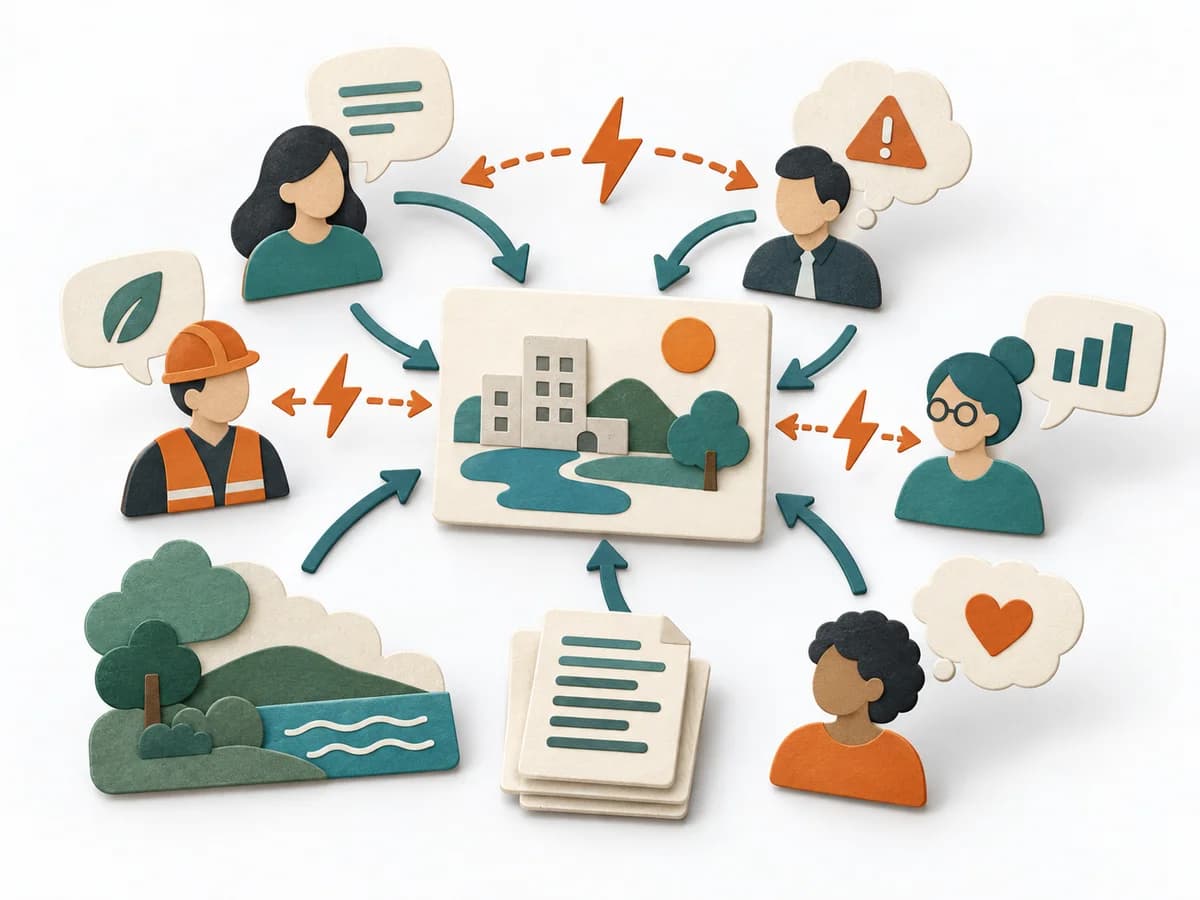
CATWOE structures a problem from six viewpoints and prevents too narrow a view of the situation. Different experiences of the system become comparably discussable this way.
Systems Thinking Mapping tool
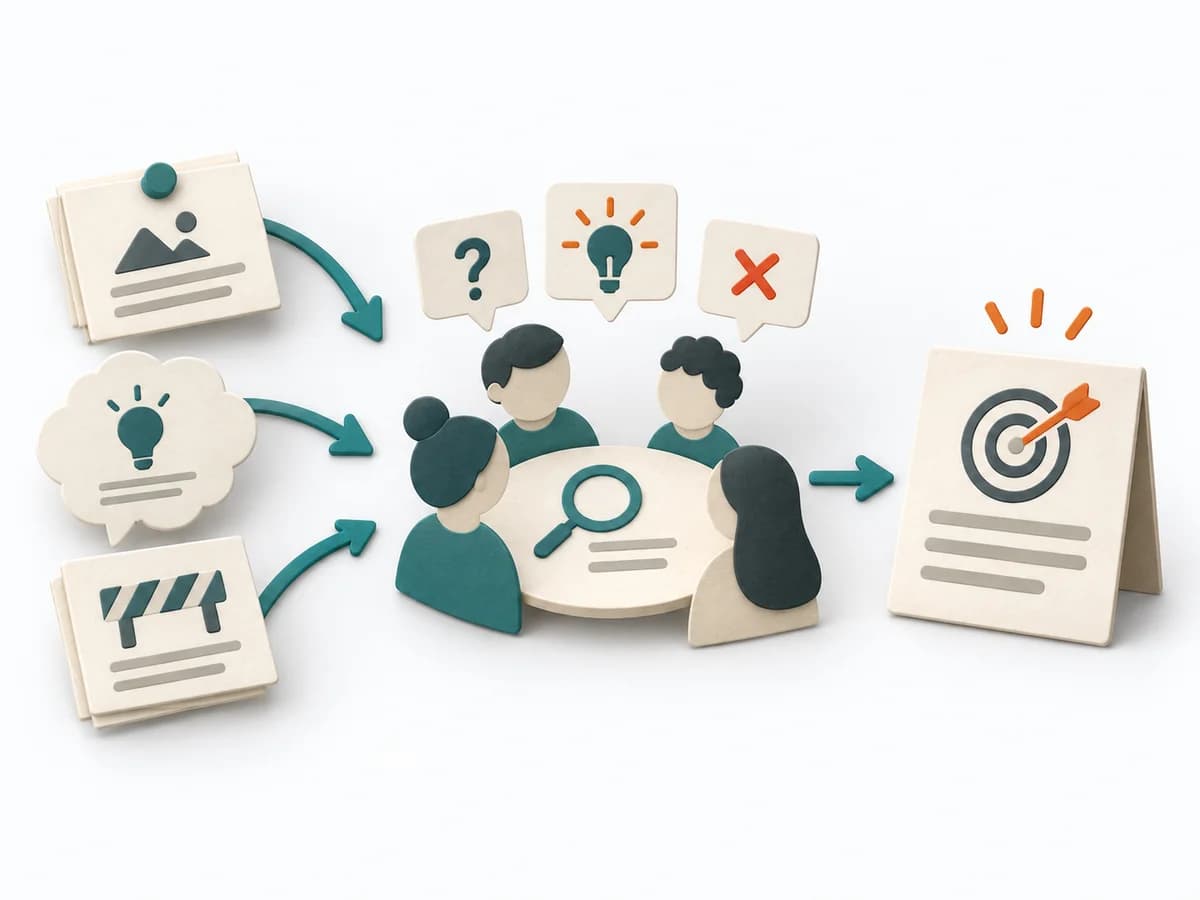
CATWOE sharpens an ambiguous problem situation through perspectives, transformation, and boundaries toward a root definition.
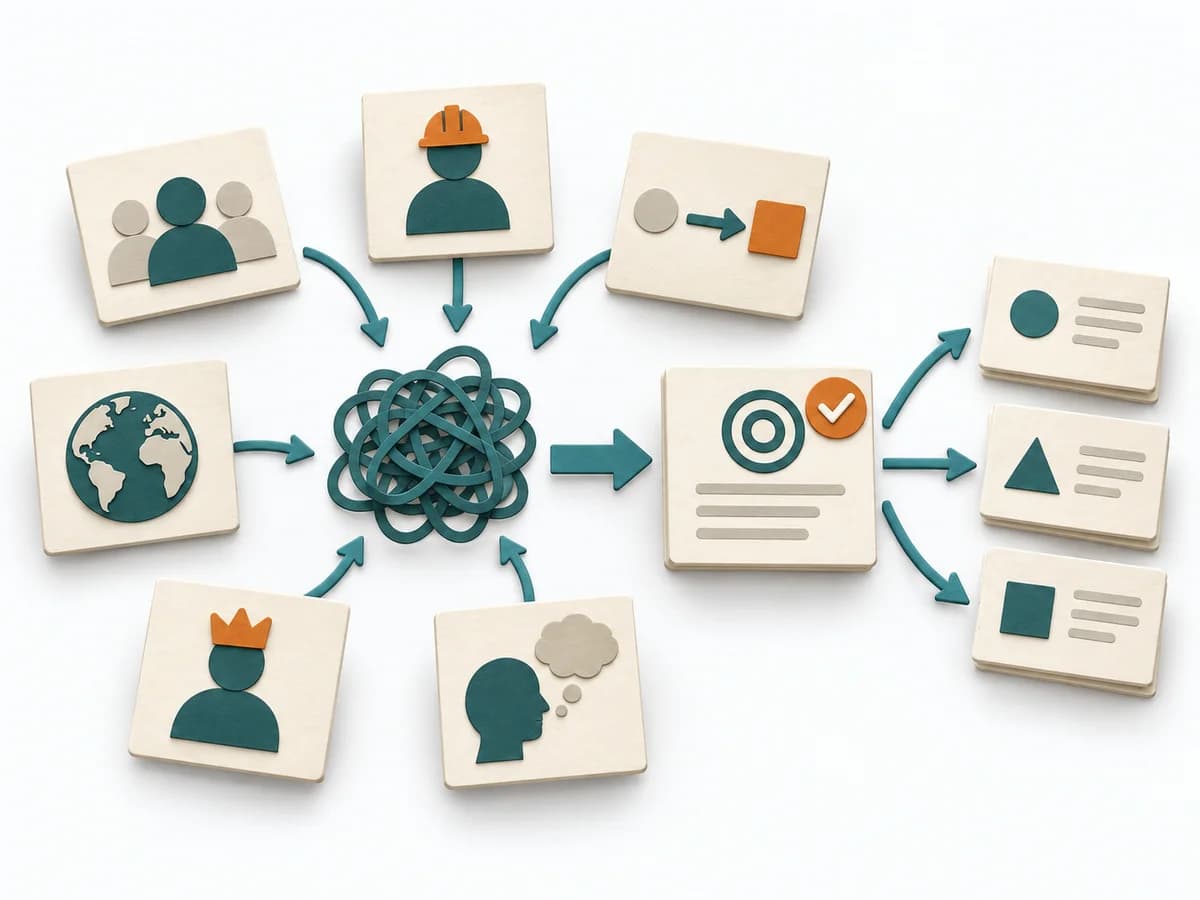
CATWOE structures a problem through Customers, Actors, Transformation, Worldview, Owner, and Environment. The resulting view includes values, power, and boundaries when comparing system options.
Which purposeful transformation makes sense under which worldview, who performs it, who experiences consequences, who can stop it, and which constraints apply?
The steps form one complete method run.
Transformation
Phrase input and output as a change of state while leaving means or solution open.
Worldview
Name the worldview that makes T meaningful and important in this perspective.
Actors
Distinguish Customers, Actors, and Owners: consequences, execution, and stopping authority.
Environment
Capture external or uncontrollable constraints the system must treat as given.
Root definition
Check C-A-T-W-O-E coherence and formulate a PQR sentence: what, how, why.
Add new evidence at review and version decisions with the prior state.
CATWOE strukturiert ein Problem aus sechs Blickwinkeln und verhindert eine zu enge Sicht auf die Lage. Unterschiedliche Systemerfahrungen werden damit vergleichbar besprechbar.
CATWOE analysis with C, A, T, W, O, and E plus one coherent PQR root definition.
Fictional example
Fictional values show the actual method fields.
| Element | Meaning | Question | Fictional value | To validate |
|---|---|---|---|---|
| C · CustomersAdd evidence and rationale. | Victims or beneficiaries of transformation | Who experiences benefit or harm? | Workshops and warehouse crew | Wait data and interviews |
| A · ActorsAdd evidence and rationale. | People performing transformation | Who carries out the activity? | Booking Ops and Warehouse | Roles and capacity |
| T · TransformationAdd evidence and rationale. | State change input → output | What changes into what? | Unpredictable → confirmed window | Before/after criterion |
| W · WorldviewAdd evidence and rationale. | Meaning-giving perspective | Why is T valuable in this view? | Predictability limits workshop downtime | Workshop assumptions |
| O · OwnerAdd evidence and rationale. | Entity with stopping authority | Who can stop the system? | Operations Lead | Formal mandate |
| E · EnvironmentAdd evidence and rationale. | Constraints treated as given | Which external constraints apply? | Labour and fire-code limits | Legal and contract state |
All values are fictional.
Choose one unstructured problem situation and an explicitly named perspective; do not merge competing worldviews prematurely.
CATWOE structures a problem from six viewpoints and prevents too narrow a view of the situation. Different experiences of the system become comparably discussable this way.
The team clarifies Customers, Actors, Transformation, Weltanschauung, Owner, and Environment in turn. This produces a more precise problem definition that factors in values, power, and boundaries. Finally, variants are compared that fit this view of the system.
CATWOE forces a problem to be seen not just as a defect but as a transformation in a social system. Customers, Actors, Transformation, Worldview, Owners, and Environmental Constraints show whose perspective matters and which boundaries apply. From there emerges a root definition that explains which system should actually be improved or designed. The method makes assumptions and power relations visible.
Work with multiple stakeholders or at least with deliberately separated perspectives. Fill the six elements visibly and then formulate a root definition in one sentence. Do not treat worldview and owner superficially, because that is often where the real tension sits.
The method guide walks execution through 5 phases, timing, 5 pitfalls, and clear stop criteria.
Open method guideYour perspective
Your feedback helps shape the next improvements to methodatlas.
Set subject, evidence, roles, flow, and review.
To be confirmed
To be confirmed
Complete run Time: 60–120 minutes per relevant perspective; create separate CATWOE versions when worldviews conflict.
Complete this worksheet on paper or in your own document during the work.
| Element | Meaning | Question | Fictional value | To validate |
|---|---|---|---|---|
| C · Customers | ||||
| A · Actors | ||||
| T · Transformation | ||||
| W · Worldview | ||||
| O · Owner | ||||
| E · Environment |
The blank worksheet contains prompts only.
Reference · original teaching example
Expected artifact: Transformation T
Phrase input and output as a change of state while leaving means or solution open.
Entry:
...
Expected artifact: Worldview W
Name the worldview that makes T meaningful and important in this perspective.
Entry:
...
Expected artifact: C-A-O view
Distinguish Customers, Actors, and Owners: consequences, execution, and stopping authority.
Entry:
...
Expected artifact: Environmental constraints E
Capture external or uncontrollable constraints the system must treat as given.
Entry:
...
Expected artifact: Root definition
Check C-A-T-W-O-E coherence and formulate a PQR sentence: what, how, why.
Entry:
...
...
Method guide: https://methodatlas.meierhoff-systems.de/en/methods/catwoe-analysis/run-sheet
Fitting alternatives with decision guidance, followed by other related methods.

Instead of CATWOE Analysis, choose Stakeholder Mapping when those involved should be sorted by influence, interest, and stance.
Instead of CATWOE Analysis, choose Context Canvas when you want to precisely check assumptions and user needs before implementation with a clear structure instead of loose notes.
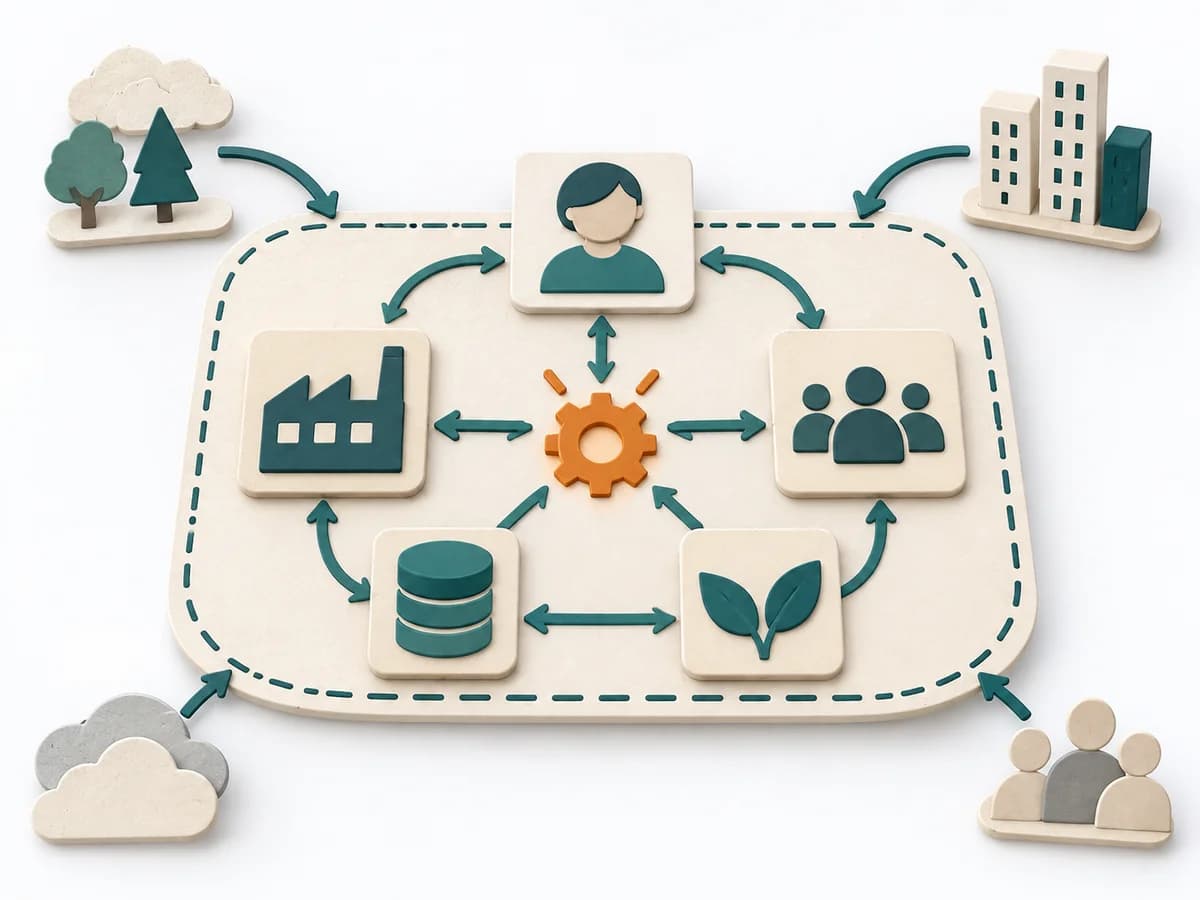
Arranges components, relationships, and flows into a system picture that exposes dependencies and levers.

Layers events, patterns, structures, and mental models to find deeper causes and interventions.

Links problem, target group, determinants, and actions into an actionable change program with evaluation.
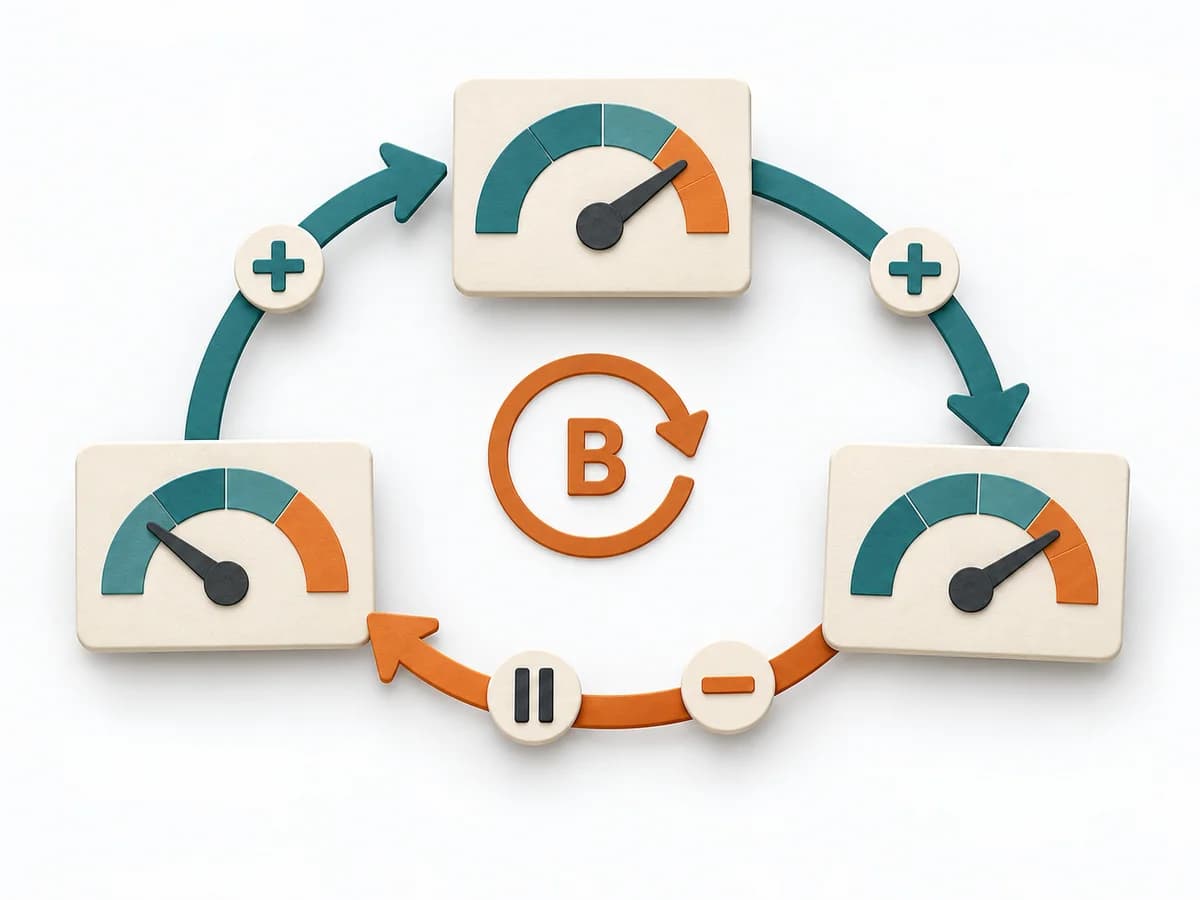
Draws feedback, reinforcement, and balance so patterns, levers, and side effects become understandable.