Purpose
With a restless workday full of too many open items, the method creates radical simplicity. It directs attention to a short sequence instead of a broad, still-open field.
Operations Personal productivity method
Orders at most six important tasks for the next day and directs attention by that sequence.
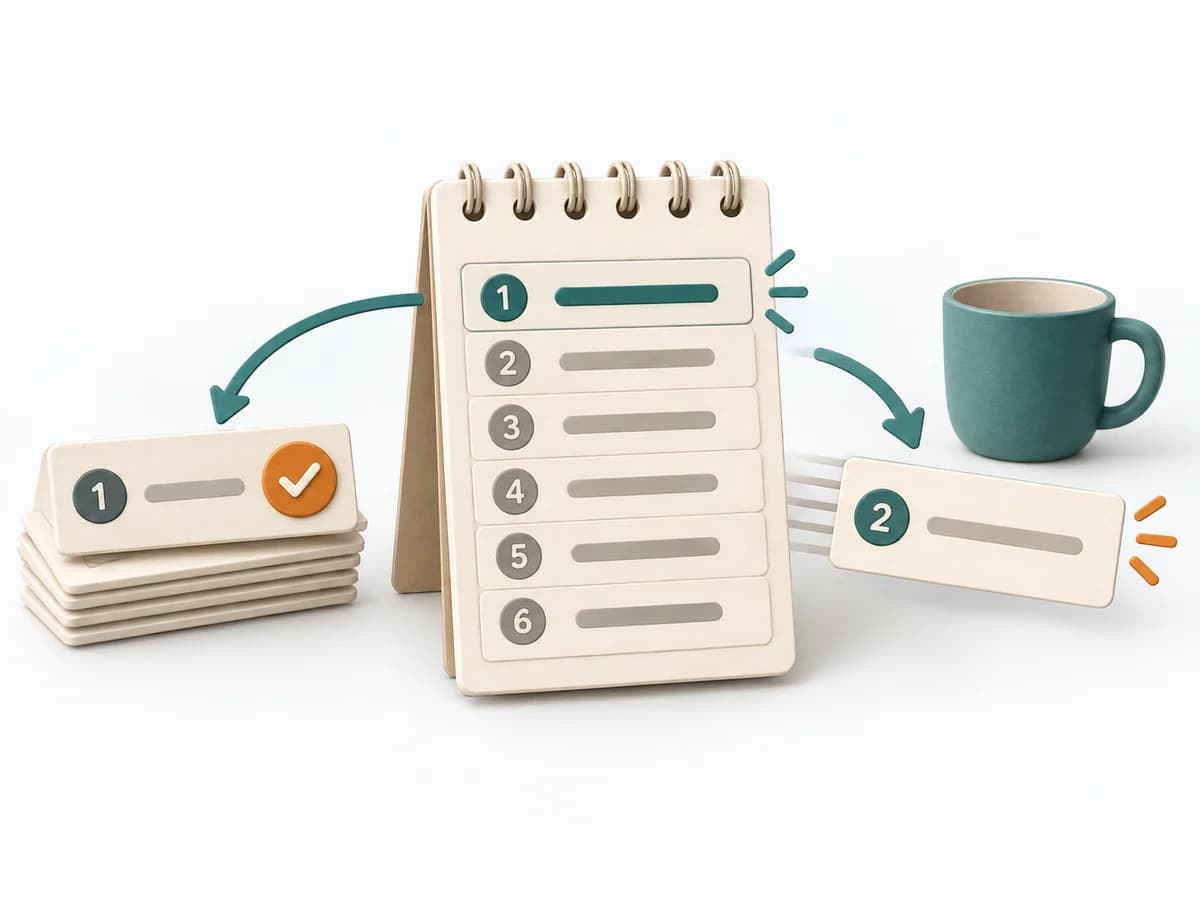
At the end of a workday, at most six important tasks are listed and strictly ordered for the next day. Work begins with number one the following day and follows the order; unfinished work is reprioritised in the evening.
Which at most six tasks deserve my attention tomorrow and in what order?
Select at most six
The previous evening, select at most six important tasks with concrete completion points for tomorrow.
Rank unambiguously
Rank tasks by importance from one to at most six, without ties.
One at a time
Next day, start with number one and take up the next task only after completion.
Decide again in the evening
Mark completed items and compare unfinished tasks with new demands.
Select and rank again each evening; deliberately reconsider unfinished tasks rather than appending them automatically.
For personal prioritisation with many open tasks and frequent switching.
Ordered daily list with at most six concrete tasks and an evening decision on unfinished work.
The new daily list ranks at most six selected tasks for the following day.
Fictional example
At the end of a workday, at most six important tasks are listed and strictly ordered for the next day. Work begins with number one the following day and follows the order; unfinished work is reprioritised in the evening.
Which task comes first and how is completion recognised?
Fictional: hand the proposal draft to Lea for review.
Which task follows completion of number one?
Correct the invoice address and confirm the change.
Which further result takes priority over the following ones?
Complete the export test record.
Which task follows if time and capacity allow?
Confirm two interview appointments.
Which additional important task still fits the day? Leave blank if unnecessary.
Add the new registration question to the support FAQ.
Which final task is included? At most six; fewer are allowed.
Check the workshop materials list.
What is complete and what rank will open tasks receive tomorrow?
1–3 complete. Interview appointments become rank 1 tomorrow; FAQ rank 3. Materials review returns to the task pool after reassessment.
All example details are fictional and illustrate the application.
Review commitments, deadlines and tomorrow’s available time; select only concrete, executable tasks.
With a restless workday full of too many open items, the method creates radical simplicity. It directs attention to a short sequence instead of a broad, still-open field.
In the short list, only the order counts, not the number of alternatives. Every completed task is replaced by the next one, so decision load stays small. The limited frame prevents overload and keeps the focus on actual completion.
The Ivy Lee Method reduces day planning to a strict order of a few tasks. The list is chosen the evening before and worked through the next day one after another without new prioritizing. Focus emerges from cutting down, as decision fatigue drops and the first important result starts sooner.
Write the six items down the evening before in genuine priority order, so the next morning starts without sorting work. Effect emerges when the order isn't immediately overturned by new stimuli. Close the day by deliberately carrying over unfinished items and creating a new list of six for tomorrow.
The method guide walks execution through 4 phases, timing, 4 pitfalls, and clear stop criteria.
Open method guideYour perspective
Your feedback helps shape the next improvements to methodatlas.
Review commitments, deadlines and tomorrow’s available time; select only concrete, executable tasks.
To be confirmed
To be confirmed
Complete cycle Time: 5–10 minutes evening planning; execution the next day
Complete this worksheet on paper or in your own document during the work.
Which task comes first and how is completion recognised?
...
Which task follows completion of number one?
...
Which further result takes priority over the following ones?
...
Which task follows if time and capacity allow?
...
Which additional important task still fits the day? Leave blank if unnecessary.
...
Which final task is included? At most six; fewer are allowed.
...
What is complete and what rank will open tasks receive tomorrow?
...
Answer the prompts with your own information. Explicitly mark unknowns and assumptions.
James Clear: The Ivy Lee Method
Expected artifact: Bounded daily selection
Are there at most six realistically actionable tasks?
Entry:
...
Expected artifact: Committed sequence
Is it clear what comes first and next?
Entry:
...
Expected artifact: Progress along the sequence
Does work stay with one task until its outcome?
Entry:
...
Expected artifact: New prioritised daily list
Was unfinished work reassessed for importance?
Entry:
...
...
Method guide: https://methodatlas.meierhoff-systems.de/en/methods/ivy-lee-method/run-sheet
Fitting alternatives with decision guidance, followed by other related methods.
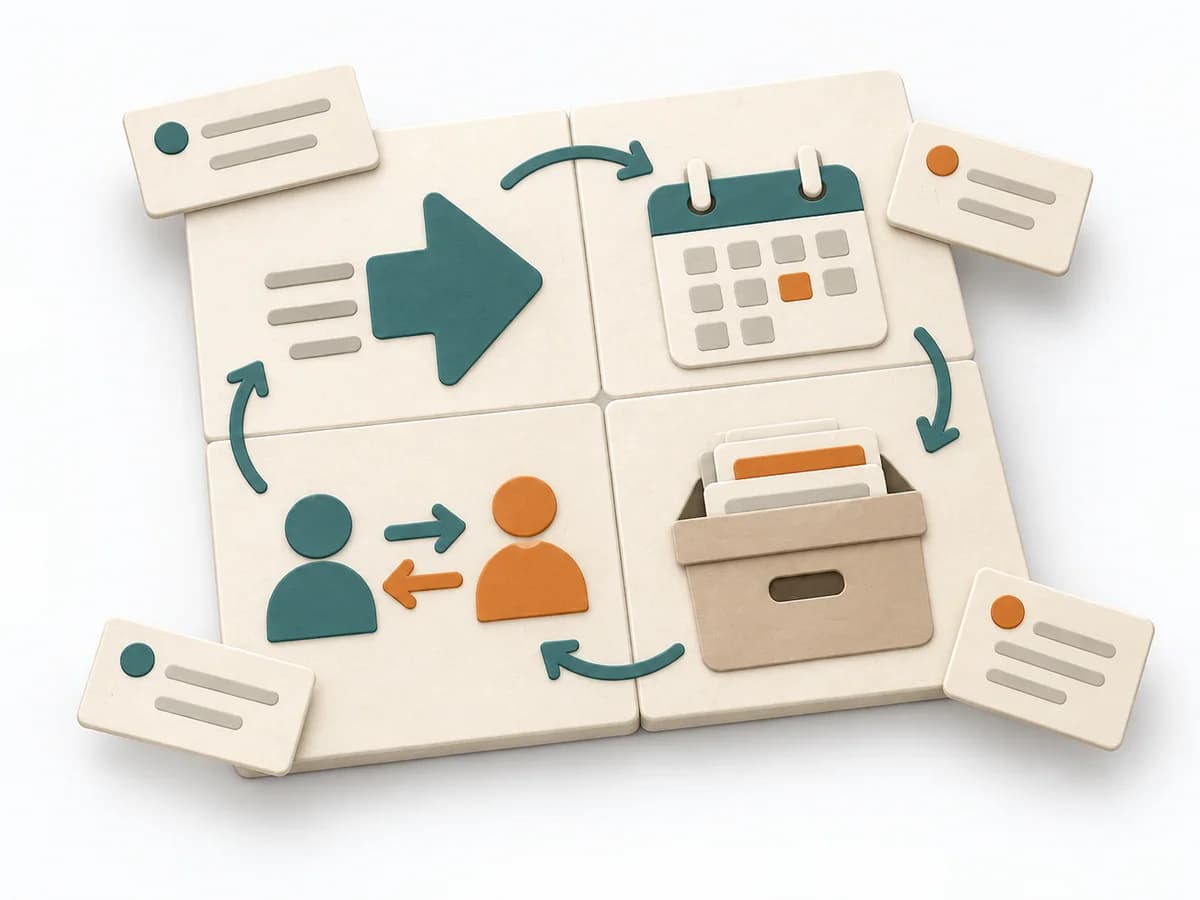
Instead of Ivy Lee Method, when you want to sort and prioritize tasks by urgency and importance.
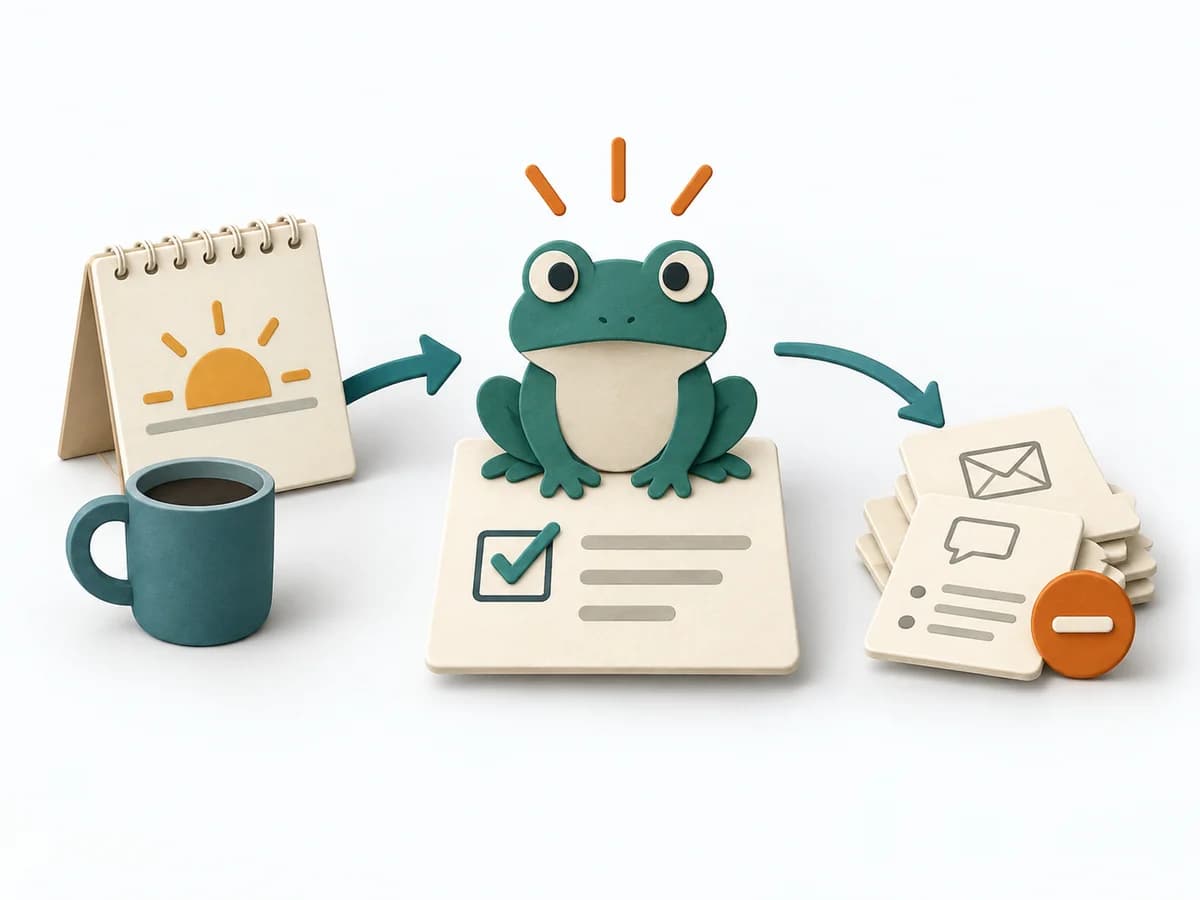
Locks the most important and uncomfortable task into the first focused work block of the day.
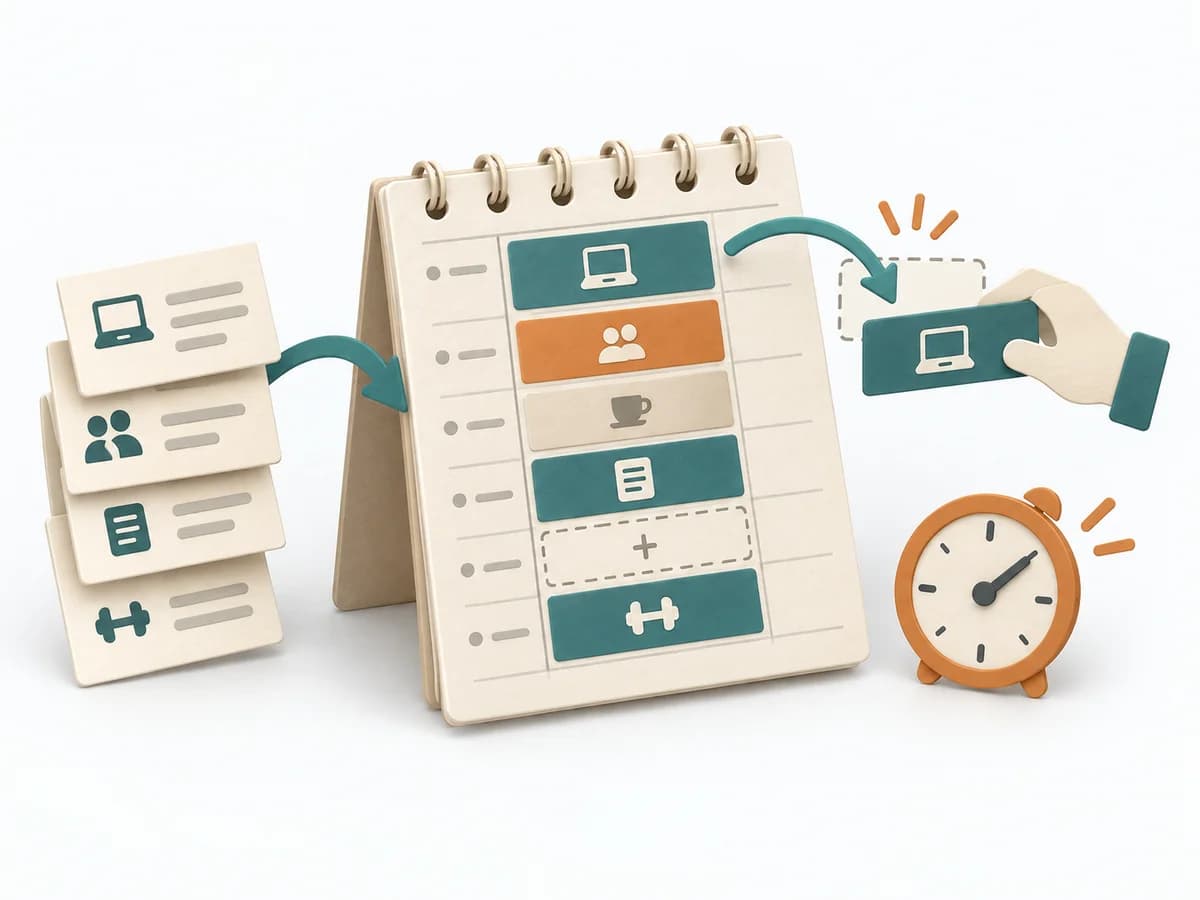
Reserves fixed calendar blocks for tasks and buffer and makes available capacity easier to steer.
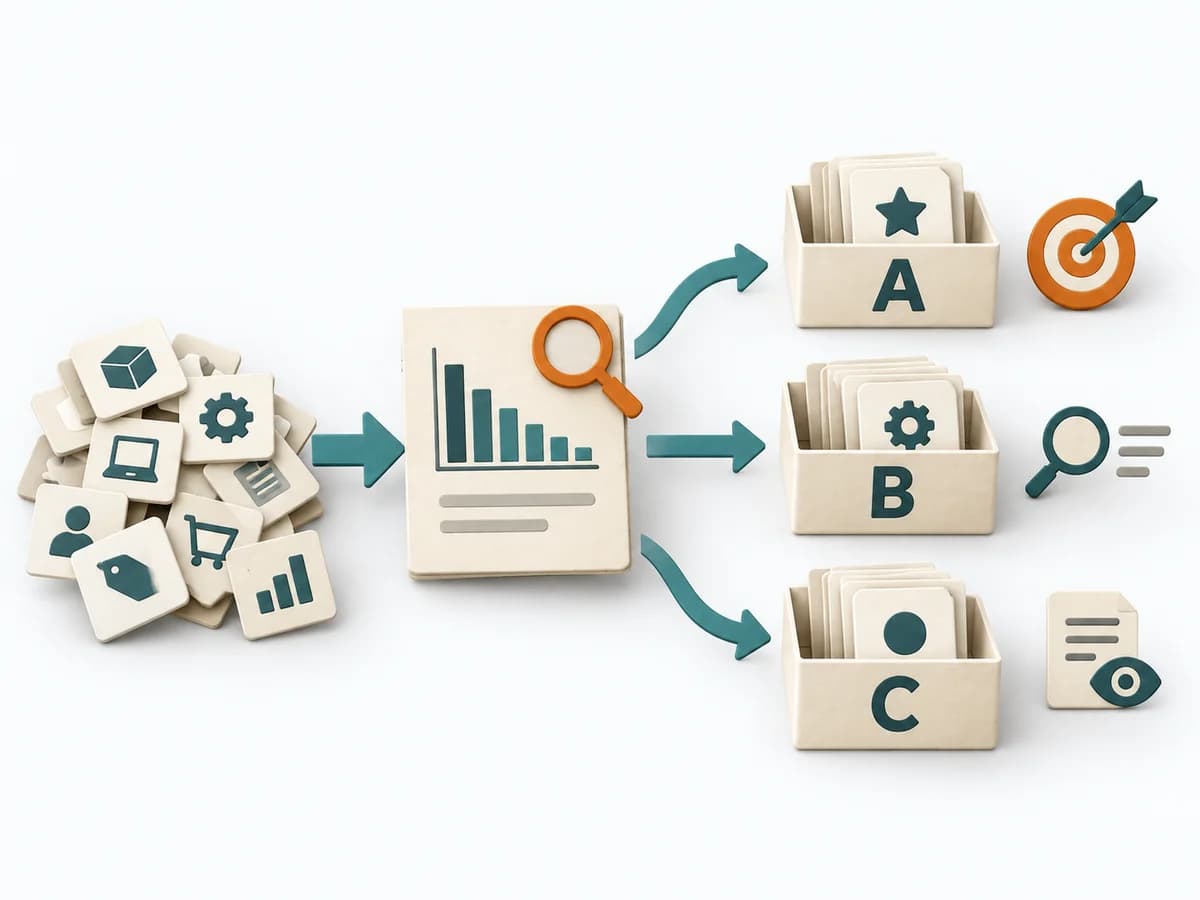
Splits items into A, B, and C by value or effect and directs focus to the most impactful ones.
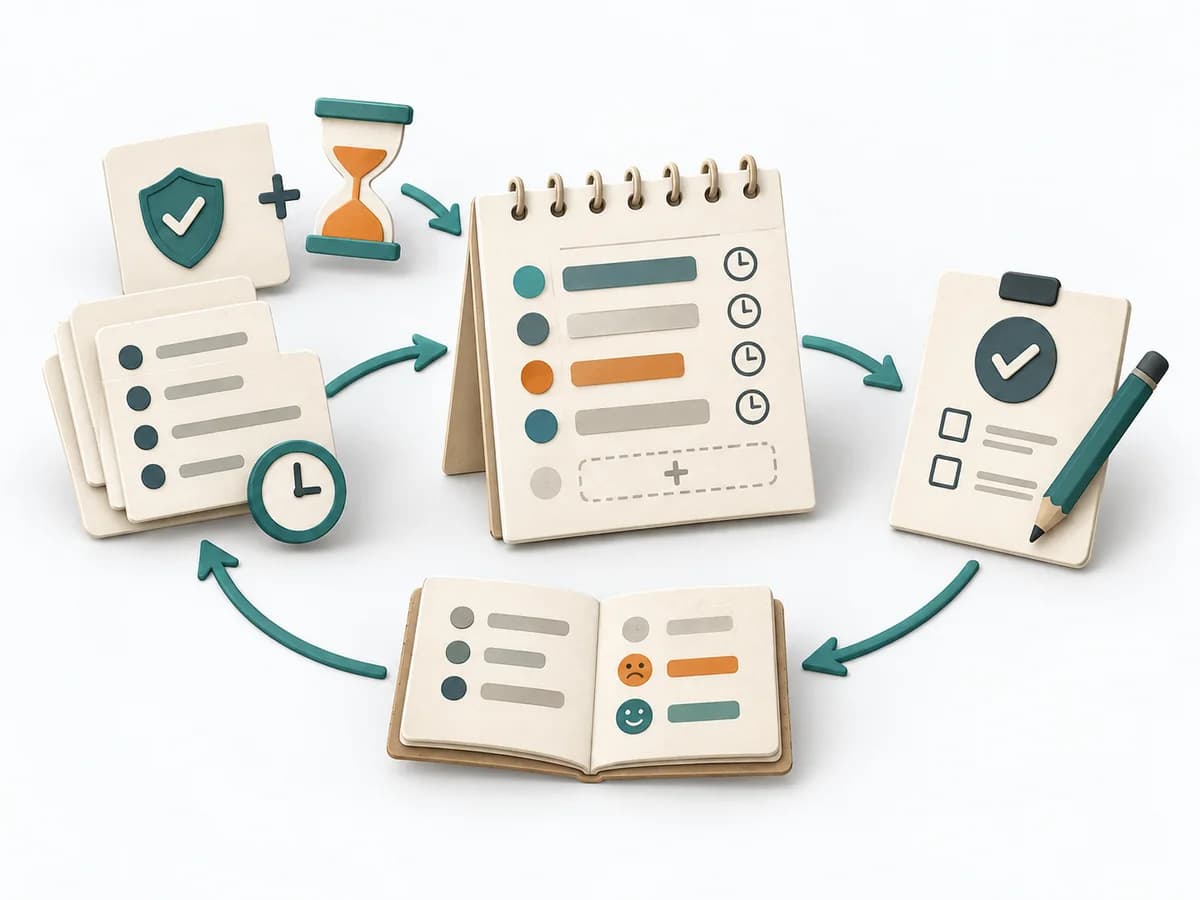
Plans the day through tasks, effort, buffer, and control so priorities stay realistically checkable.

Asks its way step by step to a controllable cause and stops only once an effective countermeasure is within reach.